
Cordyceps And Iron Absorption: What Athletes Need To Know
For athletes, every detail can make a difference—from the quality of sleep to the supplements in your stack. Cordyceps, a unique fungus, has become popular in sports nutrition circles. At the same time, iron is a mineral athletes watch closely, as it is crucial for oxygen transport and energy levels. But how do cordyceps and iron interact? Does taking cordyceps help, hinder, or have no effect on iron absorption? Understanding this relationship is essential, especially if you’re training hard or competing at a high level.
This article explores the connection between cordyceps and iron absorption, why it matters for athletes, and how to optimize both for peak performance. We’ll cover the science, look at real data, address myths, and give practical tips you can use right away.
What Are Cordyceps?
Cordyceps is a genus of fungi with over 400 species, but the two best-known types are Cordyceps sinensis and Cordyceps militaris. These fungi have been used in traditional Chinese medicine for hundreds of years. They grow naturally in the mountains of China, Tibet, and Nepal, often infecting and growing on insects.
Today, most cordyceps supplements come from lab-grown mycelium, making them safe and sustainable. People take cordyceps for many reasons, but athletes are especially interested in their potential to:
- Increase aerobic capacity
- Improve energy levels
- Speed up recovery
- Support immune health
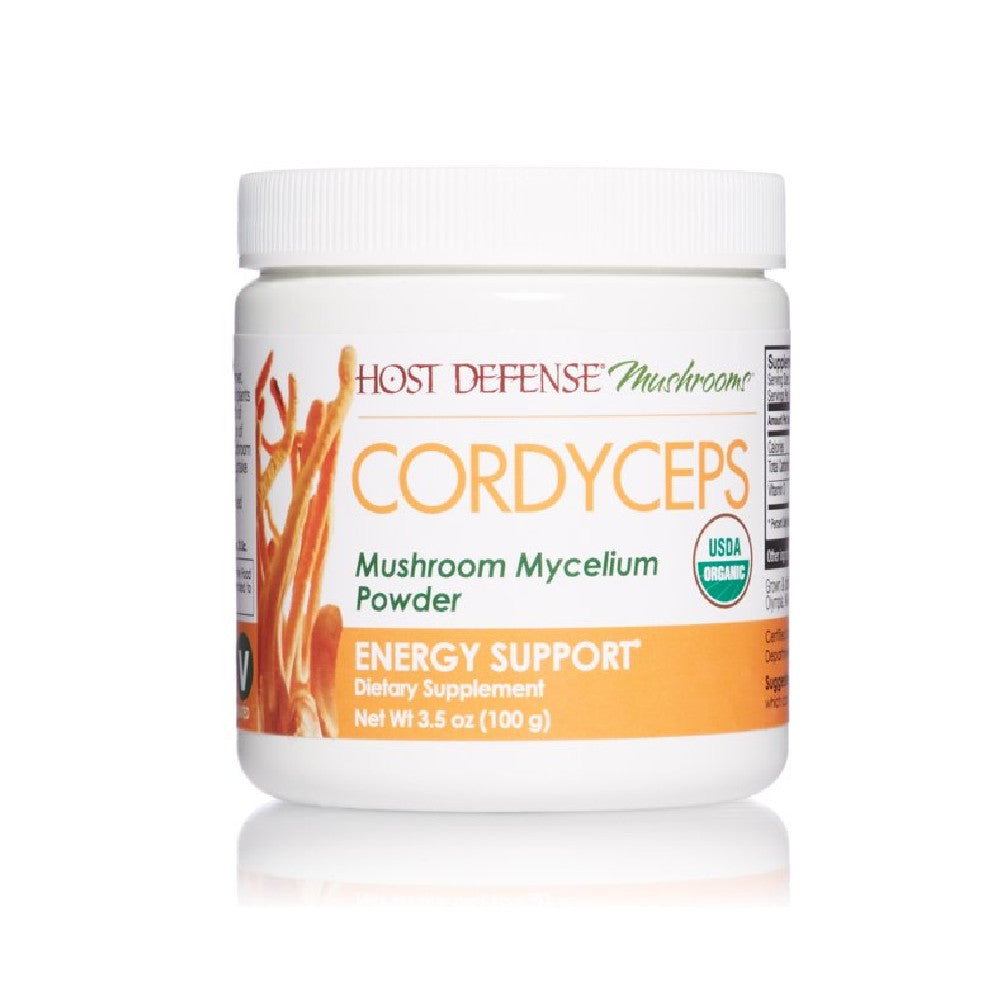
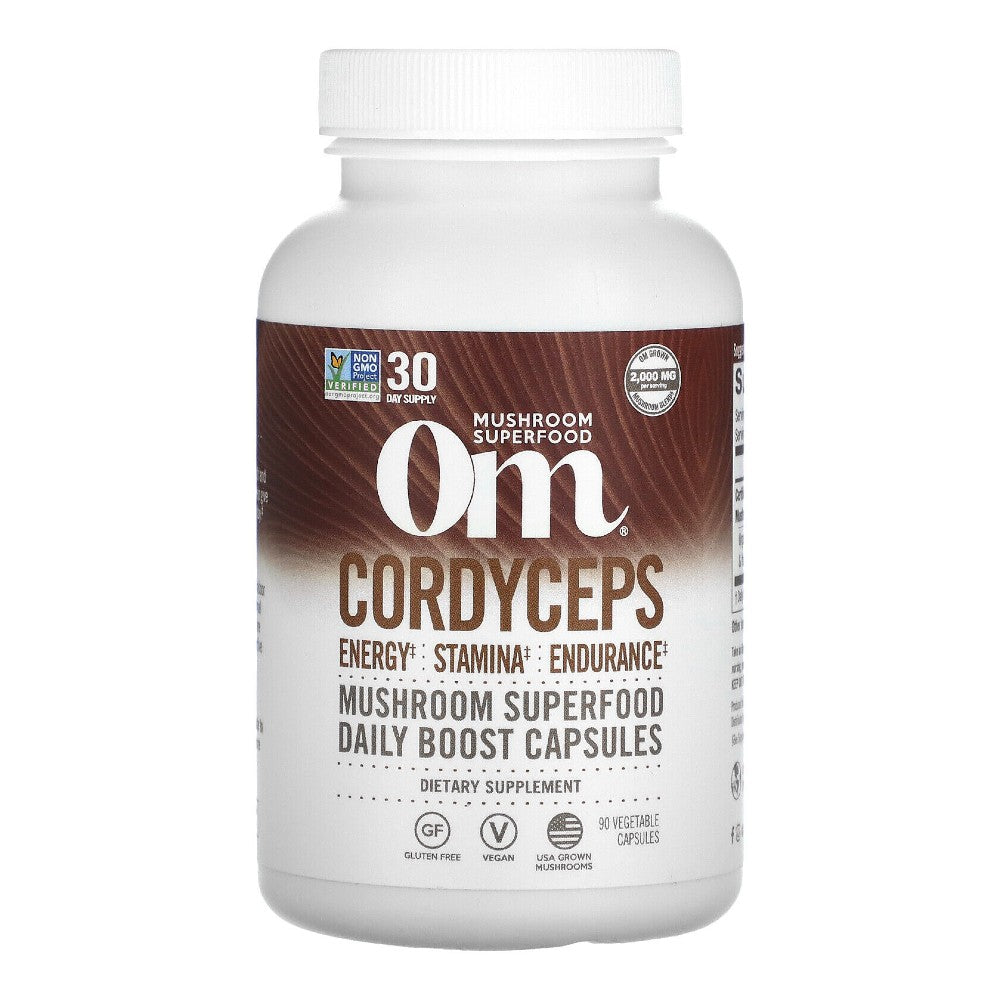
Cordyceps are available as capsules, powders, tinctures, and even as part of energy drinks or protein blends.
The Role Of Iron In Athletic Performance
Iron is an essential mineral. It is a main part of hemoglobin, the protein in red blood cells that carries oxygen from your lungs to your muscles. Without enough iron, your blood cannot deliver oxygen efficiently. This can cause fatigue, weakness, and poor exercise performance.
Athletes, especially women and endurance athletes, are at higher risk for iron deficiency. Common reasons include:
- Increased iron loss through sweat and urine
- Gastrointestinal bleeding (common in long-distance runners)
- Increased demand for red blood cell production
- Low dietary intake, especially in vegetarians and vegans
Symptoms of low iron include tiredness, shortness of breath, pale skin, and reduced workout capacity. In severe cases, it can cause iron-deficiency anemia.
How Iron Is Absorbed In The Body
To understand how cordyceps might affect iron, it helps to know how iron absorption works. There are two main types of dietary iron:
- Heme iron: Found in animal foods (meat, poultry, fish)
- Non-heme iron: Found in plant foods (beans, lentils, vegetables, grains) and most supplements
Heme iron is absorbed more efficiently (about 15–35%) compared to non-heme iron (about 2–20%). The body regulates iron absorption based on need, but several factors can increase or decrease absorption:
- Vitamin C boosts non-heme iron absorption
- Phytates (in grains/legumes), polyphenols (tea/coffee), and calcium can block absorption
- Some proteins (like those in soy) can also lower iron absorption
Iron absorption mainly happens in the duodenum, the first part of the small intestine. The process is controlled by a hormone called hepcidin.
The Science: Cordyceps And Iron Absorption
Is there a direct link between cordyceps and iron absorption? Research is still limited, but several studies give us some clues.
Animal Studies
Some animal studies suggest that cordyceps extracts can help with anemia by improving red blood cell production and raising hemoglobin levels. For example, one study on mice found that cordyceps increased levels of erythropoietin, a hormone that tells the body to make more red blood cells. This could indirectly improve iron status, since more red blood cells mean more iron is needed and used.
However, these studies do not show that cordyceps directly increases the gut’s ability to absorb iron from food.
Human Data
There are only a few human studies on cordyceps and iron. One small trial in healthy adults found that cordyceps supplementation for 8 weeks led to a modest increase in hemoglobin and VO2 max (a measure of aerobic fitness). The researchers suggested that the effect might be due to improved oxygen use or better red blood cell function, but did not confirm a direct effect on iron absorption.
Possible Mechanisms
Cordyceps may affect iron metabolism in a few indirect ways:
- Anti-inflammatory effects: Chronic inflammation can block iron absorption. Cordyceps has anti-inflammatory properties, which might help improve iron status if inflammation is a problem.
- Antioxidant support: Oxidative stress can damage red blood cells. Cordyceps is rich in antioxidants, which could protect blood cells and indirectly help iron use.
- Boosting erythropoietin: As seen in animal studies, cordyceps may stimulate the hormone that increases red blood cell production, increasing the body’s need for iron.
However, there is no strong evidence that cordyceps directly increases, blocks, or changes iron absorption in the gut.
Credit: myvillagegreen.com
Why Cordyceps Appeal To Athletes
Athletes are always looking for safe ways to boost energy, improve endurance, and recover faster. Cordyceps has gained popularity because:
- Some studies show it may improve VO2 max (maximum oxygen use)
- It could help with fatigue and stress
- It may support the immune system, which can be weakened by hard training
But many athletes also need to watch their iron levels, especially if they are at risk for deficiency. Any supplement that could affect iron absorption, positively or negatively, is worth careful attention.
The Importance Of Iron For Athletes
Iron matters for every athlete, but it is critical for:
- Endurance athletes (runners, cyclists, swimmers)
- Female athletes (due to menstrual blood loss)
- Vegetarian and vegan athletes (who get mostly non-heme iron)
- Teen athletes (growing bodies need more iron)
In these groups, even a mild iron deficiency can lower performance, cause more fatigue, and slow recovery. In severe cases, it can lead to anemia and force athletes to stop training.
A 2017 study found that up to 50% of female athletes have low iron stores. Even among male endurance athletes, about 15–20% may have low iron.
Cordyceps: Athletic Benefits Backed By Research
While the effect of cordyceps on iron absorption is not clear, there is more evidence for its general benefits for athletes. Here are some key findings:
Increased Vo2 Max
Several studies have shown that cordyceps supplementation can improve VO2 max, which is the body’s maximum ability to use oxygen during intense exercise. This means better endurance and performance.
- A 2010 study in the Journal of Alternative and Complementary Medicine found that athletes who took cordyceps for 12 weeks increased their VO2 max by 7%**, compared to a placebo group.
- Another study in 2016 found that cordyceps improved time to exhaustion during a cycling test.
Reduced Fatigue
Cordyceps has been shown to help reduce feelings of fatigue, especially after intense or long workouts. This may be due to better energy production in muscle cells.
Enhanced Recovery
Some athletes report faster recovery when taking cordyceps, possibly because of its anti-inflammatory and antioxidant effects. Less inflammation means less soreness and quicker returns to training.
Immune Support
Hard training can temporarily weaken the immune system. Cordyceps may help support immune health, making athletes less likely to get sick during heavy training or competition periods.
Cordyceps And Iron: What The Evidence Really Says
To help visualize the available data, here’s a comparison of what is known about cordyceps and iron:
| Aspect | Cordyceps Effect | Strength of Evidence |
|---|---|---|
| Direct effect on iron absorption | No confirmed effect | Weak |
| Indirect effect via inflammation reduction | Possible improvement | Moderate |
| Stimulates erythropoietin | Observed in animals | Moderate |
| Increases hemoglobin/VO2 max | Observed in some human studies | Moderate |
| Blocks iron absorption | No evidence | Weak |
Most evidence suggests cordyceps does not block or reduce iron absorption. If anything, it may help the body use iron better by supporting red blood cell production and reducing inflammation.
How To Take Cordyceps: Dosage, Timing, And Forms
If you are an athlete considering cordyceps, here’s what you should know about taking it:
Typical Dosage
Most studies use 1,000–3,000 mg per day of cordyceps extract (usually as capsules or powder). The exact dose depends on the product and your body weight.
Best Time To Take Cordyceps
- For energy/endurance: Take cordyceps in the morning or 30–60 minutes before exercise.
- For recovery/immune support: Take daily, at any time, with or without food.
Different Forms
- Capsules: Easy to use and dose.
- Powder: Can be mixed into smoothies, shakes, or coffee.
- Tinctures: Liquid extracts for quick absorption.
- Functional drinks: Cordyceps is sometimes added to pre-workout or recovery drinks.
Quality Matters
Look for products that list Cordyceps militaris or Cordyceps sinensis (CS-4 strain is common for supplements). Make sure it’s from a reputable brand that does third-party testing for purity and potency.
Iron Supplementation: Do’s And Don’ts For Athletes
If you need extra iron, you need to be careful. Here are some key points:
When To Supplement
- Only supplement if blood tests show you are low in iron or have anemia
- See your doctor before starting iron supplements
How To Take Iron For Best Absorption
- Take iron on an empty stomach if possible, but with food if it causes nausea
- Pair with vitamin C-rich foods (orange juice, strawberries, bell peppers) to boost absorption
- Avoid taking iron with calcium, tea, coffee, or high-fiber foods, as these can block absorption
Types Of Iron Supplements
| Type | Absorption Rate | Common Side Effects |
|---|---|---|
| Ferrous sulfate | High | Stomach upset, constipation |
| Ferrous gluconate | Moderate | Milder stomach issues |
| Ferrous fumarate | High | Constipation, nausea |
| Heme iron polypeptide | Very high | Fewer side effects, more expensive |
Common Mistakes
- Taking iron without knowing your iron status
- Taking iron with foods or drinks that block absorption
- Using low-quality or untested supplements
Cordyceps And Iron: Can You Take Them Together?
Many athletes wonder if it’s safe or smart to take cordyceps and iron supplements together. Here is what current evidence and practical experience suggest:
- No known harmful interactions: There are no reports of dangerous interactions between cordyceps and iron.
- No evidence of blocked absorption: Unlike calcium or tea, cordyceps does not appear to block iron absorption.
- Can be taken together: If you need both, you can take cordyceps and iron supplements on the same day. For best iron absorption, take iron away from heavy meals or other supplements.
If you are using a supplement blend that contains both, check the dose of each ingredient and monitor how you feel.
Practical Tips For Athletes: Maximizing Iron And Cordyceps Benefits
To get the most from both cordyceps and iron, follow these practical steps:
- Test First: Get blood tests to check your iron levels before starting any supplement.
- Use Cordyceps for Endurance: If you want to improve aerobic capacity or reduce fatigue, cordyceps may help.
- Supplement Iron Only If Needed: Don’t take iron “just in case”—too much can be harmful.
- Pair Iron With Vitamin C: This boosts absorption, especially for non-heme iron.
- Avoid Iron Blockers Around Supplement Time: Wait at least 2 hours after coffee, tea, or calcium-rich foods before taking iron.
- Monitor for Side Effects: Both supplements are generally safe, but iron can cause stomach upset and constipation.
- Watch for Non-Obvious Issues: Some athletes develop iron deficiency even with a good diet, especially during periods of heavy training or rapid growth.
- Consider Menstrual Cycle: Female athletes may need to pay extra attention to iron during periods of heavy menstrual bleeding.
Real-world Example: An Athlete’s Routine
Let’s look at how a real athlete might use both cordyceps and iron.
Maria is a 28-year-old marathon runner. She trains 5–6 days per week and follows a mostly plant-based diet. Last year, she felt more tired than usual and her times slowed down. A blood test showed she was low in ferritin (an iron storage protein).
Her sports doctor recommended:
- Iron supplement: 60 mg ferrous sulfate daily, taken with orange juice in the morning
- Cordyceps extract: 1,500 mg per day, taken before her workout
Maria avoided tea and coffee for at least 2 hours after taking her iron. She rechecked her blood levels after 8 weeks—her iron was back to normal, and her energy improved.
This routine is not for everyone, but it shows how athletes can safely combine both supplements when needed, with medical guidance.
Myths And Misunderstandings
There is a lot of confusion about cordyceps and iron. Here are some common myths:
- Myth: Cordyceps is a strong source of dietary iron.
- Fact: Cordyceps contains some minerals, but not enough iron to make a difference in your diet.
- Myth: All “mushrooms” block iron absorption.
- Fact: There is no evidence that cordyceps or other edible mushrooms block iron absorption.
- Myth: Taking cordyceps alone can fix iron deficiency.
- Fact: While it may support red blood cell production, cordyceps cannot replace iron if you are deficient.
- Myth: Cordyceps increases the risk of iron overload.
- Fact: There is no data showing cordyceps causes too much iron buildup in healthy people.
Credit: myvillagegreen.com
Key Insights Athletes Often Miss
Even experienced athletes sometimes overlook these points:
- Timing is everything: When you take iron, what you eat and drink around that time can make a huge difference in absorption. Even small changes—like adding orange juice—can boost iron uptake.
- Inflammation matters: Chronic inflammation from overtraining or injuries can block iron absorption by raising hepcidin. Cordyceps’ anti-inflammatory effects may help, but recovery and rest are just as important.
- Blood tests are essential: Relying only on symptoms can be misleading. Get tested regularly, especially if you feel tired, have poor performance, or are in a high-risk group for iron deficiency.
Comparing Cordyceps To Other Performance Supplements
How does cordyceps stack up against other common supplements for athletes? Here’s a quick side-by-side look:
| Supplement | Main Benefit | Effect on Iron Absorption | Best For |
|---|---|---|---|
| Cordyceps | Endurance, VO2 max, recovery | No known effect | Endurance athletes, immune support |
| Creatine | Power, strength | No effect | Sprinters, weightlifters |
| Caffeine | Alertness, endurance | May reduce absorption if taken with iron | All athletes needing a boost |
| Beta-alanine | Delay fatigue | No effect | High-intensity sports |
| Beetroot juice | Blood flow, endurance | No effect | Endurance athletes |
Cordyceps is unique for its combination of endurance, recovery, and immune benefits, without negative effects on iron absorption.

Credit: www.amazon.com
Safety And Side Effects
Cordyceps is considered safe for most people when used as directed. Side effects are rare but may include:
- Mild stomach upset
- Diarrhea
- Dry mouth
Iron supplements are more likely to cause side effects, such as:
- Constipation
- Nausea
- Stomach pain
Too much iron can be dangerous, especially in people who do not need extra iron. Always check with your doctor before starting new supplements.
Who Should Not Use Cordyceps Or Iron Supplements?
- Pregnant or breastfeeding women: Always consult a doctor first.
- People with autoimmune diseases: Cordyceps may stimulate the immune system.
- People with hemochromatosis (iron overload): Never take iron unless prescribed.
- Those with mushroom allergies: Avoid cordyceps.
The Bottom Line: Cordyceps, Iron, And Athletic Performance
Cordyceps is a promising natural supplement for endurance, recovery, and immune health. For athletes, maintaining the right iron balance is also critical for peak performance. Right now, there is no strong evidence that cordyceps increases or blocks iron absorption. If anything, it may help the body use iron better by supporting red blood cell production and reducing inflammation.
You can safely use both cordyceps and iron supplements, as long as you:
- Check your iron status with blood tests
- Take iron with vitamin C for the best absorption
- Avoid foods and drinks that block iron around supplement time
- Choose high-quality, tested products
As research continues, we may learn more about how these two supplements interact. For now, athletes can use both, with smart timing and careful monitoring, to support their training and performance.
Frequently Asked Questions
What Is The Best Time To Take Cordyceps And Iron Supplements?
Take cordyceps in the morning or before workouts for energy, or daily for recovery. Take iron supplements on an empty stomach or with vitamin C-rich food, but not with tea, coffee, or calcium. Separate iron from other supplements by at least 1–2 hours for best results.
Can Cordyceps Replace Iron Supplements For Athletes With Deficiency?
No, cordyceps cannot replace iron if you are deficient. It may support red blood cell production, but you need iron to correct a deficiency. Always treat iron deficiency with proper supplements and medical guidance.
Are There Any Foods Or Supplements That Block Iron Absorption More Than Cordyceps?
Yes. Tea, coffee, calcium, and some grains contain compounds that block iron absorption much more than cordyceps. There is no evidence that cordyceps blocks iron absorption.
Is It Safe To Take Cordyceps And Iron Together Every Day?
For most people, yes. There are no known harmful interactions between cordyceps and iron. Just make sure to follow recommended doses and monitor your health with regular checkups.
Where Can I Read More About Cordyceps And Sports Performance?
You can find more information and research on cordyceps and athletic performance at Wikipedia and other scientific resources.
With the right approach, athletes can benefit from both cordyceps and iron—fueling their bodies for top performance, recovery, and long-term health.