
Chaga Mushroom And Histamine Intolerance: What You Should Know
Most people look for natural ways to support their health, especially when dealing with complex issues like histamine intolerance. One popular option is the Chaga mushroom, a fungus used for centuries in traditional medicine. But is it safe for people with histamine intolerance? The answer is not as simple as you might think.
This article will help you understand both chaga mushrooms and histamine intolerance in detail. You will learn how chaga affects the body, whether it can trigger histamine reactions, and the practical steps to decide if chaga is right for you.
You’ll also discover some common mistakes people make with supplements and get answers to frequent questions. If you want to make informed choices about your health, keep reading.
What Is Histamine Intolerance?
Understanding Histamine
Histamine is a natural chemical in the body. It helps with many functions, such as:
- Sending signals between nerves
- Helping the stomach make acid for digestion
- Playing a role in immune responses (like allergies)
Histamine is found in many foods and is also released by certain cells in your body. For example, when you cut yourself or get an insect bite, histamine is released to help the healing process and defend against germs. It is also involved when you have allergies—like when pollen makes your nose run and eyes itch.
What Is Histamine Intolerance?
Histamine intolerance means your body cannot break down histamine fast enough. This causes histamine to build up, leading to symptoms that can affect different parts of the body. It is not a true allergy, but the symptoms can feel similar.
People often confuse histamine intolerance with allergies because the reactions overlap. However, the main difference is that histamine intolerance is related to your body’s ability to process histamine, while allergies are immune reactions to specific things like pollen or food proteins.
Common Symptoms Of Histamine Intolerance
- Headaches or migraines
- Flushing or redness of the skin
- Hives or itchy skin
- Nasal congestion or sneezing
- Digestive problems (bloating, diarrhea, stomach pain)
- Fatigue
- Dizziness
These symptoms often appear after eating foods high in histamine or foods that trigger histamine release. Sometimes, symptoms develop slowly and may be hard to connect to a specific food. For example, someone might eat cheese on Monday and have a headache on Tuesday, making it harder to spot histamine as the cause.
It is common for people to have multiple symptoms at once. For instance, a person might feel tired, get a rash, and have stomach cramps after a meal—all connected to too much histamine.
Causes Of Histamine Intolerance
- Low DAO enzyme: Diamine oxidase (DAO) is an enzyme that breaks down histamine in the gut. If you have low DAO, you can develop histamine intolerance. Some people are born with less DAO, while others lose DAO from gut problems or certain medicines.
- Mast cell problems: Mast cells release histamine. Some people have too many active mast cells. This can happen in conditions like mast cell activation syndrome (MCAS), making the body release histamine even from small triggers.
- Gut health issues: Problems like SIBO (small intestine bacterial overgrowth) can increase histamine. Bad bacteria in the gut can produce extra histamine, making symptoms worse.
- Certain medications: Some drugs block DAO or trigger histamine release. Common examples include painkillers like aspirin, some antidepressants, and antibiotics.
It is important to know that histamine intolerance is a complex condition, and not all cases are the same. Some people might have more than one cause at the same time, which makes it harder to manage. Also, women may notice symptoms change with their menstrual cycle because hormones affect histamine levels.
What Is Chaga Mushroom?
Basic Facts
Chaga mushroom (Inonotus obliquus) is a fungus that mainly grows on birch trees in cold climates like Russia, Canada, and Scandinavia. It looks like a burnt piece of wood but is full of nutrients.
Chaga is not a soft, typical mushroom. It is hard and woody, sometimes looking like a lump of charcoal stuck on a tree. Despite its appearance, it has been prized for its health properties for centuries.
Traditional Uses
Chaga has been used in folk medicine for hundreds of years. People drank it as a tea or used it as a powder to support:
- Immune health
- Digestion
- Skin health
- Energy
Healers in Siberia and Northern Europe valued chaga for its ability to help during cold winters, support overall strength, and soothe stomach problems. In some cultures, it was called “the gift from God” or “the king of herbs. ”
Main Nutrients And Compounds
Chaga is packed with:
- Polysaccharides (boost immune function)
- Beta-glucans (support healthy cholesterol and blood sugar)
- Melanin (strong antioxidant)
- Triterpenoids (anti-inflammatory properties)
- Trace minerals (zinc, copper, potassium)
These compounds are believed to work together, giving chaga its reputation as a health tonic. For example, melanin is the same pigment that gives color to human skin, and in chaga, it acts as a powerful antioxidant.
Modern Uses
Today, chaga is found in:
- Powders
- Teas
- Capsules
- Extracts
People take it as a supplement for its antioxidant and immune-boosting effects. It is also popular in “superfood” coffee mixes and smoothies. Some skincare brands use chaga for its skin-calming properties.
For those who do not like the taste of mushroom, capsules are a popular way to get the benefits without the earthy flavor.
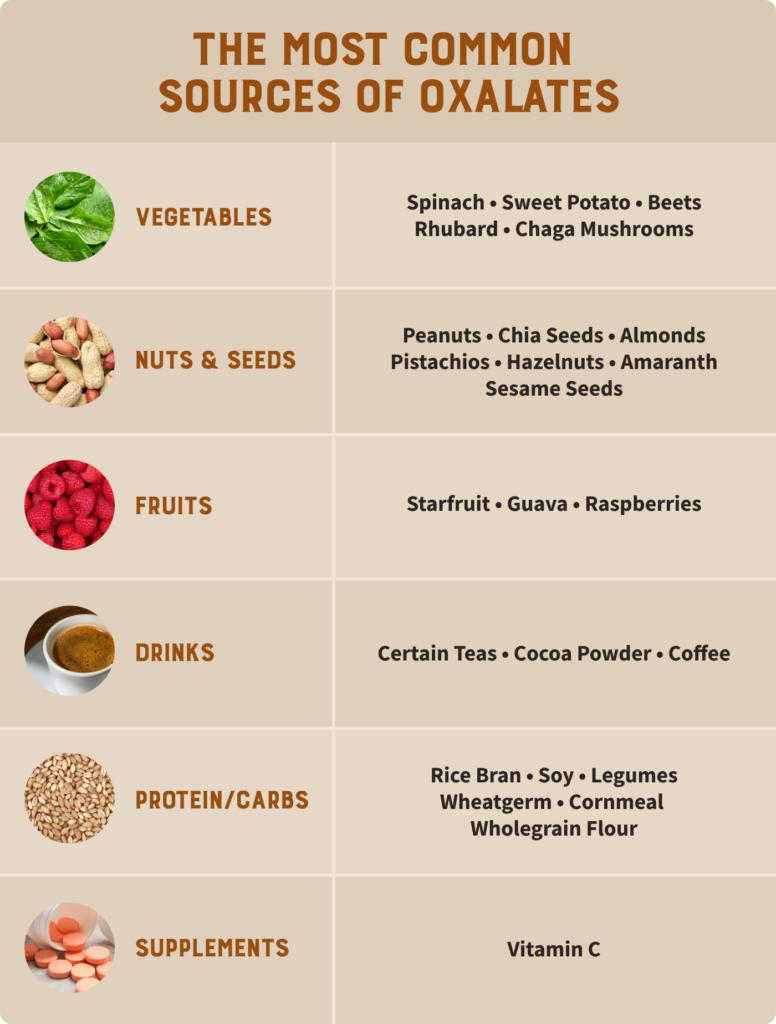
Credit: heartandsoil.co
How Chaga Mushroom Works In The Body
Antioxidant Power
Chaga is considered one of the most powerful natural antioxidants. It protects cells from free radicals, which can cause aging and disease. Free radicals are unstable molecules that damage cell parts, and antioxidants neutralize them.
For example, when you are exposed to pollution or stress, your body creates more free radicals. Antioxidants like those in chaga help reduce this damage and may slow aging.
Immune System Effects
Compounds in chaga may help balance the immune system. They can increase activity when needed (fighting infections) or calm it down if it’s overactive (reducing inflammation).
For people with immune imbalances, such as those with histamine intolerance or autoimmune issues, this effect can be both helpful and risky. If your immune system is too active, chaga might help calm it; if you are fighting a cold, it might help you recover faster.
Anti-inflammatory Properties
Some studies suggest chaga can lower inflammation markers in the body. This is important because chronic inflammation is linked to many health problems, including heart disease and allergies.
For example, people with arthritis or eczema sometimes use chaga to manage flare-ups. The same anti-inflammatory effect is why some try chaga for skin issues caused by histamine.
Impact On Digestion
Chaga is believed to help with gut health by supporting good bacteria and reducing irritation. Some traditional healers used chaga tea to soothe upset stomachs or mild digestive pain.
Modern research suggests chaga’s polysaccharides may feed healthy gut bacteria. However, because it is a mushroom, some sensitive people may notice gas or bloating, especially at higher doses.
Example: Antioxidant Strength
Research shows that chaga has an ORAC value (a measure of antioxidant strength) much higher than many common foods.
| Food/Supplement | ORAC Value (per 100g) |
|---|---|
| Chaga Mushroom | 52,000 |
| Blueberries | 4,669 |
| Acai Berries | 15,405 |
This means chaga is a very powerful antioxidant source. To get the same antioxidant effect from blueberries, you would need to eat much more than from chaga. This is why some people use chaga as a “nutrient booster” in their diet.
The Link Between Chaga Mushroom And Histamine Intolerance
Is Chaga Mushroom High In Histamine?
The good news: chaga itself is not a high-histamine food. It does not contain histamine or have the same risk as aged cheese, fermented foods, or processed meats.
You do not need to worry about chaga raising histamine directly in the way that foods like sauerkraut or cured meats do.
Can Chaga Trigger Histamine Release?
Here is where it gets tricky. Some natural substances can trigger histamine release or affect how your body handles histamine. For example:
- Some mushrooms can trigger mast cells (which release histamine)
- Some supplements change how enzymes like DAO work
Chaga is less likely to trigger histamine release than other mushrooms, but there are still a few risks. For people with sensitive mast cells, even “safe” mushrooms can sometimes be a problem.
Sometimes, the immune-balancing effect of chaga may stimulate mast cells in people who are already sensitive. This does not happen to everyone, but it is important to be aware of the possibility.
Individual Reactions Vary
Everyone’s body is different. Some people with histamine intolerance can handle small amounts of chaga, while others may react even to small doses.
- Non-obvious insight: Even if chaga does not contain histamine, the way your body reacts depends on your unique immune and enzyme balance. For example, two people with the same diagnosis can have completely different reactions to the same chaga tea.
- Non-obvious insight: How chaga is processed (dried, extracted, or mixed with other ingredients) can change its effect on sensitive people. For example, alcohol-based tinctures or products with added flavorings can be more likely to cause reactions than pure water-extracted powder.
Sometimes, the growing conditions of the mushroom can also change its chemical makeup, although this is less common. For those with histamine intolerance, it is smart to test each new batch or brand, as even small differences can matter.
Chaga And Dao Enzyme
There is no strong scientific proof that chaga mushroom blocks DAO. However, it is always possible for a new supplement to interact with enzymes in unexpected ways.
If you already have low DAO, it’s wise to test chaga carefully. Some people find that their overall enzyme function improves with better gut health, so starting with gut support before adding chaga can be a good strategy.
Gut Health And Chaga
People with gut issues are more likely to have histamine intolerance. Chaga may help gut health for some, but it can also cause digestive upset in others.
If your gut is sensitive, try chaga in tea form first, as it is more gentle. Avoid capsules with fillers or blends, as these can irritate the gut and trigger histamine.
Potential Benefits Of Chaga For People With Histamine Intolerance
Antioxidant Support
Histamine intolerance often comes with inflammation and oxidative stress. Chaga’s high antioxidant content can help protect your cells.
Antioxidants may help you recover faster from flare-ups and reduce the frequency of headaches or skin reactions.
Immune Modulation
Chaga may help balance the immune system, which is useful if your body overreacts to triggers. This is especially helpful for people who get frequent allergy-like symptoms but have no clear allergy.
Some people use chaga to help with seasonal changes, when pollen or dust can make histamine intolerance worse.
Gut Health Improvements
Some users report better digestion and less inflammation after using chaga. If your intolerance is linked to poor gut health, this could help.
For example, people with IBS (irritable bowel syndrome) sometimes notice less bloating and more regular stools after using chaga tea.
Skin Health
Histamine intolerance can cause itchy, red skin. Chaga’s anti-inflammatory properties may help calm the skin.
Some people make a weak chaga tea and use it as a skin wash for rashes or redness, though this is not a substitute for medical treatment.
Energy And Focus
People with histamine issues often feel tired. Chaga is believed to support natural energy and mental clarity.
This can be helpful for those who struggle with “brain fog” or fatigue after eating certain foods.
Practical Example
A person with mild histamine intolerance tries a low dose of chaga powder in tea, starting with 1/8 teaspoon. They track their symptoms for a week and notice better energy and no new reactions. This slow approach helps them find their personal tolerance.
Another example: a person with more sensitive digestion tries chaga in capsule form and gets mild stomach upset. They switch to tea and feel better, showing that the form of chaga matters.
Possible Risks And Side Effects
Allergic Reactions
Though rare, some people are allergic to mushrooms, including chaga. Symptoms can include rash, swelling, or trouble breathing.
If you have a known allergy to mushrooms, avoid chaga completely. Even a small amount can trigger a serious reaction.
Digestive Upset
Chaga can cause stomach pain, diarrhea, or nausea in some users, especially if taken in large amounts.
Starting with a small dose and taking chaga with food can reduce the risk of digestive issues. If you notice gas, cramps, or loose stools, reduce your dose or stop.
Interaction With Medications
Chaga may interact with:
- Blood thinners
- Diabetes medicines
- Immune-suppressing drugs
If you take medications, talk to your doctor before starting chaga. It is especially important if you have bleeding disorders or take warfarin, as chaga may increase the risk of bleeding.
Overstimulation Of The Immune System
Chaga supports the immune system, but in some people, it could make immune reactions stronger. This is a risk if you have autoimmune problems or mast cell issues.
For example, people with lupus or MS should be extra careful. If you notice joint pain, fever, or more fatigue, stop chaga and talk to your doctor.
Heavy Metals And Contaminants
Wild chaga can absorb heavy metals from the environment. Always choose high-quality, tested products.
Look for brands that show lab testing for lead, arsenic, and other toxins. This is especially important if you take chaga every day.
Example: Side Effects Comparison
Here’s how chaga compares to other common supplements for histamine-sensitive people:
| Supplement | Common Side Effects | Histamine Risk |
|---|---|---|
| Chaga Mushroom | Digestive upset, allergy (rare) | Low to moderate |
| Reishi Mushroom | Dry mouth, dizziness, rash | Moderate |
| Vitamin C | Diarrhea (high dose) | Very low |
This comparison shows that while chaga is lower risk than some mushrooms, it is not risk-free.

Credit: enticare.com
Who Should Be Most Careful With Chaga?
- People with mushroom allergies: Chaga is a fungus, so avoid it if you are allergic.
- People with severe histamine intolerance: If you react to most new foods or supplements, start very slowly.
- People on immune-suppressing drugs: Chaga can affect the immune system.
- Pregnant or breastfeeding women: There is not enough safety data.
- People with autoimmune diseases: Chaga may boost the immune system, which could be a problem.
People with chronic digestive diseases, such as Crohn’s or ulcerative colitis, should also be cautious. These conditions can make the gut more sensitive to new foods or supplements.
How To Try Chaga Mushroom If You Have Histamine Intolerance
Start Small
Take the smallest dose possible (for example, 1/8 teaspoon of chaga powder or a small cup of weak tea). For capsules, start with half the recommended dose if possible.
If you have never had chaga before, consider starting on a weekend or when you have time to watch for symptoms.
Test For Reactions
- Wait at least 24-48 hours before increasing the dose.
- Track any symptoms like skin changes, headaches, or stomach upset.
Even mild symptoms like a runny nose or slight itchiness can be early signs of a reaction.
Choose Pure Products
Pick pure chaga with no added flavors, sweeteners, or other mushrooms. Look for third-party lab tests.
Avoid instant drink mixes or “super blends” if you are new to chaga. The simpler the ingredient list, the easier it is to spot problems.
Watch Out For Blends
Many chaga products are mixed with coffee, cocoa, or other mushrooms. These extras can trigger histamine symptoms.
For example, cocoa is a known histamine liberator. Some “mushroom coffee” blends add sugar or milk powder—both can be triggers for sensitive people.
Example: How To Introduce Chaga Safely
- Day 1: Take a small amount in the morning.
- Day 2-3: If no reaction, repeat.
- Day 4-7: Slowly increase the amount if you feel well.
- Keep a diary of any symptoms (headache, itching, digestive changes).
This method is often called a “low and slow” approach. It gives your body time to adjust and makes it easier to spot mild reactions before they become serious.
When To Stop
If you get new or worse symptoms, stop chaga right away.
Do not try to “push through” a reaction. Even small symptoms can get worse if you keep taking a supplement your body does not like.
Chaga Mushroom Supplements: What To Look For
Forms Of Chaga
- Powder: Easy to mix in drinks; choose hot water-extracted for best results.
- Tea: Traditional method; gentle but less concentrated.
- Capsules: Convenient but check for fillers.
- Tinctures: Liquid extracts; more potent but can be harsher on sensitive stomachs.
Each form has its own pros and cons. For example, tea is easy to adjust for strength, but capsules are better for travel.
Quality Factors
- Source: Wild-harvested from clean forests is best.
- Testing: Look for lab results showing no heavy metals or contaminants.
- Extraction Method: Hot water extraction is the most traditional and safe.
- No Additives: Avoid products with added flavors or other herbs.
A common beginner mistake is choosing the cheapest product, which may be lower quality or mixed with other mushrooms. Investing in a trusted brand can prevent health problems.
Example: Product Comparison
Here’s a quick look at key factors for chaga supplements:
| Form | Strength | Best For | Potential Issues |
|---|---|---|---|
| Powder | Medium | Daily use, smoothies | Some may contain fillers |
| Tea | Low | Gentle support | Weak for strong effects |
| Capsule | High | Travel, convenience | Possible additives |
| Tincture | Very High | Quick results | Alcohol content, strong taste |
If you are unsure, start with tea or powder and avoid tinctures, as alcohol can be a histamine trigger for some.
Common Mistakes When Using Chaga With Histamine Intolerance
- Taking too much too quickly: Start low, go slow. Large doses increase reaction risk.
- Ignoring other ingredients: Many products contain extra herbs or sweeteners that can trigger symptoms.
- Not tracking symptoms: Keep a simple diary to spot patterns.
- Skipping quality checks: Poor-quality chaga may have mold or heavy metals.
- Assuming no risk: Even “safe” foods can trigger reactions in sensitive people.
- Stopping other treatments: Do not replace medical advice or prescribed medications with chaga.
Real-life Example
A person with histamine intolerance tries a fancy chaga blend coffee and gets a headache. They later find out the blend contains cocoa and other mushrooms—both can trigger histamine. If they had chosen pure chaga, they might have avoided the reaction.
Another common mistake is trying to treat all symptoms with chaga alone. Remember, histamine intolerance usually needs a full approach—diet, gut health, and sometimes medicine.
Scientific Research: What Do Studies Say?
While chaga has a long history in folk medicine, scientific research is still limited. However, some studies show:
- Chaga contains betulinic acid, which has anti-inflammatory and antioxidant effects.
- Animal studies suggest chaga can reduce allergy-like inflammation.
- No major studies directly link chaga to histamine intolerance, but chaga’s immune effects can be strong.
One animal study found that chaga extract reduced swelling and skin redness in mice exposed to an allergen. This hints that chaga might help calm allergy-type reactions, but more research is needed in humans.
Key Point
What works for one person may not work for another. Clinical studies on chaga and histamine intolerance are still needed.
A non-obvious insight: Even if chaga shows promise in research, always test it yourself, as histamine sensitivity is highly individual. Sometimes, placebo effects or other factors can change your experience.
Practical Tips For Managing Histamine Intolerance
Even if you want to use natural supplements like chaga, it is important to manage your overall health. Here’s what helps:
- Eat a low-histamine diet: Fresh meat, eggs, rice, and most vegetables are safe. Avoid aged, fermented, or processed foods.
- Support gut health: Probiotics like Lactobacillus rhamnosus can help some people, but avoid strains that produce histamine.
- Reduce stress: Stress can trigger mast cells to release more histamine.
- Get enough sleep: Poor sleep can make symptoms worse.
- Track triggers: Keep a food and symptom diary.
- Check for nutrient deficiencies: Low vitamin B6 or copper can affect DAO enzyme function.
Another tip: Drink enough water. Dehydration can make histamine symptoms worse, especially headaches and skin problems.
Proactive Approach
If you decide to try chaga, see it as one part of a bigger plan. Do not rely on any one supplement for all your health needs.
Working with a nutritionist or doctor who understands histamine intolerance can also help you find the right balance.
When To See A Doctor
If you have:
- Severe or fast-growing symptoms (trouble breathing, swelling, hives)
- Symptoms that do not improve with diet changes
- Questions about medications and supplements
Consult a health professional who understands histamine intolerance. Bring a list of everything you eat and take, including chaga.
Doctors can also help test for other causes, such as allergies, enzyme problems, or mast cell diseases.
Chaga Alternatives For Histamine Intolerance
If you find chaga does not work for you, there are other ways to support your health:
- Vitamin C: A natural antihistamine. Lowers histamine levels and supports the immune system.
- Quercetin: Found in onions and apples. Stabilizes mast cells and reduces histamine release.
- Stinging Nettle: Used as a tea or supplement. May help with allergy symptoms.
- Bromelain: An enzyme from pineapple that can lower inflammation.
- DAO enzyme supplements: Help break down histamine in the gut.
Always check with a health professional before starting new supplements. Some herbs or enzymes can interact with medications or other conditions.
Non-obvious tip: Many people combine low doses of several supplements (like vitamin C and quercetin) instead of relying on one. This approach can be more gentle and effective for some.

Credit: www.mykotroph.de
Case Studies: Real Experiences With Chaga And Histamine Intolerance
Case 1: Mild Intolerance, Positive Results
Maria had mild histamine intolerance. She started with a tiny dose of pure chaga tea. She tracked her symptoms and noticed more energy, better digestion, and no new reactions. After three weeks, she kept chaga as part of her routine.
Maria’s story shows that chaga can be a good option for those with mild or well-managed histamine issues, especially if they use it carefully.
Case 2: Sensitive Gut, Negative Reaction
Tom tried a capsule with a blend of mushrooms, including chaga. Within hours, he felt bloated and itchy. He stopped the supplement and his symptoms improved. He learned to avoid blends and stick to single-ingredient products.
Tom’s experience is common for people with sensitive guts or those who do not read ingredient lists closely.
Case 3: Trial And Error
Lisa was unsure about chaga. She tried a powder for a week but got headaches. She switched to vitamin C and quercetin and felt better. She found chaga was not right for her, but other natural options helped.
Lisa’s story shows the importance of listening to your body and not forcing a supplement that does not work for you.
Another case: Mark, with more severe histamine intolerance, worked with a dietitian to create a safe supplement plan. He used only vitamin C and a DAO supplement, and found his symptoms improved over several months.
Summary: Is Chaga Mushroom Safe For Histamine Intolerance?
- Chaga is not high in histamine and is lower risk than other mushrooms, but sensitive people can still react.
- Benefits include antioxidants, immune support, and gut health—but reactions are always possible.
- Start low, go slow, and track symptoms.
- Choose pure, high-quality products.
- Talk to your doctor if you have concerns or take medications.
If you want to dig deeper into chaga’s nutrients and research, the Wikipedia page on Inonotus obliquus is a solid resource.
Remember, natural does not always mean safe for everyone. Use chaga carefully, and listen to your body.
Frequently Asked Questions
Can Chaga Mushroom Cause Histamine Release?
Chaga is not known to cause histamine release in most people, but individual reactions are possible. Some sensitive people may notice mild symptoms, especially if they use blends or high doses.
If you feel new symptoms after starting chaga, stop and try again later with a lower dose.
Is Chaga Mushroom Safe For All People With Histamine Intolerance?
Not always. Many can use pure chaga without problems, but some react even to small amounts. The best approach is to start with a tiny dose and monitor your body’s response.
Sensitivity can change over time, so always check your tolerance with each new batch or brand.
How Do I Know If Chaga Is Causing A Reaction?
Look for new symptoms like headaches, flushing, itching, or digestive upset after starting chaga. Keep a diary to track any changes. Stop immediately if symptoms appear.
It can help to test only one new product at a time, so you know what is causing the reaction.
What Is The Best Form Of Chaga For Histamine Intolerance?
Pure, single-ingredient chaga (powder or tea) is the safest. Avoid blends or products with added herbs, flavors, or sweeteners that could increase histamine symptoms.
If you are very sensitive, try chaga tea first, as it is less concentrated.
Are There Better Alternatives To Chaga For Histamine Intolerance?
Yes. Vitamin C, quercetin, and DAO enzyme supplements are often better tolerated and can help manage histamine naturally. Always check with your doctor before starting new supplements.
Some people also find that simple lifestyle changes, like reducing stress and eating fresh foods, make the biggest difference.
With the right approach, you can make informed choices about chaga and histamine intolerance. Your body’s signals are the best guide—listen to them, and adjust as needed.