
Chaga For Lupus: Exploring Immunomodulatory Potential
Lupus is a complex and often misunderstood autoimmune disease. For those living with lupus, the immune system—which is designed to protect the body—becomes confused and attacks healthy tissues. This can lead to pain, inflammation, and damage to organs. Many people with lupus search for safe and natural ways to support their immune system and improve quality of life. One potential ally that has gained attention is Chaga mushroom, a fungus that grows on birch trees in cold climates. Chaga has been used for centuries in folk medicine, especially in Russia and parts of Asia, and is now being studied for its possible immunomodulatory effects. But what does science really say about chaga for lupus? Can it help, and if so, how? This article explores the relationship between chaga and lupus, the science behind chaga’s effects, safety concerns, and practical advice for anyone considering chaga as part of their lupus management plan.
Understanding Lupus: The Basics
Lupus, or systemic lupus erythematosus (SLE), is a chronic disease where the immune system mistakenly attacks the body’s own tissues. The symptoms can vary greatly but often include:
- Joint pain and swelling
- Skin rashes (especially the butterfly-shaped rash across the cheeks)
- Fatigue
- Fever
- Kidney problems
- Heart and lung involvement
About 5 million people worldwide have some form of lupus. Women, especially those aged 15 to 44, are most commonly affected. The exact cause of lupus is still unknown, but factors like genetics, hormones, and environmental triggers play a role.
Standard treatments focus on reducing inflammation and suppressing the immune system. These often include:
- Corticosteroids (to reduce inflammation)
- Immunosuppressants (to calm the overactive immune response)
- Antimalarials (like hydroxychloroquine)
However, these treatments can come with serious side effects, such as increased risk of infections, bone loss, and even organ damage. This drives many patients to explore complementary therapies and natural options.
The Chaga Mushroom: Nature’s Black Gold
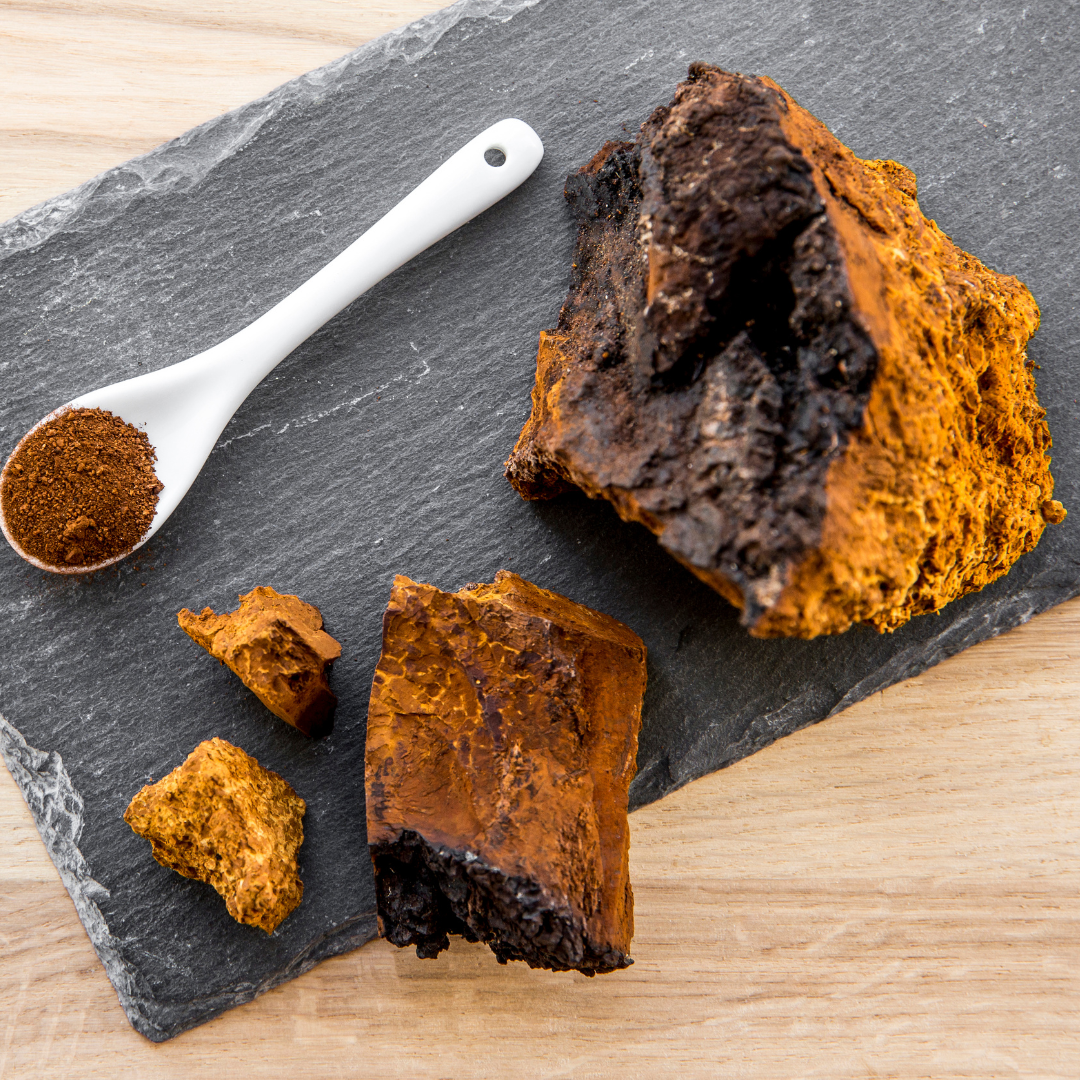
Chaga (Inonotus obliquus) is a fungus that grows mainly on birch trees in cold regions of Northern Europe, Siberia, Russia, Korea, Canada, and Alaska. It looks like a dark, burnt mass, but inside it holds a golden-orange core rich in bioactive compounds. Chaga has been used for centuries in traditional medicine to treat everything from digestive issues to cancers.
What makes chaga special? Its unique combination of:
- Beta-glucans (complex sugars that support immune health)
- Polyphenols (powerful antioxidants)
- Triterpenoids (anti-inflammatory compounds)
- Melanin (a pigment with antioxidant properties)
- Vitamins and minerals (like vitamin D, potassium, and zinc)
Chaga is often called “the king of medicinal mushrooms” and “black gold” because of its impressive nutrient profile and potential health benefits.
Immunomodulation: What It Means For Lupus
To understand how chaga might help with lupus, it’s important to grasp the concept of immunomodulation. This term refers to the ability to adjust or regulate the immune system’s activity—either boosting it when it’s weak or calming it down when it’s overactive.
For people with lupus, the main goal is to suppress or balance the immune response so that the body stops attacking itself. Immunomodulators can help reduce flares, lower inflammation, and protect organs from damage.
Chaga is not an immune stimulant like echinacea or elderberry. Instead, it appears to have a balancing effect, helping the immune system respond appropriately to threats without going into overdrive. This is why chaga is of special interest to those with autoimmune diseases like lupus.
How Chaga Affects The Immune System
Research into chaga’s effects on the immune system is still in early stages, but several promising findings have emerged from laboratory and animal studies.
Key Mechanisms
1. Regulation Of Cytokines
Cytokines are proteins that act as messengers between immune cells. In lupus, certain cytokines (like TNF-alpha and IL-6) are often too high, leading to inflammation. Chaga extracts have been shown to reduce the production of pro-inflammatory cytokines and increase anti-inflammatory cytokines in cell studies.
2. Antioxidant Effects
Lupus flares are often linked to oxidative stress, which happens when harmful molecules called free radicals damage cells. Chaga is rich in antioxidants that neutralize these free radicals. This may help protect tissues and organs from the damage common in lupus.
3. Modulation Of Immune Cell Activity
Chaga’s beta-glucans and other compounds can help regulate the activity of white blood cells, including T-cells and macrophages. This may help prevent the immune system from attacking the body’s own tissues.
4. Inhibition Of Autoantibody Formation
Autoantibodies are a hallmark of lupus. They target the body’s own proteins and cause inflammation. Some early studies suggest chaga may help reduce the formation of certain autoantibodies in animal models.
What The Research Says
While most research on chaga has focused on general immune health, cancer, and inflammation, a few studies hint at its potential for autoimmune diseases:
- A 2017 study in mice found that chaga extract reduced inflammatory markers and improved symptoms in models of autoimmune diseases.
- In vitro (test tube) studies show chaga’s ability to lower levels of TNF-alpha, IL-6, and other cytokines linked to lupus flares.
- No large, well-controlled human trials have been done specifically for lupus and chaga, but the results are promising enough to warrant more research.
Non-obvious Insight
Most people think more immune support is always better, but with lupus, too much immune stimulation can make symptoms worse. Chaga’s unique ability to balance—rather than simply boost—the immune response is what sets it apart from many other supplements.
Credit: supersonicfood.com
Chaga Vs. Conventional Lupus Treatments
It’s important to compare chaga’s effects and risks to those of conventional treatments.
| Aspect | Chaga Mushroom | Conventional Lupus Drugs |
|---|---|---|
| Mechanism | Balances immune response, reduces inflammation | Suppresses immune system, reduces inflammation |
| Side Effects | Mild digestive issues (rare), possible drug interactions | Infection risk, weight gain, diabetes, osteoporosis |
| Evidence | Early lab/animal studies; limited human data | Extensive clinical research |
| Accessibility | Available as tea, powder, extracts, capsules | Prescription only |
| Cost | Moderate (depends on form/brand) | High (insurance may cover) |
Key insight: Chaga should never replace prescribed lupus medications. Instead, it may be considered as a complementary option, with a doctor’s guidance.
Scientific Evidence: What Do We Know So Far?
The body of research on chaga and lupus is still small, but it’s growing. Here’s a summary of what’s known:
- Animal studies show chaga can reduce inflammation and improve symptoms in models of autoimmune disease.
- Cell studies demonstrate chaga’s ability to regulate cytokines and reduce oxidative stress.
- Human studies are limited, mostly looking at chaga’s safety and general effects on immunity.
One notable study published in 2020 looked at chaga’s effects on immune cells from healthy humans. It found that chaga extract could reduce markers of inflammation without overstimulating the immune system.
However, clinical trials in people with lupus are still needed. Until then, most of what we know comes from indirect evidence and traditional use.
Data Snapshot: Chaga Study Types
| Study Type | Focus | Main Finding |
|---|---|---|
| Animal (mouse) | Autoimmune inflammation | Reduced cytokine levels, improved symptoms |
| Cell (in vitro) | Human immune cells | Lowered inflammatory markers |
| Human (general) | Safety, immune modulation | Safe at moderate doses, balanced immune response |
How To Use Chaga: Forms, Dosage, And Practical Tips
If you’re considering adding chaga to your lupus care plan, it’s important to know the different ways it’s available and how to use it safely.
Common Forms Of Chaga
1. Chaga Tea
Made by steeping dried chaga chunks or powder in hot water. This is the most traditional method and extracts water-soluble compounds.
2. Powder
Dried chaga ground into fine powder. Can be mixed into smoothies, coffee, or food.
3. Extracts (tinctures)
Made with alcohol and/or hot water to pull out more active compounds. Usually more concentrated than tea or powder.
4. Capsules/tablets
Convenient, pre-measured doses. Useful for those who don’t like the taste of chaga.
Recommended Dosage
There is no official recommended dose for chaga, especially for lupus, but most studies and traditional use suggest:
- Tea: 1-2 cups per day (made with 2-3 grams of chaga per cup)
- Powder: 500-1,000 mg per day
- Extract: Follow label instructions (usually 1-2 mL per day)
Always start with a low dose to check for side effects.
Practical Tips For Safe Use
- Consult your doctor before starting chaga, especially if you are on immune-suppressing drugs.
- Choose high-quality products from reputable brands to avoid contamination.
- Do not use chaga as a substitute for prescribed lupus medications.
- Watch for possible side effects (see below).
Non-obvious Insight
The method of extraction matters. Chaga tea and water extracts capture mostly beta-glucans and antioxidants, while alcohol extracts pull out triterpenoids. For full benefits, some experts suggest using dual-extracted chaga (both water and alcohol).
Potential Side Effects And Risks
Chaga is generally considered safe for most people when used in moderate amounts, but it’s not risk-free, especially for those with autoimmune diseases like lupus.
Common Side Effects
- Digestive upset (nausea, diarrhea)
- Dry mouth
- Headache
These are rare and usually mild.
Serious Risks
- Blood thinning: Chaga contains compounds that can thin the blood. This may increase bleeding risk, especially if you are taking blood thinners like warfarin.
- Low blood sugar: Chaga may lower blood sugar levels, so those with diabetes or hypoglycemia should be cautious.
- Kidney stress: Chaga is high in oxalates, which can contribute to kidney stones in sensitive individuals.
Drug Interactions
Chaga may interact with:
- Immunosuppressants (may reduce their effectiveness)
- Blood thinners (increase bleeding risk)
- Diabetes medications (increase risk of low blood sugar)
Always review your medications with a healthcare provider before starting chaga.
Who Should Avoid Chaga?
- Pregnant or breastfeeding women (lack of safety data)
- People with bleeding disorders
- Those with kidney disease or a history of kidney stones
Real-world Experiences: What Lupus Patients Say
Some lupus patients have tried chaga and shared their experiences in online forums and support groups. While this is not scientific evidence, it can provide some practical insights.
Common Themes From Users
- Improved energy and less fatigue after a few weeks of use
- Reduced joint pain and swelling during flares
- Better sleep and mood
- Some reported no effect, while a few noticed mild stomach upset
Caution
It’s important to remember that everyone’s experience with lupus (and chaga) is unique. What works for one person may not work for another. If you try chaga, keep a diary of symptoms and changes to discuss with your healthcare team.
Buying And Choosing Chaga: What To Look For
Not all chaga products are created equal. The market is full of options, and quality varies widely.
How To Identify Quality Chaga
- Source: Wild-harvested from clean, cold climates (like Siberia or Canada) is best.
- Processing: Dual-extracted (water and alcohol) for the broadest spectrum of compounds.
- Testing: Third-party lab tested for purity, heavy metals, and contaminants.
- Labeling: Clear information on dosage, extraction method, and origin.
Chaga Product Comparison
Here’s a quick look at the common forms of chaga and their pros and cons:
| Form | Pros | Cons |
|---|---|---|
| Tea | Traditional, easy to make, gentle | Less concentrated, taste may not appeal to everyone |
| Powder | Versatile, easy to add to foods | Can be gritty, hard to measure precise dose |
| Extract | Concentrated, full spectrum of compounds | More expensive, taste may be strong |
| Capsules | Convenient, no taste | May contain fillers, less traditional |
Common Buyer Mistakes
- Choosing cheap, untested products (risk of contamination)
- Not checking the source or extraction method
- Assuming “more is better” and taking high doses

Credit: www.sciencedirect.com
Other Natural Immunomodulators For Lupus
Chaga is not the only natural remedy explored for lupus. Some other mushrooms and plant compounds have shown promise, though none should replace standard care.
- Reishi Mushroom: Also has immunomodulatory effects; often combined with chaga.
- Turmeric (Curcumin): Strong anti-inflammatory, popular in lupus diets.
- Omega-3 Fatty Acids: Found in fish oil, may reduce inflammation.
- Vitamin D: Low levels are common in lupus; supplementation may help.
- Probiotics: Can support gut and immune health.
Always discuss natural options with your doctor to avoid unwanted interactions.
The Science Behind Chaga’s Key Compounds
To better understand why chaga may help with autoimmune issues like lupus, it’s helpful to look at its main bioactive components.
Beta-glucans
These are complex sugars that modulate the immune system. In chaga, beta-glucans help “train” immune cells to respond properly, rather than overreact.
Triterpenoids
These compounds have anti-inflammatory and antiviral properties. They can help calm the immune system without causing broad suppression.
Polyphenols And Melanin
Polyphenols are potent antioxidants, protecting cells from damage. Melanin, which gives chaga its dark color, also helps absorb and neutralize harmful free radicals.
Minerals
Chaga contains zinc, potassium, and magnesium, all important for immune function and tissue health.

Credit: pubs.acs.org
Practical Steps: Adding Chaga To Your Lupus Self-care Routine
If you and your doctor decide chaga is worth trying, here’s how to add it safely and effectively:
- Start low and slow: Begin with a small dose, such as half a cup of tea or one capsule daily.
- Monitor your symptoms: Keep a written record of how you feel—energy, pain, sleep, mood.
- Stay consistent: Take chaga at the same time each day for at least 2-4 weeks to see effects.
- Watch for side effects: If you notice digestive upset, headache, or changes in bleeding, stop and consult your doctor.
- Combine with healthy habits: Chaga works best as part of a balanced routine—good sleep, healthy diet, stress management, and regular medical care.
Key insight: Many people give up on natural remedies too quickly. Chaga’s effects are subtle and may take time to build up. Patience and careful monitoring are essential.
Chaga In Traditional And Modern Medicine
Chaga has a long history in folk medicine, especially in Russia, Siberia, and parts of Asia. It was used as a general tonic, to treat ulcers, and even as a cancer remedy. In the 20th century, Russian scientists began studying chaga for its immune effects, and it gained the nickname “the gift from God” in Siberian culture.
Today, chaga is popular worldwide as a dietary supplement, tea, and wellness product. Its blend of tradition and modern research makes it unique among medicinal mushrooms.
Future Research: What Needs To Happen Next?
Although chaga shows promise for lupus and other autoimmune diseases, more research is needed to confirm its benefits and safety. Future studies should focus on:
- Large human trials in people with lupus
- Optimal dosing and extraction methods
- Long-term safety
- Interactions with common lupus medications
Until then, chaga remains a promising—but unproven—option for lupus management.
If you want to learn more about chaga’s history, chemistry, and uses, check out this detailed overview from Wikipedia.
Frequently Asked Questions
What Is Chaga Mushroom And How Is It Used For Lupus?
Chaga is a medicinal mushroom that grows on birch trees in cold climates. It contains compounds that can help balance the immune system and reduce inflammation. For lupus, people use chaga as tea, powder, extract, or capsules, hoping to support their immune health and reduce flares.
However, it should always be used with a doctor’s guidance and never as a replacement for prescribed lupus treatments.
Is Chaga Safe To Take With Lupus Medications?
Chaga can interact with some lupus medications, especially immunosuppressants and blood thinners. It may affect how these drugs work or increase the risk of side effects. Always talk to your doctor or pharmacist before adding chaga to your routine to make sure it’s safe for you.
How Long Does It Take To See Effects From Chaga For Lupus?
Most people who try chaga report subtle effects after 2-4 weeks of regular use. Improvements may include less fatigue, reduced joint pain, or better mood. However, results vary, and some people may not notice any changes. Monitoring your symptoms and being patient is important.
Are There Any People Who Should Not Use Chaga?
Yes. Pregnant or breastfeeding women, people with bleeding disorders, those taking blood thinners, and anyone with kidney disease or kidney stones should avoid chaga due to potential risks. Always check with a healthcare provider before starting any new supplement.
Can Chaga Cure Lupus?
No. There is no cure for lupus, and chaga cannot cure the disease. It may help support immune balance and reduce symptoms for some people, but it should only be used as a complementary approach, not a substitute for medical treatment.
Living with lupus is challenging, but new research and traditional wisdom offer hope for better management. Chaga mushroom is one of several natural options being explored for its potential to help calm the immune system and reduce symptoms. If you’re interested in trying chaga, work closely with your healthcare team, choose high-quality products, and listen to your body.
While chaga is not a magic cure, it may become a valuable part of a comprehensive lupus self-care plan as science continues to unfold its secrets.