
Chaga for Eczema And Psoriasis: Addressing Skin Inflammation from the Inside
Living with eczema or psoriasis is often a daily struggle. The itching, redness, and irritation can be frustrating and sometimes painful. Many people search for new solutions when creams and medicines don’t bring enough relief. One natural option gaining attention is chaga mushroom. This strange-looking fungus is not just a part of folk medicine; it is now being studied for its possible benefits in fighting skin inflammation from within.
But how does chaga work for skin problems like eczema and psoriasis? Can it really help with itching, redness, and flare-ups? This article will take a deep look at chaga, its effects on skin health, and what science says about its use.
You’ll learn about its special compounds, how it may calm the immune system, and what to consider before trying it. By the end, you’ll have a clear picture of whether chaga could fit into your plan for better skin.
What Is Chaga Mushroom?
Chaga (Inonotus obliquus) is a type of fungus that grows mostly on birch trees in cold climates like Siberia, Canada, and Northern Europe. Unlike many mushrooms, chaga does not have a classic mushroom shape. Instead, it looks like a dark, cracked mass—almost like burnt charcoal on a tree trunk.
For centuries, people in Russia, Scandinavia, and parts of Asia have used chaga as a natural remedy. They made teas and extracts to support health, believing it boosted strength and protected against illness. In recent years, modern scientists have started to examine these claims, especially its potential to fight inflammation and help with chronic health problems.
Chaga’s unique appearance is due to its high melanin content, which protects it from harsh weather and UV rays. In the wild, it can take up to twenty years for a chaga mushroom to mature fully on a birch tree.
Harvesting is often done by hand during winter, when the active compounds are most concentrated. This slow growth and careful harvesting help explain why high-quality chaga is relatively rare and often more expensive than other mushrooms.
Besides its use in traditional teas, chaga has been turned into powders and extracts, making it accessible to people around the world. The taste is earthy and a bit bitter, sometimes compared to coffee but without the caffeine. Some people mix chaga with other herbs or teas to improve the flavor and add extra health benefits.
Understanding Eczema And Psoriasis
Before looking at how chaga might help, it’s important to understand what eczema and psoriasis are. Both are chronic skin conditions, but they have different causes and symptoms.
Eczema (atopic Dermatitis)
Eczema is a condition where the skin becomes very dry, itchy, and inflamed. It often starts in childhood but can affect people of any age. In eczema, the skin barrier is weaker, making it easier for irritants and allergens to get in.
This leads to patches of red, rough, and sometimes oozing skin.
Eczema can be triggered by many factors, such as stress, changes in weather, soaps, detergents, or even certain foods. Flare-ups often happen in cycles: the skin improves, then becomes irritated again. Many people with eczema also have allergies or asthma, showing that the immune system plays a big role.
Psoriasis
Psoriasis is an autoimmune disease. Here, the immune system attacks healthy skin cells, causing them to grow too quickly. This creates thick, silvery scales and red patches that are often painful or itchy. Psoriasis can appear anywhere, but is common on elbows, knees, scalp, and lower back.
Unlike eczema, psoriasis is more likely to run in families. It can be triggered by infections, stress, skin injuries, or certain medicines. Some people also develop joint pain (psoriatic arthritis), showing that psoriasis affects more than just the skin.
Shared Features
Both conditions involve chronic inflammation and a confused immune response. People with eczema or psoriasis may also face sleep problems, stress, and lowered quality of life. Visible symptoms can affect self-esteem and social life. While there are many treatments, few offer a true cure. This is why many seek out new options, like natural supplements.
How Chaga Works: The Science Behind The Mushroom
Chaga is not just a folk cure; it contains many active compounds that may explain its effects. Here’s what makes chaga unique:
- Polysaccharides: These are special sugars that can boost the immune system and may help balance inflammation. Some research suggests they act as prebiotics, feeding good bacteria in your gut and supporting overall health.
- Betulinic acid: Found in birch bark and absorbed by chaga, this compound has antiviral and anti-inflammatory properties. Betulinic acid has even been studied for its potential to slow certain viruses and support liver health.
- Melanin: This pigment gives chaga its dark color and acts as a powerful antioxidant. Melanin not only protects the mushroom but may also help shield human cells from UV and free radical damage.
- Triterpenes and polyphenols: Both are known for fighting oxidative stress and calming inflammation. Polyphenols, in particular, are also found in foods like berries and green tea, and they play a role in supporting blood vessels and general well-being.
How Chaga Might Help With Skin Inflammation
Scientists believe chaga could help with eczema and psoriasis because of these actions:
- Reducing Oxidative Stress: Inflammation in the skin is often linked to high levels of free radicals—unstable molecules that damage cells. Chaga’s antioxidants can neutralize these, protecting skin cells from harm. This protection can slow down visible aging and reduce irritation.
- Calming the Immune Response: In both eczema and psoriasis, the immune system goes into overdrive. Chaga may help regulate this response, reducing the cycle of inflammation and flare-ups. This immune-modulating effect is why chaga is being studied for many autoimmune and allergic conditions.
- Supporting the Skin Barrier: Healthy skin needs a strong barrier. Chaga’s compounds might help keep this barrier intact, making it harder for irritants to get in. When the skin barrier is strong, it loses less moisture and is less prone to infection.
Another interesting point: chaga’s melanin content might help the skin cope with sun exposure and pollution, both of which can make eczema and psoriasis worse. Although chaga is not a substitute for sunscreen, its antioxidants provide an extra layer of cellular defense.
Chaga Versus Traditional Treatments: What’s Different?
Most eczema and psoriasis treatments focus on the outside: creams, ointments, or medicated shampoos. Some people need pills or injections to control severe cases. While these can help, they often come with side effects or only work for a short time.
Chaga is different because it works from the inside. It aims to balance the body’s immune system and reduce inflammation throughout the body, not just on the skin’s surface.
Here’s a quick look at how chaga compares to common treatments:
| Treatment Type | Main Action | Common Side Effects | How It’s Used |
|---|---|---|---|
| Topical Steroids | Reduces local inflammation | Thinning skin, irritation | Applied to skin |
| Immunosuppressants | Calms immune system | Infection risk, liver issues | Oral/injected |
| Chaga Mushroom | Antioxidant, immune modulator | Rare, mild digestive upset | Tea, extract, supplement |
Traditional treatments often require ongoing use and sometimes stronger medicines as symptoms worsen. Over time, the risk of side effects increases, especially with steroids and immunosuppressants. In contrast, chaga is considered gentle for most people, with a low risk of side effects when used correctly.
For many, this makes it an appealing option to add alongside standard care, especially during milder flare-ups or as a preventive measure.
What Research Says About Chaga And Skin Health
Chaga is still a new area of study for skin problems, but early results are promising.
Antioxidant Effects
A study published in the *Journal of Ethnopharmacology* found that chaga extracts have very high levels of antioxidants. These substances protect cells from damage and can reduce the signs of inflammation, which are central in eczema and psoriasis.
The antioxidants in chaga, especially the polyphenols and melanin, help reduce redness and swelling. Some studies compare the antioxidant power of chaga to that of popular “superfoods” like blueberries and acai. The high level of antioxidants may explain why traditional cultures valued chaga for both skin and general health.
Immune Modulation
Another study from Korean researchers reported that chaga helps slow down the production of certain inflammatory chemicals (like cytokines) in the body. Since both eczema and psoriasis are connected to an overactive immune system, this effect could be important.
Chaga’s ability to regulate cytokines is especially interesting because these chemicals are responsible for the itching and redness of eczema and the scaling seen in psoriasis. Lowering these signals gently, rather than shutting down the immune system completely, may reduce side effects compared to some prescription medicines.
Case Reports And Animal Studies
There are some reports of people using chaga tea or extract and noticing improvement in their skin. In animal studies, chaga has reduced swelling and slowed down allergic reactions, both of which are key in eczema.
For example, a study on mice found that chaga extract reduced ear swelling and improved the skin’s ability to heal after irritation. In another small study, people with chronic inflammatory conditions reported better comfort and fewer flare-ups after taking chaga daily for several weeks.
While these results are encouraging, human studies are still limited in size and scope.
However, it’s important to note that most studies are still in the early stages. There are few large, high-quality human trials. More research is needed to know exactly how well chaga works for eczema and psoriasis, and which doses are best.
How To Use Chaga For Eczema And Psoriasis
If you are considering chaga as part of your skin health plan, here’s what you need to know.
Forms Of Chaga
You can find chaga in several forms:
- Tea: Made by steeping dried chaga chunks or powder in hot water. This is the most traditional method. Some people add honey, lemon, or ginger for taste and extra benefits.
- Extracts and tinctures: Stronger than tea, these are concentrated liquids. Liquid extracts are convenient because you can add them to water, juice, or smoothies.
- Capsules or tablets: Easy to take, but check for quality and purity. These are best for people who don’t like the taste of chaga.
- Powder: Can be mixed into smoothies, coffee, or food. Powders often blend well with protein shakes or even sprinkled on oatmeal.
When choosing a product, look for “dual-extracted” chaga, which means both water and alcohol were used to pull out all the active ingredients.
Typical Dosage
There is no official dose, but most studies and traditional use suggest:
- Tea: 1–2 cups per day, using 1–2 teaspoons of chaga powder per cup. Brew for at least 10–15 minutes to extract more of the beneficial compounds.
- Extract: Follow the label, but usually 500–1000 mg per day.
Always start with a small amount to see how your body reacts. Over time, you can increase the dose if needed, but more is not always better. Some people experience more benefit at lower, consistent doses.
Best Practices For Safety
- Check for quality: Use products tested for heavy metals and contaminants.
- Buy from reputable brands.
- If you have allergies to mushrooms, avoid chaga.
- Talk to your doctor before starting, especially if you are on medication.
Another smart practice is to cycle your use of chaga. For example, take it for 3 weeks, then pause for a week. This helps your body avoid building a tolerance and allows you to see if your symptoms change.
Internal Use Versus Topical
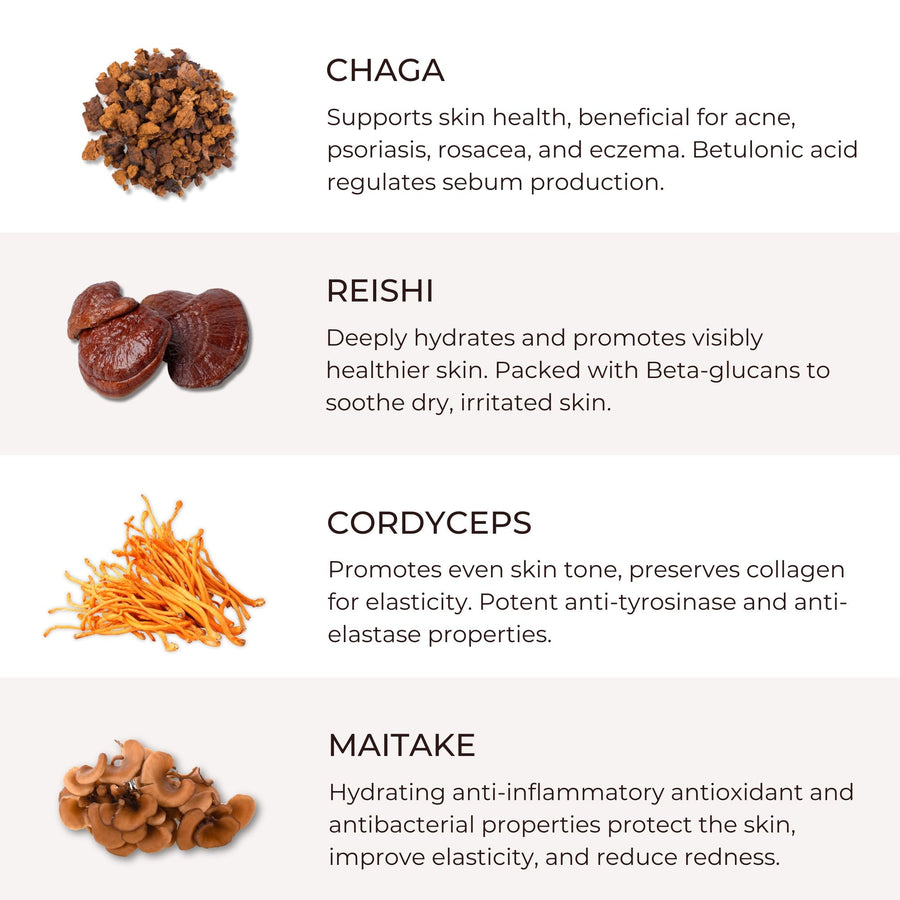
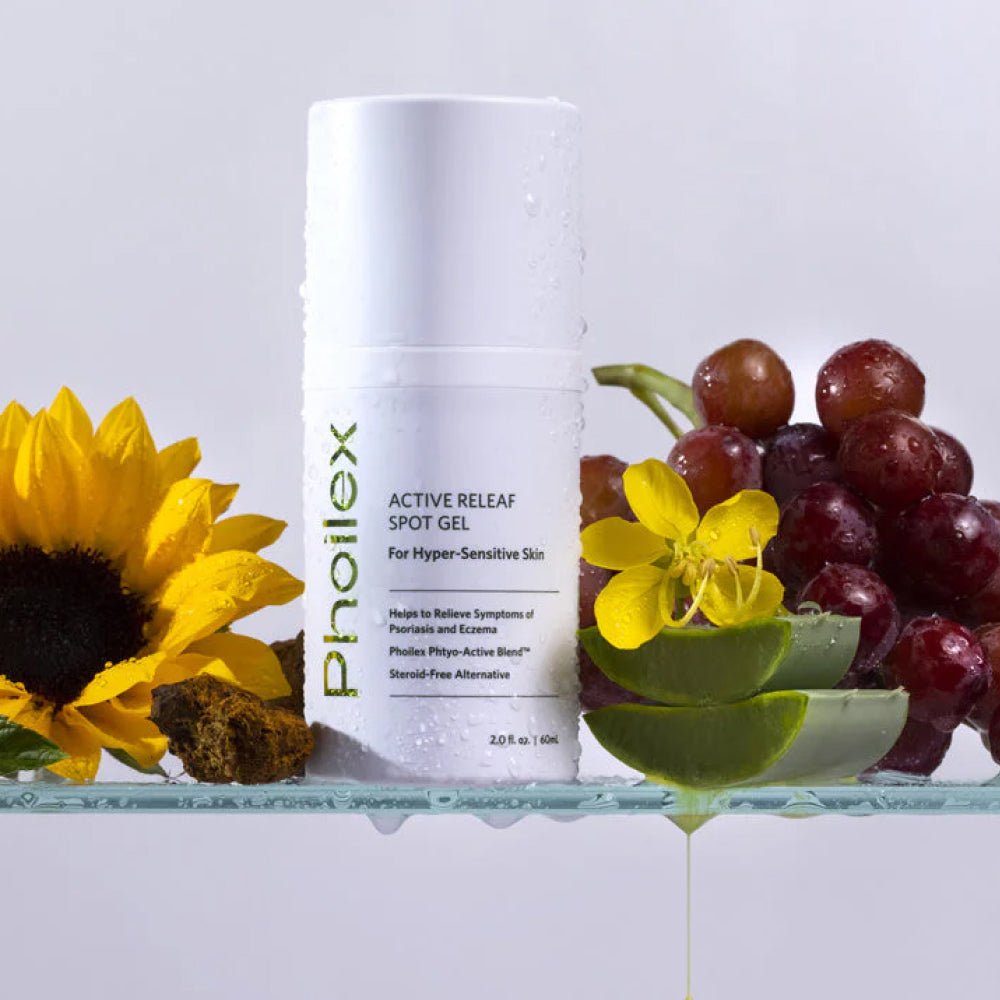
Chaga is mostly used internally (tea, capsules), but some creams contain chaga extract. There is limited evidence for these, but they may offer extra benefits when used together with oral supplements.
Some people make their own chaga-infused oils or creams by mixing chaga extract with coconut oil or shea butter. This can be applied to irritated patches for a soothing effect, especially during severe flare-ups. However, always do a patch test first to check for skin sensitivity.
Credit: www.shroomskincare.skin
Chaga’s Active Compounds And Their Effects
What exactly makes chaga so special for skin health? Let’s break down its main active compounds and what they do:
| Compound | Benefit | Role in Skin Health |
|---|---|---|
| Polysaccharides | Immune support | Calms inflammation |
| Betulinic acid | Anti-inflammatory, antiviral | Reduces flare-ups |
| Melanin | Antioxidant, protects cells | Shields skin from damage |
| Triterpenes | Fights oxidative stress | Supports healing |
| Polyphenols | Reduces cell damage | Soothes irritated skin |
Many supplements don’t have all of these in high amounts. The best chaga products use a hot water and alcohol extraction to draw out both water-soluble and fat-soluble compounds.
Another point to note: some chaga on the market is grown on grains, not birch trees. This chaga usually has lower levels of betulinic acid and melanin, making it less effective for inflammation. For the best results, look for wild-harvested chaga.
The Gut-skin Connection: Why Internal Health Matters
You may wonder, “Why take something by mouth for a skin problem? ” It’s a fair question. But modern science shows that the health of your gut and immune system is deeply linked to your skin.
Many people with eczema or psoriasis also have gut imbalances, like leaky gut or changes in their gut bacteria. This can cause more inflammation throughout the body, including the skin.
Chaga not only fights inflammation but may help balance the gut’s ecosystem. Its polysaccharides can feed good gut bacteria (prebiotic effect), helping to restore a healthier immune balance.
A stronger gut lining means fewer toxins and allergens leak into your bloodstream, which can lower the chance of skin flare-ups. Some people notice fewer food sensitivities or digestive issues after using chaga, which is a sign that the gut barrier is improving.
Non-obvious Insight
Many people focus only on creams or topical steroids, missing the power of internal solutions. In reality, calming inflammation from inside the body often brings longer-lasting relief for chronic skin conditions.
Another subtle point: chaga may help rebalance stress hormones, which play a role in both gut and skin health. Lower stress means fewer triggers for eczema and psoriasis.
Comparing Chaga With Other Natural Remedies
Chaga isn’t the only natural option people try for eczema and psoriasis. Here’s how it stacks up against other common supplements:
| Remedy | Main Benefit | Evidence Level | Extra Notes |
|---|---|---|---|
| Chaga | Immune balance, antioxidant | Growing, but early | May help gut health too |
| Turmeric (Curcumin) | Reduces inflammation | Good, many studies | Needs black pepper for absorption |
| Omega-3 fish oil | Calms inflammation | Strong, proven | Possible fishy aftertaste |
| Aloe vera | Soothes skin | Mostly topical use | Short-term relief |
| Probiotics | Gut-skin axis support | Moderate, growing | Needs consistent use |
Chaga stands out because it combines immune-calming effects with antioxidant power and possible gut support—all in one supplement.
Also, many remedies target only one part of the problem. For example, aloe vera soothes but does not address immune imbalance. Omega-3s reduce inflammation but may not directly improve gut health. Chaga’s multi-action profile makes it unique for people wanting a broad approach.
Real-world Experiences: What People Report
Beyond research, many people share their stories about using chaga for eczema or psoriasis. Some common experiences include:
- Reduced flare-ups: After several weeks, some notice fewer red, itchy patches.
- Less itching: Chaga’s anti-inflammatory effect can make skin feel calmer.
- Better overall well-being: Some users report more energy and less stress, which can also help skin health.
- Improved sleep: As discomfort decreases, many people find it easier to fall asleep and stay asleep.
However, not everyone sees dramatic results. Some people find chaga works best as part of a larger plan, including diet changes, stress management, and other treatments.
Another common theme is that skin often gets worse before it gets better—a “healing crisis. ” This might be the body adjusting to new immune signals. It usually passes within a week or two.
Non-obvious Insight
Improvement often takes time—sometimes 4–8 weeks or more. Many people give up too soon, expecting immediate results. Consistency is key with natural remedies like chaga.
Tracking your symptoms in a journal can help you notice small changes that add up over time. Sometimes, benefits show up as less itching or better mood, even before the skin looks better.
Credit: phoilex.com
Who Should Avoid Chaga?
Chaga is natural, but it’s not safe for everyone. You should avoid chaga if you:
- Have allergies to mushrooms or molds.
- Take blood-thinning drugs (chaga can increase bleeding risk).
- Have autoimmune diseases and are on immune-suppressing drugs.
- Are pregnant or breastfeeding (not enough safety data).
If you have a medical condition or take medication, always check with your doctor before adding chaga.
People with kidney problems should also be cautious, as chaga contains oxalates, which can build up and possibly lead to kidney stones if taken in high doses for long periods.
Possible Side Effects And Safety
Most people tolerate chaga well. Side effects are rare but can include:
- Mild digestive upset (nausea, diarrhea).
- Low blood sugar (chaga may lower blood sugar, so use caution if diabetic).
- Increased bleeding risk if on blood thinners.
Some people report a dry mouth or changes in bowel movements at first. These effects often go away as your body adjusts.
Always start with a small dose to test your tolerance. If you notice any rash, swelling, or severe digestive issues, stop using chaga and consult your doctor.
Tips For Choosing High-quality Chaga Products
The chaga supplement market is growing, but not all products are equal. Here’s how to pick the best:
- Source matters: Wild-harvested chaga from clean, cold regions is best.
- Testing: Look for third-party lab testing for heavy metals, pesticides, and mold.
- Extraction process: Dual extraction (water and alcohol) gets the most active compounds.
- No fillers: Avoid products with unnecessary additives or cheap fillers.
- Reputation: Buy from brands with good reviews and transparent sourcing.
Practical Example
Let’s say you find a chaga capsule that’s much cheaper than others. If it doesn’t list testing or the extraction process, it might be mostly filler or have little real chaga. Spending a bit more on a trusted brand protects your health and gets you better results.
When shopping, pay attention to color and smell. Good chaga should be dark brown or black and have a strong, earthy scent. If it looks pale or smells musty, it may be old or poor quality.
Combining Chaga With Lifestyle Changes For Best Results
Chaga can be a powerful ally, but it works best when combined with healthy habits:
- Eat an anti-inflammatory diet (lots of fruits, vegetables, omega-3s).
- Reduce stress with meditation, yoga, or nature walks.
- Avoid harsh soaps and fragrances that irritate the skin.
- Get enough sleep, as rest helps the body repair inflammation.
- Stay hydrated for healthier skin.
- Protect skin from extreme cold or heat, as both can trigger flare-ups.
If you are using medical treatments, tell your doctor about chaga and any supplements you add. Some combinations may not be safe.
A food diary can help you spot triggers, such as dairy or gluten, that make your symptoms worse. Pairing chaga with these healthy changes usually brings the best results.

Credit: beautyologie.com
Myths And Misunderstandings About Chaga
There are many bold claims about chaga on the internet. Here’s what’s true—and what isn’t.
- Myth: Chaga is a miracle cure.
- Reality: Chaga can help some people, but it’s not a cure for eczema or psoriasis. It may reduce symptoms, but results vary.
- Myth: Chaga is 100% safe for everyone.
- Reality: Some people should not use chaga, and it can interact with medicines.
- Myth: Any chaga product works the same.
- Reality: Quality and extraction methods matter a lot. Low-quality chaga may not help at all.
- Myth: More is better.
- Reality: Taking large amounts does not always improve results and may increase side effects.
Understanding these facts helps set realistic expectations and keeps you safe.
The Future Of Chaga In Skin Health
Interest in chaga is growing fast. Researchers are starting to do more studies on how it helps with chronic inflammation, including eczema and psoriasis. In the future, we may see new chaga-based medicines or creams made for skin health.
Some companies are already developing skincare products that combine chaga with other plant extracts. These blends aim to offer multiple benefits, such as reducing redness and supporting the skin barrier. As more clinical trials are completed, we’ll understand better which combinations work best.
For now, chaga is best used as part of a bigger plan. It’s not a replacement for medical care, but it may offer a gentle, natural boost for those looking to manage their symptoms from the inside out.
For more detailed information on chaga’s properties, you can visit this NIH research paper.
Frequently Asked Questions
What Is The Best Way To Take Chaga For Skin Conditions?
The most common way is as a tea or extract. Tea is simple to make and gentle on the stomach. Extracts and capsules are more concentrated. Choose a method that fits your lifestyle and start with a low dose to test your reaction.
If you dislike the taste of tea, capsules are a good alternative. For those who enjoy making smoothies, a powdered form blends in well with other healthy ingredients.
How Long Does It Take To See Results From Chaga?
Most people need to use chaga consistently for 4–8 weeks before noticing changes in their skin. Results vary, and some may take longer. Consistency and quality of the product are important for success.
Tracking your symptoms with photos or a diary can help you notice gradual improvements you might miss otherwise.
Can I Use Chaga With Other Eczema Or Psoriasis Treatments?
Yes, many people combine chaga with their usual treatments. However, always tell your doctor if you add chaga, as it may interact with medicines or affect how some drugs work.
Chaga is not known to cause major interactions, but it can thin the blood or lower blood sugar, so extra caution is needed if you are on anticoagulants or diabetes medication.
Are There Any Serious Side Effects From Chaga?
Serious side effects are rare, but digestive upset and increased bleeding risk can happen, especially if you are on certain medicines. Avoid chaga if you have mushroom allergies, are pregnant, or have major health conditions without consulting your doctor.
If you develop unusual symptoms, such as severe rash or swelling, stop taking chaga and seek medical help.
Does Chaga Help Everyone With Eczema Or Psoriasis?
No, chaga does not work for everyone. Some people see improvement, while others do not notice much change. It works best as part of a broader plan that includes healthy lifestyle habits and, if needed, medical care.
Chaga offers a new approach to managing eczema and psoriasis by addressing inflammation from the inside. While not a cure, it may help ease symptoms and improve overall skin health when used wisely and consistently. If you’re interested in natural options, chaga is worth exploring—with realistic expectations and guidance from your healthcare team.