
Chaga And Hashimoto’s Thyroiditis: What Research Exists?
Hashimoto’s thyroiditis is a common autoimmune disorder that affects the thyroid gland. People with this condition often look for natural ways to manage their symptoms or improve their quality of life. One substance that has attracted attention in recent years is chaga mushroom. You may have seen claims online that chaga can help with Hashimoto’s, but what does the actual research say? Can chaga really support thyroid health, or are these just hopeful stories?
In this article, you’ll discover what scientists have learned about chaga and Hashimoto’s thyroiditis. We’ll look at the most important studies, explain how chaga works, and point out what is still unknown. You’ll also find out about possible risks, how chaga compares to other remedies, and practical tips if you’re considering adding chaga to your routine.
By the end, you’ll have a clear, fact-based view of this popular mushroom and its real potential for people with Hashimoto’s.
Understanding Hashimoto’s Thyroiditis
Hashimoto’s thyroiditis, also called chronic lymphocytic thyroiditis, is an autoimmune disease. The body’s immune system attacks the thyroid gland, which is located in the lower front of the neck. Over time, this attack damages the thyroid cells, often leading to hypothyroidism—a condition where the thyroid does not make enough hormones for the body’s needs.
How Hashimoto’s Affects The Body
People with Hashimoto’s might feel tired, gain weight, feel cold easily, or have dry skin and hair loss. Some also experience depression or memory problems. Not all symptoms appear at once, and they can be mild at first.
Causes And Risk Factors
Researchers believe that Hashimoto’s is caused by a mix of genetics and environmental triggers. Women are up to eight times more likely to develop this condition than men. Family history, certain infections, high iodine intake, and stress can all play a role.
Conventional Treatment
The main treatment for Hashimoto’s is levothyroxine, a synthetic thyroid hormone. This medicine replaces the missing hormones, helping most people feel better. However, it does not fix the immune system problem at the root of Hashimoto’s. Some people look for other ways to manage symptoms or support their health, which is where interest in natural remedies like chaga comes in.
What Is Chaga Mushroom?
Chaga (Inonotus obliquus) is a medicinal mushroom that grows mainly on birch trees in cold climates. It looks more like burnt charcoal than a typical mushroom, with a hard, black outside and a golden-brown inside.
Traditional Uses
For centuries, people in Russia, Siberia, and parts of Asia have used chaga as a folk remedy. Traditional uses include treating stomach problems, boosting energy, and strengthening the immune system. Modern interest in chaga has grown due to claims about its antioxidants and possible health benefits.
Key Nutrients And Compounds
Chaga contains many active substances, including:
- Polysaccharides: Complex sugars that may affect immunity
- Betulinic acid: Comes from birch bark, thought to have anti-inflammatory properties
- Melanin: Gives chaga its dark color and may act as an antioxidant
- Triterpenes: Plant chemicals with possible immune effects
Chaga also contains minerals like potassium, calcium, and magnesium, plus smaller amounts of vitamins.
Chaga’s Effects On Immunity: The Science So Far
Because Hashimoto’s is an autoimmune disease, any substance that affects the immune system could be important. Most research on chaga and immunity has been done in test tubes or on animals. Human studies are still rare.
Immune System Modulation
Some studies show that chaga can stimulate the immune system. For example, it may increase the activity of certain white blood cells. Other research suggests chaga can calm down an overactive immune response, reducing inflammation.
This is important for Hashimoto’s because the immune system attacks the body’s own thyroid cells. However, whether chaga helps or harms in this situation is not fully clear.
Anti-inflammatory Properties
Chaga is rich in antioxidants, especially a group called polyphenols. Antioxidants help fight damage from free radicals, which are unstable molecules that can harm cells. Some research shows that chaga reduces the production of inflammatory chemicals in the body.
For example, a 2010 study published in BioFactors found that chaga extract decreased the release of inflammatory cytokines in immune cells. This could, in theory, help with autoimmune diseases where inflammation is a problem.
Autoimmunity And Chaga
So far, there is no direct research showing that chaga can cure or reverse Hashimoto’s. However, some animal studies suggest that chaga may help balance the immune system. For example, a 2019 study in mice with induced autoimmune diseases found that chaga extract lowered signs of inflammation and tissue damage.
Still, animal studies do not always match what happens in humans. More research is needed before we can say if chaga really helps people with Hashimoto’s.
Chaga And Thyroid Function: What We Know
Is there any evidence that chaga directly affects the thyroid gland or thyroid hormone levels? The answer is: not much, and the data is mixed.
Studies On Thyroid Hormones
Very few studies have looked at chaga’s effect on thyroid hormones (like T3, T4, and TSH). A handful of animal studies suggest that chaga may help protect the thyroid from damage due to its antioxidant content. For instance, in one study, rats exposed to toxins had less thyroid damage when given chaga extract.
Indirect Effects
Chaga’s main effects may come from its ability to lower inflammation and support overall health. Since chronic inflammation can make autoimmune thyroid problems worse, anything that reduces inflammation might help Hashimoto’s symptoms indirectly.
Research Gaps
No published clinical trials have tested chaga in people with Hashimoto’s thyroiditis. Most evidence is either from animal models, cell studies, or general studies on chaga’s effect on immunity and inflammation.
Potential Benefits Of Chaga For Hashimoto’s Patients
Based on what we know, there are a few ways chaga could be helpful for people with Hashimoto’s, but these are still theoretical.
Antioxidant Protection
People with Hashimoto’s often have higher levels of oxidative stress, which means their cells suffer more damage from free radicals. Chaga is extremely rich in antioxidants, even more than blueberries or pomegranates by some measures. This could help protect thyroid cells from damage.
Reducing Inflammation
Hashimoto’s is marked by chronic inflammation in the thyroid. Chaga’s anti-inflammatory compounds may help lower this inflammation, which could ease some symptoms or slow down thyroid damage. However, these effects have mainly been seen in animals or test tubes, not in humans.
Supporting Immune Balance
A healthy immune system is balanced—not too strong, not too weak. Some studies suggest that chaga can help “train” the immune system to respond properly. This might be useful for autoimmune diseases, where the immune system is overactive.
Managing Fatigue And Well-being
People with Hashimoto’s often feel tired, even with good thyroid hormone levels. Some users report more energy and better mood when taking chaga. These benefits are mostly anecdotal, but they may be related to chaga’s nutrients and antioxidants.
Risks And Side Effects Of Chaga
Before trying any new supplement, especially with an autoimmune disease, it’s smart to know the risks. Chaga is generally considered safe for most people, but there are some important warnings.
Blood Sugar And Blood Thinning
Chaga can lower blood sugar levels, which could be a problem for people on diabetes medication. It may also act as a blood thinner, increasing the risk of bleeding, especially if you take blood-thinning drugs.
Kidney Stones
Chaga contains high amounts of oxalates. Eating or drinking too many oxalates can lead to kidney stones, especially for people with kidney problems.
Allergic Reactions
Some people may be allergic to mushrooms, including chaga. Symptoms could include a rash, stomach upset, or trouble breathing.
Autoimmune Concerns
Because chaga can affect the immune system, there is a small risk it could make some autoimmune symptoms worse, at least in theory. This is why it’s important to talk to your doctor before using chaga if you have Hashimoto’s.
Credit: www.innerbody.com
How Chaga Compares To Other Natural Remedies For Hashimoto’s
Chaga is not the only natural substance people use for thyroid health. Here’s how it stacks up against a few common alternatives.
| Remedy | Main Benefit | Main Risk | Evidence for Hashimoto’s |
|---|---|---|---|
| Chaga Mushroom | Antioxidant, anti-inflammatory | Blood thinning, kidney stones | Weak (no human trials) |
| Selenium | Reduces thyroid antibodies | Toxic in high doses | Moderate (some human studies) |
| Ashwagandha | May support thyroid hormone | May worsen hyperthyroidism | Weak to moderate |
| Vitamin D | Supports immunity | Rare toxicity | Moderate (some human studies) |
| Probiotics | Gut health, immune support | Rare stomach upset | Weak to moderate |
As you can see, most natural remedies for Hashimoto’s have limited scientific support. Selenium and vitamin D have the most human research, but even these are not miracle cures. Chaga is promising for its antioxidants and anti-inflammatory properties, but more studies are needed.
How To Use Chaga Safely: Practical Advice
If you want to try chaga, it’s important to do so safely and wisely. Here are some tips for beginners and people with thyroid conditions.
Choosing The Right Form
Chaga comes in different forms:
- Powder: Can be mixed into drinks or food.
- Tea: The most traditional way; steep pieces in hot water.
- Extracts: Concentrated liquids or capsules.
Look for products that are tested for purity and free from heavy metals or contaminants.
Dosage And Timing
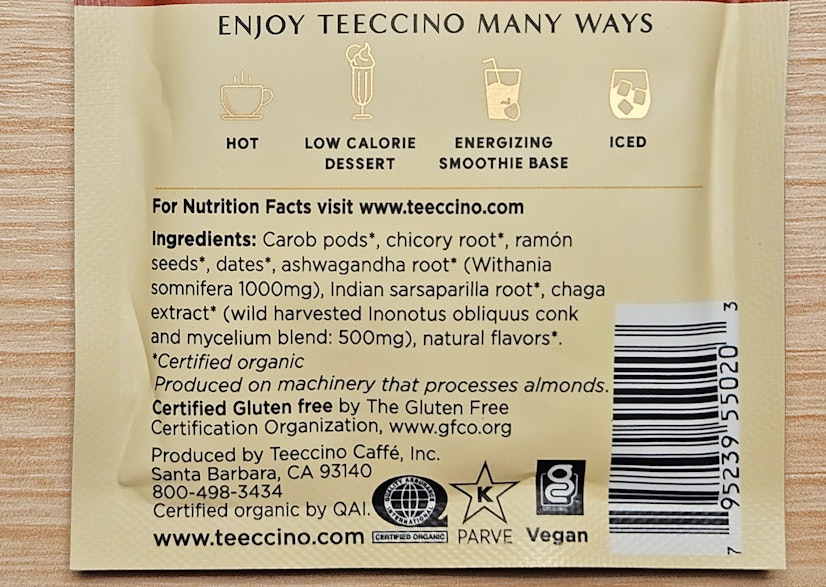
There is no official recommended dose of chaga. Most studies use between 500 mg and 2000 mg per day of extract, or 1–2 cups of tea. Start with a low dose to see how your body reacts.
Who Should Avoid Chaga?
- People with kidney problems
- Those taking blood thinners or diabetes medications
- Pregnant or breastfeeding women (due to lack of research)
- Anyone with mushroom allergies
Monitoring For Side Effects
Keep track of any new symptoms after starting chaga. These could include:
- Stomach pain or diarrhea
- Rash or itching
- Changes in thyroid symptoms
- Unusual fatigue or dizziness
If you notice any of these, stop using chaga and talk to your doctor.
Chaga Research: What’s Missing And What’s Next?
Most of the excitement about chaga comes from its use in traditional medicine, animal studies, and early lab tests. There are still big questions that need answers.
Lack Of Human Trials
No published studies have tested chaga in people with Hashimoto’s. This means we cannot be sure if it works, what the best dose is, or if it is truly safe for long-term use.
Unanswered Questions
- Does chaga lower thyroid antibodies in humans?
- Can it prevent thyroid damage over time?
- How does it interact with thyroid medications?
- Are there risks with long-term use?
What To Watch For
Researchers are starting to study medicinal mushrooms more closely. In the future, there may be clinical trials that show exactly how chaga affects thyroid health, immune function, and symptoms in people with Hashimoto’s.
Real-life Experiences: What Do Patients Report?
Some people with Hashimoto’s have tried chaga and shared their stories online or in support groups. Their experiences are mixed.
Positive Reports
Some users say they feel more energy, better mood, or less brain fog after using chaga regularly. They may also notice less joint pain or improved digestion.
Negative Or Neutral Reports
Others see no change in their symptoms, or they experience mild side effects like stomach upset or headaches. A few have reported increased fatigue or changes in thyroid labs, though this is rare.
Why Experiences Differ
The effects of chaga can vary based on:
- How much is taken
- The form (tea, powder, extract)
- Other health conditions
- Medications or supplements used
Because there are no strict guidelines, people’s results may be very different.

Credit: nhmushrooms.com
Doctor’s Perspective: What Do Experts Say?
Most doctors and thyroid specialists are careful about recommending chaga, mainly because of the lack of human studies. Here is what many experts believe:
- Chaga is probably safe for healthy adults in small amounts
- It should not replace standard thyroid treatment
- People with autoimmune diseases should use it with caution
- Always discuss new supplements with your healthcare provider
Some functional medicine doctors are more open to medicinal mushrooms, especially if used as part of a balanced diet and healthy lifestyle.
Best Practices For Integrating Chaga With Hashimoto’s Care
If you and your doctor decide to try chaga, here are some tips to make the process safer and more effective.
Step 1: Check Your Baseline
Before starting chaga, get your thyroid labs checked. This includes TSH, Free T4, Free T3, and thyroid antibodies. Knowing your baseline will help you notice any changes.
Step 2: Start Low, Go Slow
Begin with a small amount of chaga (for example, half the recommended dose). Wait a few weeks before increasing. Watch for side effects or changes in symptoms.
Step 3: Re-test Thyroid Labs
After 6–8 weeks, repeat your thyroid blood tests. This will help you and your doctor see if chaga has affected your hormone levels or antibodies.
Step 4: Track Symptoms
Keep a simple journal of your energy, mood, sleep, and other symptoms. This can help you notice patterns or improvements.
Step 5: Avoid Mixing With Certain Drugs
Do not use chaga with blood thinners, diabetes drugs, or other immune-boosting herbs without medical advice.
The Bottom Line: Should You Try Chaga For Hashimoto’s?
Chaga is a powerful medicinal mushroom with high levels of antioxidants and anti-inflammatory compounds. It has a long history of traditional use and promising early research in animals and cell studies. However, there is no strong human evidence that chaga can treat, cure, or reverse Hashimoto’s thyroiditis.
Some people with Hashimoto’s may benefit from chaga’s nutrients or general support for immunity and inflammation. Others may see no effect, or even experience side effects. The biggest risks are for people with kidney problems, those on certain medications, or anyone with a mushroom allergy.
If you are interested in chaga, talk to your doctor first, especially if you already take thyroid medicine. Use only high-quality products, start with a low dose, and monitor for side effects. Remember, chaga is not a replacement for proven treatments like levothyroxine.
The science is still young. Hopefully, future research will give clearer answers about how chaga affects Hashimoto’s and who can benefit most.
For more detailed information on chaga and immune health, visit this National Institutes of Health review.
Frequently Asked Questions
What Is The Best Way To Take Chaga For Hashimoto’s?
Most people use chaga tea, powder, or extract. Tea is the most traditional method and is gentle on the stomach. Powder can be added to smoothies or coffee. Extracts are more concentrated but may be harder to dose. Always buy from trusted brands and start with a small amount.
Can Chaga Replace My Thyroid Medication?
No, chaga should never replace your thyroid medicine. There is no evidence that chaga can provide the same effect as levothyroxine or other thyroid drugs. Use chaga only as a supplement, not as a main treatment.
Are There People With Hashimoto’s Who Should Avoid Chaga?
Yes. People with kidney disease, those on blood thinners or diabetes medications, and anyone allergic to mushrooms should avoid chaga. Pregnant or breastfeeding women should also avoid it due to lack of safety data.
How Long Does It Take To See Results With Chaga?
Results vary. Some people may notice changes in energy or mood within a few weeks. Others may see no effect. Because there is no strong human research, it’s best to track your symptoms and talk with your doctor about any changes.
Is Chaga Safe For Long-term Use In Hashimoto’s?
There is not enough research to say if chaga is safe for long-term use, especially in people with autoimmune diseases. Most doctors recommend using it only for short periods, with regular monitoring of thyroid labs and symptoms.
Chaga is an exciting area of research, but it’s not a proven therapy for Hashimoto’s yet. Stay informed, work with your healthcare team, and use caution with any new supplement.
Credit: nhmushrooms.com