
If you’re passionate about health, you may have discovered medicinal mushrooms like reishi, lion’s mane, or chaga. But sharing new wellness ideas with family can be tricky, especially if your loved ones are skeptical about natural remedies. Maybe they think mushrooms belong only in pizza or soups. Maybe they worry about safety or strange tastes. Still, you want the people you care about to enjoy the possible benefits of these unique fungi.
Helping others understand and accept something new takes empathy, patience, and smart communication. This article walks you through a practical, step-by-step approach for introducing medicinal mushrooms to your skeptical family members. You’ll learn how to talk about the science, answer common questions, and even sneak mushrooms into favorite dishes.
Along the way, you’ll get real examples, non-obvious tips, and strategies to gently open minds—without causing arguments or eye rolls.
Why People Are Skeptical About Medicinal Mushrooms
Before you start, it’s important to understand why your family might resist medicinal mushrooms. Skepticism isn’t just stubbornness. People have reasons—often based on culture, experience, or lack of information.
Common Sources Of Doubt
- Unfamiliarity: Many people know only the mushrooms sold in supermarkets, like button or portobello. Exotic names like reishi or turkey tail sound strange or even suspicious. For some, these new names make mushrooms sound more like a trend than something trustworthy.
- Safety Concerns: Mushrooms can be toxic. Some families worry about poisoning and believe anything not from the grocery store is risky. It’s common for people to remember stories about mushroom poisoning, even if medicinal mushrooms are safe when bought from reputable sources.
- Taste and Texture: Some mushrooms have earthy, bitter, or woody flavors. Even mushroom lovers may feel unsure about taking them as teas or powders. Texture is a big deal for picky eaters, and the idea of “mushroom powder” in a drink can sound unappealing.
- Skepticism Toward Natural Remedies: If your family trusts doctors and medicine, they may see natural supplements as unscientific or unproven. They might say, “If it really worked, my doctor would have told me about it.”
- Bad Past Experiences: Maybe someone once got sick from a wild mushroom or tried a supplement that didn’t work. Negative stories tend to stick and can make people wary for years.
Sometimes, people also worry about being “tricked” by marketing. The supplement industry has a reputation for big promises, so your family might be extra cautious.
Non-obvious Insight
Many people don’t realize that traditional Asian medicine has used these fungi for centuries. Western families may not know about this history or the growing research on medicinal mushrooms. Explaining that these aren’t “new” remedies but old traditions, backed by generations of use, can make them feel less experimental. Understanding your family’s doubts helps you address them with respect, rather than frustration.
Some people also connect mushrooms with illegal or psychedelic substances. Clarifying that medicinal mushrooms are not “magic mushrooms” can quickly clear up this confusion.
Building Your Own Knowledge First
To introduce medicinal mushrooms with confidence, you need to know the basics yourself. Family members will ask questions, so being prepared is key.
Learn The Science
Medicinal mushrooms have been studied for their beta-glucans, antioxidants, and other unique compounds. These natural chemicals are believed to help the immune system, support brain health, and even reduce stress. Each mushroom is different:
- Reishi: Supports relaxation and immune function. Often called the “mushroom of immortality” in Asian cultures, reishi has been valued for centuries.
- Lion’s Mane: May support memory and focus. Some early studies show it helps grow nerve cells, which could be useful for aging brains.
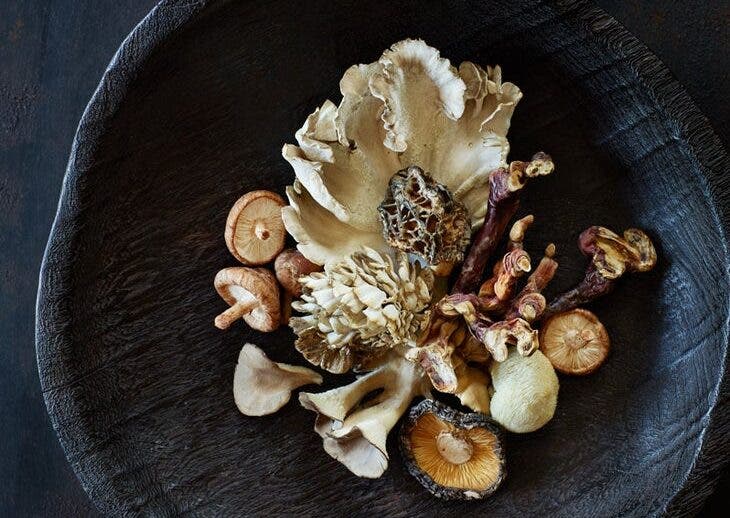
- Chaga: High in antioxidants. This mushroom looks like burnt wood and grows mainly on birch trees. It’s used for fighting free radicals and supporting general wellness.
- Cordyceps: Traditionally used for energy and endurance. Athletes sometimes use it hoping for a stamina boost.
- Turkey Tail: Known for immune support. Its colorful, fan-shaped appearance makes it easy to recognize, and it’s studied for supporting the body during stress.
Learning the key features of each mushroom helps you answer specific questions and match the right type to your family’s needs.
Get Familiar With Research
You don’t need to be a scientist, but reading a few studies helps. For example, a 2017 review in the journal *Molecules* reported that many medicinal mushrooms contain polysaccharides that help regulate immune responses. According to the Wikipedia entry on Medicinal Mushrooms, these fungi are being researched worldwide.
Try to read at least one or two scientific articles or summaries. Even a basic understanding of a study can help. For example, you could say, “A study found that people who took lion’s mane had better scores on memory tests after a few months.
” Bring printed copies or links so your family sees it’s not just marketing.
Know The Legal And Safety Facts
Most medicinal mushroom supplements are legal and widely sold. Still, it’s wise to check for quality brands and avoid wild foraging unless you’re an expert. Don’t assume all powders are the same—look for supplements that are grown in clean environments and tested for safety.
Some countries or regions have different rules. For example, in some areas, chaga is more regulated due to sustainability issues. Always check local guidelines to be sure.
Non-obvious Insight
Many supplements are tested for heavy metals and contaminants. Look for third-party certifications—this is a detail that shows you care about safety. Certifications from groups like NSF or USP show the product was tested independently, not just by the company selling it. You can even show your family the certification seal on the package.
Another detail: some mushroom supplements include only the “fruiting body” (the part you see above ground), while others use mycelium (the root-like part). Some experts believe fruiting body is more potent. Checking the label for this information shows you’ve done your homework.
Credit: richmondnaturalmed.com
Approaching The Conversation
How you talk about medicinal mushrooms matters as much as what you say. You’re not trying to “win” an argument—you’re sharing information and inviting curiosity.
Start With Empathy
Show you respect your family’s views. For example: “I know mushrooms can seem weird. I was surprised, too, when I first learned about these types.” This opens the door for honest conversation rather than debate.
If someone says, “I don’t want any weird health fads,” let them know you understand. Say, “I felt the same at first, but I found some interesting research that changed my mind. ”
Use Relatable Examples
Mention that penicillin comes from mold, and many medicines started as natural compounds. You can say, “Did you know shiitake mushrooms, which we eat in stir fry, are also studied for health benefits?” Connecting new ideas to familiar things makes them less scary.
You can also talk about common foods: “We already eat mushrooms in pizza and pasta. Some types, like lion’s mane, are just less common here.”
Avoid Overpromising
Don’t say medicinal mushrooms cure diseases. Instead, focus on supporting health or “helping your body stay balanced.” For example: “I’m not saying this will fix everything, but it might help with stress and energy.”
If your family has tried other supplements, you can say, “Just like we take vitamins for general health, some people add mushrooms for extra support. ”
Be Patient
Change takes time. If someone says, “I don’t trust that stuff,” don’t push. Say, “That’s okay. If you ever want to know more, let me know. ” Sometimes, your calm reaction is more convincing than any fact.
When someone is very resistant, it’s often best to let the subject rest and revisit later. People need space to think.
Non-obvious Insight
Sometimes, the messenger matters more than the message. If a respected family member shows interest, others may follow. Consider involving someone open-minded first. For example, if your mom is curious, she may influence your dad or siblings more than you can alone.
Also, pay attention to timing. Bringing up medicinal mushrooms during a relaxed meal or while watching a health documentary can make the conversation feel more natural.
Presenting The Benefits Clearly
Explaining the possible benefits of medicinal mushrooms is a big step. But be clear, simple, and honest.
Highlight Evidence-based Benefits
Different mushrooms offer different potential:
- Immune Support: Many contain beta-glucans, which may help the immune system respond better to stress and infection.
- Brain Health: Lion’s mane is studied for memory and focus. Some early research suggests it may support nerve growth factor (NGF), a protein important for brain health.
- Antioxidants: Chaga and reishi contain compounds that fight free radicals. Antioxidants protect cells from damage, which is important for healthy aging.
- Stress and Sleep: Reishi is used for relaxation. Some people say it helps them fall asleep faster and wake up feeling rested.
- Energy: Cordyceps has been shown to increase endurance in some studies. Athletes in China have used it for years, especially for sports performance.
Use Simple Data
You can mention, “Some studies show that people who take lion’s mane report better focus after a few weeks.” Or, “Chaga has more antioxidants per gram than blueberries.” Using numbers can be powerful, but keep it simple: “One teaspoon of chaga powder has as many antioxidants as a handful of berries.”
Try sharing easy-to-remember facts: “Reishi has been used in China for over 2,000 years,” or “Cordyceps is so valued that it was once reserved for emperors.”
Share Success Stories
If you or a friend had a positive experience, share it. “I noticed fewer colds this winter after trying turkey tail tea. ” Real stories stick in people’s minds more than statistics.
You can also mention stories you’ve read online: “Many people on health forums say lion’s mane helped with brain fog.” Just make sure you’re clear that these are personal experiences, not medical advice.
Non-obvious Insight
Many medicinal mushrooms can be part of a preventive approach to health. It’s not just for treating illness, but for staying well. For example, some families in Japan make reishi tea every day, not because they are sick, but to stay healthy as they age. Framing mushrooms as a gentle, daily support can make them feel less like a medicine and more like a healthy habit.
Another insight: The effects of mushrooms are often gradual. Let your family know it’s normal not to notice big changes in a day or two. This sets realistic expectations and avoids disappointment.
Addressing Safety And Side Effects
Safety is often the top concern for skeptical family members. Address it directly and honestly.
Discuss Possible Side Effects
Most medicinal mushrooms are safe for healthy adults in normal amounts. However, there can be:
- Mild digestive upset (rare)
- Allergic reactions (uncommon)
- Drug interactions (for those on medication)
Explain that side effects are usually mild and often go away as the body adjusts. For example, some people feel a little bloated at first, but this passes.
If your family is worried about allergies, remind them that reactions to mushrooms are much rarer than, say, nuts or shellfish. But still, it’s smart to start slowly.
Talk About Quality
Encourage choosing trusted brands that test for purity. Avoid wild mushrooms unless you’re an expert. Point out that high-quality supplements list all ingredients and avoid fillers. If you find a product with only “100% fruiting body extract,” share that detail.
Ask your family to check for labels like “USDA Organic” or “Non-GMO” if they value those certifications. These can reassure people that the product is held to high standards.
Mention Medical Advice
Remind your family that it’s always wise to talk to a doctor or pharmacist before starting any supplement—especially if they take medications or have health conditions. This shows you’re not trying to “play doctor” and that you value professional advice.
If your family member is seeing a specialist (for cancer, diabetes, or autoimmune disease), it’s extra important to check with their care team. Some mushrooms can interact with treatments or affect blood sugar.
Use A Comparison Table
Here’s a simple safety comparison of popular medicinal mushrooms:
| Mushroom | Common Use | Known Side Effects |
|---|---|---|
| Reishi | Relaxation, sleep | Digestive upset (rare), mild allergy |
| Lion’s Mane | Focus, memory | Itching (rare), mild digestive upset |
| Chaga | Antioxidants, immune | May affect blood sugar (if diabetic) |
| Cordyceps | Energy | Dry mouth, diarrhea (uncommon) |
| Turkey Tail | Immune support | Digestive upset (rare) |
Explain that these side effects are possible, but not common, especially if you follow the recommended dose.
Non-obvious Insight
Begin with very small doses to test for reactions. For example, use ¼ teaspoon of powder in a smoothie and wait a day before increasing. This “low and slow” approach is safer and helps your family feel more in control.
Another practical tip: If someone takes multiple supplements, introduce only one new thing at a time. That way, if there’s a reaction, you’ll know what caused it.
Making Medicinal Mushrooms Less “weird”
Sometimes, the real barrier is that medicinal mushrooms feel odd or “foreign. ” Making them familiar can help.
Connect To Familiar Foods
Remind your family that mushrooms are already in many dishes—pizza, pasta, omelets. Medicinal types can often be used in similar ways. For instance, lion’s mane can be sautéed and added to stir-fries, and chaga tea can be mixed with regular black tea.
If your family loves soups, add a spoonful of reishi powder to a big pot of vegetable soup. If they like smoothies, a little lion’s mane blends in with banana and peanut butter.
Show How They’re Used Globally
Explain that millions of people in Asia use reishi or shiitake daily. They’re not fringe or new—they’re part of long traditions. In Korea, reishi is brewed into tea for family gatherings; in China, it’s given as a gift for good health.
You can even find traditional recipes online. For example, Japanese miso soup sometimes includes shiitake for extra flavor and nutrition.
Introduce Mushroom Coffee Or Tea
Mushroom coffee blends are popular and taste like regular coffee, with only a mild earthy note. Tea blends with reishi or chaga are often mild and pleasant. Some brands mix mushrooms with cacao, cinnamon, or vanilla to make them taste better.
Try making a “mushroom hot chocolate” for your family. Use their favorite cocoa mix, add a small scoop of reishi or chaga powder, and sweeten with honey. This is a gentle introduction that masks the flavor and makes the experience fun.
Use A Flavor Comparison Table
Here’s how some medicinal mushrooms compare in taste:
| Mushroom | Flavor Profile | Best Way To Try |
|---|---|---|
| Reishi | Earthy, slightly bitter | Tea, hot chocolate |
| Lion’s Mane | Mild, seafood-like when fresh | Powder in smoothies or coffee |
| Chaga | Earthy, vanilla-like | Tea, coffee blends |
| Cordyceps | Nutritional yeast, mild | Capsules, smoothie |
| Turkey Tail | Woody, bland | Capsules, tea with honey |
Non-obvious Insight
Cooking medicinal mushrooms with strong flavors (like chocolate, coffee, or tomato sauce) masks their taste. Start with these recipes. For example, a tomato-based pasta sauce will hide the earthy notes of reishi or turkey tail. You can also use bold spices—cinnamon, ginger, or garlic—to distract from any unfamiliar flavors.
Another tip: Use a blender to mix powders into drinks. This helps avoid clumps and makes the texture smoother.
Sneaky Ways To Introduce Medicinal Mushrooms
If your family is truly skeptical, a gentle approach works best. Sometimes, it’s better to “show” than “tell. ”
Add To Favorite Recipes
Medicinal mushroom powders blend well into:
- Smoothies (chocolate, berry, banana)
- Soups (especially mushroom or vegetable)
- Coffee or hot chocolate
- Oatmeal or breakfast bowls
- Energy bites and baked goods
Start with a small amount so the flavor isn’t noticeable. For example, add ¼ teaspoon of lion’s mane to a berry smoothie. Most people won’t taste the difference.
Try baking reishi powder into chocolate brownies or cookies. The flavor is hidden, and your family gets the benefits without even knowing it.
Use Capsules Or Gummies
If taste is a barrier, consider capsules or gummies. They’re easy to take and don’t change food flavor. Many brands make chewable gummies with fruit flavors, which work well for kids or anyone with a sensitive palate.
Capsules are also convenient for people who already take vitamins. Just add one capsule to the daily routine.
Make It A Family Activity
Try making a new recipe together, like “immune-boosting hot chocolate” with reishi powder. When everyone’s involved, curiosity increases. Cooking together also gives you a chance to talk about the benefits in a relaxed way.
If your family likes tea, organize a “tea tasting” night with different blends—green tea, chaga, chamomile. Let everyone vote for their favorite.
Non-obvious Insight
Present mushroom tea or coffee as a fun experiment—“Let’s try what people in Japan drink!” Framing it as a cultural experience reduces resistance. You can even make it a theme night: cook an Asian-inspired meal and serve mushroom tea as part of the menu.
Another subtle trick: leave a container of mushroom powder in the kitchen with a friendly label, like “Brain-Boost Powder.” Sometimes, people get curious and try it on their own.
Answering Common Questions And Myths
When you bring up medicinal mushrooms, family members will have questions. Be ready with clear, honest answers.
“aren’t Mushrooms Dangerous?”
Only some wild mushrooms are toxic. Medicinal types sold in stores are cultivated and tested for safety. Remind your family that you’re not suggesting picking wild mushrooms from the forest but using products made for wellness.
“is There Any Proof?”
Yes, many studies are available. For example, lion’s mane is being researched for supporting memory in older adults. Share links or printouts from trusted sources.
You can mention that even hospitals in some countries use turkey tail or reishi as part of cancer support, under medical supervision.
“will It Interact With My Medication?”
Some mushrooms may interact with medicines, especially immune drugs or blood thinners. Always check with a healthcare provider. It’s better to be safe, especially for people with complex health needs.
“will I Feel High Or Different?”
Medicinal mushrooms are not the same as psychedelic mushrooms. They don’t cause hallucinations or make you feel “high. ” They work more like vitamins—supporting the body quietly over time.
“can I Take Them Every Day?”
Most people use them daily as a supplement. Start slow, and stop if you notice side effects. Some people take breaks (such as one week off every month) to keep the effects noticeable.
Non-obvious Insight
If you don’t know an answer, say so. Offer to look it up together. This builds trust. Admitting you’re still learning shows honesty and encourages your family to explore with you.
If your family has a strong opinion (like “all supplements are a scam”), ask them what evidence would change their mind. Sometimes, this opens a useful conversation.
Sharing Real-life Success Stories
Stories are more powerful than data. Personal experiences—your own or from others—can make medicinal mushrooms more relatable.
Share Your Experience
Be honest about what you noticed. For example: “I started adding lion’s mane powder to my morning coffee. After a month, I felt more focused at work.” If you didn’t notice a big change, say so. Honesty builds credibility.
You can also talk about side effects: “At first, I felt a bit bloated, but that went away after a week.”
Find Testimonials
Look for stories from people your family can relate to—similar age, background, or health goals. Many health forums have threads about medicinal mushrooms. For example, “A teacher posted online that reishi tea helped her sleep better during stressful weeks. ”
Use Examples From Public Figures
Some athletes and wellness experts use cordyceps for energy or reishi for relaxation. Mention these stories as conversation starters. For instance, some Olympic athletes have credited cordyceps with improved stamina.
If your family follows any health influencers, see if they’ve tried mushrooms and what they’ve said.
Non-obvious Insight
If your loved one has a specific health challenge (like sleep trouble or stress), focus on mushrooms with research in that area. Tailor your stories to their interests. For example, if your dad has trouble sleeping, share stories about reishi tea and sleep.
You can also keep a “success stories” notebook or folder with printed testimonials and articles. When someone asks, you’re ready to share.
Making It A Long-term Habit
Even if your family tries medicinal mushrooms once, lasting change takes time. Here’s how to encourage ongoing use.
Start Small And Build
Begin with a single mushroom and a low dose. For example, add ¼ teaspoon of lion’s mane powder to coffee three times a week. Increase as comfort grows. This helps avoid side effects and makes the habit easier to stick with.
If your family likes the results, try adding a second type (such as reishi at night for sleep).
Track Changes Together
Keep a simple “wellness journal. ” Note energy, sleep, or mood changes. This makes benefits more visible. Even a basic chart with “good days” and “bad days” helps track patterns.
You can also take turns sharing how you feel each week. This keeps everyone engaged.
Encourage Consistency
Set a routine. “Let’s have our mushroom coffee every Sunday together. ” Shared habits are easier to keep. Place mushroom products next to the coffee maker or in the pantry for easy access.
Some families use a whiteboard to list their daily supplements. This visual reminder helps everyone remember.
Explore Different Products
If someone doesn’t like the taste of reishi tea, try lion’s mane capsules or chaga gummies. There are many options—don’t force one type. Visit a local health store together to let your family choose what looks interesting.
Trying new recipes also helps. For example, make mushroom “energy bites” with oats, dates, and cacao powder.
Non-obvious Insight
Some benefits appear only after weeks of regular use. Encourage patience and remind your family it’s a gradual process. If someone wants to quit after a few days, suggest giving it a month before deciding.
Another tip: Combine mushrooms with other wellness habits, like morning walks or stretching. This makes the new habit part of a bigger healthy lifestyle.
When To Stop Or Take A Break
Medicinal mushrooms are not magic. Sometimes, they don’t work for everyone. Be honest about when to pause or stop.
Watch For Side Effects
If anyone notices digestive upset, allergy, or a new symptom, stop the supplement and consult a healthcare provider. Even safe supplements can cause problems for some people.
Encourage your family to listen to their bodies. If something feels wrong, it’s okay to stop.
Avoid Overuse
More is not always better. Stick to recommended doses on product labels. Taking too much can cause problems, even with natural products. Remind your family that supplements are meant to support, not replace, a healthy diet.
Respect Individual Choices
If someone tries it and doesn’t like it, that’s okay. The goal is to introduce, not force. People are more likely to try new things in the future if they feel respected now.
Support your family’s decision, even if it’s not what you hoped for.
Non-obvious Insight
Taking breaks—such as one week off every month—may prevent the body from adapting and keep supplements effective. This is called “cycling” and is common with herbal supplements.
If your family travels or changes routine, use the break as a natural reset.
Comparing Medicinal Mushrooms With Other Supplements
Sometimes, it helps to show how medicinal mushrooms fit into the bigger picture of wellness supplements.
| Supplement | Main Benefit | Research Support | Common Side Effects |
|---|---|---|---|
| Medicinal Mushrooms | Immune, brain, energy | Growing (many studies) | Mild digestive upset (rare) |
| Vitamin C | Immune, antioxidant | Strong | Digestive upset (high dose) |
| Probiotics | Gut health | Moderate | Gas, bloating |
| Herbal Teas | Relaxation, digestion | Variable | Allergy (rare) |
Medicinal mushrooms are not alone—they’re one part of a wider wellness toolkit. If your family already uses vitamins or herbal teas, mushrooms are just another tool for supporting health.
Some people find that combining mushrooms with other habits—like eating more fruits and vegetables or getting better sleep—brings the best results.
Credit: www.vegetariantimes.com
Practical Tips For Long-term Success
- Keep products visible: Place mushroom powder by the coffee machine so it’s not forgotten. Out of sight often means out of mind.
- Rotate recipes: Try new ways—tea, smoothie, soup—to avoid boredom. Keeping things fresh makes the habit enjoyable.
- Stay informed: Occasionally read new studies or articles together. This keeps everyone engaged and makes the journey feel like teamwork.
- Celebrate small wins: Did someone sleep better? Celebrate! Even small improvements are worth noticing.
- Be flexible: Adjust types, doses, or timing based on feedback. If something isn’t working, try another approach.
Another tip: Share your progress with friends outside the family. Sometimes, hearing positive stories from others helps your family stay motivated.
Recognizing When To Seek Medical Advice
Some people should be more careful with medicinal mushrooms, including:
- Pregnant or breastfeeding women
- People with autoimmune diseases
- Those on immune drugs or blood thinners
- Anyone with mushroom allergies
Encourage these family members to talk to their doctor before trying medicinal mushrooms. It’s always better to be safe, and doctors can help watch for interactions with medications or special health needs.
If your family doctor is open to natural remedies, bring the supplement bottle to your next appointment for review.

Credit: www.ebay.com
Summing Up Your Approach
Introducing medicinal mushrooms to skeptical family members is a journey, not a one-time talk. You need patience, empathy, and solid information. Remember to:
- Understand their concerns
- Learn the basics yourself
- Present clear, relatable benefits
- Address safety up front
- Offer gentle ways to try mushrooms
- Share stories and encourage small steps
Most importantly, respect their choices. Not everyone will say yes, and that’s okay. Your caring approach may plant a seed for the future, even if it takes time to grow. Sometimes, the best outcome is simply opening a new conversation about wellness.
Frequently Asked Questions
What Are Medicinal Mushrooms, And How Do They Differ From Regular Mushrooms?
Medicinal mushrooms are types of fungi studied for their health-supporting compounds, like beta-glucans and antioxidants. Unlike button or portobello mushrooms used mainly for cooking, medicinal mushrooms (such as reishi, lion’s mane, or chaga) are often used as extracts, powders, or teas for wellness support. They are chosen for their potential health effects, not just taste.
Are Medicinal Mushrooms Safe For Children Or Elderly People?
Most medicinal mushrooms are safe for healthy adults, but for children or the elderly—especially those with health conditions or on medication—it’s important to consult a healthcare provider before starting any supplement. Age and health status can affect how the body responds to supplements.
How Long Does It Take To Notice Benefits From Medicinal Mushrooms?
Some people notice changes, like better focus or sleep, within a few weeks of consistent use. However, effects can be subtle and may take a month or more to appear. Keeping a simple journal can help track progress. Remember, results vary by person and by type of mushroom.
Can Medicinal Mushrooms Replace My Regular Medication?
No, medicinal mushrooms should not replace prescription medication without a doctor’s advice. They are best used as a supplement to healthy living, not as a treatment for serious illness. Always check with your doctor before making changes to your medication plan.
Where Can I Find Reliable Information About Medicinal Mushrooms?
Trusted sources include scientific journals, university health sites, and the Wikipedia entry on Medicinal Mushrooms. Always cross-check information and consult a healthcare professional for advice. Community health centers and registered dietitians can also offer guidance.
By sharing medicinal mushrooms with care and respect, you can help your family explore new possibilities for wellness—one conversation, and one spoonful, at a time. Remember, your open-minded approach may inspire others to become curious, even if change takes time.
Keep learning, stay patient, and celebrate every small step forward.