
Medicinal mushrooms have been used for centuries in traditional medicine. Today, they are gaining attention in the modern world, especially within functional medicine. As more people seek natural ways to support their health, the partnership between medicinal mushrooms and functional medicine is becoming stronger. But how exactly do these powerful fungi fit into a holistic approach? And what benefits do they offer that ordinary medicine might overlook? Let’s explore how medicinal mushrooms are changing the way practitioners and patients think about wellness.
Understanding Functional Medicine
Functional medicine is not just another health trend. It is a patient-centered approach that looks for the root causes of illness. Instead of only treating symptoms, functional medicine practitioners focus on the whole person—their genetics, environment, and lifestyle.
This method brings together science and natural therapies. Doctors use diet, lifestyle changes, supplements, and sometimes medications. The goal is to restore balance in the body. For example, if a patient has chronic fatigue, a functional medicine doctor might check for nutrient deficiencies, stress, toxins, and sleep habits—not just prescribe a drug for tiredness.
Personalization is key. No two treatment plans look the same because each body is unique. Functional medicine often uses natural products, making it a perfect space for medicinal mushrooms.
What sets functional medicine apart from conventional care is the time spent with patients. Practitioners often take a deep history, sometimes spending an hour or more understanding all aspects of a person’s life. This includes asking about birth, childhood illnesses, diet, stress, sleep, and even relationships.
This deep dive helps to identify patterns and triggers that may have been missed in traditional care.
Another core belief is that the body can heal itself if given the right support. Functional medicine looks for ways to remove obstacles to healing—like poor diet, toxins, or chronic stress—and adds back what is missing, such as key nutrients or restorative practices.
Medicinal mushrooms fit naturally because they offer broad support rather than a single, isolated effect.
What Are Medicinal Mushrooms?
Medicinal mushrooms are not the same as the mushrooms you find in your salad or pizza. These fungi have special compounds that support health. Some of the most famous are Reishi, Lion’s Mane, Cordyceps, Turkey Tail, Chaga, and Shiitake. Each mushroom has its own set of benefits, but many share traits like boosting immunity, fighting inflammation, and supporting the brain.
Unlike pharmaceutical drugs that target one symptom, medicinal mushrooms work on several systems at once. This makes them a good fit for functional medicine’s broad, root-cause approach.
Medicinal mushrooms contain unique bioactive compounds such as beta-glucans, triterpenoids, sterols, and polysaccharides. These compounds interact with the body in complex ways, supporting not just one organ but often the immune system, nervous system, and even the gut at the same time.
For instance, beta-glucans found in reishi and turkey tail can “train” immune cells to recognize and respond to threats more efficiently. Polysaccharides in mushrooms can help reduce oxidative stress, which is linked to aging and many chronic diseases. Some mushrooms, like chaga, are so rich in antioxidants that they are considered among the most protective foods found in nature.
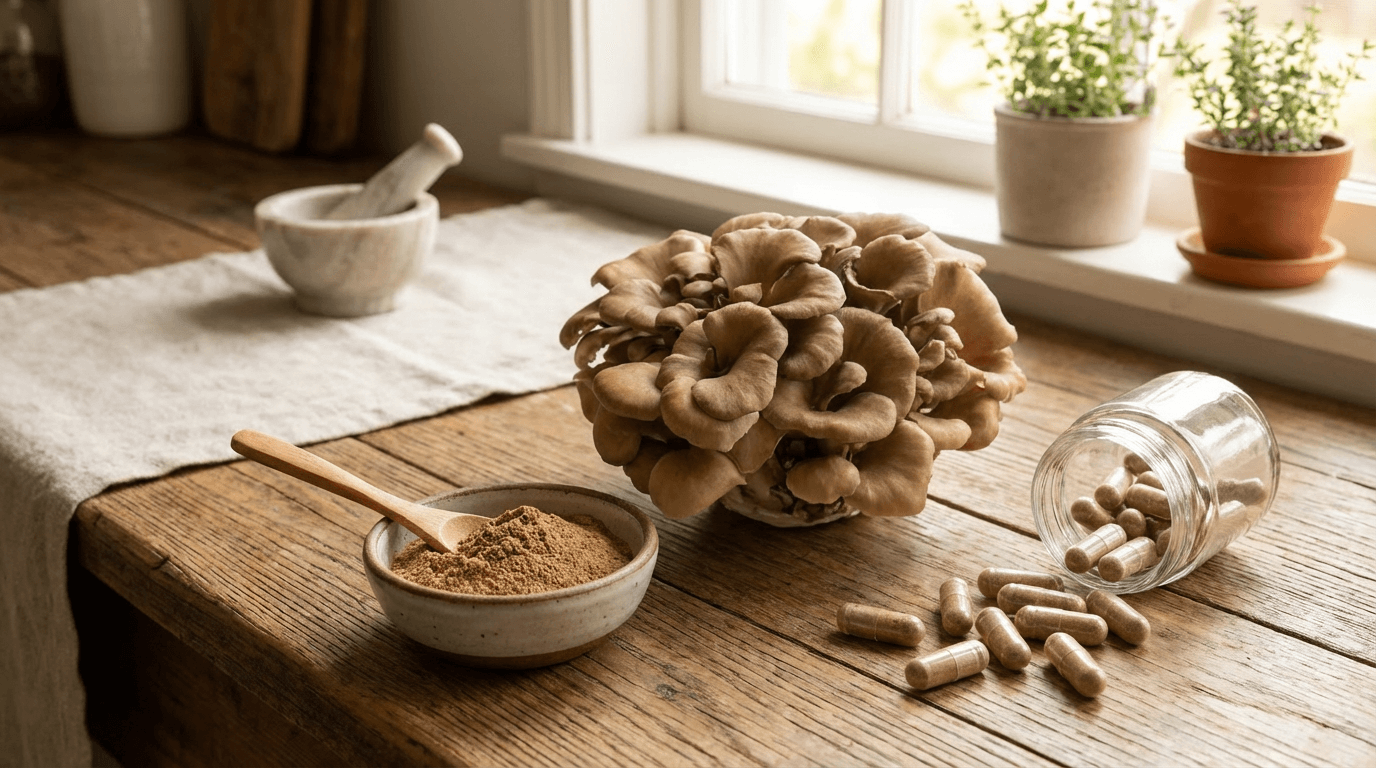
Medicinal mushrooms can be found as powders, extracts, capsules, or even in functional foods such as coffee blends or protein bars. The method of preparation can affect their potency, so knowing the source and preparation method is important for getting the most benefit.
Key Medicinal Mushrooms Used In Functional Medicine
Reishi
Often called the “mushroom of immortality”, reishi has been used in Asia for over 2,000 years. It is famous for calming the body and mind. Functional medicine doctors may recommend reishi to help with stress, sleep problems, and immune health.
Reishi contains triterpenes and beta-glucans. These compounds help regulate the immune system. Some studies show that reishi can lower inflammation and support the liver.
In addition to calming effects, reishi has shown potential benefits for people with allergies, asthma, and even high blood pressure. Its adaptogenic properties can help the body cope with long-term stress and support deep, restful sleep. For people who struggle with anxiety or overactive thoughts at night, reishi tea or extract before bed is a common recommendation in functional medicine.
Reishi is also used for its liver-protective properties. In some studies, reishi has helped lower liver enzymes and improve liver function in people with mild to moderate liver issues. This makes it useful in protocols for detoxification and those recovering from environmental toxin exposure.
Lion’s Mane
Lion’s mane is unique because it looks like a white, shaggy ball. Its main strength is brain health. Lion’s mane contains hericenones and erinacines—rare compounds that support nerve growth and brain function.
Functional medicine often uses lion’s mane for memory, focus, and mood problems. Research shows it may help with mild cognitive decline and even support nerve repair.
What makes lion’s mane stand out is its ability to stimulate nerve growth factor (NGF), a protein essential for the health and survival of nerve cells. This is why people recovering from brain injuries or experiencing early memory loss may benefit from lion’s mane.
It is sometimes combined with B vitamins, fish oil, and mental exercises for a more complete brain support plan.
Lion’s mane has also shown promise for mood disorders. Some studies suggest it can reduce symptoms of anxiety and mild depression, possibly by lowering inflammation in the brain and supporting nerve communication.
Cordyceps
Cordyceps is famous among athletes and those who want more energy. It grows naturally on insects in the wild, but most supplements use cultivated varieties. Cordyceps helps the body use oxygen better and supports the adrenal glands.
Functional medicine practitioners use cordyceps for fatigue, stress, and even to support lung health. It is popular in recovery plans for people with chronic illness or those looking to boost stamina.
Cordyceps can improve the way your body produces and uses ATP, the molecule that gives cells energy. This is especially useful for people with chronic fatigue, low stamina, or those recovering from illness. Some asthma patients and people with chronic bronchitis have also reported easier breathing with cordyceps supplementation.
In addition, cordyceps supports hormone balance. By helping regulate the adrenal glands, it can reduce the negative impact of long-term stress on the body. This makes it a favorite for people with “burnout” or adrenal fatigue.
Turkey Tail
Turkey tail gets its name from its colorful, fan-shaped appearance. It is packed with polysaccharopeptides like PSP and PSK. These molecules stimulate immune cells.
Functional medicine uses turkey tail for immune support, especially in people with chronic infections, weakened immunity, or even alongside cancer treatments. Studies have shown it may help increase survival rates in some cancer patients when used with standard therapy.
Turkey tail is also a strong prebiotic, feeding beneficial gut bacteria. A healthier gut leads to better digestion, stronger immunity, and improved mood. Some protocols for autoimmune conditions include turkey tail to help modulate immune responses—reducing flare-ups without causing immune suppression.
For cancer patients, the well-studied PSK extract from turkey tail has been shown to boost the effectiveness of chemotherapy by protecting healthy cells and supporting faster recovery. It’s important, though, to use turkey tail as a supportive therapy, not a replacement for standard cancer care.
Chaga
Chaga is a dark mushroom that grows on birch trees in cold climates. It is high in antioxidants. Chaga supports the immune system and helps fight oxidative stress.
Functional medicine may add chaga to programs for people with inflammation, skin issues, or those who want to slow aging. It also supports gut health and may help balance blood sugar.
Chaga is one of the highest natural sources of melanin, which can protect skin and body tissues from damage caused by UV light and pollution. In some protocols, chaga is used for people with eczema or other chronic skin problems.
Its effect on blood sugar can also support people with metabolic syndrome or those at risk for diabetes.
One non-obvious benefit: chaga contains betulinic acid, a compound derived from birch bark, which has shown anti-viral and anti-tumor properties in lab studies.
Shiitake
Shiitake is both a food and a medicine. It is rich in lentinan, which supports immune function. Shiitake is often used in functional medicine for heart health and as part of anti-cancer protocols.
The mushroom’s compounds may help lower cholesterol and support the body’s defenses against viruses and bacteria.
Shiitake is one of the few medicinal mushrooms that is also a common food. Eating shiitake regularly can support heart health by reducing LDL cholesterol, improving blood vessel function, and providing B vitamins and essential minerals.
Lentinan, a polysaccharide in shiitake, has been studied for use in cancer therapy, especially for boosting immunity in people undergoing chemotherapy. Shiitake is also used for fighting viral infections, including HPV and some types of flu.
How Medicinal Mushrooms Fit Into Functional Medicine
Medicinal mushrooms complement functional medicine because they are adaptogens. This means they help the body adapt to stress and restore balance. They do not “force” one reaction. Instead, they gently support the body’s ability to heal.
Functional medicine doctors use mushrooms in several ways:
- As powders or capsules in daily routines
- In teas and extracts for more targeted support
- Combined with other herbs and nutrients in complex protocols
Instead of focusing on a single symptom, mushrooms work on several systems—immune, nervous, digestive—at the same time. This multi-target effect matches well with the functional medicine approach.
Mushrooms are often layered with other therapies. For example, someone dealing with chronic inflammation might receive anti-inflammatory foods, omega-3s, stress reduction techniques, and reishi or chaga. A child with ADHD might benefit from a combination of lion’s mane, dietary changes, and brain training exercises.
Example: Immune Health
If a patient has frequent infections, a functional medicine doctor might check their diet, gut health, stress, and sleep. They may recommend turkey tail or reishi to boost immunity, along with probiotics and lifestyle changes. This creates a more complete solution than just giving antibiotics.
In some cases, a practitioner might also look for hidden infections, food sensitivities, or environmental triggers that weaken immunity. Addressing these, while adding mushroom support, can help build lasting resistance to illness rather than just short-term fixes.
Example: Brain Support
For someone with brain fog or mild memory loss, lion’s mane can be part of a plan that includes diet changes, sleep support, and mental exercises. The mushroom’s nerve-growth compounds add another layer of support.
A non-obvious insight: because mushrooms can cross the gut-brain barrier by supporting the gut lining and microbiome, their benefits for brain health are often greater than expected. Combining lion’s mane with prebiotic-rich foods or probiotics can strengthen the gut-brain connection, leading to better mood and sharper thinking.

Credit: richmondnaturalmed.com
The Science Behind Medicinal Mushrooms
Research on medicinal mushrooms is growing fast. Thousands of studies have looked at their effects on health. Some mushrooms, like turkey tail and shiitake, have been tested in cancer patients. Others, like lion’s mane, have shown benefits for the brain.
Here are a few highlights:
- Reishi lowered inflammation markers and improved well-being in people with chronic fatigue (study in *Journal of Ethnopharmacology*, 2012).
- Lion’s mane improved mild cognitive impairment in a 2009 Japanese study.
- Turkey tail increased survival in breast cancer patients when used with chemotherapy (*Global Advances in Health and Medicine*, 2014).
- Cordyceps improved exercise performance and increased ATP (energy) production in athletes (study in *Journal of Alternative and Complementary Medicine*, 2010).
It is important to note that while results are promising, more large-scale human trials are needed. Still, functional medicine uses mushrooms as part of a larger, whole-person plan.
Another area of research is the effect of medicinal mushrooms on the microbiome. Recent studies show that the polysaccharides in mushrooms act as prebiotics, feeding beneficial gut bacteria and improving gut barrier function. This may explain why people with digestive problems, autoimmune issues, or even depression often feel better on mushroom protocols.
Newer research is also looking at how mushrooms affect gene expression—literally turning “on” or “off” certain genes related to inflammation, immunity, or metabolism. This epigenetic effect is a frontier in functional medicine and may open up even more targeted uses for mushrooms in the future.
Comparing Medicinal Mushrooms: Unique Benefits
Each medicinal mushroom offers something different. Here’s a comparison of their main benefits:
| Mushroom | Main Benefit | Best Use In Practice |
|---|---|---|
| Reishi | Calms stress, supports immunity | Stress, sleep, chronic inflammation |
| Lion’s Mane | Brain and nerve support | Memory, focus, nerve repair |
| Cordyceps | Boosts energy, lung support | Fatigue, athletic performance |
| Turkey Tail | Immune enhancement | Infections, cancer support |
| Chaga | Antioxidant, anti-aging | Inflammation, skin, gut health |
| Shiitake | Heart, immune support | Cholesterol, viral defense |
No single mushroom does everything. Functional medicine practitioners often blend two or more types to match the patient’s needs. For example, someone with post-viral fatigue might use cordyceps (energy), lion’s mane (brain), and turkey tail (immune) for a well-rounded approach.
Credit: antioxi-supplements.com
How Mushrooms Are Used In Functional Medicine
Functional medicine practitioners do not just give mushroom capsules. They create a plan that fits each person’s needs. Here are some ways mushrooms are used:
- Capsules and Powders: Easy to add to smoothies or meals. Good for daily support.
- Teas and Decoctions: Slow-brewed teas can extract more compounds, especially from tough mushrooms like reishi and chaga.
- Liquid Extracts: These are more concentrated and used for stronger effects.
- Topical Creams: Sometimes used for skin issues, especially with chaga and reishi.
Personalization is important. For example, someone with sleep problems and anxiety might do better with reishi at night. An athlete recovering from illness might use cordyceps and turkey tail together.
Functional medicine doctors often use mushrooms with other herbs, vitamins, and lifestyle changes. This “stacking” approach is designed to support all systems, not just treat one symptom.
Some practitioners even use food-based approaches, encouraging patients to include shiitake or maitake mushrooms in meals several times a week. This “food as medicine” philosophy is central to functional medicine, as it helps people make lasting changes rather than just taking pills.
It’s also common to rotate mushroom types to prevent the body from adapting too much to a single compound and to ensure a wider range of benefits.
The Role Of Mushrooms In Immune Regulation
A strong immune system is the foundation of good health. Medicinal mushrooms help in ways that most people do not know.
- Beta-glucans in mushrooms like reishi, shiitake, and turkey tail “train” immune cells to respond better to threats.
- Some mushrooms, like cordyceps, help balance an overactive immune system. This is useful for autoimmune problems.
- Mushrooms support the gut microbiome. A healthy gut means a stronger immune system.
What is unique is that mushrooms do not “force” immunity up or down. Instead, they help the body adjust as needed—something few drugs can do.
For example, in autoimmune conditions like lupus or rheumatoid arthritis, functional medicine practitioners may use reishi or turkey tail to help calm the immune system without shutting it down. This gentle balancing act is why mushrooms are called “immunomodulators”—not immune boosters or suppressors.
Another insight: the polysaccharides in mushrooms can help repair the gut lining, which is often “leaky” in people with allergies, autoimmunity, or chronic inflammation. By healing the gut, mushrooms indirectly support immune balance and reduce allergy or autoimmune flare-ups.
Mushrooms And The Gut-brain-immune Connection
Functional medicine often talks about the gut-brain-immune axis. This means the gut, brain, and immune system all talk to each other. Problems in one area can affect the others.
Medicinal mushrooms support this axis in several ways:
- Prebiotic fibers in mushrooms feed good gut bacteria.
- Compounds in lion’s mane and reishi can calm the nervous system.
- Beta-glucans and antioxidants help the immune system respond wisely—not overreact or under-react.
For example, a person with digestive issues and anxiety might benefit from a blend of lion’s mane (for the brain) and turkey tail (for the gut and immunity).
Many people do not realize that the majority of the body’s immune cells live in the gut. When the gut is healthy, the immune system is more balanced and less likely to overreact. This is why functional medicine often begins with gut repair, using mushrooms as one piece of the puzzle.
An additional example: in people with irritable bowel syndrome (IBS) and low mood, combining a low-FODMAP diet, probiotics, and a turkey tail-lion’s mane blend can lead to improvements in both digestion and mental well-being.
Safety And Quality: What To Know
Not all mushroom products are equal. Functional medicine practitioners pay close attention to quality and safety.
What To Look For
- Full spectrum extracts (fruiting body and mycelium) are best.
- Organic, non-GMO, and tested for heavy metals.
- Clear labeling of beta-glucan content.
Common Mistakes
- Using low-quality products: Some supplements use only mycelium grown on grain, which is less potent.
- Ignoring dosage: More is not always better. Dosage should fit the person’s age, health, and goals.
- Not checking for interactions: Mushroom extracts can interact with medications or other herbs.
Functional medicine doctors often use third-party tested brands. They adjust the dose based on lab tests and how the patient feels.
Another detail: It’s important to check for the presence of fillers or additives, which can reduce the potency or cause reactions in sensitive people. Look for products that are transparent about their sourcing and extraction methods.
People with mold allergies or who are immune-compromised should start slowly and only with the guidance of a qualified practitioner.
Practical Tips For Adding Medicinal Mushrooms
If you are interested in adding mushrooms to your wellness plan, here are some practical steps:
- Start with one mushroom: See how your body reacts before adding more.
- Track your progress: Write down any changes in mood, energy, digestion, or sleep.
- Consult a professional: Especially if you have a health condition or take medications.
- Try different forms: Capsules are easy, but teas and extracts may work faster for some people.
- Combine with lifestyle changes: Mushrooms work best as part of a bigger plan—diet, sleep, stress management.
A practical example: If you want better sleep, try reishi tea 1-2 hours before bed, while also reducing screen time at night. For daytime energy, start with cordyceps in the morning with a protein-rich breakfast.
Non-obvious tip: Sometimes a lower dose works better, especially for sensitive people. More is not always better—listen to your body and adjust slowly.
The Synergy: Mushrooms And Functional Medicine Together
Medicinal mushrooms are powerful alone, but they become even more effective when used with other functional medicine tools. For example, a program for chronic fatigue might include:
- Cordyceps for energy
- Reishi for stress
- B vitamins and magnesium
- Sleep hygiene and stress reduction exercises
This synergy is what makes functional medicine special. Instead of chasing symptoms, it builds a foundation for long-term health.
Synergy also means that mushrooms can help reduce the dose or need for stronger medications in some cases, with a doctor’s guidance. For example, people with mild anxiety or sleep issues may be able to use reishi alongside lifestyle changes instead of starting medication.
In some protocols, mushrooms are used as a bridge—helping people transition off certain drugs or recover from long-term medication use by rebuilding the body’s resilience.
Case Studies: Real-life Success Stories
Case 1: Chronic Fatigue And Immunity
A 42-year-old woman with chronic fatigue and frequent infections came to a functional medicine clinic. She struggled with low energy, brain fog, and poor sleep.
Her practitioner created a plan that included:
- Cordyceps for energy and adrenal support
- Turkey tail for immune function
- Diet changes to support gut health
- Mindfulness exercises for stress
After three months, she reported fewer infections, better energy, and improved sleep.
A key detail: Her practitioner tracked her progress with regular questionnaires and adjusted the plan as her symptoms improved. This ongoing feedback helped fine-tune the protocol for her needs.
Case 2: Brain Fog After Viral Illness
A 55-year-old man recovered from a viral infection but had lingering brain fog and low mood. His doctor recommended:
- Lion’s mane for brain support
- Reishi at night for sleep and calm
- Omega-3s and light exercise
Within two months, his focus improved, and he felt more like himself.
His practitioner also suggested gut support with probiotics and prebiotic foods, recognizing that gut inflammation can impact mental clarity. Adding lion’s mane helped rebuild his mental sharpness while reishi supported restful sleep.
Case 3: Support During Cancer Treatment
A breast cancer patient used turkey tail alongside chemotherapy (with her doctor’s approval). The mushroom supported her immune system and helped her recover faster after treatment. She also practiced good nutrition and stress management.
She worked closely with both her oncologist and a functional medicine practitioner to ensure there were no interactions and that all supplements were safe during her treatments.
These cases show that mushrooms are not magic bullets. They work best as part of a complete, personalized plan.
Comparing Mushrooms And Conventional Medicine
How do medicinal mushrooms stack up against pharmaceutical drugs? Here’s a simple overview:
| Medicinal Mushrooms | Conventional Medicine |
|---|---|
| Work on multiple systems at once | Often target one symptom or pathway |
| Fewer side effects when used correctly | Can have strong side effects or interactions |
| Support long-term balance and resilience | Fast relief for acute symptoms |
| Need more research for some uses | Well-studied for many conditions |
It is not about choosing one or the other. Functional medicine often uses the best of both worlds.
For example, a person recovering from pneumonia might take antibiotics for the infection but use reishi and cordyceps to rebuild strength and immunity afterward. This combination approach maximizes results and reduces the risk of side effects.

Credit: www.frontiersin.org
Non-obvious Insights For Beginners
- Timing matters. Some mushrooms, like reishi, work best at night because they support relaxation. Cordyceps is more energizing and better in the morning.
- Blending can multiply effects. Combining mushrooms can create a “synergy” for better results. For example, mixing turkey tail and shiitake for immune support.
- Symptoms may not change overnight. Mushrooms work slowly to build up resilience. It may take weeks to notice deep changes.
- Lab testing can personalize your plan. Functional medicine doctors often check nutrient levels, inflammation, and immune markers to choose the right mushrooms.
- Not all products are created equal. The source, extraction method, and part of the mushroom matter a lot. Cheaper brands may not work as well.
Another insight: The effects of medicinal mushrooms can be subtle at first, such as improved sleep quality, more stable mood, or less frequent colds. Pay attention to small changes, not just dramatic results.
The Future Of Mushrooms In Functional Medicine
Interest in medicinal mushrooms is growing worldwide. Functional medicine is leading the way in using these ancient remedies with modern science.
New research is looking at mushrooms for:
- Mood and mental health
- Autoimmune conditions
- Gut disorders
- Healthy aging
As science learns more, we may discover even more uses for these powerful fungi. Functional medicine is likely to stay at the cutting edge, blending old wisdom with new research.
Functional medicine is also starting to combine mushrooms with new technologies, such as DNA testing and microbiome analysis, to further personalize care. In the near future, we may be able to match specific mushrooms to a person’s genetic profile or gut bacteria for even better results.
For those interested in the latest studies on medicinal mushrooms, the National Institutes of Health offers a good resource.
Frequently Asked Questions
What Are The Most Common Medicinal Mushrooms Used In Functional Medicine?
The most common are reishi, lion’s mane, cordyceps, turkey tail, chaga, and shiitake. Each has unique benefits, but all support immunity, inflammation, or brain health.
Are Medicinal Mushrooms Safe For Everyone?
Most people tolerate them well. However, those with mushroom allergies, autoimmune diseases, or who are pregnant should talk to a doctor first. Some mushrooms can interact with medications.
How Long Does It Take To See Results From Medicinal Mushrooms?
Most people need to use them for a few weeks to months to notice changes. Mushrooms work slowly to build health, not just cover symptoms.
Can I Use Medicinal Mushrooms With My Prescription Drugs?
Often yes, but always check with a healthcare provider. Some mushrooms may interact with blood thinners, immune drugs, or diabetes medications.
What Is The Best Way To Take Medicinal Mushrooms?
There is no single “best” way. Capsules are convenient. Teas and extracts may be stronger. The choice depends on your health needs and preferences.
Medicinal mushrooms offer a bridge between ancient healing and modern science. When combined with the holistic approach of functional medicine, they create new possibilities for health and wellness. With the right guidance and quality products, nearly anyone can benefit from these powerful gifts of nature.