
Functional Mushrooms For Fertility: Male And Female Reproductive Support
Fertility is a deeply personal subject, yet it’s something millions of people think about every day. Many factors impact fertility, from stress and diet to underlying health conditions. But did you know that nature offers support in some unexpected places? One of the most interesting options today comes from functional mushrooms—a special group of mushrooms prized for their health benefits, not just their taste.
Both men and women are searching for natural ways to improve reproductive health. Scientific research is beginning to catch up, showing how certain mushrooms might help balance hormones, improve sperm or egg quality, and even protect against age-related fertility problems.
But how do these mushrooms work? Which types are best for men or women? And is there real evidence behind the claims?
This guide explores the science, tradition, and practical use of functional mushrooms for fertility. You’ll discover how they work, which ones are most effective, and how to use them safely. Whether you’re just curious or actively seeking fertility support, you’ll find in-depth answers here.
Understanding Fertility: Basics For Men And Women
Before diving into mushrooms, it’s helpful to understand fertility itself. For women, fertility is mostly about healthy ovulation, balanced hormones, and receptive reproductive organs. For men, it’s about sperm count, quality, and hormone levels. Both are also affected by stress, inflammation, toxins, and even sleep.
Factors that can impact fertility include:
- Age: Fertility naturally declines with age in both men and women.
- Hormonal balance: Irregularities in estrogen, progesterone, or testosterone can reduce fertility.
- Oxidative stress: Free radicals can damage eggs, sperm, and reproductive tissues.
- Immune function: Autoimmune or inflammatory issues may interfere with conception.
- Lifestyle: Diet, exercise, alcohol, and smoking all play major roles.
Doctors often recommend diet changes, stress reduction, and sometimes medication. But many cultures have also used natural remedies—herbs, roots, and mushrooms—for centuries to support reproductive health.
What Are Functional Mushrooms?
Functional mushrooms are not the white button mushrooms you find at the grocery store. These are rare varieties, often used in traditional medicine, that contain high levels of bioactive compounds. They’re famous for their adaptogenic (stress-balancing) and antioxidant properties. Some functional mushrooms are now backed by modern science for supporting immunity, energy, and even fertility.
Common types include:
- Reishi (Ganoderma lucidum)
- Cordyceps (Cordyceps militaris and Cordyceps sinensis)
- Lion’s Mane (Hericium erinaceus)
- Chaga (Inonotus obliquus)
- Maitake (Grifola frondosa)
- Shiitake (Lentinula edodes)
- Turkey Tail (Trametes versicolor)
Each mushroom contains unique compounds such as beta-glucans, triterpenes, and polysaccharides. These can help balance the body’s systems, reduce inflammation, and protect against cellular damage.
How Functional Mushrooms Support Fertility
Hormone Regulation
Some mushrooms help maintain healthy hormone levels. For example, Reishi is known to support the endocrine system and may help balance estrogen, progesterone, and testosterone. These hormones are crucial for ovulation, sperm production, and sexual health.
Antioxidant Protection
Oxidative stress is a major cause of declining egg and sperm quality. Mushrooms like Chaga and Cordyceps are rich in antioxidants, which can protect cells from damage. This is especially important for people over 35, when reproductive cells are more vulnerable.
Stress Reduction
Chronic stress raises cortisol, which can interfere with reproductive hormones. Mushrooms such as Reishi and Lion’s Mane are considered adaptogens—they help the body adapt to stress, lower anxiety, and promote restful sleep. All these effects are linked to better fertility outcomes.
Immune System Balance
Autoimmune issues or chronic inflammation can make it harder to conceive. Functional mushrooms often have immune-modulating effects, meaning they help keep the immune system in a balanced, healthy state.
Energy And Vitality
Low energy and fatigue can reduce libido and sexual health. Cordyceps is famous for supporting stamina and improving oxygen use in the body, which may indirectly boost reproductive health.
Top Functional Mushrooms For Male And Female Fertility
Not all mushrooms work the same way. Here’s a closer look at the best-studied types for fertility, with details for men and women.
1. Reishi (ganoderma Lucidum)
Known as the “Mushroom of Immortality,” Reishi has a long history in Traditional Chinese Medicine for supporting longevity and vitality. But what about fertility?
- Hormone balance: Reishi helps regulate estrogen and testosterone, both key for reproductive health.
- Stress relief: Reishi’s calming properties can help lower cortisol, supporting a healthy menstrual cycle and sperm production.
- Immune modulation: Reishi’s beta-glucans support immune balance, important for both conception and healthy pregnancy.
Example: In a small study, Reishi extract helped reduce symptoms of polycystic ovary syndrome (PCOS), a common cause of infertility in women.
2. Cordyceps (cordyceps Militaris, Cordyceps Sinensis)
Cordyceps is famous for energy and endurance, but it also shines in reproductive health.
- Sperm quality: Animal studies show Cordyceps can improve sperm count, motility, and testosterone levels.
- Libido: Used as a natural aphrodisiac, Cordyceps may boost sexual desire in both men and women.
- Ovarian support: Early research suggests Cordyceps may help improve ovarian function and egg quality.
Non-obvious insight: Cordyceps works best when taken consistently over several weeks, not as a quick fix.
3. Lion’s Mane (hericium Erinaceus)
Lion’s Mane is mostly known for brain health, but its effects on nerves and inflammation can also support fertility.
- Stress and mood: Lion’s Mane helps reduce anxiety and depression, which can disrupt reproductive hormones.
- Nerve growth: Healthy nerve signaling is important for ovulation and sexual response.
- Antioxidant effects: Protects eggs and sperm from oxidative damage.
Unique angle: If stress is a major barrier to conception, Lion’s Mane may be especially helpful.
4. Chaga (inonotus Obliquus)
Chaga is a powerful antioxidant mushroom, often used for immune health.
- Oxidative protection: Chaga is rich in melanin and polyphenols, offering strong defense against free radicals.
- Hormonal support: May support healthy estrogen metabolism.
- Anti-inflammatory: Reduces chronic inflammation, which can interfere with fertility.
Practical tip: Chaga tea or extracts are easy to add to daily routines for long-term reproductive support.
5. Maitake (grifola Frondosa)
Maitake is well-known for supporting healthy blood sugar and weight, both key for fertility.
- PCOS support: Maitake may help women with PCOS regulate cycles and ovulate more regularly.
- Immune boost: Supports balanced immunity, helping maintain a healthy environment for conception.
- Blood sugar control: Stable blood sugar is essential for hormonal balance.
Data point: In one study, 94% of women with PCOS who took Maitake extract ovulated within three months.
6. Shiitake (lentinula Edodes)
Shiitake is a popular culinary mushroom, but it also offers unique fertility benefits.
- Zinc source: Shiitake is a natural source of zinc, a mineral that supports healthy sperm and egg quality.
- Immune modulation: Helps the body defend against infections that can impact reproductive organs.
- Cholesterol support: Maintains healthy cholesterol, important for hormone production.
7. Turkey Tail (trametes Versicolor)
Turkey Tail is best known for its immune-boosting effects.
- Immune balance: Supports a healthy immune response, which is critical for implantation and pregnancy.
- Gut health: Turkey Tail’s prebiotics help maintain gut health, indirectly supporting hormone balance.
- Antioxidant activity: Protects reproductive cells from oxidative stress.
Non-obvious insight: Good gut health is closely linked to hormone regulation, making Turkey Tail a smart choice.

Credit: findyourhealthyplace.com
Functional Mushrooms: Male Fertility Benefits
Male fertility depends on several factors: sperm count, motility, morphology (shape), and hormone levels. Here’s how functional mushrooms can help men:
Cordyceps: Sperm Quality And Testosterone
Cordyceps is widely studied for its effects on male reproductive health. In animal studies, Cordyceps extract increased sperm count and motility by up to 30%. It also raised testosterone levels, which are essential for libido and sperm production.
Men with low energy or sexual performance issues may also benefit from Cordyceps, as it improves blood flow and oxygen use in tissues, including reproductive organs.
Reishi: Hormonal Balance And Anti-inflammatory Effects
Reishi helps reduce inflammation in the body, which can impact sperm quality. It also supports the liver, which processes hormones. This can help maintain healthy levels of testosterone and reduce the effects of environmental toxins.
Reishi’s adaptogenic properties lower stress, which is linked to better sperm health.
Shiitake And Zinc
Zinc deficiency is a common cause of low sperm quality. Shiitake mushrooms are a good natural source of zinc, along with other minerals needed for healthy sperm development.
Chaga: Oxidative Protection
Chaga’s antioxidants protect sperm DNA from damage. This is especially important for older men or those exposed to toxins (like smoking or pollution).
Table: Functional Mushrooms And Male Fertility Benefits
| Mushroom | Main Benefit | Active Compound | Scientific Support |
|---|---|---|---|
| Cordyceps | Sperm quality, testosterone | Cordycepin, polysaccharides | Animal & small human studies |
| Reishi | Hormone balance, anti-inflammatory | Triterpenes, beta-glucans | Traditional use, early clinical data |
| Shiitake | Zinc for sperm health | Zinc, polysaccharides | Nutritional analysis |
| Chaga | Oxidative protection | Melanin, polyphenols | Lab studies, animal data |
Functional Mushrooms: Female Fertility Benefits
Women’s fertility is sensitive to hormones, stress, immune health, and age-related decline in egg quality. Functional mushrooms can target several of these areas.
Maitake For Pcos And Ovulation
Polycystic ovary syndrome (PCOS) is a common cause of infertility. Maitake extract has been shown to help women with PCOS ovulate more regularly. It also supports healthy blood sugar, which is often a problem in PCOS.
Reishi: Hormonal And Immune Support
Reishi helps balance estrogen and progesterone, supporting regular cycles and healthy ovulation. Its immune-modulating effects may also reduce the risk of miscarriage linked to autoimmune issues.
Chaga: Egg Protection
Chaga’s antioxidants help protect eggs from oxidative stress, which becomes more important with age. This may help maintain egg quality in women over 35.
Lion’s Mane: Stress And Mood
Stress and anxiety can disrupt the menstrual cycle and ovulation. Lion’s Mane supports a healthy nervous system and mood, reducing these risks.
Table: Functional Mushrooms And Female Fertility Benefits
| Mushroom | Main Benefit | Active Compound | Scientific Support |
|---|---|---|---|
| Maitake | PCOS support, ovulation | Beta-glucans, D-fraction | Small human studies |
| Reishi | Hormone and immune balance | Triterpenes, ganoderic acids | Traditional use, pilot studies |
| Chaga | Egg protection (antioxidant) | Polyphenols, melanin | Lab/animal data |
| Lion’s Mane | Stress and mood support | Erinacines, hericenones | Human trials (mood, not fertility) |
Key Compounds In Functional Mushrooms That Support Fertility
The power of functional mushrooms comes from unique compounds. Here are some of the most important:
Beta-glucans
These are complex sugars found in the cell walls of mushrooms. Beta-glucans help regulate the immune system and reduce inflammation.
Triterpenes
Found in Reishi and some other mushrooms, triterpenes have hormone-balancing and anti-inflammatory effects.
Polysaccharides
These long chains of sugar molecules improve immune health and protect cells from oxidative damage.
Cordycepin
Unique to Cordyceps, cordycepin improves energy production and may support sperm and egg health.
Melanin And Polyphenols
Chaga is rich in these antioxidants, which protect reproductive cells from free radical damage.
Table: Key Compounds In Top Fertility Mushrooms
| Mushroom | Key Compound | Main Fertility Benefit |
|---|---|---|
| Reishi | Triterpenes | Hormone balance |
| Cordyceps | Cordycepin | Sperm quality, energy |
| Maitake | Beta-glucans | Cycle regulation |
| Chaga | Melanin, polyphenols | Oxidative protection |
| Lion’s Mane | Erinacines, hericenones | Stress reduction |
How To Use Functional Mushrooms For Fertility
If you’re interested in trying functional mushrooms for fertility, here are practical steps:
1. Choose The Right Mushroom
Start by choosing mushrooms that match your needs:
- For stress and hormones: Reishi or Lion’s Mane
- For energy and sperm health: Cordyceps
- For PCOS or ovulation: Maitake
- For antioxidant support: Chaga
2. Pick The Best Form
Mushrooms come in several forms:
- Powders: Easy to add to smoothies or coffee.
- Capsules: Convenient, with precise dosing.
- Tinctures: Liquid extracts absorbed quickly.
- Teas: Traditional, especially for Chaga and Reishi.
Look for products that use fruiting bodies (not just mycelium), as these contain higher levels of active compounds.
3. Dosage And Timing
There’s no single dose for everyone, but most supplements suggest:
- 1–2 grams per day of powdered extract
- Follow label instructions for capsules or tinctures
Mushrooms work best when taken consistently for at least 4–8 weeks.
4. Combine With A Healthy Lifestyle
For best results, combine mushrooms with:
- A balanced diet rich in fruits, vegetables, and healthy fats
- Regular exercise
- Good sleep
- Stress management (meditation, yoga, etc.)
5. Watch For Interactions And Allergies
Most people tolerate functional mushrooms well, but you should avoid them if you have mushroom allergies. If you are taking medication for immune conditions, diabetes, or blood thinners, check with your doctor first.
6. Quality Matters
Choose reputable brands that test for purity and heavy metals. Organic certification is a plus.
Non-obvious Tips For Beginners
- Rotate mushrooms: Instead of using the same type every day, rotate between 2–3 different mushrooms to cover a wider range of benefits.
- Start low and slow: Begin with a low dose to see how your body reacts, then increase gradually.
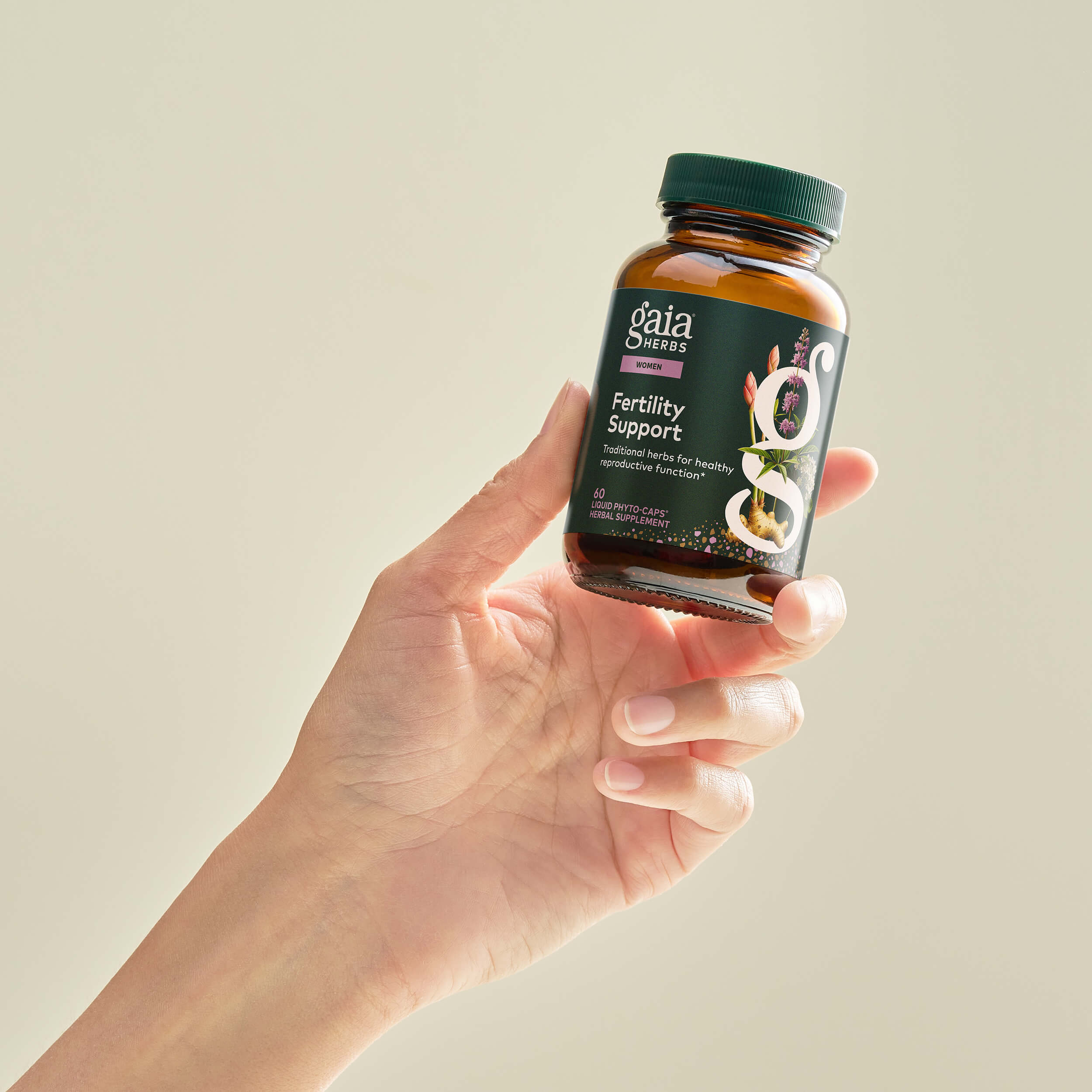
Credit: www.gaiaherbs.com
Traditional And Modern Research: What’s The Evidence?
Traditional Wisdom
Mushrooms like Reishi and Cordyceps have been used in Traditional Chinese Medicine for centuries to support reproductive health, longevity, and vitality. Ancient texts describe these mushrooms as “tonics” for both men and women, especially as they age.
Modern Science
Research is still in early stages, but some studies show promise:
- Cordyceps: Improved sperm quality in rats and small human trials.
- Maitake: Helped women with PCOS ovulate more often.
- Reishi: Reduced stress and improved hormone balance in animal studies.
- Lion’s Mane: Reduced anxiety and depression, which can impact fertility.
A 2021 review in the journal *Nutrients* highlighted the antioxidant and hormone-supporting effects of several medicinal mushrooms.
Example Study
A study published in *Phytotherapy Research* found that Cordyceps supplementation increased testosterone and improved sperm motility in infertile men over a 12-week period.
Safety Considerations And Common Mistakes
While functional mushrooms are generally safe, there are a few things to watch for:
- Drug interactions: Mushrooms can interact with immune drugs, diabetes medication, and blood thinners.
- Allergies: Some people may react to mushrooms, especially if allergic to mold or fungi.
- Overuse: Taking very high doses won’t speed up benefits and may stress the liver.
- Mislabeled products: Some supplements contain only mycelium, not the fruiting body, reducing their potency.
Practical advice: Always check product labels for third-party testing and avoid products with fillers or artificial additives.
Who Should Consider Functional Mushrooms For Fertility?
You might benefit from functional mushrooms if you:
- Are trying to conceive and want natural support
- Have mild hormone imbalance or PCOS
- Experience high stress or low energy
- Are over age 35 and want to protect egg or sperm quality
- Want to support reproductive health during aging
However, mushrooms are not a replacement for medical treatment. If you have severe fertility issues, consult a fertility specialist.
Combining Functional Mushrooms With Other Fertility Strategies
Functional mushrooms work best as part of a holistic approach. Here’s how you can combine them with other proven methods:
- Diet: Eat plenty of leafy greens, berries, seeds, and lean proteins.
- Supplements: Consider adding folic acid, omega-3s, and vitamin D.
- Lifestyle: Manage stress, get regular exercise, and avoid smoking or excess alcohol.
- Medical support: If needed, seek help from a fertility doctor.
A balanced approach increases your chances of success and overall well-being.
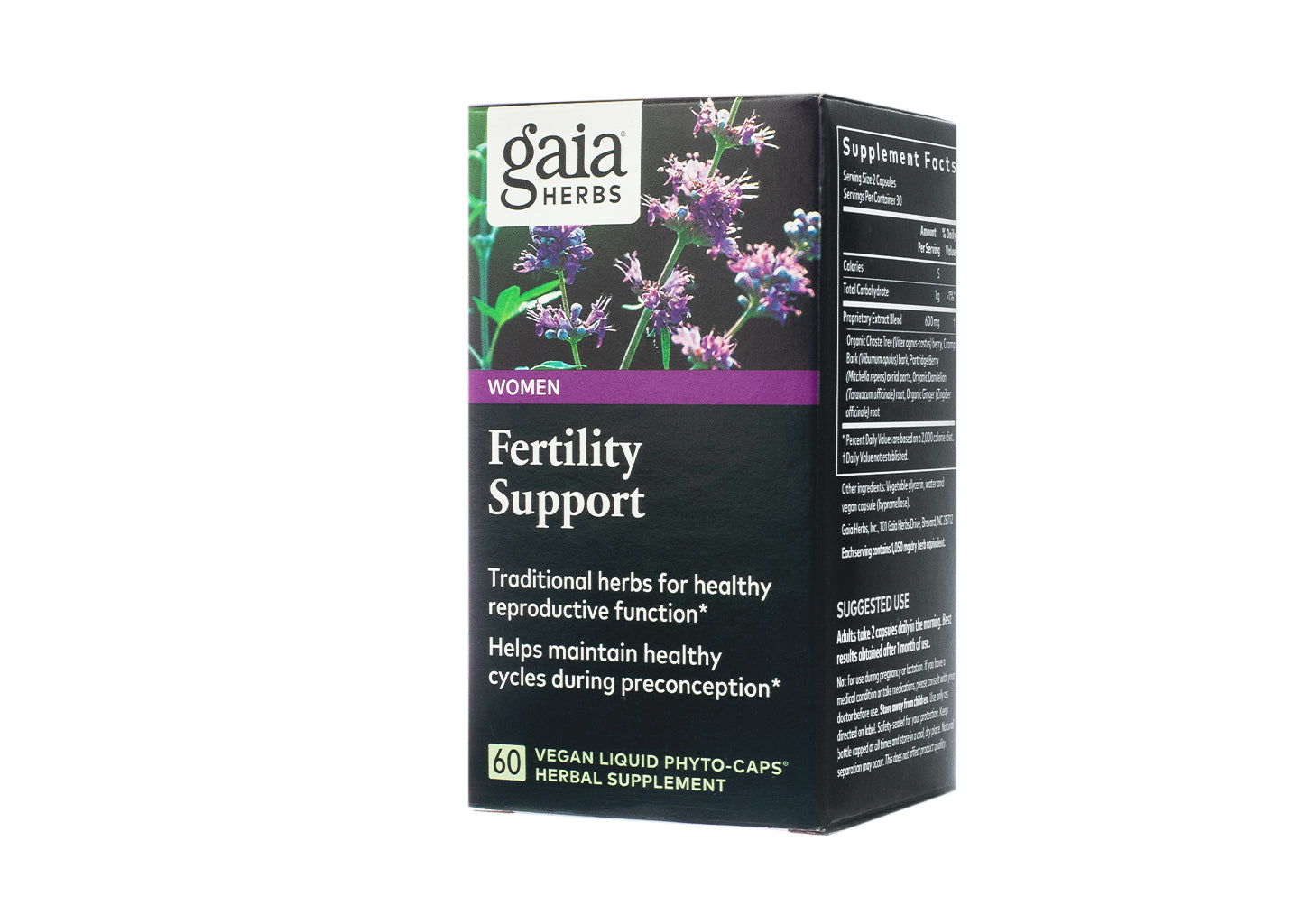
Credit: findyourhealthyplace.com
Comparing Functional Mushrooms With Other Natural Fertility Remedies
Many people try herbs, vitamins, or acupuncture for fertility. How do mushrooms stack up?
- Herbs: Herbs like maca or ashwagandha are also adaptogens, but mushrooms often have stronger immune and antioxidant effects.
- Vitamins/minerals: Essential but do not offer the same adaptogenic or immune benefits as mushrooms.
- Acupuncture: Helps with stress and circulation, but does not provide direct nutritional or antioxidant support.
Unique strength: Mushrooms offer a combination of immune, stress, and antioxidant benefits, making them a powerful addition to fertility plans.
Real-world Example: Using Mushrooms In A Fertility Journey
Sarah, age 34, struggled with irregular cycles and mild PCOS. She began taking Maitake extract daily, added Reishi for stress, and improved her diet. Within three months, her cycles became regular, and she conceived naturally. While not every case sees such quick results, Sarah’s story shows how combining mushrooms with healthy habits can make a difference.
Frequently Asked Questions
What’s The Best Mushroom For Male Fertility?
Cordyceps is considered best for male fertility because it can increase sperm count, motility, and testosterone. Reishi and Shiitake are also helpful, especially for hormone balance and zinc support.
Can Functional Mushrooms Help With Pcos?
Yes, Maitake has been shown in studies to help women with PCOS regulate their cycles and improve ovulation. Reishi can also support hormonal balance and reduce inflammation, which is important in PCOS.
How Long Does It Take For Mushrooms To Affect Fertility?
Most people need to use functional mushrooms for at least 4–8 weeks to notice benefits. Mushrooms work gradually, supporting the body’s systems over time, rather than offering instant results.
Are Functional Mushrooms Safe During Pregnancy?
It’s best to be cautious. While some mushrooms are safe in food amounts, supplement doses should be avoided during pregnancy unless recommended by a healthcare provider. Always consult your doctor first.
Where Can I Find More Scientific Information About Medicinal Mushrooms?
You can find detailed research and reviews at sources like the U.S. National Library of Medicine, which offers up-to-date studies on medicinal mushrooms and health.
Functional mushrooms offer a fascinating and promising way to support fertility for both men and women. By understanding the science, choosing the right types, and using them as part of a balanced lifestyle, you can improve your chances of reproductive success.
While mushrooms aren’t magic, their unique blend of nutrients and adaptogens make them a smart, natural ally on your fertility journey. Always talk to your healthcare provider before starting new supplements, and remember that consistency is key for real results.