
Many people worry about their cholesterol levels. High cholesterol can lead to heart problems, stroke, and other health issues. For years, doctors have prescribed statins to lower cholesterol. Statins are powerful drugs, but they also come with side effects like muscle pain, liver issues, and even memory problems. Because of these risks, more people are looking for natural ways to manage their cholesterol without using statins.
One area getting a lot of attention is functional mushrooms. These are not the regular mushrooms you find in salads or pizzas. Functional mushrooms are a special group of fungi used in traditional medicine for centuries, especially in Asia. Today, science is confirming that these mushrooms can help support healthy cholesterol levels. But how do they work? Are they really effective? And can they replace statins for some people?
This article explores how functional mushrooms support healthy cholesterol, the science behind their effects, and how to use them safely. You’ll learn about the most studied mushrooms, their active compounds, and practical ways to include them in your life. If you want a natural approach to better cholesterol, keep reading.
Understanding Cholesterol And Its Impact
Cholesterol is a waxy substance found in your blood. Your body needs some cholesterol to build cells, make hormones, and help digest food. There are two main types:
- LDL cholesterol: Often called “bad” cholesterol. High levels can clog arteries.
- HDL cholesterol: Known as “good” cholesterol. It helps remove LDL from the blood.
When LDL gets too high or HDL too low, the risk of heart disease rises. Many things affect cholesterol—diet, exercise, genetics, and age. Statins lower LDL but may not suit everyone.
Understanding these basics makes it clear why people want alternatives. Mushrooms offer unique compounds that help balance cholesterol without harsh side effects.
What Are Functional Mushrooms?
Functional mushrooms are not just food; they are used for health benefits. These mushrooms contain special substances that can boost immunity, reduce inflammation, and, importantly, support heart health.
Some popular functional mushrooms include:
- Reishi (Ganoderma lucidum)
- Shiitake (Lentinula edodes)
- Maitake (Grifola frondosa)
- Cordyceps (Cordyceps sinensis)
- Oyster Mushroom (Pleurotus ostreatus)
- Turkey Tail (Trametes versicolor)
- Lion’s Mane (Hericium erinaceus)
- Chaga (Inonotus obliquus)
These mushrooms are used as extracts, powders, teas, and supplements.
The Science Behind Mushrooms And Cholesterol
Many studies show that certain mushrooms can lower cholesterol. The key is in their bioactive compounds—natural chemicals with strong effects on the body.
Main Compounds In Functional Mushrooms
- Beta-glucans: Soluble fibers that trap cholesterol in the gut.
- Eritadenine: Found in shiitake, helps remove cholesterol from the blood.
- Lovastatin: Occurs naturally in oyster mushrooms; blocks cholesterol production.
- Sterols: Compete with cholesterol for absorption in the gut.
- Triterpenoids: Found in reishi and chaga; may reduce cholesterol synthesis.
These compounds work together to lower LDL, raise HDL, and protect blood vessels from damage.
How Mushrooms Lower Cholesterol
Mushrooms can:
- Block the body’s own cholesterol production.
- Increase removal of cholesterol through the intestines.
- Reduce absorption of cholesterol from food.
- Decrease inflammation in blood vessels, making them healthier.
This multi-level action makes mushrooms unique compared to single-target drugs like statins.
Clinical Research And Evidence
Several clinical trials and animal studies support the use of mushrooms for cholesterol:
- A study in the “Journal of Nutrition” showed shiitake mushrooms lowered total cholesterol by up to 25% in rats.
- Oyster mushrooms reduced LDL by 37% in people with high cholesterol after 8 weeks.
- Reishi extract lowered triglycerides and raised HDL in patients with metabolic syndrome.
Of course, not all research is equal. Some studies are small or use animals, but the evidence is growing.
Top Functional Mushrooms For Cholesterol Support
Different mushrooms have different strengths. Here are the most studied for cholesterol:
Reishi (ganoderma Lucidum)
Reishi is called the “mushroom of immortality” in Chinese medicine. It contains triterpenoids and beta-glucans. Studies show reishi can:
- Lower total and LDL cholesterol.
- Raise HDL cholesterol.
- Reduce inflammation, which helps arteries.
People usually take reishi as a tea, capsule, or powder.
Shiitake (lentinula Edodes)
Shiitake contains a unique compound called eritadenine. It helps the body get rid of cholesterol more quickly. Shiitake also has beta-glucans and sterols.
Research shows shiitake:
- Reduces blood cholesterol when eaten daily.
- Improves liver health, which is important for cholesterol processing.
Shiitake is easy to add to food or take as a supplement.
Maitake (grifola Frondosa)
Maitake is rich in D-fraction beta-glucans. This compound not only boosts immunity but also:
- Lowers total cholesterol and LDL.
- May help with weight control, which impacts cholesterol.
Maitake is often used in soups, teas, and supplements.
Oyster Mushroom (pleurotus Ostreatus)
Oyster mushrooms naturally contain lovastatin, the same substance as some prescription drugs. They also provide fiber and antioxidants.
Studies show oyster mushrooms:
- Decrease LDL and total cholesterol.
- Help maintain healthy triglyceride levels.
Oyster mushrooms can be cooked or taken as extract.
Cordyceps (cordyceps Sinensis)
Cordyceps is known for boosting energy, but it also supports heart health. It contains adenosine and polysaccharides.
Cordyceps may:
- Lower total cholesterol.
- Improve blood flow.
- Reduce oxidative stress.
Cordyceps is usually found in capsules or powder.
Chaga (inonotus Obliquus)
Chaga grows on birch trees and is packed with antioxidants and triterpenoids.
Chaga can:
- Reduce LDL cholesterol.
- Protect arteries from damage.
- Support immune health.
Most people use chaga as a tea or tincture.
Turkey Tail (trametes Versicolor)
Turkey tail is famous for immune support. Its polysaccharides and sterols can also help with cholesterol.
Research suggests turkey tail:
- May lower LDL.
- Supports overall cardiovascular health.
It is often taken as a powder or capsule.
Lion’s Mane (hericium Erinaceus)
Lion’s mane is best known for brain health, but it also contains hericenones and erinacines that may help cholesterol.
Lion’s mane may:
- Reduce LDL.
- Lower triglycerides.
- Improve fat metabolism.
Usually found in capsule, powder, or tea form.
Comparing Mushrooms: Which Is Most Effective?
To help compare, here is a summary of the main cholesterol-lowering effects of these mushrooms:
| Mushroom | Main Compound | Primary Effect on Cholesterol | Typical Form |
|---|---|---|---|
| Reishi | Triterpenoids, Beta-glucans | Lowers LDL, raises HDL | Tea, capsule, powder |
| Shiitake | Eritadenine, Beta-glucans | Reduces LDL, improves liver health | Food, supplement |
| Maitake | D-fraction Beta-glucans | Lowers LDL, weight support | Soup, tea, supplement |
| Oyster | Lovastatin, Fiber | Decreases LDL, total cholesterol | Food, extract |
| Cordyceps | Adenosine, Polysaccharides | Lowers cholesterol, improves flow | Capsule, powder |
| Chaga | Triterpenoids, Antioxidants | Reduces LDL, protects arteries | Tea, tincture |
| Turkey Tail | Polysaccharides, Sterols | May lower LDL, heart support | Powder, capsule |
| Lion’s Mane | Hericenones, Erinacines | Reduces LDL, triglycerides | Capsule, powder, tea |
How Do Functional Mushrooms Compare To Statins?
Statins are prescription drugs that block an enzyme your body uses to make cholesterol. They are very effective for lowering LDL, but they have risks.
Functional mushrooms work differently. They have a softer effect and often improve overall health at the same time. For example, mushrooms may boost immunity, support the liver, and reduce inflammation—all important for heart health.
Here’s a comparison of statins and mushrooms:
| Feature | Statins | Functional Mushrooms |
|---|---|---|
| How They Work | Block cholesterol production | Block production, increase removal, reduce absorption |
| Effect Strength | Strong, fast | Gentle, steady |
| Side Effects | Muscle pain, liver issues, memory loss | Rare, usually mild digestive issues |
| Extra Benefits | Few | Immunity, anti-inflammatory, antioxidant |
| Best For | High risk, severe cholesterol | Mild to moderate cholesterol, prevention |
This does not mean mushrooms can fully replace statins for everyone. People with serious heart risks may still need medicine. But for many, mushrooms are a good option, especially if they want to avoid drug side effects.

Credit: antioxi-supplements.com
Non-obvious Insights: What Most Beginners Miss
Many people new to functional mushrooms focus only on one type. But science shows that blends of mushrooms can work better than just one. The different compounds can support each other, giving a stronger effect.
Another point: The form of mushroom matters. For example, extracts are often much stronger than powders or whole mushrooms. Look for extracts that list the amount of beta-glucans or other active ingredients.
Also, consistency is key. Mushrooms work slowly. Taking them daily over weeks or months is needed for best results. Many beginners give up too soon.
How To Use Functional Mushrooms For Cholesterol
Adding mushrooms to your routine is simple, but there are smart ways to get the most benefit.
Choose The Right Form
- Capsules: Easy to take, consistent dose.
- Powders: Can be mixed into smoothies, coffee, or soup.
- Teas and tinctures: Traditional, good for some mushrooms like reishi or chaga.
- Whole mushrooms: Best for shiitake and oyster, cooked as food.
How Much To Take
Studies often use between 1–3 grams per day of extract or 5–10 grams of whole mushroom. Start low and increase slowly to check for any reactions.
Combine With A Healthy Lifestyle
Mushrooms are not magic by themselves. For best results:
- Eat a diet rich in vegetables, whole grains, and lean protein.
- Exercise regularly.
- Avoid smoking and excess alcohol.
- Manage stress.
These steps help mushrooms work better.
Watch For Quality
The supplement world is not well regulated. Buy from companies that provide third-party testing for purity and potency. Avoid products with lots of fillers.
Safety And Side Effects
Most functional mushrooms are safe for healthy adults. Side effects are rare and usually mild, such as:
- Stomach upset
- Loose stools
- Dry mouth
People with mushroom allergies should avoid these products. If you have a health condition or take medication (especially blood thinners or immune drugs), talk to your doctor.
Pregnant and breastfeeding women should also check with a healthcare provider.
Real-world Examples And Success Stories
Many people have turned to mushrooms for better cholesterol. Here are a few examples:
- Anna, age 52, had high cholesterol but was worried about statin side effects. She started using a blend of reishi, shiitake, and maitake extracts daily. After 6 months, her LDL dropped by 15%, and she felt more energetic. She kept her healthy diet and exercise, which helped her results.
- David, age 60, has a family history of heart disease. He added oyster mushrooms to his meals three times a week. His cholesterol numbers improved, and his doctor agreed to delay starting statins. He also lost 8 pounds, which further improved his heart risk.
- Maria, age 47, used cordyceps capsules after reading about their benefits. She noticed better energy for exercise and a mild drop in cholesterol. Her doctor was pleased with her progress.
These are just a few stories, but they show that mushrooms can be part of a real, practical plan for better health.
Integrating Functional Mushrooms Into Your Diet
You do not have to make big changes to start. Here are easy ways to add mushrooms:
- Cook with fresh shiitake or oyster mushrooms in stir-fries or soups.
- Add mushroom powder to your morning smoothie.
- Drink reishi or chaga tea in the evening for relaxation.
- Take a daily capsule blend for convenience.
Try different types and see what fits your taste and routine.
Practical Tips For Best Results
- Start slow: Begin with a small dose to check tolerance.
- Track your numbers: Check cholesterol before and after 2–3 months of use.
- Stay consistent: Daily use is key for results.
- Combine with lifestyle changes: Mushrooms are part of a bigger picture.
- Rotate types: Use different mushrooms for a broader effect.
Common Mistakes To Avoid
- Expecting fast results: Mushrooms work gently and take time.
- Ignoring quality: Cheap supplements may not work.
- Using mushrooms alone: Diet and exercise are still important.
- Overdosing: More is not always better; stick to recommended amounts.
Who Should Not Use Functional Mushrooms?
While mushrooms are safe for most, some people should be careful:
- People with mushroom allergies
- Those taking blood thinners (like warfarin)
- People with immune disorders (check with your doctor)
- Pregnant or breastfeeding women (safety not well studied)
Always check with a healthcare provider if unsure.
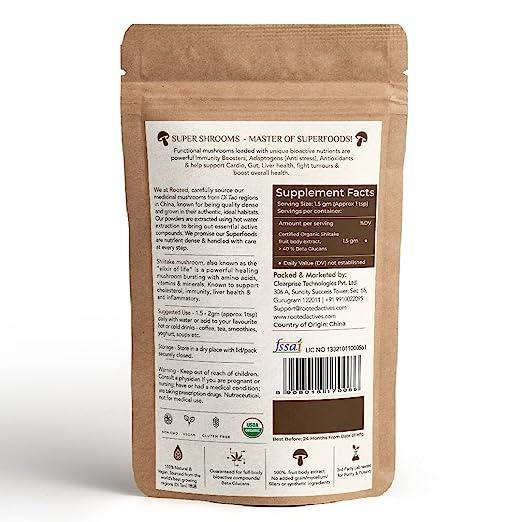
How To Read Supplement Labels
Choosing a good mushroom supplement can be tricky. Look for:
- Amount of active ingredient: Like beta-glucans, triterpenoids, or polysaccharides.
- Type of extract: Fruiting body is best; avoid “mycelium on grain” fillers.
- Third-party testing: Shows product is pure and contains what it claims.
- No unnecessary fillers: Pure mushroom, not extra starch or sugar.
Ask questions if you’re not sure what’s in the product.
What Doctors And Experts Say
Many doctors are now open to natural approaches for cholesterol, especially for people who cannot tolerate statins. Some heart doctors recommend mushrooms as part of a “whole package” that includes diet, exercise, and stress management.
For example, Dr. Andrew Weil, a well-known integrative medicine expert, supports the use of reishi and shiitake for better heart health. He points out that while mushrooms are not a “magic bullet,” they can make a difference for many people.
The Role Of Mushrooms In Different Cultures
Mushrooms have been used in Asian medicine for centuries. In Japan, shiitake is a common part of the diet and is credited with the country’s low heart disease rates. In China, reishi is used for “longevity and vitality. ”
Today, Western science is catching up. More clinical trials are being done, and mushrooms are now common in health stores around the world.
Combining Mushrooms With Other Natural Remedies
Mushrooms can be combined with other natural options for even better results. These include:
- Plant sterols: Found in nuts and seeds, also block cholesterol absorption.
- Soluble fiber: Like oats, barley, and psyllium; helps remove cholesterol.
- Omega-3 fatty acids: From fish oil or flaxseed; lower triglycerides.
By combining these, you create a strong, heart-healthy plan.
Credit: cbdstore.in
Potential Downsides And Limitations
While mushrooms are powerful, they are not a replacement for medical care in every case. People with very high cholesterol or past heart attacks may still need drugs. Mushrooms work best for mild to moderate cholesterol issues or as prevention.
Also, quality control is a concern. Some products are contaminated or have low active ingredients. Always buy from trusted brands.
What The Future Holds
Research on functional mushrooms is growing fast. Scientists are studying new species and ways to extract the best compounds. In the future, we may see more mushroom-based medicines for cholesterol and other health problems.
For now, mushrooms are a safe, effective, and natural tool for many people.
Further Reading And Resources
If you want to go deeper, check out the following:
- “Medicinal Mushrooms: Their Therapeutic Properties and Current Medical Usage,” Wikipedia page on Medicinal Mushrooms
- Books by Dr. Andrew Weil on integrative medicine
- National Center for Complementary and Integrative Health (NCCIH) website
These will help you learn more about the power of mushrooms and how to use them wisely.
Frequently Asked Questions
Can Functional Mushrooms Really Replace Statins?
For some people with mild to moderate cholesterol problems, mushrooms can be a safe alternative. But for those with very high cholesterol or high heart risk, statins may still be needed. Always talk to your doctor before stopping any medication.
How Long Does It Take To See Results With Mushrooms?
Most people need to take mushrooms daily for at least 8–12 weeks to see changes in cholesterol. Results are usually gentle and steady, not fast like drugs.
Are There Any Side Effects From Using Functional Mushrooms?
Side effects are rare but can include stomach upset, loose stools, or dry mouth. People with mushroom allergies should avoid these products.
Can I Cook With Mushrooms Instead Of Taking Supplements?
Yes, eating mushrooms like shiitake or oyster in food is a great way to get benefits. Supplements are more concentrated, but both ways can help.
Do Mushrooms Interact With Any Medications?
Mushrooms can interact with blood thinners and immune drugs. If you take medication or have a medical condition, talk to your doctor before using functional mushrooms.
Functional mushrooms give a gentle, natural way to support healthy cholesterol without statins. When used wisely, they can be part of a heart-healthy life. Remember, no single food or supplement is magic—success comes from a whole lifestyle of good choices.

Credit: www.amazon.com