
Lyme disease affects thousands of people every year, yet many still struggle to find effective ways to support their recovery. While antibiotics are the main treatment, more people are looking for natural tools to help their bodies heal. One promising area is the use of mushrooms—specifically, medicinal mushrooms with unique compounds that may support the immune system, reduce inflammation, and help the body recover from chronic infections like Lyme disease.
This article explores the mushroom protocol for Lyme disease, how these fungi work, the best species to use, dosing, safety, and practical tips for integrating them into your recovery plan.
Understanding Lyme Disease And Its Challenges
Lyme disease is caused by the bacterium Borrelia burgdorferi, spread by tick bites. Common symptoms include fatigue, joint pain, fever, and sometimes neurological issues. Early antibiotic treatment usually works, but for some, symptoms linger—this is called post-treatment Lyme disease syndrome (PTLDS). These long-lasting symptoms can include severe tiredness, muscle pain, memory problems, and even mood changes.
The journey with Lyme disease can be confusing and frustrating. A person may start with a simple rash or flu-like symptoms, but later develop problems that affect daily life—like not being able to think clearly, or having pain that moves from joint to joint.
These symptoms often come and go, making it hard to know if the infection is really gone or if the body is still struggling.
Doctors are still learning why some people recover quickly while others do not. Theories include ongoing immune system activation, tissue damage, or lingering bacteria. Standard treatments may not address all these issues, leading patients to seek complementary therapies. Here is where medicinal mushrooms can play a role—by supporting the body’s natural defenses and helping with healing.
Another challenge is that Lyme disease can weaken the immune system, making people more likely to get other infections. Some also develop sensitivity to chemicals or foods, and their bodies react strongly to stress or even mild exercise. This is why a recovery plan often needs to be broad, addressing the immune system, nerves, energy production, and inflammation all at once.
Medicinal Mushrooms: Why They Matter
Medicinal mushrooms have been used in traditional medicine for centuries, especially in Asia. Modern research shows that they contain beta-glucans, antioxidants, and unique compounds that can boost the immune system, fight inflammation, and protect the body from stress. These effects make them appealing for people recovering from infections like Lyme disease.
Unlike culinary mushrooms (like button or portobello), medicinal mushrooms are not just food. They are concentrated sources of health-supporting molecules. Each species has different active compounds that work in unique ways. Some target immune cells directly, while others reduce inflammation or help the body adapt to stress.
One thing that makes mushrooms special is their ability to “modulate” the immune system. This means they can gently increase immune activity when it is too low (as in infections) and decrease it when it is too high (as in autoimmunity).
This balancing effect is rare in nature and explains why mushrooms have been used for chronic illnesses for so long.
How Mushrooms Work In The Body
Mushrooms support the body in several ways:
- Immune modulation: They help balance the immune system—stimulating it when needed, but calming it when overactive.
- Anti-inflammatory effects: Many contain compounds that reduce inflammation, which is a major cause of symptoms in Lyme disease.
- Antioxidant activity: Mushrooms protect cells from damage caused by infection and stress.
- Antimicrobial properties: Some mushrooms may fight bacteria or viruses directly.
For example, beta-glucans from mushrooms can activate macrophages and natural killer cells—important parts of your immune defense. Triterpenes and other molecules found in Reishi and Chaga work as antioxidants, helping to clean up harmful molecules (free radicals) that increase during infection.
These effects can help the body recover more fully from chronic illness and may reduce the risk of lingering symptoms.
Another overlooked benefit is that certain mushrooms can help the body handle stress better. Chronic Lyme often puts people in a state of “fight or flight,” and adaptogenic mushrooms (like Reishi and Cordyceps) may help bring the body back to balance.
This can improve sleep, mood, and even digestion—all of which are often disrupted in Lyme disease.
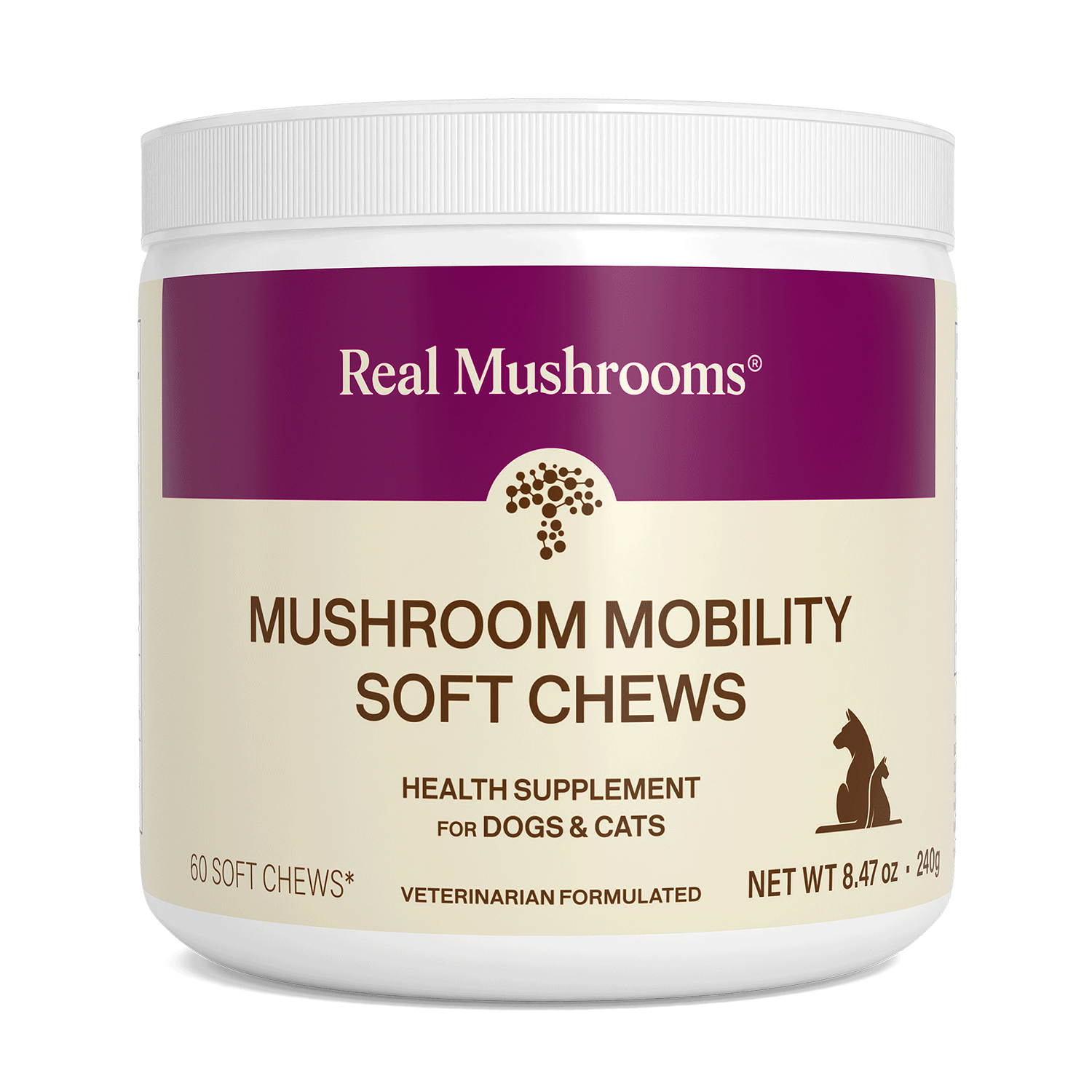
Credit: realmushrooms.com
The Top Medicinal Mushrooms For Lyme Disease Recovery
Not all mushrooms are equal. Some species have been studied specifically for their effects on the immune system and inflammation—two key areas for Lyme recovery. Let’s look at the most promising types.
1. Reishi (ganoderma Lucidum)
Known as the “mushroom of immortality” in Chinese medicine, Reishi is famous for its immune-boosting and calming effects. It contains triterpenes and beta-glucans that help regulate immune responses and lower inflammation.
Studies show Reishi can:
- Reduce fatigue and improve quality of life in chronic illness
- Calm an overactive immune system (important for those with autoimmune-like symptoms after Lyme)
- Support liver and heart health
Some people notice that Reishi also helps them sleep better, which is important for healing. The calming effect can reduce anxiety and support deep rest. Reishi is often used as a long-term supplement and is considered safe for most people.
2. Cordyceps (cordyceps Sinensis And Cordyceps Militaris)
Cordyceps is unique—it grows on insect larvae in the wild and is valued for increasing energy and endurance. For Lyme disease, its main benefits are:
- Improving energy production in cells
- Supporting adrenal health (important for stress recovery)
- Enhancing oxygen use by the body
Cordyceps is popular among athletes but can also help those with Lyme-related fatigue.
One non-obvious benefit is that Cordyceps may help reduce post-exercise fatigue, making it useful for people trying to rebuild strength after being sick. It also supports lung health, which can be useful if you feel short of breath or weak after Lyme.
3. Lion’s Mane (hericium Erinaceus)
Lion’s Mane is well-known for supporting nerve health and brain function. Its compounds, called hericenones and erinacines, help promote nerve growth and repair.
For Lyme recovery, Lion’s Mane may:
- Help with memory, focus, and mood issues (“Lyme brain”)
- Support healing of nerve damage
- Act as a mild anti-inflammatory
This mushroom is often recommended for anyone with neurological symptoms.
Lion’s Mane can also help with sleep quality and may reduce mild depression or anxiety, which are common in Lyme survivors. Some people notice improved hand-eye coordination or faster thinking after using it regularly.
4. Turkey Tail (trametes Versicolor)
Turkey Tail contains high levels of polysaccharide-K (PSK) and polysaccharide-peptide (PSP). These compounds are strong immune modulators.
Benefits include:
- Supporting immune defense against infections
- Increasing beneficial gut bacteria (important for overall health)
- Reducing inflammation
Turkey Tail is used worldwide for immune support, especially in cancer and chronic illness.
A less-known benefit is its effect on gut health. A healthier gut supports a stronger immune system, and Turkey Tail can encourage the growth of good bacteria, which is often damaged by antibiotics.
5. Chaga (inonotus Obliquus)
Chaga grows on birch trees and is extremely rich in antioxidants. It is often used to protect cells from damage and lower inflammation.
Chaga may help by:
- Reducing oxidative stress from chronic infection
- Supporting healthy immune responses
- Protecting tissues from damage
It is a good choice for those with high inflammation or tissue damage.
Chaga also contains melanin, which may support skin health—a lesser-known benefit for those experiencing rashes or skin issues as part of Lyme disease.
6. Maitake (grifola Frondosa)
Maitake is known for its powerful beta-glucans, which activate immune cells and help the body fight infections. Studies suggest it can:
- Support white blood cell activity
- Help control blood sugar (important for energy)
- Lower inflammation
Maitake is often combined with other mushrooms for a broader effect.
Maitake’s blood sugar support can be important because chronic illness can cause swings in blood sugar, leading to crashes in energy or mood.
7. Shiitake (lentinula Edodes)
Shiitake is both a food and a medicine. Its lentinan compound is a well-studied immune booster.
Benefits include:
- Activating immune cells
- Supporting heart health
- Providing antioxidants
Shiitake is gentle and can be used long-term for general support.
It is also easy to cook with, so you can add it to soups, stir-fries, or rice dishes to get both nutrition and immune benefits in your daily meals.
Choosing The Right Mushroom Protocol
No single mushroom is “best”—the ideal protocol often combines several species for a broader range of effects. Here is how to choose the right ones for your needs:
| Mushroom | Main Benefit | Best For | Notes |
|---|---|---|---|
| Reishi | Immune modulation, calming | Fatigue, insomnia, inflammation | Can be used long-term |
| Cordyceps | Energy, adrenal support | Low energy, stress | Best taken in morning/afternoon |
| Lion’s Mane | Nerve health, cognition | Brain fog, nerve pain | Safe for daily use |
| Turkey Tail | Immune support, gut health | Weak immunity, digestive issues | Combine with probiotics for gut benefits |
| Chaga | Antioxidant, anti-inflammatory | High inflammation, tissue damage | Rich in melanin; can darken stool |
| Maitake | Immune activation | Frequent infections | Can lower blood sugar |
| Shiitake | General immune support | Overall health | Also a nutritious food |
It’s important to match mushroom benefits to your main symptoms. For example, if fatigue is your biggest challenge, Cordyceps and Reishi make a good pair. For brain fog, add Lion’s Mane.
Some protocols also rotate mushrooms every few months to avoid the body getting too used to one type. This helps keep the immune system responsive.
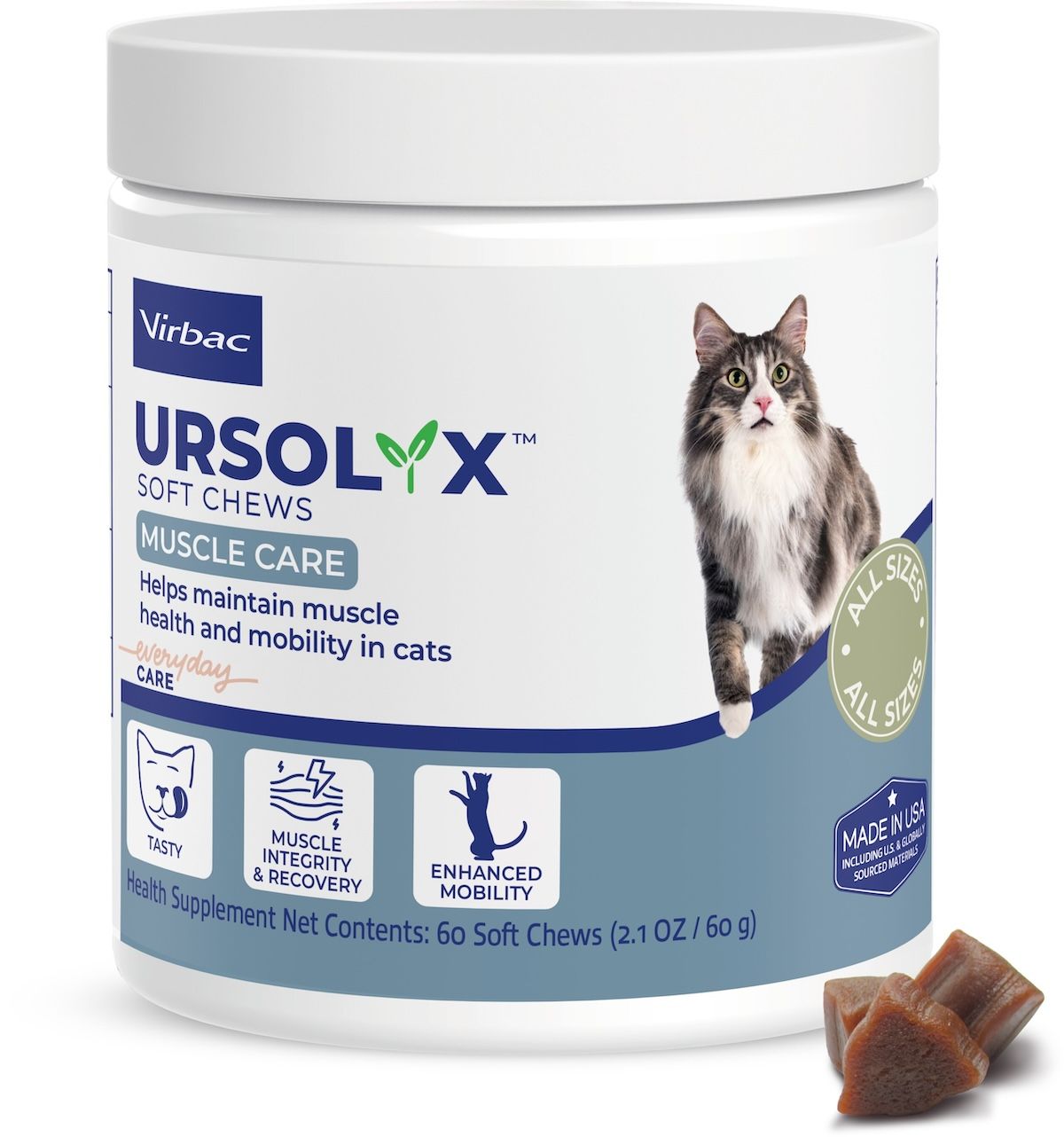
Credit: www.dvm360.com
How To Use Mushrooms: Forms, Dosing, And Duration
Medicinal mushrooms come in many forms:
- Capsules/tablets: Easy to use and dose accurately
- Powders: Can be mixed into smoothies, coffee, or tea
- Tinctures (liquid extracts): Fast absorption, easy to adjust dose
- Whole dried mushrooms: Used to make teas or broths
Each form has pros and cons. Capsules are convenient but sometimes more expensive. Powders can be added to food but may have a strong taste. Tinctures are great for those who have trouble swallowing pills.
For example, if you dislike strong earthy flavors, capsules or tinctures may be easier. If you enjoy experimenting in the kitchen, you can make teas or broths with dried mushrooms. Some people even add mushroom powder to homemade energy bars or soups.
Dosing Guidelines
There is no “one-size-fits-all” dose, but here are general guidelines:
| Mushroom | Typical Daily Dose | Form |
|---|---|---|
| Reishi | 1–3 grams | Powder/capsule |
| Cordyceps | 1–2 grams | Powder/capsule |
| Lion’s Mane | 500–3000 mg | Powder/capsule |
| Turkey Tail | 2–3 grams | Powder/capsule |
| Chaga | 1–3 grams | Powder/capsule/tea |
| Maitake | 1–3 grams | Powder/capsule |
| Shiitake | 2–5 grams | Powder/capsule/food |
Start with the lower end of the range and increase slowly. This helps your body adjust and reduces the chance of side effects.
Two practical tips: If you are sensitive to new supplements, start with half the lowest dose and increase only after a week. For powders, mix with a little lemon juice or honey if the taste is too strong.
How Long To Use Mushrooms?
Mushrooms work best when used consistently over weeks or months. Many people see benefits after 2–4 weeks, but deeper healing may take 3–6 months or longer. It is safe to use mushrooms long-term for most people, but it’s wise to take breaks (such as 1 week off every 2–3 months).
If you notice side effects or your symptoms get worse, stop and talk with your healthcare provider. Sometimes, as the immune system starts to recover, people can feel a temporary increase in symptoms before they improve—this is called a “healing reaction.
”
Combining Mushrooms With Other Supplements
Medicinal mushrooms can be combined with other natural therapies, such as:
- Probiotics: For gut health, especially after antibiotics
- Omega-3 oils: To lower inflammation
- Vitamin D: For immune support
Other options include turmeric (for inflammation), magnesium (for pain or cramps), and B-complex vitamins (for energy). Always check with your healthcare provider before mixing supplements, especially if you take prescription medications.
One beginner mistake is taking too many new supplements at once. Add only one change every few days so you can tell what is helping.
What Science Says About Mushrooms And Lyme Disease
While medicinal mushrooms are not a cure for Lyme disease, their effects on the immune system and inflammation are well-documented. Here are some key findings:
- Reishi has been shown to lower levels of inflammatory markers and help balance immune responses in both animal and human studies.
- Cordyceps improves energy and reduces fatigue in studies on chronic illnesses, including cancer and chronic fatigue syndrome.
- Lion’s Mane can stimulate nerve growth factor (NGF), helping nerves repair after damage—a common issue in Lyme.
- Turkey Tail’s polysaccharides boost immune cell activity and have been used to support recovery in cancer patients.
- Chaga is one of the highest known sources of antioxidants, which protect the body from cellular damage during infection.
A few small studies and many case reports suggest that these mushrooms may help people with chronic Lyme symptoms feel better, especially when combined with standard medical care. However, more large clinical trials are needed to confirm these effects in Lyme disease specifically.
One important insight: While research is promising, results depend on the quality and dose of the mushroom used. Many studies use extracts with high levels of beta-glucans, not simple powders or foods. For best results, choose products that show their active compound content.
Potential Risks And How To Stay Safe
Medicinal mushrooms are generally safe, but some people may experience side effects. These can include:
- Digestive upset (gas, bloating, or nausea)
- Allergic reactions (rare but possible)
- Blood sugar drops (mainly with Maitake)
People with autoimmune diseases should use mushrooms with caution, as immune-stimulating effects can sometimes worsen symptoms. The same is true for anyone taking immunosuppressant drugs.
If you are pregnant, breastfeeding, or have a serious medical condition, consult your doctor before starting a mushroom protocol.
How To Spot Quality Products
Not all mushroom supplements are equal. Some products contain mostly grain filler (mycelium) rather than the whole fruiting body, which has most of the active compounds. Here’s how to choose high-quality mushrooms:
- Look for fruiting body extracts, not just mycelium.
- Check for third-party testing (for purity and heavy metals).
- Choose organic products when possible.
- Avoid products with lots of additives or fillers.
High-quality brands will share their lab testing results and extraction methods openly. If a product does not list beta-glucan content, it may not be very effective.
Good mushroom supplements will list the extraction method and beta-glucan content on the label.
Building A Complete Mushroom Protocol For Lyme Disease
A basic mushroom protocol for Lyme disease might look like this:
- Morning: Cordyceps (energy) + Lion’s Mane (brain/nerve support)
- Afternoon: Reishi (immune modulation) + Turkey Tail (immune/gut support)
- Evening: Reishi (calming, better sleep) or Chaga (antioxidant)
You can adjust doses and timing based on your symptoms and how you feel. For example, if you have trouble sleeping, take Reishi in the evening. If brain fog is your main issue, focus on Lion’s Mane.
Another idea is to keep a “symptom diary. ” Write down how you feel each day, what supplements you take, and any changes in energy, pain, or mood. Over time, you’ll see which mushrooms help most.
Add one new mushroom at a time, waiting a few days to check for side effects. This makes it easier to see what works for you.
Real-world Experiences: What People Notice
Many people with Lyme disease report:
- Better energy levels and less fatigue
- Improved sleep and mood
- Clearer thinking and less brain fog
- Fewer infections or relapses
- Gradual reduction in pain and inflammation
However, results vary. Some see fast improvements, while others need months of consistent use. Mushrooms are not a quick fix—they support the body’s healing over time.
A common beginner mistake is to expect immediate results or to use too high a dose at first. Start low and be patient.
One unique insight from people who track their recovery: Sometimes, improvements are first noticed in small areas, like waking up less tired or needing less afternoon rest. Over months, these small changes can add up to big improvements in daily life.
Practical Tips For Daily Use
- Mix mushroom powder into coffee or smoothies for an easy routine.
- Use mushroom tinctures in tea or water for fast absorption.
- Rotate mushrooms every few months to avoid “plateau” effects.
- Track your symptoms weekly to see what helps.
Other helpful habits include prepping mushroom teas in advance or adding powders to overnight oats or yogurt. If you travel often, consider capsules or single-serve packets.
Many people find it helpful to keep a journal of energy, pain, mood, and sleep. This makes it easier to see patterns and adjust your protocol.
The Role Of Diet And Lifestyle
Mushrooms work best as part of a full recovery plan. For Lyme disease, focus on:
- Eating a nutrient-rich diet (lots of vegetables, healthy fats, and clean protein)
- Managing stress (yoga, meditation, gentle movement)
- Getting enough sleep (7–9 hours is ideal)
- Avoiding sugar and processed foods (which can fuel inflammation)
Hydration is also important—drink enough water, especially if you use mushroom powders, as they can be drying. Gentle movement like walking or stretching helps keep the lymph system moving, which supports detox and healing.
Mushrooms are a tool, not a magic bullet. They help your body recover, but healthy habits are still key.
Comparing Mushrooms With Other Natural Support Options
How do mushrooms stack up against other common Lyme recovery tools?
| Support Type | Main Benefit | Best For | Notes |
|---|---|---|---|
| Mushrooms | Immune, inflammation, energy | Broad support, safe for most | Multiple species for different needs |
| Herbs (e.g., Cat’s Claw, Japanese Knotweed) | Antimicrobial, anti-inflammatory | Targeting bacteria, inflammation | Some have strong taste or side effects |
| Probiotics | Gut health, immunity | After antibiotics, digestive issues | Best with prebiotic foods |
| Omega-3s | Anti-inflammatory | Joint pain, mood | From fish or algae oil |
| Vitamin D | Immune function | Low vitamin D levels | Check blood levels first |
The main advantage of mushrooms is their ability to support many systems at once—immune, nervous, and energy. Herbs are often used alongside mushrooms, especially when targeting Lyme bacteria directly.
If you are sensitive to herbs, start with mushrooms first—they are usually better tolerated. Over time, you might add herbs or other nutrients, based on what your body needs most.
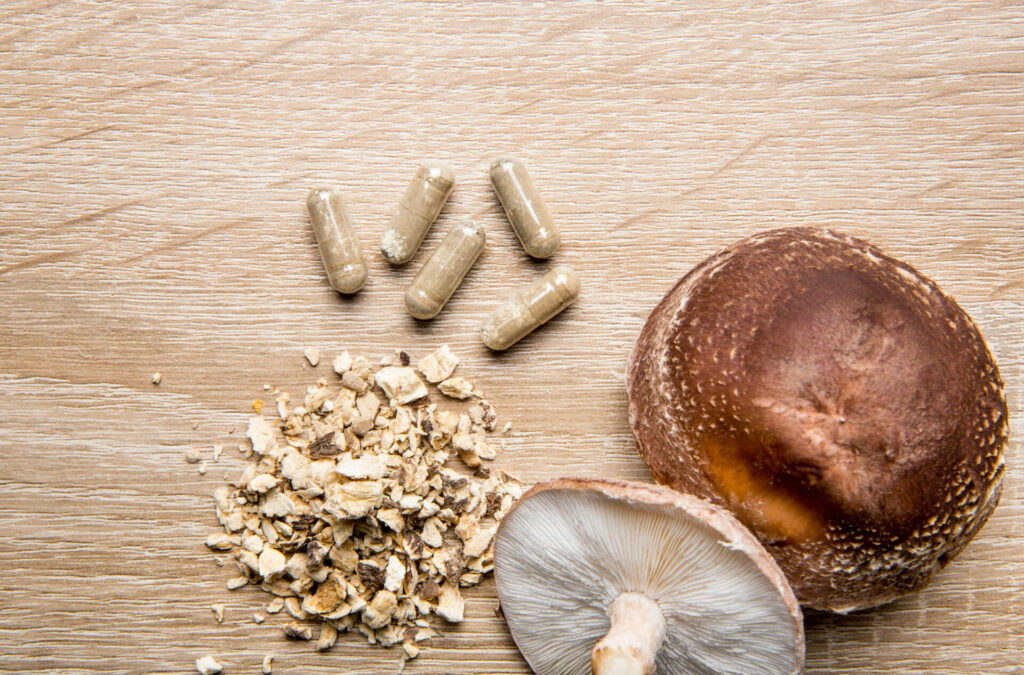
Credit: todayspractitioner.com
Frequently Asked Questions
What Is The Best Mushroom For Lyme Disease?
There is no single “best” mushroom. Reishi, Cordyceps, and Lion’s Mane are among the most commonly used for Lyme recovery. The best choice depends on your symptoms—use Cordyceps for energy, Lion’s Mane for brain and nerve health, and Reishi for immune balance.
If you have several symptoms, a blend of different mushrooms may give the best results. Some companies offer “complex” formulas with 5–7 mushrooms in one capsule.
Can I Use Mushrooms While Taking Antibiotics?
Yes, most medicinal mushrooms are safe to use with antibiotics. In fact, they may help protect the gut and support your immune system during treatment. Always tell your doctor about any supplements you are using.
Some mushrooms, like Turkey Tail, can help restore gut bacteria after antibiotic use. This may reduce side effects like diarrhea or yeast infections.
How Long Does It Take To See Results From Mushroom Supplements?
Some people notice benefits like increased energy or better sleep within 2–4 weeks. For deeper healing (less pain, fewer infections), it may take 2–3 months or more. Mushrooms work gradually—consistency is important.
If you stop taking mushrooms, symptoms may slowly return, so try to keep them in your routine for at least several months.
Are There Any Risks To Using Medicinal Mushrooms?
Most people tolerate mushrooms well, but mild digestive upset is possible. Rarely, allergic reactions can occur. Use caution if you have autoimmune disease or take immune-suppressing drugs. Always choose high-quality, tested products.
If you are allergic to mold, try one mushroom at a time and watch for reactions. Stop if you feel itchy, get a rash, or have trouble breathing.
Where Can I Learn More About The Science Behind Medicinal Mushrooms?
For more scientific details and research, visit the Wikipedia page on medicinal mushrooms. You’ll find references to studies and further reading.
Medicinal mushrooms offer real hope for people recovering from Lyme disease. They are not a replacement for medical treatment, but they can be a powerful tool to support your body’s natural healing. By choosing the right mushrooms, using them consistently, and combining them with healthy lifestyle choices, you can give yourself the best chance at a full recovery.
Patience and careful observation are key—healing is a journey, not a sprint. If you have questions or concerns, always work with a healthcare provider who understands both conventional and integrative medicine.