
Lion’s mane mushrooms have gained attention for their unique appearance and potential health benefits. More people are looking for natural ways to improve focus and mental clarity, and lion’s mane tea is becoming a favorite choice. This warm, earthy drink is easy to make at home. It offers a gentle energy boost without the harsh effects of caffeine. If you want to sharpen your mind, feel more alert, or support your brain health, lion’s mane tea is worth trying.
This guide will take you from the basics to advanced tips. You’ll learn about the mushroom’s history, how it works in the body, and the best way to brew lion’s mane tea for the greatest effect. Along the way, you’ll find practical advice, common mistakes to avoid, and ways to adjust the tea for your taste and needs.
Whether you’re a student, busy professional, or just curious about functional foods, you’ll find everything you need to get started.
What Is Lion’s Mane Mushroom?
Lion’s mane mushroom, known as Hericium erinaceus, is an edible fungus with long, white, shaggy spines. It grows on hardwood trees in North America, Europe, and Asia. In nature, it often hangs from old logs, resembling a lion’s mane. For centuries, lion’s mane has been used in traditional Chinese and Japanese medicine. Modern research now explores its effects on the brain and nervous system.
People often describe the taste as mild, slightly sweet, and sometimes like seafood (such as crab or lobster). This makes it easy to add to drinks or meals.
Lion’s mane is not only valued for its taste and wellness benefits, but also for its adaptability in cooking. In some Asian cultures, it’s served in soups, stir-fries, or even as a meat substitute because of its texture. The mushroom’s ability to blend into various recipes means you can enjoy it in both savory and sweet dishes.
Its popularity has grown outside of Asia in recent years, making it easier to find in health stores and farmer’s markets.
What makes lion’s mane stand out among medicinal mushrooms is its unique appearance and long history of use. Ancient herbalists used it to support the stomach, heart, and spleen. Today, it’s best known for its effects on the nervous system, especially the brain.
Why Lion’s Mane Tea For Focus And Clarity?
Lion’s mane tea is more than a trendy drink. The mushroom contains hericenones and erinacines—compounds that may support brain health. Here’s how lion’s mane tea could help:
- Supports Nerve Growth: Lion’s mane may stimulate the production of nerve growth factor (NGF), which helps maintain healthy brain cells.
- Improves Memory and Focus: Some studies show that regular lion’s mane use may improve short-term memory and concentration.
- Reduces Brain Fog: Many users report feeling more alert and less mentally tired after drinking the tea.
- Gentle Energy: Unlike coffee, lion’s mane doesn’t cause jitters or crashes.
One key reason for choosing lion’s mane tea is its balance of alertness and calm. While coffee can make you feel wired and sometimes anxious, lion’s mane tea supports a clear mind without overstimulation. This is especially helpful for people who are sensitive to caffeine or want to avoid afternoon crashes.
Lion’s mane also works well for people who deal with long study or work sessions. Some users say the tea helps them focus for hours without feeling tired. This makes it a popular choice among students, writers, and professionals who need mental stamina.
Scientific Evidence
A 2009 Japanese study found that older adults with mild memory problems showed better cognitive function after taking lion’s mane for 16 weeks. In animal studies, lion’s mane appears to reduce inflammation and protect brain cells from damage.
Other studies suggest lion’s mane may help mood and reduce mild symptoms of anxiety and depression. This could be connected to its effects on the nervous system and inflammation.
Still, more research is needed. Most current studies are small, but the results are promising. For a deeper look, see this article from Wikipedia.
Extra Insight: Lion’s mane’s gentle effects mean it’s less likely to disrupt your sleep or cause dependence. This sets it apart from many other “brain boosters” that rely on stimulants.
How Lion’s Mane Works In The Body
Lion’s mane affects the brain and nerves in several ways:
- NGF Support: The compounds encourage NGF, which helps nerves grow and repair.
- Antioxidant Effects: Lion’s mane contains antioxidants that may protect brain cells from stress.
- Reduces Inflammation: Chronic inflammation is linked to brain fog and slow thinking. Lion’s mane may help lower this.
- Gut-Brain Connection: Some research suggests lion’s mane supports a healthy gut, which can also affect mood and focus.
These effects are gentle and build up over time. You may not notice a big change after one cup, but regular use may help you feel more clear-headed and focused.
Let’s look at an example: If you feel mentally tired after lunch, it’s often from inflammation or stress hormones. Lion’s mane may help by lowering those stress signals and supporting the nerves that keep your brain sharp.
The gut-brain connection is another area where lion’s mane shines. A healthy gut can improve mood and memory, and lion’s mane may help balance gut bacteria. This can lead to better digestion and less mental fatigue.
Not-obvious tip: Combining lion’s mane with other healthy habits—such as eating fiber-rich foods—can boost its gut benefits.
Choosing The Right Lion’s Mane
Before making tea, it’s important to pick the right lion’s mane product. There are three main forms:
1. Fresh Mushrooms
- Must be used quickly (within days)
- Hard to find in regular supermarkets
- Best for people who want the purest form
Fresh lion’s mane has the best flavor and texture. If you live near a farmer’s market or specialty store, ask for local or organic options. Some growers sell lion’s mane kits you can grow at home, which guarantees freshness.
2. Dried Lion’s Mane
- Lasts for months
- Easy to store and measure
- Good for making tea or soup
Dried mushrooms are very practical. They keep most nutrients and are great for people who want to make tea often. You can buy dried lion’s mane in slices or chunks. Always check for a clean, strong smell and no signs of mold.
3. Powder Or Extract
- Most convenient
- Often standardized for active compounds
- Mixes easily with hot water
Powdered lion’s mane is perfect for busy people. It dissolves quickly and can be mixed into smoothies or oatmeal. Extracts are stronger and may offer more consistent benefits, but quality varies between brands.
Here’s a simple comparison of the three options:
| Form | Pros | Cons |
|---|---|---|
| Fresh | Best taste, whole food | Spoils quickly, hard to find |
| Dried | Long shelf life, versatile | Takes longer to brew |
| Powder/Extract | Convenient, strong | May contain fillers, taste varies |
Tip: Always buy from a trusted brand to avoid contamination or fake products. Look for organic certification and third-party testing.
Beginner’s mistake: Some powders contain only mycelium (the root part) instead of the whole fruiting body. The fruiting body has more active compounds. Check labels for this detail.
Ingredients And Tools Needed
Making lion’s mane tea is simple. You only need a few things:
- 1 to 2 teaspoons of dried lion’s mane (or 1 tablespoon fresh, chopped)
- 1 cup of water (about 240 ml)
- Pot or kettle for boiling
- Strainer (if using whole mushrooms)
- Mug or cup
Optional add-ins:
- Raw honey or maple syrup for sweetness
- Lemon or ginger for extra flavor
- Green or black tea for a caffeine boost
- Cinnamon or turmeric for more health benefits
Important: If you use lion’s mane powder, you can mix it directly into hot water. Whole or dried pieces need to be simmered.
Many people like to add adaptogens or warming spices for extra effects. For example, turmeric can boost anti-inflammatory benefits, while cinnamon gives a comforting taste.
If you plan to make tea regularly, a small teapot or French press works well for straining mushroom pieces.
Practical tip: Use filtered water for the cleanest taste and to avoid chemicals that can change the flavor.
Step-by-step: How To Make Lion’s Mane Tea
1. Prepare The Mushroom
If you use fresh lion’s mane, clean it gently with a damp cloth. Cut into small pieces. For dried, measure the right amount. Powder needs no prep.
Cutting or breaking mushrooms into small pieces increases surface area, which helps the hot water extract more compounds. For dried mushrooms, a quick rinse in cool water removes dust.
2. Boil The Water
Heat 1 cup of water to a gentle boil. For best extraction, keep water at 90–95°C (just below boiling).
If you don’t have a thermometer, turn off the heat just as bubbles begin to rise but before a rolling boil. This protects the delicate nutrients.
3. Simmer The Mushroom
Add the mushroom to the water. Lower heat and simmer for 15–20 minutes. If you want a stronger tea, simmer up to 30 minutes.
Stir occasionally. You’ll notice the water turns a light yellow or brown.
Some people like to cover the pot to prevent steam from escaping, which can keep more flavor and nutrients in the tea. If you want a stronger effect, add a few extra pieces and simmer longer.
4. Strain And Serve
Pour the tea through a fine strainer into your mug. Discard the mushroom pieces.
If you use powder, skip the straining step.
Some people like to blend the strained mushroom pieces into soups or stews, so nothing goes to waste.
5. Add Extras (optional)
Mix in honey, lemon, or other flavors. Stir well and enjoy while hot.
For a smoother tea, add a splash of milk or a milk alternative. This can create a richer mouthfeel and help mask the mushroom flavor if you find it too strong.
Sample Recipe: Lion’s Mane Focus Tea
Here’s a basic recipe for one serving:
- 1–2 teaspoons dried lion’s mane (or 1 tablespoon fresh, chopped)
- 1 cup hot water
- 1 teaspoon raw honey (optional)
- 1 slice fresh ginger (optional)
Steps:
- Add lion’s mane and ginger to hot water.
- Simmer for 20 minutes.
- Strain into a cup.
- Stir in honey.
This tea is gentle and slightly earthy. The ginger adds warmth, and honey balances the flavor.
Extra tip: If you want more flavor, add a few goji berries or a cinnamon stick during simmering. These boost both taste and health benefits.
Advanced Variations For Better Focus
Once you master the basics, try these ideas to boost the effects:
1. Lion’s Mane And Green Tea
Mix dried lion’s mane with your favorite green tea leaves. Brew together for a gentle caffeine lift and extra antioxidants.
Green tea contains L-theanine, which calms the mind. The combination with lion’s mane can help you feel alert but not anxious.
2. Spiced Lion’s Mane Chai
Simmer lion’s mane with cinnamon, cardamom, and black pepper. Add a splash of milk for a creamy, rich drink.
This variation is good for cold weather or as a comforting afternoon treat.
3. Brain-boost Blend
Combine lion’s mane with other adaptogens like rhodiola or ginseng. This creates a custom tea for mental performance.
Adaptogens can help your body handle stress and support long-term energy.
4. Iced Lion’s Mane Tea
Let the tea cool, then pour over ice. Add lemon and mint for a refreshing summer drink.
This is perfect for hot days or when you want a lighter, more refreshing option.
5. Mushroom Latte
Blend lion’s mane tea with frothed milk and a touch of vanilla. This is great for those who miss the texture of coffee drinks.
Some people add a teaspoon of coconut oil for a creamy texture and extra brain fuel.
Practical Insight: Combining lion’s mane with a small amount of healthy fat (like coconut oil or almond milk) may help your body absorb more of the active compounds.
Extra example: Try blending with a dash of cacao powder for a chocolatey “mushroom mocha.”

Credit: www.amazon.com
Brewing Mistakes To Avoid
Many beginners make the same errors. Here’s how to avoid them:
- Using Boiling Water: Too hot water can destroy some beneficial compounds. Keep water just below boiling.
- Brewing Too Short: Lion’s mane needs at least 15 minutes to extract. Don’t rush.
- Not Measuring: Guessing amounts can make the tea too weak or too strong. Use a teaspoon or kitchen scale.
- Skipping Quality Checks: Some cheap products contain fillers. Always check the label.
- Ignoring Taste: If the tea is too bitter, add honey or lemon. Experiment until you enjoy it.
Non-obvious mistake: Storing brewed tea in metal containers can change the flavor over time. Use glass or ceramic when possible.
If your tea tastes musty, it may be old or low-quality mushroom. Freshness matters for both taste and effect.
How Much Lion’s Mane Should You Use?
The right dose depends on your form of lion’s mane and your goals. Most studies use between 500 mg and 3 g per day.
Here is a comparison of typical serving sizes:
| Form | Low Dose | Medium Dose | High Dose |
|---|---|---|---|
| Powder | 500 mg | 1,000 mg | 3,000 mg |
| Dried | 1 tsp | 2 tsp | 1 tbsp |
| Fresh | 1 tbsp | 2 tbsp | 1/4 cup |
Tip: Start with a small dose and watch how you feel. Increase slowly if needed.
If you’re using lion’s mane for the first time, keep a simple log of your dose and any changes in focus or mood. This helps you find your ideal amount.
Extra insight: The effects of lion’s mane can vary with your body weight and overall health, so “one size fits all” does not apply.
Best Times To Drink Lion’s Mane Tea
When you drink lion’s mane tea can affect the results. For most people, the best times are:
- Morning: To start your day with focus and energy.
- Afternoon Slump: When you feel tired or distracted after lunch.
- Before Study or Work: Helps with mental tasks and staying alert.
- Early Evening: Supports relaxation without causing sleep problems.
If you struggle to wake up or often feel foggy-headed in the morning, try a cup as part of your breakfast. For people who work late, a cup in the early evening can help you finish tasks without interfering with sleep.
Practical note: Some people find lion’s mane calming. If you notice drowsiness, use a smaller amount or switch to mornings only.
Avoid drinking lion’s mane tea late at night if you’re very sensitive to new foods.
Who Should Avoid Lion’s Mane Tea?
Lion’s mane tea is safe for most people, but some should be careful:
- Allergy: If you’re allergic to mushrooms, do not use lion’s mane.
- Pregnant or Nursing: There’s not enough research on safety.
- Medication: If you take blood thinners or diabetes drugs, ask your doctor first.
Side effects are rare but can include stomach upset or mild rash. If you notice these, stop using and check with a doctor.
If you have a history of allergies, try a very small amount first. Watch for any reactions, such as itching or swelling.
Hidden risk: People with autoimmune conditions should be cautious, as mushrooms can sometimes stimulate the immune system.
How To Store Lion’s Mane And Brewed Tea
Proper storage keeps your mushroom fresh and safe to use.
- Dried mushrooms: Store in an airtight jar in a cool, dark place.
- Powder: Keep sealed, away from moisture.
- Fresh: Use within 3–5 days, keep in the fridge.
If you buy in bulk, divide into smaller containers to avoid opening the main jar too often. This keeps air and moisture out.
Brewed tea can be kept in the fridge for up to 2 days. Reheat gently before drinking. Don’t microwave, as this can affect taste and nutrients.
If you want to prepare tea ahead for the week, pour into glass bottles and label the date.
Combining Lion’s Mane Tea With Other Brain-boosting Habits
Drinking lion’s mane tea is just one part of a healthy routine. For the best results, combine with:
- Balanced diet: Eat plenty of vegetables, healthy fats, and whole grains.
- Physical activity: Exercise increases blood flow to the brain.
- Sleep: Aim for 7–8 hours of good sleep per night.
- Mindfulness: Try meditation or deep breathing to reduce stress.
Reading, puzzles, and other brain games can also enhance the benefits of lion’s mane tea. The more you use your mind, the better the mushroom’s effects may be.
Non-obvious advice: Hydration matters. Drink enough water throughout the day, as dehydration can cause brain fog even if you drink the tea.
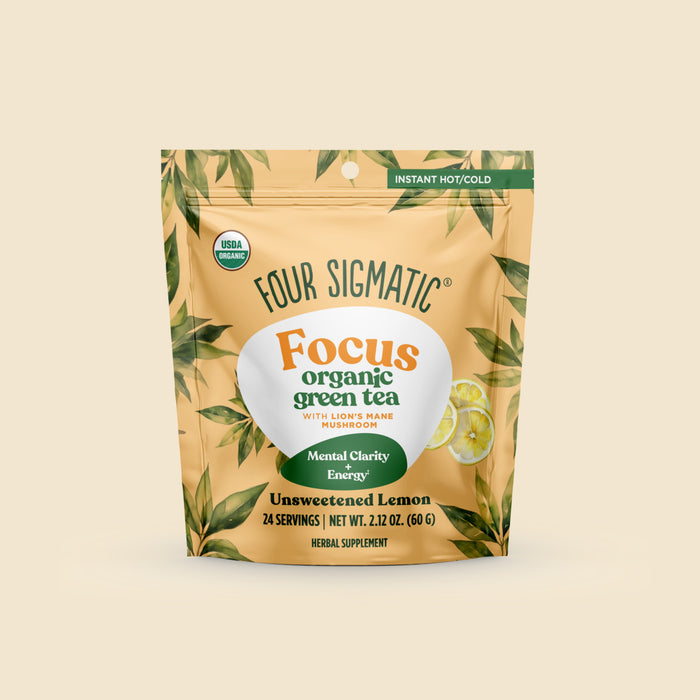
Credit: us.foursigmatic.com
Real-world Results: What To Expect
People respond differently to lion’s mane tea. Here’s what you might notice:
- After 1–2 cups: Some feel a gentle lift in mood and alertness. Others may not notice much at first.
- After 1–2 weeks: Many people report clearer thinking, less brain fog, and better memory.
- After 1 month: You may feel more focused and productive during work or study.
Not everyone will feel the same. Age, diet, and lifestyle all play a role. Consistency is key.
A Personal Example
Maria, a graduate student, started drinking lion’s mane tea every morning. After two weeks, she noticed she could focus longer on her reading. She felt less tired in the afternoons. When she stopped for a few days, her old brain fog returned.
This shows the effect builds over time.
Another example: Mark, a software developer, replaced his afternoon coffee with lion’s mane tea. He found his energy was more steady, and he didn’t feel the crash he used to get from caffeine.
Comparing Lion’s Mane Tea To Other Brain Drinks
How does lion’s mane tea stand out from other popular drinks?
| Drink | Main Benefit | Caffeine | Side Effects |
|---|---|---|---|
| Lion’s Mane Tea | Focus, clarity, gentle energy | None | Rare, mild |
| Coffee | Quick energy, alertness | High | Jitters, crash |
| Green Tea | Calm focus, antioxidants | Low | Rare |
| Energy Drinks | Fast boost, sugar rush | Very high | Crash, heart rate |
Non-obvious insight: Lion’s mane tea works slower but has more lasting effects. It’s not a quick fix, but a long-term support.
Lion’s mane is also less likely to disturb your sleep or digestion, making it a smart choice for sensitive people.
Lion’s Mane Tea: Myths Vs Facts
There’s a lot of hype online. Here’s what’s true—and what’s not.
- Myth: Lion’s mane tea makes you instantly smarter.
- Fact: It helps with focus over time, not instant results.
- Myth: All lion’s mane teas are equal.
- Fact: Quality varies by brand and preparation.
- Myth: Lion’s mane is a magic cure for brain disease.
- Fact: It may help, but cannot replace medical treatment.
Some marketers claim lion’s mane can “unlock hidden brain power. ” In reality, it gently supports your natural focus and memory, not superhuman abilities.
Key advice: Use lion’s mane tea as part of a healthy lifestyle, not as a miracle solution.
How To Choose High-quality Lion’s Mane Tea Products
There are many products on the market. Here’s how to pick the best:
- Source: Look for organic, wild-harvested, or trusted farm-grown mushrooms.
- Third-Party Testing: Check if the product is tested for purity and heavy metals.
- No Fillers: Choose products with 100% lion’s mane—no rice flour, starch, or additives.
- Clear Labeling: Make sure the package lists the amount of active compounds.
- Transparent Company: Buy from brands that share their growing and drying process.
If you can visit a local herbalist or specialty store, you may find fresher options.
Non-obvious tip: Some companies use dual extraction (water and alcohol) for powders, which pulls out both water-soluble and fat-soluble compounds. These extracts may be more potent.
Making Lion’s Mane Tea A Daily Habit
Building a tea habit is easy if you follow these steps:
- Pick a set time: Morning or afternoon works well.
- Prepare in batches: Make extra tea and store in the fridge.
- Experiment with flavors: Add spices or sweeteners to keep it interesting.
- Track your results: Note changes in focus, memory, or mood.
If you miss a day, don’t worry. Just start again the next time.
For best results, pair your tea with a quiet routine—like reading, journaling, or planning your day. This helps your brain link the tea to a positive, focused state.
Frequently Asked Questions
What Does Lion’s Mane Tea Taste Like?
Lion’s mane tea has a mild, earthy flavor. Some say it tastes a little like mushrooms, with a hint of sweetness. When you add honey or lemon, the taste becomes lighter and more enjoyable. If you find the taste too strong, try adding ginger or green tea.
Can I Mix Lion’s Mane With Coffee?
Yes, you can mix lion’s mane powder or extract into coffee. This creates a “mushroom coffee” that offers the alertness of caffeine plus the brain benefits of lion’s mane. Start with a small amount to see how you like the flavor.
Some brands sell premixed products.
How Long Does It Take To Feel The Effects?
Most people need to drink lion’s mane tea daily for one to two weeks before noticing clear effects. The changes are subtle—better focus, less brain fog, and more steady energy. One cup will not give instant results, but regular use can make a difference.
Is Lion’s Mane Tea Safe For Children?
There is not enough research on lion’s mane for children. In general, it is best for adults. If you want to give it to a child, talk to a doctor first. Children may be more sensitive to new foods, so always start with a very small amount.
Can I Use Lion’s Mane Supplements Instead Of Tea?
Yes, lion’s mane supplements like capsules or tinctures are another option. They are easy to take and may be stronger than tea. However, tea is a gentle way to get the benefits and is easy to add to your daily routine.
Choose the form that fits your lifestyle.
Can I Drink Lion’s Mane Tea If I’m Fasting?
Lion’s mane tea has almost no calories (if you don’t add sweeteners or milk), so it’s suitable for most fasting routines. It can help keep your mind sharp without breaking your fast.
Lion’s mane tea is a simple, natural way to support focus and mental clarity. It’s easy to make at home, with ingredients you can trust. By choosing high-quality lion’s mane, brewing carefully, and drinking regularly, you may notice more clear thinking and less brain fog. Remember, the effects are gentle and build over time. Pair your tea with healthy habits for the best results. If you want a safe, nourishing brain drink, give lion’s mane tea a try—you may find it becomes your new favorite daily ritual.

Credit: us.foursigmatic.com