
Many people are searching for ways to boost their energy, support their immune system, and find balance in their daily lives. Mushrooms have become a popular answer. Not the ordinary mushrooms you find on pizza, but functional mushrooms like reishi, lion’s mane, and cordyceps. These special mushrooms have a long history in traditional medicine and are now gaining attention for their health benefits.
Building a mushroom wellness routine can help you feel more focused, resilient, and calm throughout your day. But it’s not always clear how to start, what to use, or how to make this routine fit your mornings, afternoons, and nights.
With so many mushroom products—powders, capsules, drinks—how do you create a plan that actually works?
This guide walks you through every step. You’ll learn how to use the right mushrooms for each time of day, discover smart ways to add them to your meals or drinks, and avoid mistakes that can limit their benefits. Whether you’re a beginner or already know a little about mushrooms, you’ll find practical advice and insights that go beyond the basics.
Understanding Mushroom Wellness: The Basics
Functional mushrooms are different from the ones you cook with. They are not magic mushrooms; instead, they are adaptogens—natural substances that help your body handle stress, boost immunity, and support overall well-being. Some of the most popular are:
- Reishi: Known for calming the mind and supporting sleep.
- Lion’s Mane: Famous for improving focus, memory, and brain health.
- Cordyceps: Used to increase energy and stamina.
- Chaga: High in antioxidants, supports the immune system.
- Turkey Tail: Supports gut health and immunity.
- Maitake and Shiitake: Also used for immune benefits.
Why do people use these mushrooms? Scientific studies suggest they contain beta-glucans, triterpenoids, and other compounds that can support health in different ways. For example, a 2021 study in the journal “Nutrients” found that regular use of reishi and lion’s mane improved sleep quality and cognitive performance in adults.
Functional mushrooms have been used for thousands of years in Chinese and Japanese medicine, and now Western researchers are beginning to explore their effects. For instance, lion’s mane is being studied for its ability to stimulate nerve growth and support brain health, while turkey tail is researched for its role in supporting cancer patients’ immune systems.
But it’s important to remember that mushrooms work best as part of a routine, not as a single quick fix. Consistency matters. Functional mushrooms build up in your system over time, so steady use is key for real benefits. Some people expect to feel an instant difference, but adaptogens work gently, supporting your body’s natural balance.
Another thing to know is that not all mushrooms are adaptogens. Only specific types like reishi or cordyceps have this property. It’s common for beginners to confuse edible mushrooms with functional ones. For example, button mushrooms on pizza are tasty but don’t have the same effects as lion’s mane or chaga.
Key Principles For A Mushroom Wellness Routine
Before you start adding mushroom powders to everything, let’s look at what makes a good routine.
- Choose the right mushroom for the right time. Some are energizing, others are calming. For example, use cordyceps when you need energy and reishi when you want to relax.
- Start small and increase slowly. This helps you notice benefits and avoid digestive upset. Even if you feel fine, too much at first can overwhelm your system.
- Combine with healthy habits. Mushrooms work better with good sleep, food, and movement. They support your efforts, but don’t replace healthy basics.
- Track your results. Write down any changes in your mood, energy, or sleep. This helps you see real improvements and adjust as needed.
A common mistake is using the wrong mushroom at the wrong time—for example, taking cordyceps before bed, which can make you feel awake. Another mistake is expecting instant results. Most people see real changes after 2–4 weeks of daily use.
Here’s another important point: don’t mix too many mushrooms at once in the beginning. It can be tempting to try everything, but you’ll get better results by starting with one or two and observing their effects. Once you know how your body reacts, you can try more combinations.
It’s also smart to use mushrooms as a support—not a replacement—for other wellness strategies. If you’re not sleeping enough or eating poorly, mushrooms can help but not completely fix these problems.
Building Your Morning Mushroom Routine
Your morning sets the tone for the whole day. This is the best time to use mushrooms that boost energy, focus, and immunity.
Best Mushrooms For Morning
- Cordyceps: Supports energy, stamina, and oxygen use. This is helpful if you exercise in the morning or want to avoid that tired feeling.
- Lion’s Mane: Improves focus, learning, and memory. Great for students, professionals, or anyone who needs mental clarity.
- Chaga: High in antioxidants, fights cell damage, supports immunity. Useful during cold and flu season, or if you feel run-down.
Practical Ways To Add Mushrooms In The Morning
- Mushroom Coffee: Many brands offer coffee with added cordyceps or lion’s mane. Simply brew as usual. If you make your own coffee, stir in the powder after brewing—just make sure it dissolves well.
- Smoothies: Add 1 teaspoon of mushroom powder (lion’s mane or chaga) to your morning smoothie. Try blending with banana, almond milk, and spinach for extra nutrients.
- Oatmeal or Yogurt: Sprinkle mushroom powder on top. You can also mix it in while cooking oatmeal for an even texture.
Some people like to make “mushroom lattes” by blending powder with hot milk (dairy or non-dairy), adding a little honey or cinnamon for taste. This is a gentle way to start if you’re not used to the earthy flavor.
Example Routine
- 6: 30 AM: Wake up, drink water. Hydration helps your body absorb supplements better.
- 7: 00 AM: Make coffee with 500 mg lion’s mane and 500 mg cordyceps.
- 7: 30 AM: Breakfast—add 1 teaspoon chaga powder to oatmeal.
- 8: 00 AM: Go for a walk or stretch.
If you’re short on time, you can use capsules instead of powders. Just remember to take them with food for better absorption.
Morning Mushroom Dosage
Most studies use 500–1000 mg per mushroom type. Start at the lower end, then increase after a week. If you notice digestive changes or feel too alert, lower the dose.
Sample Dosage Table
| Mushroom | Typical Morning Dose | Best Form |
|---|---|---|
| Lion’s Mane | 500–1000 mg | Powder/Capsule |
| Cordyceps | 500–1000 mg | Powder/Capsule |
| Chaga | 500–1000 mg | Powder/Tea |
A non-obvious tip: if you’re mixing more than one mushroom, you can start with 250–500 mg of each, then slowly increase as your body adjusts.
Non-obvious Insights For The Morning
- If you’re sensitive to caffeine, try mushroom coffee with half the usual amount of regular coffee. Mushrooms can help smooth out the caffeine “crash,” but too much caffeine can still make you jittery.
- For better absorption, take mushrooms with a little healthy fat (like nut butter or milk in coffee). Some compounds in mushrooms are fat-soluble, so pairing them with fat helps your body use them.
You might also notice that mornings with mushrooms feel more “even” in energy, avoiding the sudden spikes and drops you get from sugar or just coffee alone.
Common Mistakes In The Morning
- Using too much at once, which can cause stomach upset. If you’re new, start small and work up.
- Skipping days and expecting results. Consistency is key for adaptogens.
- Adding mushroom powder to boiling liquids—very hot water can sometimes reduce the effectiveness of certain compounds. Let your drink cool a bit before mixing in the powder.
Midday (noon) Mushroom Routine
Afternoons are when people often feel their energy drop or lose focus. Mushrooms at this time should help with mental clarity, sustained energy, and stress support.
Best Mushrooms For Noon
- Lion’s Mane: Keeps your mind sharp for work or study. If you have important meetings or need to focus, this is a smart choice.
- Cordyceps: Useful if you need more energy (e.g., before a workout). Many athletes use cordyceps for endurance.
- Turkey Tail: Supports gut health, which can affect energy and mood. Good digestion can help prevent that afternoon slump.
How To Take Mushrooms At Noon
- Mushroom Tea: Brew a cup of hot water with turkey tail or lion’s mane powder. Add a squeeze of lemon or a bit of ginger for extra flavor and digestive support.
- Capsules: Easy for work or school—take with lunch. Capsules are tasteless and portable.
- Energy Bites: Mix mushroom powder into homemade energy balls with oats, nuts, and honey. These are good snacks for work or after exercise.
Another idea is to add mushroom powder to soups or salad dressings. Turkey tail has a mild taste and blends well.
Example Noon Routine
- 12: 00 PM: Lunch—take 1 capsule (500 mg) lion’s mane.
- 1: 00 PM: Mushroom tea with turkey tail.
- 2: 00 PM: Short walk outside or stretch.
If you exercise in the afternoon, take cordyceps 30–60 minutes before activity for a potential energy boost.
Noon Dosage And Forms
Stick to the same dose as morning—500–1000 mg per mushroom. Don’t double your dose just because you’re tired. Too much can lead to headaches or digestive upset.
Absorption Table
| Form | Absorption Speed | Best Use |
|---|---|---|
| Powder | Fast (20–30 mins) | Drinks, smoothies |
| Capsule | Medium (30–60 mins) | Meals, on-the-go |
| Tea | Fast (20–30 mins) | Relaxation, hydration |
If you want a quicker effect, powders or teas work well because they absorb faster. Capsules are more convenient if you’re busy or traveling.
Non-obvious Tips For Midday
- Combining lion’s mane with green tea can give a calm energy without jitters. Green tea also contains L-theanine, which helps with focus and relaxation.
- If you have digestive issues, try turkey tail—it’s well known for gut support. Healthy digestion can improve energy and mood, but many people overlook this connection.
It’s also helpful to pause for a few minutes to drink your mushroom tea mindfully—this creates a mental break, not just a nutritional boost.
Mistakes To Avoid At Noon
- Taking energizing mushrooms too late in the day (after 3 PM) can affect your sleep. Plan your last dose earlier if you’re sensitive.
- Skipping lunch—mushrooms absorb better with food. If you take capsules on an empty stomach, you may feel nausea or discomfort.
Another mistake is using mushroom products with a lot of sugar or artificial flavors. These can cancel out some of the health benefits.

Credit: www.tonichealth.co
Evening And Night Mushroom Routine
Evenings should focus on relaxation, recovery, and sleep support. Some mushrooms are calming, help reduce stress, and prepare your body for rest.
Best Mushrooms For Night
- Reishi: Famous for calming the nervous system and improving sleep. It’s been used in Asia for centuries for this purpose.
- Maitake: Supports immune recovery overnight. Good if you’ve been exposed to illness or are recovering from stress.
- Chaga: Can be used as a caffeine-free night drink. Its antioxidant content may help repair cell damage from the day.
Evening Routine Ideas
- Reishi Hot Chocolate: Mix reishi powder with warm milk, cocoa, and honey. This makes a cozy, soothing drink.
- Nighttime Tea: Brew chaga or reishi with a calming herbal tea like chamomile. The combination can help you unwind.
- Capsules: Take reishi or maitake 1 hour before bed. Capsules are fast if you don’t want to drink before sleep.
For a simple dessert, you can blend reishi powder into unsweetened applesauce or yogurt.
Example Night Routine
- 8: 00 PM: Light snack—add maitake powder to soup or broth. Warm foods are gentle on the stomach.
- 8: 30 PM: Prepare reishi hot chocolate.
- 9: 00 PM: Read or meditate.
- 10: 00 PM: Bedtime.
This routine helps your body shift from “doing” to “resting,” which is essential for deep sleep.
Night Dosage
Reishi is usually taken in doses of 500–2000 mg, but start with 500 mg to see how your body reacts. Some people need less, especially if they are sensitive to calming herbs.
Evening Mushroom Effects Table
| Mushroom | Main Effect | When to Take |
|---|---|---|
| Reishi | Relaxation, sleep | 1–2 hours before bed |
| Maitake | Immune support | With evening meal |
| Chaga | Antioxidant, no caffeine | After dinner |
Non-obvious Insights For Night
- Reishi can have a strong, earthy taste. If you don’t like it, blend with cocoa or a little cinnamon. This masks the bitterness and makes it easier to drink.
- Taking reishi with magnesium (from food or supplement) may boost relaxation further. Foods high in magnesium include pumpkin seeds, almonds, and dark chocolate.
You may also notice dreams become more vivid—a sign that your sleep cycles are improving.
Nighttime Mistakes
- Taking energizing mushrooms like cordyceps or lion’s mane after 6 PM can keep you awake. Save these for earlier in the day.
- Using too much reishi at first—some people may feel groggy the next day. Start low and increase as needed.
Also, avoid pairing mushroom drinks with heavy, sugary desserts, as these can interfere with sleep.
Choosing Mushroom Products: What Matters
Not all mushroom products are the same. Quality matters for both safety and results.
Key Factors
- Full-Spectrum or Fruiting Body: The best products use the real mushroom, not just mycelium (the root part). Fruiting body has more active compounds.
- Third-Party Testing: Look for brands that test for heavy metals, pesticides, and actual mushroom content. This ensures safety and potency.
- Clear Labels: The label should list the type of mushroom, part used, and dose. Avoid vague terms like “proprietary blend.”
- No Fillers: Avoid products with rice, starch, or other fillers. Fillers can reduce effectiveness and may cause allergies in some people.
It’s also worth checking if the product is made with an extraction process. “Dual extraction” (using both water and alcohol) often provides a wider range of active compounds.
How To Compare Products
- Read labels: Does it say “fruiting body” or “mycelium”? Fruiting body is usually better for wellness routines.
- Check for certifications: Organic, non-GMO, or third-party tested.
- Look for beta-glucan content: This is the active ingredient; good products often list the percentage. Aim for at least 20–30% beta-glucans.
Some companies include QR codes on packaging—scanning these can show lab results or sourcing information.
Example Product Comparison
Imagine you’re choosing between two lion’s mane powders. One says “100% fruiting body, 30% beta-glucans, organic, third-party tested. ” The other says “mycelium on grain, no beta-glucan info. ” The first is a better choice.
Also, check if the powder is finely milled—a finer powder dissolves better and is easier to use in drinks or recipes.
Where To Buy
Buy from trusted stores or directly from the brand’s website. Avoid very cheap products—they often cut corners.
You can ask store staff for advice if you’re unsure. Many health food stores have staff trained to help you choose.
Non-obvious Insights For Shopping
- The taste and smell can tell you about quality. A good mushroom powder smells earthy, not musty. If it smells sour or chemical, avoid it.
- Powders dissolve better in hot drinks than cold. If you want to use them in cold drinks, blend well or mix with a little hot water first.
It’s also smart to buy small amounts at first. This way, you can test how your body reacts before committing to a big container.
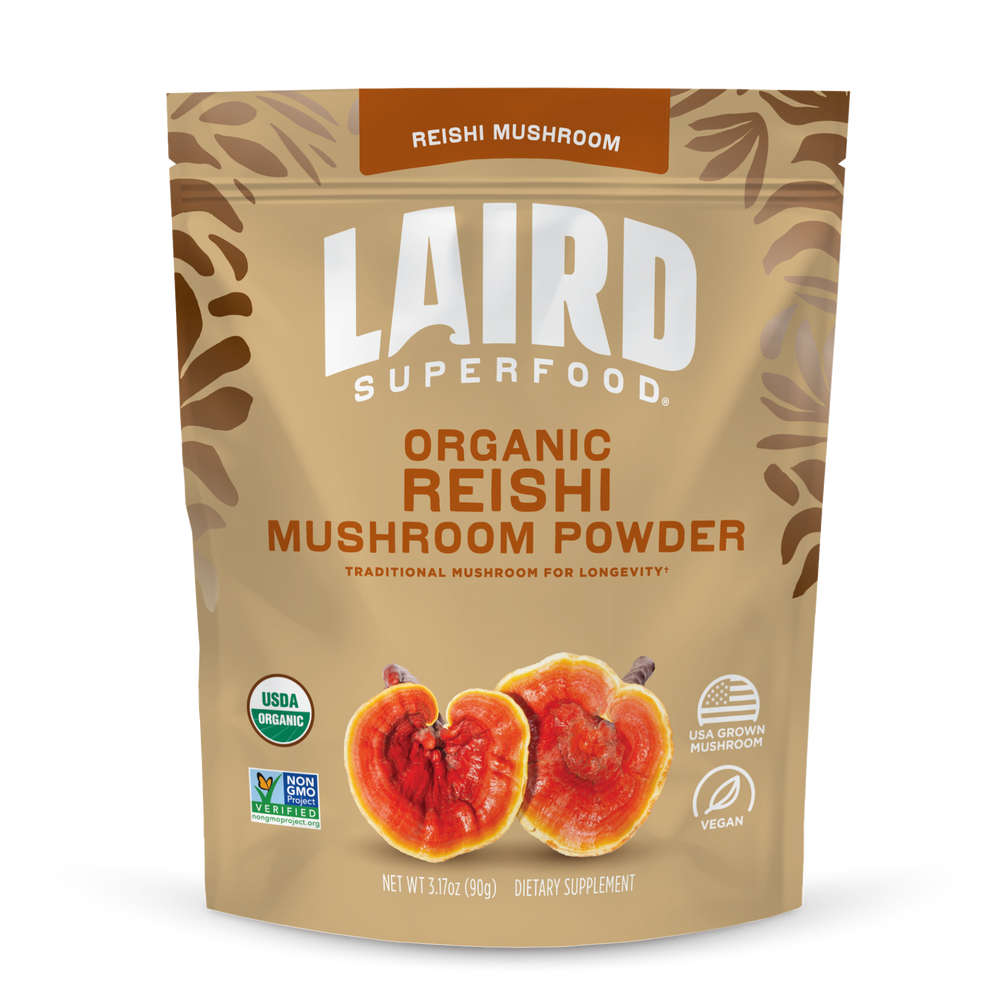
Credit: lairdsuperfood.com
Combining Mushrooms With Other Wellness Habits
Mushrooms work best when you combine them with other healthy choices.
Good Habits To Pair
- Balanced meals: Mushrooms help your body handle stress, but only if you eat enough protein, fat, and fiber. Skipping meals reduces their benefits.
- Movement: A short walk or stretch helps your body use the mushroom’s energy boost. It also supports circulation.
- Mindfulness: Meditation or breathing exercises work well with calming mushrooms like reishi. They help lower stress hormones.
- Sleep routine: Try to keep a regular bedtime, especially if you use mushrooms for sleep. Mushrooms support, but don’t replace, healthy sleep habits.
You can also pair mushrooms with herbal teas (like chamomile at night or peppermint at noon) for extra benefits.
Simple Ways To Combine
- Add lion’s mane to your focus meditation in the morning. This helps train your mind while supporting brain health.
- Use reishi tea during your nightly wind-down routine. The ritual of making and drinking tea signals your body to relax.
If you exercise, try taking cordyceps before your workout and reishi after, for both energy and recovery.
Tracking Your Results And Adjusting
Everyone responds to mushrooms a little differently. Tracking helps you see what works.
How To Track
- Use a notebook or app to record which mushrooms you take, when, and how you feel each day.
- Note changes in energy, focus, mood, sleep quality, or digestion.
You don’t need a complicated system. A few lines each evening about how you felt can show patterns over time.
When To Adjust
- If you feel jittery, lower the morning dose or skip cordyceps.
- If you don’t notice changes after 4 weeks, try a different mushroom or form.
- If you feel too sleepy, reduce your evening dose.
Adjust one thing at a time. This makes it easier to see what’s helping.
Signs Of Progress
- More steady energy across the day.
- Better focus at work or school.
- Falling asleep faster or sleeping deeper.
- Fewer colds or feeling less run-down.
- Improved digestion or mood.
Some benefits, like less stress or better immunity, can be subtle. Others, like deeper sleep, are easier to notice.
Non-obvious Tracking Tips
- Some benefits are subtle—ask friends or family if they notice changes. They may see improvements you miss.
- Track for at least 3 weeks. Changes often build slowly.
- Record any side effects too—these can help you adjust your routine.
Over time, you may find you only need certain mushrooms during stressful periods or busy seasons.

Credit: www.travelagewest.com
Safety, Side Effects, And Who Should Be Careful
Most people can use functional mushrooms safely, but there are some important points.
Who Should Be Cautious
- Pregnant or breastfeeding: Check with your doctor. There isn’t enough research to say all mushrooms are safe.
- People on immune drugs: Mushrooms can affect immunity. If you take medication for autoimmune disease, cancer, or after an organ transplant, get medical advice.
- Allergies: Rare, but possible. Start with a low dose. If you have a history of mushroom allergies, avoid all forms.
People with very sensitive stomachs should also introduce mushrooms slowly.
Possible Side Effects
- Digestive upset: Bloating or loose stool if you use too much too quickly.
- Sleep changes: Some people feel too alert with cordyceps or lion’s mane at night.
- Mild headaches: Rare, usually if not taken with food.
- Skin rash: Very rare, but possible with allergic reactions.
If you have any chronic health condition, check with your healthcare provider before starting a new supplement.
What To Do
- Lower your dose if you notice side effects.
- Stop use and talk to a doctor if symptoms are severe.
- Try switching to a different mushroom if one doesn’t suit you.
For more on mushroom safety, visit the National Center for Complementary and Integrative Health.
Real-life Example: A Day With Mushrooms
Let’s put it all together with a sample routine for someone new to functional mushrooms.
Morning:
- 7: 00 AM: Mushroom coffee with 500 mg lion’s mane and 500 mg cordyceps.
- 7: 30 AM: Add 1 tsp chaga to oatmeal.
- 8: 00 AM: Stretch or walk.
Noon:
- 12: 00 PM: Lunch with turkey tail capsule (500 mg).
- 2: 00 PM: Lion’s mane tea.
Night:
- 8: 00 PM: Maitake powder in soup.
- 8: 30 PM: Reishi hot chocolate (500 mg).
- 9: 00 PM: Read, relax, then sleep.
Tracking:
- Write down energy, focus, and sleep quality for the day.
After two weeks, adjust the dose or timing based on how you feel.
If you notice better focus but trouble sleeping, try lowering the midday dose or switching to turkey tail only at noon. If you feel no changes, increase your morning dose by 250 mg for a week and track again.
Over time, you may find your ideal routine—maybe cordyceps only before workouts, or reishi only when stressed. The key is to personalize your plan based on real results.
Frequently Asked Questions
What Is The Best Mushroom For Beginners?
Lion’s mane is a popular starting point. It has mild effects, supports focus, and is easy to add to coffee or tea. Most people tolerate it well. For sleep support, reishi is a gentle option to try at night.
How Long Does It Take To See Results From Mushrooms?
Most people notice changes in 2 to 4 weeks of daily use. Some effects, like better focus or sleep, can appear faster. Track your progress to see subtle changes.
Can I Take More Than One Mushroom At A Time?
Yes, combining mushrooms is safe and common. Many products mix two or three types (like lion’s mane and cordyceps). Start with low doses and see how you feel before adding more.
Are There Any Drug Interactions With Mushrooms?
Some mushrooms can interact with immune-suppressing drugs or blood thinners. If you take medication, check with your doctor before starting a new supplement.
Is It Better To Use Powder, Capsules, Or Tea?
It depends on your routine. Powders are flexible and easy to mix. Capsules are good for travel or if you don’t like the taste. Tea is calming and helps with absorption. Choose the form you’ll actually use every day.
Are Functional Mushrooms Safe For Children?
There isn’t enough research to recommend functional mushrooms for children. Always consult a healthcare provider before giving any supplement to a child.
What If I Miss A Day?
Missing one day is not a big problem. Just start again the next day. For best results, aim for regular use over weeks and months.
Creating a mushroom wellness routine is not just about buying a supplement—it’s about building small, smart habits that fit your life. Start simple, stay consistent, and adjust as you learn what works best for you. The benefits can be both subtle and powerful, helping you feel balanced from morning through night.