
The idea that mushrooms can help the body recover from stress is gaining attention worldwide. Many people today feel tired, anxious, or burned out, but they may not know why. Often, the problem starts with the HPA axis—a system in your body that controls how you react to stress. When the HPA axis is out of balance, you might feel constantly exhausted or unable to relax. This is where adaptogenic mushrooms come in. These special fungi have been used in traditional medicine for centuries. Now, modern science is showing us that they may help the HPA axis recover, reduce stress, and support overall well-being.
In this article, you’ll learn exactly how mushrooms work as adaptogens, how they affect the HPA axis, and how to use them safely. You’ll get practical advice, simple explanations, and real-life examples. Whether you are new to adaptogens or looking for advanced tips, this guide will help you understand and use mushrooms for HPA axis recovery.
Understanding The Hpa Axis And Adaptogens
Before looking at how mushrooms can help, it’s important to understand the basics of the HPA axis and what adaptogens are.
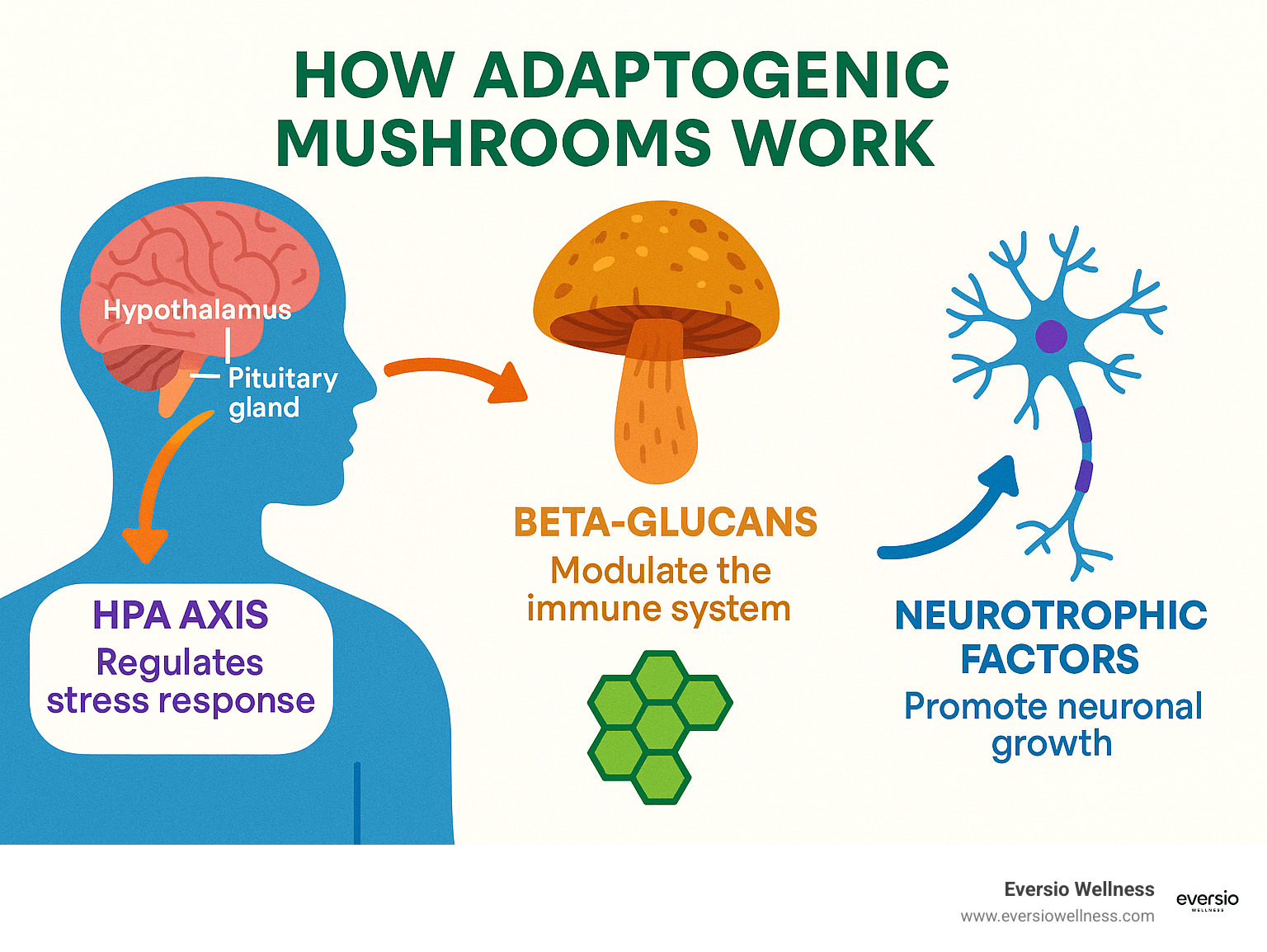
The HPA axis stands for Hypothalamic-Pituitary-Adrenal axis. It is a network of three glands: the hypothalamus (in the brain), the pituitary gland, and the adrenal glands (on top of your kidneys). Together, they control how your body reacts to stress. When you face stress, the HPA axis signals your body to release hormones like cortisol and adrenaline. These hormones help you respond quickly to danger. However, if your body faces too much stress for too long, the HPA axis can become dysregulated. This means it stops working well, leading to symptoms like fatigue, trouble sleeping, anxiety, and even weight gain.
Adaptogens are natural substances, usually from plants or fungi, that help your body adapt to stress. They work by supporting balance in the HPA axis and other stress systems. Adaptogens do not push your body in one direction. Instead, they help bring things back to normal—whether you are too stressed or too tired.
Many medicinal mushrooms are considered adaptogens because they contain unique compounds that support the body’s response to stress. These compounds can help regulate cortisol, improve mood, and increase resilience to physical and mental challenges.
Why Mushrooms Are Powerful Adaptogens
Not all adaptogens are created equal. Mushrooms offer some unique benefits compared to herbs. Here’s why:
- Complex Chemistry: Mushrooms contain a wide range of bioactive compounds, including beta-glucans, triterpenes, sterols, and antioxidants. These work together to support the immune system, reduce inflammation, and balance hormones.
- Dual Action: Many medicinal mushrooms are both adaptogenic and immunomodulatory. This means they not only help your body handle stress, but also strengthen your immune system—a key part of recovery.
- Gentle Support: Mushrooms often work more gently than some herbal adaptogens. They are less likely to overstimulate your system, which is important if your HPA axis is already exhausted.
- Broad Benefits: Some mushrooms provide extra benefits like improving sleep, boosting brain function, or supporting gut health—all of which are important for HPA axis recovery.
Scientific Evidence
Research on mushrooms and the HPA axis is growing. For example, a study published in the journal “Phytotherapy Research” found that Reishi mushrooms reduced cortisol levels and improved sleep in people with stress-related insomnia. Another study showed that Cordyceps increased resistance to fatigue and balanced stress hormone levels in athletes.
These studies show that mushrooms can influence the HPA axis directly, not just by reducing stress, but by helping the whole body find balance again.
The Best Adaptogenic Mushrooms For Hpa Axis Recovery
Several mushrooms have adaptogenic properties, but some are especially helpful for HPA axis recovery. Here are the top choices, along with how each works and how to use them.
1. Reishi (ganoderma Lucidum)
Reishi is often called the “mushroom of immortality.” It is famous for its calming and stress-reducing effects. Reishi contains triterpenes and polysaccharides, which help lower cortisol, support liver function, and promote better sleep.
- Benefits for HPA Axis: Calms the stress response, helps you sleep, and supports adrenal recovery.
- How to Use: Reishi is usually taken as a tea, capsule, or tincture. Start with 500 mg to 2,000 mg per day.
- Special Tip: Reishi can taste bitter. Mixing it with warm plant milk or cocoa can make it more pleasant.
2. Cordyceps (cordyceps Sinensis And Cordyceps Militaris)
Cordyceps is unique because it increases energy without overstimulation. It helps the body use oxygen more efficiently and supports adrenal function.
- Benefits for HPA Axis: Boosts stamina, balances cortisol, supports recovery from fatigue.
- How to Use: Usually comes in capsule or powder form. Typical dose is 1,000 mg to 3,000 mg daily.
- Special Tip: Cordyceps is popular with athletes, but it’s also great for people who feel “wired and tired.”
3. Lion’s Mane (hericium Erinaceus)
Lion’s Mane is best known for its brain-boosting effects, but it also supports the HPA axis by reducing inflammation and promoting nerve health.
- Benefits for HPA Axis: Improves mood, reduces anxiety, supports nervous system repair.
- How to Use: Can be eaten fresh, or more commonly taken as a powder or capsule. Dosage ranges from 500 mg to 3,000 mg daily.
- Special Tip: Add Lion’s Mane powder to coffee or smoothies for a simple daily boost.
4. Chaga (inonotus Obliquus)
Chaga grows on birch trees and is rich in antioxidants and beta-glucans. It helps protect the body from oxidative stress, which is often high when the HPA axis is overworked.
- Benefits for HPA Axis: Reduces inflammation, supports immune health, protects cells from damage.
- How to Use: Chaga is often brewed as a tea or taken as an extract. Dosage is 1,000 mg to 2,000 mg per day.
- Special Tip: Chaga tea has an earthy taste and is a good coffee alternative.
5. Maitake (grifola Frondosa)
Maitake is a culinary and medicinal mushroom that helps regulate blood sugar and supports immune function—both important for stress recovery.
- Benefits for HPA Axis: Stabilizes energy, balances hormones, supports immune defense.
- How to Use: Can be cooked in meals or taken as a supplement. Use 500 mg to 2,000 mg daily.
- Special Tip: Maitake is delicious in stir-fries, making it easy to add to your diet.
6. Shiitake (lentinula Edodes)
Shiitake is another edible mushroom with adaptogenic properties. It is high in B vitamins and supports liver health.
- Benefits for HPA Axis: Supports detox, provides steady energy, helps handle daily stress.
- How to Use: Use fresh in cooking or take as a supplement. Dosage is 500 mg to 2,000 mg daily.
- Special Tip: Regularly adding shiitake to your meals can slowly build resilience without needing extra pills.
How Mushrooms Help The Hpa Axis Recover
The real magic of mushrooms lies in how they work with your body’s natural systems. Here’s what happens when you use adaptogenic mushrooms for HPA axis recovery:
Regulating Cortisol
Cortisol is the main stress hormone produced by the adrenal glands. When you’re under chronic stress, cortisol levels stay high. Over time, this can wear down the HPA axis and cause fatigue. Mushrooms like Reishi and Cordyceps help regulate how much cortisol your body makes, keeping levels balanced.
Supporting Adrenal Glands
The adrenal glands are responsible for producing stress hormones. Mushrooms provide nutrients and compounds that help the adrenals recover after long periods of stress. This is especially important if you feel burned out or constantly tired.
Reducing Inflammation
Chronic stress increases inflammation in the body, which can damage cells and make recovery harder. Mushrooms such as Chaga and Lion’s Mane contain antioxidants and anti-inflammatory compounds. These help lower inflammation, making it easier for your HPA axis to heal.
Improving Sleep And Mood
Poor sleep and low mood are common when the HPA axis is out of balance. Mushrooms like Reishi have calming effects that help you sleep better. Lion’s Mane can boost mood and cognitive function, making it easier to recover emotionally.
Strengthening The Immune System
When the HPA axis is stressed, the immune system often becomes weaker. Adaptogenic mushrooms support immune health, helping you fight off illness while you recover from stress.
Summary Table: Mushrooms And Their Main Benefits
Here’s a quick comparison of the key mushrooms and how they support the HPA axis:
| Mushroom | Main Benefits | Recommended Use |
|---|---|---|
| Reishi | Calms stress, improves sleep, lowers cortisol | Tea, capsules, tinctures |
| Cordyceps | Boosts energy, balances stress hormones | Capsules, powder, extracts |
| Lion’s Mane | Improves mood, reduces anxiety, supports nerves | Powder, capsules, cooking |
| Chaga | Reduces inflammation, protects cells | Tea, extracts, powder |
| Maitake | Stabilizes energy, supports immunity | Cooking, supplements |
| Shiitake | Supports detox, provides steady energy | Cooking, supplements |
How To Choose The Right Mushroom For Your Needs
Choosing the right mushroom depends on your symptoms and goals. Here’s a simple guide to help you decide:
- If you can’t sleep and feel anxious, try Reishi.
- If you feel exhausted and have no energy, Cordyceps is a good choice.
- For brain fog or low mood, Lion’s Mane can help.
- If you want to reduce inflammation or support immunity, consider Chaga or Maitake.
- For a gentle, everyday boost, use Shiitake in your meals.
It’s okay to combine mushrooms, but start with one or two to see how your body reacts.
Practical Tip: Rotating Mushrooms
One non-obvious insight is that you don’t have to stick with one mushroom forever. Rotating mushrooms every few weeks can prevent tolerance and give your body a wider range of nutrients. For example, use Reishi for a month, then switch to Lion’s Mane.
Practical Tip: Quality Matters
Not all mushroom products are equal. Look for supplements that use the whole fruiting body (not just mycelium) and are tested for heavy metals. Some low-quality products contain mostly grain filler, not real mushrooms.
How To Use Mushrooms Safely For Hpa Axis Recovery
Using mushrooms is simple, but there are a few important guidelines to follow:
Dosage And Timing
Start with the lowest recommended dose and increase slowly. Taking too much can cause digestive upset. Most people benefit from 500 mg to 2,000 mg of extract per day. Take calming mushrooms like Reishi in the evening, and energizing ones like Cordyceps in the morning.
Combining With Other Adaptogens
You can combine mushrooms with herbal adaptogens like Ashwagandha or Rhodiola, but do so carefully. Start with one adaptogen, then add another after a week if you feel well.
Cooking With Mushrooms
Edible mushrooms like Shiitake and Maitake are easy to add to soups, stir-fries, or omelets. Cooking does not destroy their adaptogenic benefits.
Monitoring Your Progress
Keep a simple journal. Write down your symptoms, mood, sleep quality, and energy levels. This helps you see which mushrooms work best for you.
Who Should Be Careful
Some people should be extra careful with mushrooms:
- If you have allergies to fungi
- If you are taking immune-suppressing drugs
- If you are pregnant or breastfeeding (talk to your doctor first)
- If you have autoimmune conditions (some mushrooms boost immunity strongly)
Signs Of Improvement
As your HPA axis recovers, you may notice:
- Better sleep
- More stable energy
- Less anxiety or irritability
- Fewer cravings for sugar or caffeine
- Improved focus
Improvements may take several weeks, so be patient and consistent.

Credit: drbrighten.com
Real-life Examples Of Hpa Axis Recovery With Mushrooms
Many people have found success using mushrooms for stress recovery. Here are a few real-world stories:
Example 1: Sarah’s Journey With Reishi
Sarah, a 34-year-old teacher, struggled with insomnia and anxiety after years of high stress. She started drinking Reishi tea every night. After two weeks, she noticed she was falling asleep faster. After a month, her anxiety during the day was lower, and she felt more relaxed.
Example 2: Mark’s Experience With Cordyceps
Mark, a 40-year-old runner, felt constantly tired and had trouble recovering from workouts. He started taking Cordyceps capsules in the morning. Within three weeks, he had more energy and could train harder without feeling exhausted.
Example 3: Ana’s Recovery With Lion’s Mane
Ana, a 29-year-old office worker, felt foggy and down after a long period of stress. She added Lion’s Mane powder to her morning smoothie. After one month, her focus improved, and she felt more positive at work.
These stories show that adaptogenic mushrooms can help real people recover from HPA axis dysregulation in different ways.
The Science: How Mushrooms Influence The Hpa Axis
To understand why mushrooms are effective, let’s look at the science behind their adaptogenic properties.
Key Compounds In Adaptogenic Mushrooms
- Beta-glucans: These are special sugars that support immune balance and reduce inflammation.
- Triterpenes: Found in Reishi and Chaga, these compounds lower cortisol and protect the liver.
- Ergothioneine: An antioxidant found in many mushrooms, it protects cells from stress.
- Polysaccharides: Boost the immune system and help the body recover from illness or fatigue.
How These Compounds Affect The Hpa Axis
Research shows these compounds interact with the body’s hormone systems. For example, beta-glucans can lower the amount of stress-induced inflammation, which helps the HPA axis recover faster. Triterpenes can directly lower cortisol production, helping you feel calmer.
Data Table: Key Compounds And Their Effects
Below is a comparison of important compounds in each mushroom and their primary effects:
| Mushroom | Main Compound | Effect on HPA Axis |
|---|---|---|
| Reishi | Triterpenes | Reduces cortisol, calms nerves |
| Cordyceps | Cordycepin | Increases energy, supports adrenals |
| Lion’s Mane | Erinacines | Improves mood, supports brain |
| Chaga | Betulinic acid | Reduces inflammation, protects cells |
| Maitake | Beta-glucans | Balances immunity, stabilizes energy |
| Shiitake | Lentinan | Supports detox, steady energy |
Non-obvious Insight: The Gut-brain Connection
One thing many beginners miss is that mushrooms also support gut health. The gut communicates with the brain and the HPA axis, so a healthy gut can improve stress recovery. Mushrooms like Shiitake contain prebiotics that feed good bacteria, helping your whole stress system work better.
Common Mistakes When Using Mushrooms For Hpa Axis Recovery
Even though mushrooms are natural, mistakes can slow your progress or cause side effects. Here’s what to avoid:
- Using Too Many at Once: Taking several adaptogens at high doses can overwhelm your system. Start with one, then add others if needed.
- Ignoring Product Quality: Cheap supplements may not contain real mushrooms or may have heavy metals. Always check for third-party testing.
- Expecting Instant Results: HPA axis recovery takes time. Some people give up after a week. Give it at least a month before judging results.
- Taking Mushrooms at the Wrong Time: Some mushrooms (like Cordyceps) are energizing and should be taken in the morning. Calming mushrooms (like Reishi) work best at night.
- Not Tracking Symptoms: Without a journal, it’s hard to know what’s working. Write down your sleep, mood, and energy every few days.
Combining Mushrooms With Lifestyle Changes
Mushrooms are powerful, but they work best as part of a healthy lifestyle. Here’s what else you can do to help your HPA axis recover:
- Get enough sleep: Aim for 7–9 hours per night.
- Eat a balanced diet: Include plenty of fruits, vegetables, and protein.
- Exercise gently: Yoga, walking, or swimming are good choices.
- Practice stress reduction: Meditation, deep breathing, or time in nature can help.
- Limit caffeine and sugar: Too much can make HPA axis problems worse.
Data Table: Lifestyle Factors And Their Impact
| Factor | Positive Impact | Negative Impact |
|---|---|---|
| Sleep | Repairs HPA axis, lowers cortisol | Poor sleep increases stress |
| Diet | Provides nutrients for recovery | Processed foods add stress |
| Exercise | Improves mood, energy | Overtraining can exhaust adrenals |
| Stress Management | Calms HPA axis, improves resilience | Ignoring stress slows recovery |
| Caffeine/Sugar | Small amounts may help focus | Too much disrupts hormones |
Combining mushrooms with these healthy habits gives you the best chance for full recovery.
Credit: antioxi-supplements.com
When To Seek Professional Help
If you have severe or long-lasting symptoms—like extreme fatigue, depression, or sleep problems—it’s important to talk to a healthcare provider. Sometimes HPA axis problems are linked to other health issues that need medical care. Mushrooms are helpful, but they are not a replacement for professional treatment when needed.
Frequently Asked Questions
What Is The Hpa Axis And Why Does It Matter?
The HPA axis is a system of glands that controls your body’s response to stress. It affects your energy, mood, sleep, and even your immune system. If it becomes unbalanced due to long-term stress, you can feel tired, anxious, or sick more often.
Are Mushrooms Safe For Everyone?
Most people can use adaptogenic mushrooms safely, but some should be careful. If you have allergies, autoimmune diseases, or take immune-suppressing medication, talk to your doctor first. Pregnant and breastfeeding women should also ask a healthcare provider before starting.
How Long Does It Take To See Results From Using Mushrooms?
Results vary, but most people notice changes within 2–4 weeks. Improvements in sleep, energy, and mood may take longer if you have been stressed for years. Consistency is key.
Can I Use Mushrooms With Other Supplements Or Medications?
Yes, but be careful. Mushrooms can interact with certain medications, especially those for the immune system or blood pressure. Always check with your doctor if you take prescription drugs.
Where Can I Find More Scientific Information About Adaptogenic Mushrooms?
For more scientific details, you can visit resources like the Wikipedia page on medicinal mushrooms, which provides up-to-date research and references.
Using mushrooms as adaptogens is a natural way to support your body’s recovery from chronic stress and HPA axis dysfunction. By choosing the right mushrooms, using them properly, and combining them with healthy habits, you can help your body return to balance and feel your best again.
Remember, recovery takes time, but with patience and the right support, you can regain energy, mood, and resilience.
Credit: www.eversiowellness.com