
Living with peripheral neuropathy can make daily life difficult. Tingling, numbness, burning pain, and muscle weakness are common symptoms that affect millions worldwide. Standard treatments often focus on managing pain, not repairing nerves. In recent years, a growing number of people have turned to functional mushrooms as a natural way to support nerve repair and reduce neuropathy symptoms. But do these fungi really help? Understanding their potential requires a closer look at both the science behind functional mushrooms and the complex nature of neuropathy.
This article explores how functional mushrooms might support nerve health, the best types to consider, and practical strategies for using them. Whether you’re seeking alternatives because traditional medications haven’t worked, or you simply want to complement your current care, you’ll find clear guidance here.
Let’s dive into the world of functional mushrooms and their possible role in nerve repair for peripheral neuropathy.
Understanding Peripheral Neuropathy
Peripheral neuropathy is a condition where the nerves outside the brain and spinal cord become damaged. These nerves control everything from muscle movement to feeling pain and temperature. When they are damaged, signals between your body and brain get mixed or lost.
Causes And Symptoms
Peripheral neuropathy can have many causes:
- Diabetes: High blood sugar damages nerves over time.
- Infections: Some viruses or bacteria can attack nerves.
- Injuries: Physical injuries or repetitive movements may harm nerves.
- Toxins: Alcohol, heavy metals, or chemotherapy drugs can damage nerves.
- Nutritional deficiencies: Low vitamin B12 or folate can trigger symptoms.
Common symptoms include:
- Numbness or reduced ability to feel pain or temperature changes
- Tingling or burning sensations, often starting in the feet or hands
- Sharp, jabbing pain
- Muscle weakness or paralysis if motor nerves are affected
- Loss of coordination
Symptoms often start mild and get worse over time. In some cases, pain can be severe enough to disturb sleep or limit walking and daily tasks. Neuropathy can also cause sensitivity to touch—sometimes even bed sheets feel painful against the skin.
Why Nerve Repair Is Difficult
Nerve cells, especially in the peripheral system, do not heal easily. Damage can take months or even years to improve, and sometimes the nerves never fully recover. This is why finding new ways to help nerve repair is so important.
One reason for slow healing is that peripheral nerves have long fibers called axons that need to regrow and reconnect. If the supporting cells or blood supply are damaged, regeneration is even slower. Plus, ongoing causes like diabetes or inflammation can keep harming nerves, making recovery harder.
This means that any therapy aiming to help nerves must address more than just symptoms—it should support healing at the cellular level.
What Are Functional Mushrooms?
Functional mushrooms are types of fungi that offer health benefits beyond simple nutrition. They have been used in traditional medicine for thousands of years, especially in Asia. Today, researchers are exploring how these mushrooms may help with everything from immune support to brain health and, possibly, nerve repair.
Some of the most popular functional mushrooms include:
- Lion’s Mane (Hericium erinaceus)
- Reishi (Ganoderma lucidum)
- Cordyceps (Cordyceps militaris)
- Chaga (Inonotus obliquus)
- Turkey Tail (Trametes versicolor)
- Maitake (Grifola frondosa)
- Shiitake (Lentinula edodes)
Each type contains unique compounds like polysaccharides, triterpenes, and ergothioneine that may support health in different ways.
Unlike culinary mushrooms, functional mushrooms are valued for their active compounds. Traditional Chinese and Japanese medicine often used them as tonics for longevity, energy, and vitality. In modern times, you’ll find these mushrooms in powders, teas, capsules, tinctures, and even coffee blends, making them easy to add to daily routines.
How Functional Mushrooms May Help Nerve Repair
Key Bioactive Compounds
Functional mushrooms contain several compounds that could help with nerve repair:
- Hericenones and erinacines (found in Lion’s Mane): These can stimulate nerve growth factor (NGF), helping nerves regenerate.
- Beta-glucans: These sugars have anti-inflammatory effects, which can reduce nerve swelling.
- Antioxidants: Compounds like ergothioneine protect nerves from oxidative stress.
Other important compounds include triterpenoids (found in Reishi and Chaga), which help balance immune responses, and polysaccharopeptides (in Turkey Tail) that may help regulate immune activity and reduce excessive inflammation. Each mushroom’s combination of these substances gives it a unique health profile.
Mechanisms Of Action
Here’s how these compounds may support nerve health:
- Stimulating Nerve Growth: Some mushrooms, especially Lion’s Mane, boost NGF, which helps rebuild damaged nerves.
- Reducing Inflammation: Chronic inflammation makes nerve damage worse. Mushrooms with beta-glucans lower inflammation in the body.
- Protecting Nerve Cells: Antioxidants in mushrooms shield nerves from damage caused by free radicals.
- Supporting Immune Balance: Healthy nerves need a balanced immune system. Certain mushrooms help modulate immune activity, reducing the risk of autoimmune nerve attacks.
In addition, some mushrooms support better blood flow and oxygen delivery, which is key for nerve healing. For example, Cordyceps improves energy production in cells, which may help nerves recover from injury or stress.
Scientific Evidence
Several studies support the use of functional mushrooms for nerve health:
- Lion’s Mane extract has improved nerve function in diabetic rats and helped with mild cognitive impairment in humans.
- Reishi and Cordyceps have shown anti-inflammatory and antioxidant effects in animal studies, which may help protect nerves.
- While most studies are in animals or test tubes, early human trials and traditional use suggest real potential.
For example, one study found that Lion’s Mane improved nerve regeneration after injury in rats, and another showed improved feeling in hands and feet for people with nerve pain. In a separate trial, Reishi helped reduce pain and numbness in people with nerve inflammation.
While more large-scale human studies are needed, these findings give hope that mushrooms can help with both symptom relief and repair.
Best Functional Mushrooms For Peripheral Neuropathy
Let’s look at the top functional mushrooms that may help with nerve repair and neuropathy symptoms.
1. Lion’s Mane (hericium Erinaceus)
Lion’s Mane is famous for its nerve-regenerating effects. It contains hericenones and erinacines, which are rare compounds that stimulate NGF production. NGF is crucial for the growth, maintenance, and survival of nerve cells.
- Research: In animal studies, Lion’s Mane helped regenerate damaged nerves and improved memory and mood. A small study in older adults showed better cognitive function after taking Lion’s Mane for 16 weeks.
- Practical use: People often take Lion’s Mane as a powder, capsule, or tea.
- Non-obvious insight: The nerve benefits seem to be strongest with long-term, daily use. Short-term use may not give noticeable results.
Lion’s Mane is also being explored for its effects on anxiety and depression, which often come with chronic pain. Some people report sharper mental focus and better sleep after regular use. For best results, it’s important to use full-spectrum extracts (including fruiting body and mycelium).
2. Reishi (ganoderma Lucidum)
Reishi is known as the “mushroom of immortality” in traditional Chinese medicine. Its main nerve benefits come from reducing inflammation and supporting immune balance.
- Research: Animal studies show Reishi extracts protect nerve cells from damage caused by toxins and stress. It also improves blood flow, which is important for nerve health.
- Practical use: Reishi is usually taken as a hot water extract or capsule.
- Non-obvious insight: Reishi works slowly. Many users notice benefits after several weeks, not days.
Reishi is often used as a calming mushroom, helping with stress, sleep, and anxiety. This can indirectly support nerve healing by lowering overall stress hormones, which are known to slow recovery.
3. Cordyceps (cordyceps Militaris And Cordyceps Sinensis)
Cordyceps mushrooms are known for boosting energy and oxygen use. They also have anti-inflammatory and antioxidant properties.
- Research: Cordyceps extracts have reduced nerve pain and improved nerve function in animal models of neuropathy, especially those caused by diabetes or chemotherapy.
- Practical use: Cordyceps is available as capsules, powders, or tinctures.
- Non-obvious insight: The nerve benefits may be stronger if combined with physical activity, as Cordyceps can enhance exercise endurance.
Cordyceps has a reputation for supporting adrenal health and helping the body adapt to stress. For those with fatigue from chronic pain, this can make daily life more manageable and help keep up with gentle exercise routines.
4. Chaga (inonotus Obliquus)
Chaga is rich in antioxidants like melanin and superoxide dismutase. These help protect nerves from oxidative stress.
- Research: In rats, Chaga extracts reduced nerve inflammation and improved nerve function after injury. It also supports healthy immune responses.
- Practical use: Most people use Chaga as a tea or powdered extract.
- Non-obvious insight: Chaga’s high antioxidant content is great for those with neuropathy caused by diabetes or aging.
Chaga is often used to support skin, digestive, and overall immune health. Its earthy taste makes it a favorite for blending in coffee or hot chocolate.
5. Turkey Tail (trametes Versicolor)
Turkey Tail contains powerful polysaccharopeptides (PSP and PSK) that support immunity and may reduce inflammation.
- Research: Studies show Turkey Tail extracts help modulate immune function and reduce inflammation, which can benefit nerve health indirectly.
- Practical use: Available in capsules, powders, and teas.
- Non-obvious insight: Turkey Tail is often used alongside other mushrooms for a synergistic effect.
Turkey Tail is a top choice for people with autoimmune neuropathy, since it can help regulate an overactive immune system without suppressing it completely.
6. Maitake (grifola Frondosa)
Maitake is rich in beta-glucans, which are known to lower inflammation and support healthy blood sugar levels.
- Research: Animal studies suggest Maitake may protect nerves by reducing inflammation and improving blood sugar control.
- Practical use: Maitake is eaten as food or taken as an extract.
- Non-obvious insight: Maitake may be especially helpful for people whose neuropathy is linked to diabetes.
Maitake is also a nutritious food, high in vitamins and minerals. Regular consumption can help support the body in multiple ways, not just nerve health.
7. Shiitake (lentinula Edodes)
Shiitake is another mushroom high in beta-glucans, plus lentinan, a compound with immune-modulating properties.
- Research: Shiitake extracts have shown to protect nerves and reduce inflammation in some studies.
- Practical use: Shiitake is popular both as a food and a supplement.
- Non-obvious insight: Shiitake’s nerve benefits are subtle but can add up when used regularly with other mushrooms.
Shiitake can easily be added to soups, stir-fries, or stews. Its mild, savory taste makes it a versatile ingredient for boosting nutrition and nerve health.
Comparison Of Key Functional Mushrooms
To help you compare the main functional mushrooms for neuropathy, here’s a side-by-side look at their core properties:
| Mushroom | Main Benefit | Best For | Common Form |
|---|---|---|---|
| Lion’s Mane | Nerve regeneration | Nerve injury, cognitive support | Capsule, powder, tea |
| Reishi | Immune balance, anti-inflammation | Chronic inflammation, stress-related neuropathy | Extract, capsule |
| Cordyceps | Energy, anti-fatigue | Low energy, exercise support | Capsule, powder |
| Chaga | Antioxidant protection | Oxidative stress, aging | Tea, powder |
| Turkey Tail | Immune support | Autoimmune neuropathy | Capsule, powder, tea |
| Maitake | Blood sugar regulation | Diabetic neuropathy | Food, extract |
| Shiitake | Immune support, anti-inflammation | General nerve health | Food, supplement |
How To Use Functional Mushrooms For Nerve Repair
Choosing The Right Form
Functional mushrooms come in various forms:
- Powders: Easy to mix into coffee, smoothies, or recipes.
- Capsules/Tablets: Convenient and precise dosing.
- Teas: Traditional way, especially for Reishi and Chaga.
- Tinctures: Liquid extracts, often more concentrated.
Choose a form that fits your daily routine. Some find powders easiest to add to food, while others prefer capsules for travel.
It’s also important to consider taste and convenience. For example, Reishi has a bitter flavor, so capsules may be more palatable for some people. Powders blend well in coffee, while tinctures are fast-absorbing and can be taken under the tongue.
Dosage Guidelines
Doses vary by mushroom and brand. Here’s a general guide:
- Lion’s Mane: 500–3000 mg daily
- Reishi: 1000–2000 mg daily (extract)
- Cordyceps: 1000–3000 mg daily
- Chaga: 500–1500 mg daily (extract or tea)
- Turkey Tail: 1000–3000 mg daily
- Maitake: 500–2500 mg daily
- Shiitake: 1–2 whole mushrooms (cooked), or 500–1500 mg extract
Start low to see how your body reacts, especially if you’re new to mushrooms.
Dosage can depend on age, body weight, and overall health. If you’re taking other supplements or medications, start with the lowest recommended dose. If you notice improvement and no side effects after a few weeks, you may slowly increase the dose.
Combining Mushrooms
Many people find better results by combining two or three mushrooms. For nerve health, Lion’s Mane + Reishi or Lion’s Mane + Cordyceps are popular combinations. This approach takes advantage of their different benefits.
You might try a blend for a few weeks, then adjust based on your response. Combining mushrooms can also create a broader spectrum of support for your immune system, energy, and stress—all of which can affect nerve healing.
Duration And Consistency
Functional mushrooms work best when used consistently for several weeks or months. Unlike painkillers, their effects build up over time. Set a reminder to take them daily for the best results.
It’s common not to feel much change in the first week or two. Some people notice improvements in sleep or mood before nerve symptoms get better. Keep a daily log of symptoms to help track progress over time.
Other Nerve Repair Strategies
Mushrooms work best as part of a broader nerve repair plan:
- Control blood sugar: For diabetic neuropathy, keeping blood sugar steady is essential.
- Get enough B vitamins: B12, B6, and folate are vital for nerve health.
- Exercise regularly: Gentle movement improves blood flow and nerve function.
- Reduce toxin exposure: Avoid alcohol and unnecessary medications when possible.
- Sleep well: Nerves repair during deep sleep.
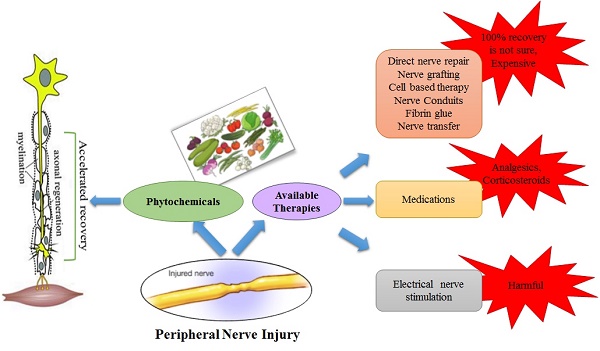
Other helpful habits include managing stress, staying hydrated, and eating a diet rich in antioxidants. If you smoke, quitting can also help nerves heal faster. Think of mushrooms as one tool in a larger plan for recovery.
Credit: www.ijbs.com
Safety And Potential Side Effects
Functional mushrooms are generally safe, but there are a few things to keep in mind:
- Mild side effects: Upset stomach, diarrhea, or allergic reactions can occur, especially when starting a new supplement.
- Interactions: Reishi and Cordyceps may interact with blood thinners or immune drugs.
- Quality matters: Poorly made products may contain contaminants. Always buy from trusted brands.
- Not for everyone: Those with mushroom allergies, autoimmune diseases, or who are pregnant/breastfeeding should consult a doctor first.
If you notice any unusual symptoms, stop use and talk to a healthcare provider.
A less obvious risk is cross-reactivity. If you are allergic to molds or other fungi, you may react to mushroom supplements too. Also, mushrooms can sometimes lower blood sugar, so people on diabetes medication should monitor levels closely. Always read product labels for possible allergens or added ingredients.
Real-life Examples: Functional Mushrooms In Action
People’s experiences with functional mushrooms for neuropathy vary. Here are some real-life examples:
- Case 1: Diabetic neuropathy
A man in his 60s with diabetes started taking Lion’s Mane and Maitake. Over three months, his foot numbness lessened, and he reported sharper sensations. He also worked on controlling his blood sugar and walking daily.
- Case 2: Chemotherapy-induced neuropathy
A woman who developed nerve pain after cancer treatment added Reishi and Cordyceps to her daily routine. She noticed less tingling and better energy after six weeks. She continued using them alongside her prescribed medications.
- Case 3: Chronic inflammation
An older adult with autoimmune-related neuropathy used Turkey Tail and Chaga. He felt less burning pain and improved hand function after two months.
Some people also report better sleep, mood, and energy after using mushrooms regularly. Others notice only mild improvement. The key is to set realistic expectations: mushrooms often help most when used consistently and as part of a larger wellness routine.
Data Table: Side Effects And Cautions
Here’s a quick overview of possible side effects and cautions for the top mushrooms:
| Mushroom | Common Side Effects | Major Cautions |
|---|---|---|
| Lion’s Mane | Digestive upset, skin rash (rare) | Mushroom allergy |
| Reishi | Dry mouth, dizziness, stomach upset | Blood thinners, immune drugs |
| Cordyceps | Nausea, diarrhea | Autoimmune issues, bleeding risk |
| Chaga | Kidney stones (rare), upset stomach | Kidney disease, blood thinners |
| Turkey Tail | Gas, bloating, dark stools | Autoimmune conditions |
| Maitake | Low blood sugar, digestive upset | Diabetes drugs, surgery |
| Shiitake | Itchy skin (with raw mushrooms) | Mushroom allergy |
Remember, most side effects are mild and go away with lower doses or after a few days. If you have a history of severe allergies or complex health issues, always consult a healthcare provider first.
How To Choose Quality Mushroom Supplements
With so many supplements on the market, picking a good one can be tricky. Here’s what to look for:
- 100% fruiting body: The best supplements use the mushroom’s fruiting body, not just mycelium.
- Third-party tested: Look for brands that test for heavy metals, pesticides, and contaminants.
- Clear labeling: Dosages and mushroom species should be clearly listed.
- Organic or wildcrafted: These are less likely to contain toxins.
- Extraction method: Dual-extracted (water + alcohol) products often deliver more active compounds.
Avoid products with lots of fillers or “proprietary blends” with no clear information.
If you’re unsure, check for a Certificate of Analysis (COA) on the company’s website. Reputable brands are transparent about where their mushrooms are grown and how they are processed. Reviews from other users can also help you spot trustworthy products.
Credit: www.geneticlifehacks.com
Integrating Mushrooms With Medical Care
Functional mushrooms are not a replacement for medical treatment. Always talk to your doctor before starting a new supplement, especially if you are on medication or have a chronic illness. Mushrooms can be a helpful add-on, but your medical team should know about all the supplements you take.
- Be honest: Tell your doctor about any new supplements.
- Monitor symptoms: Keep a journal of nerve pain, numbness, or other changes.
- Adjust as needed: If you notice side effects, stop and seek medical advice.
Some doctors may not know much about functional mushrooms. You can share research from trusted sources like PubMed or the National Institutes of Health to start a conversation.
It’s also helpful to bring a list of all supplements, including brand and dose, to your next medical appointment. This makes it easier for your doctor to spot any possible interactions or concerns.
Latest Research And Future Trends
Interest in functional mushrooms for nerve repair is growing. Here are some recent findings:
- A 2020 review found that Lion’s Mane extract sped up nerve regeneration in injured animals and showed promise for people with mild cognitive problems.
- Cordyceps and Reishi are being studied for their effects on chemotherapy-induced neuropathy, with early results showing reduced pain and better nerve function.
- Scientists are working to isolate the most active compounds in mushrooms, which could lead to even more powerful supplements in the future.
However, large human studies are still needed. For now, the best approach is to use mushrooms as part of a broader wellness plan, not as a cure-all.
Some companies are also developing mushroom blends with added vitamins or amino acids to further support nerve repair. In the future, we may see more personalized mushroom supplements tailored to specific causes of neuropathy, such as diabetes or autoimmune disease.

Credit: spj.science.org
Frequently Asked Questions
What Is The Best Mushroom For Nerve Repair?
Lion’s Mane is widely considered the best mushroom for nerve repair due to its unique compounds that stimulate nerve growth factor. Many people with neuropathy start with Lion’s Mane and add Reishi or Cordyceps for extra support.
Can I Use Functional Mushrooms With My Current Medications?
Most people can, but some mushrooms interact with drugs for blood thinning, immunity, or diabetes. Always check with your healthcare provider before adding any new supplement.
How Long Does It Take To See Results From Functional Mushrooms?
It often takes 4–8 weeks of daily use to notice changes. Nerve repair is a slow process, so patience and consistency are important.
Are There Any Risks In Using Functional Mushrooms?
Functional mushrooms are generally safe but can cause digestive upset or allergic reactions in some people. Those with autoimmune diseases, on blood thinners, or who are pregnant/breastfeeding should consult a doctor first.
Where Can I Find Reliable Information About Functional Mushrooms?
Trusted sources include the National Institutes of Health, PubMed, and universities that study integrative medicine. You can find research papers and clinical trial results at sites like NIH.
Living with peripheral neuropathy is challenging, but new strategies like functional mushrooms offer hope for better nerve health. By understanding the science, choosing quality products, and combining mushrooms with good medical care, you can give your nerves the best chance to heal.
Start slow, track your progress, and consult your healthcare team along the way. With time and consistency, functional mushrooms may become a valuable part of your nerve repair toolkit.