
When you need antibiotics, your main concern is usually fighting infection—not what’s happening in your gut. But antibiotics don’t just target the bad bacteria causing illness; they also kill many of the good bacteria living in your digestive system. This can lead to gut imbalance, digestive problems, and even long-term health issues. What if there was a natural way to protect your gut during antibiotic treatment? Medicinal mushrooms, used for centuries in traditional medicine, may offer a powerful, science-backed solution to support gut health while antibiotics do their work.
Let’s explore how medicinal mushrooms help your gut, why this matters during antibiotic use, and practical ways to add these fungi to your routine for better digestive balance.
The Gut Microbiome And Antibiotics: What You Need To Know
Your gut microbiome is a community of trillions of microorganisms—mostly bacteria, but also viruses, fungi, and other tiny life forms. These microbes help digest food, support the immune system, make vitamins, and protect against harmful invaders. When you take antibiotics, they wipe out both good and bad bacteria, sometimes causing side effects like diarrhea, bloating, and even recurring infections.
How Antibiotics Disrupt Gut Health
Antibiotics are effective at killing bacteria, but they are not very selective. This means they often destroy helpful gut bacteria along with the harmful ones. The result can be:
- Reduced diversity of gut bacteria
- Overgrowth of harmful bacteria or yeast (like Clostridioides difficile)
- Poor digestion and nutrient absorption
- Weakened immune response
- Increased risk of allergies and chronic disease
Research shows that even a short course of antibiotics can change your gut microbiome for weeks or months. Some changes may even last years if your gut does not recover well.
Why Gut Balance Is Crucial During Antibiotic Treatment
A balanced gut microbiome is linked to:
- Healthy digestion
- Strong immune function
- Lower inflammation
- Good mood and mental health
When antibiotics disrupt this balance, you may experience digestive issues, infections, or feel tired and unwell. That’s why supporting your gut during antibiotic treatment is so important.
Medicinal Mushrooms: Nature’s Gut Health Supporters
Medicinal mushrooms are not the same as the mushrooms you put on pizza. These are special types of fungi used in traditional Chinese medicine and other healing systems for thousands of years. Some of the most studied medicinal mushrooms for gut health include:
- Reishi (Ganoderma lucidum)
- Turkey Tail (Trametes versicolor)
- Lion’s Mane (Hericium erinaceus)
- Chaga (Inonotus obliquus)
- Cordyceps (Cordyceps militaris and C. sinensis)
- Maitake (Grifola frondosa)
- Shiitake (Lentinula edodes)
These mushrooms contain unique compounds, such as beta-glucans, polysaccharides, and antioxidants, that help support gut health in several ways.
How Medicinal Mushrooms Work In The Gut
Medicinal mushrooms support gut health through:
- Feeding good bacteria – Their fibers and polysaccharides act as prebiotics, which means they feed friendly bacteria in your gut.
- Balancing the immune system – Many mushrooms have immune-modulating effects, helping your body fight infections without overreacting.
- Protecting gut lining – Some compounds help keep the gut barrier strong, reducing “leaky gut” risk.
- Controlling harmful microbes – Certain mushrooms may help prevent overgrowth of bad bacteria or yeast after antibiotics.
These benefits are especially important while taking antibiotics, which can leave your gut vulnerable to imbalance and infection.
Key Medicinal Mushrooms For Gut Health During Antibiotics
Let’s look closer at the top medicinal mushrooms that can help protect and restore your gut during antibiotic use.
Reishi (ganoderma Lucidum)
Known as the “mushroom of immortality,” Reishi has been used for centuries to boost health and longevity. For gut health, reishi offers:
- Immune support: Reishi’s beta-glucans help balance immune activity, which can be disrupted during antibiotic use.
- Anti-inflammatory properties: It can calm gut inflammation, common after antibiotics.
- Prebiotic effects: Reishi polysaccharides help feed good gut bacteria.
One study in mice showed that reishi extracts increased the growth of beneficial bacteria such as Lactobacillus and Bifidobacterium. This can speed up gut recovery after antibiotics.
Turkey Tail (trametes Versicolor)
Turkey tail is famous for its colorful rings and strong medicinal benefits. It’s one of the most researched mushrooms for gut health because:
- Rich in polysaccharide-K (PSK) and polysaccharopeptide (PSP): These help restore microbial balance in the gut.
- Prebiotic action: Turkey tail fibers promote growth of good bacteria.
- Support against harmful microbes: Studies show turkey tail may help prevent overgrowth of Candida and other unwanted organisms after antibiotics.
Clinical trials have found that turkey tail extracts increase populations of beneficial bacteria in humans, even after antibiotic use.
Lion’s Mane (hericium Erinaceus)
Known for its shaggy appearance, Lion’s Mane is best known for brain health, but also supports digestion:
- Gut lining repair: Lion’s Mane stimulates production of nerve growth factor (NGF), which can help heal the gut lining after antibiotic-related irritation.
- Supports good bacteria: It contains prebiotics that help friendly microbes thrive.
Animal studies show that Lion’s Mane can speed up recovery from gut injury and reduce inflammation.
Chaga (inonotus Obliquus)
Chaga grows on birch trees and is rich in antioxidants. For the gut, chaga offers:
- Anti-inflammatory effects: Helps soothe the gut after antibiotic disruption.
- Immune modulation: Balances immune response to prevent overgrowth of bad bacteria.
- Supports gut lining: Antioxidants in chaga protect gut cells from damage.
Research in animals suggests chaga can help restore normal gut function after injury or inflammation.
Cordyceps (cordyceps Militaris/sinensis)
Often used for energy, Cordyceps also has gut benefits:
- Reduces inflammation: Can calm the gut after antibiotics.
- Supports immune balance: Helps prevent infections when the gut microbiome is weakened.
- Promotes gut healing: Animal studies show cordyceps may help repair damaged gut lining.
Maitake (grifola Frondosa) And Shiitake (lentinula Edodes)
Both mushrooms are rich in beta-glucans and have similar gut-supporting effects:
- Feed good bacteria: Their fibers act as prebiotics.
- Reduce inflammation: Help soothe the digestive tract.
- Support immune system: Help fight off secondary infections after antibiotics.
Including a mix of these mushrooms may offer the best gut protection during antibiotic treatment.
How Medicinal Mushrooms Protect The Gut: Scientific Insights
Medicinal mushrooms support the gut in more than one way. Here’s a deeper look at the science behind their benefits during antibiotic use.
Prebiotic Power: Feeding The Good Bacteria
Mushrooms contain special carbohydrates like beta-glucans and other polysaccharides that your body can’t digest, but your gut bacteria can. These prebiotics help:
- Increase numbers of Lactobacillus and Bifidobacterium
- Improve production of short-chain fatty acids (SCFAs) like butyrate, which nourish gut cells
- Speed up recovery of microbiome diversity after antibiotics
Studies show that adding mushroom polysaccharides to the diet can restore microbiome balance faster after antibiotic disruption.
Immune System Modulation
Antibiotics can weaken your gut’s defenses. Medicinal mushrooms help:
- Stimulate immune cells like macrophages and T-cells
- Balance inflammation so the immune system doesn’t overreact
- Support natural defenses against harmful microbes
For example, reishi and turkey tail both contain compounds that help the immune system find the right balance, which is critical during and after antibiotic treatment.
Strengthening The Gut Barrier
Your gut lining acts like a filter—letting in nutrients but keeping out toxins and bacteria. Antibiotics can damage this barrier, leading to “leaky gut.” Mushrooms such as lion’s mane and chaga:
- Boost production of growth factors to repair the gut lining
- Protect cells with antioxidants
- Reduce inflammation that makes the barrier “leakier”
This means fewer digestive problems and a lower chance of secondary infections.
Controlling Harmful Bacteria And Yeast
After antibiotics, harmful microbes like C. difficile or Candida albicans can take over. Some mushroom extracts:
- Inhibit growth of these harmful organisms
- Help restore balance by supporting friendly microbes
Turkey tail, for example, has shown promise in controlling candida and unwanted bacteria during gut recovery.

Credit: www.amazon.com
Data: Comparing Mushroom Types For Gut Health Benefits
Not all mushrooms offer the same benefits. Here is a comparison of key medicinal mushrooms and their gut health effects:
| Mushroom | Prebiotic Effect | Immune Support | Gut Barrier Repair | Anti-pathogen Action |
|---|---|---|---|---|
| Reishi | Strong | Strong | Moderate | Moderate |
| Turkey Tail | Very Strong | Moderate | Weak | Strong |
| Lion’s Mane | Moderate | Moderate | Very Strong | Weak |
| Chaga | Moderate | Moderate | Strong | Weak |
| Cordyceps | Weak | Strong | Moderate | Moderate |
| Maitake/Shiitake | Strong | Moderate | Moderate | Moderate |
This table shows that turkey tail and reishi are especially powerful for rebuilding the microbiome and balancing the immune system, while lion’s mane is best for repairing the gut lining.
How To Use Medicinal Mushrooms During Antibiotic Treatment
Knowing the benefits is only part of the story. Here’s how you can actually use medicinal mushrooms to protect your gut during antibiotic therapy.
Choosing The Right Mushroom Supplement
Look for these features:
- Extracts over powders: Extracts are more concentrated and easier to absorb.
- Dual extraction: This means both water-soluble and fat-soluble compounds are included.
- Third-party tested: Ensures the product is pure and free from contaminants.
Avoid products with fillers or artificial additives.
How Much To Take
There is no standard dose for every mushroom, but here are general guidelines (adults):
- Reishi: 1–2 grams per day (extract)
- Turkey tail: 2–3 grams per day (extract)
- Lion’s mane: 1–3 grams per day (extract)
- Chaga: 1–2 grams per day (extract)
- Cordyceps: 1–2 grams per day (extract)
- Maitake/Shiitake: 2–3 grams per day (extract or powder)
Always start with a lower dose to check for allergies or side effects. Consult your doctor if you have health conditions or are taking medications.
When To Take Mushrooms
- Start with your first antibiotic dose: Begin mushrooms as soon as you start antibiotics.
- Continue after finishing antibiotics: Keep taking them for at least 2–4 weeks after your course to help restore your gut.
Some people find it helpful to take mushrooms at different times of the day from their antibiotic (for example, if your antibiotic is in the morning, take mushrooms in the evening).
Combining Mushrooms With Other Gut Support Strategies
Medicinal mushrooms work even better when combined with other gut-friendly habits:
- Eat more fiber: Whole grains, fruits, and vegetables feed good bacteria.
- Take probiotics: These add live good bacteria to your gut.
- Avoid processed foods and sugar: These feed harmful bacteria and yeast.
- Stay hydrated: Helps flush toxins and support digestion.
If you use probiotics and mushrooms, take them at least 2–3 hours apart from your antibiotic dose for best results.
Common Mistakes When Using Medicinal Mushrooms For Gut Health
Many people miss out on the benefits of medicinal mushrooms because of simple mistakes. Here are some to watch out for:
1. Choosing Low-quality Products
Not all mushroom supplements are the same. Some use only the mycelium (the root-like part) instead of the whole fruiting body, which has more active compounds. Always read labels and choose trusted brands.
2. Taking Too Little Or Inconsistently
Consistency matters. Skipping doses or stopping too soon may not give your gut enough support. Stick with your mushroom routine during and after antibiotics.
3. Expecting Instant Results
Gut healing takes time, especially after antibiotics. It may take several weeks to notice big changes. Be patient and keep up your gut-friendly habits.
4. Ignoring Possible Allergies
Medicinal mushrooms are generally safe but can cause reactions in sensitive people. Start with a small amount and watch for symptoms like rash, stomach upset, or trouble breathing.
5. Not Combining With Other Gut-supporting Foods
Mushrooms work best with a healthy diet. Don’t rely only on supplements—eat a variety of gut-friendly foods too.
Real-world Example: Using Mushrooms To Recover From Antibiotic Side Effects
Consider Sarah, a 35-year-old teacher who had to take antibiotics for a sinus infection. After a week, she developed bloating and diarrhea. Her doctor suggested probiotics and a bland diet, but symptoms continued.
Sarah added a turkey tail and reishi supplement (2 grams each per day) and increased her fiber intake. Within two weeks, her digestion improved, energy returned, and she felt more balanced.
Her experience is not unique. Many people find that medicinal mushrooms, when used correctly, help speed up gut recovery after antibiotics.
Scientific Evidence: Studies Supporting Mushroom Benefits
Research on mushrooms and gut health is growing. Here are some highlights:
- A 2014 study found that turkey tail polysaccharides increased Bifidobacterium and Lactobacillus in humans, improving gut balance after antibiotics.
- A 2017 animal study showed that reishi extracts protected gut lining and reduced inflammation caused by antibiotics.
- Lion’s mane has been shown to promote the growth of nerve cells in the gut, which may help repair the lining after damage.
- Chaga was found in animal studies to reduce gut inflammation and speed up healing after injury.
For more detailed reading, see this National Institutes of Health article on mushrooms and gut health.
Data: Antibiotic Impact Vs. Mushroom Recovery
Here’s a look at how antibiotics and medicinal mushrooms compare when it comes to gut health:
| Factor | Antibiotics | Medicinal Mushrooms |
|---|---|---|
| Affects Gut Bacteria | Reduces both good and bad bacteria | Feeds and supports good bacteria |
| Immune System | Weakens gut immunity | Balances and strengthens immunity |
| Gut Lining | May damage and thin lining | Helps repair and protect lining |
| Digestive Symptoms | Increases risk of diarrhea, bloating | Reduces digestive discomfort |
| Recovery Time | May take weeks to recover | Can speed up recovery |
This data shows why combining mushrooms with antibiotics can offer important gut protection.
Practical Tips For Adding Medicinal Mushrooms To Your Diet
If you’re new to medicinal mushrooms, these simple strategies can help:
- Start small: Begin with a low dose to check for reactions.
- Mix into food or drinks: Add powders or extracts to smoothies, soups, or coffee.
- Choose blends: Many supplements combine several mushrooms for a wider range of benefits.
- Store properly: Keep supplements in a cool, dry place to protect their strength.
- Stay consistent: Take daily during and after antibiotics.
If you have a sensitive stomach, try taking mushrooms with food.
Who Should Be Careful With Medicinal Mushrooms?
While most people tolerate medicinal mushrooms well, some should be cautious:
- People with mushroom allergies
- Those with autoimmune diseases (check with your doctor)
- Pregnant or breastfeeding women
- People taking blood thinners or certain medications
Always talk to your healthcare provider before starting new supplements, especially if you have chronic health conditions.

Credit: www.lotusblossomclinic.com
Non-obvious Insights: What Most Beginners Miss
- Not all mushroom products are equal. Many cheap supplements use only the mycelium grown on grains, which can be low in active compounds. Look for “fruiting body extract” on the label for the best gut benefits.
- Timing matters. Taking mushrooms a few hours apart from antibiotics or probiotics can make them more effective. This prevents direct interaction that could reduce their benefits.
- Mushrooms and probiotics work together. While mushrooms feed your good bacteria, probiotics add new ones. Using both can maximize gut recovery.
- Gut symptoms may get worse before they get better. As your gut microbiome shifts, you might notice more gas or changes in stool. This is usually temporary and a sign that your gut is adjusting.
Frequently Asked Questions
How Soon Should I Start Taking Medicinal Mushrooms When Using Antibiotics?
It’s best to start as soon as you begin antibiotics. This gives your gut the most support from the beginning of treatment. If you only start after symptoms appear, it can still help, but early support offers better protection.
Can I Take Medicinal Mushrooms With Probiotics?
Yes, you can use both together. Mushrooms act as prebiotics, feeding good bacteria, while probiotics add living microbes. Take them at least two hours apart from your antibiotic for the best results.
Are There Any Side Effects Of Using Medicinal Mushrooms During Antibiotic Treatment?
Most people tolerate medicinal mushrooms well. Some may experience mild digestive upset, like gas or bloating, especially when starting. Rarely, allergic reactions can occur. Start with a small dose and watch for symptoms.
How Long Should I Continue Taking Medicinal Mushrooms After Finishing Antibiotics?
Experts suggest at least 2–4 weeks after antibiotics to help your gut fully recover. Some people choose to take mushrooms long-term for overall gut and immune support.
Which Is The Best Medicinal Mushroom For Gut Health During Antibiotics?
There isn’t a single “best” mushroom, but turkey tail and reishi are among the most studied for restoring gut balance. Many people use a blend to cover more benefits, including gut repair, immune support, and microbiome recovery.
Supporting your gut during antibiotics is not just about avoiding stomach upset—it’s about protecting your long-term health. Medicinal mushrooms offer a natural, science-backed way to help your gut recover faster and stay stronger. With the right choices and habits, you can reduce the risks of antibiotic treatment and enjoy better digestive wellness.
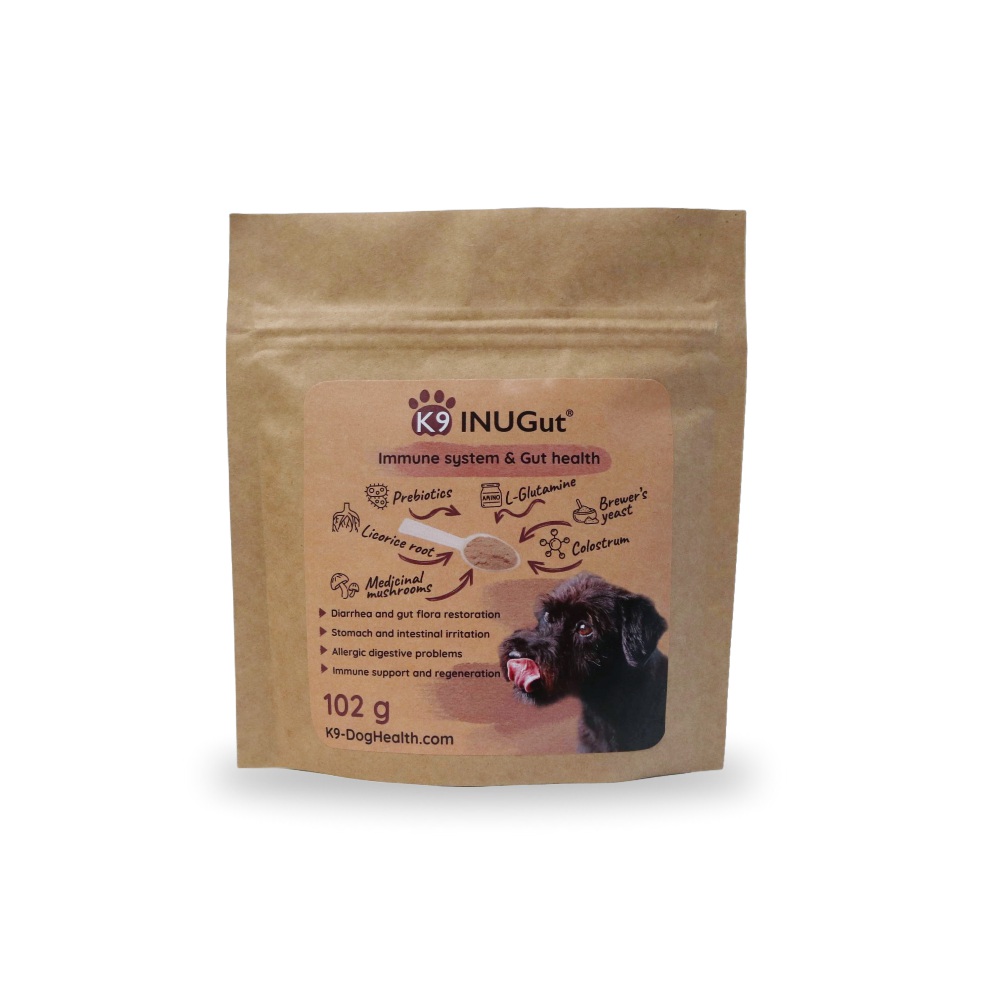
Credit: www.k9-doghealth.com