
Functional mushrooms are gaining attention as natural helpers for emotional eating, mood problems, and metabolic balance. Today, many people face stress, anxiety, and cravings that push them to eat unhealthy foods. Emotional eating is not just about willpower—it often starts in the brain and gut, linked to hormones and neurotransmitters.
The right mushrooms may help by supporting mood, calming stress, and boosting metabolism.
If you’ve ever reached for snacks when feeling sad or stressed, you know how emotions can control your eating habits. Scientists are discovering that some functional mushrooms contain compounds that affect the brain, gut, and metabolism. They may help you manage emotional eating and find balance in both mind and body.
This article explores how functional mushrooms can influence emotional eating, mood, and metabolism. You will learn about the most studied mushrooms, how they work, and practical ways to add them to your routine. We will also look at common mistakes, hidden benefits, and answer frequent questions.
Understanding Emotional Eating
Emotional eating happens when you use food to cope with feelings instead of hunger. People often eat sugary, salty, or fatty foods to feel better, but these choices usually make things worse in the long run.
Most emotional eating is triggered by:
- Stress
- Anxiety
- Sadness
- Boredom
- Fatigue
Food can temporarily boost mood by increasing dopamine or serotonin. But over time, this can lead to unhealthy habits and weight gain. Many people find it hard to break the cycle because emotions, hormones, and gut health are all involved.
The Brain-gut Connection
The brain and gut are linked through the gut-brain axis. This means signals travel between your digestive system and your mind. When you feel upset, your gut reacts. When your gut is out of balance, your mood can suffer.
Research shows that about 90% of serotonin (a mood hormone) is made in the gut. If your gut is healthy, you are more likely to feel calm and happy. If not, you may feel anxious or depressed and crave comfort foods.
Metabolism And Emotional Eating
Metabolism is how your body turns food into energy. When you eat due to emotions, you usually pick foods that are high in sugar or fat. These foods slow metabolism and make it easier to gain weight.
Stress also increases cortisol, a hormone that makes your body store fat. Emotional eating can lead to slow metabolism and more belly fat.
Functional mushrooms may help by supporting mood, gut health, and metabolism—all at the same time.
What Are Functional Mushrooms?
Functional mushrooms are not just regular mushrooms for cooking. They are special types used for health benefits. They contain bioactive compounds that can:
- Support brain health
- Boost immunity
- Improve metabolism
- Reduce stress
Some of the most popular functional mushrooms are:
- Reishi
- Lion’s Mane
- Cordyceps
- Chaga
- Turkey Tail
These mushrooms have been used in traditional medicine for centuries. Now, modern science is confirming their benefits.
How Functional Mushrooms Work
Each mushroom has its own unique compounds. Some affect the nervous system, some boost immune function, and others help balance hormones. For emotional eating, the most important effects are:
- Mood regulation (serotonin, dopamine)
- Stress reduction (lower cortisol)
- Gut health improvement (prebiotics, anti-inflammatory)
- Metabolism support (energy, fat burning)
Let’s look at how these mushrooms can help with emotional eating and metabolic balance.
The Key Functional Mushrooms For Emotional Eating
Functional mushrooms have different strengths. Some are better for mood, others for metabolism, and some help both. Here are the most studied mushrooms for emotional eating:
Reishi: The Calm Mushroom
Reishi is known as the “mushroom of immortality.” It is famous for its calming effects and ability to reduce stress.
Benefits
- Lowers cortisol (stress hormone)
- Promotes relaxation and better sleep
- Supports immune function
- Has anti-inflammatory properties
How It Helps Emotional Eating
When you are calm and well-rested, you are less likely to eat for comfort. Reishi can help reduce stress-driven cravings. It also improves sleep, which is important because poor sleep increases appetite and emotional eating.
Research
Studies show that Reishi contains triterpenes and polysaccharides that calm the nervous system. One study found that Reishi extract reduced anxiety and improved sleep quality in adults.
Practical Use
Reishi is best taken in the evening as a tea, capsule, or powder. If you have trouble sleeping or feel stressed, Reishi can be a gentle way to calm your mind.
Lion’s Mane: The Brain Booster
Lion’s Mane is famous for supporting brain health and improving mood. It looks like a white, shaggy lion’s mane.
Benefits
- Boosts nerve growth (NGF)
- Improves focus and memory
- Supports positive mood
- May reduce symptoms of depression
How It Helps Emotional Eating
Lion’s Mane helps balance mood and improves mental clarity. If you struggle with emotional eating due to low mood or brain fog, this mushroom can make a difference.
Research
A Japanese study found that Lion’s Mane reduced symptoms of depression and anxiety in women after four weeks. The mushroom contains hericenones and erinacines that stimulate nerve growth.
Practical Use
Lion’s Mane can be taken in the morning or afternoon. Try adding the powder to smoothies or coffee for a mental boost.
Cordyceps: The Energy Enhancer
Cordyceps is often used for energy and stamina. It is popular among athletes and those who want to boost metabolism.
Benefits
- Increases energy and endurance
- Supports healthy metabolism
- May improve oxygen use
- Reduces fatigue
How It Helps Emotional Eating
When you feel tired, you may crave sugar or snacks for a quick energy boost. Cordyceps helps increase natural energy, reducing the need for unhealthy snacks.
Research
Cordyceps contains cordycepin and polysaccharides that help the body use oxygen more efficiently. Studies show it can improve exercise performance and reduce fatigue.
Practical Use
Cordyceps is best taken in the morning, before exercise, or during periods of low energy. It comes as powder, capsules, or tinctures.
Chaga: The Antioxidant King
Chaga is rich in antioxidants and supports overall health. It grows on birch trees and looks like burnt charcoal.
Benefits
- High in antioxidants
- Supports immune system
- Reduces inflammation
- May help balance blood sugar
How It Helps Emotional Eating
Chaga helps stabilize blood sugar and reduce inflammation, which is important for managing cravings. Stable blood sugar means fewer mood swings and less emotional eating.
Research
Chaga contains betulinic acid and melanin that protect cells from damage. Some studies show Chaga can help balance blood sugar in animals, but more human research is needed.
Practical Use
Chaga can be used as tea or powder. It is good for daily use to support overall health and metabolism.
Turkey Tail: The Gut Supporter
Turkey Tail is known for its benefits to gut health and immunity. It looks like the tail of a turkey, with colorful rings.
Benefits
- Supports healthy gut bacteria
- Boosts immune function
- Contains prebiotics
- Helps reduce inflammation
How It Helps Emotional Eating
Turkey Tail improves gut health, which is linked to mood and cravings. A healthy gut produces more serotonin and helps manage appetite.
Research
Turkey Tail contains polysaccharide-K (PSK) and polysaccharide peptide (PSP) that support immune and gut health. Studies show it increases beneficial bacteria in the gut.
Practical Use
Turkey Tail can be taken as tea, capsules, or powders. It is useful for daily gut support.
Comparing Functional Mushrooms: Mood And Metabolism Effects
To help you choose the best mushroom, here is a comparison of their effects on mood and metabolism:
| Mushroom | Mood Support | Metabolism Support | Gut Health |
|---|---|---|---|
| Reishi | Strong | Moderate | Moderate |
| Lion’s Mane | Strong | Light | Moderate |
| Cordyceps | Moderate | Strong | Light |
| Chaga | Light | Moderate | Light |
| Turkey Tail | Moderate | Light | Strong |
This table shows that Reishi and Lion’s Mane are best for mood, while Cordyceps is strongest for metabolism. Turkey Tail stands out for gut health.
How Functional Mushrooms Affect Mood And Metabolism
Functional mushrooms work in several ways to help balance mood and metabolism:
Modulating Brain Chemicals
Some mushrooms increase production of serotonin and dopamine, which are key for feeling happy and relaxed. Lion’s Mane is especially good for this, as it boosts nerve growth and brain function.
Reducing Cortisol
High cortisol (stress hormone) makes you crave unhealthy foods. Reishi lowers cortisol, helping you feel calm and less likely to eat for comfort.
Supporting Gut Health
Turkey Tail and Chaga feed good bacteria in the gut. This improves mood, reduces inflammation, and helps regulate appetite.
Boosting Energy And Metabolism
Cordyceps increases energy and stamina. This helps you avoid snacking due to fatigue and supports a healthy metabolism.
Regulating Blood Sugar
Chaga helps balance blood sugar, which reduces cravings and emotional eating. Stable blood sugar is key for mood and metabolism.
Practical Ways To Use Functional Mushrooms
Using mushrooms for emotional eating requires more than just taking a supplement. Here are practical ways to add them to your daily routine:
1. Mushroom Teas
Many functional mushrooms are available as teas. This is a gentle way to get the benefits, especially for Reishi and Chaga.
- Brew 1-2 grams of dried mushroom in hot water for 10-15 minutes.
- Drink in the evening for relaxation or in the morning for energy.
2. Mushroom Powders
Powders are easy to add to smoothies, coffee, or oatmeal. Lion’s Mane and Cordyceps powders work well in morning drinks.
- Use 1-2 teaspoons per serving.
- Mix well to avoid clumps.
3. Capsules And Extracts
Capsules are convenient and good for accurate dosing. Look for high-quality extracts with clear labeling.
- Take as directed (usually 1-2 capsules daily).
- Choose extracts for stronger effects.
4. Cooking With Mushrooms
You can cook with fresh Lion’s Mane or Reishi. Slice and sauté them for a unique flavor and health boost.
- Add to stir-fries, soups, or omelets.
- Use fresh mushrooms for best results.
5. Blending Multiple Mushrooms
Many products combine several mushrooms for a broad effect. This can help balance mood, metabolism, and gut health at the same time.
- Look for blends with Lion’s Mane, Reishi, and Cordyceps.
- Check for third-party testing to ensure quality.
Dosage And Safety
Functional mushrooms are generally safe, but dosage matters. Here’s a guide:
| Mushroom | Recommended Daily Dose | Common Side Effects |
|---|---|---|
| Reishi | 1-2 grams | Digestive upset (rare) |
| Lion’s Mane | 1-3 grams | Mild stomach discomfort |
| Cordyceps | 1-2 grams | Dry mouth (rare) |
| Chaga | 1-2 grams | Allergic reactions (rare) |
| Turkey Tail | 1-3 grams | None reported |
Always start with a low dose and increase slowly. If you have allergies or take medications, check with your doctor first.
Hidden Benefits And Insights
Functional mushrooms offer more than just mood and metabolism support. Here are some non-obvious insights that beginners often miss:
- Synergy with Other Foods: Mushrooms work better when combined with healthy fats (like coconut oil) or adaptogenic herbs. This can increase absorption and effects.
- Timing Matters: Reishi is best at night, Cordyceps in the morning, and Lion’s Mane during work or study. Taking mushrooms at the right time enhances their benefits.
- Gut Health is Key: Many emotional eating problems start with gut imbalance. Turkey Tail and Chaga can help restore gut health, making other mushrooms more effective.
- Consistency is Crucial: Mushrooms are not quick fixes. You need to take them consistently for 2-4 weeks to see real changes.
- Whole Mushroom vs. Extracts: Whole mushroom powders contain fiber and extra nutrients. Extracts are stronger but may lack some compounds. Mixing both can give balanced results.

Credit: www.amazon.com
Common Mistakes When Using Functional Mushrooms
Many beginners make mistakes that reduce the benefits. Here are the most common ones:
- Using too much too soon: High doses can cause stomach discomfort.
- Choosing poor quality products: Cheap powders may lack active compounds.
- Expecting instant results: Mushrooms take time to work. Be patient.
- Ignoring gut health: If your gut is unhealthy, mushrooms may not work well. Support your gut first.
- Not tracking progress: Keep a journal of your mood, cravings, and energy. Adjust dosage as needed.
Scientific Evidence And Statistics
Functional mushrooms are supported by growing research:
- A 2019 review found that Lion’s Mane improved mood and reduced depression symptoms in several human studies.
- Reishi was shown to lower anxiety and improve sleep in a randomized controlled trial.
- Cordyceps improved exercise performance and reduced fatigue in adults, according to a Chinese study.
- Turkey Tail increased beneficial gut bacteria in a study with cancer patients.
- Chaga was found to protect against oxidative stress and help balance blood sugar in animal studies.
According to the CDC, emotional eating affects about 27% of adults in the US. Mood problems and stress are linked to poor metabolic health and weight gain. Functional mushrooms may help break this cycle.
Combining Mushrooms With Other Strategies
Mushrooms work best as part of a balanced lifestyle. Here’s how to combine them with other habits:
- Meditation and Mindfulness: Practice daily meditation to reduce stress and improve emotional control.
- Balanced Diet: Eat whole foods, fiber, and healthy fats to support gut health.
- Regular Exercise: Movement boosts mood and metabolism. Try walking, yoga, or strength training.
- Sleep Hygiene: Aim for 7-8 hours of sleep each night. Reishi can help improve sleep quality.
- Hydration: Drink enough water to support metabolism and reduce cravings.
Who Should Avoid Functional Mushrooms?
Most people can use functional mushrooms safely, but some should avoid them:
- Pregnant or breastfeeding women: Not enough research for safety.
- People with mushroom allergies: Avoid all products.
- Those taking immunosuppressant drugs: Mushrooms may interact with medicines.
- Children: Consult a doctor before use.

Credit: www.ctcd.edu
Real-life Examples
Many people report positive changes after using functional mushrooms:
- Sarah, age 35, struggled with emotional eating due to stress. She started using Reishi tea at night and noticed fewer cravings in two weeks.
- James, age 42, felt tired and snacked during work. Cordyceps powder in his morning smoothie helped him feel more energetic and reduced his need for snacks.
- Lina, age 28, had mood swings and digestive issues. Turkey Tail and Lion’s Mane improved her gut health and mood after one month.
These stories show that mushrooms can help different aspects of emotional eating.
Choosing Quality Mushroom Products
Not all mushroom products are equal. Here’s what to look for:
- Third-party testing: Choose brands with lab-tested products.
- Clear labeling: Look for species, extract ratio, and dosage.
- Organic sources: Avoid mushrooms grown with pesticides.
- Whole mushroom and extract: Blends are often more effective.
- No fillers: Avoid products with cheap fillers or artificial flavors.
You can find trustworthy brands online or in health stores. For more information, visit NIH.
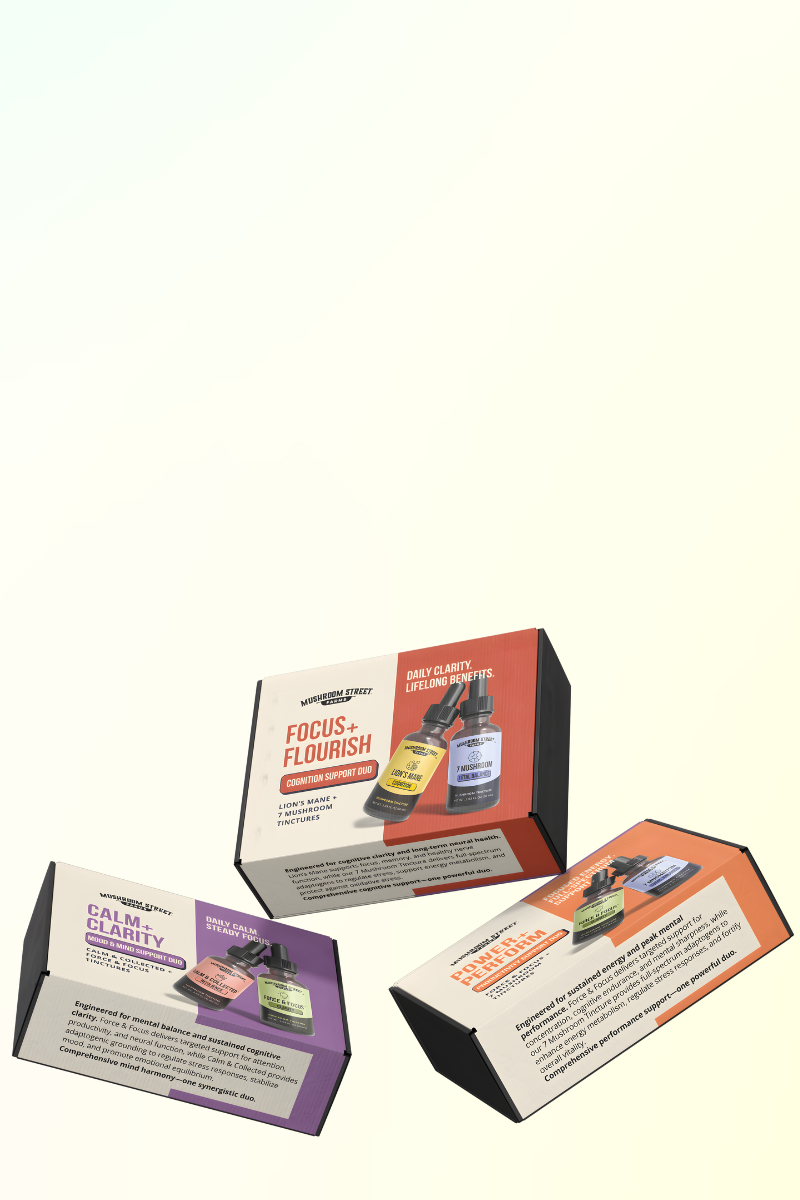
Credit: mushroom.st
Comparing Functional Mushrooms With Other Mood And Metabolism Supplements
Many people use supplements for mood and metabolism. Here’s how mushrooms compare:
| Supplement | Mood Support | Metabolism Support | Side Effects |
|---|---|---|---|
| Functional Mushrooms | Strong | Moderate | Rare, mild |
| Adaptogens (Ashwagandha) | Moderate | Light | Mild stomach upset |
| Probiotics | Light | Moderate | Gas, bloating |
| Stimulants (Caffeine) | Light | Strong | Anxiety, sleep problems |
Functional mushrooms offer strong mood support and moderate metabolism benefits with fewer side effects than stimulants.
Tips For Best Results
To get the most out of functional mushrooms for emotional eating:
- Start slowly: Begin with a low dose and increase over time.
- Be consistent: Take mushrooms daily for at least 2-4 weeks.
- Track changes: Keep a journal of your mood, energy, and cravings.
- Support gut health: Eat fiber, fermented foods, and Turkey Tail or Chaga.
- Combine with healthy habits: Exercise, sleep, and mindfulness improve results.
Frequently Asked Questions
What Are Functional Mushrooms?
Functional mushrooms are special types used for health benefits. They contain compounds that support mood, metabolism, immunity, and gut health. Examples include Reishi, Lion’s Mane, Cordyceps, Chaga, and Turkey Tail.
Can Functional Mushrooms Stop Emotional Eating?
Mushrooms can help reduce emotional eating by supporting mood, reducing stress, and improving gut health. They are not a cure, but they can make it easier to manage cravings and balance emotions.
Are There Any Side Effects?
Most functional mushrooms are safe, but some people may have mild stomach upset, dry mouth, or allergic reactions. Start with a low dose and check with your doctor if you have health concerns.
How Long Does It Take To See Results?
It usually takes 2-4 weeks of consistent use to notice changes in mood, energy, and cravings. Mushrooms work slowly, so patience is important.
Can I Use Mushrooms With Other Supplements?
Yes, you can combine functional mushrooms with adaptogens, probiotics, or vitamins. Just avoid taking high doses of multiple supplements at once. Always check for interactions if you take medication.
Functional mushrooms offer a new approach to balancing mood and metabolism, especially for those struggling with emotional eating. They work naturally, supporting the brain, gut, and energy levels. By choosing the right mushrooms, using them consistently, and combining with healthy habits, you can find balance and reduce cravings.
Remember, mushrooms are not magic pills—they are part of a bigger picture. Support your body and mind, and you will see the benefits over time.