
Dehydrating mushrooms is one of the smartest ways to preserve their flavor, nutrition, and texture. Whether you forage wild mushrooms or buy them at your local market, a mushroom dehydrator is an essential tool if you want to store them for months or even years. But not all dehydrators are equal, and not every mushroom species dries best at the same temperature. If you want to enjoy perfect dried mushrooms every time, you need to know which machine to buy and how to use it for different species. This guide gives you practical advice, data, and expert tips so you can start dehydrating mushrooms with confidence.
Why Dehydrate Mushrooms?
Fresh mushrooms are delicious, but they spoil quickly. Within a few days, they can become slimy or moldy. Dehydrating removes most of the water content, making them lightweight, shelf-stable, and easy to store. Dried mushrooms are perfect for soups, sauces, and stir-fries—just rehydrate and use.
Besides preservation, dehydration also:
- Concentrates flavor: Dried mushrooms often taste richer.
- Saves space: They shrink a lot, so you can store more in less space.
- Reduces food waste: You don’t have to throw away mushrooms you can’t finish.
- Makes them easy to transport: Great for camping and travel.
But to get these benefits, you need the right technique and equipment.
How Dehydrators Work
A dehydrator is a kitchen appliance that uses heat and airflow to remove water from food. It works by gently circulating warm air across trays where you place thin slices of mushroom. The water evaporates, leaving the mushrooms dry and light.
Dehydrators let you control the temperature, which is important because:
- Too high, and you lose flavor or nutrition.
- Too low, and the drying takes too long or fails.
Some people use ovens or air-drying, but these methods are less reliable and can lead to uneven results or spoilage. A good dehydrator gives you consistent, safe, and tasty results every time.
Key Features To Look For In A Mushroom Dehydrator
Not all dehydrators are the same. Here’s what matters most when choosing one for mushrooms:
- Adjustable temperature control: Mushrooms dry best at specific temperatures (often between 110°F and 135°F). You need a dehydrator that lets you set the exact temperature.
- Fan and airflow design: Horizontal airflow (side-mounted fan) gives more even drying than vertical (bottom fan), which can be important for mushrooms that release a lot of moisture.
- Tray material and size: Stainless steel trays are easier to clean and don’t hold odors. Removable trays make loading and cleaning easier. Check the total drying area—more trays mean bigger batches.
- Timer and auto shut-off: These features help you avoid overdrying or forgetting your mushrooms.
- Noise level: Dehydrators with bigger fans can be noisy. If you run it overnight, quieter models are better.
- Energy efficiency: Look for models that use less power for longer drying sessions.
- Ease of cleaning: Mushrooms can leave residue. Dishwasher-safe trays save time.
Many beginners pick the cheapest dehydrator, but investing in a quality machine pays off in flavor, safety, and less hassle.
Best Mushroom Dehydrators In 2024
After testing and reviewing user feedback, here are the top 7 mushroom dehydrators available today. Each one is suitable for home use, but they have different strengths.
1. Excalibur 3926tb
The Excalibur 3926TB is famous for its horizontal airflow system and large drying capacity. With 9 trays and a 26-hour timer, it’s great for big harvests. The temperature range (105°F–165°F) covers all mushroom types. The square trays are easy to load, and the fan at the back ensures even drying. It is a bit expensive and takes up counter space, but it’s a favorite among serious mushroom enthusiasts.
2. Nesco Fd-75a Snackmaster Pro
This model is perfect for beginners. The Nesco FD-75A has a top-mounted fan and adjustable temperature (95°F–160°F). It’s compact, affordable, and expandable up to 12 trays. While it dries a bit less evenly than horizontal models, it’s easy to use and clean.
It’s a great choice if you dry small batches or have limited space.
3. Cosori Premium Food Dehydrator
The Cosori has stainless steel trays and a digital control panel, making it both stylish and practical. It runs quietly and allows precise temperature settings (95°F–165°F). The rear fan provides good airflow, and the timer goes up to 48 hours.
It’s easy to clean and durable, though the tray size is slightly smaller than the Excalibur.
4. Magic Mill Food Dehydrator
This machine features a rear-mounted fan for even drying and comes with stainless steel trays and mesh sheets. The temperature control (95°F–167°F) is accurate, and the digital interface is simple. It also has a keep-warm function, which is handy if you’re not home when the cycle ends. It’s efficient for drying mushrooms and other foods.
5. Tribest Sedona Express
This premium dehydrator has a sleek design and an advanced digital control. It offers a temperature range of 77°F–167°F, which covers delicate mushrooms. It includes 11 stainless steel trays, dual fans, and a two-stage timer (for faster drying then gentle finish). It’s pricier, but ideal for users who want the best features and energy savings.
6. Presto Dehydro Electric Food Dehydrator
The Presto Dehydro is a budget-friendly, stackable unit. It runs at a fixed temperature (165°F), so it’s not ideal for all mushroom species, but it works for robust varieties like shiitake and portobello. It’s compact, easy to store, and good for occasional use.
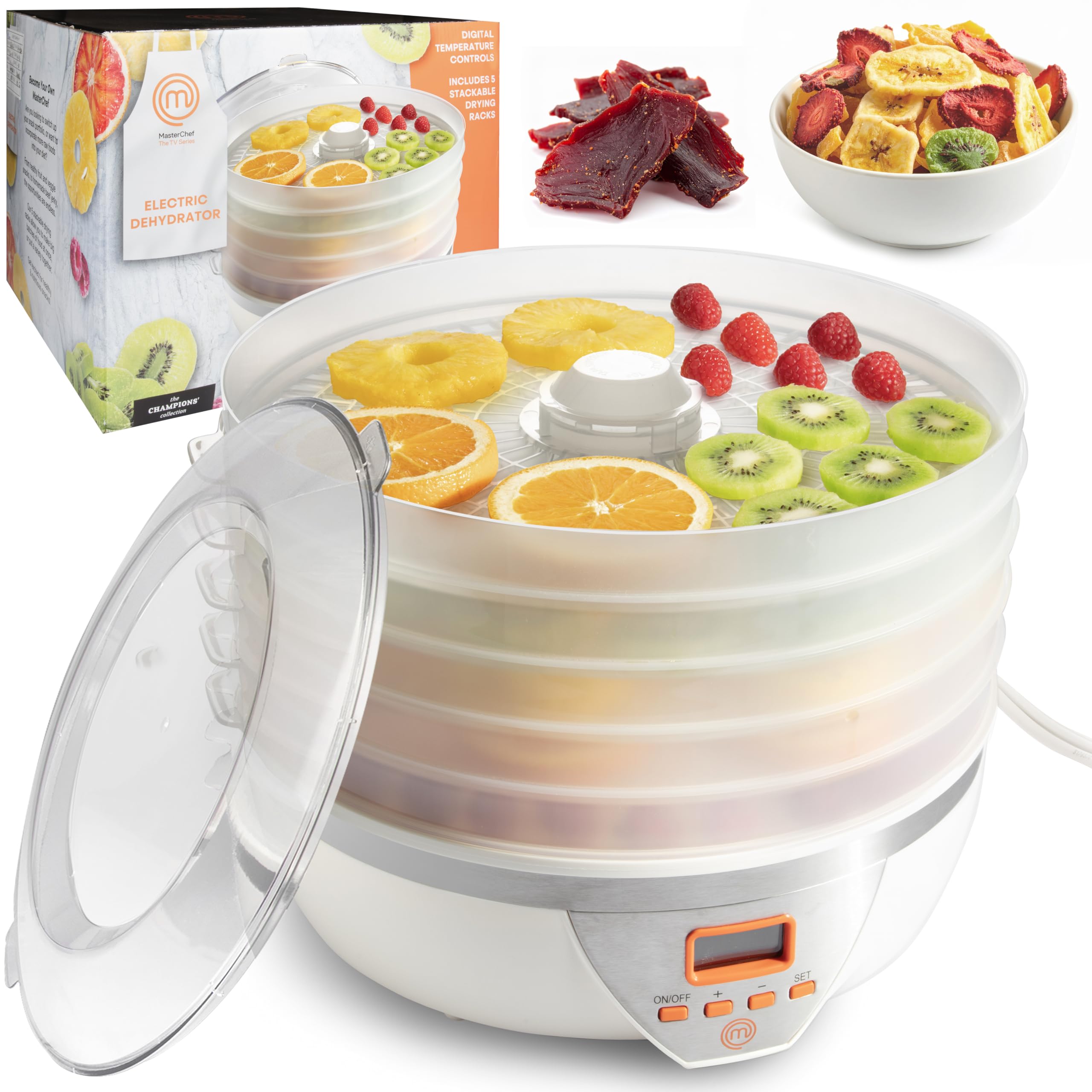
7. Hamilton Beach Digital Food Dehydrator
This model offers 5 stackable trays, a digital timer, and temperature controls (100°F–160°F). It’s affordable and works well for small to medium batches. The fan is top-mounted, which means you may need to rotate trays for even drying.
Here’s a comparison of these seven models to help you decide:
| Model | Trays | Temperature Range | Airflow Type | Timer | Price Range |
|---|---|---|---|---|---|
| Excalibur 3926TB | 9 | 105°F–165°F | Horizontal | Yes (26h) | $$$ |
| Nesco FD-75A | 5 (expandable) | 95°F–160°F | Vertical | No | $$ |
| Cosori Premium | 6 | 95°F–165°F | Horizontal | Yes (48h) | $$ |
| Magic Mill | 7 | 95°F–167°F | Horizontal | Yes | $$ |
| Tribest Sedona | 11 | 77°F–167°F | Horizontal | Yes (dual) | $$$$ |
| Presto Dehydro | 4 (expandable) | 165°F (fixed) | Vertical | No | $ |
| Hamilton Beach | 5 | 100°F–160°F | Vertical | Yes | $ |
Non-obvious insight: Many new users overlook the importance of airflow direction. For mushrooms that are very moist, horizontal airflow prevents uneven drying and reduces spoilage risk.
Ideal Drying Temperatures By Mushroom Species
Not all mushrooms dry the same way. Each species has its own ideal drying temperature for the best flavor, safety, and texture. Using the wrong temperature can lead to tough, tasteless, or even unsafe mushrooms.
Here are the recommended temperatures and drying times for the most popular edible mushrooms:
1. Shiitake (lentinula Edodes)
- Ideal temperature: 120°F (49°C)
- Drying time: 6–10 hours
- Shiitake have thick caps and a meaty texture. Slicing them 1/4 inch thick helps them dry evenly. At higher temperatures, they may become rubbery.
2. Oyster (pleurotus Ostreatus)
- Ideal temperature: 115°F (46°C)
- Drying time: 5–8 hours
- Oyster mushrooms are delicate. Too much heat destroys their subtle flavor. Dry quickly but gently.
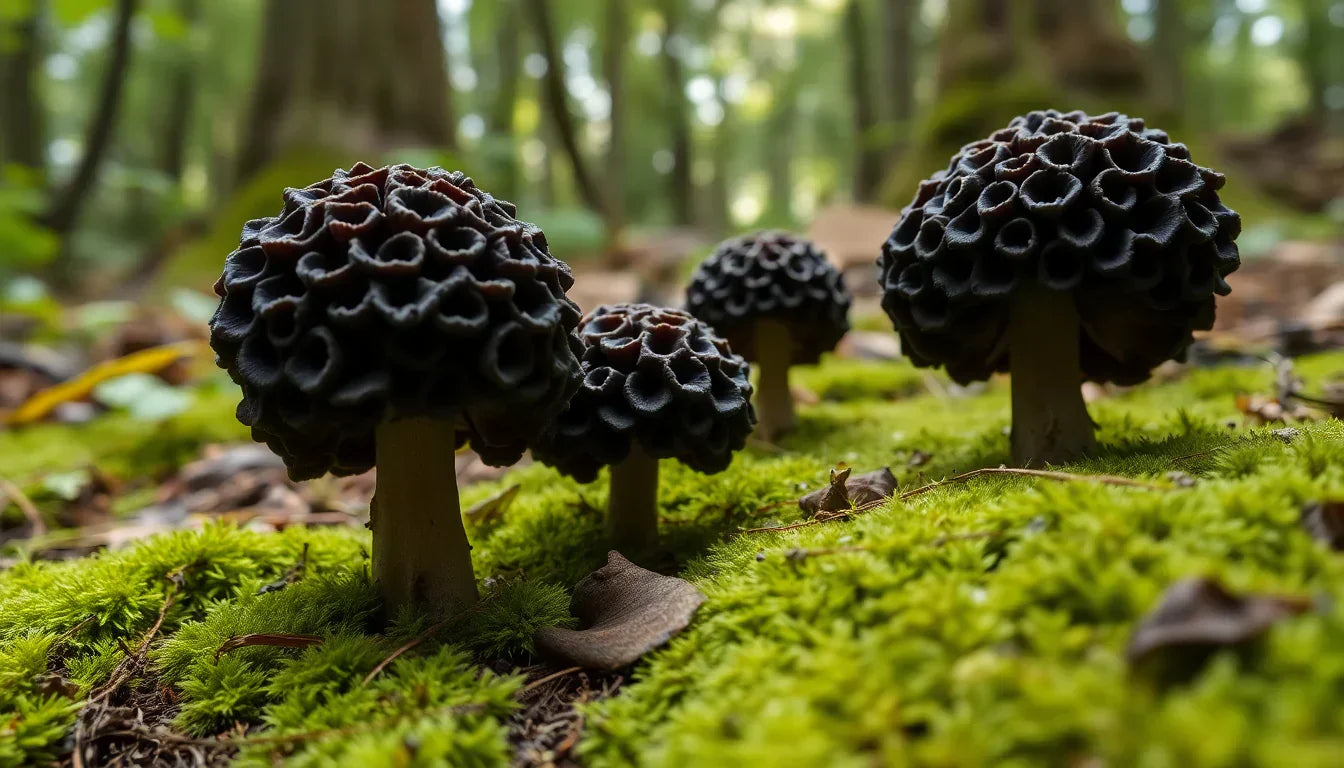
3. Morel (morchella Spp.)
- Ideal temperature: 120°F (49°C)
- Drying time: 8–12 hours
- Morels are hollow and dry faster than expected. Clean them well, as they often have grit inside.
4. Porcini (boletus Edulis)
- Ideal temperature: 125°F (52°C)
- Drying time: 6–12 hours
- Porcini have a high water content. Slicing is important for even drying. They become very aromatic when dried properly.
5. Chanterelle (cantharellus Cibarius)
- Ideal temperature: 110°F (43°C)
- Drying time: 10–14 hours
- Chanterelles are tricky. Too much heat makes them lose flavor. They should be sliced and dried slowly.
6. Lion’s Mane (hericium Erinaceus)
- Ideal temperature: 115°F (46°C)
- Drying time: 7–10 hours
- Lion’s Mane is dense and holds water. Tear into small pieces for best results.
7. Cremini/portobello (agaricus Bisporus)
- Ideal temperature: 125°F (52°C)
- Drying time: 6–10 hours
- These common mushrooms dry well but can become chewy if overheated.
8. Enoki (flammulina Velutipes)
- Ideal temperature: 110°F (43°C)
- Drying time: 4–6 hours
- Enoki are thin and dry quickly. Keep an eye on them to avoid overdrying.
9. Maitake (grifola Frondosa)
- Ideal temperature: 115°F (46°C)
- Drying time: 8–12 hours
- Maitake fronds should be separated for even drying.
10. King Oyster (pleurotus Eryngii)
- Ideal temperature: 120°F (49°C)
- Drying time: 7–11 hours
- Slice the thick stems thinly for best results.
Here’s a quick reference for drying temperatures and times:
| Mushroom Species | Ideal Temperature (°F) | Drying Time (hours) |
|---|---|---|
| Shiitake | 120 | 6–10 |
| Oyster | 115 | 5–8 |
| Morel | 120 | 8–12 |
| Porcini | 125 | 6–12 |
| Chanterelle | 110 | 10–14 |
| Lion’s Mane | 115 | 7–10 |
| Cremini/Portobello | 125 | 6–10 |
| Enoki | 110 | 4–6 |
| Maitake | 115 | 8–12 |
| King Oyster | 120 | 7–11 |
Non-obvious insight: Many people dry mushrooms at higher settings, thinking it will speed up the process. In reality, mushrooms dried at higher temperatures often develop a bitter taste or lose aroma. Always follow species-specific guidelines for best results.
Step-by-step Guide To Dehydrating Mushrooms
Drying mushrooms is easy when you follow the right steps. Here’s how to get perfect results every time:
1. Clean The Mushrooms
Wipe mushrooms with a damp cloth or brush. Avoid soaking them in water, as mushrooms absorb moisture. If they are very dirty, rinse quickly and dry thoroughly with paper towels.
2. Slice Evenly
Cut mushrooms into slices about 1/4 inch thick. Thicker pieces take longer and may dry unevenly. For small species like enoki, you can dry them whole.
3. Arrange On Trays
Spread the slices in a single layer on the dehydrator trays. Do not overlap them. Leave space for air to circulate.
4. Set Temperature And Timer
Choose the right temperature based on the species. Set the timer according to the drying time range. For the first time, check after the minimum recommended time.
5. Rotate Trays (if Needed)
If your dehydrator does not have horizontal airflow, rotate the trays every few hours for even drying.
6. Test For Doneness
Mushrooms are done when they feel crisp and snap easily. There should be no moisture inside. If they are leathery or bend, dry for longer.
7. Cool And Store
Let mushrooms cool to room temperature before storing. This prevents condensation in the container.
8. Store Properly
Place dried mushrooms in airtight glass jars or vacuum-sealed bags. Keep them in a dark, cool place. Properly dried and stored mushrooms last for up to a year or more.
Extra tip: For long-term storage, add a food-safe desiccant packet to the jar. This keeps humidity low and prevents mold.
Credit: lykyn.com
Common Problems And How To Fix Them
Even with the best dehydrator, things can go wrong. Here’s how to avoid the most frequent mistakes:
Mushrooms Turn Rubber-like
- Cause: Temperature too high or not enough drying time.
- Fix: Slice thinner, lower temperature, and dry longer.
Uneven Drying
- Cause: Overlapping pieces or poor airflow.
- Fix: Arrange slices in a single layer and rotate trays if needed.
Mold Growth During Storage
- Cause: Mushrooms were not dried fully.
- Fix: Always test for crispness before storing. If unsure, return to the dehydrator.
Loss Of Flavor
- Cause: Temperature too high or mushrooms stored in plastic.
- Fix: Use glass jars and follow temperature guidelines.
Mushrooms Get Powdery
- Cause: Overdrying.
- Fix: Check more often near the end of drying time.
Non-obvious insight: If you live in a humid climate, mushrooms may reabsorb moisture after drying. Always store in airtight containers with a desiccant.
How To Use Dried Mushrooms
Dried mushrooms are versatile and easy to use. Here’s how to get the best flavor:
- Rehydrate: Soak in warm water for 20–30 minutes. Use both mushrooms and soaking water in recipes.
- Grind: Blend dried mushrooms into powder and use as a seasoning.
- Add directly to soups: For broths and stews, toss dried mushrooms straight in.
Dried mushrooms are more concentrated, so use less than fresh. Start with half the usual amount and adjust to taste.
Safety Tips When Dehydrating Mushrooms
- Always identify wild mushrooms correctly. Some are poisonous and look similar to edible types.
- Clean mushrooms well. Dirt and bugs can hide in crevices.
- Dry completely. Any moisture left can cause mold or bacteria.
- Never mix species with different drying needs in one batch.
If you’re new to foraging, consult a local expert or use a reputable field guide. For safety information, you can refer to US Forest Service’s mushroom safety page.
Dehydrator Vs. Oven Vs. Air-drying
Some people ask if they need a dehydrator at all. Let’s compare the methods:
| Method | Pros | Cons | Best For |
|---|---|---|---|
| Dehydrator | Precise control, even drying, safe, fast | Initial cost, uses power | All mushrooms |
| Oven | Convenient, no extra equipment | Hard to keep low temp, uneven, can cook mushrooms | Small batches, robust species |
| Air-drying | Free, no power needed | Slow, weather dependent, risk of spoilage | Very dry climates, small thin mushrooms |
A dehydrator gives the most consistent results and is safest for beginners.

Credit: lykyn.com
Cleaning And Maintenance Tips
A clean dehydrator lasts longer and gives better results. Here’s how to keep yours in top shape:
- Wipe trays after every use. Mushrooms can leave stains and residue.
- Wash trays in warm soapy water or in the dishwasher if safe.
- Clean the fan and interior monthly. Dust or residue can affect airflow.
- Check for mold or smells before every batch.
Don’t forget to unplug the machine before cleaning.
Non-obvious insight: Many people forget the dehydrator’s door or lid. These can harbor odors and bacteria—wash them regularly.
Storing And Labeling Dried Mushrooms
Proper storage is essential for long shelf life.
- Use glass jars or vacuum bags for best results.
- Label each container with the mushroom species and drying date.
- Store in a cool, dark place. Avoid sunlight and humidity.
If you dehydrate different species, keep them in separate containers. Their flavors can mix if stored together.
Credit: www.amazon.com
How To Tell If Dried Mushrooms Have Gone Bad
Look for these signs:
- Soft or bendable texture: They should snap, not bend.
- Off or sour smell: Good dried mushrooms smell earthy, not musty.
- Visible mold: White, green, or black spots mean they should be discarded.
- Insect activity: Rare, but check jars before use.
If in doubt, do not eat.
Creative Uses For Dried Mushrooms
Dried mushrooms aren’t just for soups! Try these ideas:
- Powder: Grind into a fine powder and add to sauces, rubs, or pasta dough.
- Stocks: Add to simmering water for a rich, umami broth.
- Herbal teas: Some species, like Lion’s Mane or reishi, are used in wellness teas.
- Risotto and rice: Mix into grains while cooking for extra depth.
Frequently Asked Questions
What Is The Best Temperature To Dehydrate Mushrooms?
The best temperature depends on the mushroom species. Most edible mushrooms dry well between 110°F and 125°F. Lower temperatures protect flavor and nutrients. Always check a species-specific guide for best results.
How Do I Know When Mushrooms Are Fully Dried?
Mushrooms are fully dried when they are crisp and snap easily. There should be no soft or bendable spots. If you’re unsure, take a piece and break it—if it bends, it’s not ready.
Can I Dehydrate Mushrooms Without A Dehydrator?
Yes, you can use an oven at its lowest setting or air-dry in a dry, warm, well-ventilated area. However, a dehydrator gives better control and safer results, especially for beginners.
How Should I Store Dried Mushrooms For Long Shelf Life?
Store dried mushrooms in airtight glass jars or vacuum-sealed bags. Keep them in a cool, dark place, away from moisture and sunlight. Adding a food-safe desiccant packet can help prevent mold.
Are All Mushrooms Safe To Dehydrate And Eat?
No. Only edible and correctly identified mushrooms should be dehydrated and eaten. Some wild mushrooms are toxic and can be deadly. If you’re not sure, consult an expert or use only store-bought mushrooms.
Dehydrating mushrooms is easy, rewarding, and opens up many culinary options. With the right mushroom dehydrator and proper technique for each species, you can enjoy the taste of wild and cultivated mushrooms all year long. Choose your machine carefully, follow drying guidelines, and you’ll never waste another mushroom. Happy drying!