
Mushroom Growing In Cold Climates: Species And Strategies That Work
Growing mushrooms in cold climates might sound difficult, but with the right knowledge and preparation, it is very possible—and sometimes even easier than in warmer regions. For gardeners, homesteaders, or small-scale commercial growers, mushrooms can be a reliable, nutritious crop.
Cold climates, with their unique challenges, also offer unique advantages for certain mushroom species. In this guide, you will learn which mushrooms thrive in chilly environments, what methods really work, and how to avoid common mistakes that stop many beginners.
Why Cold Climate Mushroom Growing Is Different
Cold climates bring both obstacles and benefits. Lower temperatures slow down contamination by other fungi and bacteria, which is a big problem in warm, humid areas. However, cold weather also means slower growth for the mushrooms, longer waiting times, and the need for careful temperature management.
One thing that surprises many beginners is that some mushroom species need a cold period—like a winter chill—to trigger fruiting. In other words, cold is not always a problem; sometimes it is essential for a good harvest. Also, pests and diseases are less active in cold weather, which means less loss and better-quality mushrooms.
Best Mushroom Species For Cold Climates
Choosing the right mushroom species is the most important step. Not every mushroom likes the cold, but many do well, especially those that naturally grow in forests with cold winters.
1. Shiitake (lentinula Edodes)
Shiitake mushrooms are known for their rich flavor and meaty texture. They grow well on hardwood logs, such as oak and beech, and tolerate temperatures down to 4°C (39°F) during their dormant phase. In fact, a cold shock helps trigger fruiting.
- Ideal temperature for fruiting: 10–18°C (50–64°F)
- Best time to start: Early spring or late autumn
- Common method: Log inoculation
- Yield: Up to 2–5 kg per log over 3 years
Shiitake logs overwinter outside, and the first flush often appears after winter, when the temperature rises. This makes them perfect for climates with cold, snowy winters and mild springs.
2. Oyster Mushrooms (pleurotus Ostreatus)
Oyster mushrooms are among the most forgiving and productive mushrooms. The classic Pleurotus ostreatus (winter oyster) prefers cooler temperatures. There are also subtypes like Pleurotus columbinus, known as the blue oyster, which thrives in chilly weather.
- Ideal temperature for fruiting: 10–18°C (50–64°F)
- Substrate options: Straw, sawdust, cardboard, coffee grounds
- Yield: 1–2 kg per 5 kg substrate
Oysters can fruit in unheated basements or sheds, and they tolerate swings between warm days and cold nights. Their fast growth helps outpace contaminants, another plus in cold, wet climates.
3. Lion’s Mane (hericium Erinaceus)
Lion’s Mane is loved for its unique appearance and mild, seafood-like taste. It grows on hardwood logs or sawdust blocks.
- Ideal temperature for fruiting: 10–20°C (50–68°F)
- Cold tolerance: Can survive freezing winters on logs
- Yield: 0.5–1 kg per log or block
Lion’s Mane is slow to fruit but handles cold storage well. It often fruits in autumn and spring, after cold spells.
4. Nameko (pholiota Nameko)
Nameko is popular in Japan but less known elsewhere. It has a slippery, golden cap and a mild, nutty flavor.
- Ideal temperature for fruiting: 7–15°C (45–59°F)
- Best substrate: Oak, beech, or other hardwood logs
- Yield: 1–3 kg per log
Nameko mushrooms require a cold period to fruit and are very cold-hardy, making them ideal for outdoor log culture in northern climates.
5. Enoki (flammulina Velutipes)
Enoki mushrooms have long, thin stems and small white caps. In nature, they fruit during cold months, sometimes even when snow is on the ground.
- Ideal temperature for fruiting: 5–15°C (41–59°F)
- Substrate: Hardwood sawdust or logs
- Yield: 0.5–1 kg per block
Enoki needs a cold shock to start fruiting and grows slowly at low temperatures, resulting in its classic pale color and delicate texture.
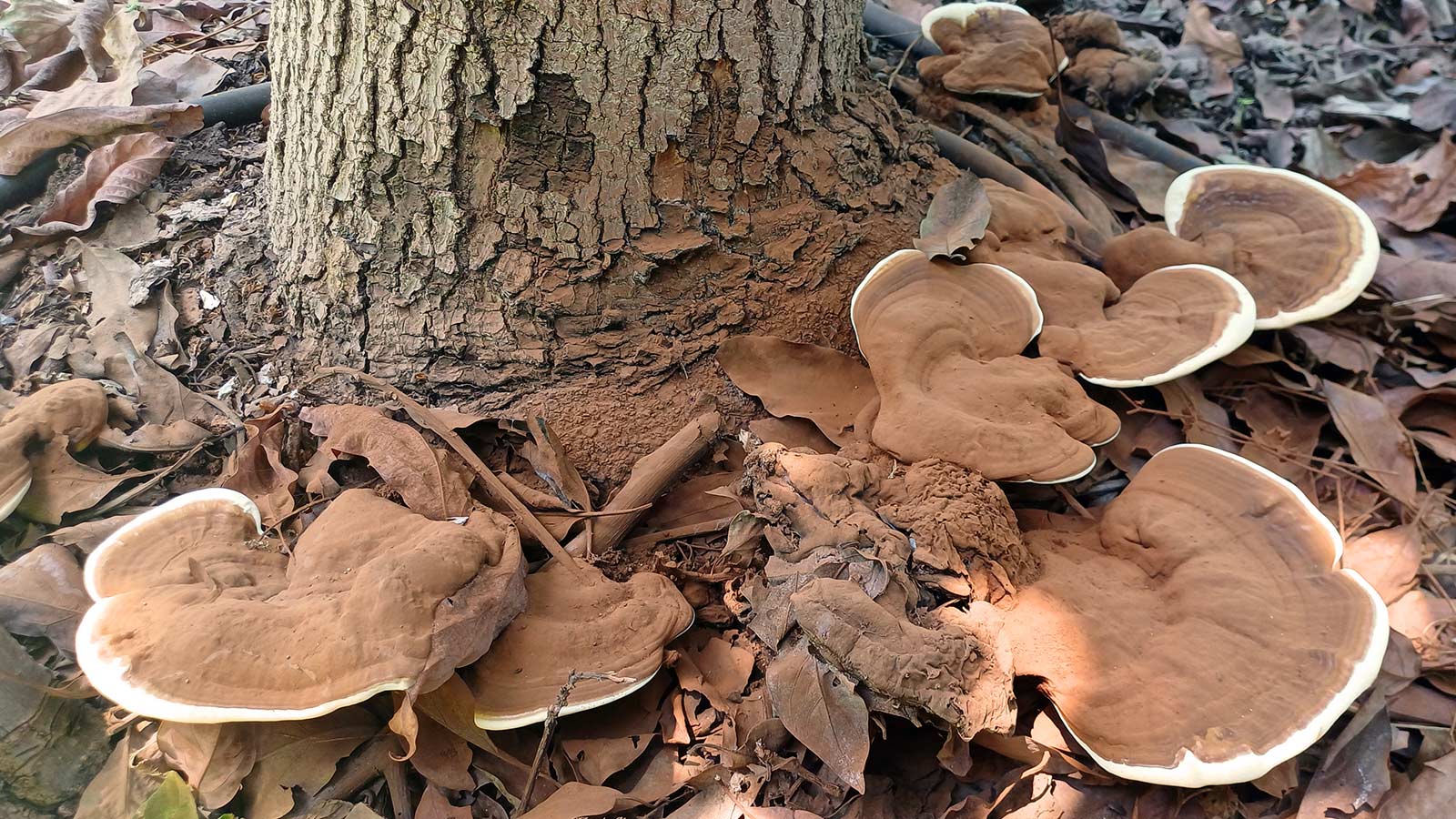
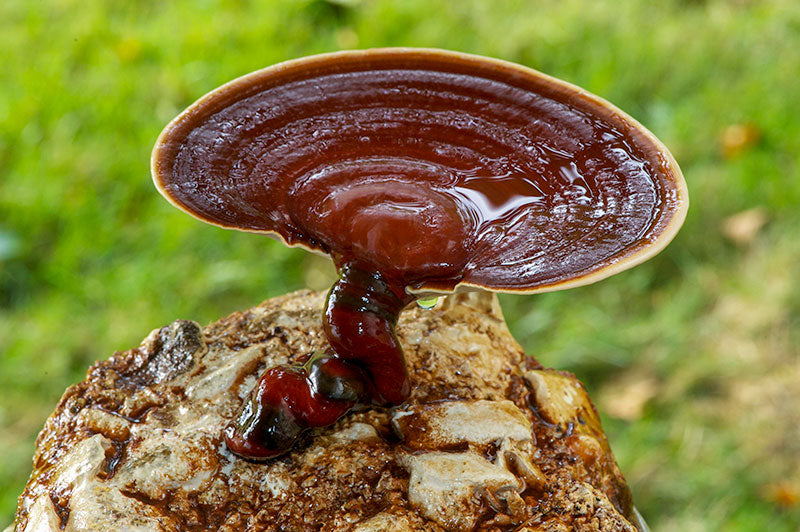
6. Reishi (ganoderma Lucidum)
Reishi is famous for its medicinal properties. It grows best on hardwood logs or sawdust blocks and can tolerate cold, though its growth slows in winter.
- Ideal temperature for fruiting: 12–26°C (54–78°F)
- Overwintering: Logs survive cold winters; new growth in spring
- Yield: 0.5–1 kg per log annually
Reishi is a long-term crop, often taking a year or more to produce, but it is hardy and rarely fails in cold climates.
7. King Stropharia (stropharia Rugosoannulata)
Also called Wine Cap mushroom, King Stropharia grows on wood chips and straw in outdoor beds. It prefers cool, moist conditions.
- Ideal temperature for fruiting: 10–24°C (50–75°F)
- Outdoor growing: Best in shaded garden beds
- Yield: 2–5 kg per square meter
Wine Cap mushrooms overwinter as mycelium and fruit when spring temperatures rise. They are robust and often naturalize in gardens.
8. Maitake (grifola Frondosa)
Known as Hen of the Woods, Maitake is a prized edible and medicinal mushroom. It grows at the base of hardwood trees, especially oak.
- Ideal temperature for fruiting: 10–20°C (50–68°F)
- Substrate: Logs, stumps, or buried wood
- Yield: 0.5–2 kg per log
Maitake needs a cold period to fruit and is slow to colonize but well suited for cold, moist climates.
9. Pioppino (agrocybe Aegerita)
Pioppino, or Black Poplar mushroom, is less cold-hardy than some others but still fruits well at cooler temperatures.
- Ideal temperature for fruiting: 10–18°C (50–64°F)
- Substrate: Hardwood logs or sawdust
- Yield: 1–2 kg per log
Pioppino prefers spring and autumn in colder regions and can handle brief frosts.
10. Turkey Tail (trametes Versicolor)
Turkey Tail is mainly grown for medicinal use. It is very hardy and grows on almost any hardwood.
- Ideal temperature for fruiting: 5–18°C (41–64°F)
- Substrate: Hardwood logs, stumps, or branches
- Yield: Variable, often 0.5–1 kg per log
Turkey Tail colonizes logs in cold, damp forests and can fruit even after snowmelt.
Key Strategies For Mushroom Growing In Cold Climates
Growing mushrooms in cold climates is not only about picking the right species. Your techniques and strategies make a huge difference. Some methods work better outdoors, others indoors, and some can be adapted for both.
Outdoor Log Cultivation
This is the most traditional and reliable method for cold-weather mushroom growing. Logs are drilled, inoculated with spawn, and left to colonize outdoors.
Best for: Shiitake, Oyster, Lion’s Mane, Nameko, Maitake, Reishi, Turkey Tail
How it works:
- Cut fresh hardwood logs (oak, beech, maple) during late winter or early spring.
- Drill holes and insert mushroom spawn (usually wooden dowels or sawdust).
- Seal with wax to protect from drying and pests.
- Stack logs in shade, off the ground, and keep moist with periodic watering.
- Overwinter outside; most species will fruit after a winter cold period.
Practical tip: For best results, use logs 10–15 cm (4–6 inches) thick and 1 meter (3 feet) long. Thinner logs colonize faster but dry out sooner.
Indoor And Semi-indoor Growing
For those who want year-round mushrooms or have very harsh winters, indoor methods are ideal. Basements, garages, or sheds can be used.
Best for: Oyster, Enoki, Pioppino, Lion’s Mane
How it works:
- Prepare pasteurized substrate (straw, sawdust, or coffee grounds).
- Fill bags or buckets with substrate and mix with spawn.
- Place in a cool, humid room (10–18°C is ideal).
- Keep humidity high (80–95%) using spray bottles or humidifiers.
Non-obvious insight: Unheated spaces that stay above freezing are often perfect, as they match the natural fruiting temperature. Too much heat is often a bigger problem than cold.
Outdoor Beds
Wood chip beds are a simple way to grow mushrooms outdoors. This method is low-maintenance and great for Wine Cap and Oysters.
How it works:
- Choose a shady spot in the garden.
- Lay down cardboard to block weeds.
- Add a 10–15 cm (4–6 inch) layer of hardwood chips or straw.
- Mix spawn into the chips.
- Water well and cover with more chips or straw.
- Beds overwinter and fruit in spring and autumn.
Tip: Place beds under deciduous trees; falling leaves provide extra food and insulation.
Cold Shock And Fruiting Triggers
Many cold-hardy mushrooms need a cold shock to start fruiting. This means exposing the colonized logs or blocks to temperatures near freezing (0–5°C) for a few days.
- For Shiitake, submerge logs in very cold water for 24 hours.
- For Enoki and Nameko, a week of cold weather or refrigeration works.
- For Oysters, a cold snap is often enough.
Beginner mistake: Skipping the cold shock step often leads to poor yields or no mushrooms at all.
Winter Protection And Insulation
While most hardy mushrooms tolerate cold, very low temperatures (below -10°C or 14°F) can damage mycelium, especially in exposed places.
- Cover logs or beds with straw, leaves, or snow to insulate against deep freezes.
- Move small blocks or bags into unheated garages or sheds during extreme cold.
- Avoid waterlogging; excess moisture plus freezing can kill mycelium.
Harvest Timing
Mushrooms grow more slowly in cold weather, so be patient. The first flush may come weeks later than expected, especially after a long winter.
- Check logs or beds weekly as soon as snow melts and temperatures rise above 5°C (41°F).
- Harvest when caps are still tight and before spore release for best quality.
Disease And Pest Management
Cold reduces most problems, but a few remain:
- Slugs can be a big problem in wet, cool weather. Use barriers or hand-pick.
- Mold and bacterial blotch are rare in the cold but can appear if there is poor air movement and high humidity indoors.
- Remove old, decaying mushrooms promptly to avoid attracting pests.
Comparing Mushroom Species For Cold Climates
To help you choose the right species, here is a comparison of key factors for the top cold-hardy mushrooms:
| Mushroom Species | Best Growing Method | Cold Tolerance | Average Yield | Fruiting Time |
|---|---|---|---|---|
| Shiitake | Hardwood logs | -10°C (14°F) | 2–5 kg/log (3 years) | Spring, Autumn |
| Oyster | Sawdust, straw, logs | -5°C (23°F) | 1–2 kg/5 kg substrate | Spring, Autumn, Indoors |
| Lion’s Mane | Logs, sawdust blocks | -10°C (14°F) | 0.5–1 kg/log | Spring, Autumn |
| Nameko | Hardwood logs | -15°C (5°F) | 1–3 kg/log | Spring, Autumn |
| Enoki | Sawdust, logs | -10°C (14°F) | 0.5–1 kg/block | Winter, Early Spring |
| Wine Cap | Wood chip beds | -5°C (23°F) | 2–5 kg/m² | Late Spring, Autumn |
This table shows that most cold-hardy mushrooms need hardwood logs or outdoor beds, and all tolerate at least mild freezes.

Credit: lykyn.com
Step-by-step: Shiitake Log Cultivation In A Cold Climate
Shiitake is one of the most popular cold-climate mushrooms. Here’s how to grow it step by step:
- Select Your Logs
- Use freshly cut hardwood (oak, beech, maple) 10–15 cm thick, 90–120 cm long.
- Cut in late winter or early spring, before leaves bud out.
- Inoculate the Logs
- Drill holes (1 cm wide, 4 cm deep) every 15 cm in a diamond pattern.
- Insert shiitake spawn dowels or sawdust, and tap them in.
- Seal and Stack
- Cover holes with cheese wax to keep out pests and moisture.
- Stack logs in a shady, moist spot, off the ground (crib or lean-to style).
- Colonization Period
- Leave logs for 6–12 months to fully colonize.
- Keep moist with occasional watering if dry.
- Cold Shock
- After the first winter, submerge logs in very cold water for 24 hours to trigger fruiting.
- Mushrooms appear 7–14 days later if conditions are right.
- Harvest
- Pick when caps are still rounded and before the gills are fully exposed.
- Logs can produce for up to 5 years with proper care.
Expert tip: Don’t expect big harvests the first year. Shiitake logs get better each year until they exhaust their food supply.
Indoor Oyster Mushroom Growing For Winter Harvest
For fresh mushrooms during the coldest months, try growing oyster mushrooms indoors.
- Prepare Substrate
- Use straw, chopped into small pieces. Pasteurize by soaking in hot water (65°C/150°F) for 1 hour.
- Drain well.
- Mix with Spawn
- Once cooled, mix 1 kg oyster spawn with 5 kg wet straw.
- Fill into plastic grow bags or buckets with holes.
- Incubation
- Place in a cool, dark room (10–18°C).
- Wait 10–21 days for mycelium to fully colonize.
- Fruiting
- Move to a space with indirect light and high humidity (spray often or use a humidifier).
- Cut holes in bags to let mushrooms grow out.
- Harvest when caps are 5–10 cm across.
- Second Flush
- After the first harvest, rest the substrate for 2 weeks, then soak and repeat.
Beginner insight: Many people overheat their indoor spaces. Oyster mushrooms fruit better in cool rooms, not warm ones.
Managing Moisture And Humidity In Cold Climates
Moisture is essential for mushroom growth, but cold air holds less water. This means you must pay close attention to humidity, especially indoors or during dry, cold winds.
- For logs outdoors, natural rainfall is usually enough. In dry winters, water logs with warm water on mild days.
- For indoor grows, use spray bottles, trays of water, or simple humidifiers to keep air moist.
- Warning: Avoid direct misting on mushroom caps, which can cause bacterial blotch.
Unexpected tip: Snow acts as a natural insulator and moisture source for outdoor logs. Don’t remove snow unless a deep freeze is coming.
Advanced Strategies For Consistent Yields
If you want to grow mushrooms commercially or just want reliable harvests, consider these advanced strategies:
Staggered Log Inoculation
Instead of inoculating all logs at once, do several small batches over weeks or months. This spreads out the harvest and protects against loss from weather or pests.
Layered Outdoor Beds
Mix multiple species in the same wood chip bed—Wine Cap on top, Oyster or Nameko below. Each will fruit at a different time and depth, maximizing your space.
Backup Indoor Cultures
Start a small number of sawdust blocks indoors as insurance. If outdoor logs fail due to an extreme winter, you still have a crop.
Using Microclimates
Find spots in your yard that stay warmer in winter (near south-facing walls or under evergreen trees). Move logs or beds here in late autumn for earlier fruiting.
Common Mistakes To Avoid
Many cold-climate mushroom projects fail because of a few simple mistakes:
- Using the wrong wood: Softwoods (pine, fir) do not work well for most mushrooms. Always use hardwoods.
- Poor moisture management: Letting logs dry out kills the mycelium. Water logs during dry spells, even in winter.
- Skipping the cold shock: Many mushrooms need a period of cold to trigger fruiting.
- Inadequate shade: Logs or beds in full sun dry out and overheat, even in cold weather.
- Harvesting too late: Overripe mushrooms are tough and lose flavor quickly, especially in cold, damp conditions.
Economic Potential And Community Impact
Mushroom growing can be a valuable addition to farms or small businesses in cold regions. In northern Europe, Canada, and parts of the US, specialty mushrooms like Shiitake and Lion’s Mane command high prices at markets—often $10–20 per kg. Local production also means fresher mushrooms, lower transport costs, and less reliance on imports.
Community mushroom projects can use waste wood from forestry or city tree removal, turning a local problem into a healthy food or a small income. Schools and community gardens often find mushrooms an easy, educational crop that works even in short growing seasons.
Credit: www.leaflimb.com
Comparing Outdoor Vs. Indoor Methods In Cold Climates
Here’s a comparison of the main differences between outdoor and indoor growing in cold climates:
| Aspect | Outdoor (Logs/Beds) | Indoor (Bags/Blocks) |
|---|---|---|
| Setup Cost | Low (if wood is free) | Medium (substrate, bags, space) |
| Labor Required | Low after setup | Higher (frequent care needed) |
| Yield per Season | High, but seasonal | Lower per batch, but year-round |
| Resilience to Weather | High (logs overwinter well) | Depends on indoor temperature control |
| Pest/Disease Risk | Low in cold, but some slugs | Higher risk of mold if not ventilated |
| Best Species | Shiitake, Wine Cap, Nameko | Oyster, Enoki, Lion’s Mane |
This highlights that both methods have their place. Outdoor logs are low-maintenance and high-yield but seasonal, while indoor grows offer year-round harvests with more work.
Real-world Example: Success Story From Finland
A small farm in central Finland, where winter temperatures drop below -20°C (-4°F), has been growing Shiitake, Oyster, and Lion’s Mane on birch logs for over five years. By stacking logs in a north-facing forest edge and covering them with spruce branches in winter, they lose almost no logs to cold damage.
Their main harvest comes in May and September, with extra indoor oyster blocks providing mushrooms during the long winter.
This kind of project shows that with the right planning and species choice, even the coldest climates can produce a reliable mushroom crop. The farm now sells fresh mushrooms at local markets and to nearby restaurants, and teaches workshops for others who want to try.
Credit: fungi.com
Where To Find Spawn And Supplies
For cold-climate mushroom growing, quality spawn is vital. Look for suppliers that specialize in cold-hardy strains. Many offer spawn suited for outdoor log culture or indoor growing. Always ask for advice about which strains perform best in your specific region.
For more detailed information on mushroom species, growing methods, and spawn suppliers, the Wikipedia article on mushroom cultivation offers an excellent resource.
Practical Tips For Cold-climate Success
- Use hardwood logs cut in late winter for the best results.
- Stack logs off the ground to prevent rot and pest attacks.
- Try multiple species to see which works best in your microclimate.
- Practice patience—mushrooms grow slower in the cold, but often with better taste and texture.
- Involve your community: Sharing logs, spawn, and knowledge increases your chances of success.
Frequently Asked Questions
What Mushroom Species Are Easiest To Grow Outdoors In Cold Climates?
Shiitake, Oyster, and Wine Cap mushrooms are the easiest for beginners. They tolerate cold, grow on common wood types, and have simple care needs.
How Do I Protect Mushroom Logs From Freezing Temperatures?
Cover logs with straw, leaves, or snow during very cold weather. Move smaller logs or blocks into unheated garages or sheds if temperatures drop below -15°C (5°F).
Can I Grow Mushrooms Indoors During Winter?
Yes, Oyster, Enoki, and Lion’s Mane mushrooms grow well indoors on sawdust or straw blocks. Keep the room cool (10–18°C) and humidity high.
How Long Does It Take To Harvest Mushrooms After Inoculating Logs?
Most mushrooms need 6–12 months to colonize logs before the first harvest. After that, they fruit every spring and autumn for 2–5 years.
Is It Profitable To Grow Mushrooms In Cold Climates?
Yes, with the right species and good management, you can sell fresh or dried mushrooms at farmers’ markets or to restaurants. Specialty varieties like Shiitake and Lion’s Mane are especially valuable.
Growing mushrooms in cold climates is both rewarding and practical. With the right species and methods, you can enjoy fresh, healthy mushrooms even in the coldest regions. Whether you are feeding your family or building a small business, the strategies above will help you succeed.