
Growing mushrooms at home or on a farm is more popular than ever. These fascinating fungi offer food, medicine, and even soil improvement. But if you want to succeed, you must match the mushroom species to your local climate. Many beginners buy spawn or kits without considering this, leading to poor harvests or total failure. Choosing the right mushroom for your environment is the most important decision you’ll make.
Different mushrooms thrive in different temperatures, humidity levels, and even day lengths. Some love cool, moist air. Others need heat and a dry spell. Your choice should not be based only on what looks interesting or what you want to eat.
Instead, it should start with a careful look at your climate, growing space, and goals. In this guide, you’ll learn how to make a smart decision and avoid common mistakes that waste time, money, and effort.
Why Climate Matters For Mushrooms
Mushrooms are not like plants. They don’t have roots or leaves, and they don’t make food from sunlight. Instead, they use a network called mycelium to absorb nutrients from their environment. This makes them sensitive to temperature, humidity, and air quality. If these conditions are not right, mushrooms won’t grow well. Some won’t grow at all.
For example, shiitake mushrooms fruit best at 10–24°C (50–75°F) with high humidity. Oyster mushrooms can tolerate a wider range, but some types like it cool, and others prefer warmth. Trying to grow a species outside its comfort zone often leads to mold, contamination, or no mushrooms at all.
Climate also affects the risk of pests and disease. Warm, humid places can encourage both mushrooms and harmful molds. Cold, dry areas may slow mushroom growth or stop it completely. Matching your mushroom to your climate means you’ll have fewer problems and a better harvest.
Understanding Your Local Climate
Before you pick a mushroom, you need to know your climate. This means more than just whether you live in a hot or cold place. Focus on:
- Average temperature through the year
- Humidity levels (especially during the growing season)
- Season length (how long it stays warm or cool)
- Rainfall patterns
- Frost dates (last spring and first fall frost)
You can find this information on weather websites, local agricultural extensions, or by keeping a log for a year. Note that indoor growing gives you more control, but outdoor beds, logs, or gardens are at the mercy of the weather.
Example: Climate Data Table
Here’s how a few climates compare, showing average temperature and humidity:
| Location | Average Summer Temp (°C) | Average Winter Temp (°C) | Average Humidity (%) | Main Rainfall Season |
|---|---|---|---|---|
| New York, USA | 24 | 1 | 60 | Spring/Summer |
| Bangkok, Thailand | 30 | 26 | 75 | Summer |
| Berlin, Germany | 19 | 1 | 65 | Year-round |
| Melbourne, Australia | 20 | 9 | 60 | Winter |
This table helps you see that a mushroom that loves heat and humidity will do well in Bangkok but may struggle outdoors in Berlin or Melbourne.
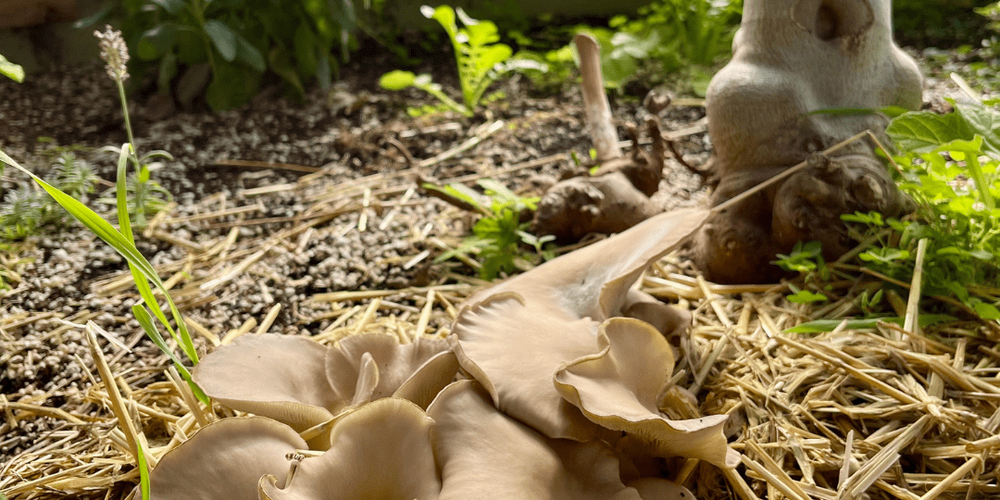
Credit: growingspaces.com
Key Factors When Choosing A Mushroom Species
It’s tempting to focus only on what you want to grow or eat. But success comes from matching the mushroom’s needs to your local environment. Here are the main points you must consider:
1. Temperature Range
Every mushroom has a fruiting temperature range. For example, Lion’s Mane likes 15–24°C (59–75°F), while Pink Oyster prefers 18–30°C (64–86°F). You need to match the mushroom’s range to the temperatures you can provide.
2. Humidity Needs
Most mushrooms need high humidity, often 80–95%, during fruiting. If your climate is very dry, you’ll need extra effort to keep air moist. Some mushrooms, like Shiitake, tolerate slightly lower humidity, but most won’t fruit without a moist environment.
3. Light And Airflow
Mushrooms need indirect light, not full sun. Too much sunlight can dry them out. Good airflow prevents mold and helps mushrooms form properly. If your climate is very still or humid, you may need fans or vents.
4. Growing Method
Some mushrooms are best for logs, others for straw, wood chips, or sawdust. Outdoor logs are affected by weather, while indoor bags give more control. Your climate may limit your options. For example, log-grown mushrooms need enough rain and cool weather.
5. Season Length
If your warm or cool season is short, pick a fast-fruiting mushroom or one that can fruit at lower or higher temperatures. This avoids disappointment if weather changes before your crop is ready.
6. Disease And Pest Pressure
Hot, humid climates can mean more pests and contamination. Some mushrooms, like Oyster, grow fast and out-compete molds. Others, like Morel, need very clean conditions.
Non-obvious insight: Don’t just check the average temperature. Sudden heatwaves or cold snaps can ruin a crop. Choose species with a range that matches both your daytime and nighttime temperatures.
Popular Mushroom Species And Their Climate Needs
Below, you’ll find details on common and specialty mushrooms, with their preferred climate, growing methods, and best uses. This will help you match species to your area.
1. Oyster Mushrooms (pleurotus Spp.)
Oyster mushrooms are among the easiest to grow. They come in several types:
- Blue Oyster: Best for cool climates (10–18°C)
- Pink Oyster: Warm climates (18–30°C)
- Golden Oyster: Likes warm, humid air
They grow on straw, sawdust, or logs. Indoors or outdoors, they’re fast and forgiving. If your climate is variable, try different varieties.
2. Shiitake (lentinula Edodes)
Shiitake grows best at 10–24°C, with high humidity. It’s ideal for places with cool, wet springs and falls. Shiitake does well on hardwood logs (oak, beech). If you have consistent rainfall and mild weather, shiitake is a top choice.
3. Lion’s Mane (hericium Erinaceus)
Lion’s Mane needs 15–24°C and high humidity. It prefers shade, indirect light, and good airflow. Lion’s Mane is sensitive to dry air, so it’s best indoors or in mild climates with regular rain. It grows on hardwood sawdust or logs.
4. Button, Cremini, And Portobello (agaricus Bisporus)
These are the classic white, brown, and large brown mushrooms you see in stores. They grow best at 12–21°C with high humidity and need a compost-based substrate. Outdoors, they do well in cool, moist climates. Indoors, temperature control is key.
5. Enoki (flammulina Velutipes)
Enoki needs very cool temperatures—ideally 10–15°C. It does best in cool, humid climates or refrigerated indoor spaces. Enoki is sensitive to light and prefers low-light conditions.
6. Maitake (grifola Frondosa)
Maitake, or Hen-of-the-Woods, likes 12–22°C, high humidity, and hardwood logs or stumps. It’s slow-growing and prefers cool, wet seasons. Maitake is best for patient growers in temperate climates.
7. King Oyster (pleurotus Eryngii)
King Oyster tolerates a wider temperature range (10–24°C). It needs high humidity and does best on sawdust indoors. Outdoors, it prefers cool to mild climates. It’s less forgiving of dry air than other oysters.
8. Morel (morchella Spp.)
Morels are famous but tricky. They fruit in spring when soil warms to 10–15°C after cold winters. They like moist, well-drained soil and need cool, wet springs. Morels are best for temperate climates with a clear winter season.
9. Wine Cap (stropharia Rugosoannulata)
Wine Cap mushrooms love 10–25°C and tolerate some dryness. They grow on wood chips outdoors, making them great for garden beds and paths. Wine Cap works well in cool and mild climates.
10. Reishi (ganoderma Lucidum)
Reishi is a medicinal mushroom for warm, humid climates (18–30°C). It needs hardwood logs or sawdust. Reishi is slow-growing and sensitive to dry air. Best grown indoors in temperate zones or outdoors in subtropical areas.
Matching Mushrooms To Your Climate: Practical Guide
Let’s put the theory into practice. Here’s how to narrow down your choices.
Step 1: Gather Your Local Climate Data
- Find your average high and low temperatures for each month.
- Check average humidity, especially during growing season.
- Note your frost-free period (outdoor growers).
Step 2: Decide Where You’ll Grow
- Indoors: You control temperature and humidity. More options.
- Outdoors: You rely on the weather. Match species carefully.
Step 3: Identify Mushrooms That Fit
Refer to this climate/species match table for guidance:
| Climate Type | Best Mushrooms | Growing Method |
|---|---|---|
| Cool Temperate (long cool spring/fall) | Shiitake, Blue Oyster, Lion’s Mane, Maitake | Logs, sawdust, outdoor beds |
| Warm Temperate (mild winters, hot summers) | Pink Oyster, King Oyster, Wine Cap, Reishi | Sawdust bags, wood chips |
| Tropical/Subtropical (hot, humid year-round) | Pink Oyster, Golden Oyster, Reishi | Sawdust, logs (indoors for control) |
| Continental (cold winters, hot summers) | Morel, Shiitake (spring/fall), Wine Cap | Outdoor logs, beds (seasonal) |
| Dry/Arid (low humidity) | Wine Cap (with irrigation), King Oyster (indoors) | Outdoor with mulch, indoor with humidifier |
Insight: Many new growers overlook the effect of heat at night. Some mushrooms need a drop in temperature to trigger fruiting. If your nights stay warm, avoid mushrooms that require a cool shock.
Step 4: Check Your Substrate Options
Some climates have easy access to hardwood logs (shiitake, maitake), while others offer agricultural waste like straw (oyster, king oyster). Pick species suited to what you can source cheaply and easily.
Step 5: Consider Your Commitment Level
Fast-fruiting mushrooms like oysters reward beginners quickly. Slow mushrooms like reishi and maitake need patience—sometimes a year or more before the first harvest.
Real-world Examples
Example 1: Cool, Humid Climate
You live in the Pacific Northwest (USA). Summers are cool, winters are wet, and humidity is high. Best choices: Shiitake on logs, blue oyster on straw, or lion’s mane indoors. Avoid pink oyster—it needs more heat.
Example 2: Hot, Dry Climate
You live in central Spain. Summers are hot and dry, winters are mild. Best choices: King oyster indoors (with a humidifier), wine cap outdoors (with lots of mulch and watering). Pink oyster only if you can keep air moist.
Example 3: Tropical Climate
You live in southern India. It’s hot and humid most of the year. Best choices: Pink oyster, golden oyster, and reishi. All grow well outdoors or under shade. Avoid shiitake or morel—they need a cold period.
Common Mistakes To Avoid
Many growers fail not because they lack effort, but because they choose the wrong mushroom for their environment. Here are the mistakes you should avoid:
- Ignoring humidity needs. Low humidity kills most mushrooms. If your air is dry, invest in a humidifier or misting system.
- Choosing based on popularity, not climate fit. Just because shiitake is famous doesn’t mean it fits your weather.
- Underestimating pests and contamination. Hot, humid weather encourages mold. Fast-growing oysters can out-compete them; slow mushrooms often fail.
- Not adjusting for microclimates. Your garden’s shady corner may be cooler and moister than the rest. Use it for mushrooms that need protection.
- Forgetting about substrate availability. If hardwood logs are rare in your area, oysters on straw are a better choice.
Non-obvious insight: Some mushrooms fruit in response to a change in conditions (like a drop in temperature or a soaking rain). If your climate is stable, you may need to simulate this “shock” indoors.
The Role Of Microclimates
Even within your yard or property, conditions can vary. North-facing walls, shaded areas, or damp low spots may stay cooler and moister. These microclimates are valuable for mushrooms that need special conditions.
For example, logs stacked under a tree will stay cooler than those in open sun. A shaded greenhouse can hold humidity better than outdoors. Taking advantage of microclimates lets you push the limits of what you can grow.
Indoor Vs. Outdoor Growing: Making The Right Choice
Growing mushrooms indoors gives you control over temperature, humidity, and light. This means you can grow species that wouldn’t survive outdoors in your climate. However, indoor growing needs equipment: humidifiers, fans, and sometimes air filters.
Outdoor growing is cheaper and uses natural resources. But you’re at the mercy of weather, pests, and contamination. Choose outdoor growing for hardy species (wine cap, oyster, shiitake on logs), and indoor for sensitive or slow species (enoki, lion’s mane, reishi).
Tip: Many growers do both—oysters outside in spring/fall, and more delicate mushrooms inside year-round.
How To Adjust Your Growing Environment
Sometimes, you can “bend the rules” and grow mushrooms outside their preferred climate by changing their environment. Here’s how:
For Dry Climates
- Mulch beds thickly to hold water
- Mist logs or beds daily during fruiting
- Use shade cloth to reduce evaporation
For Hot Climates
- Grow in shaded areas or under trees
- Water in the evening to cool the air
- Use indoor setups for sensitive species
For Cold Climates
- Start mushrooms indoors, move outside after frost
- Use heated greenhouses for winter crops
- Choose species that fruit in cool weather (shiitake, blue oyster)
For Variable Climates
- Use hoop houses or tunnels to buffer weather swings
- Pick mushrooms with wide temperature ranges (oyster, king oyster)
- Time your growing cycles to match the best weather
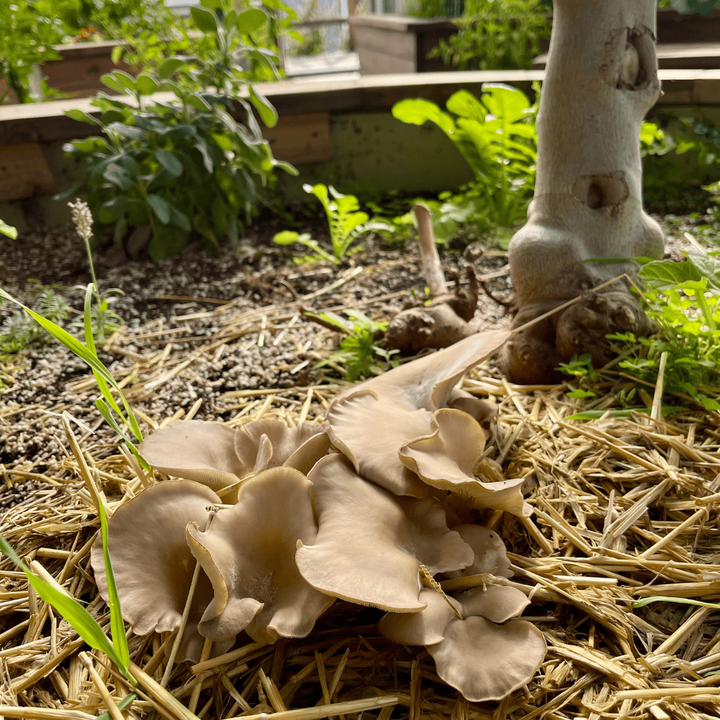
Credit: growingspaces.com
Selecting Mushroom Varieties Within A Species
Not all oyster mushrooms are the same, and not all shiitake are equal. Within each species, there are strains bred for different climates. For example:
- Oyster mushrooms: Blue for cold, pink for heat, pearl for mild.
- Shiitake: “Warm weather” strains fruit at 18–24°C, “cold weather” strains at 10–16°C.
- Lion’s Mane: Some strains need cool nights, others tolerate warmth.
When buying spawn, ask for varieties matched to your climate. This small detail often makes the difference between a full harvest and none at all.
What If Your Climate Is Challenging?
If you live in an extreme climate—very dry, hot, or cold—you can still grow mushrooms, but you need to be creative:
- Use indoor setups with climate control for sensitive mushrooms.
- Choose hardy species like oyster or wine cap for outdoors.
- Grow in spring or fall, avoiding the harshest weather.
- Try micro-growing: Small containers in shaded balconies, garages, or basements.
Many successful mushroom growers started with small, controlled projects before expanding.
Cost And Effort: What To Expect
Different mushrooms need different investments:
- Oyster and wine cap: Low cost, fast returns, low maintenance.
- Shiitake on logs: Medium cost, slow returns (6–12 months), low maintenance after setup.
- Reishi, maitake, enoki: High cost (indoor), slow returns, high maintenance.
Data point: In the USA, a beginner can grow 2–5 kg (4–11 lbs) of oyster mushrooms per square meter per month indoors, with proper climate control.
If you want a quick crop with little risk, start with oyster or wine cap. If you want a specialty crop and can wait, try shiitake or lion’s mane.
Sustainability And The Environment
Choosing a mushroom that matches your local climate is not just easier—it’s also better for the environment. You use less energy, less water, and fewer chemicals. Mushrooms grown outdoors on local materials (logs, straw, wood chips) have a very low carbon footprint.
Example: In Japan, shiitake grown on local oak logs is a centuries-old practice, using only rainwater and shade.

Credit: www.amazon.com
Where To Get Reliable Information
Many beginners rely on online forums or sellers for advice. While helpful, always check official sources for your climate and mushroom species. Agricultural extensions, mushroom grower associations, and scientific publications are more reliable.
For a deep dive into species and climate matching, see the information at Wikipedia: Cultivated Mushroom.
Frequently Asked Questions
What Is The Easiest Mushroom To Grow For Beginners?
Oyster mushrooms are the easiest for most climates. They grow fast, tolerate mistakes, and need less care than others. Pink, blue, and pearl oyster each suit different temperatures.
Can I Grow Mushrooms In A Hot Climate?
Yes. Choose pink oyster, golden oyster, or reishi. Use shade and water to keep humidity up. For indoor growing, air conditioning helps with temperature control.
Do I Need Special Equipment To Grow Mushrooms Indoors?
You need at least a humidifier and a way to keep the temperature steady. A plastic tent or greenhouse is helpful. For some species, fans and air filters improve results.
How Do I Know If My Climate Is Too Dry For Mushrooms?
If your average humidity is below 60% and you see fast drying after watering, it’s dry for mushrooms. You’ll need to add humidity—mist often or use a humidifier.
Can I Grow More Than One Mushroom At The Same Time?
Yes, but only if their climate needs are similar. For example, blue oyster and shiitake like cool, moist air. Pink oyster and golden oyster like it warmer. Mixing very different species usually reduces yields.
Growing mushrooms that match your climate brings reliable harvests, lower costs, and less stress. Take the time to study your local conditions and choose wisely. The right mushroom for your area means a better chance of success—and a richer experience with these amazing organisms.