
Maitake Hen Of The Woods: Foraging Tips And Identification Guide
Walking through a quiet forest in autumn, you might spot a large, ruffled mushroom growing at the base of an oak tree. This is likely the Maitake, also known as Hen of the Woods. Foraging for maitake is both exciting and rewarding, but only if you know what you’re looking for. Finding and identifying this mushroom correctly is essential—not just for your safety, but for the enjoyment of its incredible flavor and health benefits.
This guide will give you everything you need to know about foraging for maitake. You’ll learn how to identify it, where to find it, when to go, and how to harvest it responsibly. Whether you’re a beginner or have some experience in mushroom foraging, you’ll discover practical insights that will help you find and enjoy this amazing wild food.
What Is Maitake (hen Of The Woods)?
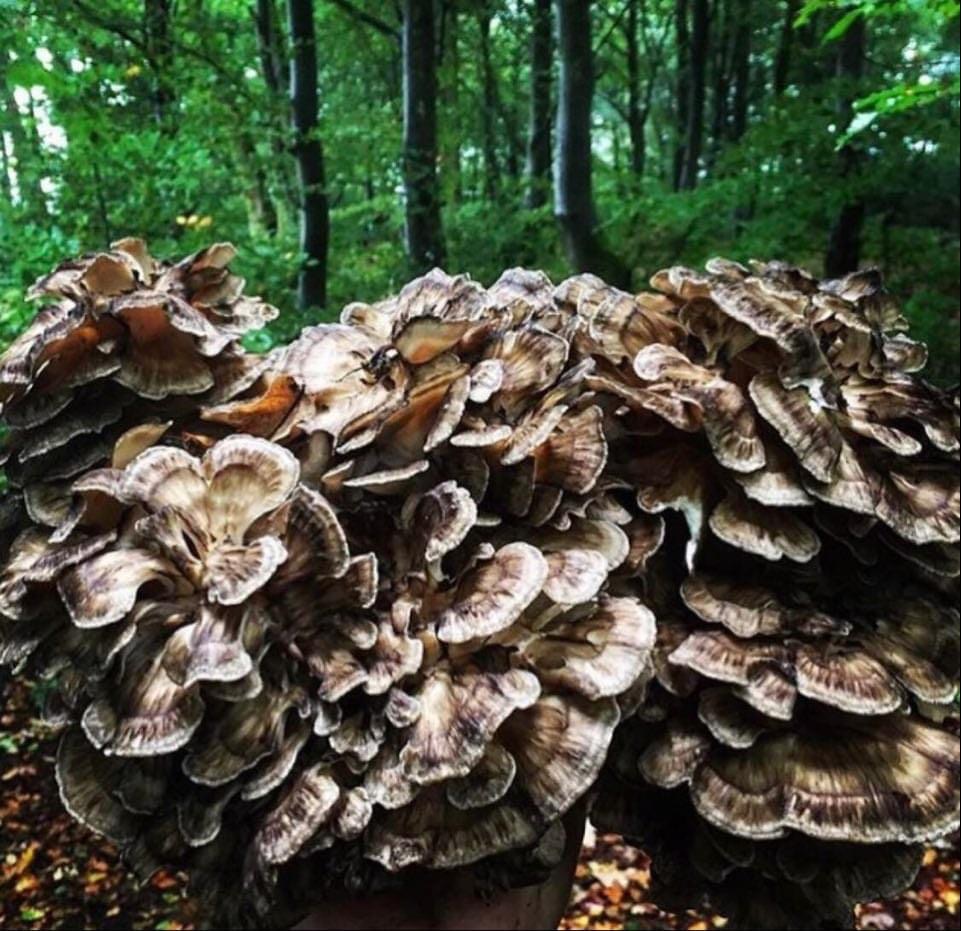
The maitake mushroom, or Grifola frondosa, is a large polypore fungus that grows at the base of trees, mainly oaks. Its name means “dancing mushroom” in Japanese, because people would dance with joy upon finding it. The English name, Hen of the Woods, comes from its appearance. The mushroom’s many grayish-brown fronds look like the fluffed feathers of a nesting hen.
Maitake is highly valued for its taste and texture. Chefs love it for its rich, earthy flavor and delicate, meaty structure. In addition to its culinary uses, maitake has a long history in traditional medicine. Studies show it contains beta-glucans, compounds that may support your immune system, help regulate blood sugar, and offer other health benefits.
Maitake Vs. Similar Mushrooms: Key Differences
Correct identification is crucial. Some mushrooms look similar but are not edible. Here’s a side-by-side comparison to help you recognize true maitake.
| Feature | Maitake (Hen of the Woods) | Black-Staining Polypore | Berkeley’s Polypore |
|---|---|---|---|
| Color | Gray to brown, sometimes tan | Beige to brown, black stains when bruised | Pale yellow to tan |
| Shape | Ruffled, feathery, many small caps | Layered, thick, fan-shaped caps | Large, thick, smooth, few big caps |
| Texture | Soft, tender, flexible | Firm, tough, sometimes rubbery | Thick, tough, sometimes woody |
| Growth Habit | Clustered at tree base | Clustered, often on logs or at base | Massive clusters, sometimes higher on trunk |
| Edibility | Choice edible | Edible, less desirable | Edible, but tough |
Non-obvious insight: Maitake fronds are thin and easily torn by hand, while Berkeley’s polypore is thick and rubbery. Also, maitake’s aroma is pleasant and mushroomy, not sour or chemical.
Where And When To Forage For Maitake
Best Habitat
Maitake prefers temperate, hardwood forests. Look for:
- Oak trees (especially mature, old oaks)
- Sometimes maple, chestnut, or elm
- Moist, shaded areas with rich soil
- The base of living trees, stumps, or nearby roots
It rarely grows on conifers. The best chance is in forests that have not been heavily disturbed.
Season And Timing
Maitake is a late summer to autumn mushroom. In North America and Europe:
- Prime season: September to November
- Sometimes starts as early as late August in warmer areas
- After the first cool rains but before heavy frost
Pro tip: Maitake often grows in the same spot year after year. Mark your finds with GPS or a map, and revisit them each season.
Maitake Identification: Detailed Step-by-step
1. Check The Growth Location
Maitake grows almost exclusively at the base of hardwood trees, especially oaks. It emerges from the ground or from buried wood, not directly from logs or high up on trunks.
2. Examine The Cluster
A mature maitake looks like a large, layered bouquet. Each cluster can weigh several pounds—sometimes up to 50 pounds! The whole mushroom is made of many small, overlapping fronds or “caps,” each 2–7 cm wide.
3. Inspect Fronds
- Color: Gray-brown to tan, sometimes with a silvery edge
- Shape: Spoon- or fan-shaped, curled edges
- Texture: Thin, soft, flexible; easily torn
4. Look Underneath
The underside is white with tiny pores, not gills. These pores release spores. The fronds are attached to a single, thick, branched stem.
5. Smell And Feel
Maitake has a fresh, earthy, mushroom scent. The flesh should be moist and tender, not dry or woody.
6. Spore Print
If you’re unsure, take a spore print:
- Cut a frond and place it, pore-side down, on a sheet of white paper.
- Leave for 2–4 hours.
- Maitake spore print is white.
7. Avoid Lookalikes
Berkeley’s polypore is pale and much thicker. Black-staining polypore stains black when bruised. If you see black streaks, it’s not maitake.
Hidden tip: Young maitake can look like a gray brain or a “fluffy” lump before the fronds open. Don’t pick too early; wait until the fronds are well separated.
Tools And Gear For Maitake Foraging
You don’t need much, but the right tools make foraging easier and more respectful to the environment.
- Sharp knife: For cleanly cutting the mushroom at the base.
- Basket or mesh bag: To carry your finds and let spores spread as you walk.
- Field guide: For double-checking identification.
- Notebook or phone: To mark locations for future visits.
- Brush or cloth: For removing dirt and debris in the field.
Smart tip: Always wear sturdy shoes and dress for the weather. Carry water and a snack; foraging can take hours.
Responsible And Safe Harvesting
Harvesting maitake is about more than just picking mushrooms. It’s about respecting the forest and ensuring future harvests.
- Leave the base: Cut maitake above the ground so the underground part (mycelium) can grow again.
- Take only what you’ll use: Leave some behind for animals, spores, and other foragers.
- Don’t overharvest: If you find a huge cluster, consider sharing your spot with a friend or taking just a portion.
- Check local rules: Some parks and forests have regulations about foraging. Always follow them.
Less obvious mistake: Don’t pull maitake out by the roots. This damages the mycelium and can stop future growth.
Preparing And Storing Maitake
After harvesting, maitake needs proper handling to stay fresh and safe to eat.
Cleaning
- Brush off dirt with a soft brush or damp cloth.
- Cut off tough stem ends.
- Separate fronds to check for insects or debris.
Don’t soak maitake in water. It absorbs liquid and becomes soggy.
Storage
- Refrigerate: Store in a paper bag in the fridge. It stays fresh for up to a week.
- Freeze: For long-term storage, sauté maitake first, then freeze.
- Dry: Slice thinly and use a dehydrator or low oven. Dried maitake keeps for months.
Cooking
Maitake is versatile. Sauté it with butter and garlic, add to soups, or roast in the oven. Its flavor deepens with cooking.
Quick warning: Never eat wild mushrooms raw. Cook maitake well to destroy any bacteria or insects.
Maitake Nutrition And Health Benefits
Maitake is more than just delicious. It’s a nutritional powerhouse, rich in:
- B vitamins (B2, B3, B5)
- Copper, potassium, phosphorus
- Fiber and antioxidants
- Beta-glucans, unique polysaccharides with health benefits
Health Research
Studies show maitake can:
- Support immune health
- Help regulate blood sugar
- Lower cholesterol in some cases
Some research is early-stage, but maitake is widely used in traditional medicine and as a supplement. For more information, see the research summary at the Grifola frondosa Wikipedia page.
Key fact: Maitake is low in calories—about 31 kcal per 100 grams—making it a healthy addition to many diets.
Common Mistakes And How To Avoid Them
Mistakes in foraging can lead to disappointment or even danger. Here’s how to avoid them:
- Misidentification: Don’t assume a mushroom is maitake just because it’s at a tree base. Always check all features—color, fronds, pores, and smell.
- Harvesting too early: Young maitake can be tough or flavorless. Wait until the fronds are well separated and the mushroom is at least the size of a grapefruit.
- Forgetting the spot: Maitake grows in the same place year after year. Record locations, or you’ll miss future harvests.
- Using plastic bags: Plastic causes maitake to sweat and spoil. Use a basket or mesh bag.
- Leaving a mess: Don’t leave debris or cut stems behind. Clean up as you go to protect the environment.
Surprising insight: Maitake clusters can regrow several times in one season if harvested gently. Don’t destroy the base.
Advanced Maitake Foraging Tips
Experienced foragers use subtle signs to find more maitake.
Reading The Forest
- Old oaks: The bigger and older the tree, the more likely you’ll find maitake.
- Slight mounds: Look for raised ground near tree bases; this can hide buried wood where maitake grows.
- Moisture after rain: Check 3–7 days after a good rain, when temperatures are cool.
Maximizing Your Harvest
- Visit multiple times during the season. A tree might produce new clusters weeks apart.
- Team up with friends to cover more ground.
- Use a map or GPS to record productive spots.
Weather Patterns
Maitake loves consistent moisture and cool nights. Dry, hot spells reduce chances, while a rainy week can trigger big flushes.
Expert’s tip: Walk slowly and scan at the base of trees. Maitake blends in with leaf litter and is easy to miss.
Maitake In Culture And Cuisine
Maitake is prized in Japanese, Chinese, and Western cooking. Its flavor is deep and meaty, making it a favorite among vegetarians and chefs.
In The Kitchen
- Grilled: Brings out smoky notes.
- Soups and stews: Adds richness and umami.
- Tempura: Lightly battered and fried for a crispy treat.
Maitake can replace meat in many recipes due to its texture and flavor.
Traditional Uses
In Japan and China, maitake is used not just for food but also for its health properties. It’s made into teas, powders, and supplements.
Culinary secret: The tender edges of maitake are best for quick cooking, while thicker parts can be diced and simmered.
How To Grow Maitake At Home
While wild maitake is unmatched, you can try cultivating it.
Growing Kits
Some companies sell maitake kits. These usually contain a block of inoculated substrate and instructions. Place the kit in a cool, moist spot and mist regularly.
Outdoor Logs
Advanced growers can inoculate oak logs with maitake spawn. This takes patience—sometimes a year or more—but can produce large clusters.
| Method | Difficulty | Time to Harvest | Yield |
|---|---|---|---|
| Indoor Kit | Easy | 3-6 months | 1-2 lbs per kit |
| Outdoor Log | Intermediate | 12-24 months | 10-20 lbs per log (lifetime) |
Insider tip: Maitake is slow to colonize. Be patient and keep conditions moist but not soggy.
Safety And Poisoning: What To Watch For
Maitake is safe if properly identified and cooked. However, mistakes can be serious.
- Never eat unidentified mushrooms.
- Don’t trust apps alone: Use field guides and, if possible, consult with experienced foragers.
- Start small: Some people have mild reactions to new mushrooms. Eat a small portion the first time.
Symptoms Of Poisoning
If you eat a misidentified mushroom:
- Nausea, vomiting, cramps
- Diarrhea
- Sweating or confusion
Seek medical help immediately if symptoms appear.
Real-world advice: When in doubt, throw it out. No wild mushroom is worth the risk.
Foraging With Others: Community And Learning
Foraging is safer and more enjoyable with others. Join a local mycological society or foraging group. You’ll learn from experienced people, share spots, and avoid dangerous mistakes.
- Group forays: Organized walks with experts.
- Mushroom festivals: Great for seeing many species side-by-side.
- Online communities: Share photos and get IDs, but always confirm in person.
Unexpected benefit: Foraging with a group can help you find maitake in places you’d never search alone.
Credit: gallowaywildfoods.com
Environmental Impact And Conservation
Maitake foraging, when done responsibly, has a low impact on forests. Still, it’s important to:
- Follow local laws and guidelines.
- Never strip an area of all mushrooms.
- Avoid damaging tree roots or soil.
Conservation Status
Maitake is not endangered, but habitat loss and overharvesting can threaten local populations. Responsible foraging ensures mushrooms for future generations.
Pro tip: Leave some mushrooms behind to release spores and continue the life cycle.
Field Notes: Real Examples Of Maitake Foraging
Let’s look at how successful foragers find maitake.
Example 1: The Old Oak Stand
A seasoned forager in Pennsylvania marks GPS coordinates for a grove of 100-year-old oaks. Every September, after a week of rain, he checks the bases for the first gray fronds. One year, he finds a cluster weighing 20 lbs. He takes half, returns a week later, and finds a new flush.
Example 2: The City Park Surprise
A beginner in Tokyo finds maitake growing near a walking path under an ancient cherry tree. She checks the mushroom’s fronds, pores, and smell, then confirms with a field guide. She shares her find with her local mushroom club.
Example 3: The Missed Opportunity
A forager in the Midwest finds a “fluffy brown lump” but picks it too early. The mushroom is tough and bland. The next year, he waits until the fronds open wide and discovers a flavorful, tender maitake.
Takeaway: Patience, observation, and record-keeping lead to the best harvests.

Credit: northspore.com
Preserving Maitake: Drying, Freezing, And Pickling
Maitake doesn’t last forever, but you can preserve it.
Drying
Slice maitake thin and use a dehydrator at 40–50°C (104–122°F). Dried maitake is great for soups and stews.
Freezing
Sauté maitake in a little oil, cool, then freeze in small portions. It keeps its flavor and texture better than raw frozen mushrooms.
Pickling
Pickle maitake with vinegar, salt, and spices. This method adds a tangy flavor and keeps for several months in the fridge.
Uncommon tip: Don’t freeze maitake raw—it turns mushy. Always cook first.
Economic Value And Wild Mushroom Markets
Wild maitake is sold in specialty markets and can fetch high prices. In the U. S. , fresh maitake sells for $20–$40 per pound. In Japan, it is even more valued.
| Region | Market Price (per pound) | Availability |
|---|---|---|
| USA (East Coast) | $20–$40 | September–November |
| Japan | $30–$60 | September–October |
| Europe | $15–$35 | September–November |
Foraging for maitake is not just a hobby; it can be a profitable side activity if you know local laws and have access to clean, uncontaminated forests.
Little-known fact: Some restaurants will pay top dollar for fresh, wild maitake from trusted foragers.
Legal Considerations: Foraging Ethics And Rules
Before you collect maitake, know your local laws.
- Public lands: Many parks allow foraging for personal use but not for sale.
- Private lands: Always get permission from the landowner.
- Permits: Some states and countries require a permit for mushroom collecting.
Breaking the rules can result in fines or legal trouble. Always check with local authorities.
Ethical tip: Only take what you need, and never damage trees or habitats.
Frequently Asked Questions
Is Maitake Safe To Eat For Everyone?
Most people can enjoy maitake safely if it is correctly identified and thoroughly cooked. However, some individuals may have allergies or sensitivities to mushrooms. Try a small amount first to check for any reaction.
Can I Find Maitake Outside North America And Japan?
Yes, maitake grows in Europe and parts of Asia as well. It prefers temperate forests with old hardwood trees. Distribution varies by region, but the key identification features are the same.
How Large Can A Single Maitake Cluster Grow?
Maitake can form massive clusters. Some have been found weighing over 50 pounds (23 kg). However, most clusters are in the range of 2 to 10 pounds. Large clusters are often found at the base of very old oaks.
What Does Maitake Taste Like?
Maitake has a rich, earthy, and slightly peppery flavor. It’s stronger than common mushrooms like button or portobello. The texture is tender but meaty, making it excellent for many dishes.
What’s The Best Way To Cook Maitake?
Maitake is best when sautéed with oil or butter, which brings out its umami flavor. It’s also delicious roasted, grilled, or added to soups. Avoid boiling, as this can make it mushy and dilute the flavor.
Finding your first maitake is an unforgettable experience. With careful observation, patience, and respect for the forest, you can enjoy this wild treasure for many seasons. Happy foraging!

Credit: northspore.com