
Cordyceps For Bodybuilders: Lean Muscle And Recovery Support
If you’re a bodybuilder searching for a natural way to boost lean muscle, speed up recovery, and stay ahead of the competition, you might have heard about cordyceps. This unique fungus, long used in traditional Chinese medicine, is gaining respect among athletes for its potential to support performance, muscle gains, and post-workout healing. But is cordyceps just hype, or can it really help you build a stronger, leaner body?
Let’s explore how cordyceps works, what science says about its effects on muscle growth and recovery, and how you can use it wisely in your bodybuilding routine. You’ll also discover practical tips, risks to watch for, and answers to common questions that most beginners miss.
Whether you’re new to supplements or an experienced lifter, understanding the details can help you make smarter choices and avoid common mistakes that hold back progress.
What Is Cordyceps?
Cordyceps is a type of medicinal mushroom, with over 400 different species. The most famous ones are Cordyceps sinensis and Cordyceps militaris. In nature, cordyceps grows on the larvae of insects high in the mountains of Tibet and China. Today, most cordyceps supplements are made in labs, making them safe and more affordable.
For centuries, cordyceps has been used in Asia to fight fatigue, boost energy, and support lung and kidney health. It was so valuable in the past that only emperors and royalty could afford it. Modern science is now studying its active compounds, especially cordycepin and adenosine, which may increase energy and help the body handle stress.
Cordyceps is unique because it’s not a typical mushroom you’d find in the supermarket. The wild form is rare and expensive, but lab-grown cordyceps offer similar benefits and are widely available. This shift to lab production also means better control over quality, purity, and safety.
Why Bodybuilders Are Turning To Cordyceps
Serious athletes are always looking for a safe edge. Here’s why cordyceps is attracting attention among bodybuilders:
- Natural energy booster: Cordyceps may help the body use oxygen better, which is key for strong workouts.
- Faster recovery: It may reduce inflammation and muscle soreness after heavy training.
- Support for lean muscle gains: Some studies suggest it can help with muscle growth and fat loss.
- Adaptogen effect: Cordyceps helps the body adapt to stress, both mental and physical.
Many supplements target only one area, like strength or muscle repair. Cordyceps stands out because it supports several aspects at once—energy, recovery, and endurance. This all-around effect is why it’s becoming popular not only among bodybuilders but also in other sports where stamina and recovery matter.
These benefits are not just folklore. Scientific studies, while still growing, are starting to support some of these claims. Bodybuilders often notice they can push through more reps, feel less tired after hard sessions, and bounce back faster for their next workout.
A less obvious reason for its popularity: cordyceps is non-stimulant. It doesn’t make you jittery like caffeine, so it’s easy to add to your stack without overloading your system.
How Cordyceps Works In The Body
Cordyceps influences several important systems in the body. Here’s a closer look at how it may help bodybuilders:
Boosting Cellular Energy (atp Production)
Cordyceps contains adenosine and cordycepin, which play a role in making adenosine triphosphate (ATP), your body’s main energy currency. More ATP means your muscles have more fuel during exercise.
Most people don’t realize that ATP is what allows muscles to contract and lift weights. When your ATP runs low, you feel tired and lose power. By supporting ATP production, cordyceps can help you finish tough sets with better form and less risk of injury.
This is especially important for high-volume or high-intensity workouts, where energy depletion is a big limiting factor.
Improving Oxygen Use
Studies show cordyceps can improve VO2 max—the highest amount of oxygen your body can use during intense exercise. Higher VO2 max means better endurance, less fatigue, and more productive workouts.
For bodybuilders, this doesn’t just mean better cardio. Improved oxygen delivery helps muscles recover between sets, delay the “burn” from lactic acid, and keep technique sharp throughout the session. Over time, this can make a real difference in how much volume and intensity you can handle.
An underappreciated benefit: better oxygen use also supports brain function during training. You stay more focused, react faster, and make better decisions, which reduces mistakes and risk of injury.
Reducing Inflammation And Oxidative Stress
Hard training causes tiny injuries to muscle fibers, leading to inflammation and soreness. Cordyceps contains antioxidants that may help lower oxidative stress and inflammation, speeding up recovery and reducing muscle pain.
Chronic inflammation is a hidden enemy for many lifters—it can slow muscle growth, weaken the immune system, and lead to overtraining injuries. By supporting your body’s natural repair systems, cordyceps helps you train harder, more often, and with fewer setbacks.
Supporting Hormonal Balance
Some evidence suggests cordyceps may support healthy testosterone levels, which are important for muscle growth and fat loss. It also helps balance stress hormones, which, if too high, can slow recovery and muscle gains.
Stress hormones like cortisol can break down muscle and increase fat storage, especially during long training cycles or when cutting calories. By acting as an adaptogen, cordyceps helps protect your hard-earned gains when your body is under pressure.
Cordyceps And Lean Muscle Growth
Building lean muscle is not just about lifting heavy weights—it’s about helping your body recover, grow, and adapt. Cordyceps may support this process in several ways.
Protein Synthesis And Muscle Repair
Cordyceps may help increase protein synthesis—the way your body builds new muscle fibers after a tough workout. This means muscles can grow faster and stronger, especially when you combine cordyceps with good nutrition and training.
Some research suggests cordyceps may also reduce the breakdown of muscle tissue, which is especially helpful during periods of intense training or calorie restriction. The less muscle you lose during a cut, the more defined and strong you’ll look after.
For example, athletes training twice a day or following high-frequency programs often struggle with soreness and muscle breakdown. Cordyceps, by supporting faster repair, can help you maintain your pace and see more consistent progress.
Fatigue Delay
If you tire less quickly, you can train harder and longer. Cordyceps has been shown in some studies to delay fatigue by improving oxygen delivery and energy production. This means more quality reps and sets, leading to better muscle growth over time.
A practical example: if you can add two extra reps to each set, every session, that adds up to hundreds of extra reps each month. Over time, this extra work translates to bigger gains—something most lifters overlook when comparing supplements.
Lean Mass Preservation
Cordyceps may help protect muscle during periods of calorie restriction or cutting. It does this by reducing muscle breakdown and supporting healthy hormone levels.
During a cut, the body is under stress and may start breaking down muscle for energy. Cordyceps’ adaptogenic effects may help shift the balance back toward fat burning and muscle preservation, so you lose less muscle while getting leaner.

Credit: www.amazon.com
Cordyceps For Faster Recovery
Recovery is where real muscle growth happens. Cordyceps can play a role in several important recovery processes:
Lowering Muscle Soreness
Some research shows that cordyceps can reduce delayed onset muscle soreness (DOMS), helping you return to the gym sooner.
By reducing soreness, you can train more often and with higher quality. This is a key advantage for bodybuilders who follow split routines or have to hit the same muscle group multiple times a week.
Reducing Inflammation
After intense exercise, inflammation is normal, but too much can slow progress. Cordyceps contains anti-inflammatory compounds that can help keep swelling down, so you heal faster.
For example, if you regularly experience joint pain or tendon irritation after workouts, adding cordyceps may help reduce discomfort and prevent minor injuries from becoming major setbacks.
Supporting Immune Function
Hard training can temporarily weaken your immune system. Cordyceps is known for supporting immune health, which means fewer sick days and more consistent training.
A strong immune system is often ignored in muscle-building plans. If you get sick less often, you miss fewer workouts, recover faster from illness, and can handle harder training blocks with less risk.
Cordyceps also appears to help with respiratory function, making it easier to breathe during high-rep sets or conditioning work.
Scientific Evidence: What The Studies Show
While more research is needed, several studies show promising results for cordyceps and athletic performance.
Study Examples
- A 2010 study found that healthy adults who took cordyceps for 12 weeks saw a significant increase in VO2 max and endurance compared to a placebo group.
- A 2014 study on older adults showed improved exercise performance and reduced fatigue after 12 weeks of supplementation.
- Animal studies suggest cordyceps may reduce muscle damage and speed up recovery after intense exercise.
Newer studies are exploring how cordyceps works at the cellular level, including effects on inflammation, oxidative stress, and hormone levels. Some trials also suggest benefits for cognitive function and mental energy, which are important for motivation and focus during long training sessions.
Human Data And Limitations
Most human studies use doses between 1,000–3,000 mg per day and last 4–12 weeks. While results are encouraging, not all studies are positive, and effects can vary by person.
Here’s a summary of the most relevant findings:
| Study | Participants | Key Outcome | Dosage | Duration |
|---|---|---|---|---|
| 2010 (VO2 Max) | Healthy adults | Increased VO2 max | 3,000 mg/day | 12 weeks |
| 2014 (Elderly) | Older adults | Improved endurance | 1,000 mg/day | 12 weeks |
| Animal study | Mice | Faster muscle recovery | N/A | N/A |
One limitation: most studies use otherwise healthy people, not elite athletes or bodybuilders. However, the mechanisms—better oxygen use, lower inflammation, improved recovery—make sense for anyone doing intense resistance training.
Cordyceps Vs. Other Muscle & Recovery Supplements
Many bodybuilders use creatine, BCAAs, and protein powders. How does cordyceps compare?
| Supplement | Main Benefit | How It Works | Best For |
|---|---|---|---|
| Cordyceps | Energy, recovery, endurance | Boosts ATP, reduces inflammation | All-around support |
| Creatine | Strength, power | Increases muscle energy stores | Short, high-intensity efforts |
| BCAAs | Muscle repair | Provides essential amino acids | Muscle recovery |
| Protein | Muscle growth | Supplies building blocks for muscle | Muscle building & repair |
Cordyceps is unique because it works as an adaptogen—helping your body handle stress, recover, and perform better overall. While creatine and protein are essential for muscle growth, cordyceps offers extra support for endurance, recovery, and immunity.
A smart approach is to stack cordyceps with basics like protein and creatine, rather than seeing it as a replacement. For athletes who want to avoid stimulants or support their health during hard training blocks, cordyceps fills a gap that other supplements do not.
Choosing A Cordyceps Supplement
Not all cordyceps supplements are equal. Here’s what matters when you choose:
1. Species
Cordyceps militaris and Cordyceps sinensis are the most studied. Militaris is more common in supplements because it’s easier to grow and contains more active compounds.
Sinensis is often more expensive and sometimes faked, so always check the label for the actual species and look for transparency from the manufacturer.
2. Form
Cordyceps comes as capsules, powders, and tinctures. Capsules are easy to dose, but powders mix well in shakes or smoothies.
Some people prefer powders because they can adjust the dose for their needs and mix with other supplements. Tinctures are absorbed quickly, but less research is available on their effectiveness for sports.
3. Quality
Look for products that list the percentage of cordycepin or polysaccharides. Third-party lab testing is a sign of a high-quality brand.
Avoid supplements that do not list active ingredient amounts, and be cautious of very cheap products—they may contain fillers or low-quality cordyceps.
4. Dosage
Most studies use 1,000–3,000 mg per day. Too little may not work, while too much offers no extra benefit and could cause side effects.
Some supplements recommend even higher doses, but more is not always better. Stick to what research supports unless you are guided by a professional.
5. Price And Value
Cordyceps can be expensive. Compare cost per dose, not just the bottle price.
If you’re on a budget, consider buying powder in bulk. Just be sure it’s from a trusted source with good reviews and clear lab testing.
Here’s a quick comparison of common supplement forms:
| Form | Pros | Cons | Typical Use |
|---|---|---|---|
| Capsules | Easy to dose, convenient | Limited flexibility in dose | Daily use |
| Powder | Mixes into drinks, flexible dose | Earthy taste | Pre/post workout shakes |
| Tincture | Fast absorption | Less research | On-the-go |
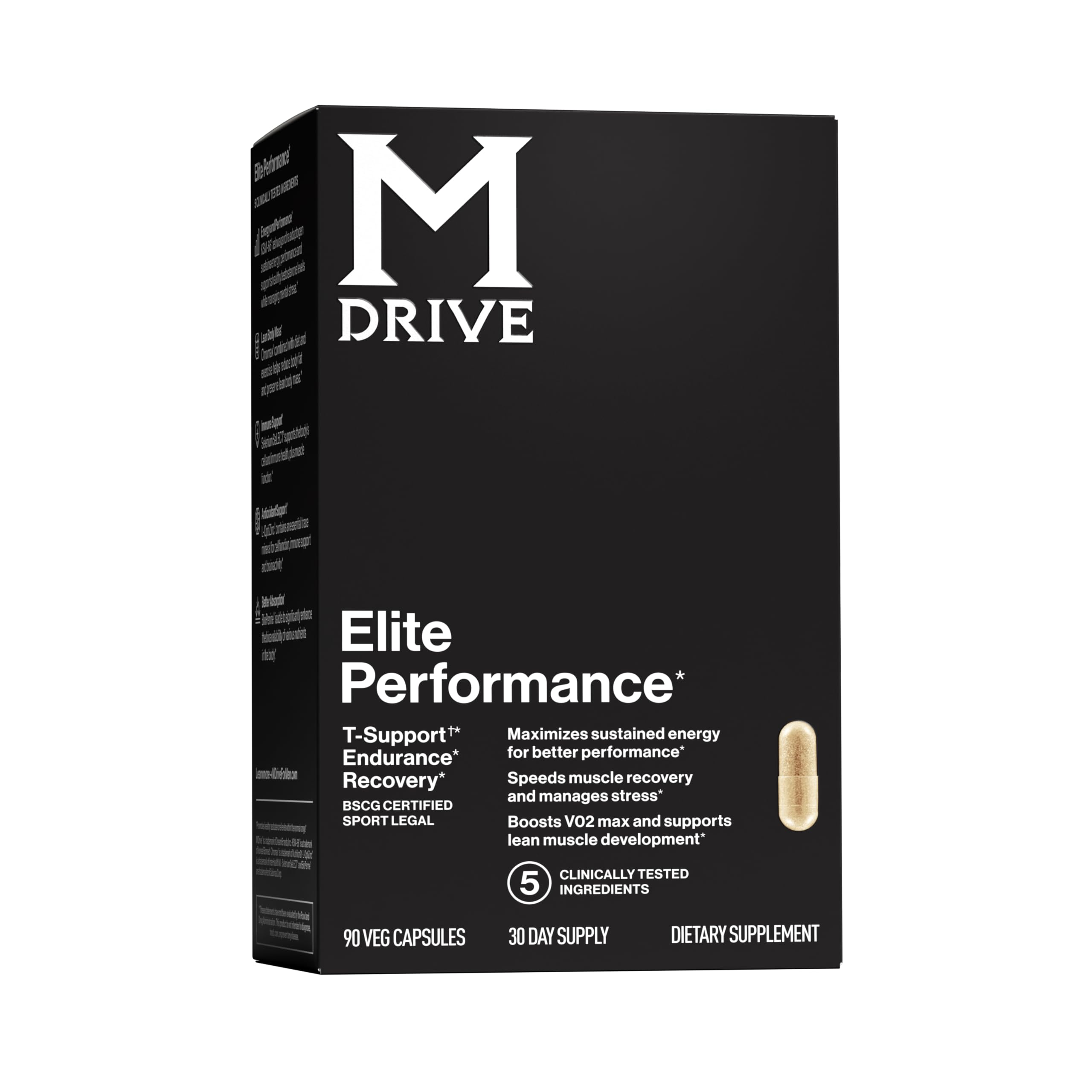
Credit: www.amazon.com
How To Use Cordyceps For Best Results
Using cordyceps is simple, but there are a few tips for getting the most benefit.
When To Take Cordyceps
- Pre-workout: Take 30–60 minutes before exercise to boost energy and endurance.
- Post-workout: Supports recovery and reduces soreness.
- Daily routine: Consistent use may give better results than just before workouts.
Consistency is key. Adaptogens like cordyceps work best when taken regularly, not just for a single session. Some athletes notice more stable energy and mood throughout the day with daily use.
How Much To Take
- Typical dose: 1,000–3,000 mg per day
- Start at the lower end and increase if needed.
- Take with food to reduce stomach upset.
If you’re sensitive to new supplements, start with half the recommended dose for a few days to check your reaction.
Stacking With Other Supplements
Cordyceps is safe to use with most bodybuilding supplements, including creatine and protein. Avoid using it with strong stimulants unless you know how your body reacts.
Some lifters like to stack cordyceps with other adaptogens like ashwagandha or rhodiola for extra stress support. If you stack, add one new supplement at a time to track effects.
Cycle Your Use
To keep the effects strong, some athletes use cordyceps for 8–12 weeks, then take a 2–4 week break.
Cycling can help prevent your body from adapting and keep benefits noticeable over the long term.
Listen To Your Body
If you feel any side effects, reduce the dose or stop. Track how you feel during workouts and recovery.
Keep a simple log of your energy, performance, and recovery. This helps you spot changes and decide if cordyceps is right for you.
Common Mistakes To Avoid
Using cordyceps is mostly safe, but beginners often make these errors:
- Expecting instant results: Cordyceps works best over weeks, not days.
- Buying low-quality supplements: Some products are underdosed or fake.
- Taking too much: More is not always better and can cause stomach upset.
- Ignoring overall nutrition: Cordyceps is not a magic bullet—it works with good diet, sleep, and training.
- Not checking for allergies: Rare, but possible, especially for those with mushroom allergies.
Another common mistake: switching brands too often. Stick with one high-quality source for at least a full cycle before judging results.
Side Effects And Safety
Cordyceps is generally considered safe for healthy adults when used as directed. Still, some people may notice:
- Digestive upset: Nausea, diarrhea, or dry mouth.
- Allergic reaction: Rare, but possible.
- Interaction with medications: Cordyceps may affect blood sugar or immune drugs.
If you have a medical condition or take medication, talk to your doctor before starting cordyceps.
A useful tip: if you use other adaptogens or herbal supplements, check for interactions. Some combinations may be too stimulating or affect your sleep.
Non-obvious Insights For Beginners
Most guides skip these important points:
- Cordyceps is not a stimulant like caffeine—it won’t give you a quick “jolt.” Its effects build slowly and support your body’s natural energy systems.
- Quality varies a lot between brands. Lab-tested, organic cordyceps is more reliable. Many cheap products do not contain enough active compounds to make a difference.
- Adaptogen effects: Cordyceps may help with mental stress and focus, not just physical performance. This can help you stay motivated and consistent, which is key for long-term gains.
Another insight: cordyceps can help with sleep quality if taken earlier in the day, by balancing stress hormones. Better sleep means better recovery, which is often more important than any single supplement.

Credit: www.ebay.com
Who Should Not Use Cordyceps
Cordyceps is not right for everyone:
- Children and pregnant or breastfeeding women should avoid it.
- People with autoimmune diseases should be careful, as it may stimulate the immune system.
- Those on diabetes or blood-thinning medications should talk to a doctor first.
If you have a history of severe allergies or reactions to mushrooms, start with a very small dose or avoid cordyceps altogether.
How To Spot Real Results
Some changes from cordyceps are subtle. Watch for these signs:
- More energy during workouts, with less need for rest
- Quicker recovery between sessions
- Less muscle soreness after new or intense exercises
- Fewer colds or minor illnesses during heavy training cycles
Keep a training journal to track your progress and see if cordyceps is making a difference.
Also, ask yourself if you feel less stressed, more focused, or more consistent with your training. These benefits matter just as much as raw strength or muscle size.
How Cordyceps Fits In A Bodybuilding Diet
Cordyceps is not a replacement for protein, carbs, or healthy fats. Think of it as an extra tool in your toolkit. Focus first on:
- Eating enough protein for muscle growth
- Getting enough calories to support training
- Sleeping at least 7–8 hours per night
- Managing stress
Then, add cordyceps for extra support with energy, endurance, and recovery.
For example, on days when you feel run down or have a big training session, cordyceps can help you keep up your performance and recovery. But it works best as part of a complete nutrition and training plan, not as a shortcut or replacement.
Real-world Examples: Athletes Who Use Cordyceps
Several elite athletes have used cordyceps as part of their routines, especially in endurance sports. The Chinese Olympic running team in the 1990s famously credited cordyceps for their record-breaking performances. Today, some bodybuilders and powerlifters use it to support training cycles, especially during intense periods.
For example, athletes training for competitions or during heavy bulking/cutting cycles often use cordyceps to bounce back faster, avoid missed sessions from illness, and handle more volume. Some report steadier energy during long workouts or when training multiple times per day.
While no supplement can replace hard work, cordyceps may give committed athletes a safe, natural advantage.
Frequently Asked Questions
What Is The Best Dose Of Cordyceps For Bodybuilders?
The most common effective dose is 1,000–3,000 mg per day, based on studies. Start with the lower end and increase if you tolerate it well. Always follow the instructions on your supplement label.
Can Cordyceps Help With Fat Loss?
Cordyceps may support fat loss by increasing energy, improving exercise endurance, and balancing hormones. However, the main drivers of fat loss are still diet and exercise. Cordyceps is a helpful add-on, not a substitute for a calorie deficit.
How Long Does It Take To See Results From Cordyceps?
Most people notice benefits after 2–4 weeks of regular use. Effects are gradual. For best results, use cordyceps daily and track your workouts and recovery.
Is Cordyceps Safe For Long-term Use?
Current research suggests cordyceps is safe for healthy adults when taken as directed. However, long-term studies are limited. Taking short breaks every few months is a smart idea to avoid tolerance and check for any side effects.
Where Can I Find Reliable Information About Cordyceps?
A good place for further research is the Wikipedia Cordyceps page, which includes links to scientific studies and traditional uses.
Bodybuilding is a journey, not a sprint. Cordyceps is not magic, but it offers real support for energy, recovery, and lean muscle when used wisely. Combine it with smart training, strong nutrition, and rest, and you’ll give your body the best chance to grow and perform at its peak.
As with any supplement, listen to your body, choose quality products, and keep learning for lifelong progress.