
Shiitake mushrooms have been part of Asian diets for centuries, not just for their savory taste but also for their health benefits. Today, as more people look for natural ways to support heart health, shiitake is gaining attention worldwide. But can this humble mushroom really help your heart?
Modern research suggests it can, and the science is both fascinating and practical.
Many people worry about cholesterol, blood pressure, and the risk of heart disease. These are global concerns, affecting millions each year. While medications and strict diets are common solutions, more people are turning to foods that naturally support the heart.
Shiitake, with its unique compounds, is one such food. It’s easy to add to meals, and studies show it may offer real cardiovascular benefits.
This article will explore how shiitake supports cardiovascular health. You’ll learn about its key nutrients, how it may lower cholesterol and blood pressure, and why it’s more than just a tasty ingredient. We’ll also look at practical ways to add shiitake to your diet, compare it with other heart-healthy foods, and answer common questions.
Whether you’re new to shiitake or want to dig deeper into the science, you’ll find clear and helpful guidance here.
What Makes Shiitake Unique?
Shiitake (Lentinula edodes) is more than a common mushroom. It contains rare compounds not found in most everyday foods. These include lentinan, eritadenine, and special types of beta-glucans. Each plays a role in supporting heart health.
Rich In Bioactive Compounds
Bioactive compounds are substances in food that affect the body’s functions. Shiitake is rich in several:
- Eritadenine: Known for lowering cholesterol by affecting how the body processes fats.
- Lentinan: A type of polysaccharide that boosts the immune system and may reduce inflammation.
- Beta-glucans: Soluble fibers that help lower cholesterol and support healthy blood vessels.
- Sterols: These are plant-based molecules that block cholesterol absorption.
Key Nutrients In Shiitake
Shiitake also offers a range of vitamins and minerals important for heart health:
- B vitamins (B2, B3, B5, B6): Help your body make energy and keep blood vessels healthy.
- Copper and selenium: Support antioxidant activity, which protects cells from damage.
- Potassium: Helps control blood pressure by balancing sodium levels.
These nutrients work together, giving shiitake its unique power to support cardiovascular health.
How Shiitake Impacts Cholesterol
Cholesterol is one of the most discussed factors in heart health. Too much LDL (“bad” cholesterol) or too little HDL (“good” cholesterol) can raise the risk of heart disease. Shiitake mushrooms have special ways of helping your body keep cholesterol in balance.
Eritadenine: The Cholesterol Fighter
Research shows that eritadenine, found only in certain mushrooms like shiitake, lowers cholesterol by changing how the liver handles fats. It increases the breakdown of cholesterol and helps remove it from the body.
Evidence From Studies
Animal studies show that rats fed shiitake mushrooms had lower total cholesterol and LDL cholesterol compared to those who didn’t eat shiitake. In a 2011 study, rats given shiitake powder saw a 25% drop in total cholesterol after 4 weeks.
While human studies are smaller, the results are promising.
Beta-glucans And Cholesterol Absorption
Beta-glucans are a type of fiber found in shiitake. They work by forming a gel-like substance in the gut that traps cholesterol, stopping it from being absorbed. Over time, this can lower blood cholesterol levels.
Sterols: Blocking Cholesterol Intake
Plant sterols in shiitake act as a shield. They compete with cholesterol in the digestive tract, so less cholesterol gets into your bloodstream. This effect is similar to what you find in fortified foods, but naturally present in shiitake.
Practical Example
If you add shiitake to your meals several times a week, you may see a gentle drop in cholesterol over a few months. It’s not a quick fix, but it’s a steady, natural boost when combined with a balanced diet and healthy lifestyle.
Shiitake And Blood Pressure Control
High blood pressure (hypertension) is a silent risk factor for heart disease and stroke. Shiitake mushrooms can help manage blood pressure in several ways, thanks to their nutrients and unique compounds.
Potassium: The Sodium Balancer
Shiitake is rich in potassium, a mineral that helps your body get rid of extra sodium. Too much sodium raises blood pressure, so potassium acts as a natural counterbalance. One cup of cooked shiitake provides about 170 mg of potassium.
Antioxidants And Blood Vessel Health
Shiitake contains antioxidants like selenium and ergothioneine. These protect blood vessels from oxidative stress, which can stiffen arteries and lead to higher blood pressure.
Reducing Inflammation
Chronic inflammation can damage blood vessels and raise blood pressure. Compounds like lentinan in shiitake help reduce inflammation, keeping blood vessels flexible and healthy.
Data Snapshot
Here’s how shiitake compares to other mushrooms for potassium content:
| Mushroom Type | Potassium (mg per 100g cooked) |
|---|---|
| Shiitake | 170 |
| White Button | 320 |
| Oyster | 420 |
| Portobello | 380 |
While shiitake is not the highest in potassium, its unique mix of compounds still makes it valuable for heart health.
Fighting Arterial Plaque And Improving Circulation
Heart attacks and strokes often start with arterial plaque—a buildup of fat, cholesterol, and other substances in artery walls. Over time, plaque can block blood flow or break off, causing serious problems. Shiitake offers several ways to help.
Preventing Plaque Formation
Beta-glucans and sterols in shiitake reduce cholesterol and lower the chance of plaque forming. Lower cholesterol means less material to build up in artery walls.
Supporting Healthy Blood Vessels
Shiitake’s antioxidants fight the cell damage that leads to stiff, narrow arteries. By reducing oxidative stress, shiitake helps keep blood vessels flexible, so blood can flow smoothly.
Improving Blood Flow
Some studies suggest shiitake may help blood vessels relax, improving circulation. Better blood flow means the heart doesn’t have to work as hard, reducing strain and risk.
Non-obvious Insight
Many people focus only on cholesterol numbers, but blood vessel flexibility is just as important. Shiitake’s antioxidants offer this extra benefit, something that’s often overlooked.
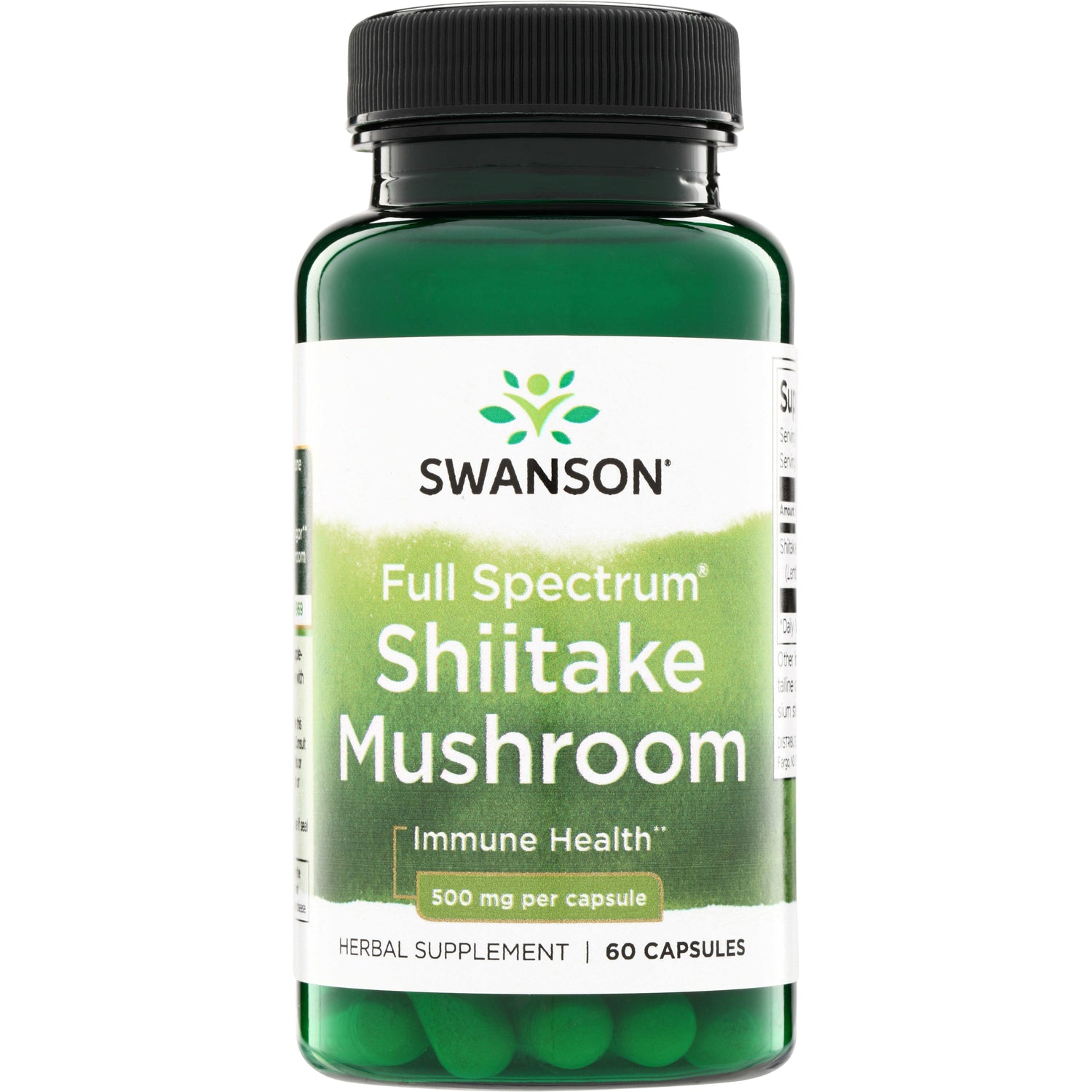
Credit: www.swansonvitamins.com
Shiitake’s Role In Reducing Inflammation
Inflammation is a hidden driver of heart disease. It can make cholesterol more dangerous and damage the inner lining of blood vessels. Shiitake mushrooms are powerful allies in the fight against inflammation.
Lentinan: The Immune Modulator
Lentinan is a special sugar molecule in shiitake that boosts the immune system and reduces inflammation. Unlike common anti-inflammatories, it works gently, supporting the body’s natural balance.
How Inflammation Affects The Heart
When blood vessels are inflamed, they attract more cholesterol and plaque. Over time, this narrows the arteries and raises heart risk. By lowering inflammation, shiitake helps stop this process early.
Evidence From Research
A 2015 review found that shiitake extracts reduced markers of inflammation in both animal and human studies. People who ate shiitake daily for four weeks had lower levels of C-reactive protein (CRP), a key sign of inflammation.
Practical Tip
If you have a family history of heart disease, adding anti-inflammatory foods like shiitake is a smart, preventive step—before problems start.
The Antioxidant Power Of Shiitake
Oxidative stress happens when harmful molecules (free radicals) build up in the body. Over time, this damages cells and speeds up heart disease. Shiitake mushrooms are rich in antioxidants that protect the heart.
Selenium And Ergothioneine
Selenium is a trace mineral in shiitake that supports enzymes fighting oxidative damage. Ergothioneine is a rare amino acid found mostly in mushrooms, known for its strong antioxidant effects.
How Antioxidants Help The Heart
Antioxidants block the chain reactions that damage blood vessels and heart tissues. By reducing oxidative stress, shiitake slows down the aging of arteries and lowers the risk of heart disease.
Shiitake Vs. Other Antioxidant Foods
Let’s compare the antioxidant content of shiitake to a few common foods:
| Food | Antioxidant Power (ORAC units per 100g) |
|---|---|
| Shiitake (cooked) | 1,200 |
| Broccoli | 1,510 |
| Carrots | 210 |
| Blueberries | 4,669 |
While not as high as blueberries, shiitake offers more antioxidant power than most vegetables.
Insight For Beginners
Many people think only colorful fruits have antioxidants. Mushrooms like shiitake are a hidden source—especially useful for those who want variety in their diet.
Comparing Shiitake To Other Heart-healthy Foods
Shiitake is just one part of a heart-healthy diet. How does it measure up against other well-known foods for heart health, like oats, nuts, or fatty fish? Here’s a look:
| Food | Main Heart Benefit | Unique Compound | Cholesterol Lowering | Blood Pressure Support |
|---|---|---|---|---|
| Shiitake | Cholesterol, blood pressure, inflammation | Eritadenine, lentinan | Yes (medium) | Yes (mild) |
| Oats | Cholesterol | Beta-glucan fiber | Yes (high) | No |
| Almonds | Cholesterol | Plant sterols | Yes (medium) | No |
| Salmon | Blood pressure, triglycerides | Omega-3s | No | Yes (high) |
Non-Obvious Insight: Shiitake is one of the few foods that offers moderate support across several heart health areas at once—not just one.
How To Add Shiitake To Your Diet
Making shiitake part of your routine is simple. You can use fresh, dried, or powdered forms. Each has its own advantages.
Fresh Shiitake
- Use in stir-fries, soups, or as a meat substitute.
- Clean with a damp cloth, then slice and cook for best flavor.
- Cooking boosts the release of key nutrients.
Dried Shiitake
- Soak in warm water for 20–30 minutes before using.
- The soaking water has extra flavor and nutrients—add it to soups or sauces.
Shiitake Powder
- Add to smoothies, sauces, or baked goods.
- Useful for those who don’t like mushroom texture.
Practical Daily Tips
- Toss shiitake into a vegetable stir-fry.
- Add sliced shiitake to omelets.
- Mix shiitake powder into salad dressing or soup.
How Much Is Enough?
Most studies use about 5–10 grams of dried shiitake daily (roughly 1 cup fresh). It’s safe for most adults, but always start small if you’re new to mushrooms.
Combining With Other Foods
Pair shiitake with foods rich in vitamin C (like bell peppers) to boost nutrient absorption.
Are There Any Risks Or Side Effects?
For most people, shiitake is safe and well-tolerated. But it’s important to be aware of possible reactions.
Allergic Reactions
A small number of people may be allergic to shiitake. Symptoms include skin rash, itching, or stomach upset. If you notice these, stop eating shiitake and talk to a doctor.
Shiitake Dermatitis
Rarely, eating raw or undercooked shiitake can cause a rash called shiitake dermatitis. It looks like red streaks on the skin and can be itchy. Cooking mushrooms fully prevents this.
Drug Interactions
If you take blood thinners or have a bleeding disorder, talk to your doctor before eating large amounts of shiitake. It may boost immune activity, which could interact with some medications.
Choosing Quality
Buy shiitake from trusted sources. Wild mushrooms can be confused with toxic types—never pick them yourself unless you are an expert.
What The Research Says: Human Studies And Evidence
While many studies on shiitake are in animals, some human research supports its heart benefits.
Clinical Trials
- A 2011 study in Japan gave people 10 grams of dried shiitake daily for 4 weeks. Their total cholesterol dropped by an average of 7%.
- Another trial found that shiitake extract reduced blood pressure in people with mild hypertension after 8 weeks.
Limitations
Human studies are small and often short-term. More research is needed to confirm long-term effects, but the results so far are positive.
Non-obvious Insight
Many foods show good results in animal studies but fail in humans. Shiitake’s cholesterol-lowering effects have been seen in both, which adds confidence.

Credit: www.amazon.com
Shiitake In Traditional And Modern Medicine
Shiitake has a long history in Asian medicine. Today, both traditional and modern practices recognize its value.
Traditional Uses
- In China and Japan, shiitake was used to boost energy, fight infections, and support longevity.
- Healers believed it helped the “qi” (life force) and improved blood flow.
Modern Uses
- Shiitake extracts are sold as supplements for immune support and heart health.
- Some hospitals in Japan use lentinan as part of cancer care, due to its immune effects.
What This Means For You
While shiitake can’t replace medicine for serious heart problems, it’s a safe and natural support—especially when combined with other healthy habits.
Practical Guide: Buying, Storing, And Preparing Shiitake
To get the most from shiitake, choose and prepare it correctly.
How To Choose
- Fresh shiitake: Look for firm, plump caps with no dark spots or slime. Gills should be white or light brown.
- Dried shiitake: Pick whole, thick slices with a strong mushroom smell. Avoid bags with too much dust or broken pieces.
Storing Shiitake
- Fresh: Keep in a paper bag in the fridge, use within a week.
- Dried: Store in an airtight container in a cool, dark place for up to a year.
Preparation Tips
- Always cook shiitake to release nutrients and improve digestibility.
- For richer flavor, sauté mushrooms in olive oil with garlic and herbs.
Cooking Time
Sauté fresh shiitake for 5–7 minutes. Dried shiitake needs 10–15 minutes of simmering after soaking.
Serving Size
A typical serving is ½ to 1 cup of cooked shiitake (about 70–140 grams). This is enough to get the main heart benefits.
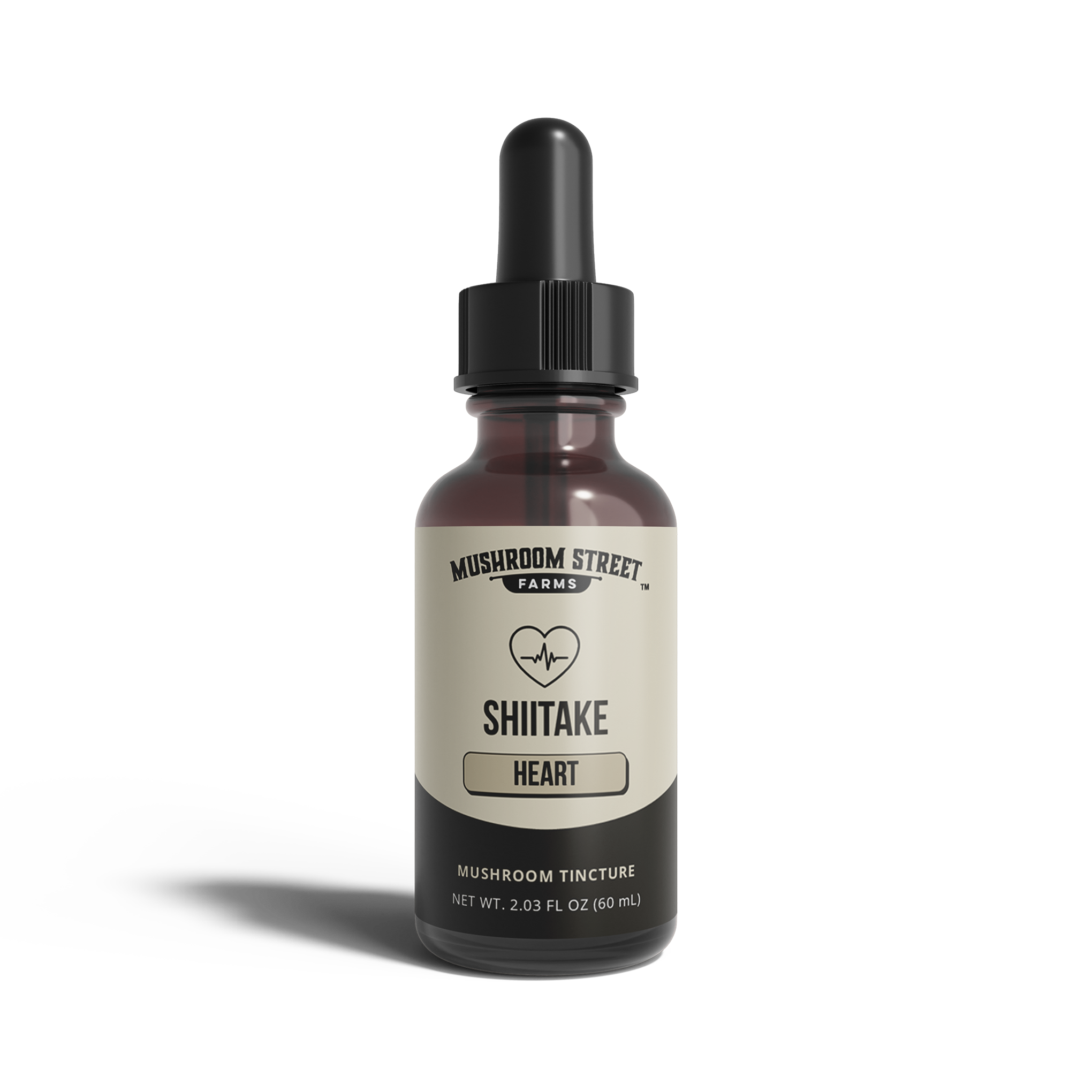
Credit: mushroom.st
Shiitake And A Heart-healthy Lifestyle
Eating shiitake is just one part of taking care of your heart. For best results, combine it with:
- Regular exercise (at least 30 minutes most days)
- Plenty of fruits and vegetables
- Limited saturated fat and processed foods
- Not smoking
- Managing stress
This combined approach gives your heart the best chance to stay healthy for life.
Myths And Facts About Shiitake And Heart Health
There’s a lot of information online—some true, some not. Let’s clear up common myths.
Myth 1: Shiitake Can Replace Cholesterol Medication
Fact: Shiitake can lower cholesterol, but not as much as prescription medicine. It’s best used as support, not a replacement.
Myth 2: You Need To Eat Huge Amounts
Fact: Even small amounts (a cup a few times a week) can help. More is not always better.
Myth 3: All Mushrooms Have The Same Benefits
Fact: Shiitake has unique compounds like eritadenine and lentinan that are not found in all mushrooms.
Myth 4: Supplements Are Always Better Than Food
Fact: Whole shiitake mushrooms provide fiber and other nutrients that pills may not. Supplements are useful if you can’t eat mushrooms, but food is often best.
Shiitake Around The World: Culinary And Cultural Impact
Shiitake’s impact goes beyond health—it’s a key part of global cuisine.
In Asia
- Used in Chinese, Japanese, and Korean dishes for centuries.
- A symbol of longevity and wellness.
In The West
- Gaining popularity as a “superfood.”
- Found in soups, risottos, and vegetarian dishes.
Cultural Note
In Japan, shiitake is often given as a gift for special occasions—a sign of respect and good wishes for health.
Sustainability And Environmental Benefits
Growing shiitake is gentle on the environment.
- It can be grown on logs or sawdust, using waste wood.
- Shiitake farming needs less land and water than many crops.
- Mushrooms help break down organic matter, improving soil health.
Choosing shiitake supports not just your heart, but also a healthier planet.
Summary: Why Shiitake Deserves A Place In Your Diet
Shiitake mushrooms are much more than a tasty ingredient. They’re packed with unique compounds—eritadenine, lentinan, beta-glucans, and antioxidants—that work together to support cardiovascular health. The science backs up what traditional healers have known for centuries: shiitake can lower cholesterol, reduce blood pressure, fight inflammation, and protect blood vessels.
Adding shiitake to your meals is simple and safe for most people. While it’s not a miracle cure, it’s a powerful part of a heart-smart diet. Combined with other healthy choices, shiitake helps you take control of your heart health, one delicious bite at a time.
If you want to read more about the science behind shiitake and its health effects, visit the Wikipedia page on Shiitake.
Frequently Asked Questions
What Makes Shiitake Mushrooms Good For Heart Health?
Shiitake contains unique compounds like eritadenine, lentinan, and beta-glucans. These help lower cholesterol, reduce blood pressure, fight inflammation, and protect blood vessels. Combined with antioxidants and minerals, they offer a broad range of heart benefits.
How Much Shiitake Should I Eat For Heart Benefits?
Most studies use about 5–10 grams of dried shiitake daily (1 cup fresh). Eating shiitake 2–3 times a week is a good start. Always cook mushrooms well before eating.
Can I Use Shiitake Supplements Instead Of Fresh Mushrooms?
Supplements can help if you dislike mushrooms, but whole mushrooms offer more nutrients and fiber. If you use supplements, choose products from reputable brands and follow the dosage on the label.
Are There Any Side Effects From Eating Shiitake?
Shiitake is safe for most people. Rare side effects include allergic reactions or a rash from eating raw mushrooms. Cooking shiitake well and starting with small amounts can help avoid problems.
Does Shiitake Interact With Heart Medication?
Shiitake may boost immune activity and thin the blood slightly. If you take blood thinners or have a bleeding disorder, talk to your doctor before eating large amounts. For most people, shiitake is safe as part of a balanced diet.