
Cordyceps For Fertility: Can It Improve Reproductive Health?
Fertility is a personal and sometimes sensitive topic for many people. The desire to start or grow a family can bring both hope and worry, especially when challenges arise. In recent years, natural supplements have gained popularity as people search for ways to improve reproductive health without harsh chemicals or medications. One such supplement is Cordyceps, a unique fungus long used in traditional Chinese medicine.
You might have heard claims about Cordyceps helping with energy, immunity, and even sexual performance. But can this mushroom-like organism truly make a difference for those trying to conceive? This article explores the science, history, and practical considerations of using Cordyceps for fertility.
We’ll look at how Cordyceps works, what research says, its safety, and how it might fit into a modern fertility plan. You’ll also learn about possible side effects, how to choose a good product, and what to expect if you give Cordyceps a try.
Whether you’re just starting to learn about fertility supplements or you’re considering Cordyceps as part of your routine, this guide will help you make an informed decision.
What Is Cordyceps?
Cordyceps is not a single mushroom, but a group of fungi with over 400 species. The most famous, Cordyceps sinensis and Cordyceps militaris, have been used in Asian medicine for centuries. These fungi grow in high mountain regions, mainly in China, Tibet, and Nepal. In the wild, Cordyceps actually grows on insects, especially caterpillars. When people talk about Cordyceps supplements, they usually mean either cultivated Cordyceps or lab-grown Cordyceps mycelium.
Cordyceps is sometimes called a medicinal mushroom, but it’s more complex than the mushrooms you see in the store. Its long history in herbal medicine comes from beliefs that it boosts energy, stamina, and overall vitality.
The Traditional Use Of Cordyceps For Reproductive Health
Ancient Beliefs And Practices
In traditional Chinese medicine (TCM), Cordyceps is valued as a tonic for the kidneys and lungs. In TCM, the kidneys are closely linked with reproductive health and sexual function. Practitioners believed Cordyceps could:
- Restore balance to the body
- Improve energy or “qi”
- Support sexual performance in both men and women
For many years, Cordyceps was reserved for royalty and the wealthy because it was so rare. People believed it could help with infertility, weakness, and lack of sexual desire.
Cultural Importance
Cordyceps was sometimes included in herbal formulas for couples trying to have children. Its reputation as an “elixir of life” led to its use for aging-related fertility problems. While traditional beliefs do not always match modern science, they helped shape the current interest in Cordyceps for fertility.
The Science Behind Cordyceps: How Does It Work?
Modern science is just beginning to unlock the secrets behind Cordyceps. Researchers have found that this fungus contains several bioactive compounds, such as cordycepin, adenosine, and polysaccharides. These substances may affect the body in ways that could support reproductive health.
Main Bioactive Compounds
- Cordycepin: May help regulate cell growth and reduce inflammation.
- Adenosine: Involved in energy transfer and blood flow.
- Polysaccharides: Support the immune system and protect against oxidative stress.
How Cordyceps May Affect Fertility
- Hormone Regulation: Some studies suggest Cordyceps can help balance hormones involved in reproduction, such as testosterone and estrogen.
- Antioxidant Effects: Cordyceps may reduce oxidative stress, which can damage sperm, eggs, and reproductive organs.
- Improved Blood Flow: The fungus may help improve circulation, which is important for sexual health and organ function.
- Energy and Stamina: By increasing cellular energy (ATP), Cordyceps may combat fatigue, improve libido, and support overall vitality.
While these effects sound promising, it’s important to remember that most evidence comes from animal studies or small human trials. Still, the unique combination of compounds in Cordyceps makes it a supplement of interest for reproductive health.
Cordyceps And Male Fertility
Male fertility depends on several factors, including sperm count, motility (movement), shape, and hormone levels. Problems with any of these can make conception difficult. Some men also experience low libido or sexual fatigue, which can affect their chances of starting a family.
Sperm Quality And Quantity
Several animal studies have shown that Cordyceps can improve sperm count, quality, and motility. For example, research in rats found that Cordyceps sinensis increased sperm production and improved sperm movement. The likely reason is that Cordyceps helps balance testosterone and reduces oxidative stress in the testes.
Sexual Function
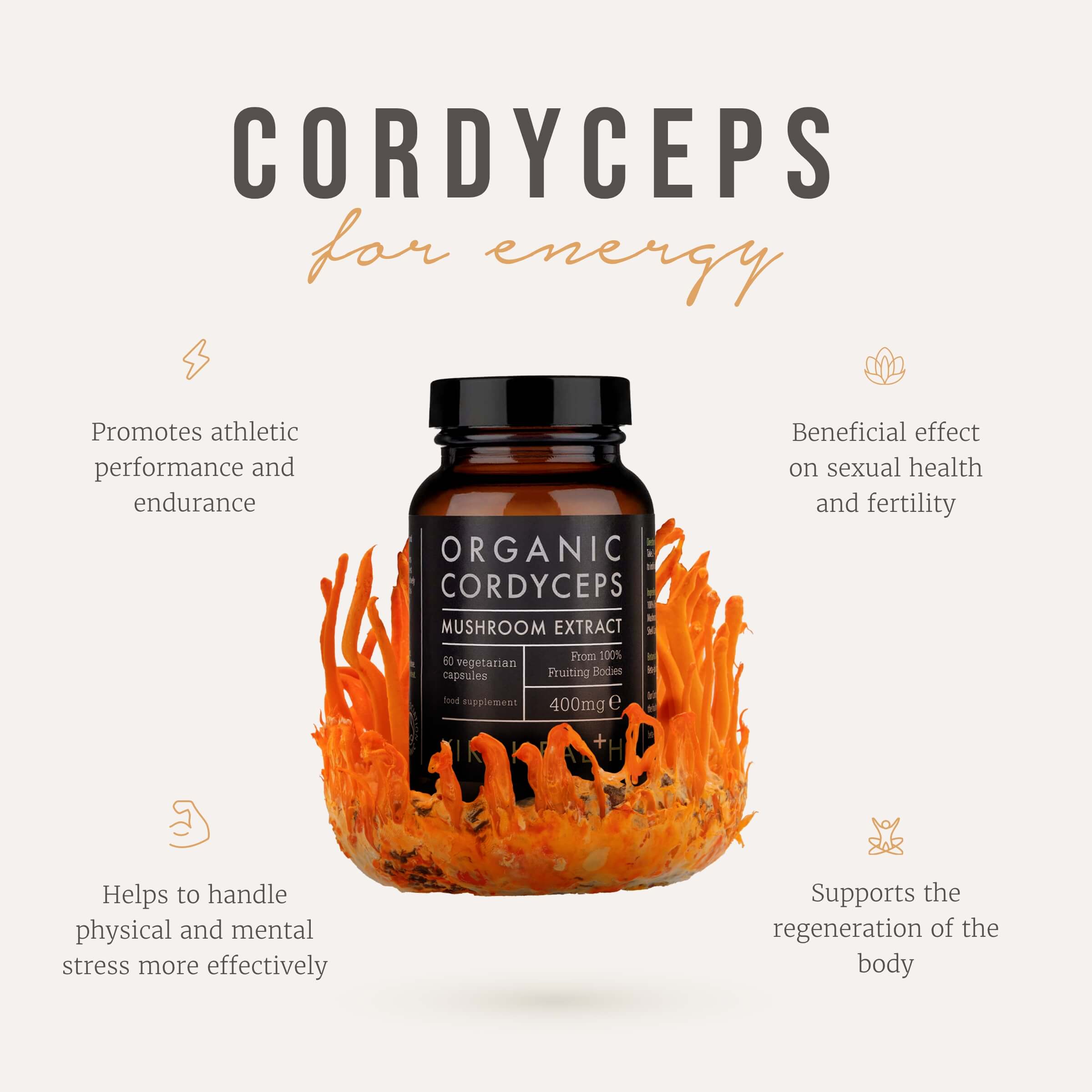
Cordyceps is sometimes called a natural aphrodisiac. Traditional and modern sources both report that it may improve sexual desire and performance. This could be due to its effects on energy production and blood flow.
Human Studies
There are a few small clinical trials involving men with reduced fertility. Some reported improvements in semen quality and testosterone levels after taking Cordyceps supplements for several weeks. However, sample sizes were small, and results were not always consistent. Larger studies are needed to confirm these benefits.
Non-obvious Insight
Many beginners overlook the role of oxidative stress in sperm health. Everyday factors like pollution, stress, and poor diet can damage sperm. Cordyceps’ antioxidant effects may help protect sperm from this kind of harm, which is not something every supplement can offer.
Credit: www.vitalvibe.eu
Cordyceps And Female Fertility
For women, fertility depends on healthy ovaries, hormone balance, and a receptive uterus. Conditions like polycystic ovary syndrome (PCOS), early menopause, or endometriosis can make conception harder. Energy, mood, and immune health also play a role.
Hormonal Support
Cordyceps may influence female hormones such as estrogen and progesterone. Some animal studies suggest that Cordyceps can help normalize menstrual cycles and support ovulation. This could be valuable for women with irregular periods or hormonal imbalances.
Egg Quality
Oxidative stress can damage eggs, just as it does sperm. Cordyceps’ antioxidant compounds may protect eggs and support the ovarian environment. This is especially important for older women, as egg quality naturally declines with age.
Support During Assisted Reproduction
Some fertility clinics now recommend certain supplements, including Cordyceps, during IVF (in vitro fertilization) or other treatments. The goal is to improve energy, reduce stress, and support overall reproductive health. However, Cordyceps should never replace medical advice or treatments.
Immune Balance
Autoimmune issues, where the body attacks its own tissues, can affect fertility. Cordyceps is known for modulating the immune system—not just boosting it, but helping it stay balanced. This could be helpful for women with immune-related fertility challenges.
Non-obvious Insight
Many people focus only on hormones, but mitochondrial health in eggs is also key. Cordyceps’ effect on cellular energy (ATP) may support healthier eggs, which is a detail often missed in basic fertility guides.
What Does The Research Say?
Cordyceps is not as well-studied as some other herbs, but a growing number of laboratory and animal studies point to possible fertility benefits.
Animal Studies
- Rats given Cordyceps had higher sperm counts, better sperm movement, and improved testosterone levels.
- Female mice showed more regular cycles and healthier ovaries after Cordyceps supplementation.
- Some studies report increased litter size and improved pregnancy rates in animals.
Human Studies
- A small 2001 study found that men with low sperm counts who took Cordyceps for 8 weeks showed modest improvements in semen quality.
- Another trial reported increased libido and better sexual function in older adults.
- Clinical evidence for women is limited, but some case reports suggest improved menstrual regularity.
Limitations
Most human studies are small and not always well-designed. Doses, product quality, and study length vary. More research is needed before Cordyceps can be widely recommended as a fertility treatment.
Key Takeaway
Cordyceps shows promise, but it is not a magic cure. It may help some people, especially when combined with other healthy habits. Always talk to a doctor before making big changes to your supplement routine.
Credit: www.alibaba.com
Comparing Cordyceps To Other Fertility Supplements
Many people wonder how Cordyceps stacks up against more common fertility supplements like maca, ashwagandha, or standard vitamins. Here is a quick comparison:
| Supplement | Main Benefit | Typical Use | Evidence Strength |
|---|---|---|---|
| Cordyceps | Energy, hormone balance, antioxidant | Both men and women | Promising but early |
| Maca | Libido, sperm health | Mostly men | Moderate |
| Ashwagandha | Stress, testosterone, sperm count | Both men and women | Good |
| CoQ10 | Egg quality, sperm health | Both men and women | Strong |
| Folic Acid | Prevents birth defects | Women pre-pregnancy | Very strong |
While Cordyceps holds unique potential, it is usually used alongside—not instead of—other proven fertility boosters.
How To Use Cordyceps For Fertility
Choosing The Right Form
Cordyceps comes in many forms:
- Capsules or tablets
- Powders (for smoothies, teas, or coffee)
- Liquid extracts or tinctures
- Whole dried Cordyceps (less common outside Asia)
For fertility, most people use capsules or powders for easy and consistent dosing.
Dosage
There is no official recommended dose, as research is still new. However, common doses are:
- 500 mg to 2,000 mg per day for extracts (standardized to 7-10% cordycepin)
- Up to 3 grams per day for whole dried Cordyceps or powder
It’s best to start low and increase slowly, watching for side effects.
When To Take Cordyceps
- Take with food for better absorption
- Split dose (morning and early afternoon) to avoid sleep problems
- Use consistently for at least 8-12 weeks for best results
Combining With Other Supplements
Cordyceps is often combined with:
- Multivitamins (especially those with zinc and selenium)
- CoQ10 (for egg and sperm quality)
- Maca root (for libido)
- Ashwagandha (for stress and hormone balance)
Always check with a doctor about possible interactions.
Cordyceps Safety And Side Effects
Cordyceps is generally considered safe for most healthy adults. However, there are some things to keep in mind.
Possible Side Effects
- Mild digestive upset (nausea, diarrhea)
- Dry mouth or throat
- Dizziness (rare)
- Allergic reactions (very rare)
Most side effects are mild and go away if the dose is lowered or Cordyceps is stopped.
Who Should Avoid Cordyceps?
- People with autoimmune diseases (Cordyceps can stimulate the immune system)
- Those taking blood thinners (may increase bleeding risk)
- Pregnant or breastfeeding women (not enough safety data)
- People with mushroom allergies
If you have a medical condition or take regular medication, talk to your doctor first.
Quality Matters
The supplement industry is not always well regulated. Some Cordyceps products may contain fillers, heavy metals, or very little active compound. Choose brands that are:
- Third-party tested
- Clearly labeled (species, concentration)
- Free from unnecessary additives
Here’s a practical tip: Most Cordyceps sold today is Cordyceps militaris or lab-grown mycelium. Wild Cordyceps sinensis is rare and expensive. Both types can work, but check the label so you know what you are getting.
Cordyceps And Lifestyle: Maximizing Your Fertility
Cordyceps is not a standalone solution. For the best chance of improving fertility, combine it with healthy lifestyle habits.
Diet
- Eat plenty of fruits, vegetables, whole grains, and lean proteins
- Avoid processed foods, excess sugar, and trans fats
- Include foods rich in antioxidants, like berries and leafy greens
Exercise
- Moderate exercise boosts hormone balance and blood flow
- Avoid overtraining, which can reduce fertility
Stress Management
- Chronic stress can lower fertility hormones
- Try meditation, yoga, or deep breathing
- Cordyceps may help with energy and stress resistance
Sleep
- Aim for 7-9 hours per night
- Poor sleep hurts hormone production
Avoid Toxins
- Limit alcohol and caffeine
- Do not smoke
- Avoid exposure to pesticides and heavy metals
Cordyceps works best as part of a balanced plan, not as a “magic bullet. ”
What To Expect: Results And Timelines
How Long Before You See Results?
Natural supplements usually take time to show effects. Most people should give Cordyceps 8-12 weeks before expecting to notice changes in energy, mood, or reproductive health.
Signs That Cordyceps May Be Working
- More stable energy levels
- Improved mood and resilience to stress
- Better sexual desire or performance
- Regular periods (for women)
- Improved semen quality (for men, confirmed by lab test)
When To Stop Or Change Approach
- If you experience side effects that do not improve
- After 3-6 months with no benefits
- If your doctor advises stopping
Remember, Cordyceps is most useful as part of a bigger plan, not the only step.
Real-world Experiences: What Users Report
While clinical research is still new, thousands of people have shared their experiences with Cordyceps online and in health forums.
Positive Reports
- Increased energy and less fatigue during daily life and workouts
- Better sexual function and higher libido for both men and women
- Some men report improvements in sperm count or quality after several months
Neutral Or Mixed Reports
- Some users notice no changes, especially if other health problems are present
- A few people feel jittery or have mild stomach upset
Negative Reports
- Very few users experience strong side effects
- Rare cases of allergic reactions
Non-obvious Insight
Many users who see results combine Cordyceps with other healthy changes—diet, exercise, or stress reduction. Using Cordyceps alone rarely brings dramatic changes.
Credit: www.alibaba.com
How To Choose A High-quality Cordyceps Supplement
The market is full of options, but not all Cordyceps products are equal. Here’s how to pick a good one:
What To Look For
- Species: Best options are Cordyceps sinensis or Cordyceps militaris
- Standardization: Product should list % of active compounds (cordycepin, polysaccharides)
- Third-Party Testing: Independent lab verification for purity and potency
- Transparent Labeling: Full ingredient list, no hidden fillers
- Reputation: Choose brands with strong reviews and scientific backing
Red Flags
- Very low price (may be mostly fillers)
- No mention of species or concentration
- No third-party lab results
Example Of A Good Label
- Cordyceps militaris extract, standardized to 10% cordycepin, 1,000 mg per capsule, tested for heavy metals
| Label Feature | What to Look For | Why It Matters |
|---|---|---|
| Species | Sinensis or Militaris | Most studied, effective types |
| Active Compounds | Standardized percent listed | Ensures potency |
| Testing | Third-party lab results | Safety and purity |
| Label Transparency | Full ingredients shown | No hidden additives |
Where To Buy
Health food stores, online supplement shops, and some pharmacies carry Cordyceps. When buying online, check for customer reviews and certifications.
The Cost Of Cordyceps: Is It Worth It?
Cordyceps is not the cheapest supplement. Wild Cordyceps sinensis can cost hundreds or even thousands of dollars per ounce. However, most people use lab-cultivated Cordyceps, which is much more affordable.
Price Ranges
- Capsules: $20–$50 for a month’s supply
- Powder: $30–$60 for a month’s supply
- Wild Cordyceps: $500+ per ounce (not necessary for most people)
Is It Worth The Cost?
If you are struggling with energy, stress, or mild fertility challenges, and other options have not worked, Cordyceps may be worth a try. However, always prioritize proven medical treatments and healthy habits first. Cordyceps works best as a supportive supplement, not a replacement for medical care.
Common Myths And Misunderstandings About Cordyceps
Misinformation about Cordyceps is common online. Here’s what you should know:
Myth 1: Cordyceps Is A Magic Fertility Cure
No supplement can guarantee pregnancy. Cordyceps supports health, but it does not solve all fertility issues.
Myth 2: All Cordyceps Is The Same
Wild and lab-grown Cordyceps are different. Many products contain mostly mycelium (the root part), not the full fruiting body. Always check the label.
Myth 3: More Is Always Better
High doses can cause side effects. More is not always better—start with a low dose.
Myth 4: Cordyceps Works Instantly
It can take weeks or months to notice benefits, especially for fertility.
Myth 5: Cordyceps Is Only For Men
Cordyceps may support both male and female reproductive health.
When To See A Doctor
Cordyceps can be a helpful part of a fertility plan, but it should never replace medical advice. See a fertility specialist if:
- You have tried to conceive for a year with no success (six months if over age 35)
- You have irregular periods, pain, or other symptoms
- You have a known medical condition (PCOS, endometriosis, low sperm count)
Doctors can run tests to find the real cause of fertility problems and help you build a full plan.
The Bottom Line
Cordyceps is a unique and promising supplement with a long history in traditional medicine. Early research suggests it may support fertility by improving energy, hormone balance, and protecting reproductive cells from damage. Both men and women may benefit, especially when Cordyceps is combined with a healthy lifestyle.
However, Cordyceps is not a guaranteed solution. Most evidence comes from animal studies or small human trials. Quality and dosage matter, and it is important to choose a reputable product. Always talk to a doctor before adding Cordyceps or any supplement to your routine—especially if you are already taking medication or have a health condition.
For those looking for a natural way to support reproductive health, Cordyceps is worth considering as part of a bigger, balanced plan.
If you want to explore more about the science of Cordyceps, see this Wikipedia overview for additional details.
Frequently Asked Questions
What Is The Best Type Of Cordyceps For Fertility?
Cordyceps militaris and Cordyceps sinensis are the most studied for reproductive health. Both can be effective, but most supplements use militaris because it is easier to grow and standardize. Always check the label for species and active compound percentage.
How Long Should I Take Cordyceps Before Seeing Results?
Most people need to use Cordyceps for 8-12 weeks before noticing effects on energy, mood, or reproductive health. For fertility benefits, it may take several months. Consistency is important.
Can Cordyceps Be Used With Other Fertility Supplements Or Medications?
Cordyceps is often combined with other supplements like CoQ10, maca, or a good multivitamin. However, check with your doctor before mixing supplements, especially if you are taking prescription medications or undergoing fertility treatments.
Is Cordyceps Safe For Women Trying To Conceive?
Cordyceps is generally considered safe for most healthy women, but not enough studies have looked at its effects in pregnancy. If you are trying to conceive, it is best to use Cordyceps before pregnancy and stop once you get a positive test, unless your doctor says otherwise.
Are There Any Serious Side Effects Or Risks With Cordyceps?
Most people tolerate Cordyceps well. Rarely, it can cause mild stomach upset or allergic reactions. People with autoimmune diseases, mushroom allergies, or those on blood thinners should avoid Cordyceps or ask a doctor before use.
Cordyceps is a promising, natural way to support fertility—but always use it as part of a larger, healthy approach, and consult with a healthcare provider for your specific needs.