
Maitake Vs Turkey Tail For Immune Support: A Practical Comparison
When it comes to natural ways to support the immune system, mushrooms have become a top choice for many people. Two of the most talked-about medicinal mushrooms are maitake (Grifola frondosa) and turkey tail (Trametes versicolor). While both have a long history in traditional medicine and modern wellness circles, they are not the same. Each mushroom offers unique benefits, compounds, and roles for immune support. But how do you decide which is right for you? This article takes a close, practical look at both maitake and turkey tail mushrooms to help you understand their differences, uses, and what science says about their potential.
What Makes Medicinal Mushrooms Special?
Medicinal mushrooms are not your typical edible fungi. They contain special compounds called beta-glucans, polysaccharides, and other nutrients that can interact with the human immune system. For centuries, cultures in Asia, especially China and Japan, have used mushrooms like maitake and turkey tail for health and healing. Today, interest in these mushrooms has grown worldwide, especially as more people search for natural ways to boost immunity and improve overall wellness.
But not all mushrooms are created equal. Even among medicinal mushrooms, each species has its own unique blend of nutrients and effects. Knowing these differences is key if you want to choose the right mushroom for your needs.
Getting To Know Maitake
What Is Maitake?
Maitake is sometimes called “hen of the woods” because of its layered, feathery appearance. It grows at the base of hardwood trees, especially oaks, in parts of Asia, Europe, and North America. In Japanese, “maitake” means “dancing mushroom,” a name inspired by how people once danced with joy when they found this prized fungus.
Nutritional And Bioactive Compounds
Maitake is not just a delicious food but also a source of important nutrients:
- Beta-glucans: Complex sugars that can interact with the immune system
- Vitamins: Especially B vitamins and vitamin D
- Minerals: Such as potassium, copper, and selenium
- Antioxidants: Including ergothioneine and phenolic compounds
The most important for immune support are the unique D-fraction and MD-fraction beta-glucans. These have been studied for their ability to modulate immune cells.
Traditional And Modern Uses
Maitake has a strong background in Japanese and Chinese medicine. Traditionally, it was used to support energy, balance the body, and encourage wellness. In modern times, maitake extracts and supplements are used for:
- Supporting the immune system
- Helping blood sugar control
- Supporting heart health
Researchers are especially interested in maitake’s effects on immune cells like macrophages, T-cells, and natural killer (NK) cells.
Spotlight On Turkey Tail
What Is Turkey Tail?
Turkey tail mushroom gets its name from its colorful, fan-shaped rings that resemble a turkey’s tail. You’ll find it on fallen trees and logs around the world, especially in damp forests. Its scientific name, Trametes versicolor, means “of many colors,” which fits its striking appearance.
Nutritional And Bioactive Compounds
Turkey tail is packed with immune-supportive compounds, including:
- PSK (polysaccharide-K): A protein-bound polysaccharide used in cancer treatment in some countries
- PSP (polysaccharide-peptide): Another powerful compound for immune support
- Beta-glucans: Similar but not identical to those in maitake
- Prebiotics: Fibers that feed healthy gut bacteria
- Antioxidants: Such as phenols and flavonoids
PSK and PSP are unique to turkey tail and are the subject of many research studies.
Traditional And Modern Uses
In traditional Chinese medicine, turkey tail is known as Yun Zhi and used to promote longevity and vitality. Today, it is a popular supplement for:
- Supporting the immune system, especially during and after illness
- Supporting gut health
- Complementary support for people undergoing cancer treatment (especially in Japan and China)
Turkey tail’s reputation comes from both tradition and science, making it one of the most studied medicinal mushrooms.
How Do Maitake And Turkey Tail Support Immunity?
Immune System Basics
Your immune system is a complex network of cells, organs, and processes that protect your body from infections and diseases. Beta-glucans and other polysaccharides from mushrooms act as biological response modifiers. This means they can “train” or modulate immune cells, making the system more efficient but not overstimulated.
Maitake’s Immune Benefits
Maitake’s beta-glucans, especially the D-fraction, have been shown to:
- Activate macrophages: These are cells that “eat” bacteria and viruses
- Stimulate NK cells: These attack abnormal cells, including cancer cells
- Promote cytokine production: Small proteins that help immune cells communicate
In a 2013 study, maitake extract increased the activity of immune cells in healthy adults after just four weeks. Some early research suggests maitake may also help with infections or as support during cancer treatment, but more large-scale studies are needed.
Turkey Tail’s Immune Benefits
Turkey tail’s PSK and PSP compounds have been widely researched. They are known to:
- Enhance immune cell activity: Including T-cells and NK cells
- Increase antibody production: Helping the body “remember” and fight threats
- Support gut health: By acting as prebiotics, they promote healthy gut bacteria, which is linked to better immunity
In Japan, PSK is an approved medicine for supporting cancer patients during chemotherapy. One study showed that people taking PSK had improved survival rates and fewer infections. However, results can vary, and not all studies show the same level of benefit.
Key Differences In Immune Action
While both mushrooms help the immune system, they work in slightly different ways:
- Maitake is especially strong in direct immune cell activation and may help balance immune responses.
- Turkey tail is unique in its gut-immune connection and its use in cancer treatment support, thanks to PSK and PSP.
Scientific Evidence: What Do Studies Show?
Maitake: Research Highlights
- A 2009 study in “Nutrition and Cancer” found that maitake D-fraction could support immune cell activity in breast cancer patients.
- Some animal studies suggest maitake extract can reduce tumor size and improve survival, but human studies are less conclusive.
- Other research shows maitake may help regulate blood sugar and cholesterol, which is a bonus for overall health.
Turkey Tail: Research Highlights
- PSK is one of the most-researched mushroom extracts, with over 30 years of clinical use in Japan.
- A 2012 study in “ISRN Oncology” showed that turkey tail extract improved immune recovery after breast cancer treatment.
- Studies also show potential for turkey tail to reduce side effects of chemotherapy and improve gut health.
Comparing The Strength Of Evidence
Turkey tail has more human clinical trials, especially in cancer support. Maitake has strong lab and animal studies, with growing but fewer human trials. Both show promise for immune support, but turkey tail may have a slight edge in research depth.
Side Effects And Safety
Maitake
Maitake is generally considered safe for most people when used as food or a supplement. Possible side effects are mild and may include:
- Upset stomach or nausea
- Allergic reactions (rare)
- Lower blood sugar (caution if you take diabetes medications)
Maitake may also interact with some drugs, especially blood sugar medicines, so speak to a doctor before starting.
Turkey Tail
Turkey tail is also safe for most people. Side effects are usually mild:
- Digestive upset (gas, bloating)
- Darkening of stool (from the mushroom’s pigments)
- Allergic reactions (rare)
Because turkey tail can stimulate the immune system, people with autoimmune diseases or those on immunosuppressive drugs should consult a doctor first.
Safety For Special Groups
- Pregnant or breastfeeding women: Safety not well studied for either mushroom. Avoid unless a healthcare provider advises.
- Children: No strong data. Use with caution and medical advice.
Forms And How To Take Maitake And Turkey Tail
Both mushrooms are available in several forms. Choosing the right one can affect how well they work.
Fresh Or Dried Mushrooms
- Maitake is often cooked in soups, stir-fries, or teas.
- Turkey tail is too tough and woody to eat directly, but can be simmered for tea or broth.
Extracts And Supplements
Most people use maitake and turkey tail as extracts or powders. These concentrate the important compounds and are easier to take.
- Capsules or tablets: Easy to measure, convenient for travel
- Powders: Can be added to smoothies, coffee, or food
- Liquid extracts or tinctures: Fast absorption, customizable dose
Dosage
There is no official “standard dose,” but studies often use:
- Maitake extract: 500–1500 mg per day (D-fraction or MD-fraction)
- Turkey tail extract: 1000–3000 mg per day (standardized to PSK or PSP)
Always start with a low dose and watch for side effects. Quality and strength can vary by brand.
Comparing Maitake And Turkey Tail: Side-by-side
The following table highlights the main differences and similarities between maitake and turkey tail for immune support.
| Feature | Maitake | Turkey Tail |
|---|---|---|
| Main Compounds | D-fraction, beta-glucans | PSK, PSP, beta-glucans |
| Traditional Use | Energy, wellness, immune support | Longevity, vitality, immune support |
| Key Immune Effects | Activates macrophages, NK cells | Enhances T-cells, gut-immune axis |
| Best For | General immune support, balance | Immune support, gut health, cancer therapy aid |
| Common Side Effects | Digestive upset, low blood sugar | Digestive upset, dark stools |
| Form Used | Food, extract, capsules | Tea, extract, capsules |
| Research Depth | Growing, some human studies | Extensive, many clinical trials |

Credit: www.amazon.com
Choosing The Right Mushroom For Your Needs
Picking between maitake and turkey tail depends on your goals, health needs, and preferences.
When To Choose Maitake
- You want a mushroom that supports general immune balance and energy.
- You are interested in blood sugar or cholesterol support as a bonus.
- You enjoy eating mushrooms and want a culinary option.
Maitake is a good choice if you want a gentle, food-based way to support your immune system.
When To Choose Turkey Tail
- You are looking for strong immune support, especially during or after illness.
- You are focused on gut health as well as immunity.
- You are considering complementary support during cancer treatment (but always with your doctor’s guidance).
Turkey tail is better if you want a supplement with a long research history, especially for immune recovery and gut health.
Can You Take Both Together?
Some people combine maitake and turkey tail to get a wider range of benefits. This is safe for most people, but start with low doses and watch for any side effects. Combining mushrooms can also make it harder to tell which one is working for you, so try one at a time if you want to see specific effects.
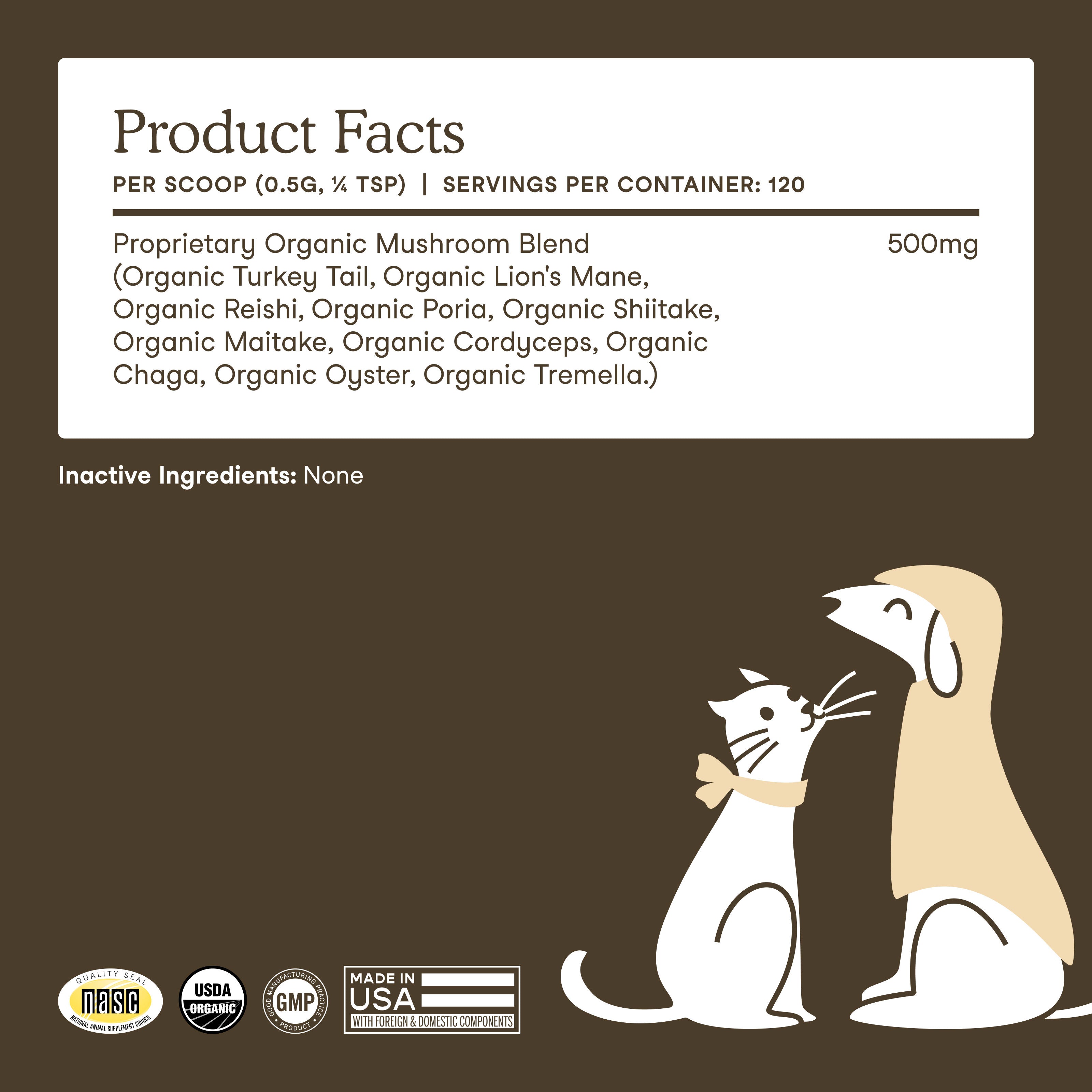
Practical Tips For Buying And Using Mushroom Supplements
The world of mushroom supplements is confusing. Here’s how to make smarter choices:
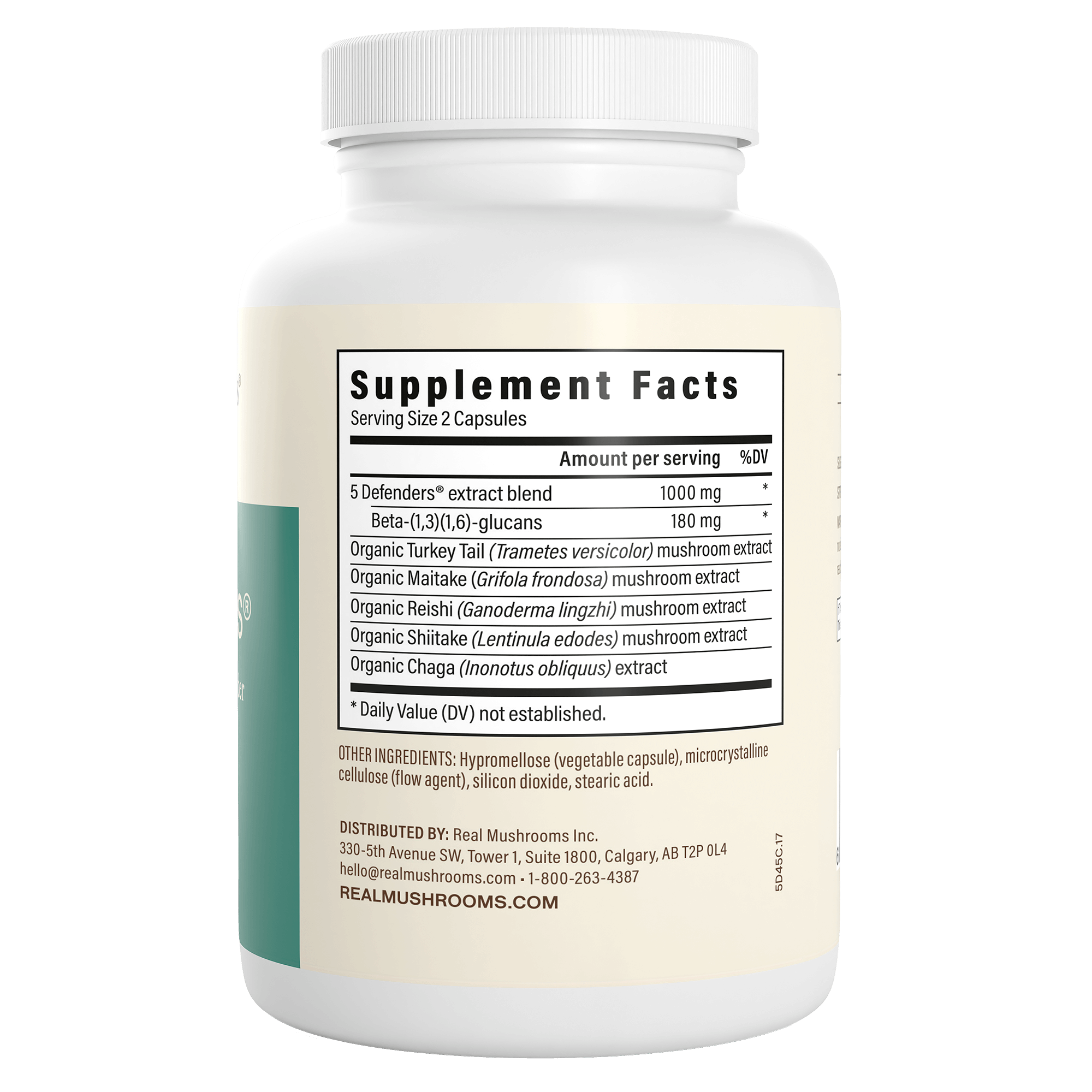
- Look for standardized extracts: Choose products that specify the amount of PSK, PSP, D-fraction, or beta-glucans.
- Check for third-party testing: This ensures the product is free from heavy metals, pesticides, and contaminants.
- Read the label: Some products use only mycelium (the root-like part) grown on grain, which can be less potent than fruiting body extracts.
- Start with a single mushroom: This helps you see how your body reacts.
- Watch for exaggerated claims: Real mushrooms support health but are not magic cures.
A recent consumer study showed that over 60% of mushroom supplements in the US did not contain the amount of active compounds listed on their labels. Choose trusted brands and ask your healthcare provider for recommendations.
Credit: www.ferapets.com
Real-world Experiences: Insights You May Not Know
Many people expect to “feel” something right away after taking maitake or turkey tail, but changes are often subtle and build over weeks. Here are two insights beginners often miss:
- Immune support is not always obvious: You may not notice big changes unless you are under stress or exposed to illness. Sometimes, the benefit is simply not getting sick as often.
- Gut health matters: Turkey tail’s prebiotic fibers may change bowel habits or cause gas at first. This is usually a sign your gut bacteria are adjusting—start with a small dose to avoid discomfort.
Some people find that their energy levels improve or allergies lessen over time with regular use, but these effects can vary.
What About Combining Maitake Or Turkey Tail With Other Supplements?
Both mushrooms are often included in immune blends with other mushrooms like reishi or shiitake, or with vitamin C and zinc. Here’s what to keep in mind:
- Synergy: Some compounds may work better together, but research is still limited.
- Risk of overdoing: Too many immune stimulants can cause side effects, especially if you have autoimmune conditions.
- Interactions: Both maitake and turkey tail can interact with medications, especially those for blood sugar, blood pressure, or the immune system.
Always check with a healthcare provider before adding new supplements, especially if you take prescription drugs.
Credit: realmushrooms.com
The Role Of Diet And Lifestyle
Remember, no mushroom can replace a healthy lifestyle. Maitake or turkey tail can be a helpful addition, but you’ll get the best results if you:
- Eat a balanced diet rich in fruits, vegetables, and whole grains
- Get enough sleep and manage stress
- Stay physically active
Mushroom supplements are just one part of a larger health strategy.
The Future Of Mushroom Research
Interest in medicinal mushrooms is growing quickly. Scientists are studying new ways that maitake and turkey tail may help:
- Personalized medicine: Matching mushroom compounds to individual immune types
- Cancer therapy: As complementary aids to reduce side effects and boost recovery
- Microbiome research: Understanding how turkey tail changes gut bacteria and overall health
More large, well-designed human studies are needed, but the future looks promising.
Turkey Tail And Maitake: Which Is Easier To Find?
In many countries, you can find both mushrooms as supplements in health stores, online, and sometimes in supermarkets. Maitake is more common as a food ingredient, while turkey tail is mostly sold as extracts and powders.
Here’s a quick look at their availability:
| Mushroom | Common Forms | Where to Find |
|---|---|---|
| Maitake | Fresh, dried, capsules, extract | Grocery stores, Asian markets, supplement shops |
| Turkey Tail | Powder, extract, capsules, tea | Online, health food stores, some pharmacies |
Tip: Always check the source and quality. Wild mushrooms should be identified by experts—some lookalikes can be unsafe.
How To Prepare Maitake And Turkey Tail At Home
Maitake
Cooking maitake is simple. Just clean and slice the mushroom, then sauté, roast, or add to soups. Cooking releases the beta-glucans and makes nutrients easier to absorb. Some people brew maitake tea by simmering the mushroom in water for 30–40 minutes.
Turkey Tail
Turkey tail is too tough to eat directly. To make a tea:
- Clean the mushroom and slice it.
- Simmer in water (about 1–2 hours).
- Strain and drink the liquid.
Turkey tail tea has an earthy, woody taste. Some people mix it with ginger or honey for better flavor.
Sustainability And Sourcing
Wild harvesting of mushrooms can impact forests if not done responsibly. Many supplements use cultivated mushrooms, which are more sustainable and consistent in quality.
- Certified organic mushrooms are less likely to contain pesticides or heavy metals.
- Look for brands that explain their sourcing and growing methods.
Maitake and turkey tail are both renewable and can be grown on farms, so they’re a sustainable choice compared to rare wild herbs.
Who Should Avoid Maitake Or Turkey Tail?
Most healthy adults can use these mushrooms safely, but there are exceptions:
- People with mushroom allergies should avoid all forms.
- Those with autoimmune diseases should talk to their doctor, as the immune-stimulating effects may not be safe.
- People on chemotherapy, radiation, or immune-modulating drugs must ask their healthcare team before using mushroom supplements.
If you have chronic conditions or take regular medications, professional guidance is important.
How To Store And Keep Your Mushrooms Fresh
- Fresh maitake: Store in the fridge, use within a week.
- Dried mushrooms: Keep in an airtight container in a cool, dry place.
- Extracts and powders: Store away from heat and moisture; check the expiration date.
Proper storage keeps the active compounds potent and safe for use.
Price And Value: What To Expect
Quality medicinal mushroom products are not cheap. The price depends on:
- The part of the mushroom used (fruiting body is best)
- The extraction method (hot water, alcohol, or both)
- The amount of active compounds per serving
A 30-day supply of a high-quality extract can cost between $20 and $50. Cheaper products may use fillers or lower-quality ingredients, so compare labels and reviews.
Real-life Example: Using Mushrooms For Immune Support
Sarah, a 35-year-old teacher, started using turkey tail capsules after frequent colds during the winter. She noticed fewer sick days over the next year but had some mild stomach upset at first. Her friend, Mike, prefers maitake in soups and feels it helps with his energy levels, especially during a busy work season.
Their experiences show that effects can be personal. It may take weeks to notice changes, and results depend on diet, stress, and other factors.
How Maitake And Turkey Tail Fit Into The Bigger Picture
Mushrooms are just one piece of the immune health puzzle. Both maitake and turkey tail offer unique compounds that support the body in different ways. They can be useful tools, especially for people who want to use natural products alongside healthy habits.
The key is to choose high-quality mushrooms, start with small doses, and watch how your body responds.
If you want to learn more about the science and traditional use of medicinal mushrooms, check out resources like the Medicinal mushroom page on Wikipedia.
Frequently Asked Questions
What Is The Main Difference Between Maitake And Turkey Tail For Immune Support?
The main difference is in their active compounds and how they interact with the immune system. Maitake is known for its D-fraction beta-glucans, which directly stimulate immune cells. Turkey tail contains PSK and PSP, which support both the immune system and gut health, and is especially well-studied for supporting people during cancer treatment.
Can I Take Maitake And Turkey Tail Together?
Yes, many people use both mushrooms together. They have different but complementary effects. Start with small doses and watch for any side effects, especially if you have allergies or take medications.
How Long Does It Take To See Results From Maitake Or Turkey Tail?
Most people need to take these mushrooms daily for several weeks before noticing changes. Effects on immunity are often subtle, such as getting sick less often or recovering faster.
Are Maitake And Turkey Tail Safe For Children?
There is not enough research to say they are safe for children. If you want to give these to a child, speak to a healthcare provider first.
Do Maitake And Turkey Tail Interact With Medications?
Both mushrooms can interact with certain drugs, especially those for blood sugar, immune system, or cancer. Always consult a healthcare provider before adding new supplements if you take medication.
Choosing between maitake and turkey tail is not always simple, but knowing their unique strengths, research, and practical uses will help you make the best decision for your immune support journey. Both mushrooms can be valuable allies for health—when chosen and used wisely.