
Stress can affect every part of your body, especially when it’s physical. Whether you’re an athlete, a busy worker, or just trying to keep up with daily life, your body faces many challenges. Cordyceps, a unique mushroom, is getting a lot of attention for how it may help your body handle these physical demands. But how does it really work? Can a fungus from the mountains help with things like energy, recovery, and immunity? Let’s explore what science and tradition say about Cordyceps, and how it might help you adapt to physical stress in ways you might not expect.
What Is Cordyceps?
Cordyceps is a type of medicinal mushroom. It has been used for centuries in traditional Chinese and Tibetan medicine. The most famous species is Cordyceps sinensis, but today, most supplements use Cordyceps militaris, which is easier to grow and has similar effects.
This mushroom grows naturally on caterpillars in the wild, but commercial products are made without insects. Cordyceps has a long reputation for boosting energy, helping the lungs, and improving sexual health. Now, modern science is starting to explain why.
The Science Behind Physical Stress
Physical stress happens when your body is pushed beyond its usual limits. This can be from exercise, illness, lack of sleep, or even emotional challenges that affect your body. When this happens, your muscles, heart, lungs, and even your immune system must work harder.
If your body cannot recover, you may feel:
- Fatigue
- Muscle soreness
- Poor focus
- Weaker immunity
Adaptogens are natural substances that help the body cope with stress. Cordyceps is considered one of the most promising adaptogens. But how?
Key Compounds In Cordyceps
Cordyceps mushrooms have many active compounds. The most important for physical stress adaptation are:
- Cordycepin (3’-deoxyadenosine): This unique compound helps with energy and cell repair.
- Polysaccharides: These help the immune system and may reduce inflammation.
- Beta-glucans: These are a type of polysaccharide important for immune function.
- Sterols and Nucleosides: They support overall health.
Each of these works in different ways to help your body stay strong under stress.
How Cordyceps Helps Your Body Adapt To Physical Stress
Let’s look at the main ways Cordyceps may help your body manage physical stress, based on research and traditional use.
1. Boosts Cellular Energy Production
Your body makes energy in tiny parts of cells called mitochondria. Cordyceps helps these mitochondria work better. This means your muscles and organs get more energy, especially when they’re under pressure.
Research shows Cordyceps can:
- Increase ATP (adenosine triphosphate) production, which is the main energy source for cells.
- Improve how your muscles use oxygen, making exercise feel easier.
For example, a study in the *Journal of Alternative and Complementary Medicine* found that adults who took Cordyceps had better exercise performance and less fatigue.
2. Improves Oxygen Utilization
When you exercise or face physical stress, your body needs more oxygen. Cordyceps may help you use oxygen more efficiently.
How Does This Work?
- Cordyceps helps your lungs take in more oxygen.
- It improves blood flow, getting oxygen to your muscles faster.
Athletes in China have used Cordyceps for years to help with high-altitude training and endurance. Even if you’re not an athlete, better oxygen use can help you recover from illness, handle long workdays, or adapt to new challenges.
3. Reduces Inflammation
Physical stress often leads to inflammation. This is your body’s way of healing, but too much inflammation can slow you down and make recovery harder.
Cordyceps has anti-inflammatory properties. Its polysaccharides and cordycepin can:
- Lower levels of pro-inflammatory cytokines (chemicals that signal inflammation).
- Support faster muscle repair after intense activity.
Some people notice less joint pain and muscle soreness when using Cordyceps during heavy training or after physical injury.
4. Supports Immune Function
When you’re under physical stress, your immune system can get weaker. Cordyceps is known for helping to balance and strengthen the immune response.
Key effects include:
- Stimulating the activity of natural killer cells (which fight infection).
- Regulating immune system chemicals so you’re protected, but not overreacting.
Cordyceps polysaccharides are especially helpful for people who get sick easily after workouts or during busy times.
5. Fights Fatigue And Improves Stamina
Fatigue is a common sign of physical stress. Cordyceps can help you feel less tired, both during exercise and in daily life.
Studies have found that Cordyceps:
- Delays the build-up of lactic acid in muscles (which causes soreness and fatigue).
- Helps maintain steady energy levels over time.
In one trial, older adults taking Cordyceps walked longer distances and felt less exhausted than those who took a placebo.
6. Regulates Stress Hormones
Physical and emotional stress raise your cortisol levels. Too much cortisol can make you feel anxious, tired, or even cause weight gain.
Cordyceps helps to:
- Balance cortisol levels, so you recover faster.
- Support the adrenal glands, which produce stress hormones.
This balancing effect can help you feel calmer and more focused, even when your body is under pressure.
7. Enhances Recovery After Exercise
After exercise, your body needs to recover. This means repairing muscle, refilling energy stores, and reducing inflammation. Cordyceps can speed up this process.
Benefits include:
- Faster reduction in muscle soreness.
- Improved muscle repair and growth.
- Less downtime between workouts.
Some trainers recommend Cordyceps for people who want to get the most out of their fitness routine.
8. Supports Heart Health Under Stress
Physical stress can strain your heart. Cordyceps helps protect your cardiovascular system by:
- Improving blood circulation.
- Lowering bad cholesterol and supporting healthy blood pressure.
- Protecting the heart muscle from stress-related damage.
A clinical study showed that Cordyceps improved heart function in people with heart disease and reduced symptoms of chest pain.
9. Protects Against Oxidative Stress
Oxidative stress happens when your body has too many harmful molecules called free radicals. This can damage cells and slow recovery.
Cordyceps acts as a powerful antioxidant. It helps to:
- Neutralize free radicals.
- Protect muscles and organs from damage during intense activity.
This is especially helpful for people who push their bodies hard or live in polluted environments.
10. Promotes Better Sleep And Rest
Rest is critical for adapting to stress. Cordyceps may help with:
- Falling asleep faster.
- Getting deeper, more restorative sleep.
This effect seems to come from Cordyceps’ ability to balance stress hormones and support the nervous system. Better sleep means better recovery and more energy the next day.
11. Balances Blood Sugar During Stress
Physical and emotional stress can raise your blood sugar. Cordyceps helps to:
- Keep blood sugar levels steady.
- Improve how your body uses insulin.
This is important because big changes in blood sugar can make you feel tired, dizzy, or even sick.
12. Supports Respiratory Health
Cordyceps has long been used for lung health. It helps:
- Clear mucus and open airways.
- Reduce coughing and improve breathing.
People living at high altitudes or those with breathing problems may find Cordyceps especially helpful during physical stress.
13. Helps With Sexual Health And Vitality
Physical stress can lower sex drive and fertility. Cordyceps is famous for supporting sexual health, especially in traditional medicine.
It may help by:
- Boosting testosterone and improving sperm quality in men.
- Supporting hormone balance in women.
- Increasing overall vitality and stamina.
These effects are not just for sexual health—they also mean your body can handle stress and recover better.
14. Enhances Adaptation To Extreme Environments
Cordyceps is famous for helping people adapt to high-altitude and low-oxygen conditions. Mountaineers and athletes use it to avoid altitude sickness and stay strong in tough environments.
Key benefits include:
- More efficient oxygen use.
- Better energy and less fatigue in cold or low-oxygen places.
This makes Cordyceps a favorite for travelers, outdoor workers, and anyone facing unusual physical challenges.
15. Improves Cognitive Function Under Stress
Physical stress doesn’t just affect your body—it can hurt your brain, too. Cordyceps supports mental clarity and focus during stressful times.
How?
- By protecting brain cells from stress-related damage.
- Supporting the production of neurotransmitters (brain chemicals for mood and focus).
Some users notice better memory and less “brain fog” during busy or physically demanding times.
16. Helps The Body Use Fat For Energy
When your body is under stress, it often uses up its sugar stores quickly. Cordyceps helps you switch to burning fat for energy.
Benefits:
- More stable energy during long activities.
- Less muscle breakdown, since your body doesn’t need to use protein for fuel.
This is important for endurance athletes, but also for anyone facing long days or recovery from illness.
17. Maintains Electrolyte Balance
Physical stress, sweating, and intense exercise can cause you to lose electrolytes (like sodium and potassium). Cordyceps helps your body keep these in balance, which prevents cramps and supports nerve function.
This is a lesser-known benefit, but crucial for people in hot climates or those who exercise hard.
18. Supports Liver And Kidney Health
Organs like the liver and kidneys help remove waste from your body, especially during stress. Cordyceps supports these organs by:
- Reducing oxidative stress on liver and kidney cells.
- Helping detoxification processes.
This means your body can recover faster and avoid the build-up of toxins after tough physical challenges.
19. Encourages Healthy Aging
Physical stress speeds up aging by damaging cells. Cordyceps helps slow this process by:
- Protecting DNA from stress-related harm.
- Supporting the body’s natural repair systems.
Older adults using Cordyceps often report feeling younger, with better energy and fewer aches.
20. Modulates Immune Overreaction
Sometimes, physical stress can make the immune system overreact, leading to allergies or autoimmune problems. Cordyceps helps by:
- Calming overactive immune responses.
- Supporting immune balance, so your body fights what it should, not itself.
This is important for people with sensitive immune systems or those recovering from illness.

Credit: natvd.com
Comparing Cordyceps To Other Adaptogens
How does Cordyceps stack up against other popular adaptogens like ginseng and ashwagandha? Here’s a simple comparison to help you see the differences and similarities.
| Adaptogen | Main Benefits | Best For | Side Effects |
|---|---|---|---|
| Cordyceps | Energy, stamina, immune support | Athletes, recovery, fatigue | Rare, mild digestive upset |
| Ginseng | Energy, mental focus, immunity | Stress, brain function, aging | Insomnia, high blood pressure |
| Ashwagandha | Calm, hormone balance, stress relief | Anxiety, sleep, mood | Drowsiness, thyroid issues |
Cordyceps stands out for its effects on physical energy, stamina, and recovery. It is often the top choice for athletes and those facing physical challenges.
Dosage And How To Use Cordyceps
Cordyceps is available as capsules, powders, tinctures, and even teas. Here’s how to use it safely and effectively:
- Standard dose: 1,000–3,000 mg per day (extract form)
- Best time: Morning or before physical activity
- How to take: With or without food, but some prefer before meals for better absorption
Tip: Look for products with at least 30% polysaccharides and clear labeling of Cordyceps species.
Cordyceps Dosage Comparison
Different people need different amounts. Here’s a guide based on needs:
| User Type | Recommended Daily Dose | Purpose |
|---|---|---|
| General Health | 1,000–1,500 mg | Daily energy, immunity |
| Athletes | 2,000–3,000 mg | Stamina, recovery |
| Older Adults | 1,000–2,000 mg | Anti-aging, vitality |
Always check with your doctor before starting Cordyceps, especially if you have health conditions or take medication.
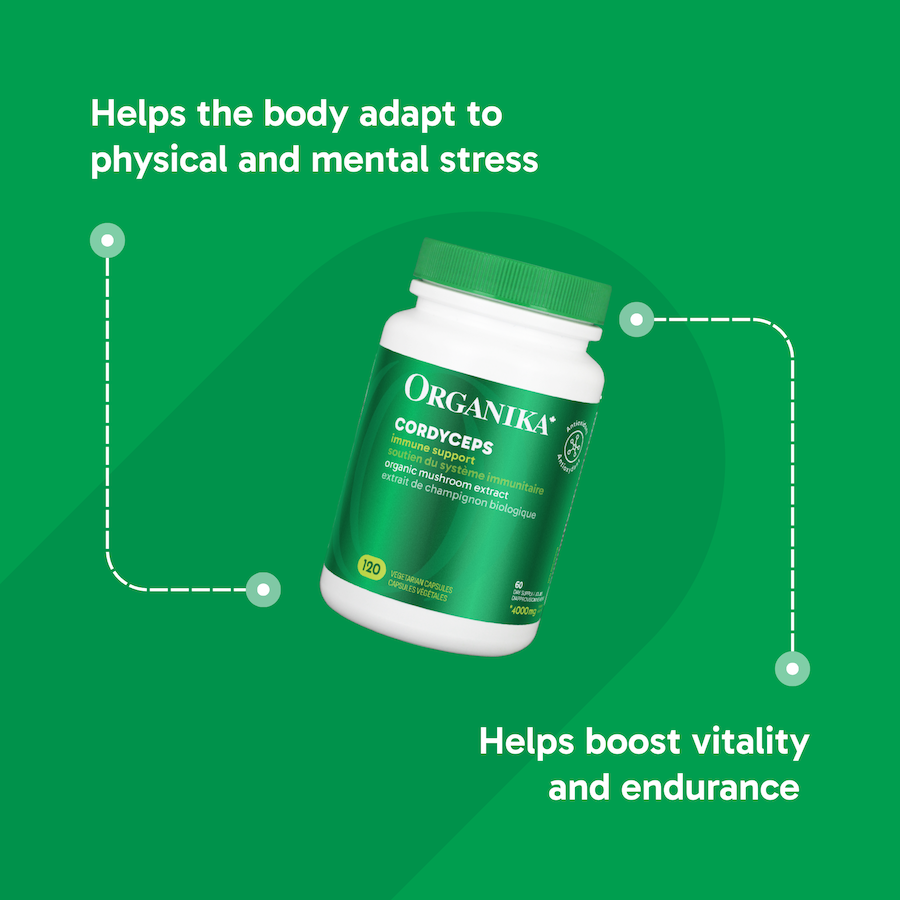
Credit: organika.com
Who Can Benefit Most From Cordyceps?
Cordyceps is helpful for many groups:
- Athletes looking for better performance and faster recovery
- Busy professionals needing more energy and stress resistance
- Older adults wanting healthy aging and immunity
- People recovering from illness or surgery
- Anyone under high physical stress (manual workers, travelers, parents)
However, it’s not a magic pill—good sleep, nutrition, and rest are still important.
Side Effects And Safety
Cordyceps is generally safe for most people. Side effects are rare but can include:
- Mild digestive upset (nausea, diarrhea)
- Dry mouth
- Allergic reaction (very rare)
It’s best to avoid Cordyceps if you:
- Are pregnant or breastfeeding (lack of research)
- Have autoimmune diseases (talk to your doctor first)
- Take blood thinners, as Cordyceps might affect clotting
Non-obvious tip: Some people report vivid dreams or more energy at night if they take Cordyceps late in the day. Try taking it in the morning to avoid this.

Credit: www.ebay.com
What To Look For In Quality Cordyceps Supplements
Not all Cordyceps products are created equal. Here’s how to choose a good one:
- Check the species: Cordyceps militaris and Cordyceps sinensis (cultivated) are the main types.
- Look for extracts: These are more concentrated than plain powders.
- Third-party testing: Choose brands that test for purity and heavy metals.
- Polysaccharide content: Aim for at least 30% for real benefits.
- No fillers: Avoid products with added starch, rice, or unknown ingredients.
Non-obvious insight: Some products claim to be “wild Cordyceps,” but true wild Cordyceps sinensis is extremely rare and expensive. Most supplements use cultivated Cordyceps militaris, which is effective and sustainable.
Real-life Examples: Cordyceps In Action
- Elite athletes: Chinese Olympic runners credited Cordyceps as part of their training when they broke world records in the 1990s.
- High-altitude workers: Sherpas and mountaineers use Cordyceps to adapt to the low-oxygen conditions of the Himalayas.
- Office workers: People with long work hours report more stable energy and less burnout with daily Cordyceps.
These stories show that Cordyceps can help people in many situations, not just the gym.
Scientific Evidence: What Do Studies Say?
Cordyceps has been studied in animals and humans. Some key findings:
- A double-blind study found that older adults taking Cordyceps could exercise longer and felt less tired.
- Animal studies show Cordyceps reduces inflammation, boosts immunity, and helps the body use oxygen better.
- Clinical trials suggest Cordyceps may help with heart health, kidney health, and even blood sugar control.
While more research is needed, the results so far are promising. For more details, see this review on Cordyceps in medical research.
Practical Tips For Getting The Most From Cordyceps
- Start low: Begin with a small dose to see how your body reacts.
- Take it regularly: Cordyceps works best when used daily, not just before exercise.
- Combine with good habits: Sleep, hydration, and nutrition make Cordyceps more effective.
- Cycle your use: Some people use Cordyceps for 6–8 weeks, then take a break for a week or two.
- Watch for quality: Only buy from trusted brands with clear labeling.
Pro tip: If you’re using Cordyceps for athletic performance, start at least two weeks before a big event to give your body time to adapt.
Common Myths About Cordyceps
- Myth 1: Cordyceps is made from bugs.
*Reality:* Most modern supplements use cultivated mushrooms, not wild caterpillars.
- Myth 2: It works instantly.
*Reality:* Benefits often build up over several weeks of regular use.
- Myth 3: Cordyceps is only for athletes.
*Reality:* Anyone can benefit, especially people under physical or mental stress.
- Myth 4: More is better.
*Reality:* Higher doses don’t always give better results. Stick to recommended amounts.
- Myth 5: It replaces a healthy lifestyle.
*Reality:* Cordyceps is a supplement, not a substitute for rest, nutrition, or medical care.
Frequently Asked Questions
What Is The Best Way To Take Cordyceps For Physical Stress?
The most effective way is to use a standardized extract (capsule or powder) with at least 30% polysaccharides. Take it daily, preferably in the morning or before physical activity, at a dose of 1,000–3,000 mg. Consistency is key—regular use gives the best results.
How Long Does It Take To Feel The Effects Of Cordyceps?
Some people notice more energy within a few days, but most benefits build over 2–4 weeks of daily use. For athletic performance and recovery, allow at least two weeks before expecting big changes.
Can Cordyceps Be Taken With Other Supplements?
Yes, Cordyceps is safe with most vitamins and adaptogens like ginseng or ashwagandha. However, avoid combining it with stimulant supplements unless you know how your body reacts. Always check with your doctor if you take prescription medications.
Are There Any Serious Side Effects?
Serious side effects are rare. Some people may have mild stomach upset or dry mouth. If you have allergies to mushrooms or are on blood thinners, check with your doctor first. Pregnant or breastfeeding women should avoid Cordyceps due to limited safety data.
Is Cordyceps Safe For Long-term Use?
Research suggests Cordyceps is safe for long-term use at recommended doses. Many people use it for months or even years. It’s a good idea to take breaks (for example, 1 week off every 2 months) to keep your body responsive.
Cordyceps is not a miracle cure, but it can be a strong ally in helping your body adapt to physical stress. With the right product and regular use, you may find more energy, better recovery, and greater resilience to life’s physical demands.
Always combine it with good rest, nutrition, and a balanced lifestyle for the best results.