
Maitake For Blood Pressure: Natural Support For Hypertension
Managing high blood pressure, or hypertension, is a challenge faced by millions of people worldwide. While modern medicine offers many pharmaceutical options, there is growing interest in natural remedies that can help support healthy blood pressure levels. One such remedy is the maitake mushroom—a unique fungus with a long history in traditional medicine. More people are now asking: can maitake really help with blood pressure? In this article, we’ll take a deep look at the science, benefits, practical use, and important considerations of using maitake for hypertension. You’ll discover what makes maitake special, how it works, and whether it could be a helpful addition to your lifestyle.
What Is Maitake?
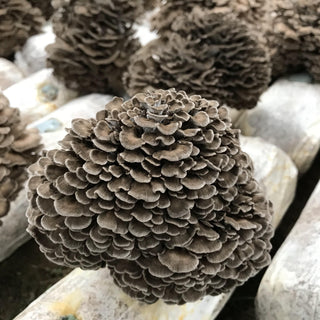
Maitake, also known as Grifola frondosa, is a large, leafy mushroom that grows at the base of trees, especially oaks. In Japan, “maitake” means “dancing mushroom,” named after the joy people felt when they found it in the wild. For centuries, maitake has been used in Asian cooking and traditional medicine. It is valued for its rich taste, but even more for its health-supporting compounds.
Maitake is not just a food; it’s a medicinal mushroom. It contains unique polysaccharides, particularly beta-glucans, which are known for supporting the immune system. Recent studies also suggest that maitake may help manage blood sugar, cholesterol, and, importantly, blood pressure.
Understanding Hypertension
Before exploring how maitake may help, it’s important to understand what hypertension is. Blood pressure is the force of blood pushing against the walls of arteries as the heart pumps. Hypertension occurs when this force is consistently too high. Over time, high blood pressure can damage blood vessels and organs, leading to heart disease, stroke, kidney problems, and more.
Hypertension is often called the “silent killer” because it usually has no symptoms until serious damage has occurred. Managing it is not just about taking medicine—diet, exercise, stress management, and sometimes natural remedies play important roles.
Key Statistics On Hypertension
- Over 1.28 billion adults worldwide have hypertension.
- Only 1 in 5 people with hypertension have it under control.
- High blood pressure causes around 7.5 million deaths each year.
How Maitake Supports Blood Pressure
Scientists have discovered several ways maitake may help with blood pressure. While more research is still needed, current findings are promising.
1. Beta-glucans And Blood Vessel Health
Maitake is rich in beta-glucans, a type of soluble fiber. Beta-glucans are known to improve blood vessel flexibility and reduce inflammation. Flexible vessels allow blood to flow more easily, which can help lower pressure inside the arteries.
Some studies show that people who eat foods high in beta-glucans tend to have healthier blood pressure levels. Maitake’s unique structure means its beta-glucans may be especially effective.
2. Natural Ace Inhibition
The angiotensin-converting enzyme (ACE) is a protein that raises blood pressure by causing blood vessels to narrow. Many hypertension drugs are “ACE inhibitors” that block this protein. Maitake contains compounds that may act as mild, natural ACE inhibitors, helping to relax blood vessels and lower pressure without harsh side effects.
3. Balancing Sodium And Potassium
Blood pressure is strongly influenced by the balance of sodium (salt) and potassium in the body. Diets high in salt and low in potassium are linked to high blood pressure. Maitake is naturally low in sodium and contains potassium, which helps the body get rid of extra salt and relax blood vessels.
4. Supporting Weight Control And Metabolic Health
Excess weight is a major risk for hypertension. Maitake is low in calories but high in fiber and nutrients. It can help you feel full with fewer calories, supporting weight control. Some evidence also shows maitake may help regulate blood sugar and cholesterol—other important factors for a healthy heart and blood pressure.
5. Reducing Oxidative Stress
Oxidative stress damages blood vessels and is linked to high blood pressure. Maitake contains antioxidants that can neutralize free radicals. Lower oxidative stress means less damage to vessel walls and better long-term blood pressure health.
Scientific Evidence: What Do Studies Say?
Several studies have looked at maitake and its effects on blood pressure, especially in animals and small human trials.
- A study published in the “Journal of Medicinal Food” found that rats given maitake extract had lower blood pressure compared to those who did not receive it.
- Another study in humans showed that maitake supplements helped reduce blood pressure in people with mild hypertension, though the effect was moderate.
- Research also suggests that maitake can improve cholesterol and blood sugar levels, both of which are important for blood pressure management.
It’s important to remember that while these results are promising, maitake should not replace prescribed medication without a doctor’s advice. Instead, it may be a helpful addition to a healthy lifestyle.
Key Nutrients In Maitake
Maitake offers more than just beta-glucans. Here’s a look at its main nutrients and how they support blood pressure:
| Nutrient | Role in Blood Pressure | Amount per 100g (raw) |
|---|---|---|
| Potassium | Helps lower blood pressure by balancing sodium | 204 mg |
| Beta-glucans | Improves vessel flexibility, lowers cholesterol | Exact amount varies, rich source |
| Vitamin D | Supports vessel health, immune system | 28.1 IU |
| Niacin (B3) | Supports energy, lowers cholesterol | 6.6 mg |
| Antioxidants | Reduces oxidative stress | Various types present |
Maitake is also a good source of fiber, copper, and other B vitamins. All of these work together to support heart and blood vessel health.
How To Use Maitake For Blood Pressure
If you’re interested in trying maitake as part of your blood pressure management, there are several ways to add it to your diet or routine.
Eating Maitake As Food
Fresh or dried maitake mushrooms can be cooked and eaten like other mushrooms. Their rich, earthy taste works well in soups, stir-fries, or grilled dishes. Aim for 1-2 servings per week if you can find them.
Maitake Supplements
Maitake is also available as capsules, powders, or extracts. These can be a more concentrated source of active compounds, but quality matters. Look for standardized extracts with clear beta-glucan content and buy from trusted brands.
Typical daily doses range from 500 mg to 2,000 mg of extract. Always start with a low dose and increase slowly.
Maitake Tea Or Broth
Some people drink maitake tea or add dried maitake to broths. This is a gentle way to enjoy its benefits, especially if you prefer not to take pills.
Combining Maitake With Other Healthy Habits
Maitake alone is not a magic cure. Its effects are strongest when combined with:
- A diet rich in fruits, vegetables, and whole grains
- Regular physical activity
- Limiting salt and processed foods
- Managing stress
Comparing Maitake With Other Natural Remedies
How does maitake compare with other popular natural remedies for blood pressure? Here’s a simple comparison:
| Remedy | Main Active Compounds | Blood Pressure Support | Additional Benefits |
|---|---|---|---|
| Maitake | Beta-glucans, antioxidants | Moderate evidence | Cholesterol, blood sugar, immune support |
| Garlic | Allicin | Strong evidence | Cholesterol, immune support |
| Hibiscus tea | Anthocyanins | Moderate evidence | Antioxidants, mild diuretic |
| CoQ10 | Coenzyme Q10 | Moderate evidence | Heart energy, antioxidant |
| Omega-3 oils | EPA, DHA | Strong evidence | Triglycerides, heart health |
Maitake offers several benefits at once, but it is not as strong as garlic or prescription drugs for lowering blood pressure quickly. However, it is gentle on the body and can be used long-term.
Credit: drnoelsmushroompowder.com.au
Who Should Consider Maitake?
Maitake may be a good choice for:
- People with mild hypertension who want natural support
- Those already eating a healthy diet but looking for an extra boost
- People interested in immune, cholesterol, or blood sugar benefits
- Anyone who prefers food-based remedies over pills
However, it is not a replacement for prescribed blood pressure medication, especially in severe cases. Always talk to your doctor before starting any new supplement.
How To Choose Quality Maitake Products
Not all maitake products are equal. Here’s what to look for when buying supplements or extracts:
- Standardized extract: Check for products that mention “standardized to x% beta-glucans.” This shows the product has a known amount of active compounds.
- Third-party testing: Look for brands that test for purity, heavy metals, and contaminants.
- Reputable brands: Choose brands with good reviews and a clear company history.
- No unnecessary additives: Avoid products with fillers, artificial colors, or preservatives.
If buying dried or fresh maitake, check for a firm texture and a fresh, earthy smell. Avoid any that are slimy or have an off odor.
Maitake And Safety
Maitake is generally safe for most people, but there are a few things to keep in mind.
Possible Side Effects
Some people may experience:
- Upset stomach or diarrhea, especially with high doses
- Allergic reactions (rare)
- Lower blood sugar (caution for diabetics)
Start with a small amount to see how your body reacts.
Drug Interactions
Maitake may interact with:
- Blood pressure medications (may cause pressure to go too low)
- Diabetes medications (may lower blood sugar further)
- Immune-suppressing drugs
If you take these medicines, talk to your doctor before using maitake.
Who Should Avoid Maitake?
- Pregnant or breastfeeding women (lack of safety data)
- People with mushroom allergies
- Those with bleeding disorders (rare risk of increased bleeding)
Practical Tips For Adding Maitake To Your Life
If you want to make maitake part of your routine, here are some tips:
- Start small: Try a small serving of cooked maitake or a low-dose supplement.
- Combine with meals: Maitake is easier on the stomach when eaten with food.
- Try different forms: Experiment with soups, stir-fries, teas, or capsules.
- Track your pressure: If you use maitake regularly, check your blood pressure at home to see if it makes a difference.
- Listen to your body: If you feel unwell or notice side effects, stop and talk to a health professional.
Myths And Facts About Maitake For Hypertension
There’s a lot of hype about natural remedies. Let’s clear up some common misunderstandings.
Myth 1: Maitake Can Replace Prescription Drugs
Fact: Maitake is helpful as a support, but it’s not a replacement for medical treatment in serious cases. It works best as part of a healthy lifestyle.
Myth 2: All Mushrooms Lower Blood Pressure
Fact: While many edible mushrooms are healthy, not all have the same compounds as maitake. Shiitake and reishi also have benefits, but each works differently.
Myth 3: More Maitake Is Better
Fact: Large amounts may upset your stomach or interact with medicines. Start small and increase slowly.
Myth 4: Maitake Works Instantly
Fact: Natural remedies take time. Give maitake at least a few weeks to see if you notice changes.
Real-life Experiences: What Users Say
Many people have shared their experiences with maitake for blood pressure support. While stories are not scientific proof, they offer practical insight.
- Maria, 54: “I started using maitake capsules along with my regular medication. My pressure is more stable, and I feel less tired.”
- James, 61: “Maitake tea is now part of my morning routine. I noticed my numbers are a bit lower, and I love the taste.”
- Li, 45: “I cook maitake in soups twice a week. My doctor is happy with my blood pressure and cholesterol.”
Not everyone sees dramatic results, but many feel maitake is a gentle, supportive addition.

Credit: well-gummies.com
Common Mistakes To Avoid
- Skipping medical advice: Always talk to your doctor before starting new supplements.
- Expecting quick results: Maitake works gradually, not overnight.
- Ignoring dosage instructions: Higher doses are not always better. Follow package directions.
- Relying only on maitake: Combine with a healthy diet, exercise, and stress management.
- Buying low-quality products: Choose standardized, tested supplements.
Maitake In Traditional And Modern Medicine
Maitake has a long history in traditional Chinese and Japanese medicine, used to boost immunity and vitality. In modern times, researchers are exploring its effects on cancer, diabetes, and heart health. Its growing popularity shows a bridge between ancient wisdom and modern science.
The Future Of Maitake Research
More studies are underway to understand exactly how maitake works for blood pressure and overall health. Scientists are isolating specific compounds and testing them in larger human trials. If current trends continue, maitake could become a more common part of blood pressure care in the future.
Where To Find Maitake
Maitake is now easier to find than ever. Look for it:
- In Asian grocery stores (fresh or dried)
- In health food stores (supplements, powders)
- Online retailers (be careful to choose reputable sources)
- At some farmer’s markets (seasonal)
If using wild maitake, be sure you can identify it safely. Some mushrooms can be toxic if misidentified.
Maitake Recipes For Better Blood Pressure
Adding maitake to meals is one of the easiest ways to enjoy its benefits. Here are two simple recipes:
Maitake Stir-fry
Ingredients:
- 200g fresh maitake, broken into pieces
- 1 tablespoon olive oil
- 1 clove garlic, minced
- 1 cup chopped spinach
- 1 tablespoon low-sodium soy sauce
- Black pepper to taste
Instructions:
- Heat oil in a pan over medium heat.
- Add garlic, cook for 1 minute.
- Add maitake, cook for 5 minutes until tender.
- Add spinach, soy sauce, and pepper. Stir for 2 minutes.
- Serve with brown rice or quinoa.
Tips: Maitake cooks quickly. Don’t overcook or it will lose its texture.
Maitake Miso Soup
Ingredients:
- 100g dried maitake (or 200g fresh)
- 1 liter water
- 2 tablespoons miso paste
- 1 green onion, sliced
- 100g tofu, cubed
Instructions:
- If using dried maitake, soak in warm water for 20 minutes, then drain.
- Bring water to a boil, add maitake, simmer for 10 minutes.
- Add tofu, cook for 2 more minutes.
- Turn off heat. Stir in miso paste (do not boil).
- Add green onion and serve.
Tips: Use low-sodium miso for a heart-healthy soup.
Key Insights Beginners Often Miss
1. Maitake works best as part of a whole lifestyle change—not by itself. Combining it with other heart-healthy habits gives the best results.
2. The quality and source of maitake matter a lot. Poor-quality supplements may not contain enough active compounds to have any effect. Always check for standardized beta-glucan content.
3. Maitake may help with more than just blood pressure. Its impact on cholesterol, blood sugar, and immunity can make it a valuable addition to overall health.
4. Effects can take time to appear. You may need several weeks of regular use before seeing a difference in your numbers.
5. Maitake’s safety profile is good, but not perfect. Always check for interactions and start small.
How Maitake Fits In A Heart-healthy Diet
Let’s see how maitake fits into a typical heart-healthy eating plan:
| Food Group | Recommended Choices | How Maitake Fits |
|---|---|---|
| Vegetables | Colorful, leafy, cruciferous | Maitake counts as a high-fiber, nutrient-rich vegetable |
| Proteins | Fish, beans, tofu, lean meats | Maitake adds low-calorie, plant-based protein |
| Grains | Whole grains (brown rice, oats) | Serve maitake with whole grains for a filling meal |
| Fats | Olive oil, nuts, seeds | Cook maitake in heart-healthy oils |
| Herbs & Spices | Garlic, ginger, turmeric | Combine maitake with these for extra benefit |
A balanced diet that includes maitake is a smart way to support your blood pressure naturally.
What Doctors Say About Maitake
Most doctors recognize that maitake is safe for many people and may help as part of a healthy lifestyle. However, they also caution that supplements can interact with medications. Doctors often recommend tracking your blood pressure closely and not changing your medication without medical advice.
Dr. Susan Lee, a cardiologist, says: “Maitake can be a helpful addition for some patients, especially those interested in natural approaches. But it’s important to see it as support—not a substitute for proven treatments.”

Credit: birchboys.com
Summary: Is Maitake Right For You?
Maitake offers a gentle, natural way to support healthy blood pressure. Its unique beta-glucans, antioxidants, and nutrients make it a valuable addition to a heart-friendly diet. While it is not a cure or a replacement for medication, many people find it helpful as part of a balanced lifestyle. Always choose high-quality products, start small, and work with your healthcare provider. With patience and the right approach, maitake can be one more tool in the fight against hypertension.
For more research on natural remedies and heart health, you can check the National Institutes of Health.
Frequently Asked Questions
What Is The Best Way To Take Maitake For Blood Pressure?
The best way is to eat maitake as part of your meals, such as in soups, stir-fries, or salads. Supplements can also be used, but choose products with standardized beta-glucan content. Always start with a small dose.
Can Maitake Lower Blood Pressure On Its Own?
Maitake may help lower blood pressure moderately, but it works best when combined with a healthy diet, exercise, and stress management. It should not replace prescribed medication unless advised by your doctor.
How Long Does It Take To See Results With Maitake?
You may need to use maitake regularly for 4-8 weeks before seeing any noticeable changes in blood pressure. Effects can vary from person to person.
Are There Any Side Effects Of Using Maitake?
Most people tolerate maitake well, but some may experience stomach upset or allergic reactions. It may lower blood sugar, so diabetics should use caution. Start with a low dose to see how your body reacts.
Can I Use Maitake With Other Blood Pressure Supplements?
It is possible, but always talk to your doctor first. Maitake can interact with blood pressure and diabetes medicines. Combining too many natural remedies can increase the risk of side effects.
High blood pressure is a serious condition, but with the right knowledge and choices, you can take control. Maitake is a promising, natural way to support your journey to better heart health.