
Altitude training is a powerful method used by athletes, mountaineers, and adventure seekers to boost endurance and performance. When you train at high elevation, your body faces new challenges—less oxygen, faster fatigue, and slower recovery. Many people struggle to adapt quickly. But today, science and tradition are finding new ways to help. One of the most talked-about tools is Cordyceps, a unique medicinal mushroom with roots in ancient Chinese medicine and modern sports science. This article dives deep into how Cordyceps can help you adapt faster during altitude training, explains the science behind it, and reveals practical strategies for using it effectively. Whether you’re a beginner or a seasoned athlete, you’ll discover how Cordyceps might be the missing link in your high-altitude journey.
Understanding Altitude Training
Altitude training means exercising or living at elevations usually above 2,000 meters (about 6,500 feet). At these heights, the air contains less oxygen. For most people, this change is not easy. The body must work harder to get the oxygen it needs.
That’s why athletes use altitude training—to force their bodies to become more efficient.
Training at altitude isn’t just for Olympic athletes. Hikers, climbers, and even people traveling to high-elevation cities can benefit from understanding how the body responds. For example, training in Mexico City or in the Rocky Mountains exposes you to lower oxygen levels, even if you’re not climbing Everest. The body’s response is the same: it tries to adapt so you can keep moving.
Why Athletes Use Altitude Training
- Improved oxygen efficiency: The body learns to use oxygen better. Your muscles get used to working with less, so when you return to sea level, you feel stronger and faster.
- Higher red blood cell count: More red blood cells means more oxygen is carried in the blood. This gives you a big advantage in endurance sports, where every bit of oxygen counts.
- Better endurance: After training at altitude, athletes often perform better at sea level. This is why many teams hold training camps in high-altitude locations before big competitions.
Some athletes also report mental benefits. Training at altitude teaches discipline and patience. You learn to listen to your body and manage energy wisely.
Common Challenges At High Elevation
- Shortness of breath: Even simple activities like climbing stairs can leave you winded.
- Fatigue: You tire more quickly, especially during the first few days.
- Headaches: A common early symptom, caused by less oxygen reaching the brain.
- Poor sleep: Many find it hard to sleep well at altitude, which slows recovery.
- Decreased appetite: Digestion slows, making it harder to eat enough calories.
Some people experience Altitude Sickness, which can be dangerous. Symptoms include nausea, dizziness, and even swelling in the brain or lungs. Adapting quickly is crucial, especially for competitions or expeditions.
It’s important to recognize that altitude affects everyone differently. Genetics, fitness, and past experience all play a role. Even seasoned mountaineers sometimes struggle with acclimatization.
The Traditional Approach To Acclimatization
Most experts recommend:
- Gradually increasing altitude
- Allowing time for the body to adjust
- Hydrating well
- Eating foods rich in iron
These methods work, but adaptation can take days or weeks. Many athletes seek ways to speed up the process.
Besides these basics, some use “live high, train low” methods, where they sleep at altitude but do intense workouts at lower elevation. This helps maximize adaptation without losing training quality. Still, even with these advanced strategies, the process isn’t instant.
That’s where supplements like Cordyceps can make a difference.
What Is Cordyceps?
Cordyceps is a type of fungus that grows in the high mountains of Asia, especially in Tibet and China. There are many species, but Cordyceps sinensis and Cordyceps militaris are the best known. For centuries, people have used Cordyceps in traditional medicine to boost energy and fight fatigue.
Cordyceps has a strange life cycle. In nature, it grows on caterpillars, taking over their bodies and sprouting from their heads. This has made wild Cordyceps both rare and prized in traditional cultures. In modern times, scientists learned to grow Cordyceps on grains or other substrates, making it more widely available.
How Cordyceps Is Used
Cordyceps is found in capsules, powders, teas, and even energy bars. Many sports supplements include Cordyceps because it is believed to:
- Increase stamina
- Boost immune function
- Improve lung capacity
People also use Cordyceps for general health, especially for older adults who want to stay active. In Asia, Cordyceps is sometimes cooked in soups or steeped in teas as part of daily health routines.
Some users report a gentle increase in energy—less like caffeine, more like a steady boost throughout the day. For athletes, this can mean better training sessions and less need for long naps after tough workouts.
Natural Vs Cultivated Cordyceps
Wild Cordyceps is rare and expensive. Most products use cultivated Cordyceps militaris, which is easier to grow and contains similar active compounds.
| Type | Source | Key Compounds | Cost |
|---|---|---|---|
| Wild Cordyceps sinensis | Tibetan Plateau | Cordycepin, Polysaccharides | Very High |
| Cultivated Cordyceps militaris | Laboratory | Cordycepin, Polysaccharides | Moderate |
High-quality cultivated Cordyceps can offer the same benefits as wild varieties, but at a fraction of the cost. This is important for athletes who need a reliable, safe source for daily use.
The Science Behind Cordyceps And Altitude Adaptation
Cordyceps is not just folklore. Modern research shows it may help the body adapt to high elevation in several ways.
Boosting Oxygen Utilization
Cordyceps is known to increase VO2 max—the maximum amount of oxygen your body can use during exercise. In one study, athletes taking Cordyceps improved their VO2 max by 7% after 6 weeks.
This matters because VO2 max is a key measure of endurance. If you can use more oxygen, you can push harder for longer. Some researchers believe Cordyceps works by improving the efficiency of mitochondria—the “power plants” inside your cells.
Enhancing Red Blood Cell Production
Cordyceps stimulates the production of erythropoietin (EPO), a hormone that tells the body to make more red blood cells. More red blood cells means more oxygen delivered to muscles.
This effect is similar to how the body naturally adapts to altitude, but Cordyceps may help speed up the process. For example, some studies on animals found that Cordyceps increased EPO levels even without altitude exposure. This makes it appealing to athletes who want a natural boost without banned substances.
Improving Lung Function
Cordyceps may improve lung capacity by reducing inflammation and relaxing airways. This is important at high altitude, where breathing is more difficult.
In traditional medicine, Cordyceps has been used for asthma and chronic coughs. Modern research supports these effects, showing that Cordyceps can improve airflow and make breathing feel easier—especially useful when you’re gasping in thin mountain air.
Reducing Fatigue
The mushroom contains cordycepin and adenosine, which support energy production at the cellular level. This helps reduce tiredness and speeds up recovery.
These compounds help cells use oxygen more efficiently and clear out waste products faster. This means less muscle soreness and a quicker return to training, day after day.
Supporting Immune Health
High elevation can weaken your immune system. Cordyceps boosts immunity, helping prevent illness during tough training.
Immune health is often overlooked at altitude. Dehydration, cold weather, and hard exercise all stress your body. Cordyceps contains beta-glucans and other polysaccharides that stimulate immune defenses, potentially lowering your risk of colds or infections.
Real-world Example
In 1993, Chinese runners broke several world records. Their coach credited Cordyceps as a key part of their training. While this story is debated, it inspired many athletes to try Cordyceps for themselves.
Whether or not Cordyceps was the only reason for their success, it brought global attention to the mushroom. Since then, more athletes and researchers have explored its effects.
How Cordyceps Helps You Adapt Faster
Cordyceps works on multiple fronts. Here’s how it can make a difference during altitude training:
Faster Acclimatization
By increasing EPO and oxygen use, Cordyceps helps your body adapt in less time. You might notice less fatigue and better performance after just a few days.
Some users report feeling more comfortable at altitude after only a week of Cordyceps use, compared to the usual 10–14 days needed for full acclimatization. This can be a real advantage if you’re on a tight schedule or traveling quickly to high elevation.
Stronger Recovery
Altitude training can cause muscle damage and slow recovery. Cordyceps’ anti-inflammatory effects help you bounce back faster, allowing more frequent training.
You may also notice less soreness, fewer muscle cramps, and a faster return to peak performance. This is helpful for back-to-back training sessions or long expeditions where rest is limited.
Less Altitude Sickness
Cordyceps may reduce headaches, nausea, and other symptoms by improving oxygen delivery and lowering inflammation. Many users report fewer problems when they use Cordyceps consistently.
For example, trekkers in the Himalayas sometimes use Cordyceps tea to ease headaches and upset stomach. It’s not a cure, but it can make symptoms milder and easier to manage.
Better Sleep Quality
Sleep can suffer at high elevation. Cordyceps calms the nervous system and improves oxygen flow, helping you rest better and recover fully.
Some athletes notice deeper, more refreshing sleep when using Cordyceps, even in noisy or cold mountain huts.
More Sustainable Energy
Instead of quick energy spikes, Cordyceps provides steady energy throughout the day. This is ideal for long hikes, runs, or climbs.
This steady energy is less likely to cause the “crash” that comes from caffeine or sugar. For endurance athletes and mountaineers, this means fewer energy slumps during key moments.
Two Insights Most Beginners Miss
- Cordyceps works best when used before and during altitude exposure. Many people start taking it only after symptoms appear, but using it early gives the body time to prepare. The gradual buildup of benefits is key to success.
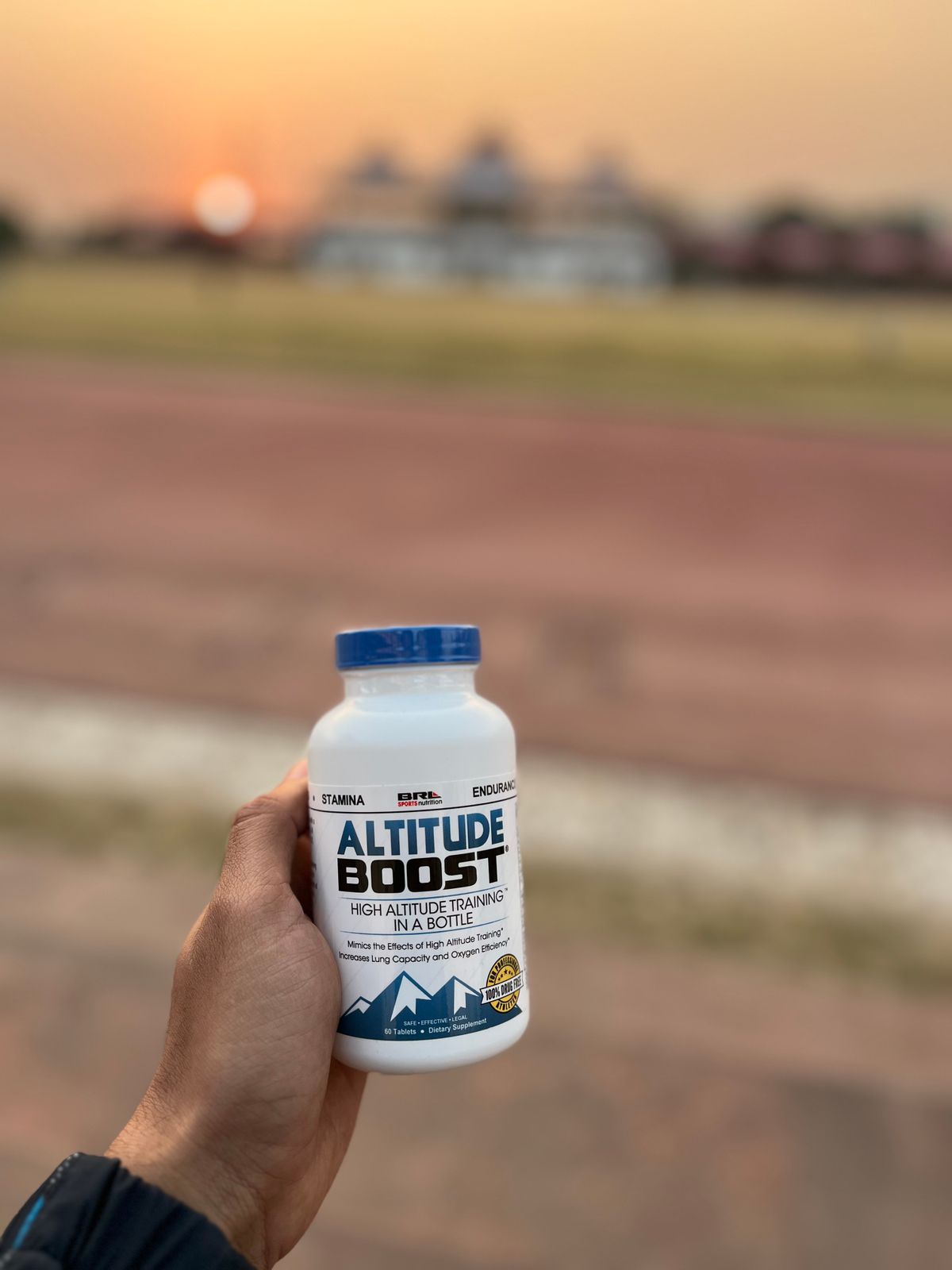
- Quality matters. Not all Cordyceps products are equal. Some supplements contain very little active ingredient. Always check for standardized extracts and trusted brands. Lab results or third-party testing are good signs of authenticity.
Credit: brlsports.com
Practical Tips For Using Cordyceps During Altitude Training
Getting the best results from Cordyceps requires smart planning. Here’s how to use it safely and effectively:
Choosing The Right Product
- Look for Cordyceps militaris or Cordyceps sinensis extracts.
- Check for at least 20% polysaccharides and 0.3% cordycepin.
- Avoid products with fillers or unclear sourcing.
It’s worth paying extra for brands that provide certificates of analysis. Some companies also use dual extraction (water and alcohol) to maximize the range of active compounds. Reading reviews from other athletes or outdoor enthusiasts can help you find what works.
Recommended Dosage
Most studies use 1,000–3,000 mg per day. Start with 1,000 mg and increase if needed. For altitude training, some athletes use up to 3,000 mg, split into morning and evening doses.
Consistency is key. Taking Cordyceps at the same times each day helps maintain steady levels in your body.
Timing Your Use
- Start taking Cordyceps 2–4 weeks before altitude exposure.
- Continue using it during your stay at high elevation.
- If you stop suddenly, benefits may fade.
For big expeditions, some athletes taper off Cordyceps after returning to low altitude, rather than stopping all at once.
Combining With Other Supplements
Cordyceps pairs well with iron, vitamin C, and Rhodiola for even better adaptation. Avoid mixing with strong stimulants, as these can cause jitteriness.
Iron helps build more red blood cells, while vitamin C boosts iron absorption. Rhodiola is another adaptogen that can help with energy and mental clarity.
Monitoring Your Progress
Keep a training log. Track your energy, sleep, and symptoms. If you notice unusual side effects, reduce your dose or consult a health professional.
Writing down your experience helps spot patterns—like whether you recover faster, sleep better, or experience fewer headaches.
Common Mistakes To Avoid
- Using low-quality or fake Cordyceps.
- Waiting until symptoms appear before starting.
- Skipping days or inconsistent dosing.
Also avoid combining Cordyceps with unknown supplements, or exceeding recommended doses. These habits can reduce benefits or cause side effects.
Comparing Cordyceps To Other Altitude Adaptation Strategies
Athletes use many methods to adapt to high elevation. How does Cordyceps stack up against the competition?
| Method | Adaptation Speed | Side Effects | Cost | Scientific Evidence |
|---|---|---|---|---|
| Cordyceps | Moderate to Fast | Low | Moderate | Growing |
| Acclimatization (gradual exposure) | Slow | Low | Low | Strong |
| Iron Supplements | Moderate | Possible GI Upset | Low | Strong |
| Altitude Mask Training | Moderate | Uncomfortable | Moderate | Mixed |
| Prescription Drugs (Diamox) | Fast | Side Effects | High | Strong |
Cordyceps is not a magic pill, but it offers a natural, low-risk alternative. It works well alongside traditional acclimatization and iron supplements.
Unlike Diamox (a prescription drug for altitude sickness), Cordyceps does not cause tingling, increased urination, or taste changes. And unlike altitude masks, it’s portable and easy to use anywhere.
Scientific Evidence And Research
Cordyceps has been studied for its effects on performance, oxygen use, and altitude adaptation.
Key Studies
- In a randomized trial, healthy adults taking Cordyceps for 8 weeks showed higher VO2 max and less fatigue compared to placebo.
- A study on mountaineers found that Cordyceps users had fewer altitude sickness symptoms and faster recovery times.
- Animal studies show that Cordyceps increases red blood cell count and protects against low oxygen damage.
Another study found that cyclists using Cordyceps improved their time trial performance at simulated altitude, suggesting real performance gains.
Limitations
Some studies use small sample sizes or short durations. Results may vary depending on the product used. More large-scale research is needed, but current evidence is promising.
Also, not all Cordyceps products are tested equally. This makes it hard to compare studies directly, but overall, the trend is positive.
Practical Example
A group of Nepalese Sherpas, who live at high altitude, traditionally use Cordyceps as part of their diet. Many report better stamina and fewer health problems during climbing seasons.
This traditional use, combined with modern research, supports Cordyceps’ role in altitude adaptation.
Cordyceps And High-altitude Sports
Athletes in sports like running, cycling, mountaineering, and skiing often face high elevation. Here’s how Cordyceps can help in real scenarios:
Running And Cycling
Altitude causes early fatigue and slower pace. Cordyceps helps runners and cyclists maintain speed, recover faster between sessions, and avoid altitude sickness.
One runner reported being able to maintain regular training mileage during a training camp in Colorado, with less need for extra rest days.
Mountaineering And Trekking
Long climbs require steady energy and strong lungs. Cordyceps supports oxygen use and reduces inflammation, allowing climbers to reach higher camps safely.
Some mountaineers use Cordyceps alongside their regular nutrition plan, reporting fewer respiratory problems and better appetite.
Skiing And Snowboarding
Winter sports at altitude can drain energy. Cordyceps helps athletes stay alert, avoid muscle soreness, and recover overnight.
This is especially important in multi-day events, where fatigue adds up quickly.
Team Sports
Even soccer and basketball teams training at altitude use Cordyceps to boost stamina and improve group performance.
Some coaches notice improved consistency during intense drills and fewer complaints about altitude-related headaches.
Case Study
In the 2010 Everest Marathon, several participants used Cordyceps supplements. They reported fewer breathing issues and faster recovery after the race.
Potential Side Effects And Safety
Cordyceps is generally safe for most people, but there are a few things to watch for.
Possible Side Effects
- Mild digestive upset
- Dry mouth
- Allergic reactions (rare)
These usually resolve on their own. If you have autoimmune diseases or take blood-thinning medication, consult your doctor before using Cordyceps.
Some people may feel a slight increase in energy or alertness, but it is generally well-tolerated. If you have a mushroom allergy, avoid Cordyceps.
Safety For Athletes
Cordyceps is not banned by sports organizations. It contains no stimulants or hormones. Always check your supplement’s purity to avoid contamination.
The World Anti-Doping Agency (WADA) does not list Cordyceps as a prohibited substance. Still, always check the latest rules, especially for international competitions.
Long-term Use
There is no evidence that Cordyceps causes harm with long-term use, but more studies are needed. Most people use it for weeks or months during training cycles.
If you plan to use Cordyceps year-round, take regular breaks to avoid building tolerance or dependence.
How To Find Authentic Cordyceps
Finding real, high-quality Cordyceps is a challenge. Many products are fake or low in active ingredients.
Signs Of Good Quality
- Lab-tested for cordycepin and polysaccharides
- Clear labeling and sourcing
- Reviews from real users
Good brands often provide certificates of analysis and detailed information on where and how the Cordyceps was grown.
Brands To Avoid
- Unbranded powders
- Products without ingredient lists
- Supplements with only “Cordyceps blend” and no details
Be cautious of products that claim to be “wild” at a low price—these are often fake or contaminated.
Where To Buy
Online stores, health shops, and specialty Asian markets sell Cordyceps. Trusted brands are worth the higher price.
Look for companies with transparent sourcing and positive reviews from athletes or outdoor communities.
Cordyceps Dosage And Usage Guide
Getting the dose right is important for altitude training.
| Activity | Recommended Dose | Duration | Notes |
|---|---|---|---|
| Running/Cycling | 1,000–2,000 mg/day | 2–4 weeks pre-altitude | Split dose, morning/evening |
| Mountaineering | 2,000–3,000 mg/day | Start 4 weeks before climb | Continue during climb |
| Recreational Hiking | 1,000 mg/day | 1–2 weeks before trip | Lower dose may be enough |
Always start with the lowest dose and increase if needed. Some people respond faster than others.
If you feel any side effects, reduce the dose or take a break for a few days.
The Role Of Cordyceps In Traditional Medicine
Cordyceps has a rich history in China, Tibet, and Nepal. It was used by emperors and warriors for strength and vitality. Today, it is still considered a precious herb in these cultures.
Traditional Uses
- Boosting energy and stamina
- Treating respiratory problems
- Enhancing immune function
- Supporting kidney health
Cordyceps was also believed to restore balance and help the body cope with stress, both physical and emotional.
Modern Adaptations
Now, Cordyceps is popular among athletes, older adults, and anyone seeking natural energy. It’s used in teas, soups, and supplements.
Some Chinese herbal formulas combine Cordyceps with ginseng or reishi for extra benefits. This blend is common in health food stores worldwide.
Credit: brlsports.com
Cordyceps And The Future Of Altitude Training
As science uncovers more about Cordyceps, its role in altitude adaptation is growing. Researchers are developing new extracts with higher potency. Athletes are experimenting with combinations of Cordyceps and other herbs.
Possible Future Trends
- Personalized Cordyceps dosing based on genetics
- Combination supplements for faster adaptation
- New delivery methods (liquid, patches)
Technology may soon make it easier to test your response to Cordyceps and adjust your dose for maximum effect.
What To Watch For
Keep an eye on new studies. Some products may offer even better results, but always check for safety and authenticity.
As demand grows, the market may see new forms—like Cordyceps-infused gels or drinks designed for mountain athletes.
Cordyceps In Real-life Altitude Challenges
Many athletes and adventurers share their Cordyceps experiences online. Here are some real-life stories:
Adventure Racing
A team in the Himalayan Adventure Race reported better stamina and fewer altitude sickness cases after using Cordyceps for 3 weeks.
They also noted improved team morale, as less fatigue meant fewer arguments and better decision-making during tough stages.
Marathon Running
Several runners at the Leadville 100 (an ultra-marathon at high altitude in Colorado) used Cordyceps and noticed improved breathing and faster post-race recovery.
Some said their legs felt “fresher” at the finish line compared to previous years without Cordyceps.
Trekking Expeditions
Guides in Nepal often recommend Cordyceps tea to trekkers, especially those struggling with acclimatization. Many trekkers say it helps them reach higher altitudes without serious symptoms.
Some trekking companies now include Cordyceps supplements in their expedition packages.
Two Unique Tips
- Pair Cordyceps with proper hydration. Cordyceps works best when you drink enough water, as dehydration makes adaptation harder. Water helps move nutrients through your system and keeps your blood flowing smoothly.
- Don’t rely only on supplements. Use Cordyceps as part of a full altitude strategy: Gradual ascent, rest, nutrition, and mental preparation. Remember, no pill replaces smart planning and listening to your body.
How Cordyceps Compares To Other Adaptogens
Adaptogens are natural substances that help the body deal with stress. Cordyceps is one, but there are others.
Cordyceps Vs Rhodiola
Rhodiola is another adaptogen used for altitude training. It boosts energy and fights fatigue, but Cordyceps is better for oxygen use and lung function.
Some athletes use both together for a balanced effect—Rhodiola for mental clarity, Cordyceps for physical stamina.
Cordyceps Vs Ginseng
Ginseng is famous for energy and immune support. It does not directly help oxygen adaptation like Cordyceps.
Ginseng may be a good choice for general recovery, but for altitude, Cordyceps is more specific.
Cordyceps Vs Ashwagandha
Ashwagandha calms the nervous system and helps recovery. Cordyceps provides more direct benefits for high-altitude adaptation.
Combining these adaptogens can be useful, but always monitor how you feel and avoid overloading on supplements.
Myths And Misconceptions About Cordyceps
Cordyceps has become popular, but there are many myths.
Myth 1: Cordyceps Is A Magic Pill
Some believe Cordyceps instantly solves altitude problems. In reality, it helps but works best as part of a balanced approach.
Myth 2: Wild Cordyceps Is Always Better
Wild Cordyceps is expensive and often faked. Cultivated Cordyceps militaris is just as effective for most uses.
Myth 3: Cordyceps Has No Side Effects
Cordyceps is safe for most, but some people may react. Always start slow and monitor your health.
Myth 4: You Need Huge Doses
More is not always better. High doses can cause digestive upset. Stick to proven amounts.
Another common myth is that Cordyceps is only for elite athletes. In truth, anyone training or traveling at altitude can benefit, as long as they use it wisely.
Cordyceps For Older Athletes And Beginners
Altitude training is not just for professionals. Older athletes and beginners can benefit from Cordyceps.
For Older Athletes
Cordyceps supports heart and lung function, making it easier to adapt to altitude. It may also help prevent age-related decline in stamina.
Some older hikers say Cordyceps makes long walks or climbs more comfortable, with less worry about catching colds or feeling run down.
For Beginners
Cordyceps helps reduce fatigue and speed up acclimatization, making altitude training less overwhelming.
Beginners often notice a smoother transition to higher elevations, with fewer symptoms of altitude sickness.
Special Note
If you are new to altitude or have health concerns, talk to a doctor before using Cordyceps.
Where To Learn More
For those who want deeper knowledge, scientific journals and health websites offer more information. One useful resource is the Cordyceps Wikipedia page, which covers history, biology, and current research.

Credit: sacredplantco.com
Frequently Asked Questions
What Is The Best Time To Start Taking Cordyceps For Altitude Training?
The best time to start is 2–4 weeks before your altitude exposure. This gives your body time to adjust and build up the benefits. Continue using Cordyceps while at high elevation for best results.
Can Cordyceps Prevent Altitude Sickness Completely?
Cordyceps can help reduce symptoms and speed up adaptation, but it cannot guarantee full prevention. Use it as part of a balanced acclimatization plan, including slow ascent and proper hydration.
Is Cordyceps Safe For Children Or Older Adults?
Cordyceps is generally safe for adults and older individuals. For children, consult a doctor first. Older athletes may find Cordyceps especially helpful for stamina and recovery.
How Can I Tell If A Cordyceps Supplement Is Authentic?
Look for lab-tested products with clear labeling. Trusted brands usually show the amount of cordycepin and polysaccharides. Avoid products without ingredient details or with vague claims.
Does Cordyceps Help At All Altitudes, Or Only Very High Elevation?
Cordyceps is helpful at any altitude above 2,000 meters, where oxygen levels drop. It can also benefit athletes training at moderate elevation, but its effects are strongest at higher altitudes.
—
Altitude training pushes your body to the limit. Adapting quickly is the difference between success and struggle. Cordyceps offers a natural, science-backed tool to help you breathe easier, recover faster, and perform at your best. By understanding how Cordyceps works, choosing quality products, and using them wisely, you can make high-elevation training safer and more rewarding. Always combine Cordyceps with traditional acclimatization, good nutrition, and rest. The mountains are waiting—now you have another tool to reach new heights.