Lion’s Mane For Stroke Recovery: Supporting Neural Regeneration
Recovering from a stroke is often a long and challenging process. Many people are left wondering if there are natural ways to help the brain heal. One mushroom, Lion’s Mane, has gained attention for its possible effects on neural regeneration and recovery after stroke. But can this unique fungus really support brain repair? In this article, you’ll discover how Lion’s Mane works, the science behind it, and how it might help stroke survivors regain function and quality of life.
Understanding Stroke And Neural Damage
A stroke happens when blood stops flowing to part of the brain, either because of a blockage or bleeding. This lack of blood damages brain cells and disrupts neural connections. The effects can be mild or severe, including:
- Weakness or paralysis
- Trouble speaking or understanding
- Memory loss
- Difficulty moving
The brain does have some ability to heal itself, a process called neuroplasticity. However, the recovery process is often slow and incomplete. Many people search for ways to boost this natural healing.
When a stroke occurs, the brain’s supply of oxygen and nutrients is suddenly cut off. This leads to immediate cell death in the affected area. Even after blood flow is restored, the damage may continue as the brain reacts with inflammation and oxidative stress, which can further harm nearby cells.
The body tries to limit this damage, but the brain’s healing process is complex and, in adults, much slower than in children.
People who survive a stroke often face months or even years of rehabilitation. Some functions, like movement or language, may return slowly. Others may never fully recover. This is why researchers and patients are interested in ways to boost the brain’s natural ability to repair itself.
What Is Lion’s Mane?
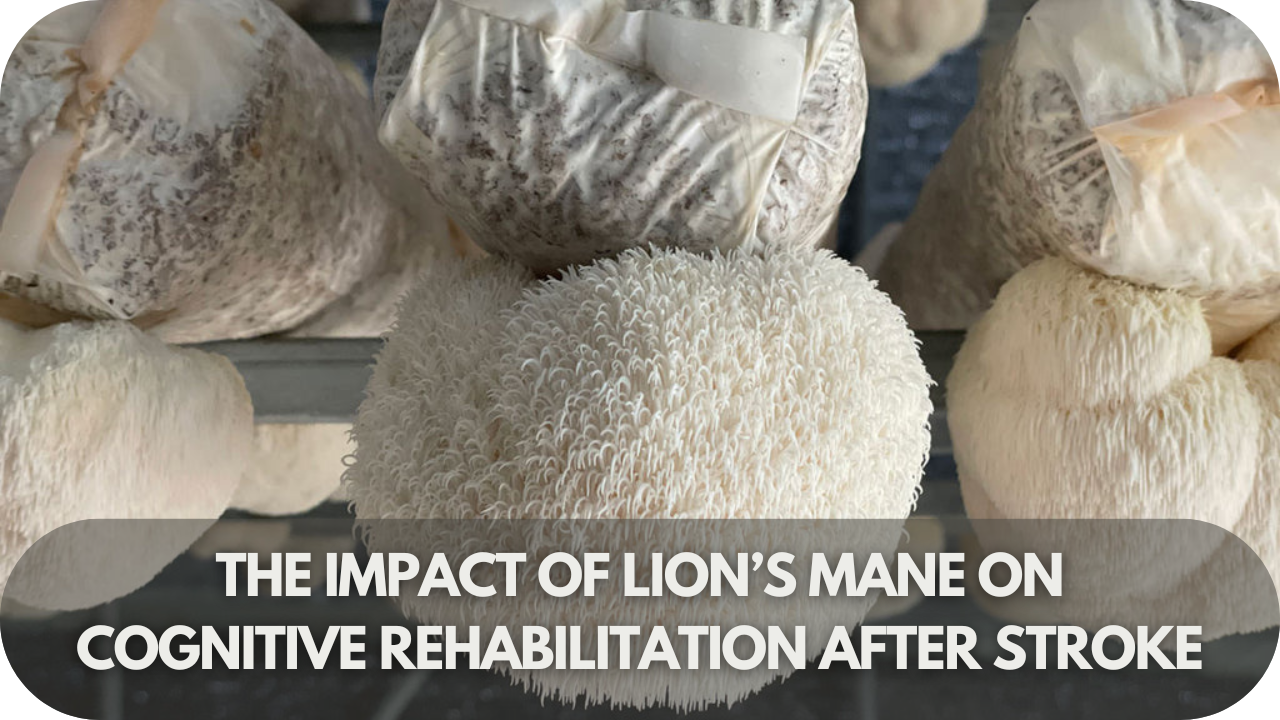
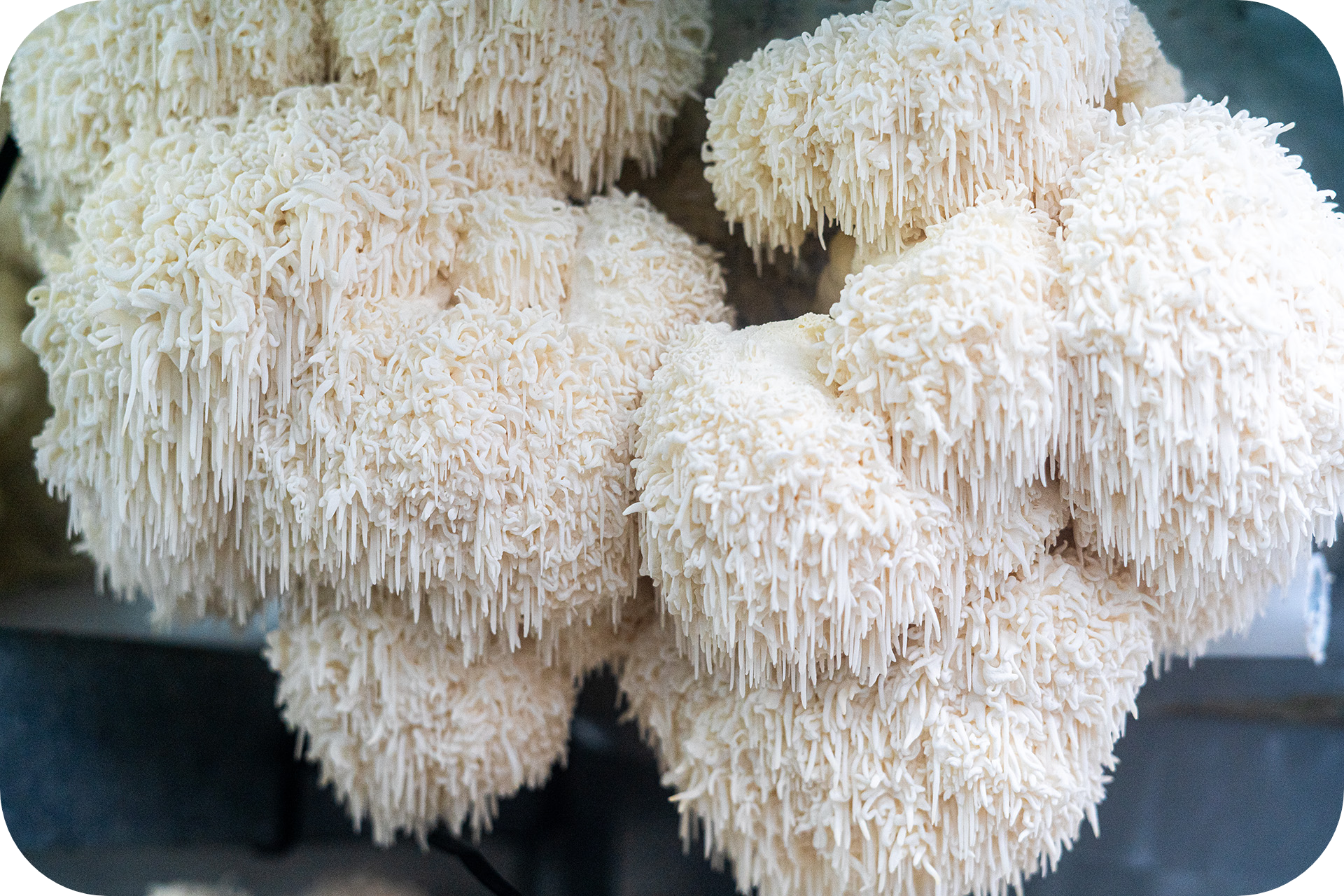
Lion’s Mane (Hericium erinaceus) is a white, shaggy mushroom that grows on hardwood trees in Asia, Europe, and North America. It has been used in traditional medicine for centuries, especially in China and Japan. The mushroom is famous for its unique look and its possible benefits for the brain.
Some key facts about Lion’s Mane:
- Known as yamabushitake in Japan and hóu tóu gū in China
- Eaten as food and used in supplements
- Contains bioactive compounds not found in other mushrooms
People use Lion’s Mane for various reasons, but its potential to support brain health and nerve growth is the main reason it’s linked to stroke recovery.
Beyond its reputation in folk medicine, Lion’s Mane is now being studied by scientists for its unique compounds. The mushroom contains several polysaccharides, as well as special molecules called hericenones and erinacines, which seem to be rare in the fungal world.
These compounds are of great interest because they may cross the blood-brain barrier, a filter that protects the brain but also makes it hard for most supplements to have a direct effect.
Lion’s Mane is not just a supplement; it’s also eaten as a delicacy in many Asian dishes. Its taste and texture are similar to seafood, making it a popular meat substitute for vegetarians. However, the concentrations of beneficial compounds are often higher in concentrated extracts than in cooked food.
How Lion’s Mane May Help Neural Regeneration
Lion’s Mane is special because it contains compounds that may directly influence the brain’s ability to heal and grow new connections. The two main active groups are:
- Hericenones (found in the fruiting body)
- Erinacines (found in the mycelium)
These compounds are believed to stimulate the production of nerve growth factor (NGF) and brain-derived neurotrophic factor (BDNF), both crucial for brain repair.
The Science: Ngf And Bdnf
NGF is a protein that helps neurons (nerve cells) grow, survive, and form new connections. BDNF is another protein important for learning, memory, and neuroplasticity.
Studies in animals have shown that Lion’s Mane extract can:
- Increase NGF and BDNF levels in the brain
- Improve recovery after brain injury
- Reduce inflammation and oxidative stress
For example, a 2011 study on rats showed that Lion’s Mane extract sped up recovery after stroke by enhancing neural growth and reducing cell death.
In detail, Lion’s Mane seems to trigger the brain to produce more NGF and BDNF. NGF is necessary for maintaining and repairing the neurons that control muscle movement, memory, and other vital functions. After a stroke, these neurons are often damaged or destroyed.
By encouraging the growth of new neurons and repair of existing ones, Lion’s Mane may help the brain “rewire” itself, a process crucial for regaining lost abilities.
BDNF, on the other hand, is involved in creating new synapses—the connections between brain cells. Higher BDNF levels are linked to better memory and learning. In people recovering from stroke, boosting BDNF could help restore cognitive skills and support emotional balance.
Human Research: What Do We Know?
Research in humans is still limited, but some small clinical trials suggest that Lion’s Mane may help with:
- Cognitive function in older adults
- Reducing mild symptoms of memory loss
- Improving mood and focus
While these studies do not focus directly on stroke patients, they provide hope that Lion’s Mane could have similar effects in people recovering from a stroke.
For example, in one Japanese study, older adults with mild cognitive impairment took Lion’s Mane powder for four months. The group taking Lion’s Mane scored higher on cognitive tests than the placebo group. When they stopped taking it, the benefits faded, suggesting that continuous use may be important.
It’s important to note that most human studies so far have been small and short-term. The effects seen in animal models are often stronger than those in people, but the early results are promising. Researchers think that if Lion’s Mane can improve brain function in healthy adults, it may also help those recovering from brain injuries, including stroke.
Lion’s Mane And Stroke: What The Studies Show
Let’s look at some of the most relevant research and what it means for stroke recovery.
Animal Studies
Most evidence for Lion’s Mane and stroke comes from animal experiments. Here’s a summary of key findings:
| Study | Model | Main Result |
|---|---|---|
| 2011, Mori et al. | Rats, induced stroke | Faster recovery, reduced brain cell death |
| 2013, Zhang et al. | Mice, brain injury | Increased NGF, improved motor function |
| 2018, Phan et al. | Rats, nerve damage | Better nerve regrowth, less inflammation |
These studies suggest Lion’s Mane may help the brain recover by:
- Stimulating neural growth
- Reducing harmful inflammation
- Protecting existing brain cells
Animal research offers some unique insights. For example, in the 2011 Mori study, rats given Lion’s Mane after a stroke not only showed faster physical recovery, but also had smaller areas of brain damage when examined under a microscope. The 2013 Zhang study showed that mice with brain injuries performed better on maze tests after taking Lion’s Mane, a sign that their cognitive function improved.
The 2018 Phan study looked at nerve injury outside the brain and found that Lion’s Mane helped nerves regrow and reduced swelling.
While these results are encouraging, animal models are not perfect. The way Lion’s Mane is processed, the dose, and the timing of treatment can all affect results. Translating these findings into practical advice for humans requires more research.
Human Studies
There are currently no large, direct studies on Lion’s Mane in people who have had a stroke. However, related research in humans includes:
- A 2009 trial where older adults with mild memory problems took Lion’s Mane for 16 weeks. They showed better cognitive test results than those who took a placebo.
- A 2020 study found improved mood and sleep in adults taking Lion’s Mane extract for four weeks.
These findings don’t guarantee the same results for stroke survivors, but they show the mushroom’s potential to influence brain health.
In addition, some preliminary reports from clinics and individual cases suggest possible benefits for people with neurological conditions, including those recovering from traumatic brain injuries. However, these are not controlled studies, so it’s hard to know how much of the improvement is due to Lion’s Mane itself.
How Lion’s Mane Works: Mechanisms Behind The Benefits
Understanding how Lion’s Mane affects the brain is important. Here are the main ways it might help stroke recovery:
1. Boosting Nerve Growth Factors
Lion’s Mane increases the production of NGF and BDNF, which are essential for brain repair. These growth factors help:
- New neurons to grow
- Existing neurons repair themselves
- Form new synapses (connections between brain cells)
The unique thing about Lion’s Mane is its ability to stimulate these proteins naturally, without the side effects of synthetic drugs. This can set the stage for the brain to rebuild itself after injury.
2. Reducing Brain Inflammation
After a stroke, inflammation in the brain can make damage worse. Lion’s Mane contains antioxidants and anti-inflammatory compounds that may:
- Lower swelling in the brain
- Protect neurons from further injury
- Speed up the healing process
By calming this inflammatory response, Lion’s Mane could help limit the spread of damage. Chronic inflammation is now known to slow down recovery and increase the risk of long-term disability.
3. Fighting Oxidative Stress
Stroke causes the release of free radicals, which can damage brain cells. Lion’s Mane has strong antioxidant properties, helping to:
- Neutralize free radicals
- Protect brain tissue from further harm
Oxidative stress is a major problem after stroke, causing continuing cell death even after blood flow returns. Lion’s Mane’s antioxidants may help break this cycle, giving the brain a better chance to recover.
4. Supporting Myelination
Myelin is the protective layer around nerves. Damage to myelin after a stroke can slow recovery. Some studies suggest Lion’s Mane may:
- Promote the growth of new myelin
- Improve nerve signal transmission
Loss of myelin leads to slower and weaker nerve signals. By supporting myelin repair, Lion’s Mane could help restore normal movement and sensation.
5. Enhancing Neuroplasticity
Neuroplasticity is the brain’s ability to adapt and reorganize itself. Lion’s Mane may boost this process, helping the brain “rewire” and regain lost functions.
This is especially important after stroke, when the brain needs to form new pathways to take over for damaged areas. Lion’s Mane may not only help create these pathways but also make them stronger and more effective.
Lion’s Mane Vs. Other Natural Neuroregenerative Options
Lion’s Mane isn’t the only supplement people consider for brain repair. How does it compare to other options?
| Supplement | Main Benefit | Evidence Strength |
|---|---|---|
| Lion’s Mane | Boosts NGF, reduces inflammation | Animal studies, some human data |
| Curcumin (from turmeric) | Anti-inflammatory, antioxidant | Strong animal data, limited human |
| Omega-3 (fish oil) | Supports brain repair, anti-inflammatory | Good human evidence |
| Ginkgo biloba | Improves blood flow, antioxidant | Mixed results in humans |
Lion’s Mane stands out for its direct effect on nerve growth factors. This makes it unique among natural options.
It’s also worth noting that some people combine Lion’s Mane with these other supplements for a more comprehensive approach. For example, omega-3s support membrane repair in brain cells, while curcumin reduces inflammation. However, Lion’s Mane is the only one shown so far to directly increase NGF and BDNF in the brain.
Credit: xoticmushrooms.com.au
Real-world Experiences: Stroke Survivors And Lion’s Mane
Many stroke survivors seek new ways to improve their recovery. Online forums and support groups share stories of using Lion’s Mane.
For example, some people report:
- Improved focus and clarity
- Faster progress in physical therapy
- Better mood and less anxiety
It’s important to remember that these are personal stories, not scientific proof. However, these accounts do show that Lion’s Mane is being used in real recovery journeys.
Some stroke survivors say they felt “sharper” after adding Lion’s Mane to their daily routine. Others mention fewer episodes of brain fog or a quicker return of hand strength. While these effects may be partly placebo, the fact that multiple people report similar experiences is encouraging.
One insight from stroke forums is that Lion’s Mane may help most when combined with regular therapy. For example, a person doing daily hand exercises and taking Lion’s Mane might notice faster progress than with therapy alone. This suggests that Lion’s Mane could make the brain more responsive to rehabilitation.
Choosing The Right Lion’s Mane Supplement
If you’re interested in trying Lion’s Mane, it’s important to choose a quality product. Here’s what to look for:
1. Fruiting Body Vs. Mycelium
Lion’s Mane supplements are made from either the fruiting body (the part you see above ground) or the mycelium (the root-like part that grows underground). The fruiting body usually contains more hericenones, while the mycelium has more erinacines.
Some experts believe both parts are valuable, but products made from the whole fruiting body tend to have more research backing.
It’s easy to be confused by labels. Some products contain mostly mycelium, which is cheaper to grow but may be less effective. If possible, look for supplements that state the percentage of fruiting body used, or choose brands that publish the amount of hericenones and erinacines per serving.
2. Extraction Method
Look for products that use dual extraction (both alcohol and hot water). This process pulls out both water-soluble and fat-soluble compounds, giving a more complete extract.
Dual extraction is important because some beneficial compounds dissolve in water while others dissolve in alcohol. Single-extract products may miss key ingredients. If you’re unsure, contact the manufacturer or check their website for extraction details.
3. Purity And Testing
Make sure the supplement is free from heavy metals, pesticides, and fillers. The best brands provide third-party lab testing results.
High-quality Lion’s Mane should have a clear certificate of analysis. Cheaper products, especially those sourced from unknown suppliers, may contain unwanted additives or even different species of mushrooms.
4. Dosage
There is no official dose for Lion’s Mane, but most studies use 500 mg to 3,000 mg per day. Always start with a low dose to see how your body reacts.
Higher doses are not always better. Some people may feel digestive upset or headaches if they take too much. It’s best to increase slowly and pay attention to how you feel.
5. Form: Capsule, Powder, Or Tea
Lion’s Mane comes in several forms:
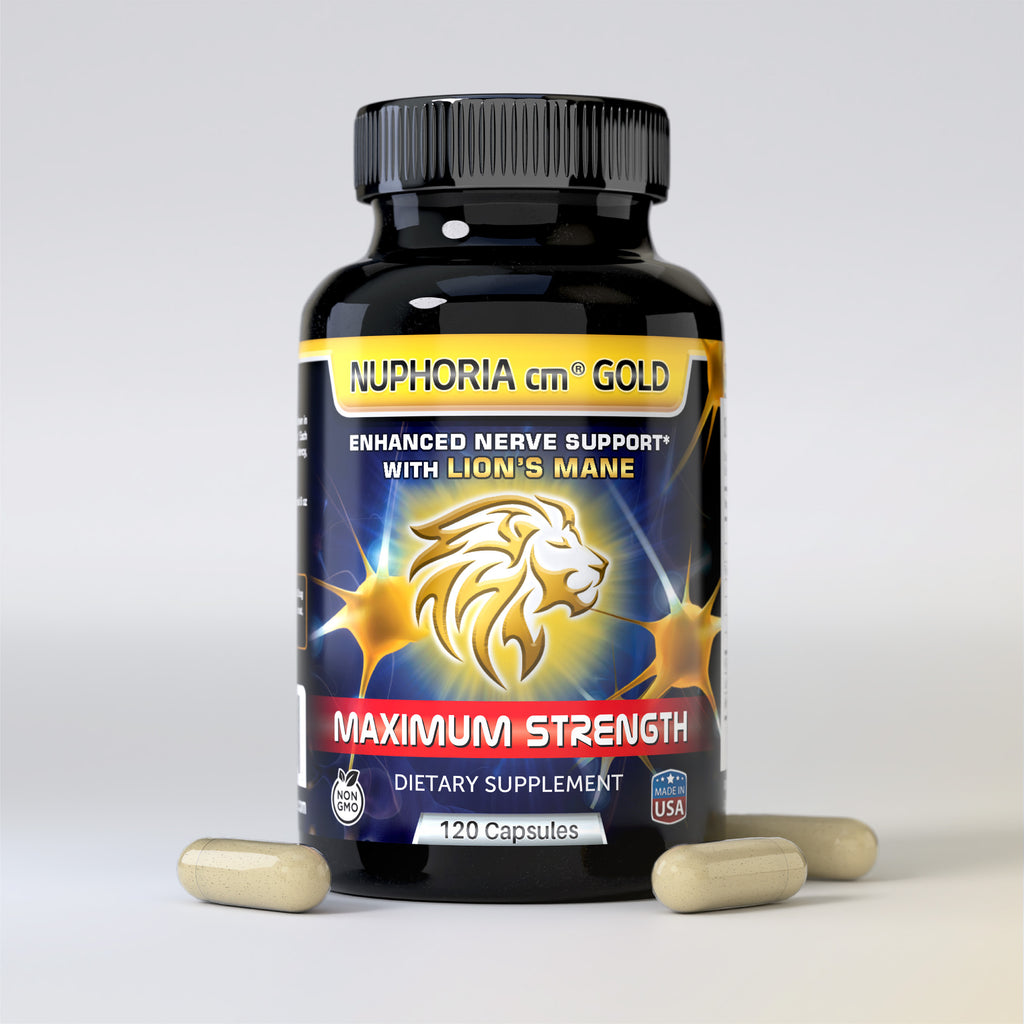
- Capsules are easy to take and measure
- Powders can be mixed into drinks or food
- Teas are made from dried mushroom slices
Choose the form that fits your lifestyle.
Powders and teas let you adjust your dose more easily, but capsules are best for travel or busy schedules. Some people enjoy cooking with dried Lion’s Mane, but it may not provide the same concentration as extracts.
Credit: nuphoria.com
How To Use Lion’s Mane Safely After Stroke
If you’re thinking about adding Lion’s Mane to your recovery plan, here are some tips:
- Talk to your doctor before starting any new supplement, especially after a stroke.
- Start with a low dose and watch for side effects.
- Take Lion’s Mane daily for at least several weeks to notice any effects.
- Combine with other proven stroke recovery strategies, like physical therapy and a healthy diet.
- Monitor your progress and adjust as needed.
Lion’s Mane is generally considered safe, but some people may experience mild side effects like stomach upset or skin rash.
It’s also wise to keep a simple journal of your symptoms and progress. Write down any changes in memory, mood, or movement. This helps you and your doctor see if Lion’s Mane is making a real difference.
People on blood thinners or with allergies to mushrooms should be extra cautious. Lion’s Mane can sometimes interact with medications or trigger mild allergic reactions.
Practical Tips For Stroke Survivors
Adding Lion’s Mane is only one part of stroke recovery. Here are other steps that make a big difference:
- Stay active: Regular movement helps the brain form new connections.
- Eat a balanced diet: Foods rich in antioxidants and healthy fats support brain repair.
- Keep your mind engaged: Reading, puzzles, and conversation all stimulate neuroplasticity.
- Sleep well: Rest is critical for the brain to heal.
- Join a support group: Sharing your journey with others can boost motivation and well-being.
Combining these habits with Lion’s Mane may create the best environment for recovery.
Don’t overlook the role of mental health. Many survivors face depression or anxiety after a stroke, which can slow recovery. Lion’s Mane may help improve mood, but therapy and social support are also important.
Credit: puurfection.co.uk
Non-obvious Insights For Beginners
Many people new to Lion’s Mane and stroke recovery miss a few key points:
- Not all Lion’s Mane supplements are equal. The amount of active compounds can vary widely, so always check for quality and lab testing.
- Results are gradual. Unlike some medications, you may not notice a quick change. The benefits of Lion’s Mane tend to build over weeks or even months.
- Synergy with therapy matters. Lion’s Mane may help the brain grow new connections, but physical and speech therapy guide how those connections form. Don’t skip your rehab sessions!
- Consistency is key. Skipping doses or stopping early can limit any potential benefits.
- Lifestyle matters. Lion’s Mane works best as part of a full recovery plan, not as a replacement for medical care.
Another point many miss is that Lion’s Mane might help prevent further decline, even if it doesn’t reverse all damage. For some, maintaining current abilities is just as important as regaining lost ones.
Also, Lion’s Mane may help with other common issues after stroke, like mild depression or trouble sleeping. These secondary benefits can make daily life easier, even if physical recovery is slow.
Comparing Lion’s Mane To Conventional Stroke Treatments
Lion’s Mane is not a replacement for medical treatment after stroke. Here’s how it fits alongside standard care:
| Treatment | Main Purpose | Evidence for Stroke Recovery |
|---|---|---|
| Physical therapy | Regain movement, function | Strong, proven benefit |
| Speech therapy | Improve speaking, understanding | Strong, proven benefit |
| Medications (e.g., blood thinners) | Prevent future strokes | Strong, proven benefit |
| Lion’s Mane | Support neural regeneration | Promising, more research needed |
Always use Lion’s Mane as a complement, not a substitute, for traditional stroke therapies.
One more thing to keep in mind: some standard treatments, like certain medications, may interact with supplements. Always keep your medical team informed about any new products you’re using.
Potential Side Effects And Cautions
Lion’s Mane is considered safe for most people, but it’s still important to be aware of possible side effects:
- Digestive upset: Some people notice nausea or bloating.
- Allergic reactions: Rare, but possible. Watch for itching, rashes, or trouble breathing.
- Blood sugar changes: There is some evidence Lion’s Mane may lower blood sugar, so people with diabetes should monitor their levels closely.
If you experience any serious symptoms, stop taking Lion’s Mane and consult your doctor.
People with known mushroom allergies should avoid Lion’s Mane. For those with autoimmune conditions, it’s best to speak to a doctor before starting, as Lion’s Mane can affect immune activity.
While rare, there have been reports of Lion’s Mane causing mild skin reactions or increased heart rate. If you have a history of allergies, start with a very small amount and watch for any symptoms.
The Future Of Lion’s Mane In Stroke Recovery
Research on Lion’s Mane and stroke is growing, but more large human studies are needed. Scientists are especially interested in:
- Pinpointing the best dose and form
- Studying Lion’s Mane alongside rehab therapy
- Understanding long-term effects
In the future, Lion’s Mane may become a regular part of brain injury recovery programs, but for now, it remains a promising natural option with a good safety profile.
Researchers are also looking at ways to combine Lion’s Mane with standard drugs or other supplements for even better results. There is hope that, with the right approach, Lion’s Mane could help not just stroke survivors but anyone with nerve damage or cognitive decline.
Frequently Asked Questions
What Is The Best Way To Take Lion’s Mane For Stroke Recovery?
The most common ways are capsules or powders, made from the fruiting body or a dual extract. Taking Lion’s Mane daily, with food, is recommended. Always choose a product with third-party lab testing to ensure purity and potency.
For people who have trouble swallowing capsules, mixing powder into smoothies or soups is a good alternative. Some companies also offer ready-to-drink Lion’s Mane coffee blends, but check the ingredients for added sugar or fillers.
How Long Does It Take To See Results From Lion’s Mane?
Effects are usually gradual. Some people report improved focus or mood in a few weeks, but brain repair takes time. For stroke recovery, it’s best to use Lion’s Mane consistently for at least 2–3 months alongside regular therapy.
Individual results can vary. Some may notice subtle changes in sleep quality or anxiety before physical improvements become clear. Keeping a progress journal helps track these changes over time.
Can Lion’s Mane Interact With My Medications?
Lion’s Mane may affect blood sugar and blood clotting. If you take medications for diabetes or blood thinners, consult your doctor before adding Lion’s Mane to your routine.
People taking immune-suppressing drugs or those with bleeding disorders should use extra caution. While serious interactions are rare, it’s always safest to check first.
Are There Any Foods That Boost Lion’s Mane’s Effects?
Yes. Foods rich in omega-3 fatty acids (like salmon and flaxseed), antioxidants (such as berries), and leafy greens can support brain healing. Combining these with Lion’s Mane may give better results.
Also, avoid excessive alcohol and processed foods, as these can slow brain recovery and limit the benefits of any supplement.
Where Can I Find More Scientific Information On Lion’s Mane?
You can read detailed research summaries and clinical trial data at NCBI (National Center for Biotechnology Information).
Using Lion’s Mane as part of a recovery plan is an exciting option for stroke survivors. While it’s not a cure, its unique ability to support neural regeneration makes it a valuable ally. Combining Lion’s Mane with therapy, a healthy lifestyle, and medical guidance can help you make the most of your brain’s healing power.
Always seek professional advice before starting new supplements, and remember—recovery is a journey, not a race.