
Lion’s Mane And Meditation: Enhancing Mindfulness Through Neurogenesis
Mindfulness is not just a trend—it’s a life-changing practice. In today’s busy world, many people turn to meditation for stress relief, focus, and emotional balance. But what if you could give your meditation practice a brain boost? That’s where Lion’s Mane mushroom enters the picture. Known for its unique appearance and powerful effects on the brain, Lion’s Mane has captured the interest of scientists, wellness seekers, and meditators alike.
Recent research suggests a strong connection between Lion’s Mane and neurogenesis—the process of creating new brain cells. When combined with meditation, which already improves attention and emotional control, Lion’s Mane might take your mindfulness to the next level. This article explores how these two powerful tools can work together, what science says about their impact, and practical ways to blend them for maximum benefit.
Understanding Lion’s Mane: The Brain-boosting Mushroom
Lion’s Mane, or Hericium erinaceus, is a white, shaggy mushroom that grows on hardwood trees. Its name comes from its resemblance to a lion’s mane. While used for centuries in traditional Chinese medicine, modern science now reveals why this mushroom is so special for the brain.
Lion’s Mane contains compounds called hericenones and erinacines. These unique molecules are believed to stimulate the production of nerve growth factor (NGF), a protein that helps brain cells grow, survive, and communicate. NGF plays a vital role in memory, learning, and overall brain health.
Lion’s Mane is not just another “superfood. ” Its effect on the brain sets it apart from other medicinal mushrooms. While reishi or chaga may support immunity or reduce inflammation, only Lion’s Mane is consistently linked to actual changes in brain cell growth.
This makes it especially interesting for people who want to keep their minds sharp as they age, or who are looking for natural ways to support mental performance.
What Makes Lion’s Mane Different?
Many mushrooms are healthy, but Lion’s Mane stands out for its neuroprotective properties. Unlike other supplements, it doesn’t just provide nutrients—it encourages the brain to repair and renew itself. This is especially important for people seeking sharper focus, better memory, or improved mood.
Lion’s Mane is unique because it crosses the blood-brain barrier, which means its active compounds can actually reach and influence brain tissue. Most supplements, even if they work in a test tube, never make it past this barrier. Hericenones and erinacines in Lion’s Mane are rare in nature, and their ability to increase NGF has been documented in several lab studies.
These compounds may also help repair nerve damage, which is promising for people with injuries or age-related decline.
Another non-obvious insight: Lion’s Mane doesn’t act like a stimulant, so it won’t give you a “rush” or sudden energy spike like caffeine. Instead, its effects build gradually, supporting long-term brain health rather than just providing a quick fix.
Traditional Uses Meet Modern Science
In Asian cultures, Lion’s Mane was often used as a tonic for the mind. Today, scientists are uncovering how this mushroom works at the cellular level. Studies show that Lion’s Mane can help protect against age-related decline, support nerve regeneration, and even reduce symptoms of anxiety and depression.
For example, in traditional Chinese medicine, Lion’s Mane was brewed into teas or added to soups for elders who showed signs of forgetfulness or confusion. Modern studies are finding that regular Lion’s Mane supplementation can increase NGF not just in the brain but throughout the nervous system.
This may explain why some people report better sleep, mood, and even improved digestion—since the “second brain” in the gut also relies on healthy nerves.
Many users are surprised to learn that Lion’s Mane’s influence on mood and anxiety is often linked to its effect on the gut-brain axis. A healthy gut can send positive signals to the brain, and vice versa, which may explain some of the broader benefits people experience.
The Science Of Neurogenesis
Neurogenesis is the creation of new neurons in the brain. For many years, scientists believed that adults could not grow new brain cells. However, research in the last two decades has proven otherwise. The hippocampus, an area involved in memory and learning, is especially active in creating new neurons.
The discovery that our brains can continue making new cells into old age changed everything. It means the brain is far more adaptable than we once thought. This “plasticity” allows us to learn new skills, recover from injuries, and even change long-standing habits or emotional patterns.
Why Neurogenesis Matters
Healthy neurogenesis supports:
- Learning and memory: More neurons mean better information processing.
- Emotional resilience: A flexible brain helps us handle stress and change.
- Mental clarity: Neurogenesis can improve focus and reduce “brain fog.”
Low neurogenesis is linked to memory problems, depression, and even Alzheimer’s disease.
When neurogenesis slows down, the brain’s ability to adapt, recover, and perform at a high level suffers. This is why supporting neurogenesis is not just about preventing disease—it’s about feeling mentally sharp and emotionally balanced every day.
Another key point: Not all new neurons survive. They need stimulation and integration into active brain networks. Without mental activity, many new cells simply fade away. This is where meditation plays a crucial role.
Lion’s Mane And Neurogenesis
Animal studies and small human trials suggest that Lion’s Mane can increase neurogenesis, especially in the hippocampus. One Japanese study found that older adults who took Lion’s Mane for 16 weeks showed improved cognitive function compared to a placebo group.
Another study showed that Lion’s Mane could reverse memory loss in mice.
Beyond these studies, some early research suggests Lion’s Mane may also protect the brain from toxins and inflammation, both of which can damage neurons. For example, in some animal models, Lion’s Mane reduced the size of brain lesions and helped nerves regrow after injury.
While most human studies are small and more research is needed, the existing evidence is encouraging.
A non-obvious insight: The benefits of Lion’s Mane may be more noticeable under chronic stress or after brain injury, when the need for repair is higher. For healthy individuals, the effects might be subtle but still valuable over time.
Meditation And Its Effects On The Brain
Meditation is more than just sitting quietly. It is an active mental exercise that trains your attention and awareness. Over time, meditation changes both the structure and function of the brain.
Many people believe meditation is just about relaxation, but it’s actually a workout for your brain. Just as lifting weights builds muscle, meditation builds mental strength and flexibility. With regular practice, the brain forms new connections, strengthens existing ones, and becomes more resistant to stress.
How Meditation Impacts Neurogenesis
Meditation has been shown to:
- Increase gray matter in brain regions related to learning and emotion.
- Boost hippocampal volume, which is linked to neurogenesis.
- Lower stress hormones like cortisol, which can harm brain cells.
A study from Harvard found that just eight weeks of mindfulness meditation led to increased gray matter density in the hippocampus.
This is important because chronic stress, anxiety, and negative thinking can shrink the hippocampus and slow neurogenesis. Meditation helps reverse this trend by creating a “healing environment” in the brain. Even a few minutes a day can start to make a difference.
A less obvious benefit: Meditation also increases brain coherence, which means different areas of the brain communicate better. This can lead to improved problem-solving, emotional regulation, and even greater creativity.
Types Of Meditation For Mindfulness
Not all meditation is the same. Here are a few styles that support mindfulness and brain health:
- Mindfulness Meditation: Focus on the present moment without judgment.
- Loving-Kindness Meditation: Cultivate compassion for yourself and others.
- Focused Attention: Concentrate on a single object, breath, or sound.
- Body Scan: Notice sensations throughout the body, promoting relaxation.
Each of these practices helps rewire the brain for calmness, clarity, and emotional balance.
For example, mindfulness meditation is especially effective for reducing rumination—the habit of dwelling on negative thoughts. Loving-kindness meditation is shown to increase positive emotions and strengthen social connections. Focused attention can train your mind to resist distractions, which is especially helpful in today’s digital world.
The body scan helps you reconnect with your physical self, reducing tension and promoting self-care.
The Synergy: Lion’s Mane Meets Meditation
Combining Lion’s Mane with meditation isn’t just stacking two healthy habits—it may create a synergistic effect. Both target neurogenesis but through different mechanisms.
How They Work Together
- Lion’s Mane provides the biological support for new brain cells to grow.
- Meditation creates an environment where these cells are integrated into useful networks.
When you meditate, you train your brain to focus, process emotions, and respond calmly to stress. If you add Lion’s Mane, the new neurons produced are more likely to survive and become part of your improved mental function.
This synergy is similar to planting seeds (Lion’s Mane) and then watering and caring for them (meditation). Both are necessary for a healthy, thriving garden—your brain. If you only plant the seeds but don’t nurture them, few will grow. If you nurture but never plant, results are limited.
Another practical example: After a stressful event, your brain may lose neurons. Lion’s Mane helps replace them, while meditation helps you use them, building resilience for future challenges.
Real-world Example
Imagine you are learning a new language. Meditation helps you stay focused and absorb information. Lion’s Mane supports the growth of new neurons that store this knowledge. Together, they make learning faster and more enjoyable.
People who meditate while supplementing with Lion’s Mane often notice they can remember new vocabulary more easily, or that they pick up grammar patterns faster. The brain’s “plasticity” is enhanced on both a chemical and a behavioral level.
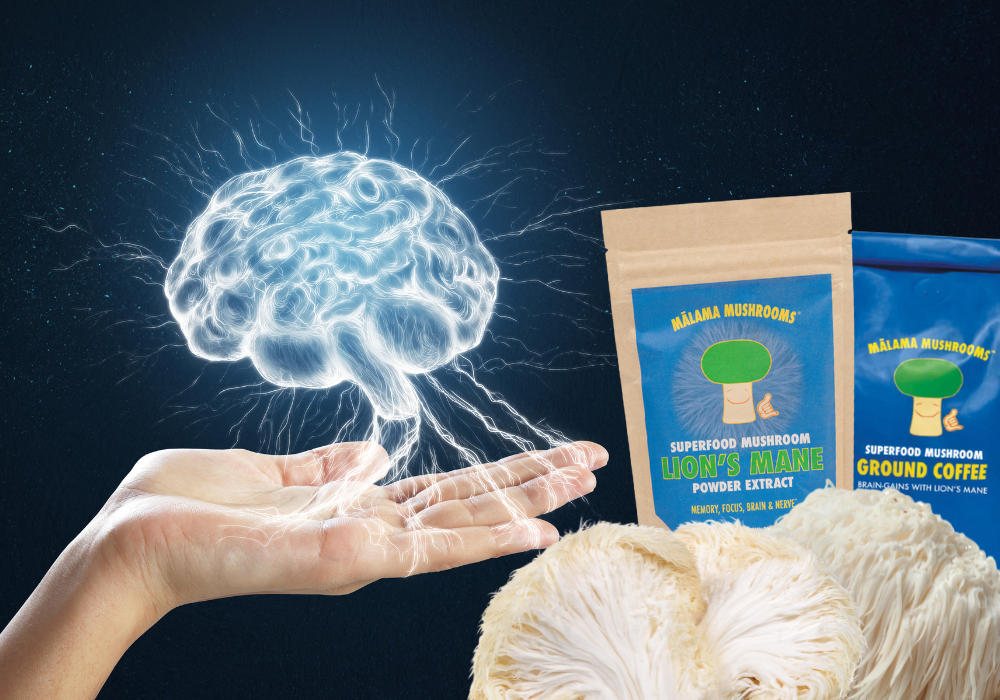
Credit: www.malamamushrooms.com
What Science Says: Studies And Evidence
While research is still growing, several studies suggest benefits of combining Lion’s Mane and meditation.
Lion’s Mane Research Highlights
- A 2009 Japanese study on older adults found that 3 grams per day of Lion’s Mane improved cognitive scores over 16 weeks.
- Animal research shows increased NGF levels and enhanced memory in rats given Lion’s Mane.
- Preliminary studies report improved mood and reduced anxiety with Lion’s Mane supplements.
Some research also shows Lion’s Mane may help with nerve injuries, possibly speeding up recovery after damage. This is especially exciting for conditions where nerve repair is slow or limited.
Meditation Research Highlights
- Harvard research in 2011 showed that meditation changed brain structure in just eight weeks.
- Another study found that long-term meditators had more hippocampal gray matter compared to non-meditators.
- Mindfulness meditation is now recommended as part of many therapy programs for depression and anxiety.
Clinical evidence shows that people who meditate regularly experience less shrinkage of the hippocampus with age. Meditation is also associated with improved immune function and lower levels of inflammation, both of which help protect the brain.
Combined Effects: The Missing Link
Few studies have tested Lion’s Mane and meditation together. However, the theory is strong: by supporting neurogenesis both chemically (Lion’s Mane) and behaviorally (meditation), you may multiply the benefits.
A non-obvious point: The combination is especially promising for people who are under chronic stress, recovering from trauma, or entering older age, when neurogenesis naturally slows down. Together, Lion’s Mane and meditation may offer a way to not just protect but actually enhance brain function.
Potential Benefits: Mindfulness Enhanced
People who combine Lion’s Mane and meditation often report more than just relaxation. Here are some possible benefits:
- Sharper Focus: Both improve attention span, making it easier to stay present.
- Stronger Memory: Supports learning new skills and recalling information.
- Emotional Balance: Reduces stress, anxiety, and negative thinking.
- Greater Creativity: New brain cells and mindful awareness unlock fresh ideas.
- Faster Recovery: Brain resilience helps you bounce back from setbacks.
Some users say they feel “clear-headed” and more “in the moment” when using Lion’s Mane alongside daily meditation.
Another benefit that’s easy to miss: Improved sleep quality. Both meditation and Lion’s Mane may help regulate sleep patterns, which is crucial for mental clarity and mood. People sometimes find they wake up feeling more refreshed and less groggy.
Also, those who struggle with “information overload” in daily life may find it easier to organize thoughts, make decisions, and avoid distractions.
Practical Guide: How To Combine Lion’s Mane And Meditation
If you want to try this powerful combination, here’s how to get started.
Choosing A Lion’s Mane Supplement
Not all Lion’s Mane products are the same. Look for:
- 100% fruiting body (not just mycelium)
- Certified organic
- Clear labeling of hericenone and erinacine content
- Third-party lab testing
Lion’s Mane comes as capsules, powders, teas, or tinctures. Capsules are easiest for beginners.
Avoid products that mix Lion’s Mane with many other herbs, as this can dilute the active compounds. Powders can be mixed into coffee, smoothies, or even oatmeal, but check that the dose is clearly stated.
How Much To Take?
Most studies use 1,000 to 3,000 mg per day. Start with a low dose and increase slowly. Take it in the morning or early afternoon, as some people feel energized.
For sensitive users, starting at 500 mg is wise. Monitor for digestive upset or other reactions. Some people split the dose—half in the morning, half at lunch—to avoid any potential sleep disruption.
Timing With Meditation
Take Lion’s Mane about 30–60 minutes before your meditation session. This allows time for the mushroom’s active compounds to reach your brain. Try a consistent routine for at least 8 weeks to notice the full effect.
A helpful tip: Pair your supplement with a glass of water and a light snack, like fruit or yogurt, to reduce the chance of stomach upset.
Sample Routine
- Eat a light meal.
- Take your Lion’s Mane supplement with water.
- Set aside 15–30 minutes for meditation.
- Use a timer or meditation app.
- Record your experiences in a journal.
Consistency is more important than perfection.
If you miss a day, don’t worry—just resume your routine the next day. Progress comes from regular practice, not from being perfect.
Potential Risks And Side Effects
Lion’s Mane is considered safe for most people, but side effects are possible.
- Some users report digestive upset, such as bloating or nausea.
- Rare cases of allergic reactions have been seen—especially in people allergic to mushrooms.
- Start with a low dose to monitor your body’s response.
If you have a history of allergies to mushrooms or molds, talk to a healthcare professional before starting Lion’s Mane.
Meditation is also safe for most people. However, if you have a history of trauma or mental health conditions, speak with a healthcare professional before starting intensive meditation practices.
Sometimes, intense meditation can bring up strong emotions or memories. If you ever feel overwhelmed, take a break and consider getting support from a qualified teacher or therapist.

Credit: supermush.com
Who Can Benefit Most?
While almost anyone can try Lion’s Mane and meditation, some groups may see special benefits:
- Students: For improved learning and memory.
- Older adults: To support brain health and slow cognitive decline.
- Professionals: For better focus and stress management.
- People recovering from brain injuries: Always consult a doctor first.
If you are pregnant, breastfeeding, or on medication, consult a healthcare provider before using Lion’s Mane.
People with chronic stress, anxiety, or sleep problems may also notice improvements. For athletes or performers, better focus and resilience can enhance both training and competition.
Real-life Experiences: What Users Say
Many people share positive stories about combining Lion’s Mane and meditation.
- A university student found that daily Lion’s Mane helped him focus better during study sessions and meditation.
- A retired teacher noticed improved memory and less anxiety after two months of use.
- A yoga instructor reported deeper relaxation and increased creativity.
Not everyone feels dramatic changes—some report only subtle improvements. Individual results may vary based on health, lifestyle, and product quality.
Some users mention that Lion’s Mane makes it easier to “drop in” to a meditative state, especially on days when their mind feels busy or distracted. Others say their creativity and ability to solve problems improved, both at work and in personal life.
Expert Opinions
Neuroscientists and wellness experts are increasingly interested in this combination.
Dr. Michael Greger, a well-known nutrition expert, highlights the potential of Lion’s Mane for brain health but stresses the need for more human research.
Meditation teachers often recommend Lion’s Mane as a “mind tonic,” but they remind users to keep expectations realistic and focus on regular practice.
Some experts caution that while the science is promising, results can be highly individual. Factors like sleep, diet, stress, and genetics all play a role in how the brain responds.
Comparing Lion’s Mane With Other Brain-boosting Supplements
How does Lion’s Mane stack up against other popular brain supplements? Here is a comparison:
| Supplement | Main Benefit | Supports Neurogenesis? | Common Side Effects |
|---|---|---|---|
| Lion’s Mane | Memory, focus, mood | Yes | Digestive upset, allergies |
| Ginkgo Biloba | Circulation, memory | Weak evidence | Headache, bleeding risk |
| Bacopa Monnieri | Learning, stress | Possibly | Digestive upset |
| Omega-3 (Fish Oil) | Brain structure | Yes | Fishy aftertaste |
Lion’s Mane stands out for its direct impact on neurogenesis and overall safety.
Another insight: While Omega-3s are essential for building brain cells, Lion’s Mane may help “activate” brain growth, making them a good combination. Many experts recommend using both for best results.
Comparing Meditation Styles For Mindfulness And Brain Health
Different meditation styles have unique effects on the brain. Here is a quick comparison:
| Meditation Style | Main Focus | Best For | Neurogenesis Impact |
|---|---|---|---|
| Mindfulness Meditation | Present awareness | Stress reduction, clarity | High |
| Loving-Kindness | Compassion | Emotional health | Medium |
| Focused Attention | Single object | Concentration | Medium |
| Body Scan | Physical sensations | Relaxation | Low to medium |
Mindfulness meditation is the most studied for boosting neurogenesis and mental clarity.
Less obvious: Rotating between styles can keep your practice fresh and stimulate different areas of the brain, leading to broader growth and flexibility.
Common Mistakes To Avoid
When starting with Lion’s Mane and meditation, avoid these pitfalls:
- Choosing low-quality supplements: Poor sourcing means fewer active compounds.
- Inconsistent practice: Skipping days reduces results.
- Expecting instant change: Both meditation and Lion’s Mane work over weeks, not days.
- Ignoring side effects: If you feel unwell, stop and consult a professional.
- Neglecting lifestyle: Sleep, diet, and exercise also affect brain health.
Some people also try to “overdose” on supplements or meditate for hours hoping for quick results, but this can lead to burnout or disappointment. Gentle, steady progress is more effective.
Additional Tips For Success
To get the most from Lion’s Mane and meditation:
- Set a regular schedule for both.
- Track your progress in a journal.
- Start with short meditation sessions and increase time slowly.
- Practice gratitude and positive thinking.
- Combine with a healthy diet rich in fruits, vegetables, and omega-3s.
A holistic approach leads to the best results.
Another tip: Share your experience with friends or a meditation group. Social support can keep you motivated and help you notice progress you might otherwise miss.
The Role Of Diet And Lifestyle
Lion’s Mane and meditation are powerful, but they work best with a supportive lifestyle.
- Eat a balanced diet with plenty of whole foods.
- Get enough sleep—at least seven hours a night.
- Exercise regularly to boost brain blood flow.
- Stay socially connected for emotional support.
- Limit alcohol, processed foods, and screen time.
A healthy lifestyle amplifies the benefits of neurogenesis.
For example, regular aerobic exercise (like brisk walking or cycling) has been shown to boost neurogenesis just like Lion’s Mane and meditation. Combining these habits multiplies their effect, leading to even greater brain health.
The Future Of Mindfulness And Brain Health
The combination of Lion’s Mane and meditation is just the beginning. Scientists are exploring more ways to support neurogenesis using diet, exercise, and technology.
New research may soon reveal which combinations work best for different people. Personalized brain health plans are becoming possible. For now, Lion’s Mane and meditation are accessible, safe, and backed by promising science.
If you want to read more about the science behind neurogenesis, visit this Wikipedia page on neurogenesis.
Frequently Asked Questions
What Is Lion’s Mane, And How Does It Help The Brain?
Lion’s Mane is a medicinal mushroom known for supporting brain health. It contains compounds that stimulate nerve growth factor (NGF), which helps your brain create new neurons and maintain existing ones. This can improve memory, focus, and mood.
Can I Feel The Effects Of Lion’s Mane Right Away?
Most people notice subtle changes after a few weeks. Lion’s Mane works slowly by encouraging neurogenesis, so patience is important. Some may feel increased clarity or focus within days, but full benefits usually appear after 4–8 weeks of regular use.
Is Meditation Enough For Neurogenesis, Or Do I Need Supplements?
Meditation alone supports neurogenesis by reducing stress and increasing brain plasticity. However, combining it with Lion’s Mane or other brain-healthy habits may boost results. Supplements are not necessary for everyone, but they can offer extra support.
Are There Any Risks In Combining Lion’s Mane And Meditation?
Both are safe for most people. Lion’s Mane may cause mild digestive upset or allergic reactions in rare cases. Meditation is very safe but may trigger strong emotions in some people. Always start slowly and consult a healthcare provider if unsure.
How Do I Choose The Best Lion’s Mane Supplement?
Look for 100% fruiting body, organic certification, clear labeling of active compounds, and third-party testing. Avoid products with fillers or unclear sourcing. Read reviews and research the brand before buying.
Combining Lion’s Mane and meditation offers a practical path to better brain health and mindfulness. By understanding the science and using these tools consistently, you can support neurogenesis, improve your mental clarity, and enjoy a more mindful life.

Credit: spiritualessence.in