
Many people who recovered from COVID-19 notice something strange: their mind feels foggy. Common tasks become harder. Concentration slips. Memory seems weak. This is what many call brain fog after Covid. It’s frustrating, and it can make daily life difficult. While researchers study why this happens, some people look for ways to clear their mind. One natural remedy now in the spotlight is Lion’s Mane mushroom. But does it really help? Early reports and studies are starting to reveal some answers. Let’s explore what we know so far—what Lion’s Mane is, why it’s being tried for post-Covid brain fog, what the science says, and what people should consider before trying it.
Understanding Brain Fog After Covid
Brain fog isn’t a medical term, but it describes real symptoms. People may feel:
- Trouble focusing
- Poor short-term memory
- Mental fatigue
- Slower thinking
- Confusion
After Covid, these problems can last for weeks or months—even when all other symptoms are gone. This is part of what doctors call “long Covid” or “post-acute sequelae of SARS-CoV-2 infection (PASC).”
Some people say it feels like trying to think through a thick cloud. Everyday conversations may become tiring. Reading a page in a book might take much longer than before. Even following a movie plot or remembering why you walked into a room can feel difficult.
For many, this is not just annoying—it affects work, relationships, and basic tasks.
How Common Is It?
Recent studies show that up to one-third of people who recover from Covid-19 report brain fog. In some surveys, numbers are even higher—especially among people who had severe Covid. Young and old, healthy and sick, anyone can experience it.
For example, a large US study found that about 30% of people had some cognitive symptom three months after infection. Even people with mild initial illness can later develop brain fog. Some people who never had memory issues before Covid find themselves forgetting appointments, losing track of conversations, or needing to write everything down.
Certain risk factors, like being female, having pre-existing health conditions, or facing high stress during illness, may make brain fog more likely. However, doctors have seen it in people of all backgrounds.
Why Does It Happen?
Scientists are still searching for clear answers. Some possible reasons include:
- Inflammation in the brain after infection
- Changes in blood flow
- Immune system reactions
- Stress and poor sleep during illness
COVID-19 is known to affect the whole body, not just the lungs. When the body fights the virus, it releases chemicals called cytokines, which can cause inflammation. This inflammation may reach the brain, changing how it works for weeks or months.
Another possible cause is damage to small blood vessels in the brain. Covid can make blood thicker and more likely to clot, which might reduce oxygen and nutrients to brain cells. Some scientists think that the immune system, in trying to fight the virus, might accidentally attack healthy brain tissue.
Even emotional factors matter. The stress, fear, and isolation during Covid can lead to sleep problems and anxiety, both of which make thinking harder.
Brain scans sometimes show changes, but not always. The exact cause may be different for every person.
How Long Does It Last?
For some, brain fog fades after a few weeks. For others, it can linger for months. A UK study found that about 20% of people still had cognitive symptoms six months after infection.
Another study observed that while most people improve over time, a small group continue to struggle with memory or focus issues for more than a year. Fatigue, depression, and anxiety can make these symptoms worse or prolong them.
It’s also possible for brain fog to come and go. Some people report good days and bad days, with symptoms triggered by stress, lack of sleep, or physical overexertion. This unpredictability can make recovery frustrating.
What Is Lion’s Mane Mushroom?
Lion’s Mane (Hericium erinaceus) is a white, shaggy mushroom found in Asia, Europe, and North America. It gets its name from its long, hair-like spines that look like a lion’s mane. For hundreds of years, it has been used in Traditional Chinese Medicine and Japanese herbal practice.
In the wild, Lion’s Mane grows on hardwood trees, especially beech and oak. It has a mild, seafood-like taste when cooked, making it popular in some Asian cuisines. Today, it’s also grown commercially and sold as a supplement worldwide.
Key Nutrients And Compounds
Lion’s Mane contains special compounds called hericenones and erinacines. These substances are believed to support nerve health and brain function. The mushroom also contains:
- Antioxidants
- Polysaccharides
- Beta-glucans
Hericenones are mostly found in the fruiting body (the visible part), while erinacines are more abundant in the mycelium (the root-like structure). Both are thought to help stimulate nerve growth factor (NGF), a protein important for brain cell health.
The mushroom’s antioxidants fight free radicals, which can damage cells and speed up aging. Beta-glucans and other polysaccharides help modulate the immune system, which might also play a role in brain recovery after illness.
Traditional Uses
Traditionally, Lion’s Mane has been used for:
- Promoting digestion
- Supporting heart health
- Boosting mood and mental focus
In Japan, it was sometimes called the “mountain priest mushroom,” valued for its supposed effects on the mind and spirit. Monks are said to have consumed it to improve focus during meditation.
Only recently have scientists begun to study its effects in detail. Many traditional claims are being tested in modern laboratories, and early results are attracting attention from people interested in natural health.
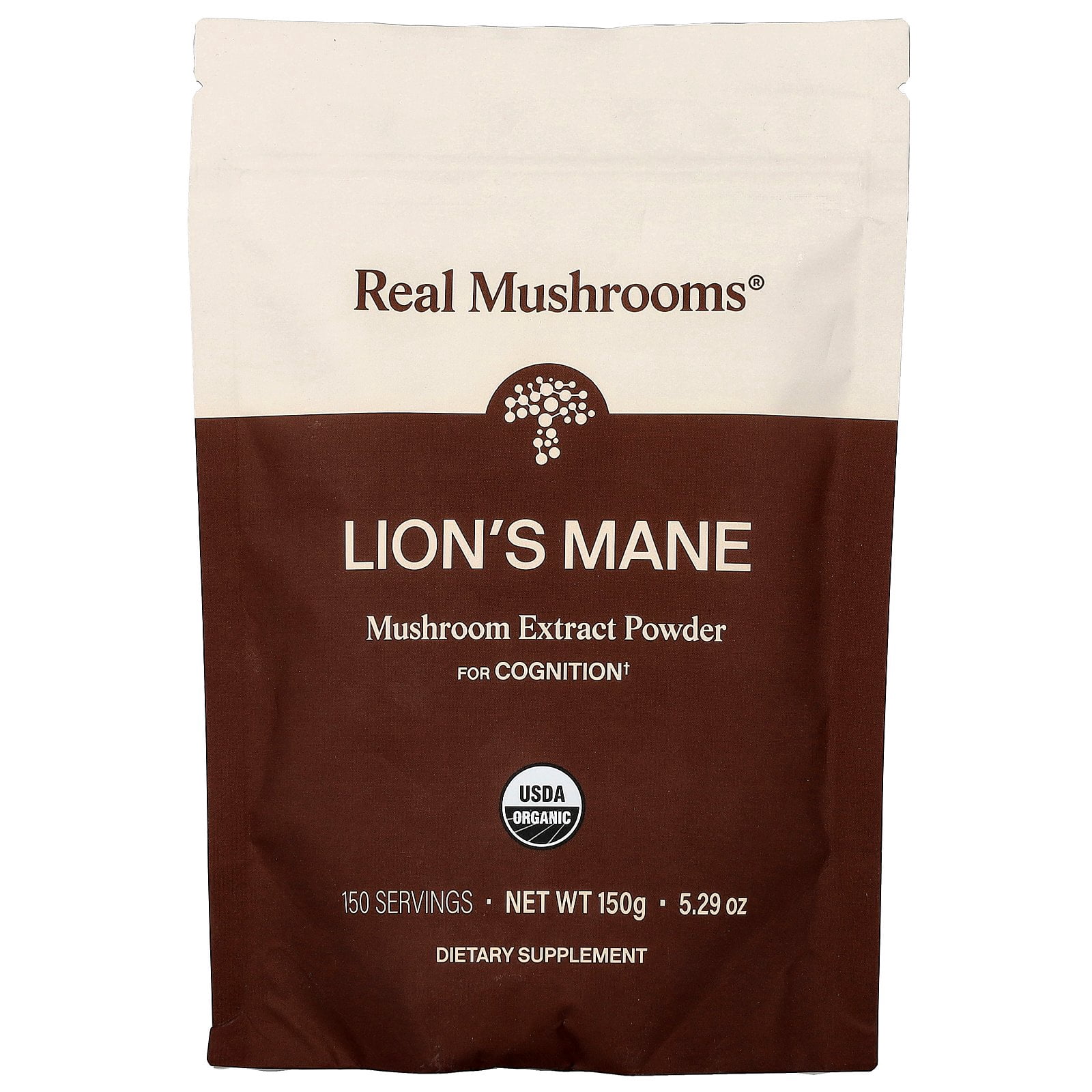
Credit: www.walmart.com
Why People Try Lion’s Mane For Brain Fog
After Covid, many people feel desperate for relief from brain fog. They turn to the internet and social media for advice. Lion’s Mane comes up often, for several reasons:
- Reputation for brain health: Early research suggests Lion’s Mane may help with memory and focus.
- Natural origin: Many people prefer a natural remedy over prescription drugs.
- Anecdotal reports: Online forums and support groups are full of people sharing their positive experiences.
Another reason is that Lion’s Mane is easy to find and relatively affordable compared to prescription medicines or specialized therapies. Many long Covid sufferers feel that mainstream medicine does not offer enough options for brain fog, so they seek out alternative remedies.
People also see Lion’s Mane as a “gentle” supplement. Unlike strong stimulants or drugs, it is not known to cause major side effects or dependence. This makes it attractive for those who want to try something that feels safe and natural.
But Does The Science Support These Claims?
What Early Research Says About Lion’s Mane And Brain Function
Much of the evidence for Lion’s Mane comes from animal studies and small human trials. Here’s what researchers have found so far.
Animal Studies
Many studies in mice and rats show that Lion’s Mane can:
- Stimulate nerve growth factor (NGF), which helps brain cells grow and repair
- Improve learning and memory in animal models
- Reduce inflammation in the brain
For example, one study found that mice given Lion’s Mane extract performed better on maze tests and showed more new brain cell growth compared to those not given the mushroom. Another study showed that Lion’s Mane could reduce memory loss in mice with Alzheimer’s-like symptoms.
Some research also suggests Lion’s Mane may help protect the brain from toxic substances or stress. In animal models of stroke, for instance, the mushroom appeared to reduce the size of brain injury and speed up recovery.
These effects suggest Lion’s Mane could help restore brain function after damage or illness.
Human Studies
Human research is still limited, but some small trials have looked at Lion’s Mane for mild cognitive impairment (MCI) and general brain health.
Study Example 1: Older Adults With Mci
A well-known Japanese study gave 30 older adults with MCI either Lion’s Mane or a placebo for 16 weeks.
- Those taking Lion’s Mane showed significant improvements in cognitive scores compared to placebo.
- The benefits faded after they stopped taking the mushroom.
In this study, participants took four 250 mg tablets three times a day. Memory, focus, and overall mental function improved the most around week 12 to 16, and started to decline once Lion’s Mane was stopped. This suggests the benefits may depend on continued use.
Study Example 2: Mood And Focus
Another study found that postmenopausal women who took Lion’s Mane for four weeks reported less anxiety and better concentration.
Participants ate cookies containing Lion’s Mane powder daily. They described feeling more at ease and able to handle daily stress. While not a direct measure of brain fog, these findings suggest Lion’s Mane may help with the mental side effects that often come with long Covid.
Study Example 3: Nerve Injury
A small pilot study suggested Lion’s Mane helped people recover faster from nerve injuries, possibly by speeding up nerve repair.
Researchers believe this is due to NGF stimulation, which helps nerves regrow and restore function. While this study focused on physical nerve injuries, the results hint at possible benefits for brain recovery, too.
What About Brain Fog After Covid?
There are no large clinical trials yet that test Lion’s Mane specifically for post-Covid brain fog. But early case reports and anecdotal stories are starting to appear.
Early Case Reports And Surveys
Doctors and support groups have noticed:
- Some patients report clearer thinking within a few weeks of starting Lion’s Mane.
- Others say it makes no difference.
- A few mention mild side effects like stomach upset.
For example, in a small group of long Covid patients tracked by an integrative clinic, about 40% reported subjective improvement in focus and memory after 4–6 weeks of Lion’s Mane use. Some also reported better sleep and mood. However, a similar number noticed no change, and a few had mild digestive complaints.
These reports are not proof, but they encourage more research.
How Does Lion’s Mane Work In The Brain?
Lion’s Mane is special because it contains hericenones and erinacines that can cross the blood-brain barrier. This means the active ingredients can reach brain cells directly.
Nerve Growth Factor (ngf)
NGF is a protein that helps brain cells:
- Grow new connections
- Heal after injury
- Stay healthy as we age
Low levels of NGF are linked to cognitive decline and slower brain repair. Lion’s Mane appears to naturally increase NGF production, at least in animal studies, and possibly in humans too.
Some researchers believe that Lion’s Mane may help the brain form new connections lost during illness or stress—one reason it’s being studied for recovery from brain fog.
Reducing Inflammation
Covid-19 can cause inflammation in the brain, which may lead to brain fog. Lion’s Mane has anti-inflammatory properties that could help calm this reaction.
Chronic inflammation is connected to many cognitive problems, including memory loss, confusion, and even depression. By reducing inflammation, Lion’s Mane may help the brain recover faster and function better.
Antioxidant Protection
Oxidative stress (damage from free radicals) is another cause of brain fog. Lion’s Mane is rich in antioxidants, which protect brain cells from damage.
Some experts suggest that the antioxidants in Lion’s Mane may help counteract the effects of stress, pollution, or even medications that can harm brain cells during illness or recovery.
Comparison With Other Natural Brain Boosters
Here’s how Lion’s Mane stacks up against other popular supplements for brain health:
| Supplement | Main Benefits | Main Compounds | Evidence for Brain Fog |
|---|---|---|---|
| Lion’s Mane | May boost nerve growth, reduce inflammation | Hericenones, Erinacines | Early data, mostly animal studies |
| Ginkgo Biloba | May improve blood flow, memory | Flavonoids, Terpenoids | Mixed results in studies |
| Bacopa Monnieri | May support memory, learning | Bacosides | Some positive human trials |
| Omega-3 (Fish Oil) | Supports brain cell structure | EPA, DHA | Good for overall brain health |
While Lion’s Mane is unique in its NGF-boosting ability, combining it with other brain-friendly nutrients (like Omega-3) may bring extra benefits for some people. However, always check for interactions and talk to your doctor before combining multiple supplements.
Early Reports: What People Are Saying
Many people share their experiences with Lion’s Mane for brain fog online—in forums, blogs, and support groups. Here are some common themes:
- Some users describe a “lifting of mental cloudiness” after 2–3 weeks.
- Others say they feel more alert, less tired, or more able to focus.
- A few notice no effect at all, even after a month.
- Some people report mild side effects, such as digestive discomfort or headaches.
On platforms like Reddit and long Covid Facebook groups, discussions about Lion’s Mane are common. Some users recommend specific brands or dosages, while others warn that the effects are subtle or that quality varies between products.
Real-world Example
Jane, a 42-year-old teacher, struggled with brain fog for months after recovering from Covid. She read about Lion’s Mane in a long Covid support group. After taking 1000 mg daily for four weeks, she felt her memory and focus improved.
However, when she stopped, the symptoms slowly returned. She now combines Lion’s Mane with other healthy habits for best results.
Another example: Mark, a 29-year-old software developer, tried Lion’s Mane after reading about it online. He noticed improved focus at work after about three weeks. But his partner, who also tried the supplement, did not notice any change. This shows that individual response varies.
What Beginners Often Miss
- Results are gradual: Most users don’t notice effects overnight. It can take several weeks to feel a difference.
- Not a cure-all: Lion’s Mane may help, but it’s not a magic solution. Other factors like sleep, diet, and stress management are also important.
A third important point: some people expect a dramatic change, but improvements are often subtle—like making fewer mistakes at work, recalling words more easily, or needing less coffee to stay alert.
Safety And Side Effects
Lion’s Mane is generally considered safe for most people. It’s been eaten as food for centuries in Asia. However, as with any supplement, there are some things to watch out for.
Common Side Effects
- Mild stomach upset
- Nausea
- Skin rash (rare)
- Headache
These are usually mild and go away when the supplement is stopped.
Some people report vivid dreams or changes in sleep patterns. If this happens, try taking the supplement in the morning rather than at night.
Who Should Be Careful?
- People with mushroom allergies
- Pregnant or breastfeeding women (not enough research)
- Those taking blood thinners (Lion’s Mane may affect clotting)
Lion’s Mane may also interact with immune-suppressing drugs, so people with autoimmune conditions should check with a doctor before starting.
If you have a medical condition or take medications, talk to your doctor before trying Lion’s Mane.
Supplement Quality Matters
Some products are more pure and potent than others. Look for:
- Third-party testing
- No fillers or artificial additives
- Clear labeling of hericenone or erinacine content
Supplements from trusted brands are more likely to contain the actual mushroom and active compounds. Low-quality products may be diluted with grains or other mushrooms, lowering their effectiveness.
How To Take Lion’s Mane For Brain Fog
Lion’s Mane is available in several forms:
- Capsules/tablets
- Powders
- Tinctures (liquid extracts)
- Dried mushroom pieces
Powders can be mixed into smoothies, coffee, or yogurt. Tinctures are easy to add to drinks or take under the tongue. Some people prefer capsules for convenience and precise dosing.
Dosage
There’s no official recommended dose for brain fog. In most studies, doses range from 500 mg to 3,000 mg per day. Many people start with 500–1000 mg daily and increase slowly.
The amount of active compounds may vary between products. Standardized extracts with clear hericenone or erinacine content offer more predictable results.
How To Take
- With or without food (some find it easier on the stomach with food)
- Once or twice per day
- Consistency is important—take it daily for best results
Some people split the dose—half in the morning, half in the afternoon—to maintain stable levels. It’s best to avoid taking high doses late in the evening, as rare sleep disturbances can occur.
Example Dosage Plan
| Week | Morning Dose | Evening Dose | Total Daily (mg) |
|---|---|---|---|
| 1 | 500 mg | — | 500 mg |
| 2 | 500 mg | 500 mg | 1,000 mg |
| 3–4 | 1,000 mg | 500 mg | 1,500 mg |
Always start low and see how your body responds.
Combining With Other Strategies
Lion’s Mane works best as part of a total brain health plan. Other helpful steps include:
- Regular exercise
- Healthy diet (especially omega-3 fats and vegetables)
- Sleep hygiene
- Stress reduction (meditation, yoga)
Adding Lion’s Mane to an already healthy lifestyle increases your chances of seeing benefits. For example, pairing it with regular aerobic exercise has been shown to support neurogenesis (new brain cell growth).
What To Expect: Timeline And Results
If Lion’s Mane works for you, what changes might you notice? And when?
Possible Benefits
- More mental clarity
- Faster recall
- Better focus
- Less mental fatigue
Some users also report better mood, reduced anxiety, and improved motivation. These benefits can make daily tasks, work, or studying feel easier.
When To Expect Results
Most people who report benefits notice them after 2–4 weeks of daily use. For some, it takes longer.
If you combine Lion’s Mane with better sleep, less stress, and regular movement, you may notice changes sooner. For others, improvements may be so gradual they only realize the difference after tracking their symptoms over time.
What If You Don’t Notice A Difference?
Not everyone responds to Lion’s Mane. If you try it for 4–6 weeks with no change, it may not be right for you. Other causes for brain fog should be explored with a healthcare provider.
Sometimes, adjusting the dosage or switching to a higher-quality supplement can make a difference. But always be cautious—more is not always better.
Limitations Of Current Research
It’s important to know what we don’t know yet:
- Most studies are small, short-term, or in animals—not in people with post-Covid brain fog.
- Effects may be modest, not dramatic.
- Supplements are not regulated as strictly as medicines.
Also, most studies use standardized extracts, but many products on the market are not standardized. This makes it hard to compare results or know what dose works best.
The Need For More Studies
Large, high-quality clinical trials are needed to know for sure:
- Does Lion’s Mane really help brain fog after Covid?
- What is the best dose and form?
- Are the effects lasting?
Until then, most information comes from small studies and personal reports.

Credit: shop.sprouts.com
How To Choose A Good Lion’s Mane Supplement
Because supplements can vary, picking a quality product is important. Here’s what to look for:
- Brand reputation: Choose brands with good reviews and transparent sourcing.
- Fruit body vs. mycelium: Some products use only the mushroom “fruit body”—the part rich in active compounds. Others use mycelium (the root-like part), which may be less effective.
- Standardized extracts: Look for products that specify the amount of hericenones and erinacines.
- Testing and purity: Third-party testing ensures safety and potency.
Buying from a reputable supplier reduces your risk of contamination or low-quality ingredients. If a product does not clearly state what part of the mushroom is used, it may be mostly filler.
Example: Comparing Two Lion’s Mane Products
| Brand | Form | Fruit Body or Mycelium | Active Compound Info | Third-Party Tested? |
|---|---|---|---|---|
| Brand A | Capsule | 100% Fruit Body | Yes (Hericenones 5%) | Yes |
| Brand B | Powder | Mycelium + Grain | No info | No |
Practical Tips For Using Lion’s Mane
If you want to try Lion’s Mane for brain fog after Covid, here are some practical steps:
- Track your symptoms: Write down how you feel before starting. Rate focus, memory, and mental energy.
- Start with a low dose: Begin with 500 mg daily. Increase only if you tolerate it well.
- Be patient: Give it at least 4 weeks before judging results.
- Watch for side effects: If you notice stomach upset or rash, stop and consult your doctor.
- Combine with healthy habits: Don’t rely only on supplements. Exercise, diet, and rest are key.
Another useful idea is to set reminders on your phone so you don’t miss a dose—consistency matters. If you have trouble swallowing capsules, try powders or tinctures, which are easy to mix into drinks.
What Doctors And Experts Say
Most doctors agree that while Lion’s Mane is promising, more research is needed. Some neurologists and integrative medicine doctors may recommend it for mild symptoms, especially if standard treatments don’t help. However, they caution:
- Don’t replace prescribed medications with supplements.
- Discuss any new supplement with your healthcare provider.
- Monitor for side effects or allergic reactions.
Some practitioners suggest that if you decide to use Lion’s Mane, you should check in regularly to review progress and adjust your plan as needed. Remember, supplements can be part of a recovery plan but should not be your only strategy.
Important Non-obvious Insight
Many beginners miss that improvement may depend on the underlying cause of their brain fog. If your symptoms are due to sleep loss, stress, or medication side effects—not just Covid—Lion’s Mane may not help much. Addressing root causes always brings the best results.
Another overlooked point is that the gut and brain are closely connected. If your digestion is off after Covid, fixing gut issues may also improve brain fog—sometimes more than any supplement.
The Bigger Picture: Other Ways To Manage Brain Fog After Covid
Lion’s Mane is only one tool. Here are some other evidence-based approaches:
- Cognitive rehabilitation: Working with a therapist on memory, attention, or problem-solving.
- Mindfulness and meditation: Studies show these can improve focus and reduce stress.
- Healthy lifestyle: Regular exercise, a Mediterranean-style diet, and good sleep.
- Limiting alcohol and processed foods: These can worsen brain fog.
- Medical evaluation: Sometimes brain fog is caused by thyroid issues, vitamin deficiencies, or other treatable conditions.
Small changes, like avoiding screens before bed or adding a 10-minute walk after meals, can also support brain recovery.

Credit: www.newhope.com
Looking Ahead: The Future Of Brain Fog And Lion’s Mane Research
With millions affected by post-Covid brain fog, interest in Lion’s Mane will likely grow. Researchers are now planning larger studies to test its effects on people recovering from Covid-19. If early results are confirmed, Lion’s Mane could become a valuable tool for many people.
For now, it remains a promising but unproven aid. Anyone considering it should keep their doctor in the loop, use quality products, and remember that brain recovery is often slow and requires patience.
If you want to be part of research or clinical trials, check with local hospitals or universities. New studies are enrolling volunteers all the time.
Frequently Asked Questions
What Is Brain Fog After Covid?
Brain fog after Covid means problems with thinking, memory, or concentration that last for weeks or months after the infection. People may feel confused, forgetful, or mentally tired. It is a common symptom of “long Covid.”
Is Lion’s Mane Mushroom Safe For Everyone?
Lion’s Mane is safe for most healthy adults but should be avoided by people with mushroom allergies, pregnant or breastfeeding women, and those on blood-thinning medication unless approved by a doctor.
How Long Does It Take For Lion’s Mane To Work?
Most people who notice benefits from Lion’s Mane report changes after 2–4 weeks of regular use. Effects are gradual, not immediate.
Can I Take Lion’s Mane With Other Supplements Or Medicine?
Lion’s Mane is generally safe to combine with other supplements, but it may interact with some medicines, especially blood thinners. Always check with your healthcare provider before adding new supplements.
Where Can I Learn More About Lion’s Mane And Brain Health?
For more scientific information and updates on Lion’s Mane research, visit the National Institutes of Health.
Recovery from brain fog after Covid is a journey. While Lion’s Mane shows early promise, it’s best used as part of a balanced approach. Stay informed, be patient, and always put your health and safety first.