
In challenging times, many people search for ways to manage stress and build emotional strength. While there are many solutions, one natural remedy has gained attention: the Reishi mushroom. This ancient mushroom, often called the “mushroom of immortality,” has a long history in Asian medicine. Today, science is beginning to explain how Reishi may help us cope with stress and support emotional resilience. If you’re looking for natural ways to stay calm and steady, learning about Reishi could make a real difference in your life.
What Is Reishi Mushroom?
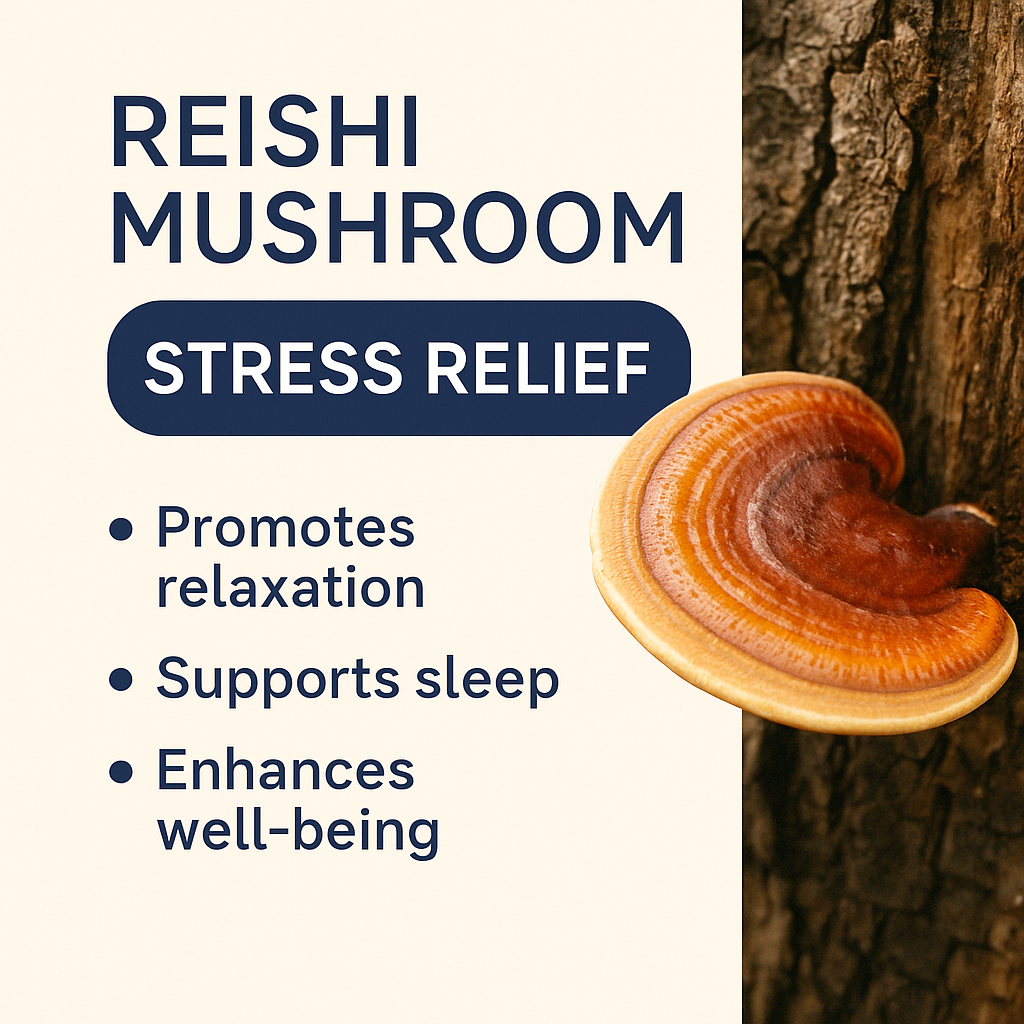
The Reishi mushroom (Ganoderma lucidum) is a woody, reddish-brown fungus. It grows on hardwood trees, mainly in Asia. For over 2,000 years, it has been used in China and Japan for its health benefits. Ancient healers believed Reishi supported longevity, vitality, and inner peace. Unlike mushrooms you eat, Reishi is tough and bitter, so it’s usually consumed as tea, powder, or capsules.
Reishi stands out because of its unique compounds. It contains triterpenes, polysaccharides, and peptidoglycans. These are believed to help the body adapt to stress, support the immune system, and balance mood. Today, people use Reishi to boost emotional wellness, especially during difficult or stressful periods.
The Science Behind Stress And Emotional Resilience
To understand how Reishi can help, it’s important to know what happens in your body during stress. When you face challenges, your body activates the stress response. This means hormones like cortisol and adrenaline increase. In the short term, this helps you react. But if stress continues for weeks or months, it can harm your mind and body.
Emotional resilience is your ability to recover from stress, setbacks, or sadness. People with strong resilience can stay calm and positive, even when life is tough. They don’t let stress control them. Building resilience involves both mental habits and physical health.
Research shows that chronic stress can weaken your immune system, disrupt sleep, and increase anxiety or depression. That’s why finding ways to support resilience is so important. This is where natural adaptogens like Reishi can help.
How Reishi Mushroom Supports Emotional Resilience
1. Adaptogen Effects: Balancing Stress Hormones
Reishi is often called an adaptogen. Adaptogens are natural substances that help your body handle physical and emotional stress. They work by supporting the hypothalamic-pituitary-adrenal (HPA) axis, which controls how your body reacts to stress.
Studies suggest Reishi may lower high cortisol levels, which often rise when you feel anxious or pressured. By helping your body return to balance, Reishi can make you feel more centered and less overwhelmed. This adaptogenic effect is a key reason why many people use Reishi during difficult times.
2. Supporting The Immune System
Long-term stress can weaken the immune system. This makes you more likely to get sick and feel run down. Reishi is rich in beta-glucans and other polysaccharides, which can boost immune cell activity.
A stronger immune system doesn’t just protect you from illness. It also supports your overall sense of well-being. When your body feels strong, your mind often does too. This connection between the immune system and emotions is sometimes called the “psychoneuroimmunology” link.
3. Calming The Mind: Impact On Sleep And Relaxation
One of Reishi’s most famous benefits is its gentle calming effect. People in traditional medicine often used it to help with insomnia or restlessness. Modern studies suggest Reishi may increase the quality and length of sleep by influencing brain chemistry.
When you sleep well, you are better able to face life’s challenges. Deep sleep restores your mind and helps process emotions. Reishi’s calming action makes it a helpful tool for people who struggle to relax or have racing thoughts.
4. Reducing Inflammation Linked To Mood Disorders
Chronic inflammation in the body is linked to anxiety and depression. Reishi contains triterpenes and antioxidants that can lower inflammation. By reducing this hidden stress in the body, Reishi may help protect your mood and mental clarity.
For example, some studies show that people with high inflammation markers often feel more anxious or down. By keeping inflammation in check, Reishi supports both your physical and emotional health.
5. Enhancing Cognitive Function
Stress makes it hard to think clearly, remember things, or make decisions. Reishi contains compounds that may support brain health and improve focus. Some animal studies show Reishi can boost memory and protect brain cells from damage.
This means you may be able to handle challenges more calmly and think more clearly, even when life feels overwhelming.
6. Regulating Mood-related Brain Chemicals
Reishi may influence key neurotransmitters like serotonin and dopamine. These chemicals are important for mood, motivation, and feelings of well-being. When they are out of balance, you may feel sad, anxious, or unmotivated.
Although more research is needed, early studies suggest Reishi could help keep these brain chemicals balanced. This is another way it may support emotional resilience.
7. Ancient Wisdom Meets Modern Research
Traditional healers have praised Reishi for centuries. Now, modern science is starting to catch up. Recent studies have found that Reishi can help lower anxiety, improve mood, and support better sleep. For example, a study published in the Journal of Ethnopharmacology found that people taking Reishi for eight weeks felt less tired and less irritable.
While not every claim is proven, there is enough evidence to take Reishi seriously as a tool for emotional health.
Real-life Benefits: Stories And Case Studies
To see how Reishi works in real life, let’s look at some examples. Many people start using Reishi during stressful periods, such as a job loss, family crisis, or health problem. Here are a few stories:
- Anna, a nurse, began taking Reishi capsules after feeling burned out at work. She noticed she was able to stay calmer during long shifts and slept better at night.
- Marcus, a college student, used Reishi tea during exam season. He said it helped him focus and feel less anxious before tests.
- Lina, a new mother, drank Reishi-infused drinks to manage stress after her baby was born. She felt more balanced and less emotional.
While everyone’s experience is different, these stories show how Reishi may support emotional resilience in daily life.
Understanding The Key Compounds In Reishi
What makes Reishi so special? Its effects come from a mix of powerful compounds:
- Triterpenes: These bitter substances have anti-inflammatory and calming effects.
- Polysaccharides: They boost the immune system and protect against stress.
- Peptidoglycans: These support overall wellness and may help balance mood.
Researchers believe these ingredients work together to help your mind and body cope with stress.
Comparing Reishi With Other Adaptogens
Many herbs are called adaptogens, such as Ashwagandha, Rhodiola, and Ginseng. How does Reishi stack up against these popular choices?
Here’s a quick comparison:
| Adaptogen | Main Benefits | Common Uses | Side Effects |
|---|---|---|---|
| Reishi | Immune support, calm, sleep, mood balance | Stress, anxiety, poor sleep | Rare, mild digestive upset |
| Ashwagandha | Reduces anxiety, balances hormones | Stress, fatigue, hormone support | Drowsiness, stomach upset |
| Rhodiola | Boosts energy, focus | Mental fatigue, low motivation | Restlessness, dizziness |
| Ginseng | Energy, immune support | Low energy, immune weakness | Insomnia, headache |
Reishi is unique for its calming properties, immune support, and low risk of side effects. It is a good choice for people who want gentle, long-term support for stress and emotional resilience.
How To Use Reishi For Emotional Resilience
If you want to try Reishi, there are several ways to use it:
- Capsules or Tablets: Easy to take and dose. Good for people who dislike the taste.
- Powder: Can be mixed into smoothies, coffee, or soups.
- Tea: Traditional method. Has a strong, earthy flavor.
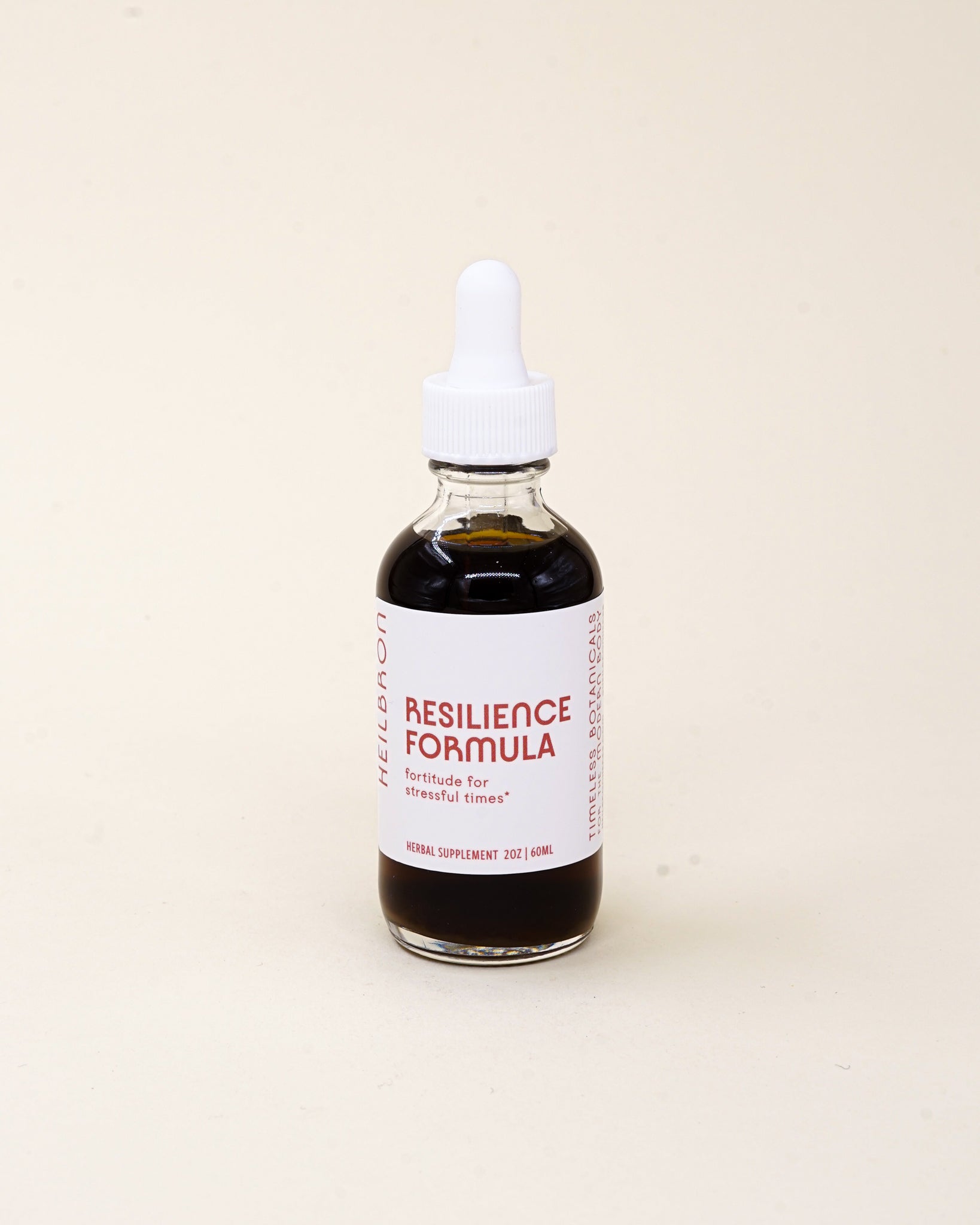
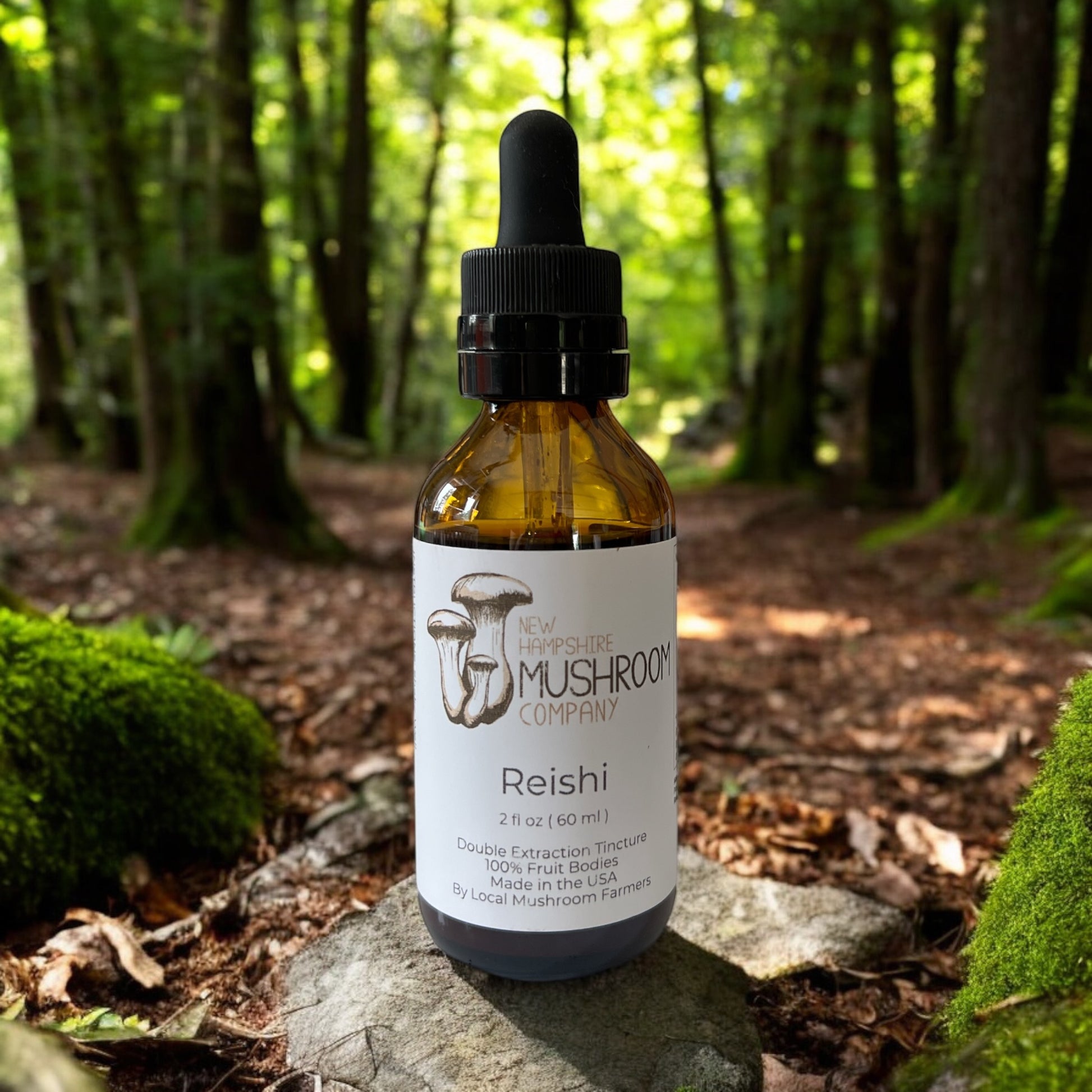
- Tinctures: Liquid extracts that are easy to add to drinks.
The best form depends on your personal preference. Some people like the ritual of making tea, while others prefer the convenience of capsules.
Recommended Dosage
Most studies use doses between 1,000 mg and 3,000 mg of Reishi extract per day. Always start with a low dose and see how your body reacts. Increase slowly if needed. If you have health conditions or take other medications, consult your doctor first.
Tips For Best Results
- Take Reishi at the same time every day.
- Use for at least 4-8 weeks for full benefits.
- Combine with other healthy habits, such as exercise and good sleep.
What Beginners Often Miss When Using Reishi
Trying a new supplement can be confusing. Here are two key insights many beginners overlook:
- Quality matters: Not all Reishi products are equal. Some are made from mycelium (the root-like part), while others use the fruiting body (the mushroom cap). The fruiting body contains more active compounds. Look for products that list the fruiting body as the main ingredient.
- Results may take time: Reishi is not a quick fix. Its benefits build up slowly as you use it daily. Some people notice changes in a week, but for most, it takes a month or more to feel the full effects. Patience is important.
Safety And Possible Side Effects
Reishi is considered safe for most people. Side effects are rare and usually mild. They can include:
- Stomach upset
- Dry mouth
- Dizziness
- Rash (very rare)
However, some people should be cautious:
- Pregnant or breastfeeding women: Not enough research is available.
- People with low blood pressure: Reishi may lower blood pressure further.
- Those taking blood thinners: Reishi can increase bleeding risk.
Always check with your healthcare provider before starting any new supplement, especially if you have health concerns.
Scientific Studies On Reishi And Stress
A growing number of studies support the use of Reishi for stress and emotional resilience. Here are some highlights:
- A 2012 study found that Reishi extract reduced symptoms of neurasthenia (chronic fatigue and anxiety) in adults after 8 weeks.
- Research in the International Journal of Medicinal Mushrooms showed that Reishi can help regulate the immune system and lower stress-related inflammation.
- Animal studies suggest that Reishi can protect brain cells from damage and improve memory during times of stress.
While more research in humans is needed, these findings are promising. They suggest that Reishi is more than just a traditional remedy—it has real effects on stress and mood.
Reishi And The Mind-body Connection
Modern science is learning that the mind and body are closely linked. When you support your physical health, your emotional health often improves too. Reishi works on both levels. It calms the mind, helps the body recover from stress, and supports inner balance.
For example, chronic stress can lead to poor sleep, which in turn makes you feel more anxious or sad. By improving sleep quality and supporting the immune system, Reishi helps break this cycle.
Simple Daily Routine With Reishi
Building emotional resilience with Reishi works best when you make it part of your daily routine. Here’s an example:
- Morning: Take Reishi capsule or powder with breakfast to start your day feeling balanced.
- Afternoon: If you feel stressed, drink Reishi tea for a calming break.
- Evening: Use Reishi powder in a warm drink to help you unwind before bed.
You can adjust this plan to fit your needs. The key is consistency.
Combining Reishi With Other Practices For Stress Relief
While Reishi can help, it works even better when combined with other healthy habits. Here are some ideas:
- Mindful breathing: Take slow, deep breaths for 5 minutes.
- Regular exercise: Even a daily walk can reduce stress.
- Healthy diet: Eat plenty of fruits, vegetables, and whole grains.
- Social support: Talk to friends or family when you feel overwhelmed.
Reishi is not a magic solution, but it can be a valuable part of a balanced, stress-resilient lifestyle.
Reishi Mushroom: Traditional Uses Around The World
The use of Reishi is deeply rooted in traditional medicine systems. In China, it is called Lingzhi, meaning “spiritual potency.” Healers believed it could help people achieve inner peace and wisdom. In Japan, it is known as Reishi and is used in similar ways.
In these cultures, Reishi was often reserved for royalty or the wealthy, because it was rare and hard to find. Today, thanks to modern cultivation, Reishi is available to everyone.
Credit: heilbronherbs.com
Comparing Reishi Product Types
The market is full of different Reishi products. Here’s a table to help you compare:
| Product Type | Pros | Cons | Best For |
|---|---|---|---|
| Capsules/Tablets | Easy to use, no taste, precise dosing | May contain fillers | Busy people, travel |
| Powder | Flexible, can add to food/drinks | Strong taste | Those who like smoothies |
| Tea | Traditional, calming ritual | Time-consuming, bitter | People who enjoy rituals |
| Tincture | Fast absorption, easy to mix | Alcohol taste | Quick use, those avoiding capsules |
Choosing the right product depends on your lifestyle and taste preferences. Remember to check the label for the source and quality.
How To Choose A High-quality Reishi Supplement
Not all supplements are created equal. To get the most from Reishi, look for these signs of quality:
- Certified organic: This ensures the mushrooms are grown without harmful chemicals.
- Third-party tested: Look for products tested by independent labs.
- Fruiting body extract: The most effective part of the mushroom.
- No fillers or artificial ingredients: Pure is better.
You can also check for reviews and certifications on the brand’s website. If in doubt, ask a healthcare professional for advice.
Reishi And Modern Mental Health
Mental health issues like anxiety and depression are rising around the world. Many people are looking for natural, gentle ways to cope. Reishi offers a safe option with a long history and growing scientific support.
While it’s not a replacement for therapy or medication, Reishi can be a helpful addition to your mental wellness toolkit. It works best when combined with self-care, good sleep, and healthy relationships.
Common Mistakes When Using Reishi For Stress
Even though Reishi is safe and effective, some beginners make mistakes. Here are some to avoid:
- Expecting instant results: Reishi works slowly. Give it time.
- Using low-quality products: Cheap brands may not have enough active compounds.
- Ignoring lifestyle factors: Supplements help, but healthy habits are still important.
- Taking too much at once: Start small and increase if needed.
By avoiding these mistakes, you’ll have a better experience and more lasting results.
Credit: nhmushrooms.com
Reishi For Different Age Groups
Reishi can support emotional resilience for people of all ages:
- Teens and students: Helps with exam stress and focus.
- Adults: Supports work-life balance and coping with daily pressures.
- Older adults: May improve sleep, mood, and cognitive health.
Always adjust the dose for age and consult a doctor if you have any medical conditions.
The Future Of Reishi Research
Scientists are continuing to study how Reishi works. New research is looking at its effects on PTSD, chronic anxiety, and even severe depression. Early results are promising, but more large-scale studies are needed.
Some researchers are also exploring how Reishi can be used with other therapies, such as mindfulness or cognitive-behavioral therapy. The goal is to find the best ways to help people build resilience in a fast-changing world.
Where To Learn More
If you want to dive deeper, you can read more about Reishi’s benefits on trusted sites like Wikipedia. You can also look for books or articles written by experts in herbal medicine.
Frequently Asked Questions
What Is The Best Way To Take Reishi For Stress?
The best way depends on your lifestyle and taste. Many people find capsules or tablets easiest. If you enjoy making drinks, powder or tea is a good choice. The key is to use it daily and consistently.
How Long Does It Take For Reishi To Work?
Most people need to use Reishi for at least 4-8 weeks to notice strong effects. Some feel benefits, such as better sleep or calmness, in just a week. Patience is important for full results.
Can I Take Reishi With Other Supplements Or Medications?
Reishi is safe for most people but can interact with blood thinners or certain medications. Always talk to your doctor before adding a new supplement, especially if you have health problems or take prescription drugs.
Are There Any Risks In Taking Reishi Every Day?
For most healthy adults, daily use is safe. However, some people may experience mild stomach upset or dizziness. If you have low blood pressure, are pregnant, or take blood thinners, consult your healthcare provider first.
Does Reishi Really Help With Anxiety And Mood?
Many users and some studies report less anxiety and better mood after taking Reishi. Its calming and adaptogenic effects help your body manage stress. However, it should not replace professional mental health care if you have serious symptoms.
Building emotional resilience is not easy, but nature offers powerful tools. With patience, good choices, and healthy habits, Reishi mushroom can be a steady support during stressful times.
Credit: 2ndsprings.com