
For centuries, people have searched for ways to live longer, healthier lives. In many cultures, the idea of immortality has fascinated both healers and spiritual seekers. One ancient remedy that stands out in this quest is the reishi mushroom. Often called the “Mushroom of Immortality”, reishi has a legendary reputation in traditional Chinese medicine and has attracted growing attention worldwide. But why does this humble fungus earn such a grand title? And, more importantly, what can it really do for you?
Understanding the story and science behind reishi can help you decide if it belongs in your wellness routine. Whether you want to support your immune system, reduce stress, or simply learn about unique superfoods, reishi offers a mix of history, research, and practical benefits.
Let’s explore what makes this mushroom so special, how it got its name, and what modern science says about its real potential for your health.
The Origins Of Reishi: A Mushroom With A Mystical Reputation
The reishi mushroom, also known as Ganoderma lucidum, has a long history in Asian medicine. Records from over 2,000 years ago describe reishi as a rare and precious fungus. In ancient China, only royalty and wealthy families could access reishi. It was believed to bring long life, spiritual wisdom, and protection against disease.
Many old texts, like the “Shennong Ben Cao Jing” (a classic herbal book), list reishi as a superior tonic. The mushroom was often linked with the idea of immortality and was painted in artworks as a symbol of health and luck. In Japanese, it is called “mannentake” (the 10,000-year mushroom), and in Korea, “yeongji”. The Latin name, Ganoderma lucidum, means “shiny skin,” reflecting its polished, reddish appearance.
Even today, reishi is a respected part of Traditional Chinese Medicine (TCM). It is used in teas, powders, and extracts to support overall well-being.
Why Is Reishi Called The “mushroom Of Immortality”?
The title “Mushroom of Immortality” is not just a marketing phrase. It comes from deep-rooted beliefs and centuries of observation.
- Symbol of Longevity: Reishi was believed to restore energy, delay aging, and help the body resist illness. Many emperors sought it out, hoping to extend their lives.
- Spiritual Connection: In Daoist tradition, reishi was thought to help with meditation, calm the mind, and connect with higher states of being. This spiritual health was seen as key to a long, meaningful life.
- Disease Prevention: Ancient healers noticed that reishi seemed to protect against various illnesses, making it a symbol of health insurance for the future.
The mushroom’s reputation grew because people often noticed more energy, fewer illnesses, and greater calm after regular use. Over time, these benefits created the legend that reishi could “grant immortality. “
What Science Says: Modern Research On Reishi
While legends are fascinating, today’s users want scientific evidence. In recent decades, researchers have begun to study reishi more closely. Their findings confirm many traditional claims, but also show that “immortality” is not literal.
Key Compounds In Reishi
Reishi contains a unique mix of polysaccharides, triterpenoids, peptidoglycans, and other bioactive compounds. These have been linked to several health benefits:
- Polysaccharides: Support the immune system and have antioxidant effects.
- Triterpenoids: May reduce inflammation and help protect the liver.
- Peptidoglycans: Support cell health.
Evidence-based Benefits
Modern studies suggest reishi may help with:
- Immune system support
- Stress reduction
- Better sleep
- Liver protection
- Blood sugar balance
- Antioxidant effects
However, it’s important to note that most research uses concentrated reishi extracts. Eating fresh or dried reishi may not have the same strong effects.
Comparing Reishi To Other Medicinal Mushrooms
Here’s how reishi stacks up against other popular mushrooms:
| Mushroom | Main Benefit | Traditional Use | Active Compounds |
|---|---|---|---|
| Reishi | Immunity, stress relief | Longevity, spiritual health | Polysaccharides, triterpenoids |
| Chaga | Antioxidant support | General health, skin health | Betulinic acid, polysaccharides |
| Lion’s Mane | Brain health | Memory, nerve support | Hericenones, erinacines |
| Cordyceps | Energy, stamina | Vitality, athletic performance | Cordycepin, polysaccharides |
Reishi is unique because of its strong connection to overall vitality and stress relief.
The Main Benefits Of Reishi For Your Health
Let’s look at the top ways reishi may support your well-being.
1. Immune System Booster
Reishi is best known for helping the body fight off illness. Its polysaccharides help activate immune cells such as macrophages and natural killer cells. This means your body can better recognize and attack viruses or bacteria.
Some research even suggests reishi might help support people with weakened immune systems, such as those recovering from illness or under heavy stress. However, it should not replace doctor-prescribed medicine.
2. Natural Stress Relief
Reishi is considered an adaptogen—a substance that helps the body adapt to stress. Studies show that reishi may lower levels of cortisol, the “stress hormone.” This can help you feel calmer and more balanced, especially if you face daily pressures at work or home.
Some users notice better focus and less anxiety after regular use. This is one reason reishi is popular with people seeking both physical and mental health support.
3. Better Sleep Quality
Trouble sleeping? Reishi has been traditionally used to promote restful sleep. Recent studies support these claims, suggesting that reishi may help you fall asleep faster and improve sleep quality.
The mushroom’s calming effects may explain why it helps with insomnia or restlessness. It does not work as a sedative, so you wake up feeling refreshed, not groggy.
4. Liver Support
Your liver filters toxins and keeps your body clean. Reishi contains triterpenoids that may protect liver cells from damage. Some studies show that reishi can reduce inflammation in the liver and help it recover from stress, such as too much alcohol or fatty foods.
People with mild liver problems sometimes use reishi as a gentle way to support recovery. However, always talk to your doctor before using reishi if you have serious liver disease.
5. Blood Sugar And Heart Health
Early research shows that reishi may help lower blood sugar and improve cholesterol levels. This could support heart health and reduce the risk of metabolic issues.
For example, some studies found that reishi extract reduced blood sugar in people with mild diabetes. Others showed improved cholesterol balance, with lower LDL (“bad”) cholesterol and higher HDL (“good”) cholesterol.
6. Antioxidant Effects
Reishi is packed with compounds that fight free radicals—unstable molecules that damage your cells. By reducing oxidative stress, reishi may slow the effects of aging and protect your DNA.
This antioxidant effect is one reason reishi is linked with longevity and disease prevention.

Credit: fungi.com
How To Use Reishi: Forms, Dosage, And Safety
Reishi is not your average mushroom. It has a tough, woody texture and a bitter taste, so it’s rarely eaten fresh. Instead, people use it in several forms:
- Dried slices: Steeped in hot water to make tea
- Powder: Added to smoothies, coffee, or capsules
- Extracts: Concentrated liquids or powders with higher active compounds
- Tinctures: Alcohol-based extracts for quick absorption
Typical Dosage
There is no one-size-fits-all dose. Most studies use:
- 1.5–9 grams of dried reishi powder per day
- 1–2 grams of reishi extract per day
Start with a small dose to see how your body reacts. Some people are sensitive and may experience mild stomach upset.
Safety And Side Effects
Reishi is generally safe for most people, but a few points to remember:
- Digestive upset: Some users feel nausea or diarrhea.
- Allergic reactions: Rare, but possible. Stop use if you notice rash, itching, or swelling.
- Medication interactions: Reishi may affect blood clotting. Check with your doctor if you take blood thinners or have a bleeding disorder.
- Pregnancy and breastfeeding: There is not enough research, so avoid unless your doctor approves.
Comparing Forms Of Reishi
To help you choose, here’s a quick look at common reishi products:
| Form | How to Use | Strength | Taste |
|---|---|---|---|
| Dried slices | Boil for tea | Low to moderate | Bitter, woody |
| Powder | Mix into drinks/food | Moderate | Bitter |
| Extract | Capsules, drops | High | Neutral or mild |
| Tincture | Drop under tongue | High | Alcoholic, earthy |
Powders and extracts are most popular for daily use, while slices are best for traditional teas.
Practical Tips For Adding Reishi To Your Life
If you’re curious about trying reishi, here are some practical steps:
- Choose quality: Look for products with clear labeling, tested for contaminants like heavy metals.
- Start small: Begin with half the recommended dose to check for side effects.
- Consistency matters: Take reishi daily for best results. Effects build over weeks.
- Combine with routine: Add powder to your morning coffee or evening tea.
- Check with your doctor: Especially if you have medical conditions or take medication.
Non-obvious insight: Some products use only the mycelium (the root-like part), which has fewer active compounds. Look for “fruiting body extract” for the highest benefit.
Another common mistake: Expecting instant results. Reishi works slowly, so patience is key.
Reishi In Modern Wellness: Trends And Uses
Reishi is no longer just an ancient remedy. Today, it appears in:
- Functional coffees and teas
- Protein powders
- Stress-relief supplements
- Skin creams and cosmetics
Wellness brands often blend reishi with other adaptogens, like ashwagandha or holy basil. This helps support the body’s stress response from different angles.
Reishi is also popular among athletes and busy professionals who want a natural, non-jittery energy boost. Some people use reishi before meditation or yoga to enhance relaxation.
The Science Behind Longevity: Can Reishi Really Help You Live Longer?
The name “Mushroom of Immortality” raises big hopes. So, does reishi really help you live longer?
Animal Studies
Research on mice and other animals shows that reishi can:
- Increase lifespan by reducing age-related diseases
- Support brain health and memory in old age
- Improve immune function in older animals
One study found that mice given reishi lived up to 15% longer than those that didn’t receive it.
Human Studies
Human research is less clear, as it’s hard to measure lifespan directly. However, studies show that reishi can:
- Lower inflammation linked to aging
- Improve quality of life in people with fatigue or illness
- Reduce risk factors for heart disease and diabetes
Non-obvious insight: Longevity is not just about living longer, but about staying healthy and active as you age. Reishi supports “healthspan”—the years you feel strong and well.
Limitations
No supplement can make you truly immortal. Reishi is best seen as a tool for healthy aging, not a magic cure. It works best alongside good habits—healthy eating, exercise, and stress management.
Cultural And Spiritual Significance Of Reishi
The “Mushroom of Immortality” is more than just a health food. In Eastern cultures, reishi represents the balance of body, mind, and spirit.
- Daoist monks used reishi to deepen meditation and seek enlightenment.
- Artists painted reishi as a sign of longevity and good fortune.
- The mushroom often appears in carvings, jewelry, and temple decorations.
For many, reishi is a reminder that true health includes both physical and spiritual well-being.
Common Mistakes When Using Reishi
Even experienced users can make errors. Here are mistakes to avoid:
- Buying low-quality products: Some brands use fillers or weak extracts. Always check for third-party testing.
- Not giving it time: Reishi works slowly. Give it 4–8 weeks before judging effects.
- Ignoring interactions: Reishi may interact with blood thinners and other drugs.
- Confusing reishi with other mushrooms: Each medicinal mushroom has its own benefits.
- Taking too much, too soon: Start with a low dose to reduce risk of stomach upset.
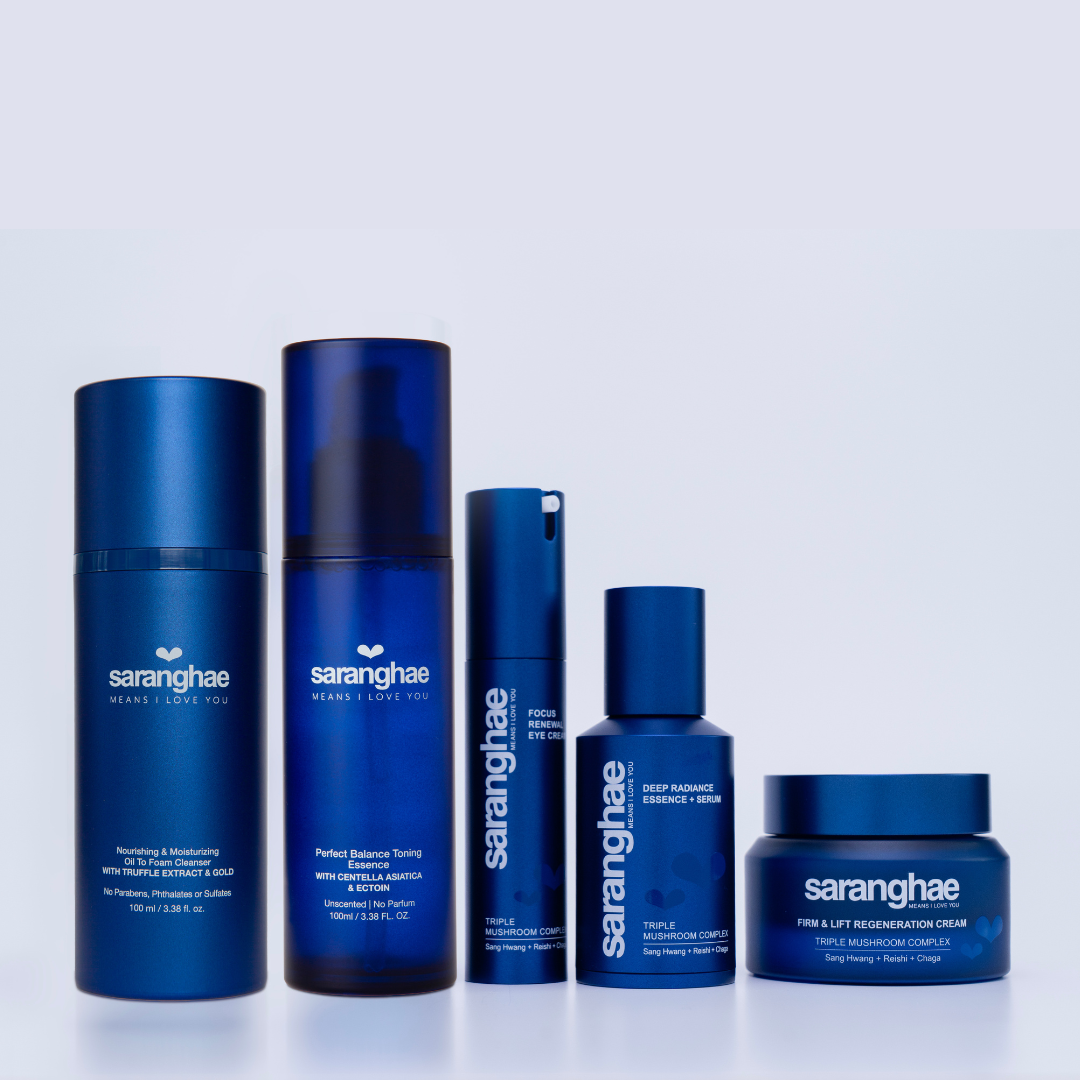
Credit: lovesaranghae.com
Who Should Not Use Reishi?
While reishi is safe for most, some should avoid it:
- Pregnant or breastfeeding women: Lack of safety data.
- People with bleeding disorders: Reishi may slow blood clotting.
- Those with low blood pressure: Reishi may lower blood pressure further.
- Anyone with mushroom allergies: Risk of reaction.
Always talk to your healthcare provider before starting any new supplement.
What To Expect When You Start Using Reishi
Many people are curious about what reishi feels like. Here’s what you might notice:
- Week 1–2: Some people feel more relaxed or sleep better.
- Week 3–4: Immune support and stress relief become more obvious.
- Month 2 and beyond: Subtle boost in energy, fewer colds, and better focus.
Not everyone feels dramatic effects. For some, benefits are gentle but steady.
Real-world Examples: How People Use Reishi
- Anna, 38, office worker: Drinks reishi coffee daily to manage stress and stay focused at work.
- Michael, 52, athlete: Uses reishi powder in smoothies to recover faster after workouts.
- Li, 67, retiree: Takes reishi tea to support immune health and sleep quality.
These stories show that reishi fits many lifestyles.
How To Choose The Right Reishi Supplement
With so many options, picking the right product can be tricky. Here’s how to choose wisely:
- Check the source: Look for mushrooms grown on wood, not grain. Wood-grown reishi has more active compounds.
- Fruiting body vs. mycelium: Fruiting body products are stronger.
- Extraction method: Dual extracts (water and alcohol) capture both polysaccharides and triterpenoids.
- Third-party testing: Ensures product is free from contaminants.
- Reputable brand: Read reviews and ask questions.
For more on supplement standards, see this Wikipedia article on dietary supplements.
Comparing Reishi To Popular Adaptogens
Adaptogens are a hot trend. Here’s how reishi compares to other famous adaptogens:
| Adaptogen | Main Benefit | Best For | Common Form |
|---|---|---|---|
| Reishi | Calm, immunity | Stress, sleep, aging | Powder, extract |
| Ashwagandha | Stress relief | Anxiety, energy | Capsule, powder |
| Rhodiola | Endurance | Fatigue, stamina | Capsule, tea |
| Holy Basil | Resilience | Immunity, mood | Tea, tincture |
Reishi stands out for its gentle, long-term benefits—perfect for those who want steady support rather than a quick boost.
Reishi And Your Lifestyle: Who Can Benefit Most?
Reishi may be especially helpful if you:
- Work in a high-stress job
- Struggle with frequent illness
- Have trouble sleeping
- Are interested in natural anti-aging solutions
- Practice meditation or yoga
Athletes, busy parents, and older adults often find reishi a good addition to their routine. However, it’s not a replacement for medical care.

Credit: wendiland.com
What Does “mushroom Of Immortality” Really Mean For You?
The name is poetic, not literal. In modern terms, “Mushroom of Immortality” means:
- Supporting your healthspan—the years you feel energetic and well
- Helping your body resist stress, illness, and fatigue
- Promoting calm and resilience, not just physical health
- Serving as a symbol of balanced, holistic wellness
By understanding both the legend and the science, you can make an informed choice about reishi’s role in your life.
Frequently Asked Questions
What Is The Best Time Of Day To Take Reishi?
It depends on your goal. For better sleep, take reishi in the evening. For stress support or immunity, morning or afternoon is fine. Reishi is non-stimulating, so you can use it any time.
How Long Does It Take To See Results From Reishi?
Most people notice effects within 2–4 weeks of daily use. For some, benefits are subtle and build over time. Consistency is important; don’t expect overnight changes.
Can I Combine Reishi With Other Supplements?
Yes, reishi is safe with most vitamins and herbs. It is often combined with other adaptogens. However, check with your doctor if you use blood thinners, immune drugs, or have health concerns.
Is Reishi Safe For Children?
There is little research on reishi in children. For most, it’s best to avoid giving reishi to young kids unless recommended by a healthcare provider.
Does Reishi Have Any Proven Anti-cancer Effects?
Some lab and animal studies suggest reishi may help fight cancer cells. However, there is not enough evidence to use reishi as a treatment. It may support quality of life during cancer care but should never replace doctor-prescribed therapy.
Reishi’s story is a blend of ancient wisdom and modern science. It may not grant true immortality, but it can help you live with greater balance and resilience. By choosing high-quality products and using reishi consistently, you can unlock many of its legendary benefits for yourself.