
Many people today struggle with poor sleep. They look for natural solutions that won’t cause side effects or dependency. Two popular options are reishi mushroom and melatonin. Both are used by millions to help relax and sleep better. But can you combine them for even better results? Let’s explore what science, tradition, and real-life experience say about reishi, melatonin, and using them together for restful nights.
What Is Reishi?
Reishi is a fungus known as Ganoderma lucidum. In China, it’s called Lingzhi. For thousands of years, people in Asia have used reishi as a natural medicine. It’s often called the “mushroom of immortality” because of its reputation for supporting health and longevity.
Reishi grows on trees in humid forests, especially on decaying hardwood. You can find it in powder, capsule, tea, and extract form. The most important parts are triterpenes, polysaccharides, and beta-glucans. These compounds are thought to be responsible for reishi’s effects on the immune system, mood, and sleep.
Traditional Uses Of Reishi
Traditional Chinese Medicine (TCM) has used reishi for over 2,000 years. It is believed to:
- Boost the immune system
- Reduce stress
- Improve sleep
- Support heart health
- Increase energy
People used to boil reishi in water to make a bitter tea. Now, it’s much easier to take as a powder or capsule.
Modern Research On Reishi
Scientific studies on reishi are still limited but growing. Some studies suggest reishi can:
- Lower anxiety and stress
- Improve overall sleep quality
- Help with fatigue
A study published in 2012 showed that reishi extract improved sleep time and reduced waking in mice. Human studies are smaller but suggest similar results. The compounds in reishi may calm the nervous system and help the body cope with stress, making it easier to relax before bedtime.
What Is Melatonin?
Melatonin is a hormone your body makes naturally. It controls your sleep-wake cycle. When it gets dark, your brain releases more melatonin, making you feel sleepy. In bright light, melatonin levels drop, and you feel more awake.
How Melatonin Supplements Work
Melatonin supplements are popular for:
- Jet lag
- Shift work
- Insomnia
- Delayed sleep phase disorder
You can find melatonin in pills, gummies, or liquids. Most doses range from 0. 5 mg to 10 mg. Taking melatonin helps your body recognize it’s time to sleep, especially if your natural cycle is off.
Melatonin In Food
Some foods contain small amounts of melatonin, such as:
- Tart cherries
- Grapes
- Tomatoes
- Walnuts
However, the amount in food is much lower than in supplements.
Melatonin: Safety And Side Effects
For most people, melatonin is safe when used short-term. Common side effects include:
- Headache
- Drowsiness the next day
- Vivid dreams
Melatonin should not be mixed with certain medications (blood thinners, epilepsy drugs) without a doctor’s advice.
How Reishi And Melatonin Affect Sleep
Both reishi and melatonin are used to support sleep, but they work in different ways.
How Reishi Supports Sleep
Reishi doesn’t make you fall asleep instantly. Instead, it helps your body relax and manage stress. This is important because stress and anxiety are big reasons why people can’t sleep. Reishi may also improve the body’s antioxidant defenses, which can support deep, restful sleep over time.
Key effects of reishi:
- Calms the mind and body
- Reduces stress hormones
- May balance immune function
How Melatonin Supports Sleep
Melatonin works like a signal. It tells your brain, “It’s time to sleep.” This is very helpful if your sleep-wake cycle is out of sync, like after traveling across time zones or working late shifts.
Key effects of melatonin:
- Sets the body’s internal clock
- Makes it easier to fall asleep faster
- Can help shift your bedtime earlier or later
Comparing Reishi And Melatonin
Here’s a simple comparison between reishi and melatonin for sleep:
| Feature | Reishi | Melatonin |
|---|---|---|
| Main action | Reduces stress, supports relaxation | Regulates sleep-wake cycle |
| Onset of effects | Days to weeks | 30–60 minutes |
| Form | Tea, powder, capsule | Pill, gummy, liquid |
| Best for | Chronic stress, long-term sleep issues | Jet lag, shift work, acute insomnia |
| Side effects | Rare and mild | Drowsiness, vivid dreams, headache |
Can You Combine Reishi And Melatonin?
Many people wonder if using reishi and melatonin together gives better results. The answer depends on your needs, but science and tradition suggest it’s possible and may even be helpful.
How They Work Together
Reishi and melatonin do not work against each other. In fact, they may work together to address different causes of poor sleep:
- Melatonin helps you fall asleep faster by resetting your internal clock.
- Reishi helps your body relax and recover from stress, which can keep you awake.
If you have trouble falling asleep because of stress or a busy mind, combining both may give better results than using just one.
Safety Of Combining Reishi And Melatonin
No major studies show that reishi and melatonin are unsafe together. Both are considered low risk for most people. However, everyone’s body is different. It’s wise to:
- Start with a low dose of each
- Use them for a short period first to see how you feel
- Speak with a healthcare provider if you are on medication or have a medical condition
Who Might Benefit Most?
Combining reishi and melatonin may help:
- People with chronic stress and trouble falling asleep
- Shift workers adjusting to new hours
- Travelers recovering from jet lag and stress
It might not help as much if your sleep problems are due to pain, caffeine, or a noisy environment.
How To Use Reishi And Melatonin For Better Sleep
If you’re considering using both, follow these practical steps to maximize benefits and minimize risks.
Choosing The Right Products
Not all supplements are equal. When buying reishi and melatonin:
- Check for purity and third-party testing. Look for brands that share lab results.
- Choose the right form. Reishi is often more effective as an extract or powder. Melatonin is easy to use in pill or gummy form.
- Read the ingredient label. Avoid products with added sugars, artificial colors, or unnecessary fillers.
When And How Much To Take
Timing matters for both supplements.
- Melatonin: Most people take it 30–60 minutes before bedtime. Start with 0.5–1 mg. Higher doses are not always better and may cause grogginess the next day.
- Reishi: Take 1–2 grams of extract or powder about 1–2 hours before bed. Some people use reishi earlier in the evening, as it works gradually.
Here’s a sample routine:
| Time | What to Do |
|---|---|
| 7:00 PM | Take reishi supplement (capsule or tea) |
| 9:00 PM | Take melatonin (0.5–1 mg) |
| 9:30–10:00 PM | Go to bed |
Adjust timing based on your own schedule.
Combining With Other Good Sleep Habits
Supplements work best when you also practice good sleep hygiene:
- Keep a regular sleep-wake time, even on weekends.
- Avoid screens and bright lights 1–2 hours before bed.
- Make your bedroom cool, dark, and quiet.
- Avoid caffeine and heavy meals before bedtime.
Supplements cannot fix poor habits, so combine them with positive lifestyle changes for best results.
How Long To Use
Melatonin is best for short-term use (a few days to two weeks). It’s not recommended as a long-term solution for most people. Reishi is often used for longer periods (weeks to months) because its effects build slowly.
Scientific Evidence: What Do Studies Say?
There are more studies on melatonin than on reishi, but research on both is growing.
Melatonin Research
Melatonin is well-studied. For example:
- A 2017 review found that melatonin reduced the time it took to fall asleep by about 7 minutes, on average.
- In shift workers and people with jet lag, melatonin improved sleep quality and reduced fatigue.
- Most studies use doses of 0.5–5 mg, taken 30–60 minutes before bedtime.
Melatonin is considered safe for short-term use. Long-term safety still needs more research.
Reishi Research
Research on reishi and sleep is more limited but promising:
- A small 2021 trial found that adults who took reishi extract for 8 weeks reported better sleep quality and less fatigue.
- Animal studies show reishi increases total sleep time and decreases the time it takes to fall asleep.
- Reishi may also help with anxiety and stress, which often cause sleep problems.
Combining Reishi And Melatonin: Research Gaps
No large studies have tested reishi and melatonin together. However, since they work in different ways, many researchers believe it’s reasonable to use both—especially for people with stress-related sleep problems.

Credit: gnmart.com
Real-life Experiences: What Users Report
Many people share their experiences online, and patterns often emerge.
Positive Results
Some common benefits reported by users who combine reishi and melatonin include:
- Falling asleep faster, especially after stressful days
- Fewer awakenings during the night
- Feeling more rested in the morning
- Less anxiety before bedtime
Side Effects
Most users don’t report serious side effects. However, a few mention:
- Vivid or intense dreams (usually from melatonin)
- Mild stomach upset (rare, from reishi)
- Morning grogginess (usually from high doses of melatonin)
Reducing the melatonin dose often solves these issues.
Two Non-obvious Insights
- Reishi’s effects are subtle and build slowly. Unlike melatonin, you might not notice a big change the first night. Benefits often appear after several days or weeks of regular use.
- Quality matters more than brand. Many cheap supplements contain little active ingredient. Always buy from trusted companies with test results.
When Not To Use Reishi Or Melatonin
Both supplements are safe for most people, but there are times to be careful.
Who Should Avoid Melatonin
- Children, unless a doctor says it’s safe
- Pregnant or breastfeeding women
- People taking blood thinners or seizure medicine
Who Should Avoid Reishi
- People with low blood pressure (reishi can lower it more)
- Those on immune-suppressing drugs
- Pregnant or breastfeeding women (not enough safety data)
If you are unsure, check with your doctor.

Credit: www.amazon.com
Common Mistakes When Combining Reishi And Melatonin
Even natural supplements can be used incorrectly. Here are mistakes to avoid:
- Taking too much melatonin. More is not better. High doses can cause headaches or next-day sleepiness.
- Expecting instant results from reishi. Give it time—at least a week or two—to notice benefits.
- Ignoring other sleep problems. Supplements won’t fix noisy bedrooms, too much caffeine, or late-night screen use.
- Using poor quality products. Cheap supplements may contain fillers or less active ingredient.
- Not checking for interactions. If you take medicine, always ask your doctor about supplement safety.
Practical Tips For Getting The Best Results
Here are some expert-backed tips for combining reishi and melatonin:
- Start with low doses. Increase only if needed.
- Use both at the same time each night for a few weeks.
- Track your sleep in a journal to see what works.
- Stop use if you notice unwanted side effects.
- Consider other calming routines, like meditation or gentle stretching before bed.
Differences Between Natural And Synthetic Supplements
When choosing reishi or melatonin, you might see labels like “natural” or “synthetic. ” What does this mean?
Natural Reishi
- Comes from whole mushrooms or concentrated extracts
- Usually contains more of the helpful compounds
- Can be organic and free from pesticides
Synthetic Melatonin
- Most melatonin in supplements is made in a lab
- Works the same as the hormone your body makes
- Very little difference between “natural” and “synthetic” melatonin in effect
Which Should You Choose?
For reishi, natural extracts are usually better. For melatonin, either type is fine—focus on dose and purity.
How To Choose High-quality Supplements
Not all reishi and melatonin supplements are equal. Here’s how to pick the best:
- Check for third-party testing. Look for seals from groups like NSF, USP, or ConsumerLab.
- Read the label. Look for the Latin name (Ganoderma lucidum) and extract ratio for reishi.
- Avoid unnecessary additives. Some gummies and capsules have sugars, dyes, or preservatives.
- Research the company. Choose brands with good reviews and a history of safety.
Are There Any Long-term Risks?
Melatonin
Melatonin is usually safe when taken for a few weeks. Some experts worry about long-term use, as it could affect the body’s own melatonin production. This risk seems low at common doses, but there is not enough research to be sure.
Reishi
Reishi is usually well tolerated, even for months at a time. Rare side effects include:
- Dry mouth
- Upset stomach
- Allergic reactions (rare)
No evidence shows serious long-term harm from reishi at normal doses.
Can You Use Reishi And Melatonin With Other Sleep Aids?
Some people also use herbs like valerian, chamomile, or magnesium for sleep. Mixing many supplements at once is not always better. It can be harder to know what works or causes side effects.
- Stick to one or two supplements at a time.
- Add others only if needed.
- Always check for interactions with your doctor.
The Role Of Stress, Anxiety, And Sleep
Many sleep problems are linked to stress and anxiety. Reishi may help here more than melatonin, because it calms the mind and body. If your main problem is an anxious mind at bedtime, reishi is a better long-term choice.
Melatonin is more useful for people with a shifted sleep schedule—like shift workers or those with jet lag.
How Age Affects Sleep And Supplement Needs
- Young adults and teens: Usually make enough melatonin. Sleep problems are often due to screens or caffeine.
- Older adults: Natural melatonin drops with age. They may benefit more from supplements.
- People with chronic stress: Reishi may help most, no matter the age.
How To Tell If Reishi Or Melatonin Is Working
Keep a sleep journal for at least two weeks. Track:
- Time you go to bed and wake up
- How long it takes to fall asleep
- How many times you wake up
- How rested you feel in the morning
Look for patterns. Adjust dose or timing if needed.
What To Expect In The First Few Weeks
First Few Nights
- Melatonin: May help you fall asleep faster, but can cause vivid dreams.
- Reishi: Effects are mild at first; you may notice feeling calmer.
After 1–2 Weeks
- Melatonin: Sleep improves if the right dose and timing are used.
- Reishi: May notice better mood, less stress, deeper sleep.
After 4 Weeks
- Melatonin: Stop use if not needed anymore.
- Reishi: Continue if sleep and stress are better, but take breaks every few months.
How To Adjust If You Don’t See Results
- Try changing the timing: Take melatonin earlier or later.
- Adjust the dose: Lower doses of melatonin often work better.
- Consider other causes: Stress, diet, caffeine, or sleep habits.
Reishi And Melatonin: Myths Vs Facts
Many myths exist about both supplements. Here are a few:
- Myth: Reishi works the same night you take it.
- Fact: It usually takes days or weeks to see full effects.
- Myth: Melatonin is addictive.
- Fact: There is no evidence that melatonin is addictive.
- Myth: Higher doses of melatonin give better sleep.
- Fact: Higher doses can cause side effects without improving sleep.
- Myth: Natural supplements are always safe.
- Fact: Even natural products can cause side effects or interact with medication.
How Do Supplements Compare To Prescription Sleep Aids?
Prescription sleep medicines can work quickly, but they often have more side effects and risk of dependency. Reishi and melatonin are gentler and safer for most people, especially for mild to moderate sleep problems.
Here’s a quick comparison:
| Option | Effectiveness | Side Effects | Dependency Risk |
|---|---|---|---|
| Reishi + Melatonin | Mild to moderate | Low | None or very low |
| Prescription sleep pills | Strong, fast | High (grogginess, confusion, falls) | High (can be habit-forming) |
Where To Learn More
If you want to dive deeper into the research behind reishi and melatonin, check out resources like the NIH Office of Dietary Supplements.
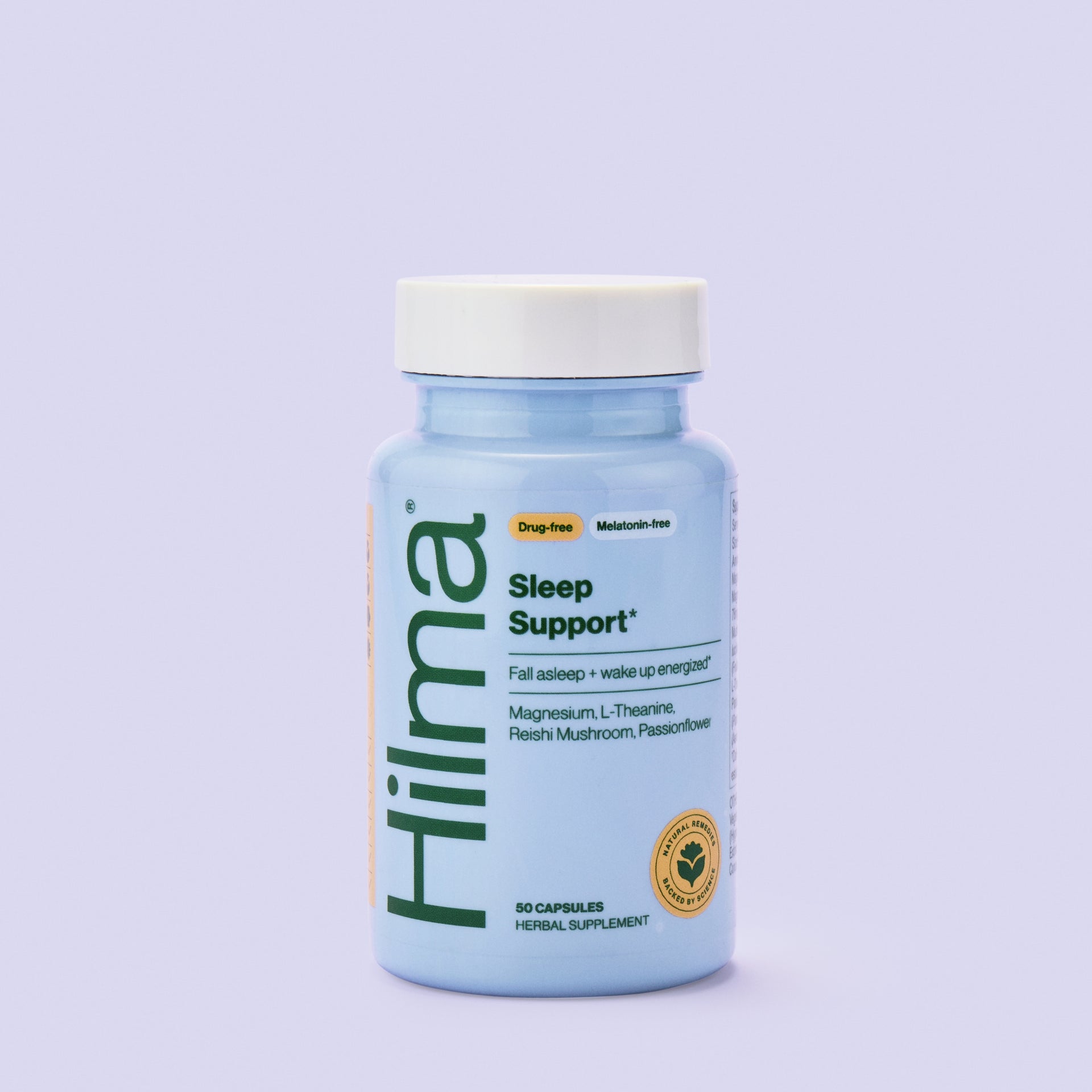
Credit: www.hilma.co
Final Thoughts
Combining reishi and melatonin is a practical, safe way for many people to improve sleep. Melatonin helps reset your sleep clock, while reishi works more slowly to calm stress and support deep rest. For best results, use high-quality supplements, start with low doses, and combine them with good sleep habits. Always listen to your body and talk to your doctor if you have any health concerns or take medication.
Frequently Asked Questions
Is It Safe To Take Reishi And Melatonin Together Every Night?
For most healthy adults, yes, it is safe to use both reishi and melatonin together for a short period. Melatonin is best used for a few days to two weeks. Reishi can be used for longer, but take breaks every few months.
Always start with a low dose and check for any side effects.
How Long Does It Take For Reishi To Help With Sleep?
Reishi usually takes several days to a few weeks to show benefits. You may feel calmer after a few nights, but deep improvements in sleep quality and stress reduction happen slowly. Be patient and use reishi regularly for best results.
Can I Use Reishi Or Melatonin If I Am On Medication?
If you take medicine for blood pressure, immune issues, or seizures, talk to your doctor before using reishi or melatonin. Both can interact with certain drugs. If you’re unsure, it’s always safer to check with a healthcare provider.
What Is The Best Dose Of Melatonin To Use With Reishi?
Most experts recommend starting with 0. 5 to 1 mg of melatonin, 30–60 minutes before bed. Higher doses are not always better and may cause grogginess. For reishi, 1–2 grams of extract or powder is typical. Always follow the product label and adjust as needed.
Will Combining Reishi And Melatonin Fix All Sleep Problems?
No supplement can fix every sleep issue. Combining reishi and melatonin works best for people with mild to moderate problems caused by stress or a shifted sleep schedule. For serious insomnia, chronic pain, or sleep apnea, talk to your doctor for a full evaluation and treatment.