
Reishi for Children: Is It Safe And When Should You Consider It?
Parents today are always searching for ways to keep their children healthy and strong. Natural remedies and supplements often come up in conversations, especially when a child gets sick often or has a weak immune system. One name that stands out in the world of natural health is Reishi mushroom. Sometimes called the “Mushroom of Immortality,” Reishi has a long history in Asian medicine for helping adults with immunity, stress, and overall well-being. But what about children? Is Reishi safe for them? When does it make sense to consider giving Reishi to your child, and when should you avoid it?
This article will dig deep into what science really says about Reishi for children. You’ll discover its possible benefits, risks, and when a parent might consider using it. We’ll also cover the best ways to give Reishi, how to choose quality products, what doctors say, and the most common mistakes to avoid. Whether you’re a cautious parent or simply curious, you’ll find the answers you need here.
Understanding Reishi Mushroom
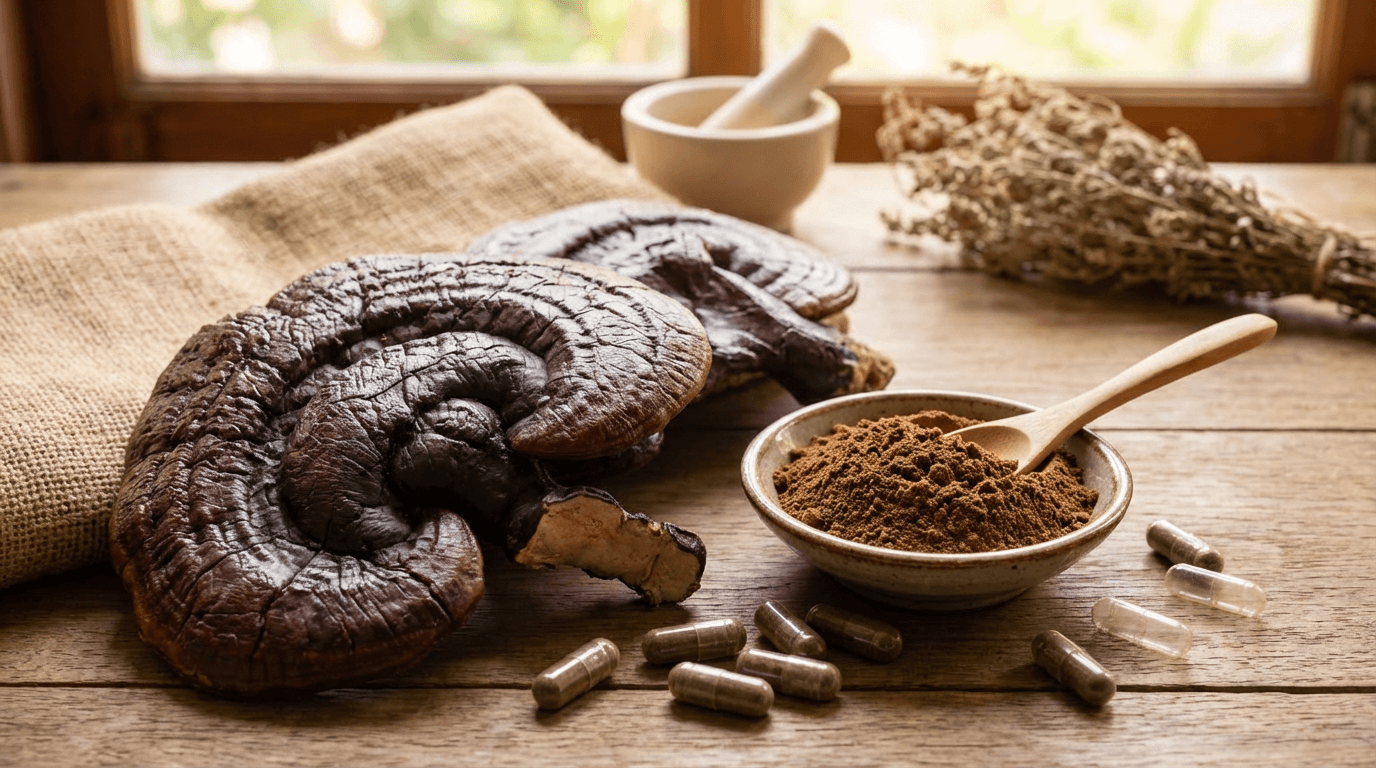
Reishi (Ganoderma lucidum) is a woody mushroom that grows on decaying trees, mostly in Asia. In traditional Chinese medicine, Reishi is considered a powerful tonic that may help balance the body and support long life. Its main active compounds are polysaccharides (like beta-glucans), triterpenes, and peptidoglycans. These chemicals are thought to help the immune system, reduce inflammation, and even fight stress.
In the last 30 years, many studies have looked at how Reishi works. Most research has been done on adults, but scientists are starting to explore if children can benefit as well. It’s important to know that the effects in children could be different from adults because kids’ bodies are still growing and changing.
How Reishi Is Used Today
Today, Reishi is available as:
- Powder
- Capsules or tablets
- Syrup or liquid extracts
- Teas
Some products are made only from the mushroom’s fruiting body, while others use the mycelium (the “roots” of the mushroom). The quality and strength can vary widely.
Why Parents Consider Reishi
Parents usually think about Reishi when their child:
- Gets sick often (coughs, colds, minor infections)
- Has allergies or asthma
- Feels tired or stressed
- Needs extra support during busy school periods
Some also hope it can boost overall immunity or help with recovery after illness. But just because something is natural doesn’t always mean it’s safe for kids.
Is Reishi Mushroom Safe For Children?
This is the most important question. Safety should always come first, especially with children. Let’s look at what we know from science, tradition, and expert opinions.
What Research Says
Most studies on Reishi involve adults, not children. However, a few small studies and reports look at its use in children, mainly in Asia. These studies show that, in low doses and for short periods, Reishi is generally well tolerated by children. The most common side effects are mild and include:
- Upset stomach
- Soft stool or diarrhea
- Mild skin rash
Serious side effects are rare but can happen, especially with high doses or long-term use. For example, a few cases in medical literature describe liver irritation or allergic reactions in children with mushroom allergies. However, these are very rare.
What Doctors And Experts Advise
Most pediatricians and natural health experts agree:
- Reishi should not be given to babies or toddlers (under age 2)
- For older children, always start with a low dose
- Talk to your child’s doctor before starting any supplement, including Reishi
Children with the following conditions should not take Reishi unless directly supervised by a doctor:
- Immune system diseases (like lupus, rheumatoid arthritis)
- Bleeding disorders or taking blood thinners
- Mushroom allergies
- Organ transplants
- Upcoming surgery
Because children’s bodies are more sensitive, even natural supplements like Reishi need to be used carefully.
Dosing And Duration
There is no official, universal dosage for children. Most experts recommend:
- Use the lowest effective dose
- Limit use to short periods (1-2 weeks at a time)
- Avoid using every day for months without doctor supervision
An example of a typical starting dose for children (ages 4-12):
- Powder: 0.5 to 1 gram per day, mixed in food or drink
- Syrup or extract: Follow product instructions (usually 1-2 ml per day)
Never guess the dose. Always read the label and consult your child’s doctor.
Potential Benefits Of Reishi For Children
Why do some parents and practitioners use Reishi for kids? The answer lies in its possible benefits, especially for the immune system, allergies, and stress.
Immune Support
Reishi is best known for helping the immune system. The mushroom’s beta-glucans may help the body recognize and fight germs more effectively. In adults, studies show that Reishi can reduce the frequency and severity of colds, flu, and other infections.
A few small studies in children suggest similar effects. For example, a study in Japan found that children who took a Reishi-based syrup missed fewer school days due to colds compared to those who did not. However, these studies are small, and larger research is needed.
Allergies And Asthma
Reishi’s triterpenes have anti-inflammatory properties. Some parents use Reishi to help with allergies or mild asthma symptoms. A Chinese study found that Reishi extracts reduced sneezing and nasal congestion in children with allergic rhinitis.
However, Reishi is not a substitute for prescribed allergy or asthma medicine. It may be used as an extra support, but only with a doctor’s guidance.
Stress And Fatigue
School, sports, and modern life can be stressful for children. Traditional medicine uses Reishi to calm the mind and support better sleep. Some parents report that their children feel more relaxed and sleep better with Reishi, especially during exam season.
There is little hard science on this for children, but adult studies suggest Reishi may help lower stress hormones and improve sleep quality.
Recovery From Illness
After a bad cold or the flu, some children take weeks to feel “normal” again. Practitioners sometimes use Reishi to help kids regain strength and energy. Its antioxidants may help the body recover faster.
Extra Insight: Not All Children Need Reishi
One important point: Not every child needs Reishi. Healthy children with a balanced diet and good sleep often do not benefit from extra supplements. Reishi is more useful for children who get sick often, have allergies, or need extra support during stressful times.
Extra Insight: Reishi Is Not A Magic Cure
Reishi can support health, but it won’t fix poor diet, lack of sleep, or high stress alone. It should be used as part of a healthy lifestyle, not as a replacement for good habits.
Risks And Possible Side Effects
No supplement is risk-free, and Reishi is no exception. Parents need to know the risks, warning signs, and how to avoid problems.
Common Side Effects
Most side effects are mild and go away when Reishi is stopped. These include:
- Stomach upset (nausea, soft stool, diarrhea)
- Dry mouth or throat
- Mild skin rash
Children are more sensitive to taste, so some may refuse Reishi because of its bitter flavor.
Serious Risks (rare)
A few children may have more serious reactions, especially if they have certain health conditions:
- Allergic reaction: Swelling, itching, trouble breathing (seek emergency help)
- Liver irritation: Uncommon, but possible with high doses or long use
- Bleeding risk: Reishi can slow blood clotting, so it is risky for children with bleeding disorders or those taking certain medicines
If your child takes other medications, always check with a doctor or pharmacist for possible interactions.
When To Stop
If your child develops:
- Rash, itching, or swelling
- Vomiting or severe diarrhea
- Yellow skin or eyes (signs of liver problems)
- Unusual bruising or bleeding
Stop Reishi and contact your doctor right away.
Common Mistakes Parents Make
- Guessing the dose: Always follow instructions or talk to a healthcare provider.
- Using adult formulas: Children need products made for their age and weight.
- Using for too long: Long-term use can increase side effects.
- Ignoring allergies: Watch for signs, especially if your child is new to mushrooms.

Credit: studentaffairs.uga.edu
When Should You Consider Reishi For Your Child?
Parents want clear guidance on when Reishi might make sense. Here are times when it could be appropriate—and when it’s best to avoid.
Good Reasons To Consider Reishi
- Your child gets frequent colds or minor infections, and you want to support their immune system naturally.
- Mild seasonal allergies that don’t fully respond to medicine, and your doctor agrees to try additional support.
- Stressful periods, like exam season, when your child has trouble sleeping or feels run down.
- Recovery after illness, to help regain energy (with doctor approval).
When To Avoid Reishi
- Children under age 2
- Children with immune disorders
- Children with bleeding disorders
- If your child is on medicine that affects the immune system or blood clotting
- Without doctor supervision for long-term use
Real-life Example
Emma, a 10-year-old, caught every cold at school and took weeks to recover. Her parents tried Reishi syrup (approved by her doctor) for 10 days during cold season. They noticed she missed fewer school days that winter. However, when they tried the same syrup daily for months, Emma developed mild stomach upset.
The doctor recommended stopping Reishi after short periods, not for constant use.
This shows that short-term, targeted use may help, but daily, long-term use is not always better.
How To Choose A Safe And Effective Reishi Product
Not all Reishi supplements are equal. Quality, purity, and form matter, especially for children.
What To Look For
- Reputable brands: Choose companies with good reviews, clear labeling, and third-party testing.
- Child-friendly forms: Liquid extracts or syrups are easier for children than bitter powders or large capsules.
- Clear dosing instructions: The label should list the amount of Reishi per serving and recommended age.
- No unnecessary additives: Avoid products with artificial colors, flavors, or sweeteners.
- Certified organic: Reduces the risk of pesticides or heavy metals.
How To Read Labels
Some products are made from:
- Fruiting body only: Higher quality, more active compounds.
- Mycelium: Cheaper, but may have fewer beneficial compounds.
Look for “Ganoderma lucidum” on the label. Avoid products that don’t clearly list the species or amount per serving.
Comparing Common Reishi Products
Here’s a quick comparison of typical Reishi forms for children:
| Form | Ease of Use | Typical Dose for Kids | Taste |
|---|---|---|---|
| Powder | Medium (mix with food/drink) | 0.5-1 gram/day | Bitter |
| Capsule | Low (hard for young kids) | 1 capsule/day (size varies) | Neutral (if swallowed) |
| Liquid Extract/Syrup | High (easy to mix) | 1-2 ml/day | Slightly sweet (if flavored) |
Buying Tips
- Ask your doctor or pharmacist for recommendations.
- Check for certifications like “GMP” (Good Manufacturing Practice).
- Read online reviews from other parents, but use your own judgment.

Credit: www.amazon.com
How To Give Reishi To Children
Making Reishi palatable and safe for kids is a practical concern for many parents.
Best Practices
- Start with a low dose: Try half the suggested dose for the first 2-3 days.
- Mix with food or drink: Stir powder or syrup into juice, yogurt, or smoothies to mask the taste.
- Give with food: This can reduce stomach upset.
- Use for short periods: 7-14 days at a time is typical. Don’t use for months without medical advice.
- Monitor closely: Watch for any side effects, especially the first time.
Example Dosing Schedule
| Age | Starting Dose (Powder) | Max Duration | Notes |
|---|---|---|---|
| 2-4 years | Not recommended | — | Too young for Reishi |
| 5-8 years | 0.25-0.5 gram/day | 7-10 days | With doctor approval |
| 9-12 years | 0.5-1 gram/day | 7-14 days | Monitor for side effects |
| 13+ years | 1 gram/day | 14 days | Similar to adult dose |
Practical Tips
- If your child dislikes the taste, try liquid extracts with natural flavors.
- Never force a child who refuses—watch for signs of allergy or intolerance.
- Keep Reishi out of reach of young children.
What Science Says: Studies And Data
While Reishi is well-studied in adults, evidence in children is still limited. Here are some key findings:
- A 2015 Japanese study of 120 school-aged children found that those who took Reishi syrup missed 30% fewer school days during cold and flu season compared to a placebo group.
- A Chinese clinical report noted improvement in allergic rhinitis symptoms in 70% of children given a Reishi-based extract for 2 weeks.
- No large, long-term safety studies exist for children, so most recommendations are based on short-term use and lower doses.
What’s Missing In Research
- No standardized dose for children
- Lack of studies on long-term effects
- Unclear which Reishi products are best for kids
Bottom line: Short-term, low-dose use seems safe for most healthy children, but more research is needed.
Doctor And Pediatrician Opinions
Most doctors are cautious about using supplements in children, and Reishi is no exception.
- Western pediatricians often say, “Wait for more evidence.”
- Traditional Chinese Medicine (TCM) doctors may use Reishi for children but always with careful dosing and monitoring.
- Integrative medicine doctors sometimes use Reishi for children with frequent infections, but only as part of a larger health plan.
If you want to try Reishi for your child, find a doctor or herbalist experienced in pediatric supplements. Never self-medicate.
Comparing Reishi To Other Immune Supplements For Children
Parents often wonder how Reishi compares to other natural immune boosters. Here’s a quick look:
| Supplement | Main Benefit | Common Side Effects | Best For |
|---|---|---|---|
| Reishi | Immune support, allergy relief | Stomach upset, rare allergy | Frequent colds, mild allergies |
| Vitamin C | Shorter cold duration | Diarrhea at high doses | General immune support |
| Probiotics | Gut and immune health | Gas, bloating | Digestive issues |
| Elderberry | Shorter, milder colds | Rare: nausea | Cold and flu season |
Reishi is unique because it supports both the immune system and helps with inflammation (like allergies), but it should never replace basic healthy habits.
Credit: antioxi-supplements.com
Common Myths About Reishi For Kids
Some beliefs about Reishi are not supported by science. Here’s what parents should know:
- Myth: “Reishi is 100% safe because it’s natural.”
*Fact:* Even natural products can cause side effects in children.
- Myth: “More Reishi means better results.”
*Fact:* Higher doses increase the risk of stomach upset and liver irritation.
- Myth: “Reishi can replace medicine for asthma or allergies.”
*Fact:* It may help as a supplement, but never replace prescribed medication.
- Myth: “All Reishi products are the same.”
*Fact:* Quality varies a lot—choose carefully.
When To See A Doctor
Always seek medical advice if:
- Your child has ongoing health issues
- You’re unsure about dosing
- Your child develops any side effects after taking Reishi
- You want to use Reishi alongside prescription medications
Doctors can help you weigh the risks and benefits for your child’s unique situation.
Where To Learn More
For more details on medicinal mushrooms, including Reishi, see the Wikipedia page on Ganoderma lucidum. This source provides a balanced overview of history, research, and safe use.
Frequently Asked Questions
Is Reishi Safe For Children Under 2 Years Old?
No, Reishi is not recommended for children under 2. Babies and toddlers have sensitive digestive and immune systems. There is not enough safety data for this age group. Always talk to your doctor before giving any supplement to a young child.
Can Reishi Help With My Child’s Allergies?
Some studies suggest that Reishi may reduce allergy symptoms like sneezing and nasal congestion, thanks to its anti-inflammatory effects. However, it should be used as extra support, not as a replacement for prescribed allergy medicines. Always check with your doctor first.
What Is The Best Way To Give Reishi To A Child Who Hates The Taste?
Many children dislike Reishi’s bitter flavor. Try mixing a small amount of powder or syrup into juice, yogurt, or smoothies. Liquid extracts made for kids often have added natural flavors to make them more palatable.
How Long Should My Child Take Reishi?
Short periods—7 to 14 days—are usually enough for immune support or during illness recovery. Avoid giving Reishi daily for months unless your doctor advises it. Always monitor for side effects.
Can Reishi Interact With My Child’s Medications?
Yes, Reishi can interact with certain medicines, especially those that affect the immune system or blood clotting. If your child is on any medication, consult your doctor or pharmacist before starting Reishi.
Parents want the best for their children, but safety always comes first. Used carefully and with good information, Reishi may offer gentle support for children who need it most. But it should never replace professional medical advice or healthy daily habits.