
Reishi Vs Ashwagandha: Which Adaptogen Is Right For You?
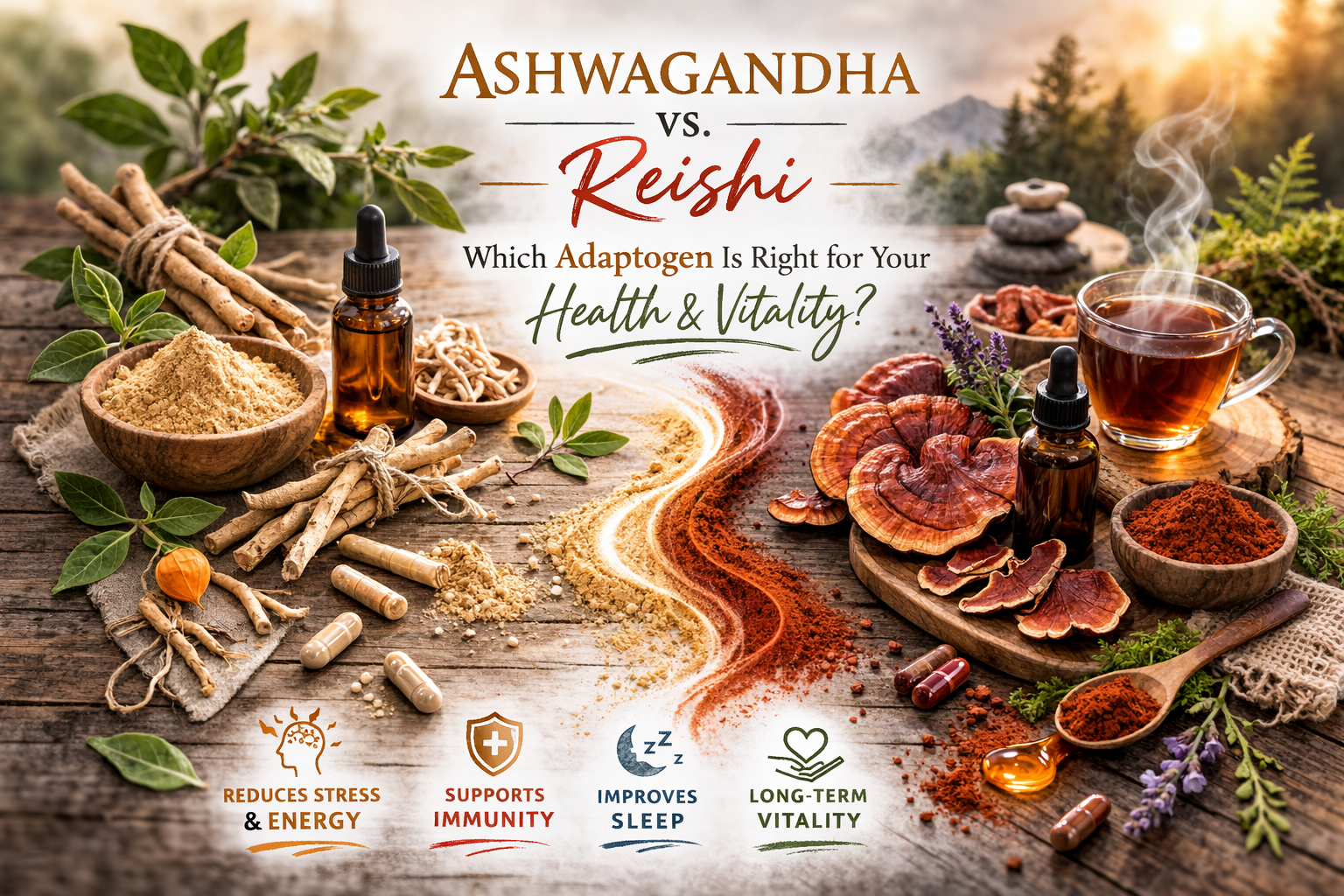
If you’re looking for natural ways to manage stress, boost energy, or improve your overall health, you may have heard about adaptogens. These are special herbs and mushrooms that help your body adapt to stress and restore balance. Two of the most popular adaptogens today are Reishi and Ashwagandha. Both have long histories in traditional medicine, but they are very different in how they work and what they offer.
You might be wondering: should you choose Reishi or Ashwagandha? Or maybe both? This article will help you decide by explaining how each adaptogen works, their benefits, side effects, and how to use them. We’ll also compare them side by side, so you can pick the one that best fits your needs.
What Are Adaptogens?
Adaptogens are natural substances, usually from plants or fungi, that help the body manage physical and mental stress. They do this by supporting the hypothalamic-pituitary-adrenal (HPA) axis, which controls your stress response. Adaptogens don’t force your body in one direction—instead, they help it find balance.
One important thing to understand is that adaptogens don’t work like caffeine or painkillers, which give you a quick effect. Instead, they help your body recover from stress over time by gently supporting your natural systems. This is why many people feel the benefits more after a few weeks, rather than immediately.
Common adaptogens include Reishi, Ashwagandha, Rhodiola, Holy Basil, and Ginseng. Each adaptogen works differently and may suit different needs. For example, Rhodiola is known for supporting mental performance, while Holy Basil is often used for mood support. Adaptogens are often used together with other healthy habits, such as regular exercise, good sleep, and balanced nutrition, for the best results.
Understanding Reishi
Reishi, also called Ganoderma lucidum or Lingzhi, is a mushroom that grows mainly in Asia. It has been used for thousands of years in Traditional Chinese Medicine (TCM) as a tonic for longevity and health.
How Reishi Works
Reishi contains triterpenoids, polysaccharides, and peptidoglycans. These compounds give Reishi its unique properties. Triterpenoids are thought to help with inflammation and support heart health. Polysaccharides are believed to boost the immune system by helping your body fight off infections and illnesses.
Reishi is known as a “calming” adaptogen. This means it helps the body relax, supports immune function, and can improve sleep quality. Unlike some adaptogens that give you a quick burst of energy, Reishi works slowly and gently, making it a favorite for people who feel “wired but tired” or have difficulty winding down at night.
It’s also important to note that Reishi’s effects can depend on the quality of the mushroom and how it’s prepared. For example, extracts made from the fruiting body (the actual mushroom cap) tend to be higher in key compounds than those made from mycelium (the root-like structure).
Main Benefits Of Reishi
1. Immune Support
Reishi is famous for boosting the immune system. Studies show it can increase the activity of white blood cells, especially natural killer cells, which fight infections and cancer cells. Some people use Reishi regularly during cold and flu season as extra support.
2. Stress Reduction
Reishi helps calm the nervous system. It may reduce anxiety and promote a feeling of peace. Many people use it before bed to help with sleep. For people who struggle with a “busy mind,” Reishi can help slow down racing thoughts and promote relaxation.
3. Anti-inflammatory Effects
Chronic inflammation is linked to many diseases. Reishi’s compounds may help reduce inflammation in the body. For example, some people with joint pain or allergies report feeling better after regular use.
4. Liver Health
Some research suggests Reishi can protect the liver from damage caused by toxins or illness. In some traditional practices, Reishi is used as a gentle detoxifier.
5. Heart Health
Reishi may help lower blood pressure and cholesterol, which supports overall heart health. While it’s not a replacement for medical treatment, it can be a helpful addition for those looking to support their cardiovascular system.
Scientific Data On Reishi
A study published in the *Journal of Ethnopharmacology* found that Reishi extract increased the activity of immune cells in cancer patients by up to 50%. Another review from 2015 noted that regular use improved sleep quality in 80% of participants who had insomnia.
These studies show promising results, but it’s worth remembering that effects can vary depending on the person and the quality of the supplement.
Other research has pointed out that Reishi’s effects on the immune system might be especially useful for people who often feel run down or catch colds easily. It can be a useful “tonic” for recovery after illness, or during times of high stress when the immune system can become weaker.
How Reishi Is Used
Reishi is usually taken as a powder, capsule, or tea. The taste is bitter and earthy, so many people prefer capsules. Typical doses range from 1 to 3 grams of extract per day, but it’s best to follow the instructions on your product.
A traditional way to use Reishi is to simmer dried slices in hot water for 30–60 minutes to make a tea. This method extracts the beneficial polysaccharides, but the flavor can be quite strong. Some people add honey or mix Reishi powder into smoothies or soups to hide the taste.
For regular use, capsules or standardized extracts are convenient and ensure a consistent dose.
Side Effects And Cautions
Reishi is safe for most people, but some may experience dry mouth, upset stomach, or dizziness. Rarely, it can cause allergic reactions or interact with blood-thinning medications. Taking Reishi for long periods (over 3–6 months) at high doses is not recommended without medical advice.
If you have a history of low blood pressure or are taking medicines for heart disease, talk to your doctor before starting Reishi. Also, because it is a mushroom, people with mushroom allergies should avoid it.
Understanding Ashwagandha
Ashwagandha, also known as Withania somnifera or “Indian ginseng,” is an ancient herb used in Ayurvedic medicine. The root and leaves are used to make supplements, powders, and teas.
How Ashwagandha Works
Ashwagandha contains withanolides—natural steroids that help lower cortisol (the stress hormone) and balance the nervous system. It is considered an “energizing” adaptogen, supporting physical and mental performance.
Ashwagandha works by interacting with the endocrine system, which controls hormones throughout your body. It helps bring the body into balance by reducing high levels of cortisol, the hormone released when you’re stressed. By lowering cortisol, Ashwagandha can help reduce feelings of anxiety and fatigue.
Another unique feature of Ashwagandha is its ability to support both mental and physical energy. This makes it popular among students, athletes, and busy professionals. Some users even report that Ashwagandha helps them feel more motivated and less likely to procrastinate.
Main Benefits Of Ashwagandha
1. Reduces Stress And Anxiety
Multiple studies show Ashwagandha can lower cortisol by up to 30%. It helps people feel calmer and less anxious. Some people notice they handle stressful events better and recover faster after emotional challenges.
2. Improves Sleep
Ashwagandha helps people fall asleep faster and improves sleep quality, especially in those with insomnia. Unlike sleeping pills, it doesn’t usually cause drowsiness the next day.
3. Boosts Energy And Stamina
Athletes often use Ashwagandha to increase muscle strength and endurance. In one study, men taking Ashwagandha gained twice as much muscle mass as those taking a placebo. Ashwagandha’s support for energy is steady, not jittery—so it helps you feel strong without feeling “wired.
”
4. Enhances Brain Function
Some research suggests Ashwagandha may improve memory, focus, and reaction time. Students or people with demanding jobs may find it useful for mental clarity.
5. Supports Hormone Balance
It can help regulate thyroid hormones and may improve sexual health in both men and women. Some women use it for support with PMS symptoms or menopause.
It’s worth noting that Ashwagandha can also help the body recover from both physical and emotional stress, making it useful for people who feel “burned out. ”
Scientific Data On Ashwagandha
A randomized, double-blind study in 2019 found that people taking 300 mg of Ashwagandha twice daily for 8 weeks reduced their anxiety scores by 44%. Another study in the *Indian Journal of Psychological Medicine* showed that Ashwagandha lowered cortisol levels significantly after 60 days of use.
Other research has shown that Ashwagandha can improve cardiorespiratory endurance and even support immune function. For example, one study found that people who took Ashwagandha had fewer colds and reported less fatigue during the winter months.
How Ashwagandha Is Used
You can take Ashwagandha as a capsule, powder, or liquid extract. The powder can be mixed into drinks, but it has a strong earthy taste. Standard doses are 300–600 mg per day of a root extract, but dosages can vary.
Some traditional Ayurvedic preparations include mixing Ashwagandha powder with warm milk and honey before bed. This is thought to improve sleep and promote relaxation. Capsules are the most convenient and ensure a standardized amount of withanolides.
For athletic support, doses may be slightly higher, but it’s best to consult an expert before increasing your intake.
Side Effects And Cautions
Ashwagandha is safe for most people, but it can cause stomach upset, headache, or drowsiness in some. High doses may cause diarrhea or vomiting. It may interact with thyroid medication or sedatives. Pregnant women should avoid Ashwagandha.
People with autoimmune diseases (like lupus or rheumatoid arthritis) should also check with their doctor before using Ashwagandha, as it may stimulate the immune system.
Comparing Reishi And Ashwagandha
To help you choose between these two adaptogens, let’s look at how they compare in key areas.
| Feature | Reishi | Ashwagandha |
|---|---|---|
| Type | Mushroom | Herb |
| Main Use | Calming, immune support | Stress relief, energy |
| Traditional System | Chinese Medicine | Ayurveda |
| Main Active Compounds | Triterpenoids, polysaccharides | Withanolides |
| Common Form | Capsule, powder, tea | Capsule, powder, extract |
| Best For | Immune health, relaxation, sleep | Stress, energy, hormone balance |
| Side Effects | Dry mouth, dizziness, allergy | Stomach upset, drowsiness |
Key Differences
- Reishi is a mushroom, while Ashwagandha is a plant.
- Reishi is best for people who want calm, better sleep, and a stronger immune system.
- Ashwagandha is better for those who want more energy, less stress, and better focus.
- Reishi works slowly and gently. Ashwagandha may give quicker results for stress and energy.
- Ashwagandha is often used for hormone balance, especially for thyroid support, which Reishi does not provide.
Key Similarities
- Both help manage stress, but through different pathways.
- Both are used for sleep support, though Reishi is slightly more calming.
- Both are safe for most people when used as directed.
- Both have research showing positive effects on mood, sleep, and overall well-being.
A less obvious similarity: both adaptogens can support the immune system, but in different ways. Reishi works more directly by boosting immune cells, while Ashwagandha works indirectly by lowering stress hormones that can weaken immunity.

Credit: www.amazon.com
Choosing The Right Adaptogen For Your Needs
Picking between Reishi and Ashwagandha is not always easy, but it helps to consider your main health goals.
If You Need More Calm And Immune Support
Choose Reishi if you:
- Feel anxious, restless, or have trouble sleeping
- Get sick often or want to support your immune system
- Prefer a gentle, long-term boost to health
- Want to balance chronic inflammation
Reishi is especially good for people who feel “tired but wired”—meaning they’re exhausted but have trouble relaxing. People recovering from illness or dealing with chronic stress might also benefit from Reishi’s calming and restorative properties.
If You Need More Energy, Focus, Or Stress Relief
Go for Ashwagandha if you:
- Feel tired, burned out, or mentally drained
- Want to manage daily stress or anxiety quickly
- Need support for hormone or thyroid balance
- Are looking for better performance (physical or mental)
Ashwagandha is a good choice if you want to feel more motivated and alert without the jitters of caffeine. It’s also helpful for people who struggle with focus or “brain fog” and want to support their mental performance.
When To Use Both
Some people benefit from using both Reishi and Ashwagandha. For example, you could take Reishi in the evening to support sleep and relaxation, and Ashwagandha in the morning to boost energy and manage stress. However, always start with one to see how your body responds.
A practical example: If you are a parent juggling work and home life, you might use Ashwagandha to help you stay focused and calm during the day, and Reishi to help you unwind at night. This combination helps support your body’s natural rhythms.
Who Should Avoid Each Adaptogen
- Avoid Reishi if you have a mushroom allergy or are taking blood thinners.
- Avoid Ashwagandha if you are pregnant, taking thyroid medication, or have an autoimmune condition (unless your doctor says it’s okay).
- If you have a history of digestive issues, start with a low dose and watch for any discomfort.
How To Take Reishi And Ashwagandha Safely
Dosage Guidelines
- Reishi: Typical dose is 1–3 grams of extract daily. For dried mushroom, up to 9 grams per day may be used in some cases.
- Ashwagandha: Standard dose is 300–600 mg of root extract daily.
Always follow the label or your healthcare provider’s advice.
It’s important to remember that more is not always better. Taking higher doses does not always lead to faster or stronger effects, and can sometimes cause side effects. If you’re sensitive to supplements, start with a small dose and increase slowly.
Tips For Best Results
1. Start Low And Go Slow
Begin with the lowest recommended dose. Increase gradually if needed. This helps your body adjust and reduces the risk of side effects.
2. Consistency Matters
Adaptogens work best when taken regularly for several weeks. Skipping days or taking them only when you remember may reduce their effectiveness.
- Time of Day
- Take Reishi in the evening for sleep support.
- Take Ashwagandha in the morning for stress and energy.
If you find Ashwagandha makes you sleepy, try taking it before bed instead.
4. Quality Counts
Choose supplements from trusted brands. Look for third-party testing or certifications. Poor-quality products may not contain enough active compounds to be effective.
5. Listen To Your Body
Pay attention to how you feel after starting a new adaptogen. If you notice any unusual symptoms, stop and talk to a healthcare professional.
Two Non-obvious Insights
- Adaptogens may work best when combined with lifestyle changes like better sleep, exercise, and nutrition. Herbs alone cannot fix high stress if you don’t also address your habits. For example, if you stay up late every night and eat poorly, even the best adaptogen won’t make up for it.
- Genetics and gut health can affect how you respond to adaptogens. Some people feel results quickly, while others may need more time or a different adaptogen. If you have digestive issues, you may absorb the active compounds less efficiently.
Another helpful tip: If you’re taking other supplements or medications, keep a journal of how you feel after starting Reishi or Ashwagandha. This helps you track changes and spot any side effects early.
What Science Says About Reishi And Ashwagandha
Both Reishi and Ashwagandha have been studied for decades, but most research is still early or based on small groups. However, the results are promising.
Reishi Research Highlights
- A review in Frontiers in Pharmacology found Reishi may help reduce fatigue, boost immunity, and improve sleep in cancer patients.
- Another study from China showed lower levels of inflammation markers after 12 weeks of Reishi supplementation.
- Reishi has also been studied for its effects on allergies and asthma, with some studies showing reduced symptoms in people with seasonal allergies.
Ashwagandha Research Highlights
- In a 2012 study, people taking Ashwagandha had a 44% reduction in stress scores compared to placebo.
- A 2020 meta-analysis found Ashwagandha improved sleep quality and helped with mild insomnia.
- Some studies have shown improved fertility and testosterone levels in men using Ashwagandha supplements.
Limitations
- Most studies use extracts, not whole mushrooms or roots.
- Results may not be the same for everyone.
- Quality of supplements can vary widely.
- Many studies are small or short-term, so more research is needed to confirm long-term safety and benefits.
For more scientific detail, visit NCBI – Adaptogens Review.
Side Effects And Safety Tips
Adaptogens are generally safe, but it’s important to be aware of possible side effects and interactions.
Reishi
- Mild side effects: Dry mouth, upset stomach, skin rash
- Rare risks: Allergic reactions, nosebleeds, low blood pressure
- Interactions: Can increase the effect of blood thinners or blood pressure medicines
Some people report feeling dizzy or having mild digestive upset when starting Reishi. These symptoms usually go away after a few days. If you have a bleeding disorder, use caution and talk to your doctor.
Ashwagandha
- Mild side effects: Nausea, diarrhea, drowsiness
- Rare risks: Rapid heartbeat, increased thyroid hormones
- Interactions: May interact with thyroid medicines, sedatives, immunosuppressants
In rare cases, Ashwagandha can cause overstimulation of the thyroid, so people with thyroid disorders should monitor their symptoms closely.
Who Should Avoid Adaptogens
- Pregnant or breastfeeding women (especially Ashwagandha)
- People with allergies to mushrooms (for Reishi)
- Those with autoimmune diseases (consult your doctor)
- Anyone taking prescription medicine—always check with your healthcare provider
If you have a chronic illness, always ask your doctor before starting a new supplement. Adaptogens can sometimes interact with drugs or medical conditions.
How To Handle Side Effects
If you notice any side effects, stop taking the supplement and talk to a healthcare professional. Start with a low dose and increase slowly. If you are taking other herbs or supplements, check for possible interactions.
For sensitive people, it can help to take adaptogens with food to reduce stomach upset.
Credit: thepeoplesherbalist.com
Real-life Examples: When Each Adaptogen Works Best
Example 1: The Busy Professional
Maria, a 35-year-old marketing manager, feels tired and anxious at work. She also has trouble falling asleep. After trying both, she finds Reishi in the evening helps her sleep deeply and wake refreshed. She uses Ashwagandha during the day only when she has a big presentation.
Maria’s story shows how the right timing for each adaptogen can make a difference. She uses Reishi to calm her mind at night, and Ashwagandha only when she needs an extra boost of confidence and focus.
Example 2: The Student Under Pressure
James is a university student facing exams. He feels drained and stressed, but sleep is not a problem. He takes Ashwagandha every morning for three weeks and notices improved concentration and less anxiety.
For James, the energizing effects of Ashwagandha help him stay alert and manage the pressure of schoolwork. He doesn’t need extra sleep support, so Reishi is not his first choice.
Example 3: The Athlete
Sophia is an amateur runner. She wants to recover faster after training and avoid getting sick. She uses Reishi for immune support during intense periods and takes Ashwagandha to boost her stamina before races.
Sophia’s routine shows how combining adaptogens can support both physical recovery and performance. She times her supplements to match her training schedule.
These examples show how personal needs and timing can affect which adaptogen is best.
How To Choose High-quality Reishi And Ashwagandha Products
Not all supplements are the same. Here’s how to find products that really work.
What To Look For
1. Third-party Testing
Choose brands that test their products for purity and strength. This reduces the risk of contamination or fake ingredients.
- Active Compounds
- For Reishi: Look for high beta-glucan or triterpenoid content.
- For Ashwagandha: Standardized to 5% withanolides is a good sign.
- Source and Extraction
- Reishi should be from fruiting body, not just mycelium. Hot water extraction is best.
- Ashwagandha should use the root, not just the leaves.
- Avoid Fillers and Additives
Check labels for unnecessary ingredients.
5. Read Reviews And Certifications
See if the brand has good reviews and proper certifications. Certifications like USDA Organic or Non-GMO Project Verified can offer extra confidence.
Common Buyer Mistakes
- Buying products with low doses or poor extraction methods.
- Choosing the cheapest option without checking quality.
- Ignoring the type of extract or source material.
- Not checking for allergens or unwanted additives.
A practical tip: If a product is much cheaper than others, it may not contain enough active compounds to be effective.
Example Of A Good Label
Ashwagandha Root Extract, 600 mg, Standardized to 5% Withanolides, Third-Party Tested, No Fillers
This label gives clear information about the dose, the active compound, and quality testing.
Combining Reishi And Ashwagandha: Is It Safe?
Many people want the benefits of both adaptogens. In most cases, it’s safe to use Reishi and Ashwagandha together, especially at normal doses. Some supplement brands even sell blends with both.
Combining these adaptogens can offer a balanced approach—Reishi for rest and immune health, Ashwagandha for energy and stress. This is especially useful if your daily demands change, or if you want to support your body through different types of challenges.
How To Combine
- Take Ashwagandha in the morning for energy and stress support.
- Take Reishi in the evening for immune health and relaxation.
Tips For Combining
- Start with low doses of each.
- Watch for any side effects, especially stomach upset or allergies.
- Take breaks after a few months to see how you feel.
If you’re sensitive, try using only one adaptogen at first. After a couple of weeks, add the second one if you feel good.
When Not To Combine
- If you are sensitive to new supplements, start with one.
- If you have health conditions or take medication, ask a doctor first.
- If you notice any side effects after adding the second adaptogen, reduce the dose or take a break.
Combining adaptogens is not about “more is better”—it’s about finding the right balance for your unique needs.
Data: Popularity And Market Trends
The adaptogen market is growing fast. In 2022, global sales of adaptogens reached $10.3 billion, and are expected to grow by 8.5% per year. Ashwagandha and Reishi are among the top sellers worldwide.
| Adaptogen | Global Market Share (%) | Top Region |
|---|---|---|
| Ashwagandha | 32 | India, USA |
| Reishi | 27 | China, Japan |
| Others | 41 | Global |
This popularity means more choices for buyers—but also more low-quality products. Always check for trusted sources.
A growing trend is the use of adaptogens in “functional foods,” like protein bars, drinks, and snacks. While these products can be convenient, it’s important to check the amount of actual adaptogen included—sometimes it’s too low to be effective.
Credit: www.amazon.com
Frequently Asked Questions
What Is The Main Difference Between Reishi And Ashwagandha?
Reishi is a mushroom used mainly for calm, immune support, and sleep. Ashwagandha is a plant used for stress relief, energy, and hormone balance. They work through different pathways and have unique benefits.
Can I Take Reishi And Ashwagandha Together?
Yes, most people can safely take both, as they work in different ways. Take Ashwagandha in the morning and Reishi in the evening for best results. Start with low doses and watch for any side effects.
How Long Does It Take To Feel The Effects Of Reishi Or Ashwagandha?
Some people feel benefits from Ashwagandha within a week, especially for stress. Reishi may take longer (2–4 weeks) to show effects, especially for sleep or immune support. Consistency is important for both.
Are There Any Serious Side Effects Of Reishi Or Ashwagandha?
Both are safe for most people, but side effects can include stomach upset, headache, or drowsiness. Rarely, Reishi can cause allergic reactions. Ashwagandha may interact with thyroid medicines. Always talk to a healthcare provider if you have concerns.
How Do I Know If An Adaptogen Supplement Is High Quality?
Look for third-party testing, clear labeling of active compounds, and trusted brands. Avoid products with lots of fillers or unclear sourcing. Reading reviews and checking for certifications can also help.
Finding the right adaptogen can feel confusing at first, but with a little guidance, you can choose the one that fits your needs best. Whether you want calm and immune support from Reishi or more energy and stress relief from Ashwagandha, both offer powerful natural support. Remember to listen to your body, choose quality supplements, and consult with a healthcare professional if you have health conditions or take medications. Adaptogens can be a helpful addition to your wellness routine—just be patient and consistent for the best results.