
Reishi Before Bed: The Best Time And Dose for Sleep Support
Many people struggle to fall asleep or wake up feeling tired. Natural remedies are becoming more popular as people look for ways to improve sleep without relying on prescription pills. One of the most talked-about options is reishi mushroom. This ancient fungus has a long history in traditional medicine, but does it really help with sleep? When is the best time to take reishi, and how much should you use? Let’s dive deep into the science, practical tips, and real-life experiences with reishi before bed.
Understanding Reishi Mushroom
Reishi (Ganoderma lucidum) is a mushroom found mostly in Asia. It’s known as “lingzhi” in Chinese and “the mushroom of immortality.” For thousands of years, reishi has been used to support health, boost the immune system, and help with stress.
What makes reishi special is its bioactive compounds, including polysaccharides, triterpenes, and peptidoglycans. These compounds are believed to support the body in different ways, such as reducing inflammation and helping balance the immune response. But reishi is also gaining attention for its effects on sleep and relaxation.
Unlike some sleep aids, reishi doesn’t work like a sedative. Instead, it helps the body handle stress better, which can lead to more restful sleep over time. This difference is important—using reishi is about supporting the body’s natural sleep cycle, not forcing sleep.
How Reishi Supports Sleep
Many people are surprised to learn that reishi’s main effect is not to “knock you out.” Instead, it works in a gentle, supportive way. Here’s how:
- Reduces stress: Reishi may lower stress hormones such as cortisol. Lower stress levels make it easier to fall asleep.
- Balances mood: Compounds in reishi help balance chemicals in the brain, such as serotonin and dopamine, both linked to mood and sleep quality.
- Supports immune health: A healthy body sleeps better. Reishi helps regulate immune function, which may reduce sleep disturbances caused by illness.
- Improves sleep cycles: Some animal studies show that reishi can increase non-REM and REM sleep, the most restorative sleep stages.
One key insight is that reishi’s effects are cumulative. You might not feel an immediate difference after one dose. Instead, sleep often improves gradually after consistent use.
The Best Time To Take Reishi For Sleep
Timing matters when using reishi for sleep support. Many people make the mistake of taking it at the wrong time and then wonder why it doesn’t work for them.
Evening Use: Why It Works
For most people, the best time to take reishi is in the evening, about 1-2 hours before bed. This allows the body to absorb the active compounds and start to relax.
- Taking it right before bed may not give enough time to work.
- Taking it too early in the day may not help with sleep.
Some people, especially those sensitive to herbs, may feel sleepy if they take reishi during the day. But for most, evening use brings the best sleep benefits.
Morning Or Daytime Use
While reishi is not sedating, some people find that taking it in the morning helps with stress during the day. However, if your main goal is better sleep, stick to evening use.
Consistency Over Time
Reishi is not a quick fix. For best results, take it daily at about the same time. Many users notice better sleep after 7-14 days of regular use. Skipping days or taking it at random times usually leads to poorer results.
How Much Reishi Should You Take Before Bed?
Finding the right reishi dosage is important for sleep support. Too little may not help, and too much can cause digestive upset or other side effects.
Typical Doses
Most studies and traditional use suggest the following:
- Extract powder: 1-2 grams (1000-2000 mg) per day
- Capsules: 1-2 capsules (depending on strength; check the label)
- Tinctures: 1-2 ml (about 1-2 dropperfuls)
It’s smart to start at the lower end and increase slowly if needed. Sensitive people may do well on less.
Factors That Affect Dose
- Body weight: Heavier people may need a higher dose.
- Product strength: Extracts are stronger than whole mushroom powder.
- Other medications: Talk to your doctor if you take medicine or have health conditions.
How To Take Reishi
You can take reishi in several forms:
- Capsules or tablets (easy and tasteless)
- Powder (mix in warm water, tea, or smoothies)
- Liquid extract/tincture (fast-acting, easy to adjust dose)
- Traditional tea or decoction (strong taste, but authentic)
For sleep, many people prefer a warm drink with reishi powder or extract before bed. Mixing with a little honey or cacao can improve the taste.

Credit: fourfive.com
Reishi Vs. Other Natural Sleep Aids
There are many natural supplements for sleep, such as melatonin, valerian root, and magnesium. How does reishi compare?
| Supplement | Main Effect | Onset Time | Best For |
|---|---|---|---|
| Reishi | Stress reduction, immune support | 1-2 weeks | Chronic stress, light insomnia |
| Melatonin | Regulates sleep-wake cycle | 30-60 min | Jet lag, shift work |
| Valerian Root | Calming, mild sedative | 1-2 hours | Difficulty falling asleep |
| Magnesium | Muscle relaxation, supports GABA | 1-2 hours | Muscle cramps, restless sleep |
Reishi stands out because it does not sedate or change sleep patterns immediately. Instead, it supports the body so that sleep improves over time. This makes it a good choice for people who want a gentle, long-term approach.
Potential Side Effects And Who Should Avoid Reishi
Reishi is generally safe, but some people may experience side effects, especially at high doses.
Common Side Effects
- Upset stomach
- Dry mouth or throat
- Dizziness
- Rash (rare)
These usually go away when the dose is reduced or stopped.
Who Should Avoid Reishi?
- Pregnant or breastfeeding women: Safety is not well studied.
- People with low blood pressure: Reishi may lower blood pressure further.
- Those on blood-thinning medication: Reishi can increase bleeding risk.
- People with mushroom allergies: Avoid all mushroom supplements.
If you have any health concerns, talk to your doctor before starting reishi.
How To Choose A Quality Reishi Product
Not all reishi products are equal. Some are made from the whole mushroom (fruiting body), while others use mycelium (root-like part). The best products contain high levels of beta-glucans (a type of polysaccharide).
What To Look For
- Third-party testing: Check for lab reports showing the actual content.
- Fruiting body extract: This part contains the most active compounds.
- No fillers or additives: Look for pure reishi, not mixed with rice or grains.
- Beta-glucan content: Good products will list this on the label.
Price Vs. Quality
Cheap reishi is often low in active compounds. High-quality extracts cost more but work better. Always buy from a trusted brand.
Common Mistakes When Buying
- Choosing “mycelium on grain” instead of fruiting body.
- Not checking for lab testing.
- Picking the cheapest option.
Here’s a simple comparison of reishi supplement types:
| Type | Source | Strength | Taste |
|---|---|---|---|
| Extract powder | Fruiting body | High | Bitter |
| Capsules | Fruiting body or mycelium | Medium to high | Neutral |
| Tincture | Fruiting body | Medium | Alcoholic |
| Whole mushroom | Fruiting body | Low | Very bitter |
How Long Before Sleep Improves?
One thing beginners often miss is that reishi works slowly. Most people need to use it daily for at least one to two weeks before noticing major changes in sleep quality. This is different from melatonin, which works in an hour or less.
- If you expect instant results, you may be disappointed.
- Keep a sleep diary to track changes. Note things like how long it takes to fall asleep, how many times you wake up, and how refreshed you feel.
- If you don’t notice improvement after 3-4 weeks, try adjusting the dose or switching brands.
A common mistake is to give up too soon. Remember that natural remedies often need time to show effects.
Reishi And Sleep Quality: What Does Science Say?
Several studies have looked at reishi’s effects on sleep, stress, and the nervous system.
Animal Studies
- A 2012 study in rats found that reishi extract increased total sleep time and improved deep (non-REM) sleep.
- Another study showed reishi helped animals fall asleep faster and stay asleep longer.
Human Studies
- Human research is limited, but some small studies report less fatigue, better mood, and improved sleep in people who take reishi.
- A 2018 review in the journal Phytotherapy Research concluded that reishi may help with insomnia, but more large studies are needed.
One practical insight: Some people feel the relaxing effects right away, while others need several weeks. This difference may be due to genetics, stress levels, or the type of reishi product used.
Combining Reishi With Other Sleep Habits
Reishi works best as part of a healthy bedtime routine. If you only use reishi but ignore sleep hygiene, results may be weak.
Best Practices For Better Sleep
- Go to bed and wake up at the same time each day.
- Avoid screens (phone, TV) 1 hour before bed.
- Use dim lighting and keep your room cool.
- Avoid caffeine in the afternoon and evening.
- Try relaxing activities: Reading, gentle stretching, or meditation.
Combining these habits with reishi can boost your results. For example, some people mix reishi with warm herbal tea as part of a calming ritual.
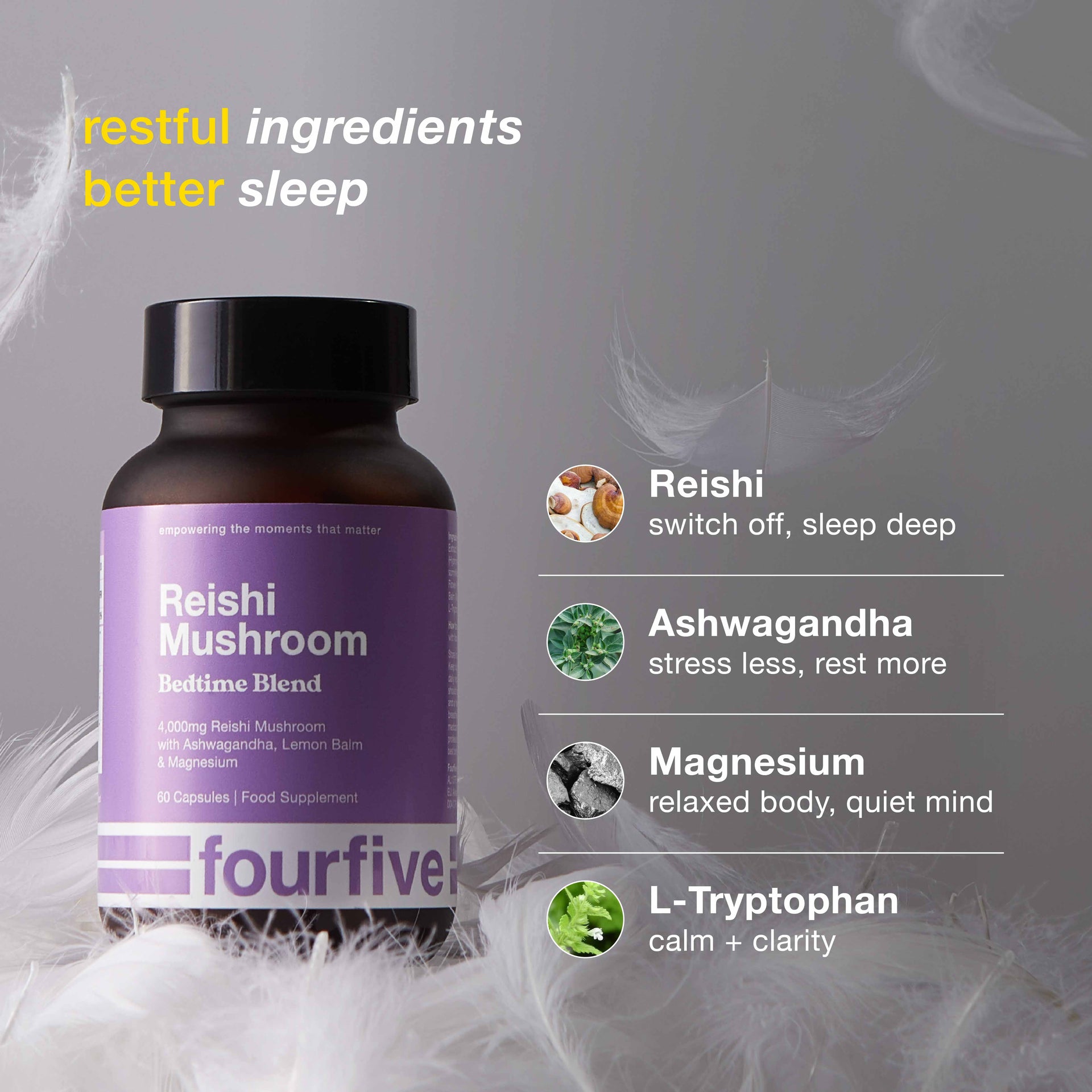
Credit: fourfive.com
Real-life Experiences: What Users Report
Many people have shared their experiences with reishi for sleep support. Here are some common themes:
- Gradual improvement: Most users report that sleep improves slowly, with fewer awakenings and deeper rest.
- Less stress and better mood: Many say they feel calmer during the day, which leads to better sleep at night.
- Better immunity: Some notice fewer colds or minor illnesses.
- Mild side effects: A small number report upset stomach, especially with high doses.
One less obvious tip: Some people use reishi during stressful life periods (such as exams or job changes) and notice it helps them stay calm and sleep better.
Common Mistakes When Using Reishi For Sleep
Beginners often make a few mistakes with reishi:
- Expecting instant results: Reishi is not a sleeping pill. It works with time.
- Taking too much too soon: High doses can cause side effects.
- Buying poor-quality products: Low-grade reishi may not work at all.
- Ignoring other sleep problems: Reishi can’t fix bad habits or medical sleep disorders.
One practical tip: Start small, use a high-quality product, and be patient.
Who Should Consider Reishi For Sleep?
Reishi can help many people, but it is especially useful for:
- Chronic stress: If you can’t sleep because of a busy mind, reishi may help.
- Mild insomnia: For people who wake up often or don’t feel rested.
- Shift workers: Reishi may help the body adapt to changing sleep schedules.
- Older adults: Sleep often gets lighter with age; reishi can support better rest.
If your sleep problems are severe, or you have medical conditions such as sleep apnea, talk to your doctor first.
Practical Tips For Getting The Most Out Of Reishi
- Take reishi at the same time each night.
- Combine with a relaxing bedtime routine.
- Start with a low dose and increase slowly.
- Track your sleep changes in a diary.
- Buy from trusted brands with lab testing.
- Try different forms (powder, capsule, tincture) to see what works best for you.
Some people find that mixing reishi with other herbs (like ashwagandha or passionflower) enhances the effect. Always add one new supplement at a time to avoid confusion.
Myths And Misunderstandings About Reishi
Reishi has become popular, but there are also myths:
- “Reishi makes you sleepy right away.” Not true—its effect builds slowly.
- “All reishi is the same.” Quality and source matter a lot.
- “You can’t take reishi with other supplements.” In most cases, reishi is safe with other herbs, but always check with a healthcare provider.
Special Considerations: Reishi For Different Groups
For Older Adults
Sleep becomes lighter with age, and many older adults look for gentle sleep aids. Reishi is often well-tolerated but start with a low dose. It may also support immune health, which is important as we age.
For Children And Teens
There is little research on reishi for young people. It’s best to avoid giving reishi to children unless under medical supervision.
For Pregnant And Breastfeeding Women
Reishi has not been studied for safety in pregnancy or breastfeeding. It’s best to avoid unless approved by a doctor.
For People With Health Conditions
If you take blood thinners, have low blood pressure, or are allergic to mushrooms, avoid reishi. Always check with your doctor if you have chronic health issues.

Credit: www.amazon.com
The Science Of Reishi’s Sleep Benefits
Reishi’s main sleep-supporting compounds are triterpenes and polysaccharides. These work by:
- Reducing inflammation in the brain
- Lowering stress hormones
- Balancing neurotransmitters
Research shows that triterpenes can increase GABA activity—a calming chemical in the brain. This may explain why reishi helps with relaxation and sleep.
One non-obvious insight: Some reishi extracts are standardized for triterpene content. These may be more effective for sleep than basic powders.
Can Reishi Be Used With Other Sleep Aids?
Reishi is often used as part of a sleep stack—a group of supplements supporting sleep. For example, some people combine reishi with:
- Magnesium
- L-theanine
- Chamomile
- Low-dose melatonin
This combination can be helpful, but always start with one new supplement at a time. Too many changes make it hard to know what is working.
How To Make Reishi Part Of Your Nightly Routine
Creating a relaxing bedtime ritual can make reishi even more effective.
Sample Routine
- Turn off screens 1 hour before bed.
- Brew a cup of warm tea with reishi powder or use a capsule.
- Add honey or cinnamon for taste.
- Sit quietly, read a book, or practice deep breathing.
- Go to bed at the same time each night.
This routine helps signal your body that it’s time to relax.
Storage And Shelf Life
Store reishi supplements in a cool, dry place away from sunlight. Most products last 1-2 years unopened. After opening, use within 6 months for best freshness.
Avoid keeping reishi near heat or moisture. If the powder smells musty or changes color, discard it.
Reishi Sleep Dose: Real-world Examples
Here’s how three different people might use reishi:
- Alice, 35, light sleeper: Starts with 1 capsule (500 mg) after dinner, increases to 2 capsules after 1 week. Notices less waking at night after 10 days.
- Ben, 50, high stress: Uses 1 gram of extract powder in warm water 90 minutes before bed. Combines with meditation. Feels calmer and sleeps deeper after 2 weeks.
- Carla, 28, sensitive stomach: Starts with 0.5 ml tincture before bed. Increases to 1 ml. No side effects. Reports falling asleep faster after 1 week.
These examples show that dose and timing can be adjusted to personal needs.
Comparing Reishi Brands: What To Watch For
With so many products on the market, it’s easy to get confused. Here’s how to compare brands:
| Brand Feature | Why It Matters |
|---|---|
| Fruiting body extract | Contains more active compounds |
| Third-party lab testing | Proves purity and strength |
| No fillers | Better absorption and safety |
| Beta-glucan content listed | Shows real potency |
| Good reviews | Real-world effectiveness |
One common mistake is to buy based only on price. Quality matters more for sleep support.
When Not To Use Reishi
Reishi is not a cure for serious sleep disorders like sleep apnea or narcolepsy. If you have severe sleep problems, see a doctor. Reishi is best for mild to moderate sleep issues related to stress or poor sleep habits.
Tracking Your Progress With Reishi
To get the most from reishi, track your sleep:
- Write down when you take reishi and how much.
- Record your bedtime, wake time, and how you feel in the morning.
- Note any changes in mood, stress, or side effects.
This helps you see patterns and adjust your approach.
The Bottom Line: Is Reishi Worth It For Sleep?
Reishi is a time-tested, gentle option for supporting better sleep. It works by calming the mind, reducing stress, and supporting the body’s natural rhythms. While it’s not a quick fix, many people find that sleep quality and relaxation improve with regular use.
The best time to take reishi is 1-2 hours before bed, at a dose of 1-2 grams for most adults. Choose a high-quality extract and use it as part of a healthy bedtime routine.
If you want to learn more about the science of reishi and its uses, check out this detailed overview from the Wikipedia: Ganoderma lucidum.
Frequently Asked Questions
What Is The Best Time To Take Reishi For Sleep?
The ideal time is 1-2 hours before bedtime. This gives your body enough time to absorb the active compounds and start relaxing. Avoid taking it too close to bedtime, as it works best with some lead time.
How Long Does It Take For Reishi To Work For Sleep?
Most people need 7-14 days of daily use to notice better sleep. Effects build slowly, not instantly. Keep taking it regularly for best results.
Can I Take Reishi With Other Supplements Or Medications?
Reishi is generally safe with most supplements, but avoid combining with blood-thinners or if you have mushroom allergies. Always check with your doctor if you take prescription medications or have health conditions.
What Is The Safest Dose Of Reishi For Sleep?
A common safe dose is 1-2 grams of extract powder, or 1-2 capsules, taken in the evening. Start low and increase slowly. Sensitive users can start with half the standard dose.
Are There Any Side Effects Of Taking Reishi Before Bed?
Side effects are rare but can include upset stomach, dry mouth, or dizziness. These are more likely with high doses or poor-quality products. Reduce dose or stop if you notice problems.
By following these guidelines, you can make reishi a helpful part of your sleep support strategy, leading to calmer nights and more refreshed mornings.