
The journey after childbirth is both beautiful and challenging. New mothers often face sudden changes in energy, mood, and immunity. Many seek natural ways to support their recovery, searching for solutions that go beyond traditional medicine. One approach gaining interest is the mushroom protocol for post-partum recovery. This method uses functional mushrooms to help the body regain balance, boost energy, strengthen immunity, and support mood.
You might wonder, how can mushrooms—often seen as simple food—offer such powerful benefits? The answer lies in their unique compounds, used for centuries in traditional medicine and now studied by modern science. This article explores how a well-designed mushroom protocol can help mothers recover after childbirth.
We’ll look at key mushrooms, the science behind them, practical dosing, safety, and how to fit them into daily life. If you want to feel energetic, stay healthy, and find emotional balance after delivery, this guide gives you everything you need.
The Challenges Of Post-partum Recovery
After childbirth, a woman’s body goes through many changes. Hormones shift, sleep is often disrupted, and the immune system can be weakened. Many new mothers experience fatigue, low mood, and frequent infections. These are normal, but they can make daily life difficult.
Some common post-partum challenges include:
- Low energy – Sleepless nights and healing tissues drain energy.
- Weakened immunity – The body is more open to infections after birth.
- Mood swings – Hormones like estrogen and progesterone drop sharply.
- Nutrient depletion – Pregnancy and breastfeeding use up vitamins and minerals.
- Stress and anxiety – New roles and responsibilities add mental pressure.
While rest, nutrition, and support are vital, many mothers look for additional help. Functional mushrooms provide a gentle, natural way to address these issues. Their compounds work with the body, not against it, making them especially useful during this sensitive time.
What Is The Mushroom Protocol?
The mushroom protocol is a structured plan that uses medicinal mushrooms for daily support. It combines different types of mushrooms, each with unique benefits, to create a holistic recovery system. The protocol can be simple or complex, depending on a mother’s needs.
Key features of a good mushroom protocol:
- Focuses on adaptogenic and immunomodulating mushrooms
- Uses safe, food-based extracts (not psychedelic or toxic types)
- Considers the mother’s personal health, breastfeeding status, and other medications
- Follows evidence-based dosing and timing
This protocol is not a replacement for medical care, but it can be a powerful complement. The goal is to help mothers regain strength, emotional stability, and immunity, so they can enjoy this new phase of life.

Credit: www.amazon.com
How Mushrooms Support Post-partum Energy
Fatigue is one of the most common problems after childbirth. New mothers often feel like they never get enough sleep or energy, no matter how much they rest. Some mushrooms can help by supporting the body’s natural energy systems.
Cordyceps: The Energy Mushroom
Cordyceps is famous for boosting stamina and energy. It works by improving how the body uses oxygen and increasing cellular ATP (the molecule that powers cells). In studies, cordyceps has helped athletes perform better and recover faster, but its gentle support is perfect for tired mothers too.
How it helps:
- Supports adrenal glands (which make stress hormones)
- Increases energy without causing jitters or crashes
- Helps the body recover from exertion (like labor and delivery)
- May improve libido, which often drops after childbirth
Typical dose: 500–1000 mg per day of cordyceps extract
Reishi: Gentle Adaptogen
Reishi is called the “mushroom of immortality” in Asia. It is an adaptogen, meaning it helps the body handle stress and restore balance. For energy, reishi supports deep, restful sleep and helps the nervous system recover from stress.
How it helps:
- Reduces anxiety, which can drain energy
- Supports better sleep quality
- Balances hormones, gently boosting natural energy
Typical dose: 1000–2000 mg per day of reishi extract
Combining Mushrooms For Energy
A well-designed mushroom protocol often includes both cordyceps and reishi. Cordyceps gives a daytime boost, while reishi helps recovery at night. Some protocols also add lion’s mane for mental clarity and focus, which can fade with sleep loss.
| Mushroom | Main Benefit | When to Take | Common Dose |
|---|---|---|---|
| Cordyceps | Physical energy, stamina | Morning | 500–1000 mg |
| Reishi | Stress relief, sleep | Evening | 1000–2000 mg |
| Lion’s Mane | Mental clarity | Morning/afternoon | 500–1000 mg |
Non-obvious tip: Many mothers forget that energy is not just about feeling awake. Emotional stress, poor immunity, and brain fog also drain energy. A mushroom blend that targets all three gives better results than using just one mushroom.
Strengthening Immunity With Functional Mushrooms
After childbirth, the immune system can be weaker. This makes mothers more likely to get colds, infections, and slow wound healing. Functional mushrooms are some of nature’s best immune boosters, but they work differently than simple vitamins.
Beta-glucans: The Immune Secret
Most medicinal mushrooms contain beta-glucans—special sugars that “train” the immune system. They help immune cells respond quickly to threats but do not cause overstimulation. This is important for new mothers, whose bodies need gentle support, not harsh stimulation.
Turkey Tail: Immune Support Specialist
Turkey tail is rich in beta-glucans and other compounds that strengthen the immune response. It has been studied for its ability to help fight infections, including those common after surgery or childbirth.
How it helps:
- Supports the gut microbiome (over 70% of the immune system lives in the gut)
- Enhances white blood cell activity
- May help prevent or shorten infections
Typical dose: 1000–2000 mg per day of turkey tail extract
Shiitake: Everyday Immunity
Shiitake is often used as food, but its extracts are powerful immune boosters. Shiitake contains lentinan, a unique beta-glucan, and other antioxidants that help the body resist common infections.
How it helps:
- Increases production of immune cells
- Supports liver health (important for detox after pregnancy)
- Provides vitamins and minerals that mothers need
Typical dose: 1000–2000 mg per day of shiitake extract
Maitake: Balancing And Boosting
Maitake is another mushroom rich in beta-glucans. It helps balance the immune system, which is especially helpful if a mother has a history of allergies or autoimmunity.
How it helps:
- Modulates immune response (neither too high nor too low)
- Supports blood sugar balance (important post-partum)
- Provides gentle, ongoing protection
Typical dose: 1000–2000 mg per day of maitake extract
Immune Mushroom Comparison
Here’s how the main immune-supporting mushrooms compare:
| Mushroom | Main Compound | Key Benefit | Best For |
|---|---|---|---|
| Turkey Tail | Beta-glucans, PSP, PSK | Strong immune support | Frequent infections |
| Shiitake | Lentinan, eritadenine | Everyday immunity | General wellness |
| Maitake | D-fraction beta-glucans | Immune balance | Allergies, autoimmunity |
Non-obvious insight: Taking immune mushrooms before you get sick is more effective than waiting until symptoms start. Mushrooms support the “training” of immune cells, so steady use gives the best results.
Mushrooms For Mood And Emotional Balance
Mood swings, anxiety, and “baby blues” are common after childbirth. Some mothers even experience post-partum depression, which may need medical care. Functional mushrooms can support the brain and nervous system, helping mothers feel more stable and positive.
Lion’s Mane: Brain And Nerve Support
Lion’s mane is best known for its effects on the brain. It contains compounds called hericenones and erinacines, which help the brain grow new connections (neurogenesis). This is important for mood, focus, and stress resilience.
How it helps:
- Supports clear thinking (even with little sleep)
- May reduce anxiety and mild depression
- Promotes nerve repair after the stress of childbirth
Typical dose: 500–1000 mg per day of lion’s mane extract
Reishi: Calming The Mind
Reishi also supports mood, not just energy. It helps balance the HPA axis (the body’s main stress system) and increases “calm” neurotransmitters in the brain. Many mothers find they sleep deeper and wake up less anxious with regular reishi use.
Chaga: Antioxidant Power
Chaga is less famous for mood, but its antioxidants protect the brain from inflammation and stress. This can help mothers feel more resilient and less overwhelmed.
How it helps:
- Reduces oxidative stress in the brain
- Supports steady energy, which stabilizes mood
- May protect against “brain fog”
Typical dose: 1000–2000 mg per day of chaga extract
Practical Tips For Using Mushrooms For Mood
- Take lion’s mane in the morning for a clear, focused day.
- Use reishi in the evening to calm the mind and promote restful sleep.
- Combine with gentle exercise (like walking) for better results.
Non-obvious insight: Brain support is not just about neurotransmitters. Mushrooms like lion’s mane also support gut health, which is linked to mood through the “gut-brain axis.” A healthy gut can mean a happier, more balanced mood.
Creating A Custom Mushroom Protocol For Post-partum Recovery
Each mother’s needs are different. The best protocol is one that fits her body, lifestyle, and goals. Here’s how to design a custom mushroom protocol for post-partum energy, immunity, and mood.
1. Choose Your Core Mushrooms
Most mothers start with a blend of:
- Cordyceps (energy)
- Reishi (stress and sleep)
- Lion’s Mane (brain and mood)
- Turkey Tail or Shiitake (immunity)
Some blends also include chaga (antioxidants) or maitake (immune balance).
2. Decide On The Format
Mushrooms are available as:
- Capsules (easy to use, consistent dosing)
- Powders (can mix in smoothies, coffee, or soup)
- Liquid extracts (fast absorption, easy to adjust dose)
- Whole dried mushrooms (for teas or cooking)
Tip: Powders and extracts are often stronger than whole mushrooms. Look for “dual-extract” or “fruiting body” products for best results.
3. Plan Your Dosing
Start with low doses to test for sensitivity, then increase as needed. Most protocols use 1000–2000 mg of each extract per day, split into two doses (morning and evening).
Sample schedule:
- Morning: Cordyceps, lion’s mane, turkey tail
- Evening: Reishi, chaga
4. Combine With Other Support
Mushrooms work best as part of a holistic plan. Combine with:
- Good nutrition (especially protein, iron, and B vitamins)
- Gentle exercise (walking, yoga)
- Stress reduction (meditation, breathing exercises)
- Enough rest (nap when the baby sleeps, if possible)
5. Track Your Results
Keep a simple journal:
- How do you feel each morning?
- Is your sleep improving?
- Fewer infections or colds?
- More stable mood?
Adjust your protocol as needed, and consult your doctor if you notice any side effects.
Sample Protocol Table
Here’s a sample protocol for a new mother:
| Time | Mushroom | Purpose | Dose | Format |
|---|---|---|---|---|
| Morning | Cordyceps | Energy, stamina | 1000 mg | Capsule |
| Morning | Lion’s Mane | Mental clarity | 1000 mg | Powder |
| Morning | Turkey Tail | Immunity | 1000 mg | Liquid extract |
| Evening | Reishi | Calm, sleep | 2000 mg | Capsule |
| Evening | Chaga | Antioxidant | 1000 mg | Powder |
Important: Always check with a healthcare provider before starting new supplements, especially when breastfeeding.
Safety, Side Effects, And Cautions
Most medicinal mushrooms are very safe, especially when used as food or in moderate doses. However, there are some important points to consider for post-partum mothers.
Safety During Breastfeeding
- Most functional mushrooms (reishi, lion’s mane, turkey tail, shiitake) are considered safe when used as food.
- Less is known about high-dose extracts during breastfeeding. Start low, and watch for changes in the baby (digestive upset, rash).
- Avoid wild or unidentified mushrooms—only use products from reputable brands.
Possible Side Effects
- Mild digestive upset (gas, bloating) is most common, especially when starting.
- Rarely, allergic reactions (rash, itching, trouble breathing). Stop immediately if these happen.
- Some mushrooms (like cordyceps) may interact with blood sugar or blood pressure medications.
Who Should Be Extra Careful
- Mothers with mushroom allergies should avoid all mushroom supplements.
- If you have an autoimmune condition, talk to your doctor before using immune-boosting mushrooms.
- Those on blood thinners or immunosuppressants should consult a healthcare provider.
Practical tip: Introduce one mushroom at a time, wait a few days, then add another. This helps identify any reactions early.
The Science Behind Mushrooms And Post-partum Health
Many mothers want proof before trying new supplements. Luckily, there is growing scientific evidence behind functional mushrooms.
- Cordyceps: Studies show it increases ATP production (cellular energy) and supports stamina, even in tired or stressed people.
- Reishi: Research supports its use for anxiety, insomnia, and immune support. One study found it improved sleep quality in over 80% of users.
- Lion’s Mane: Clinical trials show improvements in mild depression, anxiety, and cognitive function in both men and women.
- Turkey Tail: Used in hospitals in Japan for immune support after surgery; studies show fewer infections and faster recovery.
- Shiitake and Maitake: Proven to boost immune cell activity and support healthy inflammation levels.
For more on mushroom research, the National Institutes of Health offers detailed reviews.
Non-obvious insight: Most of the research uses extracts, not whole mushrooms. Whole mushrooms are great for food, but concentrated extracts are needed for stronger effects.
Real-world Stories: Mushroom Protocol In Action
Hearing from other mothers can be inspiring. Here are a few real-life examples:
- Sara, 32, Canada: “After my second baby, I was always tired and getting sick. I started a protocol with cordyceps in the morning and reishi at night. Within two weeks, I felt more energetic, and my colds went away faster.”
- Mei, 28, Singapore: “Lion’s mane helped clear my brain fog. I could focus on my baby and daily tasks without feeling lost all the time.”
- Julia, 34, UK: “I was nervous about using mushrooms while breastfeeding, but my doctor said low doses of reishi and shiitake were fine. I felt less anxious and more resilient during a stressful time.”
Non-obvious insight: Most mothers see the best results when they combine mushrooms with healthy habits (good food, rest, and support from family). Mushrooms are not a magic cure, but they can make recovery smoother and more pleasant.
Common Mistakes When Using The Mushroom Protocol
Even natural solutions can be used the wrong way. Avoid these mistakes for best results:
- Using random mushroom blends without understanding each mushroom’s purpose.
- Taking too much, too soon—start with low doses and increase slowly.
- Buying cheap, low-quality products—these may have fillers or little active ingredient.
- Ignoring other health needs (like nutrition, sleep, or emotional support).
- Not tracking results—journaling helps find the best dose and combination.
Tip: Look for “fruiting body” extracts, not just “mycelium on grain.” Fruiting bodies have more active compounds.
How To Choose A High-quality Mushroom Supplement
The supplement market is full of choices. Here’s how to pick the right one:
- Check for third-party testing (for purity and potency)
- Choose dual-extract or hot water-extract (more active compounds)
- Look for organic certification
- Avoid artificial flavors, fillers, or “proprietary blends” with no details
- Read reviews and research the company
Non-obvious insight: The color, taste, and smell of mushroom powders can reveal quality. High-quality reishi, for example, has a bitter taste and deep brown color.
Fitting The Mushroom Protocol Into Everyday Life
Busy new mothers need simple routines. Here are practical ways to use mushrooms daily:
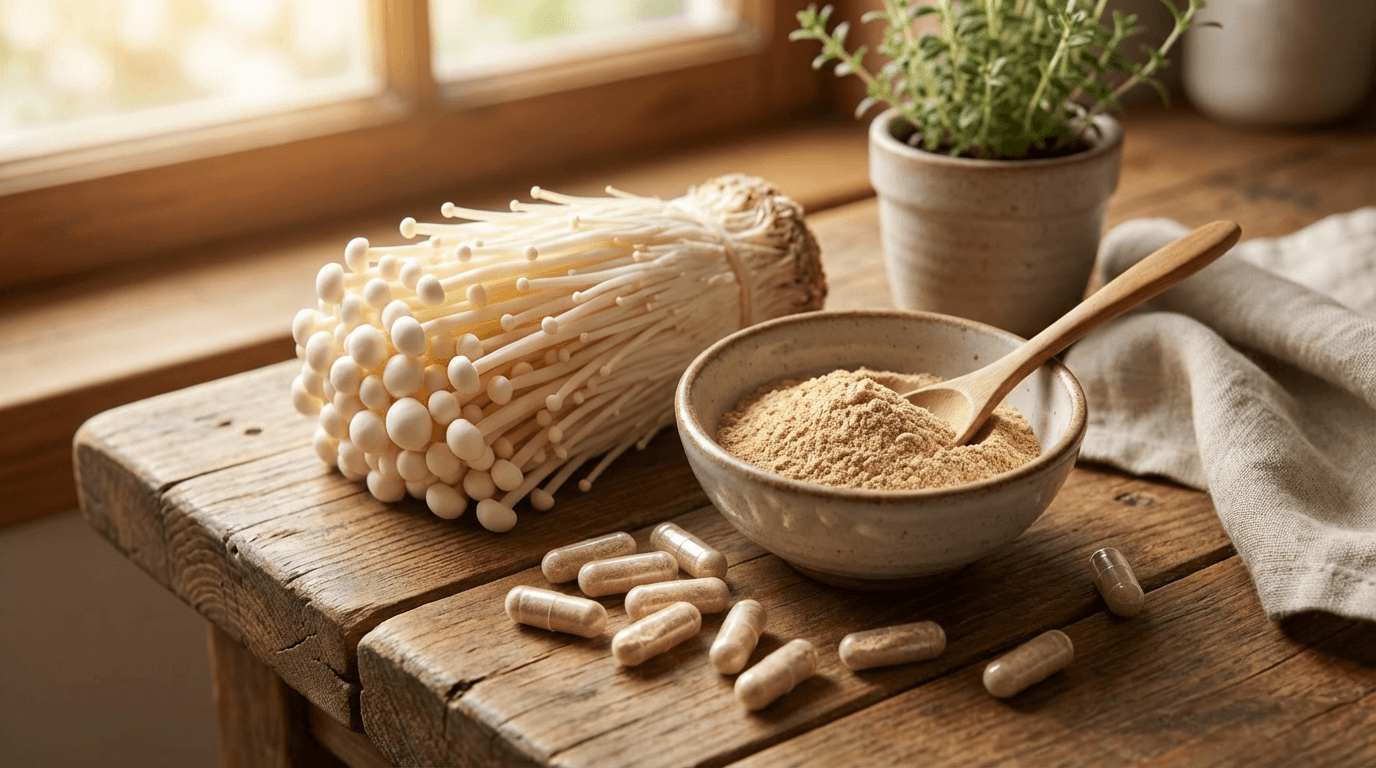
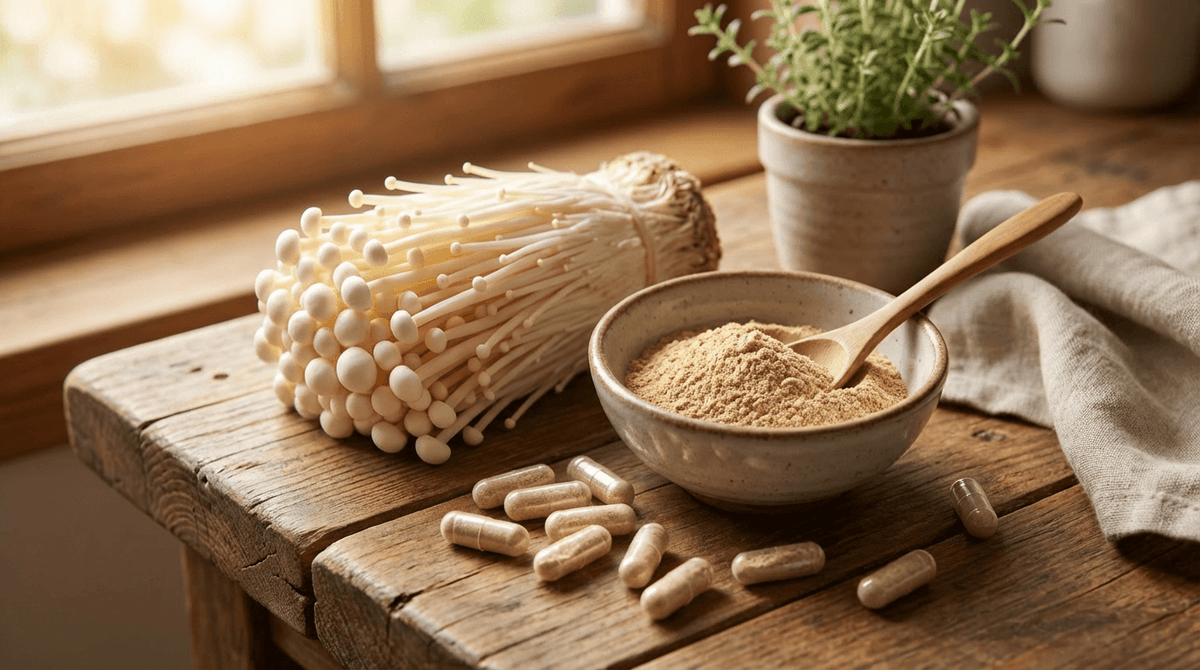
- Add powders to morning smoothies or oatmeal.
- Use capsules for easy, on-the-go dosing.
- Make a calming evening tea with reishi or chaga.
- Mix liquid extracts into water or herbal drinks.
Tip: If you forget a dose, don’t double up. Just continue your regular routine.
Credit: antioxi-supplements.com
Combining Mushrooms With Other Natural Remedies
Mushrooms can work alongside other natural supports:
- Herbs: Ashwagandha (stress), holy basil (immunity), and lemon balm (calm) pair well.
- Supplements: Vitamin D, omega-3s, and magnesium support recovery.
- Food: Eat plenty of protein, leafy greens, and healthy fats.
Always check for interactions, especially if you use prescription medications.
When To Expect Results
Mushrooms are not instant. Most mothers notice changes in 2–4 weeks. Energy improves first, then mood and immunity. Long-term use (3–6 months) gives the best results.
Non-obvious tip: If you stop taking mushrooms, benefits may fade within a few weeks. Consistency is key.
Credit: antioxi-supplements.com
Who Should Avoid The Mushroom Protocol
While most mothers can use mushrooms safely, avoid the protocol if:
- You are allergic to any mushroom
- You have a history of severe autoimmune disease (unless a doctor approves)
- You are taking strong immune-suppressing drugs
- You notice any side effects (rash, itching, trouble breathing)
When in doubt, ask a healthcare provider.
Frequently Asked Questions
Can I Use The Mushroom Protocol While Breastfeeding?
Most food-based mushrooms (like shiitake and reishi) are safe in normal food amounts. High-dose extracts should be discussed with your doctor, as research in breastfeeding women is limited.
How Long Should I Follow The Mushroom Protocol After Childbirth?
Most mothers benefit from at least 3–6 months of regular use. Some continue for a year or longer, especially if they still feel tired or run down.
Can I Combine Mushrooms With My Prenatal Vitamins?
Yes, most functional mushrooms are safe with prenatal vitamins. They do not supply the same nutrients, but work alongside them. Always check for any specific interactions with your healthcare provider.
What Are Signs That The Protocol Is Working?
Look for more steady energy, fewer infections, improved sleep, and a more stable mood. Keeping a journal can help you notice changes over time.
Are There Any Mushrooms I Should Avoid After Childbirth?
Avoid wild, unidentified mushrooms and all psychedelic mushrooms. Stick to proven medicinal types: reishi, cordyceps, lion’s mane, shiitake, turkey tail, maitake, and chaga from reputable sources.
Mushrooms are nature’s gentle healers. With the right protocol, they can support mothers in regaining their strength, protecting their health, and finding emotional balance in the precious weeks and months after childbirth. If you choose your mushrooms carefully, listen to your body, and combine them with healthy habits, your post-partum recovery can be more energetic, resilient, and joyful.