Recovering from surgery can be a long and challenging journey. Many people look for natural ways to support their healing, and functional mushrooms have become a popular choice. These are not the mushrooms you find on pizza—they are special types used for centuries in traditional medicine. Today, modern science is beginning to confirm some of their benefits, especially for post-surgery recovery. But which ones might actually help? And how do they work in the body? This article takes you through everything you need to know about functional mushrooms for healing after surgery, so you can make informed decisions for your own recovery.
Understanding Functional Mushrooms
Functional mushrooms are not your average kitchen ingredient. They are a group of medicinal fungi known for their health benefits beyond simple nutrition. These mushrooms contain bioactive compounds—substances that interact with the body in ways that may reduce inflammation, fight infection, and support the immune system.
Some of the most studied functional mushrooms include:
- Reishi
- Lion’s Mane
- Cordyceps
- Turkey Tail
- Chaga
- Maitake
- Shiitake
- Agaricus blazei
- Poria
- Tremella
Each mushroom has a unique set of compounds and potential benefits. While not a replacement for medical care, many people use these mushrooms alongside their doctor’s advice to support healing.
How Functional Mushrooms Work In The Body
Functional mushrooms contain beta-glucans, triterpenes, polysaccharides, and other compounds. These substances may:
- Support the body’s immune system
- Reduce unwanted inflammation
- Help fight infection
- Speed up tissue repair
It’s important to note: research is ongoing, and results can vary from person to person.
Why Post-surgery Recovery Needs Special Support
Surgery places stress on the body. The immune system works hard to prevent infection, manage inflammation, and rebuild damaged tissues. Many people also experience fatigue, pain, and sometimes complications like slow wound healing or infection.
Supporting the body during this time can make a real difference:
- Strong immune function reduces infection risk
- Balanced inflammation helps wounds heal faster
- Cellular repair restores strength and health
A good diet, rest, medical care, and sometimes natural supplements can all play a role.
Top Functional Mushrooms For Post-surgery Recovery
Let’s look at the most well-known functional mushrooms, how they may help after surgery, and what science says about their effects.
1. Reishi (ganoderma Lucidum)
Reishi is known as the “Mushroom of Immortality” in Chinese medicine. Its glossy red cap hides powerful compounds that may help recovery.
Key Benefits:
- Supports immune balance: Beta-glucans in reishi help regulate white blood cells, making the body better able to fight infection without overreacting.
- Reduces inflammation: Reishi contains triterpenes that may calm swelling and pain, which is important after surgery.
- Promotes relaxation: Many people report less anxiety and better sleep with reishi, which is important for healing.
Scientific Evidence:
A study in the journal *Frontiers in Pharmacology* (2017) found that reishi extracts help control immune responses and reduce oxidative stress, which can speed up recovery. Reishi also contains antioxidants that protect cells from damage.
How to Use:
Reishi is often taken as a powder, capsule, or tea. It has a bitter taste, so many prefer capsules.
Non-Obvious Insight: Reishi can interact with blood-thinning medications. Always discuss with your doctor before adding reishi to your routine.
2. Lion’s Mane (hericium Erinaceus)
Lion’s Mane looks like a white waterfall of shaggy spines. It’s famous for supporting the brain and nerves but may also help after surgery.
Key Benefits:
- Encourages nerve repair: Compounds called hericenones and erinacines support nerve growth, which may speed up healing from nerve injuries or surgeries near nerves.
- Boosts mental clarity: Surgery can cause “brain fog.” Lion’s Mane may help with memory and focus.
- Reduces inflammation: Like other functional mushrooms, it helps calm the immune response.
Scientific Evidence:
Research published in *International Journal of Medicinal Mushrooms* (2013) found that Lion’s Mane extracts promote nerve growth factor (NGF) in animals, suggesting possible support for nerve repair in humans.
How to Use:
Usually available as powders or capsules. It can also be cooked like a regular mushroom but is most potent in concentrated extracts.
Non-Obvious Insight: Lion’s Mane is especially useful for people recovering from surgeries that may affect nerves, like back or neck operations.
3. Cordyceps (cordyceps Militaris And Cordyceps Sinensis)
Cordyceps are unique—these mushrooms grow on insects in the wild but are now cultivated on grains for supplements. They are famous for boosting energy.
Key Benefits:
- Increases energy: Cordyceps help the body use oxygen more efficiently, reducing fatigue.
- Supports immune health: Contains polysaccharides that balance immune cell activity.
- May reduce inflammation and help tissue repair.
Scientific Evidence:
A 2016 review in *Phytotherapy Research* reported that cordyceps can improve exercise performance and speed up recovery in both animals and humans.
How to Use:
Commonly found in powder or capsule form. Often added to coffee or smoothies.
Non-Obvious Insight: Cordyceps may help people who feel very weak or tired after surgery, especially older adults.
4. Turkey Tail (trametes Versicolor)
This colorful mushroom gets its name from its striped, fan-like shape. Turkey Tail is one of the most studied functional mushrooms for immune support.
Key Benefits:
- Strong immune modulator: Contains PSK and PSP, compounds that support immune cell function.
- May reduce infection risk: Used alongside cancer treatment to help the body fight off infections.
- Supports gut health: Prebiotic fibers feed good bacteria, which is important after antibiotics.
Scientific Evidence:
A well-known study in *Global Advances in Health and Medicine* (2014) found that Turkey Tail extracts improved immune recovery in breast cancer patients after surgery and chemotherapy.
How to Use:
Often sold as a powder, capsule, or tea.
Non-Obvious Insight: Turkey Tail’s benefits for the immune system are especially helpful for people who have had major or repeated surgeries.
5. Chaga (inonotus Obliquus)
Chaga looks like a lump of burnt wood, but it is packed with antioxidants and immune-supporting compounds.
Key Benefits:
- High in antioxidants: Protects cells and tissues from damage during recovery.
- Reduces inflammation: May help reduce post-surgical pain and swelling.
- Supports the immune system: Helps balance immune response.
Scientific Evidence:
A 2015 study in *Journal of Ethnopharmacology* found that Chaga extracts reduced inflammation and oxidative stress in animal models.
How to Use:
Chaga is usually brewed as a tea or taken in powdered or extract form.
Non-Obvious Insight: Chaga’s high antioxidant content can support skin healing and reduce scarring.
6. Maitake (grifola Frondosa)
Maitake means “dancing mushroom” in Japanese. It has a rich, earthy flavor and is used both as food and medicine.
Key Benefits:
- Immune support: Contains D-fraction, a polysaccharide that helps regulate immune cells.
- May support blood sugar balance: Important for people who develop high blood sugar after surgery.
- Supports cardiovascular health: Maitake may help lower cholesterol, which is helpful during recovery.
Scientific Evidence:
Research in *Nutrition Research* (2013) found that maitake extracts improved immune function in postmenopausal women.
How to Use:
Available as capsules, extracts, or dried for soups.
Non-Obvious Insight: Maitake can be eaten as part of meals, making it easier to include in recovery diets.
7. Shiitake (lentinula Edodes)
Shiitake is popular in cooking, but also has many medicinal properties.
Key Benefits:
- Immune enhancement: Contains lentinan, which supports white blood cells.
- Antibacterial and antiviral: May help protect against infections after surgery.
- May improve circulation: Good blood flow helps wounds heal.
Scientific Evidence:
A 2011 study in *Journal of the American College of Nutrition* found that daily shiitake intake improved immune markers in healthy adults.
How to Use:
Shiitake can be used in soups, stir-fries, or taken as supplements.
Non-Obvious Insight: Shiitake is one of the best-studied mushrooms and is often safe for most people, even in food amounts.
8. Agaricus Blazei
Known as the “almond mushroom,” Agaricus blazei is prized for its immune-boosting properties.
Key Benefits:
- Immune support: High in beta-glucans for immune balance.
- May reduce inflammation: Supports the body’s healing process.
- May help with blood sugar control.
Scientific Evidence:
A 2016 clinical trial in *Complementary Therapies in Medicine* showed improved immune responses in patients who took Agaricus blazei after surgery.
How to Use:
Usually found as extracts or capsules.
Non-Obvious Insight: Agaricus blazei is often used in Japan for recovery after cancer surgery, showing its trusted role in traditional healing.
9. Poria (poria Cocos)
Poria is a type of fungus used in Chinese medicine. It grows on pine roots and looks more like a potato than a mushroom.
Key Benefits:
- Supports drainage: Used to reduce swelling and “dampness” (fluid retention) after surgery.
- Calms the mind: Traditionally used to reduce anxiety and help with sleep.
- Supports digestion: Can ease bloating and discomfort, which are common after surgery.
Scientific Evidence:
Research in *Chinese Medicine* (2017) suggests that Poria’s polysaccharides help reduce inflammation and support the immune system.
How to Use:
Commonly taken as a powder or boiled into tea.
Non-Obvious Insight: Poria is gentle and often used for people with sensitive stomachs or those recovering from abdominal surgery.
10. Tremella (tremella Fuciformis)
Known as the “snow fungus,” Tremella is valued for its jelly-like texture and benefits for skin and hydration.
Key Benefits:
- Supports skin repair: Contains polysaccharides that help hydrate and repair skin, useful for wound healing.
- Antioxidant power: Protects from damage during recovery.
- May support immune health.
Scientific Evidence:
A 2018 study in *Molecules* found that Tremella’s polysaccharides improved wound healing in animal models.
How to Use:
Often found in drinks, soups, or capsules.
Non-Obvious Insight: Tremella is popular in beauty routines in Asia for supporting clear, healthy skin after surgery.
Comparing Functional Mushrooms For Post-surgery Recovery
Choosing the right functional mushroom depends on your specific needs. Here is a comparison to help you see which mushrooms may be best for different recovery goals.
| Mushroom | Best For | Key Compound | Form Commonly Used |
|---|---|---|---|
| Reishi | Immune balance, relaxation | Beta-glucans, triterpenes | Capsule, tea |
| Lion’s Mane | Nerve repair, brain health | Hericenones, erinacines | Powder, capsule |
| Cordyceps | Energy, tissue repair | Polysaccharides | Powder, capsule |
| Turkey Tail | Immune defense, gut health | PSK, PSP | Powder, tea |
| Chaga | Antioxidant support, skin healing | Antioxidants, betulinic acid | Tea, powder |
| Maitake | Immune support, blood sugar | D-fraction | Capsule, dried |
| Shiitake | Immune enhancement, circulation | Lentinan | Food, supplement |
| Agaricus blazei | Immune boost, inflammation | Beta-glucans | Capsule, extract |
| Poria | Swelling, digestion | Polysaccharides | Powder, tea |
| Tremella | Skin repair, hydration | Polysaccharides | Capsule, food |

Credit: eliterapidcare.com
Practical Tips For Choosing And Using Functional Mushrooms
With so many options, it can be hard to know where to start. Here are some practical tips to help you make the best choice for your recovery.
1. Know Your Main Recovery Goal
First, decide what you need most:
- Is your main worry infection? Try Turkey Tail or Shiitake.
- Need to heal nerves? Lion’s Mane is a good choice.
- Need more energy? Cordyceps can help.
- Concerned about scarring or skin healing? Chaga or Tremella may be best.
2. Choose High-quality Products
Not all mushroom supplements are equal. Look for:
- Third-party testing for purity and strength
- Clear labeling of mushroom species and parts used (fruiting body is better than mycelium)
- Minimal fillers or additives
3. Start Small And Watch For Reactions
Begin with a low dose, especially if you have allergies or a sensitive stomach. Increase slowly and watch for any side effects.
4. Talk To Your Doctor
Some mushrooms can interact with medicines, especially those that affect the immune system or blood clotting. Always check with your healthcare provider.
5. Use In Food When Possible
Many functional mushrooms, like Shiitake and Maitake, are delicious and easy to add to soups or stir-fries. Using them in food is a gentle way to get their benefits.
Comparison Of Mushroom Forms
Different forms of mushrooms can be more or less effective, depending on how they are processed and used.
| Form | Absorption | Best For | Notes |
|---|---|---|---|
| Capsule/Tablet | Good | Precision, convenience | Easy to measure dose |
| Powder | Good | Add to drinks or food | Mixes well, flexible |
| Tea/Extract | Excellent | Quick absorption | Some taste bitter |
| Whole Food | Variable | Shiitake, Maitake | Best for food lovers |
Non-Obvious Insight: Some mushroom supplements are made from *mycelium* (the root-like part) grown on grain. These are often less potent than those made from the *fruiting body* (the mushroom cap). Always check the label for this detail.
Safety, Side Effects, And When To Avoid Functional Mushrooms
While functional mushrooms are natural, they are not always risk-free. Here are some important safety points:
- Allergic reactions: Some people are allergic to mushrooms. Symptoms can include rash, stomach upset, or difficulty breathing.
- Drug interactions: Reishi, for example, may thin the blood or interact with immune-suppressing drugs.
- Digestive discomfort: Start with a small dose to avoid bloating or nausea.
- Autoimmune diseases: If you have an autoimmune condition, some mushrooms might stimulate your immune system too much.
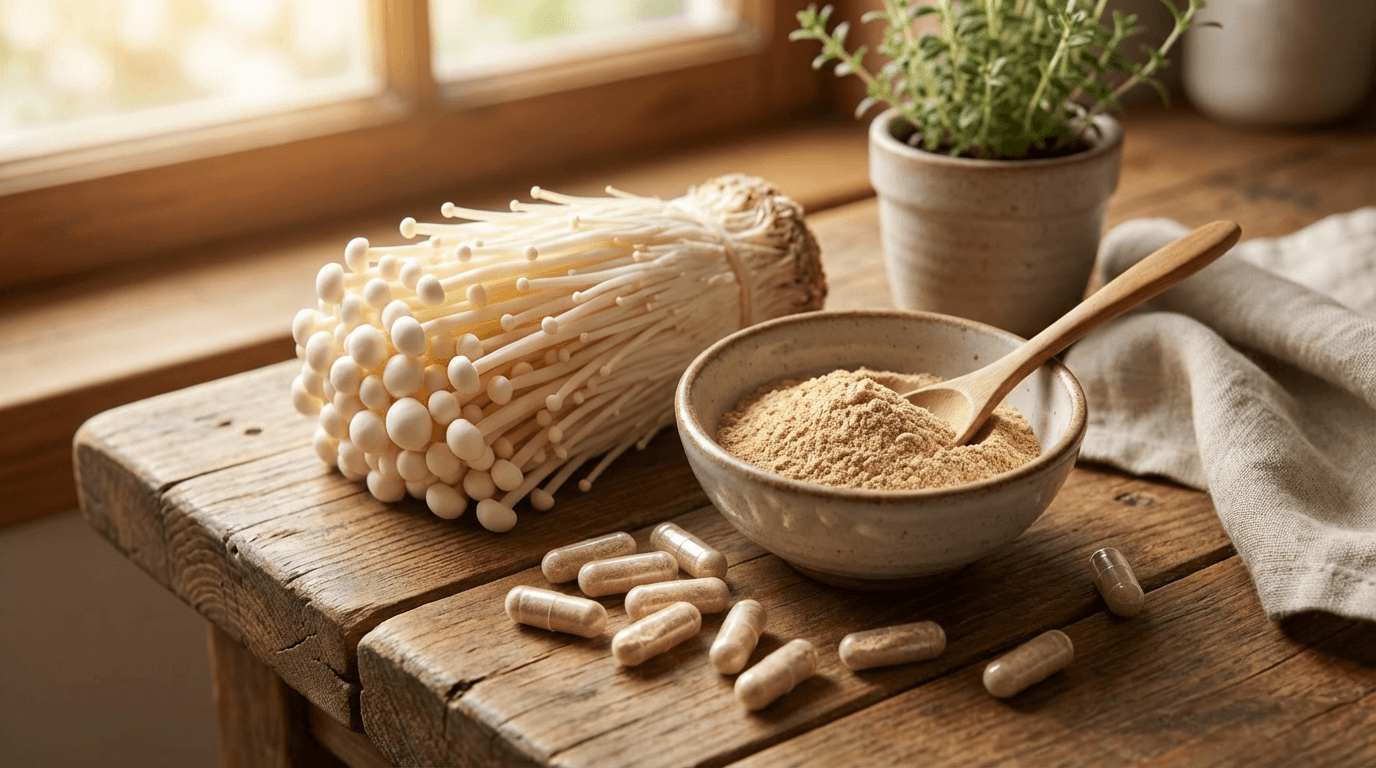
Always choose reputable brands and consult your doctor before starting any new supplement, especially after surgery.
Credit: antioxi-supplements.com
What Science Says About Functional Mushrooms For Recovery
There’s growing scientific interest in using functional mushrooms for recovery after surgery. Some of the most convincing evidence comes from:
- Turkey Tail: Used as an official medicine in Japan to support immune recovery after cancer surgery.
- Reishi: Shown to reduce inflammation and promote immune balance in multiple studies.
- Lion’s Mane: Studied for nerve repair and cognitive recovery after brain injuries.
- Agaricus blazei: Used in clinical trials for faster immune recovery post-surgery.
However, most studies use mushroom extracts, not whole mushrooms, and results can vary widely. More human research is needed, but early findings are promising.
For more on the science, see this overview from NCBI.
Integrating Functional Mushrooms Into Your Recovery Plan
Adding functional mushrooms to your recovery routine can be simple, but it works best when combined with other healthy habits. Here’s how to build a holistic plan:
- Follow your doctor’s advice. Mushrooms are not a replacement for medicine or wound care.
- Eat a balanced diet. Include plenty of protein, fruits, and vegetables.
- Stay hydrated. Water supports healing at every level.
- Get enough rest. Sleep is when your body repairs itself.
- Add mushrooms slowly. Start with one type, at a low dose, and increase as tolerated.
Sample Daily Routine For Post-surgery Recovery
- Morning: Take Lion’s Mane capsule for brain and nerve support.
- Lunch: Add Maitake or Shiitake to soup or stir-fry for immune boost.
- Afternoon: Drink Chaga tea for antioxidants.
- Evening: Take Reishi capsule or tea to promote relaxation and sleep.
Non-Obvious Insight: Combining different mushrooms can provide a wider range of benefits, but start with one to check for sensitivities.
Common Mistakes When Using Functional Mushrooms After Surgery
Even with the best intentions, mistakes happen. Here are some to avoid:
- Skipping medical advice: Never use mushrooms instead of prescribed medicines.
- Taking too many at once: More is not always better—start with one type.
- Ignoring allergies: Always test for reactions, especially if you have food allergies.
- Not checking supplement quality: Low-quality products can contain heavy metals or be ineffective.
Who Should Avoid Functional Mushrooms?
Some people should not use functional mushrooms, or should use them only under medical supervision:
- Pregnant or breastfeeding women: Safety is not well studied.
- Children: Use only if recommended by a pediatrician.
- People on immune-suppressing drugs: Mushrooms can boost the immune system.
- People with mushroom allergies: Should avoid all mushroom supplements.
Functional Mushrooms And Modern Medicine
You might wonder: do doctors really support using mushrooms after surgery? Opinions vary. In countries like Japan and China, mushrooms like Turkey Tail are used alongside mainstream treatments. In Western medicine, most doctors want more research before making recommendations.
Still, many surgeons and nutritionists agree that a healthy diet—including functional mushrooms—can support recovery. The key is using mushrooms as part of a bigger plan, not as a cure-all.
Frequently Asked Questions
What Are Functional Mushrooms?
Functional mushrooms are special types of mushrooms used for their health benefits. Unlike common cooking mushrooms, these have unique compounds that may support the immune system, reduce inflammation, and help the body recover after stress or illness.
Are Functional Mushrooms Safe After Surgery?
Most functional mushrooms are safe for healthy adults when used in normal amounts. However, they can interact with some medicines or cause allergies. Always check with your doctor before adding any new supplement after surgery.
How Soon After Surgery Can I Start Taking Functional Mushrooms?
It’s usually best to wait until you can eat and digest food normally. Start with a small amount, and only after checking with your healthcare provider to avoid any interactions with your medicines or recovery plan.
Which Mushroom Is Best For Wound Healing?
Chaga and Tremella are often chosen for skin repair because of their antioxidants and polysaccharides. Lion’s Mane can also help nerve healing after certain types of surgery.
Can I Take More Than One Type Of Functional Mushroom?
Yes, many people combine different mushrooms for a broader range of benefits. For example, you might use Reishi for relaxation, Cordyceps for energy, and Turkey Tail for immune support. Start with one and add more as your body adjusts.

Credit: yourhealthmagazine.net
Final Thoughts
Recovering from surgery is a time when your body needs every advantage. Functional mushrooms offer natural support for the immune system, energy levels, skin healing, and more. While not a replacement for medical care, they can be a helpful addition to your recovery plan—especially if you choose the right mushroom for your needs, use high-quality supplements, and work with your healthcare provider.
Remember, every person’s recovery is unique. Listen to your body, go slowly, and focus on a balanced approach. Functional mushrooms are one tool among many to help you heal stronger, feel better, and get back to life.