Few experiences in life are as powerful or transformative as childbirth. The post-partum period is both beautiful and challenging, as new mothers adjust to physical changes, emotional shifts, and the demands of caring for a newborn. Many women find themselves struggling with fatigue, weakened immunity, and fluctuating mood. Traditional recovery advice often focuses on rest, nutrition, and support. However, a growing number of health professionals and wellness advocates are exploring the potential of functional mushrooms to support post-partum recovery.
This article dives deep into the mushroom protocol for post-partum recovery, focusing on how carefully selected mushrooms may boost energy, strengthen immunity, and balance mood. We’ll explore the science behind these natural allies, how to use them safely, and what every new mother should know before starting a mushroom protocol. You’ll also find practical tips, real examples, and insights that go beyond the basics—helping you make confident, informed decisions for your well-being.
The Unique Needs Of Post-partum Recovery
Recovering from childbirth is not a one-size-fits-all journey. Each mother’s experience is shaped by her birth story, health background, and support system. However, there are some common challenges:
- Energy depletion: Labor and delivery tax the body, and sleep deprivation is common.
- Immunity dips: Hormonal shifts and physical stress can weaken the immune response.
- Mood swings: Emotional highs and lows, sometimes severe, affect many mothers.
Traditional post-partum care recommends nutritious food, hydration, gentle movement, and emotional support. Yet, for some mothers, these steps are not enough. This is where functional mushrooms come in.
What Is A Mushroom Protocol?
A mushroom protocol is a structured way of incorporating medicinal mushrooms into daily routines, often for a specific health goal. It involves:
- Choosing the right mushrooms for your needs.
- Deciding on the best form (powder, capsule, tincture, tea).
- Establishing a consistent dosing schedule.
- Monitoring effects and adjusting as needed.
Functional mushrooms are not the same as culinary mushrooms like button or portobello. They contain unique compounds that interact with the body in therapeutic ways. Popular varieties include Reishi, Lion’s Mane, Cordyceps, and Chaga.
How Mushrooms May Help Post-partum Mothers
Targeting Energy, Immunity, And Mood
Mushrooms are a natural fit for post-partum recovery because they offer:
- Adaptogenic support: Helping the body adapt to stress and restore balance.
- Immunomodulation: Strengthening or calming the immune system as needed.
- Neurotrophic effects: Supporting brain health and mood.
Below, we’ll look at specific mushrooms and how they address key post-partum concerns.
Top Mushrooms For Post-partum Recovery
1. Reishi (ganoderma Lucidum)
Reishi is often called the “mushroom of immortality.” It has a long history in traditional Chinese medicine and is prized for its calming and immune-supporting properties.
- Immunity: Polysaccharides in reishi boost white blood cell activity, which helps the body defend against infections.
- Mood: Triterpenes in reishi may reduce anxiety and support emotional balance.
- Energy: Reishi helps regulate sleep cycles, which indirectly improves energy.
A 2020 study found that reishi supplementation improved fatigue and quality of life in women experiencing chronic stress. For new mothers, this can translate into more resilience and steadier moods.
2. Lion’s Mane (hericium Erinaceus)
Lion’s Mane is famous for its effects on the brain and nervous system.
- Mood: It contains hericenones and erinacines, compounds that stimulate Nerve Growth Factor (NGF) and support cognitive function. Some studies link lion’s mane to reduced anxiety and depression symptoms.
- Energy: By supporting healthy brain function and reducing “brain fog,” lion’s mane can help mothers feel more alert and clear-headed.
- Immunity: Beta-glucans in lion’s mane strengthen the body’s defense mechanisms.
Notably, a 2010 Japanese study found that post-menopausal women taking lion’s mane reported less irritation and anxiety compared to a placebo group.
3. Cordyceps (cordyceps Militaris And Sinensis)
Cordyceps has been used by athletes for decades to improve stamina and oxygen uptake.
- Energy: Cordycepin, a key compound, boosts ATP production, which fuels muscles and reduces fatigue.
- Immunity: Cordyceps modulates the immune response, making the body more resilient to stress and illness.
- Mood: By balancing stress hormones, cordyceps may help stabilize mood swings.
Cordyceps is especially useful for mothers who feel constantly drained or need physical endurance to meet daily demands.
4. Chaga (inonotus Obliquus)
Chaga is a potent antioxidant powerhouse.
- Immunity: Rich in beta-glucans, melanin, and other immune-boosting compounds, chaga helps the body fight off viruses and bacteria.
- Energy: Its antioxidant properties reduce inflammation, which can sap energy.
- Mood: By protecting the nervous system from oxidative stress, chaga may help stabilize mood over time.
A 2015 study showed that chaga extract increased white blood cell counts and improved immune recovery in test subjects.
5. Maitake (grifola Frondosa)
Maitake is sometimes called “the dancing mushroom” and is popular for metabolic support.
- Immunity: D-fraction, a unique polysaccharide, enhances immune cell activity.
- Energy: Maitake helps balance blood sugar, which can reduce energy crashes common during post-partum.
- Mood: Stable blood sugar can contribute to a more even mood.
For mothers experiencing blood sugar dips or hormonal swings, maitake can be a gentle yet effective addition.
6. Shiitake (lentinula Edodes)
Shiitake is both a culinary and medicinal mushroom.
- Immunity: Contains lentinan, which has been studied for its antiviral and antibacterial properties.
- Energy: Shiitake supports healthy red blood cell production, which is important if there was significant blood loss during delivery.
- Mood: Its B vitamins support nervous system function.
Shiitake is a good entry-level mushroom for those new to protocols.
7. Turkey Tail (trametes Versicolor)
Turkey Tail is rich in polysaccharopeptides (PSP and PSK), which have been widely researched for immune support.
- Immunity: PSK is used in some countries as an adjunct cancer therapy due to its immune-modulating effects.
- Energy: By supporting gut health, turkey tail can improve nutrient absorption and energy levels.
- Mood: A healthy gut-brain axis is linked to better mood regulation.
Post-partum mothers with digestive issues may benefit from adding turkey tail.
Comparison Of Mushroom Benefits For Post-partum Recovery
To help you see which mushrooms target your biggest concerns, here’s a summary:
| Mushroom | Energy | Immunity | Mood | Unique Strength |
|---|---|---|---|---|
| Reishi | ✓ | ✓✓ | ✓✓ | Calming, sleep support |
| Lion’s Mane | ✓✓ | ✓ | ✓✓✓ | Brain & nerve support |
| Cordyceps | ✓✓✓ | ✓✓ | ✓ | Physical stamina |
| Chaga | ✓ | ✓✓✓ | ✓ | Antioxidant defense |
| Maitake | ✓✓ | ✓✓ | ✓ | Blood sugar balance |
| Shiitake | ✓ | ✓✓ | ✓ | B vitamins |
| Turkey Tail | ✓ | ✓✓✓ | ✓ | Gut health |
✓ = Mild, ✓✓ = Moderate, ✓✓✓ = Strong Effect
Science Behind Mushrooms And Post-partum Health
Immunity: How Mushrooms Work
After childbirth, the immune system is in flux. Mushrooms like reishi, chaga, and turkey tail contain beta-glucans and polysaccharides, which interact with immune cells such as macrophages and natural killer cells. These compounds either boost a weakened immune response or help calm an overactive one.
A 2019 review in the journal “Nutrients” highlighted that mushroom beta-glucans could reduce the risk of upper respiratory tract infections, a common concern for sleep-deprived mothers.
Energy: Cellular Support
Physical exhaustion is normal after birth. Cordyceps is unique in that it enhances the body’s production of adenosine triphosphate (ATP)—the main energy currency in cells. This means mothers may feel less fatigue and recover faster from daily exertion.
Maitake also helps by stabilizing blood sugar, preventing energy crashes that come from hormonal changes and irregular eating.
Mood: Neuroprotection And Balance
Mood disorders are common post-partum. Lion’s mane is notable for its neurotrophic effects. Its compounds stimulate the production of NGF, which supports brain cell repair and growth. This may help reduce brain fog and improve emotional stability.
Reishi and chaga have calming properties, which can ease anxiety and support restful sleep—a key factor in mood regulation.
The Real-world Experience: Case Examples
Many mothers have shared their experiences using mushroom protocols:
- Sara, age 34: After her second baby, Sara felt constant fatigue. After adding cordyceps and lion’s mane to her morning smoothie, she noticed better focus and a gradual increase in energy. She also felt less anxious, especially on days with little sleep.
- Lina, age 29: Lina struggled with repeated colds and poor sleep. Her protocol included reishi at night and turkey tail during the day. Within two months, her sleep improved, and she felt more resilient to infections.
- Jenna, age 38: Jenna’s main issue was mood swings. She chose lion’s mane and reishi. She reported that within three weeks, her mood was steadier, and she felt more present with her baby.
These stories are not clinical studies, but they show how protocols can be tailored to each mother’s needs.
Protocol Design: How To Start And What To Expect
Choosing Your Mushrooms
Start by identifying your main challenges. Are you more affected by fatigue, frequent illness, or mood swings? Choose 1–2 mushrooms that target your biggest needs, and consider a third for overall support.
- For energy: Cordyceps and maitake
- For immunity: Reishi, chaga, turkey tail
- For mood: Lion’s mane and reishi
Dosage And Form
Mushrooms come in several forms:
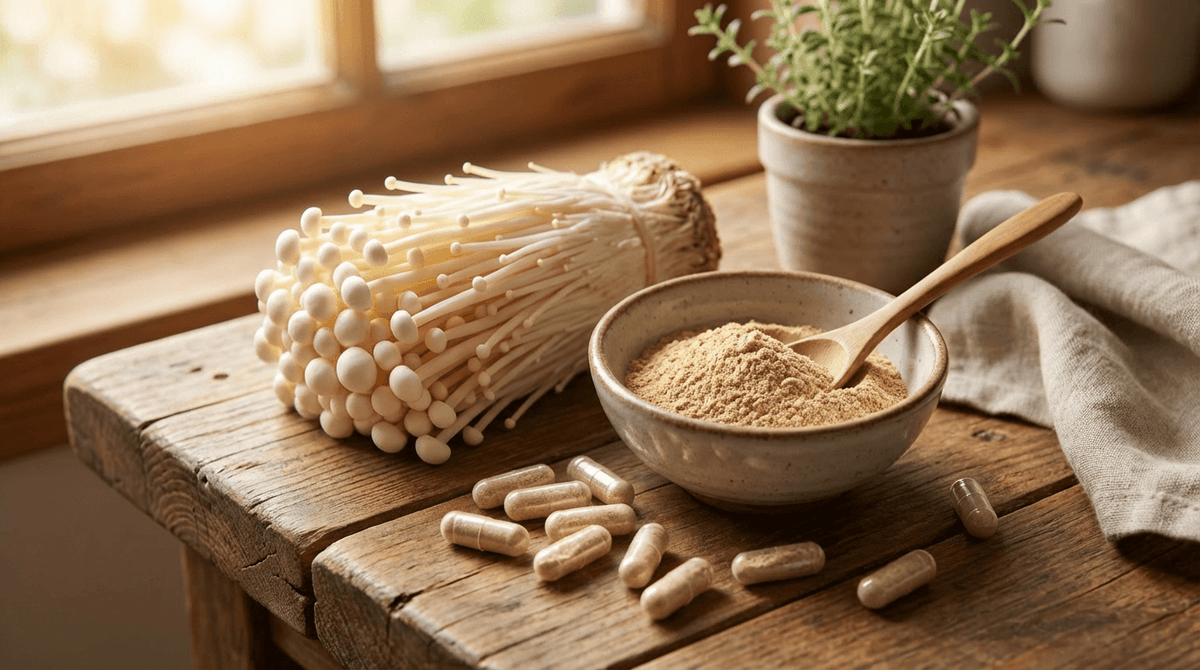
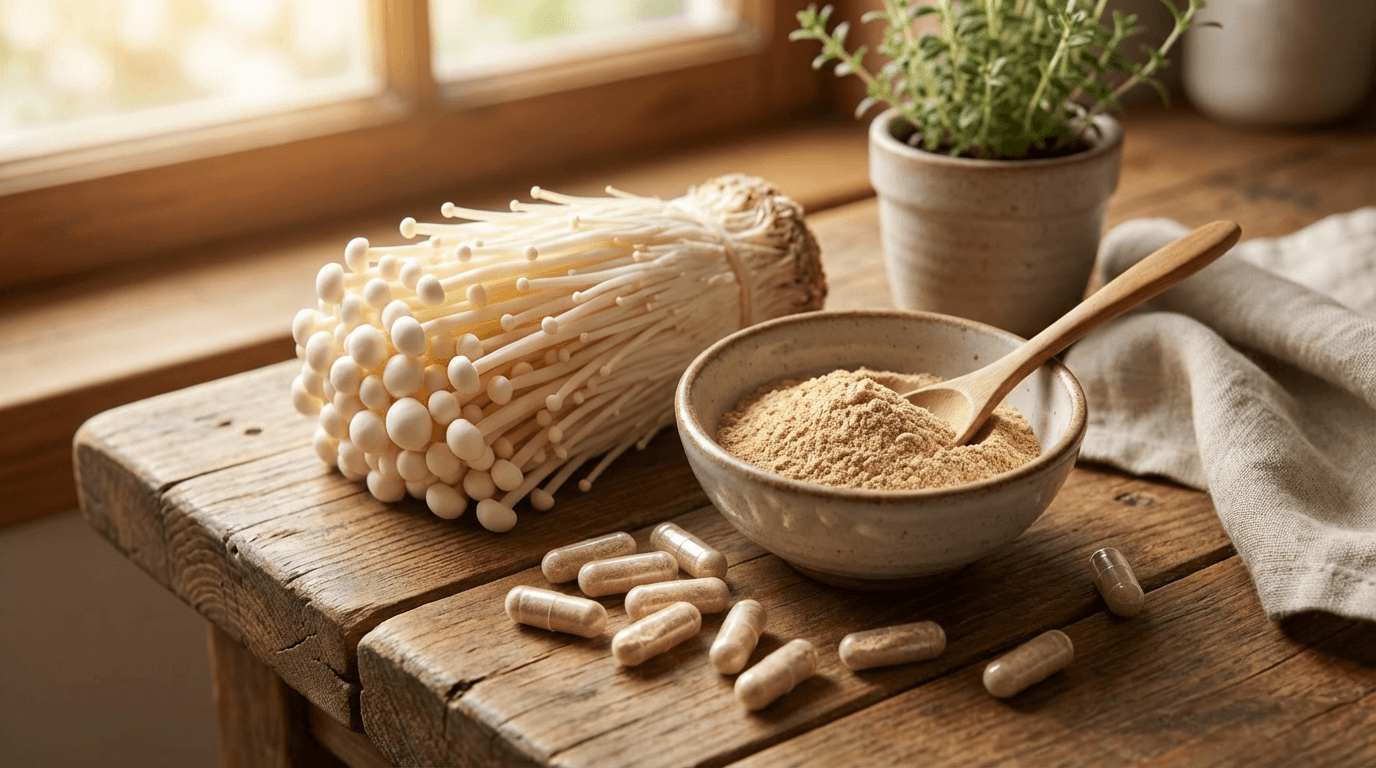
- Powder: Easily added to smoothies, coffee, or oatmeal.
- Capsules: Convenient, tasteless, and portable.
- Tinctures: Extracted in alcohol or glycerin; fast absorption.
- Teas: Traditional, but may require larger amounts for medicinal effects.
For post-partum mothers, powders and capsules are usually easiest to incorporate into a busy routine.
A typical starting dose is:
- 500mg to 1g per mushroom per day (check product labels).
- Increase slowly, monitoring for side effects.
- Rotate mushrooms every few weeks for best results.
Timing And Consistency
- Take energy-boosting mushrooms (cordyceps, lion’s mane) in the morning or early afternoon.
- Calming mushrooms (reishi, chaga) are best taken in the evening.
- For immunity, turkey tail and shiitake can be taken any time.
Consistency is more important than high doses. Effects build up over weeks, not days.
Example Daily Protocol
Here’s an example protocol for a mother focusing on all three areas:
- Morning: 1g lion’s mane, 1g cordyceps powder in a smoothie.
- Afternoon: 1g turkey tail capsule with lunch.
- Evening: 1g reishi powder in warm almond milk.
Always consult your healthcare provider before starting, especially if you’re breastfeeding or taking medication.
Credit: antioxi-supplements.com
Safety Considerations And Contraindications
Mushrooms are generally safe when used as supplements, but there are important guidelines:
- Allergies: Some people are allergic to mushrooms. Start with a small dose.
- Drug interactions: Mushrooms can interact with immune-suppressing drugs, blood thinners, or diabetes medications.
- Pregnancy and breastfeeding: Most mushrooms are considered safe, but data is limited. Always check with your doctor.
Some mushrooms, like reishi, may lower blood pressure. Cordyceps can sometimes cause digestive upset if used in high doses. Listening to your body and reporting changes to your healthcare provider is essential.
Potential Side Effects And How To Manage Them
While side effects are rare, they can include:
- Digestive upset: Bloating or loose stools, especially with high doses or when combining several mushrooms.
- Skin reactions: Itching or rash, usually mild.
- Headaches or dizziness: Often from dehydration—drink plenty of water.
To minimize risks:
- Start with one mushroom at a low dose.
- Wait a week before adding another.
- Monitor for changes in mood, sleep, or digestion.
If side effects appear, stop the protocol and consult a healthcare provider.
How To Choose Quality Mushroom Supplements
Not all mushroom products are created equal. Here’s what to look for:
- Certified organic: Reduces the risk of pesticide contamination.
- Fruiting body vs. mycelium: Fruiting bodies generally have higher concentrations of active compounds.
- Third-party testing: Ensures purity and potency.
- Transparency: Reputable brands share their sourcing and extraction methods.
Avoid products with fillers, artificial colors, or unclear labeling. Third-party reviews and lab certificates are a plus.
Below is a comparison of common mushroom supplement types:
| Form | Absorption Speed | Ease of Use | Best For |
|---|---|---|---|
| Powder | Moderate | Easy (if mixed in food) | Flexible dosing, smoothies |
| Capsules | Slow-moderate | Very easy | On-the-go, no taste |
| Tincture | Fast | Easy (drops in liquid) | Quick absorption, sensitive digestion |
| Tea | Slow | Moderate (time to brew) | Traditional, relaxing evening routine |
Practical Tips For Using Mushrooms In Post-partum Life
- Pair with nutrient-rich foods: Adding mushroom powder to smoothies, soups, or oatmeal increases absorption and helps mask strong flavors.
- Set a routine: Link mushroom intake to an existing habit, such as breakfast or evening wind-down.
- Track effects: Keep a simple journal noting energy, mood, immunity, and sleep changes.
- Rotate mushrooms: Every 4–6 weeks, switch the main mushroom to avoid adaptation.
- Combine with other practices: Mushrooms work best alongside good sleep, hydration, and emotional support.
Credit: antioxi-supplements.com
Common Mistakes And How To Avoid Them
- Overdoing it: High doses do not always work better and may cause side effects.
- Ignoring medical advice: Mushrooms are supportive, not replacements for medical care.
- Skipping quality checks: Cheap or untested products may be ineffective or contaminated.
- Expecting instant results: Benefits are subtle and cumulative—patience is key.
Mushroom Protocols And Breastfeeding
Many mothers worry about the safety of mushrooms while breastfeeding. Most functional mushrooms are considered safe in moderate amounts, but research is limited. The main advice:
- Use single-ingredient products.
- Choose organic and third-party tested brands.
- Monitor your baby for changes in digestion or behavior.
If in doubt, consult a lactation consultant or doctor with experience in integrative medicine.

Credit: www.amazon.com
Integrating Mushrooms With Other Post-partum Supports
Mushrooms are not magic pills—they work best when combined with:
- Balanced nutrition: Whole grains, leafy greens, healthy fats, and protein support energy and mood.
- Hydration: Water, herbal teas, and broths help flush toxins and keep cells functioning.
- Gentle movement: Walking, stretching, and post-partum yoga improve circulation and mood.
- Rest and boundaries: Learning to say no and prioritizing sleep are as important as supplements.
Social support—partners, friends, or online communities—remains essential. Mushrooms enhance, but do not replace, these foundational supports.
Evidence And Research: What The Science Says
While the use of mushrooms for post-partum recovery is growing, high-quality human studies are limited. Most evidence comes from:
- Animal studies: Showing immune and neuroprotective effects.
- Small human trials: Indicating benefits for mood, fatigue, and immunity.
- Traditional use: Centuries of use in China, Japan, and Eastern Europe for post-illness recovery.
A key insight: the compounds found in functional mushrooms are well-researched for their effects on immunity and the nervous system, but more studies are needed on post-partum women specifically.
You can find further research summaries at this NIH resource.
Non-obvious Insights For Beginners
- Mushrooms are synergistic: Using more than one mushroom may enhance effects, but it’s better to add them gradually than to start with a large blend. Your body needs time to adjust.
- Mood and immunity are connected: Improving gut health with mushrooms like turkey tail can stabilize mood, because much of the body’s serotonin is produced in the gut.
- Fresh vs. supplement: Culinary mushrooms (like shiitake) are healthy, but supplements are usually needed for therapeutic effects. Don’t rely on grocery store mushrooms alone if you want real results.
- Timing matters: Taking cordyceps or lion’s mane late in the day may disrupt sleep. Take energizing mushrooms early and calming ones later.
- Check for stacking effects: If you’re already taking adaptogens or other herbal supplements, adjust doses to avoid overstimulation.
Frequently Asked Questions
What Is The Best Mushroom For Post-partum Energy?
Cordyceps is often the top choice for boosting energy, thanks to its ability to increase ATP production in cells. Many mothers also find lion’s mane helpful for mental clarity. However, the best mushroom depends on your personal needs and health background.
Are Medicinal Mushrooms Safe During Breastfeeding?
Most functional mushrooms are considered safe in moderate, supplement-level doses. Use single-ingredient, organic, and third-party tested products. Always consult your healthcare provider, and monitor your baby for any digestive changes.
How Long Does It Take To See Results From A Mushroom Protocol?
Most mothers notice subtle changes in energy, immunity, or mood within 2–4 weeks of consistent use. Full benefits may take 6–12 weeks. Keep a journal to track your progress, and adjust your protocol if needed.
Can I Use Mushrooms With Other Supplements Or Medications?
Generally, mushrooms pair well with vitamins and minerals. However, they can interact with some medications—especially immune suppressants, blood thinners, and diabetes drugs. Always check with your doctor before adding mushrooms if you take medication.
What Should I Do If I Experience Side Effects?
Common side effects are mild and include digestive upset or skin itching. Stop the mushroom supplement, drink water, and consult your healthcare provider. Resume at a lower dose or try a different mushroom if advised.
Final Thoughts
The post-partum journey is unique and sometimes unpredictable. Functional mushrooms offer a gentle, adaptable way to support energy, immunity, and mood during recovery. By choosing the right mushrooms, starting with quality products, and integrating them with healthy habits, many mothers find a smoother path through the early months of motherhood.
Remember, mushrooms are allies, not magic fixes. Listen to your body, stay patient, and reach out for support when needed. With the right approach, you can build resilience for yourself and your family—one day at a time.