Aging can bring many changes to our bodies, but the eyes often show signs first. Vision becomes less sharp, colors fade, and problems like macular degeneration and cataracts can appear. Many people look for solutions, from medical treatments to natural methods. Recently, the idea of a mushroom protocol for aging eyes has gained attention. Mushrooms, long valued in traditional medicine, are now being studied for their power to support eye health, especially for those at risk of vision loss.
This article explores how different mushrooms may help protect aging eyes, what science says about their benefits, and how you can use them in your daily routine. You’ll find clear explanations, practical advice, and insights into common mistakes to avoid.
If you want to keep your eyesight strong as you age, this guide will show you how mushrooms might play a key role.
Understanding Aging Eyes: Challenges And Changes
As we age, our eyes go through natural changes. The lens becomes less flexible, making it harder to focus. The retina, which senses light, can lose its ability to process images sharply. Two of the most common problems are macular degeneration and cataracts.
Macular degeneration is damage to the central part of the retina (the macula), which controls detailed vision. This can make reading, driving, and recognizing faces difficult. There are two types: dry (more common, slower progress) and wet (faster, more severe).
Cataracts are cloudy spots in the eye’s lens. They develop slowly, making vision blurry or dim. Surgery can remove cataracts, but not everyone is a candidate, and prevention is always better than treatment.
Other problems include dry eyes, poor night vision, and increased risk of eye infections. Many of these issues are linked to oxidative stress, inflammation, and the slow decline of the body’s natural defense systems.
Why Mushrooms For Eye Health?
Mushrooms are more than just food; they are packed with bioactive compounds that can help the body fight disease and aging. For centuries, traditional medicine in Asia has used mushrooms to boost immunity and protect against illness.
Modern science now shows that certain mushrooms have antioxidant, anti-inflammatory, and neuroprotective properties. These qualities are important for keeping the eyes healthy. Mushrooms are also a source of nutrients often missing from a typical diet, like ergothioneine, beta-glucans, and polysaccharides.
But what makes mushrooms unique for eye health? Unlike many supplements, mushrooms contain compounds that can cross the blood-retina barrier, reaching the delicate tissues of the eye. This means their protective effects can work exactly where they are needed.
Key Mushrooms For Aging Eyes
Not all mushrooms have the same benefits. Here are the most researched and promising types for supporting vision, especially against macular degeneration and cataracts.
1. Lion’s Mane (hericium Erinaceus)
Lion’s Mane is famous for supporting brain health, but it also protects nerve cells in the eyes. It contains hericenones and erinacines, which stimulate nerve growth and repair.
Studies show that Lion’s Mane may:
- Reduce inflammation in the retina
- Support regeneration of retinal cells damaged by aging or disease
- Help maintain healthy blood flow in eye tissues
This mushroom is especially useful for people worried about macular degeneration, where nerve cell loss is a main factor.
2. Reishi (ganoderma Lucidum)
Reishi, known as the “mushroom of immortality,” is packed with triterpenes and polysaccharides that fight inflammation and oxidative stress.
For the eyes, Reishi may:
- Lower risk of cataract formation by reducing oxidative damage to the lens
- Slow the progression of retinal diseases linked to aging
- Support immune health, which is important for fighting eye infections
People who use Reishi often notice less eye strain and clearer vision over time.
3. Shiitake (lentinula Edodes)
Shiitake mushrooms are rich in lentinan and ergothioneine, two compounds with strong antioxidant effects. Ergothioneine is especially important because it is found in high concentrations in the eye.
Benefits for aging eyes include:
- Helping the eye’s natural defense against UV light and toxins
- Reducing the risk of cataract by protecting the lens from free radicals
- Supporting overall eye tissue health
A diet with regular shiitake mushrooms can give ongoing support for vision.
4. Cordyceps (cordyceps Sinensis)
Cordyceps is known for boosting energy and blood flow. For eye health, this means better delivery of nutrients and oxygen to delicate tissues.
Cordyceps may:
- Improve microcirculation in the retina
- Help slow the aging of eye cells
- Reduce inflammation linked to both macular degeneration and cataracts
This mushroom is ideal for those with poor blood flow or who spend long hours in front of screens.
5. Maitake (grifola Frondosa)
Maitake is rich in beta-glucans, which boost immune function and lower inflammation.
For the eyes, Maitake can:
- Support the body’s response to oxidative stress, the main cause of cataract and retinal damage
- Help maintain healthy blood sugar (important because diabetes can speed up eye aging)
- Provide B vitamins and minerals that support eye metabolism
Maitake is often used in combination with other mushrooms for best results.
6. Chaga (inonotus Obliquus)
Chaga is a powerhouse of antioxidants, especially superoxide dismutase (SOD) and melanin.
Chaga’s benefits for the eyes:
- SOD fights free radicals that damage the retina and lens
- Melanin helps absorb harmful blue and UV light, protecting sensitive eye tissues
- May slow the development of both macular degeneration and cataracts
Chaga is especially helpful for those exposed to sunlight for long periods.
7. Turkey Tail (trametes Versicolor)
Turkey Tail contains PSK and PSP, two polysaccharides with strong immune-boosting effects.
How Turkey Tail helps aging eyes:
- Reduces inflammation that can trigger retinal damage
- Supports the body’s ability to repair eye tissues
- Helps fight infections that sometimes complicate eye diseases
Turkey Tail is often used with other mushrooms for a broader effect.
8. Agaricus Blazei
This mushroom contains high levels of beta-glucans and ergosterol.
Agaricus Blazei may:
- Help lower blood sugar and cholesterol, both linked to eye aging
- Protect lens and retina from oxidative stress
- Support immune health, which is key for preventing infections
While not as famous as Reishi or Shiitake, Agaricus Blazei is a valuable addition to any mushroom protocol.
9. Oyster Mushroom (pleurotus Ostreatus)
Oyster mushrooms are high in niacin, vitamin D, and antioxidants.
For the eyes, they can:
- Support the repair of damaged cells
- Provide nutrients needed for healthy lens and retina
- Help the body manage inflammation
Oyster mushrooms are easy to add to meals and offer gentle, ongoing support for eye health.
10. Enokitake (flammulina Velutipes)
Enokitake is packed with antioxidants and polysaccharides.
Benefits for aging eyes:
- Protects against free radical damage
- Supports eye cell repair
- May help slow the progress of cataracts
Enokitake is often used in soups and salads, making it a simple way to help your eyes daily.
How Mushrooms Work: Mechanisms For Eye Support
Mushrooms support aging eyes through several key actions:
- Antioxidant action: They neutralize free radicals, preventing cell damage that leads to cataracts and macular degeneration.
- Anti-inflammatory effects: Chronic inflammation is a hidden cause of many eye diseases. Mushrooms help calm this response.
- Nerve support: Some mushrooms (like Lion’s Mane) help nerves repair and grow, which is crucial for retina health.
- Immune modulation: Healthy eyes need a balanced immune system to prevent infections without causing harmful inflammation.
- Blood sugar control: High blood sugar speeds up eye aging. Mushrooms like Maitake help keep it in check.
- Light protection: Pigments in mushrooms, like melanin from Chaga, help absorb harmful blue and UV light.
These effects combine to slow eye aging and protect vision.
Scientific Evidence: What Research Says
The use of mushrooms for eye health is growing, but what does the research say? Here’s a summary of key findings.
| Mushroom | Main Benefit | Study Result |
|---|---|---|
| Lion’s Mane | Nerve regeneration | Improved retinal cell repair in animal studies |
| Reishi | Antioxidant | Reduced lens opacity in cataract models |
| Shiitake | UV protection | Higher ergothioneine levels in eye tissues |
| Chaga | Light defense | Decreased retinal damage after blue light exposure |
| Maitake | Blood sugar control | Slower progression of diabetic eye changes |
One human study showed that people who ate mushrooms at least twice a week had a lower risk of developing cataracts compared to those who rarely ate them. Another study found that supplementing with Lion’s Mane improved contrast sensitivity in older adults.
However, most research is still early-stage. There are few large clinical trials, so more studies are needed to confirm the best doses and combinations for eye health.
Building A Mushroom Protocol For Aging Eyes
Creating a mushroom protocol means using specific mushrooms, in the right amounts, regularly, to support your vision. Here’s how to get started.
Choose Your Mushrooms
Pick 2–4 mushrooms from the list above based on your needs. For example:
- If you are concerned about macular degeneration: Lion’s Mane, Chaga, and Reishi are good choices.
- For cataract prevention: Shiitake, Maitake, and Reishi work well.
- If you want overall eye support: Use a blend, such as Lion’s Mane, Maitake, and Turkey Tail.
Decide On Form: Fresh, Powder, Or Extract
Mushrooms can be used in three main forms:
- Fresh: Best for daily meals. Cooking increases nutrient absorption.
- Powder: Easy to add to smoothies, coffee, or food.
- Extract: Most concentrated, usually in capsules or tinctures.
Extracts are best for people with specific eye concerns, as they contain higher levels of active compounds.
Dosage Recommendations
There is no single “best” dose, but general guidelines are:
- Fresh mushrooms: 100–200 grams per day (cooked)
- Powder: 2–5 grams per day
- Extract: Follow the label, but usually 500–1500 mg per day
Always start with a lower dose and increase slowly to see how your body reacts.
Combining With Other Eye Nutrients
Mushrooms work even better with other nutrients. Consider adding:
- Lutein and zeaxanthin (from leafy greens)
- Vitamin C and E
- Zinc
- Omega-3 fatty acids (from fish or flaxseed)
This combination gives your eyes a “full spectrum” defense.
How To Add Mushrooms To Your Diet
Here are some easy ways to use mushrooms daily:
- Add sliced shiitake or oyster mushrooms to stir-fries
- Blend Lion’s Mane or Reishi powder into your morning coffee
- Use Maitake in soups or stews
- Make a tea with dried Reishi or Chaga
- Take a daily mushroom extract capsule
Variety is key. Rotating different mushrooms helps you get a wider range of benefits.
Common Mistakes To Avoid
It’s easy to make errors when starting a mushroom protocol. Here are the mistakes most beginners miss:
- Using only one type of mushroom: Each mushroom offers different benefits. Combining 2–4 types gives better results.
- Not cooking mushrooms: Many mushrooms are hard to digest raw. Cooking helps release their nutrients.
- Buying low-quality supplements: Choose brands that test for heavy metals and toxins. Cheap powders may be contaminated.
- Expecting instant results: Eye support takes time—usually at least 2–3 months to notice changes.
- Ignoring other eye health basics: Mushrooms help most when combined with good sleep, less screen time, and regular eye checkups.
Safety, Side Effects, And Who Should Avoid
Mushrooms are safe for most people, but some need to be careful.
- Allergy: Some people are allergic to certain mushrooms. Start with a small dose.
- Drug interactions: If you take blood thinners or immune-suppressing drugs, talk to your doctor first.
- Digestive upset: High doses can cause bloating or diarrhea. Start low and increase slowly.
- Autoimmune diseases: Mushrooms that boost immunity may not be right for people with autoimmune conditions.
Pregnant or breastfeeding women should consult a healthcare provider before starting a mushroom protocol.
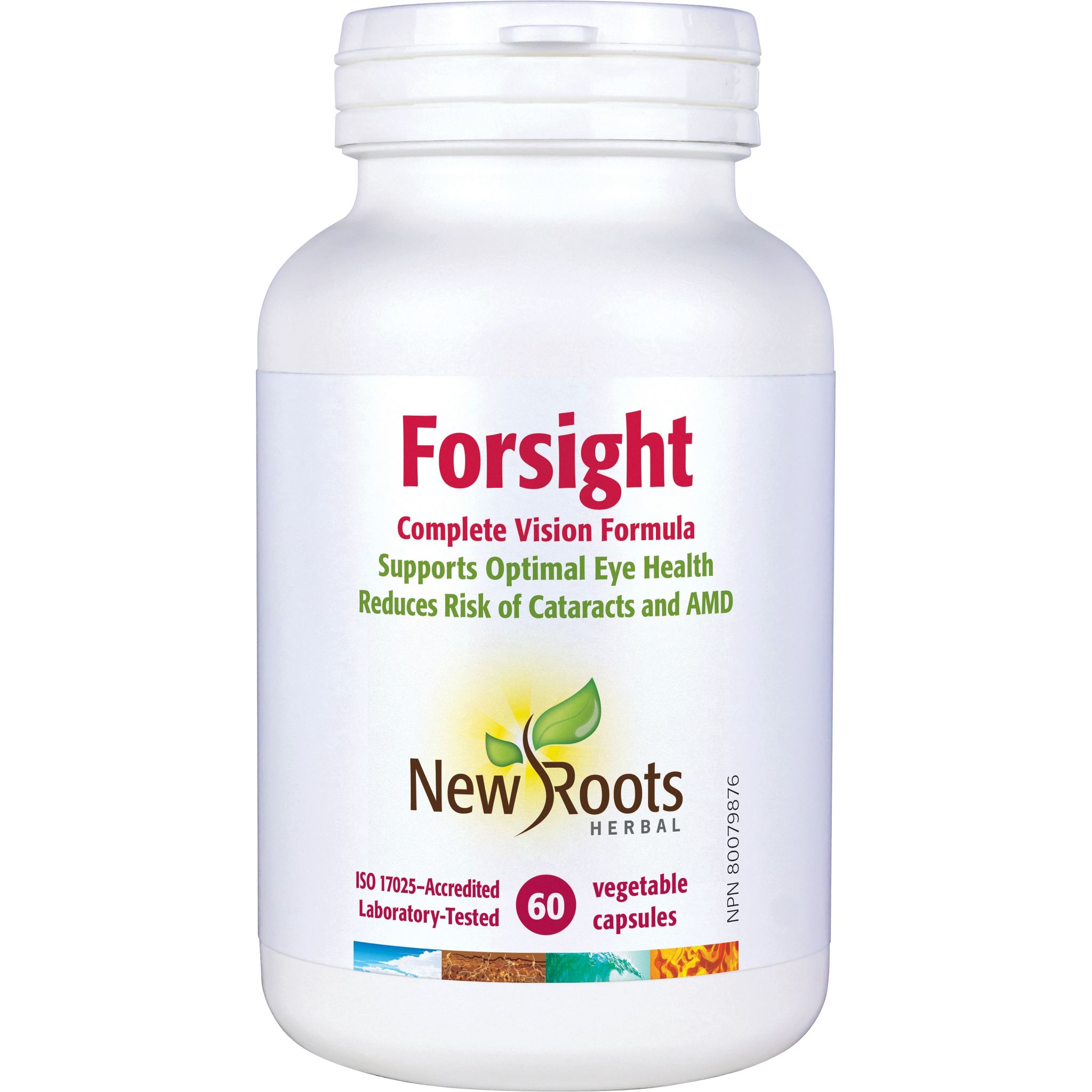
Credit: coalharbourpharmacy.com
Tips For Getting The Most From Your Mushroom Protocol
- Consistency matters: Use mushrooms daily for at least 2–3 months.
- Combine with a healthy lifestyle: Avoid smoking, eat more greens, and wear sunglasses outside.
- Track your vision: Keep notes on changes in clarity, color vision, and eye comfort.
- Buy from trusted sources: Look for organic mushrooms, tested for purity.
- Rotate types: Every few weeks, switch up the mushrooms you use.
Here’s a quick comparison of mushroom forms:
| Form | Pros | Cons |
|---|---|---|
| Fresh | High in nutrients, easy to add to meals | Short shelf life, less concentrated |
| Powder | Convenient, mixes into drinks | Taste may not suit everyone |
| Extract | Most potent, small dose needed | More expensive |
Real-world Results: What Users Report
Many people using mushroom protocols for eye health notice subtle but important improvements:
- Sharper vision, especially in low light
- Less eye fatigue after reading or computer use
- Slower progression of cataract or macular changes on eye exams
- Fewer dry eye symptoms
One non-obvious insight: Many users find mushrooms help with “visual comfort”—less glare and strain, even if their prescription doesn’t change. This is likely due to reduced inflammation and better nerve support.
Another insight: Mushrooms often improve overall energy and immune health, making it easier to stick with other eye-healthy habits.

Credit: dryeyerescue.com
The Role Of Mushrooms In Traditional Eye Medicine
Mushrooms have a long history in Chinese and Japanese medicine. Reishi was used to “brighten the eyes,” and Shiitake was a symbol of longevity. In these traditions, mushrooms were often combined with herbs like goji berries, chrysanthemum, or ginkgo to strengthen vision.
Modern science is now exploring these old formulas. For example, studies show that combining mushrooms with goji berries may boost antioxidant defenses in the eye even more than using mushrooms alone.
Are Mushrooms A Replacement For Medical Treatment?
Mushrooms can be a powerful tool to support aging eyes, but they are not a substitute for medical care. If you have symptoms of vision loss—such as blurred vision, dark spots, or sudden changes—see an eye doctor right away.
Mushrooms work best as prevention or as part of an overall plan that includes regular eye exams, a healthy diet, and, when needed, medical treatment.
How To Build Your Own Mushroom Protocol: Step-by-step
If you want to try a mushroom protocol for your aging eyes, follow these steps:
- Identify your main concern: Is it macular degeneration, cataracts, or general eye aging?
- Choose 2–4 mushrooms: Use the list above to match your needs.
- Decide on form: Fresh for daily meals, powder for convenience, extract for most power.
- Start with low doses: Begin with the lowest recommended amount.
- Increase slowly: After 2 weeks, raise the dose if you tolerate it well.
- Combine with other nutrients: Add leafy greens, nuts, and fish for best results.
- Monitor progress: Keep track of vision changes and any side effects.
- Adjust as needed: Change types or doses based on your results and how you feel.
Practical Meal Ideas Using Mushrooms
Here are three easy ways to include eye-supporting mushrooms in your diet:
- Hearty Mushroom Soup
- 100g shiitake, 100g maitake, 50g enokitake, sliced
- 1 onion, diced
- 2 garlic cloves, minced
- 2 carrots, chopped
- 1 liter vegetable broth
- Simmer everything for 30 minutes.
- Serves 4.
- Stir-Fry for Eye Health
- 150g oyster mushrooms, sliced
- 1 bell pepper, sliced
- 1 cup spinach
- 1 tablespoon olive oil
- Stir-fry until mushrooms are soft.
- Serves 2.
- Mushroom Coffee or Tea
- 1 teaspoon Lion’s Mane powder
- Mix into coffee or hot water
- Drink once daily
These meals not only taste good, but also support your eyes with a range of mushroom nutrients.

Credit: jn.nutrition.org
What To Expect: Timeline And Results
Many people wonder when they will see results. Here’s a general timeline:
- First 2 weeks: Possible increase in energy, less eye fatigue
- After 1 month: Some notice sharper vision, better night vision
- 2–3 months: Clearer improvement in eye comfort, less glare, slower disease progression (if monitored by eye doctor)
- After 6 months: Best results, especially if combined with other healthy habits
Remember, vision changes are often slow. Taking regular eye photos or seeing your optometrist can help track progress.
Tips For Choosing The Right Mushroom Products
With so many supplements on the market, it’s important to choose wisely. Here’s what to look for:
- Organic certification: Less risk of pesticides or heavy metals
- Full-spectrum extracts: Contain all the active compounds, not just one
- Clear labeling: Shows mushroom type, part used (fruiting body is best), and extraction method
- Third-party testing: Look for proof of purity and potency
Avoid cheap powders with no testing or unclear sources. Quality makes a big difference in results.
How Mushrooms Compare To Standard Eye Supplements
Many standard eye supplements contain vitamins A, C, E, zinc, and lutein. Mushrooms are different—they offer a mix of antioxidants, nerve support, and immune help that standard vitamins do not.
Here’s a comparison:
| Supplement Type | Main Benefit | Unique Feature |
|---|---|---|
| Mushrooms | Antioxidant, nerve, immune support | Polysaccharides, ergothioneine, melanin |
| Standard Eye Vitamins | Antioxidant, pigment support | Lutein, zeaxanthin, vitamin A |
The best results often come from using both mushrooms and standard supplements together.
Who Should Avoid A Mushroom Protocol?
Some people should talk to their doctor before starting a mushroom protocol:
- Those with autoimmune diseases
- People taking immunosuppressant drugs
- Individuals with a history of mushroom allergies
- Pregnant or breastfeeding women
- People with chronic digestive problems
When in doubt, start small and check with a healthcare provider.
Where To Learn More
If you want to dig deeper into the science and history of mushrooms for eye health, a good resource is the National Institutes of Health. They provide summaries of the latest research and safety information.
Frequently Asked Questions
What Is The Best Mushroom For Macular Degeneration?
Lion’s Mane is often recommended because it supports nerve repair in the retina. Chaga and Reishi also help by fighting inflammation and oxidative stress. For best results, use a blend of 2–3 mushrooms.
Can Mushrooms Cure Cataracts Or Macular Degeneration?
Mushrooms cannot cure these conditions. However, they may slow progression, reduce symptoms, and support healthy eye aging. Always combine mushrooms with medical care and regular eye exams.
How Long Does It Take To See Results From A Mushroom Protocol?
Most people notice small changes—like less eye fatigue—within a few weeks. For bigger improvements, such as clearer vision or slower disease progression, give it 2–3 months of consistent use.
Are Mushroom Supplements Safe To Use With Other Eye Vitamins?
Yes, most mushroom supplements are safe to use with standard eye vitamins like lutein, zeaxanthin, and vitamin C. In fact, they often work better together. If you have any health conditions or take medicine, check with your doctor.
Can I Get Enough Eye-supporting Nutrients From Eating Mushrooms, Or Do I Need Supplements?
Eating a variety of mushrooms regularly can help. However, for higher doses of active compounds (like those used in studies), supplements or extracts are often needed. Combining both food and supplements gives the best support.
Protecting your eyes as you age is not just about what you avoid, but also what you add. By using a smart mushroom protocol and making healthy choices every day, you can give your eyes the support they need for a lifetime of clear vision.