Scleroderma and other connective tissue disorders can impact every part of daily life. These conditions make the skin, muscles, and even internal organs stiff or inflamed. People living with them often face pain, fatigue, and many health complications. While modern medicine offers some treatments, many patients look for extra support—hoping for better symptom control, fewer side effects, and improved quality of life. This search has led some to a fascinating area: medicinal mushrooms.
Medicinal mushrooms have been used in traditional medicine for centuries, especially in Asia. In recent years, researchers and patients worldwide have started to look at them more closely. Some claim these fungi can help the immune system, reduce inflammation, and support general health.
But can they really help with scleroderma and connective tissue disorders? Let’s explore what science and experience tell us.
Understanding Scleroderma And Connective Tissue Disorders
Before diving into medicinal mushrooms, it’s important to understand the conditions they may help.
Scleroderma is an autoimmune disease. The immune system attacks the body’s own tissues, leading to thick, hard skin and sometimes affecting organs like the lungs, heart, and kidneys. Other connective tissue disorders include lupus, dermatomyositis, and mixed connective tissue disease. They all have one thing in common: the body’s defense system goes wrong, causing chronic inflammation and damage.
People with these disorders often face:
- Chronic pain and stiffness
- Fatigue and weakness
- Poor blood flow (Raynaud’s phenomenon)
- Digestive problems
- Organ complications
These symptoms can change from day to day and often make normal activities much harder. For example, pain and stiffness in the hands can make it difficult to cook, dress, or write. Fatigue can make even simple tasks exhausting. In more severe cases, organ complications can cause shortness of breath, high blood pressure, or problems with swallowing and digestion.
Treatments usually include medications that suppress the immune system, physical therapy, and symptom management. However, these treatments often have side effects, and not every patient responds well. Many are searching for complementary therapies.
It’s also important to know that connective tissue disorders often appear differently in each person. While some may have mainly skin symptoms, others struggle more with internal organ issues. This variety makes it hard to find a single treatment that helps everyone.
For this reason, many people look for additional ways to manage symptoms, hoping for a more balanced and less disruptive approach to daily life.
What Are Medicinal Mushrooms?
Medicinal mushrooms are not the same as the common mushrooms you find in salads or pizzas. They are specific types of fungi known for their bioactive compounds. These compounds can have effects on the immune system, inflammation, and cell health.
Some of the most well-known medicinal mushrooms include:
- Reishi (Ganoderma lucidum)
- Cordyceps (Cordyceps sinensis and Cordyceps militaris)
- Turkey Tail (Trametes versicolor)
- Lion’s Mane (Hericium erinaceus)
- Chaga (Inonotus obliquus)
- Maitake (Grifola frondosa)
- Shiitake (Lentinula edodes)
These mushrooms can be taken as teas, extracts, capsules, or powders. The key is their unique compounds, such as beta-glucans, triterpenes, and polysaccharides.
Medicinal mushrooms have a long history in traditional medicine systems like Traditional Chinese Medicine (TCM) and Japanese Kampo. In these cultures, mushrooms were often used for “tonifying” the body, supporting longevity, and aiding recovery from illness. Modern science is now uncovering the reasons behind these traditional uses, finding that the special compounds in mushrooms can affect many pathways in the body.
The specific part of the mushroom used also matters. For example, the “fruiting body” is the part we usually see above ground, while the “mycelium” is the root-like structure below ground. Many experts believe the fruiting body has higher concentrations of helpful compounds.
This is why some supplements are more effective than others, depending on which part of the mushroom they use and how they are processed.
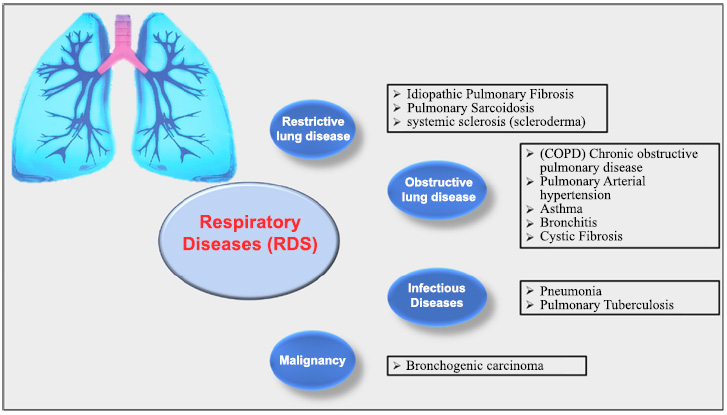
Credit: openrespiratorymedicinejournal.com
How Medicinal Mushrooms May Help
Immune Modulation
Most connective tissue disorders involve an overactive or confused immune system. Some mushrooms help balance immune responses—not simply boosting or suppressing them. For example, beta-glucans in mushrooms can stimulate certain immune cells when the body needs to fight infection. But they can also calm inflammation when the immune system is attacking the body’s own tissues.
Unlike some immune supplements that only stimulate the immune system, medicinal mushrooms seem to “educate” immune cells. This means they can both increase defense against infections and lower harmful autoimmune responses. This dual action is especially important for people with diseases like scleroderma, where the immune system is both overactive and sometimes too weak to fight real threats.
Anti-inflammatory Effects
Chronic inflammation damages tissues and causes pain. Many medicinal mushrooms contain compounds that reduce the production of inflammatory chemicals. This is especially important for scleroderma, where inflammation leads to scarring and organ problems.
For example, compounds like triterpenes in reishi or polysaccharides in turkey tail can block or reduce the action of cytokines—proteins that drive inflammation. By calming these inflammatory signals, mushrooms may help slow the progression of disease and reduce everyday symptoms like swelling, redness, and pain.
In practical terms, someone with joint pain or swollen fingers might notice less discomfort over time. Reducing inflammation also helps protect organs like the lungs and kidneys from ongoing damage.
Antioxidant Support
Oxidative stress—damage from free radicals—plays a role in connective tissue disorders. Mushrooms like chaga and reishi are rich in antioxidants, which can help protect cells from this damage.
Antioxidants are like a clean-up crew for your body. They help neutralize unstable molecules (free radicals) that can harm tissues, speed up aging, and worsen inflammation. For someone with scleroderma, this is especially important because oxidative stress can make scar tissue worse and slow healing.
Regular use of antioxidant-rich mushrooms may help reduce these effects and support overall health.
Tissue Repair And Protection
Some mushrooms may encourage the body to repair itself. For example, Lion’s Mane is known for its nerve growth factors, which may help with nerve pain or muscle weakness.
Other mushrooms, like cordyceps, may help prevent the buildup of scar tissue, also known as fibrosis. This is a big problem in scleroderma, where normal tissues become stiff and lose function. By supporting natural repair mechanisms, mushrooms could help maintain more flexible, healthy tissues over time.
Supporting Organ Function
Scleroderma and similar diseases often affect the heart, lungs, kidneys, and digestive system. Certain mushrooms have shown promise in protecting these organs and improving their function in animal and human studies.
For example, cordyceps may help the lungs work better and protect the kidneys from damage, while reishi is known for supporting the heart and liver. Lion’s mane may help improve digestion by supporting the lining of the gut, which is often affected in autoimmune disorders.
Top Medicinal Mushrooms For Scleroderma And Connective Tissue Disorders
Let’s look more closely at the mushrooms most often used and studied for these conditions.
Reishi (ganoderma Lucidum)
Reishi is sometimes called the “mushroom of immortality.” It has been used in Traditional Chinese Medicine for over 2,000 years.
Key Benefits
- Immune balancing: Reishi’s triterpenes and polysaccharides can calm an overactive immune response, which is central in scleroderma.
- Anti-inflammatory: Studies show reishi reduces inflammatory cytokines.
- Organ protection: Early research suggests reishi can help protect the heart and kidneys from damage.
Reishi is also believed to help people sleep better and feel calmer, which can be important since stress and poor sleep often make autoimmune symptoms worse.
Scientific Evidence
A 2020 study found reishi extracts improved immune function and reduced inflammation in animal models with autoimmune diseases. Human studies are less common, but small trials show benefits for fatigue and general well-being.
For example, a small Japanese trial showed that people with rheumatoid arthritis who took reishi extract reported less pain and better mood. While the sample size was small, these results are encouraging for people with scleroderma, as the underlying issues are similar.
Practical Use
People usually take reishi as a hot water extract or capsule. The usual dose is 1–3 grams per day.
Reishi has a bitter taste, so most people prefer capsules or extracts rather than tea.
Hidden Insight
Reishi works slowly. Some people expect quick results but may need weeks or months before noticing changes.
Another thing many beginners miss: reishi can sometimes cause digestive upset or dry mouth at high doses. Starting low and gradually increasing can help avoid discomfort.
Cordyceps (cordyceps Sinensis And Militaris)
Cordyceps is known for increasing energy and improving oxygen use. It grows in the wild on insects, but most supplements use cultivated forms.
Key Benefits
- Energy and stamina: Cordyceps is famous among athletes for reducing fatigue.
- Anti-fibrotic effects: Some studies show it may slow or reverse tissue scarring (fibrosis), a big problem in scleroderma.
- Lung support: Cordyceps is often used for lung problems, which are common in these disorders.
Cordyceps is also valued for its ability to help the body adapt to stress and recover faster from illness or exertion.
Scientific Evidence
A 2019 review found cordyceps could reduce fibrosis in animal models of lung and liver diseases. It may also help the kidneys in scleroderma patients with renal involvement.
Some studies also suggest that cordyceps improves exercise capacity and oxygen use, which can be helpful for those who get short of breath due to lung issues.
Practical Use
Standard doses range from 1–2 grams of extract daily. It’s often taken in the morning due to its energizing effects.
Cordyceps powder can be mixed into smoothies or warm drinks. For people sensitive to caffeine, cordyceps is a good alternative because it boosts energy without the jitters.
Hidden Insight
Cordyceps may interact with blood thinners or immune-suppressing drugs, so always check with your doctor.
Many people don’t realize that cordyceps supplements vary a lot in quality. Wild cordyceps is rare and expensive, so most products are cultivated. Look for those that use the whole fruiting body and are tested for active compounds.
Turkey Tail (trametes Versicolor)
Turkey tail is common in forests across the world. It’s well-known for its immune benefits, especially in cancer support.
Key Benefits
- Immune regulation: Contains polysaccharide-K (PSK), used as a drug in Japan for immune modulation.
- Gut health: Supports the microbiome, which can influence inflammation.
- Antioxidant: Helps reduce oxidative stress.
Turkey tail is also noted for its ability to help the body fight infections, which can be a risk for people taking immune-suppressing drugs.
Scientific Evidence
A 2018 study in people with autoimmune diseases found turkey tail improved certain immune markers. Animal studies show reduced fibrosis and better gut health.
In some studies, people taking turkey tail extract showed improved levels of beneficial gut bacteria, which are linked to lower inflammation and better digestion.
Practical Use
Turkey tail is most often taken as a hot water extract, 1–3 grams per day.
If you’re new to mushrooms, turkey tail’s mild, earthy flavor is easy to add to teas or soups.
Hidden Insight
Turkey tail can sometimes cause mild digestive upset—start with a low dose and increase slowly.
Another tip: Turkey tail is rich in prebiotics, which feed good gut bacteria. This can help balance digestion, but in some people, it may cause temporary bloating at first.
Lion’s Mane (hericium Erinaceus)
Lion’s mane looks like a white pom-pom and is famous for helping the nervous system.
Key Benefits
- Nerve support: Promotes nerve growth factor (NGF) production—important for nerve pain or muscle weakness.
- Mood improvement: May help with anxiety or depression, which are common in chronic illness.
- Gut lining support: Early research suggests lion’s mane may help heal the digestive tract.
Lion’s mane is unique among medicinal mushrooms for its direct effects on the brain and nerves. It’s often used by people with “brain fog,” poor memory, or tingling in the hands and feet.
Scientific Evidence
A 2016 clinical trial found people taking lion’s mane had improved nerve function and reduced pain. Small studies also show better mood and sleep.
For example, in a Japanese study, older adults who ate lion’s mane cookies showed improved cognitive function compared to those who did not.
Practical Use
The typical dose is 1–2 grams per day, often in powder or capsule form.
Lion’s mane has a mild, seafood-like taste and can be added to soups or stir-fries if you prefer food over supplements.
Hidden Insight
Lion’s mane can take several weeks to show effects, especially for nerve or mood symptoms.
Some users find that combining lion’s mane with regular mental exercises or physical therapy helps speed up results.
Chaga (inonotus Obliquus)
Chaga grows on birch trees and is packed with antioxidants.
Key Benefits
- Powerful antioxidant: High in melanin and polyphenols.
- Anti-inflammatory: Reduces the production of inflammatory chemicals.
- Immune support: May help balance immune overactivity.
Chaga is also believed to support healthy skin, which is particularly useful for people with scleroderma.
Scientific Evidence
Studies in animals show chaga can reduce tissue damage from oxidative stress. Human studies are limited but suggest improved well-being.
Some research has found that chaga extracts can lower markers of inflammation and protect DNA from damage.
Practical Use
Chaga is usually consumed as a tea or extract, with a dose of 1–2 grams per day.
Chaga tea has a rich, earthy flavor, and can be mixed with other herbs or honey for taste.
Hidden Insight
Wild chaga absorbs compounds from birch, but not all supplements are wild-harvested. Source matters.
Chaga can also be high in oxalates, which can affect kidney health if used in very high amounts. This is usually not a problem at normal doses, but those with kidney issues should be aware.
Maitake (grifola Frondosa)
Maitake is known for its rich flavor and immune support.
Key Benefits
- Beta-glucans: These help regulate immune cells, reducing autoimmunity.
- Blood sugar support: Some people with connective tissue disorders develop diabetes; maitake may help.
- Liver support: Maitake extracts have shown liver-protective effects.
Maitake is also sometimes called “hen of the woods” and is enjoyed as a food in many cultures.
Scientific Evidence
A 2021 study in autoimmune models found maitake reduced inflammatory markers and improved overall symptoms.
Other research shows that maitake can help lower blood sugar and cholesterol, which is important because some medications for scleroderma can raise these levels.
Practical Use
Maitake is taken as an extract or powder, 1–2 grams per day.
Fresh maitake can be cooked in stir-fries or soups for added benefit.
Hidden Insight
Maitake can lower blood sugar, so people on diabetes medications should monitor levels closely.
Some people are surprised to learn that maitake is also used to support weight management, as it may help regulate metabolism.
Shiitake (lentinula Edodes)
Shiitake is a common edible mushroom with medicinal benefits.
Key Benefits
- Lentinan: A compound that modulates immune responses.
- Antiviral effects: May help prevent infections in people with suppressed immunity.
- Supports heart health: Shiitake can help manage cholesterol.
Shiitake is easy to find in grocery stores and can be added to many dishes.
Scientific Evidence
Clinical studies in Japan show shiitake extracts improve immune function and reduce inflammation.
Some trials have found that people who eat shiitake regularly have better immune cell activity and lower cholesterol.
Practical Use
Shiitake can be eaten as food, but medicinal doses come from extracts (1–2 grams per day).
Cooking shiitake brings out its rich, umami flavor, making it a popular choice for soups and stews.
Hidden Insight
Eating large amounts of raw shiitake can cause a skin rash in some people—cooking or extracts are safer.
Another point: Dried shiitake is just as potent as fresh, and often more convenient for regular use.

Credit: www.dreamstime.com
Comparing Key Medicinal Mushrooms
Different mushrooms have different strengths. Here is a comparison of the main properties useful for scleroderma and connective tissue disorders:
| Mushroom | Immune Modulation | Anti-inflammatory | Antioxidant | Organ Support | Nerve Support |
|---|---|---|---|---|---|
| Reishi | High | High | Medium | Heart, Kidneys | Low |
| Cordyceps | Medium | Medium | Low | Lungs, Kidneys | Low |
| Turkey Tail | High | Medium | Medium | Gut | Low |
| Lion’s Mane | Medium | Low | Low | Gut | High |
| Chaga | Medium | High | High | Liver, Skin | Low |
| Maitake | High | Medium | Medium | Liver, Blood Sugar | Low |
| Shiitake | Medium | Medium | Low | Heart | Low |
Scientific Research And Evidence
Human Studies
Most research on medicinal mushrooms is still early-stage. Many studies are in animals or test tubes. However, there is growing human data, especially from Asia. For example, polysaccharide-K (from turkey tail) is a prescription drug in Japan for cancer immune support. Small clinical trials of reishi, maitake, and cordyceps show improvements in immune markers and quality of life in autoimmune patients.
In these clinical studies, people reported feeling less fatigue, experiencing fewer infections, and having improved mood and sleep. Some trials also measured blood markers, showing lower inflammation and improved antioxidant levels. While these studies are small, they highlight the potential for mushrooms to support well-being beyond traditional drug therapy.
Animal And Laboratory Studies
These studies show mushrooms can:
- Reduce inflammatory cytokines
- Slow the progression of fibrosis (scarring)
- Improve antioxidant status
- Support the microbiome
For example, in scleroderma animal models, reishi and cordyceps extracts reduced lung and skin fibrosis. Lion’s mane promoted nerve regeneration in animals with nerve injuries. Maitake helped mice with autoimmune symptoms recover faster and showed lower levels of harmful antibodies.
Another insight from lab research: mushrooms may help “reset” immune cells so they are less likely to attack the body’s own tissues, which is exactly what’s needed in autoimmune diseases.
Safety And Side Effects
Medicinal mushrooms are generally safe for most people. However, some can interact with medications or cause mild side effects like digestive upset or allergic reactions. Always use products from a trusted source and consult your healthcare provider.
Some mushrooms, like shiitake, can cause a rash if eaten raw. Cordyceps may cause mild insomnia if taken too late in the day. Rarely, people are allergic to mushrooms and may have symptoms like itching, swelling, or trouble breathing. If you have known allergies to mold or fungi, start with extra caution.
Dosage And Standardization
One challenge is that mushroom supplements vary in strength and quality. Some products use only the mycelium (root-like structure), not the fruiting body, which may have fewer active compounds.
Many supplements do not list the amount of beta-glucans or other key compounds, making it hard to compare brands. Choosing standardized extracts with clear labeling can help you get more consistent results.
| Mushroom | Common Form | Recommended Daily Dose | Main Active Compound |
|---|---|---|---|
| Reishi | Extract/Capsule | 1–3g | Triterpenes, Beta-glucans |
| Cordyceps | Extract/Powder | 1–2g | Cordycepin, Polysaccharides |
| Turkey Tail | Extract/Tea | 1–3g | PSK, PSP |
| Lion’s Mane | Powder/Capsule | 1–2g | Hericenones, Erinacines |
| Chaga | Tea/Extract | 1–2g | Melanin, Polyphenols |
| Maitake | Extract/Powder | 1–2g | Beta-glucans |
| Shiitake | Extract/Food | 1–2g | Lentinan |
How To Choose And Use Medicinal Mushrooms
What To Look For
Not all supplements are created equal. Here are factors to consider:
- Source: Look for mushrooms grown organically and tested for heavy metals and contaminants.
- Fruit body vs. mycelium: The fruiting body usually has more active compounds.
- Extraction method: Dual extraction (water and alcohol) is best for getting all the key compounds.
- Third-party testing: Check for products tested by independent labs.
It’s also helpful to look for products that list the percentage of beta-glucans or other actives. Avoid supplements with lots of fillers like rice or oats, which are sometimes added during cultivation.
How To Take Mushrooms
Medicinal mushrooms can be taken as:
- Capsules or tablets
- Extract powders (add to drinks or smoothies)
- Teas or decoctions
Some people use one mushroom at a time, while others use blends. Start with a low dose to test tolerance, then gradually increase.
Blends can be helpful if you have several symptoms—such as fatigue, pain, and nerve issues—because you get support from more than one mushroom. However, it’s still important to introduce new mushrooms slowly so you can tell which one helps or causes side effects.
Combining Mushrooms With Conventional Treatment
Medicinal mushrooms are not a replacement for medical care. They are best used as a complementary therapy. Always tell your doctor about supplements, especially if you are taking immune-suppressing medications, blood thinners, or have allergies.
Some doctors are open to discussing mushrooms, especially if you bring information and research. Keeping a symptom journal can help your doctor see what is working for you.
Common Mistakes To Avoid
- Expecting quick results: Mushrooms often work slowly—give them at least 4–8 weeks.
- Using poor-quality supplements: Low-quality products may have little effect.
- Not telling your doctor: Some mushrooms interact with medications.
- Ignoring side effects: If you develop a rash, digestive upset, or other symptoms, stop and seek advice.
- Overdosing: More is not always better—stick to recommended doses.
Another common mistake: skipping days or not taking mushrooms consistently. Mushrooms work best when used daily, like a food or vitamin.
Real-world Experiences
Many people with scleroderma and connective tissue disorders share their experiences online. Some report:
- Reduced joint pain and swelling
- Better energy and mood
- Improved skin flexibility
- Fewer infections
Some individuals mention that their sleep improves or that brain fog lifts after a few weeks on lion’s mane or reishi. Others note that using cordyceps helps them walk farther without shortness of breath. However, not everyone sees big changes, and some only notice subtle improvements.
It’s also common for people to combine mushrooms with other lifestyle changes, such as yoga, meditation, or a plant-rich diet. They often find that mushrooms work best as part of a broader wellness routine.
A few people mention side effects like mild stomach upset, especially at higher doses or with certain blends. Adjusting the dosage or changing the time of day can often solve these problems.

Credit: en.wikipedia.org
What Beginners Often Miss
- Synergy With Lifestyle Changes: Medicinal mushrooms work best when combined with a healthy diet, exercise, and stress reduction—not as a single “magic bullet.” For example, eating more fruits and vegetables, getting gentle movement, and practicing relaxation techniques can make mushrooms more effective.
- Individual Variation: Just because one mushroom works for someone else doesn’t mean it will work for you. Experiment with different types and track your results.
- Interactions With Other Supplements: Some herbal products or vitamins may change how mushrooms work. For example, vitamin C can boost absorption of some compounds but may reduce others.
- Tracking Symptoms: Many beginners don’t keep a journal. Writing down how you feel each week can help you notice small improvements and decide what’s working.
- Quality Over Quantity: Trying many mushrooms at once can make it hard to know which one helps. Start with one, then slowly add another if needed.
The Future Of Medicinal Mushrooms For Connective Tissue Disorders
Research is growing every year. More clinical trials are underway to test mushrooms for autoimmune diseases. Scientists are especially interested in how these fungi can:
- Slow fibrosis
- Protect organs
- Balance the immune system without strong side effects
Some new studies are looking at combinations of mushrooms and conventional drugs to see if they can reduce side effects or improve results. There is also interest in using mushroom extracts to help people recover from surgery or intense treatments.
The quality of supplements is also improving, with better extraction methods and more testing for purity and potency. This means people may soon have access to more reliable and effective products.
If you want to stay updated, check resources like the National Center for Biotechnology Information.
Frequently Asked Questions
What Is The Best Medicinal Mushroom For Scleroderma?
There is no single “best” mushroom. Reishi, cordyceps, and turkey tail are the most studied for immune modulation and anti-fibrotic effects. Lion’s mane is useful if you have nerve symptoms. Many people use a blend for broader benefits.
Can Medicinal Mushrooms Cure Scleroderma Or Connective Tissue Disorders?
No. Medicinal mushrooms are not a cure. They can help reduce symptoms, support the immune system, and improve quality of life, but you should always use them alongside your doctor’s treatment plan.
Are Medicinal Mushrooms Safe With Prescription Medications?
Most are safe, but some mushrooms can interact with immune-suppressing drugs, blood thinners, or diabetes medications. Always check with your doctor before starting any new supplement.
How Long Does It Take To Notice Benefits From Medicinal Mushrooms?
It usually takes at least 4–8 weeks to notice changes. Effects build slowly. Keep a symptom diary to track progress.
Can I Use More Than One Mushroom At A Time?
Yes, many blends are available. Using two or three mushrooms together can offer broader effects. Start with one, add another after a few weeks if tolerated, and track how you feel.
Medicinal mushrooms are a promising tool for people with scleroderma and connective tissue disorders. They offer hope for better symptom control and organ support, especially when used wisely and as part of a complete care plan. Always choose quality products, start low, and work closely with your healthcare team for the best results.