Storing dried chaga for maximum potency and shelf life is more important than many realize. Chaga is a unique medicinal mushroom, known for its antioxidants and potential health benefits. People use it for teas, tinctures, and supplements, hoping to boost their immune systems or support general wellness. But if you don’t store dried chaga properly, you risk losing much of what makes it valuable. The wrong environment can make it lose its strength, develop mold, or even go bad.
Many beginners think that just drying chaga is enough. In reality, storage is just as critical as harvesting and drying. Small mistakes—like using the wrong container or keeping it in a humid room—can cut its shelf life in half or more.
Yet, a few simple strategies can keep your chaga strong and safe for years. This guide will show you exactly how to store dried chaga, what to avoid, and how to recognize if it’s going bad. You’ll also find practical tips, non-obvious insights, and expert guidance to protect your investment and get the best health benefits from every piece.
Why Proper Storage Of Dried Chaga Matters
Many people spend hours finding and drying chaga, but they overlook the last step: smart storage. Why does it matter so much? Chaga contains bioactive compounds like polysaccharides and betulinic acid. These are sensitive to air, moisture, heat, and light. Poor storage can destroy these compounds, making your chaga weaker or even dangerous.
For example, moisture can cause mold. Moldy chaga not only loses its health benefits but may also create toxins harmful to your body. High temperatures can speed up the breakdown of nutrients. Even light can change the chemical structure of some antioxidants, making them less effective. Proper storage doesn’t just preserve flavor; it protects everything that makes chaga special.
Another non-obvious reason: price and rarity. Wild chaga is not cheap. It grows slowly, often on birch trees in cold regions. Overharvesting and climate change make it even rarer. If you waste your chaga through poor storage, you lose more than a supplement—you lose money and a rare resource.
Key Factors That Affect Dried Chaga Shelf Life
Before you can store dried chaga the right way, you need to understand what threatens its quality. Four main factors play the biggest roles:
- Moisture
- Even small amounts of water can trigger mold or fermentation. Chaga should be completely dry before storage.
- Air (Oxygen)
- Oxygen reacts with antioxidants and other nutrients, slowly breaking them down.
- Light
- Sunlight or even indoor light can degrade sensitive compounds, especially over months.
- Temperature
- Warm rooms speed up chemical reactions, while cooler temperatures slow them down.
Each of these can shorten chaga’s shelf life. The best storage protects against all four threats.

Credit: www.amazon.ae
Choosing The Right Container
Not every jar or bag is equal when it comes to storing dried chaga. The best container protects against air, moisture, and light. Here’s a comparison of common options:
| Container Type | Protection Level | Best Use Case | Drawbacks |
|---|---|---|---|
| Glass Jar (with tight lid) | Good against air, OK against light (unless dark) | Short-term or cool, dark storage | Breakable, light exposure |
| Opaque Plastic Container | Good against air, good against light | Long-term, travel | Plastic may interact with contents over time |
| Vacuum-Sealed Bag | Excellent against air, good against moisture | Long-term, bulk storage | Must be resealed after opening |
| Mylar Bag (with oxygen absorber) | Excellent against air, moisture, and light | Very long-term storage | Harder to access small amounts |
| Paper Bag | Poor protection | Temporary, transport | Moisture and air exposure |
Mylar bags with an oxygen absorber are the top choice for long-term storage. For everyday use, a glass jar in a dark cupboard is usually enough if you use your chaga within a few months.
Preparing Dried Chaga For Storage
Storage is not just about the container. You need to prepare your dried chaga the right way. This step is often skipped, leading to mold or poor potency. Here’s how to do it:
- Check for Complete Dryness
- Break a chunk. It should snap, not bend. If you feel any softness or see moisture, dry it longer.
- Clean Off Any Debris
- Brush off dirt, bark, or insects. Do not wash with water after drying—this can add moisture back.
- Cut or Grind (Optional)
- Large chunks last longer, but powder is easier to use. If you grind, do it right before storage to avoid extra air exposure.
- Cool to Room Temperature
- Never store chaga while it’s still warm from drying—this causes condensation inside containers.
Many people forget to let dried chaga cool before storing. Even a little heat can make moisture appear inside a sealed jar, ruining your hard work.
Best Locations For Storage
Where you keep your chaga can be just as important as the container. The three main enemies here are heat, humidity, and sunlight.
Top Storage Locations
- Pantry or Cupboard
These are usually dry, dark, and cool—perfect for dried chaga.
- Basement (if not damp)
Cooler temperatures help, but only use basements that are not humid.
- Closet
A closet away from bathrooms or kitchens keeps chaga away from steam and heat.
Locations To Avoid
- Near the stove or oven
High heat and steam will shorten shelf life.
- Windowsills
Sunlight speeds up nutrient loss.
- Bathrooms
High humidity is a mold risk.
- Refrigerator
While cool, fridges are humid and can cause condensation.
A simple test: If you would store dried herbs or tea there, it’s probably good for dried chaga.
How Long Does Dried Chaga Last?
Stored properly, dried chaga can remain potent for a long time. But how long, exactly?
| Storage Method | Potency Duration | Safe Shelf Life |
|---|---|---|
| Glass Jar, Dark Pantry | 6-12 months | Up to 2 years |
| Vacuum-Sealed Bag | 12-24 months | 2-3 years |
| Mylar Bag with Oxygen Absorber | 2-3 years | Up to 5 years |
| Paper Bag, Room Air | 1-2 months | Less than 6 months |
After the “potency duration,” chaga is still safe to use, but the strength of its benefits may drop. Always check for signs of mold, odd smells, or changes in color or texture before use.
Credit: plantin.alibaba.com
Signs Your Dried Chaga Has Gone Bad
Knowing when to throw away dried chaga is as important as knowing how to store it. Using spoiled chaga can be risky, and it won’t give you the health benefits you want.
Warning signs include:
- Mold
White, green, or black spots. Moldy chaga should be thrown out—no exceptions.
- Bad smell
Chaga should smell earthy, like a forest. Sour or chemical odors are a red flag.
- Texture change
If it feels soft, damp, or sticky, moisture has gotten in.
- Color fade
If chaga turns pale or gray, it may have lost much of its potency.
If you’re not sure, it’s safer to replace your chaga. Consuming spoiled mushrooms is not worth the risk.
Advanced Storage Techniques For Maximum Potency
For those who want the absolute best results, there are a few advanced steps you can take. These are not required for everyone, but they can stretch shelf life even further.
Using Oxygen Absorbers
These small packets remove air from sealed containers. They are cheap, safe, and very effective. Use them in Mylar bags or jars with a tight seal. Don’t use them in containers you open daily—the effect is lost each time you let air in.
Adding Silica Gel Packs
Silica gel absorbs moisture. Place a food-safe pack in your container. If you live in a humid area, this can make a big difference. Replace packs every few months for best results.
Double Sealing
Some serious chaga users put their mushroom in a vacuum-sealed bag, then place that bag inside a sealed glass jar. This adds extra protection against air and light, especially for long-term storage.
Freezer Storage (with Care)
Some people freeze dried chaga for extra-long storage. This works, but only if you vacuum-seal first. Otherwise, ice crystals can form and add moisture, which ruins the chaga when thawed.
Non-obvious tip: If you plan to use chaga slowly over years, consider dividing your harvest into several small, sealed containers. Open only one at a time. This way, you don’t expose your entire supply to air each time you need some.
Mistakes To Avoid When Storing Dried Chaga
Even experienced chaga users make storage mistakes. Here are some of the most common—and how to avoid them:
- Storing Before Chaga is Fully Dry
- Even a little leftover moisture can cause mold. Always check for complete dryness before sealing.
- Using Plastic Bags (Like Ziplocs)
- These are not airtight for long-term use. They let air and moisture in.
- Keeping Chaga in the Fridge
- The fridge is not as dry as you think. Condensation and humidity can ruin chaga quickly.
- Opening the Container Too Often
- Each time you open your main container, air and moisture get in. Use smaller jars for everyday use.
- Placing Near Heat Sources
- A spot near a heater or stove can destroy nutrients fast.
- Ignoring Expiration Dates
- Even if chaga looks fine, potency fades with time. Rotate your supply so older chaga is used first.
- Forgetting to Label Containers
- Always mark the date you stored each batch. This helps you track freshness.
Many people also forget to clean storage containers before reuse. Old oils or dust can damage fresh chaga.
Tips For Buying Dried Chaga That Stores Well
Not all dried chaga is equal. Some is better for long-term storage than others. Here’s what to check when buying:
- Source and Harvest Method
- Wild-harvested chaga from cold climates is usually richer in nutrients. Ask for details from the seller.
- Drying Method
- Air-dried or low-heat dried chaga keeps more compounds. High-heat drying can damage potency.
- Size and Cut
- Larger pieces store longer than powder. Buy chunks if you plan to store for more than six months.
- Cleanliness
- Well-cleaned chaga (no bark, dirt, or bugs) lasts longer and is safer to store.
- Packaging
- Vacuum-sealed or mylar-packed chaga is best for long-term use.
If possible, buy from sellers who can tell you when and how the chaga was dried. Freshness matters—a lot.
Credit: plantin.alibaba.com
How To Store Chaga Tinctures And Extracts
Some people prefer to store chaga in liquid form, such as tinctures or extracts. These have different storage needs from dried chaga.
- Alcohol-Based Tinctures
- Store in a dark glass bottle, away from sunlight and heat.
- Potency lasts for years if alcohol content is above 25%.
- Water-Based Extracts
- These spoil quickly. Refrigerate and use within a week.
- Glycerin Extracts
- Keep in a cool, dark place. Shelf life is several months.
Never store liquid extracts in plastic for long periods. Glass is always safer for maintaining quality.
The Science Behind Chaga Potency Loss
Many people wonder what actually happens to chaga as it ages or is stored poorly. The main problem is oxidation. When air reaches chaga, it reacts with antioxidants and phenolic compounds, causing them to break down. Heat and light speed up this process. Over time, even in the best conditions, the concentration of betulinic acid and polysaccharides drops. This is why chaga stored in a pantry for two years will not be as strong as fresh chaga.
Another key risk is mycotoxin growth. If chaga gets damp, fungi can start to grow, producing toxins that are not always visible. Some of these can be dangerous to your health if consumed.
Non-obvious insight: Even if you can’t see mold, smell is a powerful tool. If dried chaga’s scent fades or changes, it’s likely the important compounds have broken down—even before you notice other signs.
Comparing Chaga Storage To Other Medicinal Mushrooms
It helps to know how chaga compares to other popular medicinal mushrooms when it comes to storage:
| Mushroom Type | Ideal Storage Method | Maximum Potency Duration | Special Considerations |
|---|---|---|---|
| Chaga | Mylar bag, cool/dry/dark | 2-3 years | Chunk form lasts longer than powder |
| Reishi | Vacuum-sealed, glass jar | 1-2 years | More sensitive to humidity |
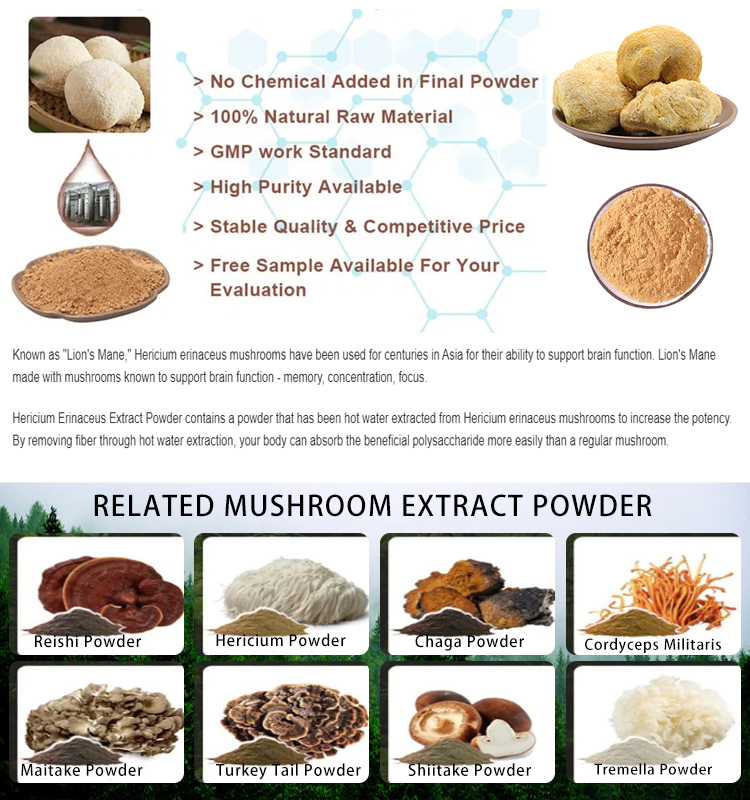
| Lion’s Mane | Powder, silica gel pack | 6-12 months | Degrades faster in air |
| Cordyceps | Opaque container, cool | 6-12 months | Very sensitive to heat |
Chaga is one of the most stable mushrooms if stored well, but only in chunk or piece form. Once ground to powder, its shelf life drops quickly.
Sustainable Harvesting And Storage Ethics
Storing chaga well is not just about personal use. Chaga is getting rarer due to overharvesting, especially in North America and Russia. It takes 10-20 years for a chaga conk to reach full size. When you store chaga carefully, you reduce waste and respect the environment.
Some ethical tips:
- Harvest responsibly
- Only take part of the chaga from each tree.
- Share with others
- If you have extra, share instead of letting it expire in storage.
- Buy from ethical sources
- Look for sellers who support sustainable practices.
Proper storage is part of a bigger picture: respecting both your health and the forests where chaga grows.
Troubleshooting Common Storage Problems
Even with the best methods, problems can happen. Here’s how to fix them:
Problem: Chaga Feels Damp After Storage
- Solution: Remove from container, spread on a tray, and dry in a low oven (below 120°F/50°C) for several hours. Cool before resealing.
Problem: Condensation In Jar
- Solution: Chaga was too warm at sealing. Take it out, dry as above, and always cool to room temperature before sealing.
Problem: Chaga Has Lost Its Smell
- Solution: Potency is probably reduced. Use more chaga per dose, or consider replacing with a fresher batch.
Problem: Found Mold On One Piece
- Solution: Discard the entire batch. Mold spores spread fast, even if you only see it on one chunk.
Problem: Powder Clumps Together
- Solution: Moisture has entered. Use a silica gel pack next time. For now, break up clumps and check for mold before use.
Pro tip: Always have a backup batch stored separately, so if one container goes bad, you don’t lose everything.
How To Rotate Your Chaga Supply
To make sure you always have fresh, potent chaga, rotate your supply like grocery stores do with food.
- Label Every Batch
- Write the harvest and storage date on each container.
- First In, First Out
- Use older chaga first. Move newer containers to the back of your storage area.
- Check Every Few Months
- Inspect for mold, changes in smell or texture.
- Keep a Usage Log
- Note when you open a container. This helps you track how fast you use it and when to buy or harvest more.
Rotating your supply prevents surprises and helps you get the best results from each batch.
When And How To Re-dry Stored Chaga
Sometimes, stored chaga absorbs a little moisture, especially in humid climates. If you catch it early, you can save it:
- Spread chaga on a baking tray in a single layer.
- Place in an oven set to the lowest temperature (not above 120°F/50°C).
- Leave the oven door slightly open to let moisture escape.
- Dry for 2-4 hours, stirring occasionally.
- Cool completely before returning to storage.
Warning: If there is any sign of mold, do not try to salvage the batch. Mold spores are not always visible.
How To Store Chaga For Travel
Traveling with dried chaga is easy if you follow a few rules:
- Use a small opaque, airtight container.
- Pack only what you need for the trip.
- Store in your carry-on if flying; checked luggage can experience temperature swings.
- Keep away from direct sunlight or heat sources.
- For long trips, pre-measure doses into separate packets.
Travel exposes chaga to more risk, so check it carefully when you arrive. If in doubt, use a new batch.
Practical Example: Storing A Year’s Supply
Let’s say you harvest enough chaga to last one year. Here’s a step-by-step plan:
- Clean and dry all chaga chunks until they snap easily.
- Cool completely to room temperature.
- Divide into 12 portions (one per month).
- Seal each portion in a small Mylar bag with an oxygen absorber.
- Label each bag with the date.
- Store all bags in a dark, cool cupboard.
- Each month, open one bag and transfer contents to a small glass jar for daily use.
- Repeat until your next harvest.
This method reduces air exposure and keeps your main supply untouched for months at a time.
Frequently Asked Questions
How Do I Know If My Dried Chaga Is Still Good?
Check for mold, strong or off smells, and changes in texture or color. Good chaga smells earthy and feels dry and firm. If in doubt, it’s safer to discard and use a fresh batch.
Can I Store Chaga In The Freezer?
Yes, but only if you vacuum-seal it first. Otherwise, moisture from the freezer can enter and ruin the chaga. Always thaw at room temperature and check for condensation before use.
What’s The Best Way To Store Ground Chaga Powder?
Use a small, airtight container (preferably glass or mylar) with a silica gel pack. Store in a cool, dark place. Ground chaga loses potency faster than chunks, so use within 3-6 months for best results.
Is It Okay To Store Dried Chaga With Other Herbs Or Mushrooms?
It’s better to store chaga separately. Other herbs or mushrooms may have different moisture levels or oils, which can affect chaga’s shelf life and flavor.
Where Can I Learn More About Chaga And Its Health Benefits?
For more scientific details and health information, see the Wikipedia page on Inonotus obliquus (chaga).
Storing dried chaga properly can seem complex, but with the right steps, you can keep it fresh, potent, and safe for years. Protect your investment and enjoy the benefits of this rare medicinal mushroom, one cup at a time.