Chaga for Eczema And Psoriasis: Addressing Skin Inflammation from the Inside
Skin problems can affect anyone. Eczema and psoriasis are two of the most common. They cause redness, itching, and discomfort. These conditions can make daily life difficult. People try creams, ointments, and even prescription medicines. But many are now searching for natural ways to help their skin heal. One remedy that is getting a lot of attention is the Chaga mushroom.
Chaga is not a new discovery. This mushroom has been used for centuries in Siberia and other cold climates. People drank Chaga tea for better health and to fight illnesses. Now, modern science is starting to confirm some of these old beliefs.
Could Chaga really help with eczema and psoriasis? Can it reduce skin inflammation from the inside? In this article, we explore the science, the tradition, and the real-world experience of using Chaga for these stubborn skin problems.
Understanding Eczema And Psoriasis
Before looking at how Chaga may help, it is important to know what eczema and psoriasis are. Both are skin diseases, but they are not the same.
Eczema, also known as atopic dermatitis, causes dry, itchy, and inflamed skin. It often starts in childhood, but adults can get it too. The skin barrier is weak, so moisture escapes and irritants get in. This leads to redness, swelling, and sometimes blisters or cracks. Eczema usually appears on the hands, face, elbows, and knees, but it can be anywhere.
Psoriasis is an autoimmune disease. The immune system attacks healthy skin cells by mistake. This causes the skin to make new cells too quickly. Thick, scaly patches appear, often with silver or white scales. Psoriasis can be mild or severe, and it may come and go in cycles.
Both conditions have something in common: chronic inflammation. This is why scientists and health experts are interested in anti-inflammatory remedies like Chaga.
Symptoms And Triggers
Eczema and psoriasis can look similar, but they have different triggers.
- Eczema triggers: Soap, detergents, stress, hot weather, certain foods, and allergens.
- Psoriasis triggers: Stress, infections, cold weather, skin injuries, some medicines.
Both can get worse with stress or a weak immune system. The symptoms can affect sleep, mood, and confidence. Many people find that creams and medications only help for a short time.
Standard Treatments: Limitations And Side Effects
Common treatments for eczema and psoriasis include:
- Topical steroids: Reduce inflammation but can thin the skin if used too long.
- Immunosuppressants: Control the immune system but increase infection risk.
- Moisturizers: Help but do not stop flare-ups.
These treatments focus on the outside of the skin. They do not address what is happening inside the body. This is why many people are interested in natural ways to control inflammation from within.
What Is Chaga?
Chaga (Inonotus obliquus) is a type of mushroom that grows mainly on birch trees in cold climates. It does not look like a regular mushroom. Chaga is a hard, black mass, almost like burnt charcoal on the tree. But inside, it is orange and soft.
People in Russia, Finland, and other northern countries have used Chaga for centuries. They made tea from it to boost health, fight infections, and even treat stomach problems. Chaga was sometimes called the “gift from God” or “diamond of the forest.”
Nutritional And Medicinal Components
Chaga is packed with:
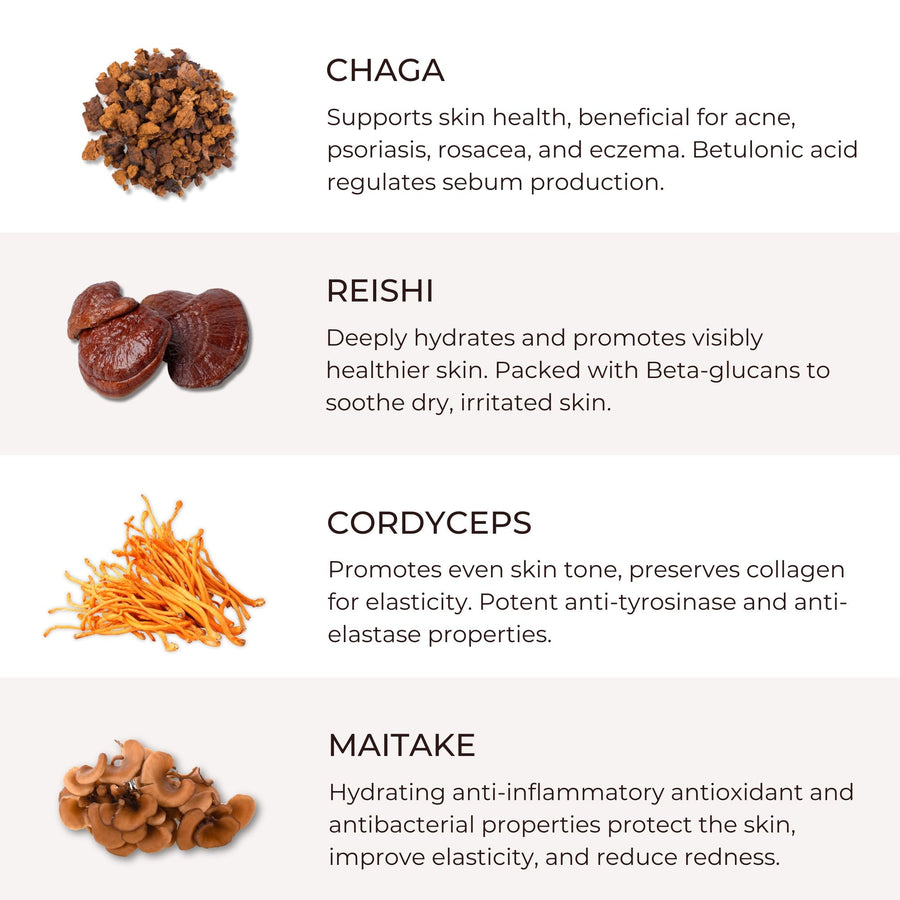
- Polysaccharides: These are complex sugars that support the immune system.
- Beta-glucans: Help regulate immune responses.
- Antioxidants: Chaga is one of the highest sources of antioxidants found in nature.
- Melanin: Gives Chaga its dark color and may protect skin cells.
- Triterpenes: May help fight viruses and reduce inflammation.
- Vitamins and minerals: Such as B-vitamins, vitamin D, potassium, magnesium, and zinc.
How Chaga Is Used
Most people use Chaga as a tea or powder. Some take it in capsules or use extracts. It has a mild, earthy taste. Chaga is not usually eaten raw because it is very tough.
How Chaga Fights Inflammation
The main reason people use Chaga for eczema and psoriasis is its anti-inflammatory power.
Chaga contains special compounds that can stop or slow down inflammation in the body. This happens in several ways:
- Antioxidants in Chaga, such as superoxide dismutase (SOD) and polyphenols, remove harmful free radicals. This reduces damage to cells, including skin cells.
- Beta-glucans help the immune system work better, not just stronger. They can calm down an overactive immune response, which is key in psoriasis.
- Triterpenes may block the creation of inflammatory chemicals called cytokines, which are high in eczema and psoriasis.
Scientific Studies On Chaga And Inflammation
Research on Chaga is growing. Some studies have shown:
- Chaga extracts can reduce inflammation in skin cells in lab tests.
- In animals, Chaga lowered levels of TNF-alpha and IL-6, two chemicals linked to inflammation.
- Chaga helped protect against oxidative stress, which is higher in people with skin diseases.
While human studies are still limited, these results are promising. They suggest that Chaga can help control the root causes of eczema and psoriasis, not just the symptoms.
Chaga For Eczema: How It May Help
People with eczema have skin that loses moisture quickly and reacts easily to irritants. The immune system is often overactive, causing redness and itchiness.
Chaga can help in several ways:
- Strengthening the skin barrier: The antioxidants and melanin in Chaga can help protect skin cells from damage. This may help the skin hold moisture better.
- Calming inflammation: Chaga’s beta-glucans and triterpenes can lower the chemicals that cause swelling and itch.
- Supporting the immune system: Chaga may help the immune system balance itself, so it does not overreact.
Examples And Early Evidence
A small study in Korea found that people who drank Chaga tea for eight weeks had lower markers of skin inflammation. In online eczema communities, many people share stories of fewer flare-ups after using Chaga.
But it is important to remember: Chaga is not a magic cure. It works best as part of a full skin care plan, with good diet, gentle skin care, and stress control.

Credit: beautyologie.com
Chaga For Psoriasis: Unique Benefits
Psoriasis is more complex than eczema. The immune system attacks healthy skin, causing rapid cell growth and thick scales. Stress and immune triggers play a big role.
Chaga may help people with psoriasis by:
- Reducing oxidative stress: Psoriasis patches have high levels of free radicals. Chaga’s antioxidants can help calm this damage.
- Balancing immune response: Chaga’s beta-glucans may help slow down the overactive immune attack.
- Slowing cell growth: Some early research suggests Chaga compounds can help normalize the speed of skin cell growth.
Real-life Results
Some users report that Chaga tea or extract helped make their psoriasis patches less red and thick. One person shared that after two months of Chaga, their skin “felt calmer and less angry. ”
Again, Chaga is not a replacement for medical treatment, but it may be a helpful support.
How To Use Chaga For Skin Inflammation
Chaga can be taken in several forms. Choosing the right one depends on your lifestyle and needs.
Popular Forms Of Chaga
- Tea: Made by steeping dried Chaga chunks or powder in hot water. This is the traditional method.
- Powder: Can be mixed into smoothies, juices, or food.
- Extracts: Liquid or capsule forms. These are more concentrated.
- Topical creams: Some products use Chaga extracts for direct skin use, though most benefits come from internal use.
Here is a simple comparison of common Chaga forms:
| Form | How to Use | Strength | Ease of Use |
|---|---|---|---|
| Tea | Steep chunks/powder in hot water | Mild | Easy |
| Powder | Mix into drinks or food | Medium | Very Easy |
| Extract | Take as drops or capsules | Strong | Very Easy |
| Topical Cream | Apply to skin | Varies | Easy |
How Much Chaga To Take
There is no official “dose” for Chaga. Most experts suggest:
- Tea: 1 to 2 cups per day (using 1–2 teaspoons of powder or 3–5g of chunks per cup).
- Powder: 1–2 grams per day mixed into food or drinks.
- Extract: Follow label instructions, usually 1–2 droppers or capsules daily.
Start with a low dose to see how your body reacts. Increase slowly if needed. Always choose high-quality, pure Chaga products.
Making Chaga Tea At Home
To make Chaga tea:
- Break Chaga into small chunks or use powder.
- Add 1–2 teaspoons (or 3–5g) to a pot of hot, but not boiling, water.
- Simmer gently for 20–30 minutes.
- Strain and drink. You can add honey or lemon for taste.
Chaga tea is safe for most people, but always check with your doctor if you have health problems or take medicines.
Safety, Side Effects, And Who Should Avoid Chaga
Chaga is considered safe for most healthy adults. But, like any supplement, it is not for everyone.
Possible Side Effects
- Stomach upset: Some people may get nausea or diarrhea, especially with large doses.
- Blood thinning: Chaga may lower blood clotting, so people with bleeding problems or on blood thinners should be careful.
- Autoimmune risk: Chaga can affect the immune system, so people with autoimmune diseases should talk to their doctor first.
Who Should Avoid Chaga?
- Pregnant or breastfeeding women (not enough research for safety)
- People taking blood-thinning medicines (like warfarin)
- People with kidney problems (Chaga is high in oxalates, which can hurt the kidneys)
If you are unsure, always ask your doctor before starting Chaga.
Chaga Vs. Other Natural Remedies For Skin Inflammation
There are many natural remedies for eczema and psoriasis, such as turmeric, aloe vera, fish oil, and probiotics. How does Chaga compare?
Here is a comparison of Chaga and other popular remedies:
| Remedy | Main Benefit | Form Used | Evidence for Skin Health |
|---|---|---|---|
| Chaga | Anti-inflammatory, immune support | Tea, powder, extract | Growing, but mostly animal/lab studies |
| Turmeric | Anti-inflammatory, antioxidant | Capsules, powder, topical | Good (some human studies) |
| Aloe Vera | Soothes skin, reduces redness | Gel, cream | Strong (topical use) |
| Fish Oil | Reduces inflammation, supports skin barrier | Capsules, liquid | Moderate (human studies) |
| Probiotics | Balances gut, may lower skin inflammation | Capsules, yogurt | Moderate (human studies) |
Chaga is unique because it works from the inside, targeting both immune balance and antioxidant support. However, it may work best when combined with other remedies and a healthy lifestyle.
Non-obvious Insights: What Most Beginners Miss
When people start using Chaga, they often focus only on skin results. But Chaga’s real power is in whole-body health.
- Gut health matters: New research shows that gut health is linked to skin health. Chaga may help balance gut bacteria, which can reduce eczema and psoriasis flares. People who improve their gut health often notice better skin within weeks.
- Consistency is key: Many expect quick results, but natural remedies like Chaga work slowly. It may take several weeks or even months to see changes. Stopping too early is a common mistake.
- Quality is not equal: The benefits of Chaga depend on how it is harvested and processed. Wild Chaga from birch trees is richer in active compounds. Cheap products may be grown on grains and contain fewer nutrients.
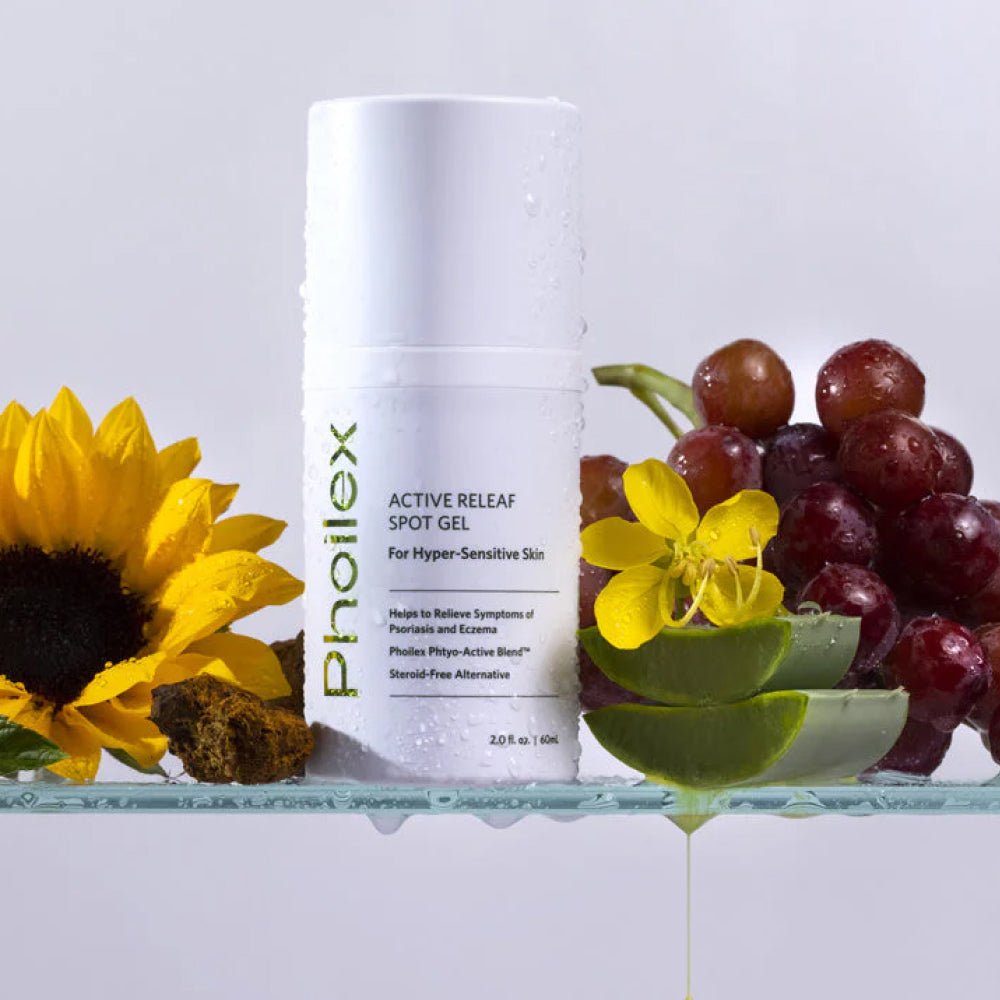
How To Choose High-quality Chaga
Not all Chaga is created equal. Here are some tips for picking the best products:
- Source: Look for wild-harvested Chaga from birch trees in cold regions (Siberia, Canada, Scandinavia).
- Testing: Choose brands that test for heavy metals and contaminants.
- Color: Good Chaga is dark on the outside, orange on the inside.
- Processing: Dual-extracted (using both water and alcohol) Chaga has more active compounds.
Don’t be fooled by cheap powders or capsules. Ask for certificates of analysis if possible.
Credit: phoilex.com
Integrating Chaga Into A Skin Care Plan
Chaga works best as part of a bigger skin care and health plan. Here is how to make the most of it:
- Eat a balanced diet: Include vegetables, healthy fats, and lean proteins.
- Keep skin moisturized: Use gentle, fragrance-free creams.
- Reduce stress: Meditation, yoga, and deep breathing can help.
- Get enough sleep: The body heals best during sleep.
- Avoid triggers: Know what makes your eczema or psoriasis worse.
Chaga is not a cure, but it can be a helpful tool. If you combine it with good habits, you may notice less redness, itching, and scaling.
Real-world Success Stories
Many people have shared their Chaga experiences online. Here are a few examples:
- Anna, age 34: “I drank Chaga tea every day for three months. My eczema is not gone, but the patches are smaller and less red. I also feel less tired.”
- Mark, age 42: “Psoriasis runs in my family. I started using Chaga extract after reading about its anti-inflammatory effects. My skin feels calmer, and my flares are less frequent.”
- Fatima, age 27: “I tried everything for my itchy hands. Chaga was the only thing that made a real difference. It took about six weeks, but now I only get mild symptoms.”
These stories show that while Chaga is not a miracle, it may help some people find relief, especially when other treatments are not enough.
Credit: www.shroomskincare.skin
Scientific Research: What Does The Evidence Say?
While traditional use and user stories are valuable, scientific research is the gold standard. Here’s what studies have found so far:
- A 2015 study published in “Mycobiology” found that Chaga extract reduced inflammation and oxidative stress in mice with dermatitis.
- Researchers in Finland tested Chaga’s effects on human skin cells and found it reduced the release of inflammatory cytokines.
- A review in the “Journal of Ethnopharmacology” highlighted Chaga’s high antioxidant levels and ability to support immune function.
Most studies are on animals or in the lab, not humans. More research is needed to prove Chaga’s benefits for eczema and psoriasis. But the early results are promising.
For more detailed scientific information, you can visit the National Institutes of Health.
Myths And Misconceptions About Chaga
As Chaga becomes more popular, myths spread quickly. Here are some common misunderstandings:
- “Chaga works instantly.” False. It often takes weeks or months to see results.
- “Chaga can cure eczema and psoriasis.” No. It may help, but it is not a cure.
- “All Chaga products are the same.” Not true. The source and processing method matter a lot.
- “Chaga is safe for everyone.” Wrong. Some people should avoid it, especially those on certain medicines.
- “Chaga can replace all other treatments.” Not advised. It is best used as part of a larger plan.
Being realistic helps avoid disappointment and keeps your skin journey safe.
Frequently Asked Questions
What Is The Best Way To Take Chaga For Eczema And Psoriasis?
The most popular and traditional way is Chaga tea. You can also use powder mixed into smoothies, or extracts in capsules or drops. Start with a low dose and watch for any side effects. The form you choose depends on your lifestyle and taste preferences.
How Long Does It Take To See Results From Chaga?
Most people need to use Chaga regularly for at least 4–8 weeks before noticing changes. Natural remedies work slowly. Consistency is more important than high doses. Keep using it as part of a full skin care plan.
Can I Use Chaga Cream On My Skin?
Some companies make Chaga creams for direct skin use. These may soothe mild irritation, but most benefits come from taking Chaga internally. If you try a cream, test on a small area first to check for allergies.
Are There Any Serious Risks With Using Chaga?
For most people, Chaga is safe. But it can thin the blood and may interact with medicines like blood thinners. People with autoimmune diseases or kidney problems should talk to their doctor first. Pregnant or breastfeeding women should also avoid Chaga.
Can Chaga Be Used With Other Natural Remedies?
Yes, Chaga can be combined with other natural remedies like turmeric, fish oil, and probiotics. This may boost results. But always add new products slowly, and check for any side effects or interactions.
Chaga is gaining respect as a natural helper against skin inflammation. While it is not a miracle cure, its mix of antioxidants, immune support, and traditional use make it worth considering for eczema and psoriasis. Use it wisely, stay consistent, and always choose quality.
If you work with your doctor and keep good habits, Chaga may become a valuable part of your journey to healthier skin.