
Mushrooms For Gut-brain Axis Health: A Bidirectional Healing Protocol
The connection between the gut and brain is stronger than most people realize. Recent science shows that the gut-brain axis is not only real, but it’s also essential for our health, mood, and even how we think. Many people suffer from digestive issues, anxiety, or brain fog, but they don’t know that these problems may be linked. If you want to improve both your gut and your mind, you need to work on both sides of this axis. Surprisingly, mushrooms can play a key role in this healing process.
Mushrooms are more than food. They contain bioactive compounds that can support gut bacteria, reduce inflammation, and help balance neurotransmitters. In this article, you’ll learn how different mushrooms influence the gut-brain axis, how to use them safely, and how to build a bidirectional protocol that targets both gut and brain. We’ll cover science-backed details, practical advice, and insights that beginners often miss. You’ll also see data, comparisons, and answers to common questions. Let’s dive deep into this fascinating world of mushrooms and holistic health.
Understanding The Gut-brain Axis
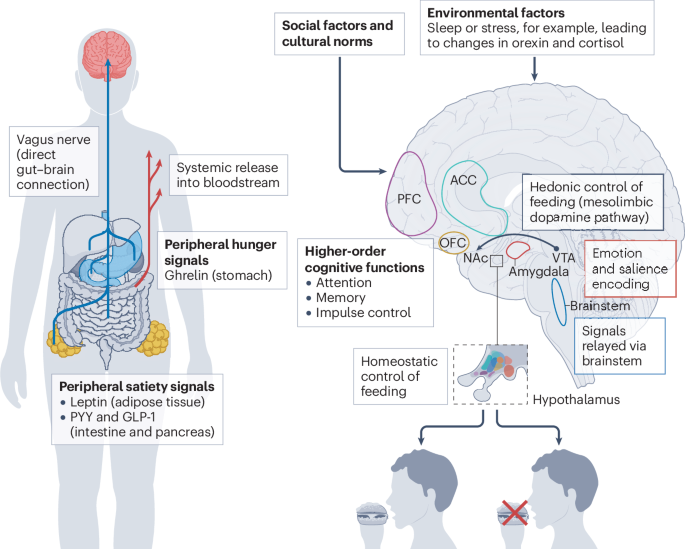
The gut-brain axis is the two-way communication between your digestive system and your nervous system. This connection includes physical links like the vagus nerve, as well as chemical messages sent through hormones and neurotransmitters. Your gut is sometimes called the “second brain” because it contains over 100 million nerve cells. It produces about 95% of your body’s serotonin, which affects mood and sleep.
When the gut is unhealthy, it can send stress signals to the brain. The brain, in turn, can make the gut react, causing issues like diarrhea or constipation. This bidirectional relationship means that improving your gut can help your mind, and vice versa.
Key points about the gut-brain axis:
- Gut bacteria influence mood, stress, and mental health.
- Chronic inflammation in the gut affects memory and focus.
- The brain can trigger gut symptoms like pain or bloating.
Most people don’t realize that the gut communicates with the brain every second, not just when you feel “butterflies” or get stomach pain from stress. Even small imbalances in gut bacteria can make you feel tired or anxious. For example, if you eat too much processed food, your gut bacteria change, and this can lead to brain fog or sadness.
Many people miss the role of diet, especially mushrooms, in strengthening this axis. Mushrooms contain unique compounds that help both gut and brain, making them ideal for a bidirectional healing protocol. Some experts even call mushrooms “adaptogens” because they help the body adapt to stress and restore balance.
Why Mushrooms Matter For Gut-brain Health
Mushrooms are not just a tasty food. They are a source of beta-glucans, prebiotics, antioxidants, and other bioactive ingredients. These compounds have specific effects:
- Beta-glucans: Improve gut lining and stimulate good bacteria.
- Prebiotics: Feed beneficial gut microbes, which produce neuroactive substances.
- Antioxidants: Protect nerve cells and reduce inflammation.
Mushrooms also contain ergothioneine, a rare antioxidant that helps protect tissues from stress. This compound is hard to get from other foods and has been linked to better cognitive function and lower inflammation in the body.
Different mushrooms have different effects. Some target the gut, others support the brain, and some help both. Using the right mushrooms, in the right way, can help restore balance between gut and brain. For example, Turkey Tail is especially good for gut diversity, while Lion’s Mane is unique for nerve growth.
These differences are why a protocol works better than using just one type.
Common Misconceptions About Mushrooms
- Not all mushrooms are medicinal. The ones discussed here are safe and effective for gut-brain health.
- Cooking does not destroy all the beneficial compounds. Some mushrooms need to be cooked for safety and better absorption.
- Mushroom supplements can be useful, but quality matters. Always check for purity and source.
Another common myth is that mushrooms are only immune boosters. In reality, their effects reach much further—they can support sleep, mood, and even how your body handles stress. Some people worry about allergic reactions, but these are rare with the mushrooms recommended in this protocol.
The Science Behind Mushrooms And The Gut-brain Axis
Research shows that mushroom compounds can help regulate microbiota, reduce inflammation, and influence neurotransmitters.
- A 2021 study found that Lion’s Mane can increase nerve growth factor and help repair nerve cells.
- Reishi mushroom has been shown to reduce anxiety and improve sleep, possibly through gut microbiota modulation.
- Turkey Tail is rich in polysaccharides that feed gut bacteria and increase immune function.
Here’s a comparison of how three key mushrooms affect gut and brain:
| Mushroom | Gut Effects | Brain Effects |
|---|---|---|
| Lion’s Mane | Supports microbiota, heals gut lining | Stimulates nerve growth, improves cognition |
| Reishi | Reduces inflammation, strengthens immunity | Calms anxiety, supports sleep |
| Turkey Tail | Feeds good bacteria, improves digestion | Indirect brain support via gut health |
These effects are not accidental. Mushrooms interact with gut bacteria, which make chemicals that reach the brain. They also help reduce gut inflammation that can cause brain symptoms.
What is often overlooked is that mushrooms can help repair the gut lining, which stops toxins from leaking into the bloodstream—a process called “leaky gut. ” When your gut lining is strong, fewer toxins reach your brain, so you feel clearer and calmer.
This is why people with digestive problems often notice better mood after adding mushrooms to their diet.
Building A Bidirectional Healing Protocol
To get the best results, you need a protocol that targets both the gut and brain at the same time. This means choosing mushrooms that support each side, combining them smartly, and using practical methods for daily life.
Step 1: Choose The Right Mushrooms
Not all mushrooms do the same job. Here are the main mushrooms for gut-brain health:
- Lion’s Mane: Best for nerve growth and brain repair.
- Reishi: Calms the mind, reduces inflammation.
- Turkey Tail: Strengthens gut bacteria, boosts immunity.
- Chaga: Powerful antioxidant, helps gut lining.
- Cordyceps: Supports energy, reduces stress.
- Maitake: Balances blood sugar, protects gut.
- Shiitake: Improves digestion, supports microbiota.
Each mushroom has a unique profile. For example, Lion’s Mane is ideal for mental clarity, while Turkey Tail is best for gut microbiome. Combining them gives a full-spectrum effect.
If you have allergies or special dietary needs, you can often find single-mushroom extracts to target specific goals. For example, someone with trouble sleeping may focus on Reishi, while someone with poor digestion may try Shiitake or Maitake first.
Step 2: Combine Mushrooms For Maximum Benefit
You can use mushrooms in foods, teas, or supplements. Combining two or three mushrooms often works better than using just one.
Example combinations:
- Lion’s Mane + Turkey Tail: For gut repair and mental clarity.
- Reishi + Chaga: For calming the mind and reducing gut inflammation.
- Cordyceps + Maitake: For energy and gut protection.
The way you take mushrooms matters. Cooking, brewing, or using extracts changes the compounds you get. For gut health, teas and cooked dishes are good. For brain benefits, extracts or powders may be better.
A practical example: add Shiitake and Maitake to soups, while using Lion’s Mane extract in your morning smoothie. This gives you a blend of fibers and neuroactive compounds throughout the day.
Step 3: Timing And Dosage
Mushrooms work best when used consistently. Most studies use daily doses for weeks or months.
Typical dosages:
- Lion’s Mane: 500–2000 mg extract per day
- Reishi: 500–1500 mg extract per day
- Turkey Tail: 1000–3000 mg powder per day
Start low and increase slowly. Watch for any reactions. Some people may feel better within a week, but deeper effects take longer.
If you’re new to mushrooms, give each one at least two weeks before increasing the dose. For example, start with Lion’s Mane for two weeks, then add Turkey Tail. This helps you notice which mushroom is helping you most.
Step 4: Support With Other Gut-brain Practices
Mushrooms are powerful, but they work best with other habits:
- Eat fiber-rich foods (vegetables, nuts, seeds)
- Avoid processed sugar, which harms gut bacteria
- Practice stress reduction (meditation, deep breathing)
- Get regular sleep, which helps both gut and brain
A bidirectional protocol means you work on both sides every day.
One overlooked tip: use fermented foods like kimchi or yogurt with mushrooms for a stronger effect. Fermented foods add good bacteria, while mushrooms feed them. This synergy is often missed but can lead to faster results.
How Mushrooms Affect Gut Health
Your gut is home to trillions of microbes. Mushrooms feed the good ones and help the gut lining repair itself. Some mushrooms even fight harmful bacteria.
Prebiotic Effects
Mushrooms like Turkey Tail and Shiitake contain fibers that act as prebiotics. These fibers feed friendly bacteria like Bifidobacterium and Lactobacillus.
- A study found that Turkey Tail increased good bacteria by 30% after four weeks.
- Shiitake improved digestion and reduced bloating in clinical trials.
It’s not just the amount of bacteria that matters, but the diversity. A more diverse gut microbiome is linked to better mood and immune health. Mushrooms help create this diversity, which is why many people feel more “balanced” after adding them to their diet.
Gut Lining Repair
Lion’s Mane and Chaga help heal the gut lining. This is important for people with leaky gut or IBS.
- Lion’s Mane stimulates growth of gut cells.
- Chaga reduces oxidative stress, which protects gut tissue.
When your gut lining is healthy, you absorb nutrients better and have fewer digestive problems. People with food sensitivities often notice improvement after a month of regular mushroom use.
Immune Support
The gut is a major part of the immune system. Reishi and Maitake boost immune cells, making it harder for infections to take hold.
Key benefits for gut health:
- Less inflammation
- Better digestion
- Stronger immune defense
An extra insight: some mushrooms may help the body fight off pathogens like Candida, which can overgrow in the gut and cause fatigue or brain fog. This effect is often missed in basic protocols.
How Mushrooms Affect Brain Health
The brain is sensitive to inflammation and chemical changes from the gut. Mushrooms help balance these factors.
Neurotransmitter Support
Lion’s Mane is famous for increasing nerve growth factor (NGF). NGF helps repair brain cells and improves memory.
- A small trial showed Lion’s Mane improved memory scores by 20% in older adults.
- Reishi supports serotonin production, which calms anxiety.
Lion’s Mane may also help the brain create new connections, not just repair old ones. This is why people sometimes feel more creative or clear-headed after regular use.
Anti-inflammatory Effects
Chronic inflammation can cause brain fog and low mood. Chaga and Reishi help reduce brain inflammation.
- Chaga contains antioxidants that protect nerve cells.
- Reishi lowers stress hormones, which helps sleep.
One missed detail: Chaga’s antioxidants may also help reduce damage from pollution or toxins, which can affect mental clarity.
Cognitive And Mood Benefits
Cordyceps and Maitake help with energy and mental focus. Shiitake improves mood through better gut health.
Key benefits for brain health:
- Sharper memory
- Less anxiety
- More energy and focus
If you’re struggling with motivation or low mood, mushrooms like Lion’s Mane and Cordyceps can be a gentle but effective boost, especially when combined with good sleep and exercise.
Mushroom Profiles: Detailed Insights
Let’s look closer at each mushroom and what it does for the gut-brain axis.
Lion’s Mane
Lion’s Mane is known for its white, fluffy appearance. It contains compounds called hericenones and erinacines.
- Supports nerve growth
- Repairs gut lining
- Improves memory and mood
How to use: Extracts, capsules, or cooked in food.
Lion’s Mane is one of the few mushrooms that directly affect the brain. Some people feel more focused after just a week, while others notice gradual improvement.
Reishi
Reishi is called the “mushroom of immortality.” It contains triterpenes and polysaccharides.
- Calms the mind
- Reduces gut and brain inflammation
- Supports immune function
How to use: Tea, extracts, or powder.
Reishi’s calming effect is subtle but powerful. Many people use it before bed to support restful sleep and reduce nighttime anxiety.
Turkey Tail
Turkey Tail looks like a fan, with colorful stripes. It’s rich in PSK and prebiotic fibers.
- Feeds gut bacteria
- Strengthens immunity
- Indirectly supports brain via gut
How to use: Tea, powder, or capsules.
Turkey Tail is sometimes used in cancer support protocols due to its immune effects, but for most people, its main benefit is gut health.
Chaga
Chaga grows on birch trees and is a powerful antioxidant.
- Repairs gut lining
- Protects nerve cells
- Reduces oxidative stress
How to use: Tea, extracts.
Chaga’s taste is earthy and works well in teas or coffee substitutes. Its immune-boosting power is especially helpful in winter.
Cordyceps
Cordyceps is known for boosting energy. It contains cordycepin.
- Increases ATP (energy)
- Reduces stress hormones
- Supports gut and brain
How to use: Capsules, powder.
Athletes often use Cordyceps for stamina, but its stress-reducing effect is helpful for anyone under pressure.
Maitake
Maitake is called “dancing mushroom.” It contains beta-glucans.
- Balances blood sugar
- Supports gut and immune health
- Boosts energy
How to use: Cooked in food, extracts.
Maitake can help people who struggle with blood sugar spikes, which can affect mood and energy.
Shiitake
Shiitake is popular worldwide.
- Improves digestion
- Feeds gut bacteria
- Supports mood
How to use: Cooked, supplements.
Shiitake’s savory taste makes it easy to add to many dishes, and it supports gut health gently.
Data: Mushrooms Vs. Other Gut-brain Foods
How Do Mushrooms Compare To Other Foods For Gut-brain Health?
| Food | Gut Health | Brain Health | Unique Benefit |
|---|---|---|---|
| Mushrooms | Prebiotics, gut lining repair | Neuroprotection, mood support | Dual action, rare compounds |
| Yogurt | Probiotics | Some mood support | Live bacteria |
| Leafy greens | Fiber, vitamins | Antioxidants | High nutrients |
| Oats | Beta-glucans | Energy | Soluble fiber |
Mushrooms stand out because they offer both gut and brain support, along with unique compounds not found in other foods.
One non-obvious advantage: mushrooms provide both prebiotics (to feed good bacteria) and neurotrophic factors (for brain repair), while most foods only offer one or the other.
Practical Mushroom Protocol For Beginners
If you are new to mushrooms, start simple and build up. Here’s a step-by-step plan:
- Pick 2 mushrooms: Lion’s Mane for the brain, Turkey Tail for the gut.
- Choose form: Capsules for convenience, tea for tradition.
- Start with low dose: 500 mg each, daily.
- Watch for effects: Track mood, digestion, sleep.
- Increase slowly: After two weeks, double the dose if no side effects.
- Add other mushrooms: Reishi for sleep, Chaga for antioxidant support.
Tips for success:
- Buy from trusted brands.
- Don’t mix too many mushrooms at once.
- Take mushrooms with food for better absorption.
- Drink plenty of water.
Many beginners miss the importance of slow dosing and tracking effects. Mushrooms work best when you pay attention to your body.
A simple tracking sheet can help you notice small changes in energy, mood, or digestion. This makes it easier to find your best protocol.
Advanced Protocol: Targeted Gut-brain Healing
For people with chronic issues (IBS, anxiety, brain fog), a more focused protocol helps.
Morning
- Lion’s Mane extract (1000 mg): Boosts focus, repairs gut.
- Cordyceps powder (500 mg): Increases energy.
Afternoon
- Turkey Tail tea (1500 mg): Supports gut microbiota.
- Maitake cooked meal: Balances blood sugar, feeds gut bacteria.
Evening
- Reishi extract (1000 mg): Calms mind, supports sleep.
- Chaga tea (500 mg): Reduces inflammation.
Extra steps:
- Take probiotics (not just mushrooms) for gut diversity.
- Practice meditation for mind-gut balance.
- Avoid alcohol and processed foods.
This protocol can be adapted as needed. If you feel side effects, reduce dose or switch mushrooms.
One advanced tip: If you travel or get sick, pause the protocol and restart at a lower dose when you feel better. The gut-brain axis is sensitive to change, and slow adjustments work best.

Credit: www.frontiersin.org
Safety And Side Effects
Most medicinal mushrooms are safe for daily use, but there are a few things to watch:
- Allergies: Rare, but possible.
- Digestive upset: Sometimes with high doses.
- Drug interactions: Reishi and Chaga may affect blood pressure or immunity.
Always talk to your doctor if you have chronic illness or take medication. Pregnant women should avoid mushroom extracts unless approved.
Common mistakes:
- Taking too much too soon.
- Using low-quality supplements.
- Ignoring signs of allergy.
Another insight: people with autoimmune diseases should use mushrooms with caution, as their immune effects can be strong. Always start small and monitor your response.
Real-life Examples
Many people have improved their gut-brain axis with mushrooms.
Case 1: Sarah, 35, had IBS and anxiety. She started with Turkey Tail and Lion’s Mane, felt better digestion in two weeks, and better mood in one month.
Case 2: Mark, 50, suffered from brain fog. He used Lion’s Mane and Reishi, improved memory and sleep in six weeks.
Case 3: Anna, 28, used Maitake and Shiitake for chronic bloating. Her gut symptoms improved, and she felt more energetic.
Key lesson: Mushrooms work best when combined with other healthy habits.
People often see the biggest changes when they also improve their diet, get more sleep, and reduce stress. Mushrooms are powerful, but they’re part of a bigger health picture.
Mushroom Sourcing And Quality
Choosing the right mushrooms is critical. Many supplements are low quality or contaminated.
How to pick good mushrooms:
- Look for organic certification.
- Check for third-party testing.
- Avoid fillers and artificial additives.
If possible, use fresh mushrooms from local stores. For supplements, trusted brands are important. Some people grow their own mushrooms at home, which can be rewarding but requires knowledge.
External resource: For detailed mushroom safety, visit NCBI Mushroom Review.
Be aware that price is not always a sign of quality. Some expensive brands still use fillers. Read labels carefully and look for products that list the specific mushroom species and extraction method.
Comparing Mushroom Forms: Fresh Vs. Extracts Vs. Powder
Different forms have different strengths.
| Form | Advantages | Disadvantages | Best Use |
|---|---|---|---|
| Fresh | High nutrients, tasty | Short shelf life, not always available | Cooking, meals |
| Extracts | Concentrated, easy to dose | Higher cost, sometimes bitter | Capsules, drops |
| Powder | Flexible, can mix in food | May clump, taste varies | Smoothies, teas |
For gut-brain health, extracts are often best for targeted effects, while fresh or powder forms are good for overall wellness.
Some people enjoy making their own mushroom teas from dried pieces, which can offer a ritual and calming effect in addition to health benefits. If you dislike the taste, capsules are the easiest option.
Credit: www.nature.com
Non-obvious Insights For Mushroom Use
- Synergy matters: Combining mushrooms with probiotics and fiber-rich foods can multiply their effects. Many beginners skip this step.
- Timing is key: Taking mushrooms with meals improves absorption, especially for fat-soluble compounds.
- Rotate mushrooms: Using different mushrooms each month prevents tolerance and offers broader benefits.
If you experience a “plateau” where benefits seem to stop, switch to a different mushroom or take a short break. This keeps your protocol effective over the long term.
Another tip: some people blend small amounts of several mushrooms in one smoothie or soup. This “mushroom blend” approach gives a wider range of benefits.
Tracking Progress And Adjusting Protocol
To know if your protocol is working, track your progress.
What to track:
- Digestive symptoms (bloating, regularity)
- Mental symptoms (focus, mood, sleep)
- Energy levels
- Immune health (resistance to colds)
Use a notebook or app to record changes. Adjust your protocol every four weeks. If you don’t see progress, try new mushrooms or change dosage.
If you’re not sure which mushroom is helping most, try removing one at a time (“elimination test”). This can help you find your personal best combination.
The Future Of Mushroom-based Gut-brain Protocols
Science is moving fast. New studies show mushrooms may help with Alzheimer’s, depression, and autoimmune conditions. Personalized protocols, based on genetics or gut bacteria, will soon be possible.
Potential advances:
- Custom mushroom blends for specific symptoms.
- Gut bacteria testing to match mushroom type.
- Combining mushrooms with other natural therapies.
For now, using mushrooms with a bidirectional approach is one of the best ways to support gut-brain health naturally.
It’s likely that future supplements will offer blends tailored to your unique microbiome or brain chemistry, making protocols even more effective.
Frequently Asked Questions
What Is The Gut-brain Axis And Why Is It Important?
The gut-brain axis is the two-way connection between your digestive system and nervous system. It affects mood, memory, digestion, and immune health. Keeping this axis healthy can prevent many health problems.
Which Mushroom Is Best For Mental Clarity?
Lion’s Mane is the top choice for mental clarity. It stimulates nerve growth and improves memory. Many people report sharper focus after a few weeks of use.
Can I Use Mushrooms If I Have Ibs Or Anxiety?
Yes, mushrooms like Turkey Tail and Reishi are safe for most people with IBS or anxiety. Start with low doses and watch for effects. Mushrooms help reduce gut inflammation and calm the mind.
Are Mushroom Supplements Safe?
Most supplements are safe if you buy from trusted brands. Look for organic certification and third-party testing. Avoid products with fillers or artificial additives.
How Long Does It Take To See Results?
Some people feel better digestion or mood within one week. Deeper changes, like improved memory or less anxiety, can take four to eight weeks. Consistency is key.
The gut-brain axis is one of the most exciting areas in health today. Mushrooms offer a unique, natural way to heal both sides. With the right protocol, consistent use, and attention to quality, you can transform your health from the inside out.
Start small, track your progress, and enjoy the journey toward a balanced gut and mind.

Credit: www.frontiersin.org