Reishi And Lion’s Mane for Daily Stress And Mood Support: A Gentle Protocol
Modern life often brings waves of stress that can leave us feeling drained and unbalanced. Many people search for gentle, natural ways to manage daily stress and improve their mood without relying on harsh chemicals or quick fixes. Among the options, two medicinal mushrooms—Reishi and Lion’s Mane—stand out for their calming and mood-supportive benefits. These mushrooms have been used for centuries in Eastern traditions, and now, science is starting to support their use for mental wellness.
This guide explores how Reishi and Lion’s Mane can fit into a daily routine for stress and mood support. You’ll learn what makes each mushroom unique, how to use them safely, and how to create a gentle, effective protocol that fits your lifestyle.
Whether you’re new to medicinal mushrooms or looking to deepen your understanding, you’ll find practical advice and insights you can use right away.
The Science Behind Stress And Mood
Before exploring Reishi and Lion’s Mane, it’s important to understand how stress affects the body and mind. Stress triggers the release of hormones like cortisol and adrenaline, which can help in emergencies but cause problems if levels stay high. Chronic stress can lead to symptoms like anxiety, poor sleep, irritability, and even physical health issues.
Under normal conditions, cortisol helps us wake up in the morning, stay alert, and respond to challenges. But when stress is ongoing—such as constant work pressure or emotional tension—cortisol can stay high and make it hard to relax. Over time, this can disrupt your body’s natural rhythms, leading to tiredness, headaches, and more frequent illness.
Mood is also influenced by chemicals in the brain, such as serotonin and dopamine. When these chemicals are out of balance, it can lead to sadness, low energy, or feeling overwhelmed. For example, people with low serotonin often feel more anxious or irritable, while low dopamine can cause lack of motivation and joy. Many people try meditation, exercise, or therapy to manage stress and mood, but natural supplements like medicinal mushrooms are gaining attention as well.
Non-obvious insight: Chronic stress can subtly affect the immune system, making you more likely to get sick when you’re overwhelmed. Supporting your mood and stress resilience is not just about feeling good—it also protects your overall health.
What Are Medicinal Mushrooms?
Medicinal mushrooms are fungi used for health benefits beyond nutrition. While some mushrooms are just food, others—like Reishi and Lion’s Mane—contain compounds that support the immune system, brain, and stress response. These mushrooms are not magic pills but can be a gentle, effective part of a holistic wellness plan.
Medicinal mushrooms are usually taken as extracts, capsules, powders, or teas. The key is regular, consistent use rather than quick, one-time fixes. Unlike many common supplements, medicinal mushrooms work best over weeks or months, not days. For example, you might not notice big changes after the first few doses, but many users see improvements in mood, sleep, and energy after 4–8 weeks.
Medicinal mushrooms are popular in Traditional Chinese Medicine (TCM), Japanese Kampo, and other herbal traditions. Modern science is now studying their unique compounds, and many doctors and wellness coaches include them in stress support protocols.
Non-obvious insight: Not all mushrooms are safe or beneficial. Stick to well-studied varieties like Reishi and Lion’s Mane, and always buy from reputable sources to avoid contamination.
Reishi: The Mushroom Of Calm
History And Traditional Use
Reishi (Ganoderma lucidum) is called the “mushroom of immortality” in China and has a long history in traditional medicine. For thousands of years, it was used to promote relaxation, longevity, and spiritual clarity. Ancient texts describe it as a tonic for the mind and body.
Reishi was once reserved for royalty because it was rare and highly valued. In many cultures, it was considered a symbol of luck, healing, and wisdom. Practitioners used it to help people recover from illness, improve sleep, and support meditation or spiritual practice.
In Japan, it is called “mannentake,” meaning “ten-thousand-year mushroom,” highlighting its reputation for promoting long life.
Active Compounds
Reishi contains triterpenes, polysaccharides, and beta-glucans. These natural chemicals help reduce inflammation, support the immune system, and balance the body’s stress response.
- Triterpenes: Known for their calming and anti-inflammatory effects. Some research suggests they interact with brain receptors that regulate anxiety and mood.
- Polysaccharides: Support immune health and may help the body adapt to stress.
- Beta-glucans: Stimulate immune function, which can be weakened by chronic stress.
Each compound works together to gently guide your body back to a balanced state.
Modern Research
Recent studies show that Reishi can:
- Lower cortisol levels
- Improve sleep quality
- Reduce symptoms of anxiety and mild depression
For example, a 2012 study found that people taking Reishi extract reported less fatigue and better mood after eight weeks. Other research has shown that Reishi can help people sleep deeper and wake up feeling more refreshed, especially if they have trouble calming their minds at night.
Some small studies also suggest that Reishi can improve concentration in people who feel mentally exhausted.
How Reishi Supports Stress And Mood
Reishi works by calming the nervous system. It may help the body adapt to stress, lowering feelings of anxiety and promoting a sense of peace. Unlike some drugs, its effects are gentle and build over time. Reishi also supports restful sleep, which is essential for mood balance.
People often describe the effect as “soothing” or “like a gentle exhale. ” It doesn’t make you drowsy during the day but can make it easier to let go of worries at night. Some users also report fewer headaches or tension in the body after a few weeks of regular use.
Non-obvious insight: Many beginners expect immediate results, but Reishi’s benefits appear gradually with daily use. It is not a sedative but helps the body return to balance. If you already sleep well, you might notice less irritability or a calmer reaction to stress before you notice deeper sleep.
Lion’s Mane: The Brain And Mood Booster
What Makes Lion’s Mane Unique
Lion’s Mane (Hericium erinaceus) is known for its white, shaggy appearance—like a lion’s mane. Traditionally used in Asia, it is now popular worldwide for supporting brain health, focus, and emotional balance.
Lion’s Mane was prized by Buddhist monks, who believed it could enhance concentration during meditation. In traditional Chinese medicine, it was used to support “shen”—the spirit or mind—making it a favorite for people seeking mental clarity and emotional stability.
Active Compounds
The key compounds in Lion’s Mane are hericenones and erinacines. These stimulate the growth of nerve cells and support brain function.
- Hericenones (found in the fruiting body): Help your brain produce more nerve growth factor (NGF), which is vital for memory and mental sharpness.
- Erinacines (found mostly in the mycelium): Cross the blood-brain barrier and may help support brain repair and protect against stress-induced damage.
Lion’s Mane also contains antioxidants that help protect brain cells from damage caused by chronic stress or aging.
Benefits For Mood And Stress
Lion’s Mane is unique because it can:
- Boost nerve growth factor (NGF), helping brain repair
- Improve focus and mental clarity
- Reduce mild symptoms of depression and anxiety
A 2010 Japanese study found that women taking Lion’s Mane cookies for four weeks had lower scores for irritability and anxiety than those taking a placebo. Other studies show possible benefits for memory and concentration, especially in people under stress or with “brain fog.
”
Lion’s Mane is sometimes called a “nootropic” because of its potential to enhance cognitive performance without overstimulation. People who feel forgetful or easily distracted often report a clearer mind and steadier mood after a few weeks.
How Lion’s Mane Helps Stress And Mood
Lion’s Mane may help rebuild and protect brain cells affected by stress. It supports clear thinking and a positive outlook. Some users say they feel “lighter” or less foggy after regular use. For people who experience mood swings or anxiety, Lion’s Mane can provide a gentle, steadying effect—less drama, more stability.
Non-obvious insight: Lion’s Mane is not a stimulant. It works by nourishing the brain, not by giving a quick burst of energy. Effects are subtle but can add up over time. If you are sensitive to caffeine or energy drinks, you’ll likely find Lion’s Mane much easier to tolerate.
Reishi Vs. Lion’s Mane: How They Compare
Both mushrooms support stress and mood, but they have different strengths. The following table highlights some key differences:
| Feature | Reishi | Lion’s Mane |
|---|---|---|
| Main Benefit | Calm, relaxation, better sleep | Mood balance, focus, brain support |
| Traditional Use | Longevity, stress relief | Cognitive health, nerve repair |
| Active Compounds | Triterpenes, polysaccharides | Hericenones, erinacines |
| When to Take | Evening or before bed | Morning or afternoon |
| Best For | Calming mind, sleep issues | Mood swings, brain fog |
Practical example: If you struggle to unwind at night, Reishi can help you relax and sleep. If you have trouble staying focused at work or feel mentally tired, Lion’s Mane may help you stay sharp and positive.
Creating A Gentle Daily Protocol
Designing a gentle protocol means using both mushrooms in a way that fits your life. The goal is to build resilience against stress and support a balanced mood.
Step 1: Choose Quality Products
Look for products that list the fruiting body (not just mycelium) and give the percentage of key compounds like beta-glucans. Trusted brands will show third-party testing.
Example: A good Lion’s Mane powder will say “fruiting body extract, 25% beta-glucans,” and a quality Reishi capsule will note “fruiting body, dual-extracted, 30% polysaccharides.”
Step 2: Start Low And Slow
Begin with a low dose, especially if you are new to medicinal mushrooms. This allows your body to adjust and helps you notice any effects.
Some people feel a shift in energy or digestion in the first week. If you feel any discomfort (such as slight nausea), pause or lower the dose and try again in a few days.
Step 3: Timing And Dosage
- Lion’s Mane: Take in the morning or early afternoon. Start with 500 mg daily and increase up to 1000–2000 mg if needed.
- Reishi: Take in the evening or before bed. Start with 500 mg daily and increase to 1000–1500 mg.
You can take both together, but many people prefer to separate them for the best effect. Some find that combining them in the same smoothie or tea works, while others like a clear morning/evening routine.
Tip: Always take with food or a warm drink to help absorption and reduce the chance of stomach upset.
Step 4: Combine With Healthy Habits
Mushrooms work best with a foundation of good habits:
- Get enough sleep (7–8 hours)
- Eat whole foods, focusing on fruits, vegetables, and quality proteins
- Exercise regularly—even gentle walks help manage stress hormones
- Practice mindfulness or meditation for 5–10 minutes daily
These habits support your body’s natural ability to recover from stress and magnify the benefits of medicinal mushrooms.
Step 5: Track Your Progress
Keep a simple journal. Note your mood, sleep quality, and stress levels each day. This helps you see changes over time.
A basic log might look like:
- “Woke up refreshed, less anxious at work.”
- “Slept 7 hours, felt calm before bed after Reishi.”
- “Focus better after Lion’s Mane in the morning.”
Tracking small changes helps you decide if you need to adjust your dose or daily routine.
Example Protocol
Here’s a sample routine to get started:
- Morning: Take 500 mg Lion’s Mane with breakfast
- Evening: Take 500 mg Reishi after dinner
- Adjust dosage after two weeks if desired
- Maintain for at least 6–8 weeks for best results
Practical tip: If you feel more relaxed or focused after a few weeks, that’s a good sign. If you notice no change, review your sleep, diet, and stress levels, as these can affect your results.
Non-obvious insight: Many people stop too soon if they don’t see fast results. Give the protocol at least a month, as gentle adaptogens like Reishi and Lion’s Mane need time to work.

Credit: www.amazon.com
Safety And Side Effects
Medicinal mushrooms are generally safe for most people. However, it’s wise to check for:
- Allergies (rare but possible)
- Digestive upset (can happen with high doses)
- Interactions with medications (especially immune drugs or blood thinners)
If you are pregnant, breastfeeding, or have a medical condition, consult your doctor before starting.
Some people with mold or mushroom allergies should avoid these supplements. If you ever feel itchy, dizzy, or have swelling after taking a mushroom product, stop immediately.
Beginner mistake: Taking too much too soon. Start with the lowest dose to avoid digestive issues. If you have a sensitive stomach, try taking your supplement with a small meal.
Real-life Examples And Experiences
Many people share positive experiences with Reishi and Lion’s Mane for stress and mood. Here are a few real-world scenarios:
- Anna, a teacher, found that Lion’s Mane helped her stay calm and clear-headed during busy workdays. She noticed fewer “afternoon crashes” and felt more patient with her students.
- James, who struggled with sleep, noticed that Reishi tea before bed helped him fall asleep faster and wake up refreshed. After a month, he also felt less irritable during the day.
- Maya, a college student, used both mushrooms during finals and felt less anxious and more focused. She said, “I didn’t feel super energetic, but I was steady and got more done.”
Other people say that Lion’s Mane helps with “brain fog” after illness or stressful events. Some use Reishi after a hard day to help them unwind, especially if they tend to worry at night.
Non-obvious insight: The benefits are often most obvious when you stop taking the mushrooms after a few months—suddenly, you notice you’re less calm or focused, and realize how much they helped.

Credit: apenutrition.co.uk
What To Look For In Supplements
Not all mushroom products are created equal. Here’s what matters:
- Fruiting body: The most active compounds are in the mushroom’s fruiting body, not just the mycelium.
- Standardized extract: Look for extracts with known levels of beta-glucans, hericenones, or triterpenes.
- Third-party testing: Reliable brands test for purity and heavy metals.
- No fillers: Avoid products with added grains or starches.
Example: If a label says “100% fruiting body, 30% beta-glucans, third-party tested,” that’s a good sign.
Non-obvious insight: Some companies “spike” their powders with extra starch or rice to save money. These products have lower levels of active compounds and do not provide the same benefits.
Combining Reishi And Lion’s Mane With Other Practices
While these mushrooms are helpful alone, they can be combined with other gentle approaches:
- Herbal teas (like chamomile or ashwagandha)
- Breathing exercises
- Yoga or gentle movement
- Journaling
For example, try a cup of Reishi tea with a few minutes of deep breathing before bed. Or, take Lion’s Mane in the morning and spend five minutes writing down your daily intentions or gratitude list.
Non-obvious insight: Small, consistent actions often work better than big, dramatic changes. For example, drinking Reishi tea and meditating for five minutes can be more powerful over time than one big change you can’t maintain.
Sample Daily Routine
A gentle protocol fits easily into daily life. Here’s how a day might look:
| Time | Activity | Product | Purpose |
|---|---|---|---|
| 7:00 am | Breakfast | Lion’s Mane Capsule (500 mg) | Boost mood and focus |
| 12:00 pm | Lunch | Optional Lion’s Mane (500 mg) | Maintain clarity |
| 6:00 pm | Dinner | Reishi Capsule (500 mg) | Prepare for relaxation |
| 9:00 pm | Bedtime routine | Reishi Tea (optional) | Support sleep and calm |
You don’t need to take every dose every day. Listen to your body and adjust as needed. For instance, if you feel very relaxed with just one Reishi dose, there’s no need to add more.
Practical tip: Try different forms—capsules, powders, teas—to see what fits your routine and taste preferences.
What Beginners Often Miss
Many people new to medicinal mushrooms make these mistakes:
- Expecting quick results: These are not like caffeine or sleeping pills. Benefits build slowly.
- Ignoring other habits: Mushrooms help most when combined with a healthy lifestyle.
- Choosing poor-quality supplements: Weak or diluted products don’t work well.
- Not tracking progress: Small changes are easier to notice if you keep a journal.
Non-obvious insight: If you have a stressful event (like a big work project or travel), mushrooms can help you recover faster—but they won’t prevent stress entirely. Think of them as support, not a shield.
Data And Research Support
Modern research on medicinal mushrooms is growing. Here are some highlights:
- A 2012 study in the journal Evidence-Based Complementary and Alternative Medicine found that Reishi** improved quality of life and mood in people with fatigue.
- A 2010 study in Biomedical Research showed that Lion’s Mane** improved mood and reduced anxiety in healthy adults.
- Beta-glucans in Reishi support the immune system, which is often weakened by chronic stress.
- Animal studies show Lion’s Mane can help regenerate brain cells after injury and reduce symptoms of depression.
While more large-scale human studies are needed, these findings point toward real benefits for mental well-being. For more detailed studies, you can visit the [National Center for Biotechnology Information](https://www.ncbi.nlm.nih.gov/pmc/articles/PMC6158577/).
Who Should Avoid These Mushrooms?
While Reishi and Lion’s Mane are safe for most, some people should be careful:
- People with mushroom allergies
- Those on blood thinners (Reishi may increase bleeding risk)
- People with autoimmune diseases (Reishi can stimulate the immune system)
- Pregnant or breastfeeding women (not enough safety data)
Always talk to your doctor if you have concerns.
Non-obvious insight: If you are scheduled for surgery, stop taking Reishi at least two weeks before the procedure, as it may affect blood clotting.
Tips For Making Mushrooms Part Of Daily Life
It’s easy to add Reishi and Lion’s Mane to your routine:
- Mix powder into coffee, smoothies, or oatmeal
- Brew as tea (especially Reishi before bed)
- Use capsules for convenience
- Try mushroom blends, but check the ingredient list
Practical tip: Some people dislike the bitter taste of Reishi. Mixing it with cocoa or honey can help. For Lion’s Mane, blending into a smoothie with banana or berries works well.
Consider setting a reminder on your phone or adding your mushroom dose to an existing habit, like making your morning coffee or evening tea.
Myths And Misunderstandings
Some myths can confuse beginners:
- Myth: “Mushrooms work instantly.” Reality: Effects are gradual.
- Myth: “More is better.” Reality: Start low; higher doses can cause stomach upset.
- Myth: “All products are the same.” Reality: Quality varies a lot.
- Myth: “You must use them forever.” Reality: Many people use them for a few months, then take a break.
Understanding these myths helps set realistic expectations. If you are consistent, you’ll likely notice subtle but real improvements within a couple of months.
How To Choose The Right Protocol For You
Every person is different. Consider your main goal:
- If you need calm and better sleep, focus on Reishi.
- If you want clear thinking and better mood, try Lion’s Mane.
- For overall support, use both, but start with one and add the other after a few weeks.
Some people rotate, using Lion’s Mane during busy work periods and Reishi during stressful times or before travel. Listen to your body and adjust as you go.
Non-obvious insight: Tracking your sleep and mood in a simple notebook or app makes it much easier to decide which mushroom helps you most.
Frequently Asked Questions
What’s The Best Time To Take Reishi And Lion’s Mane?
Lion’s Mane is best in the morning or early afternoon for focus and mood. Reishi is best in the evening to help you relax and support sleep. If you work nights or have a changing schedule, experiment to find your ideal timing.
Can I Take Reishi And Lion’s Mane Together?
Yes, you can take them together. Many people use Lion’s Mane in the morning and Reishi at night, but you can adjust based on your needs and how your body feels. Some people combine both in a smoothie or protein shake.
How Long Does It Take To See Results?
Most people notice subtle changes after 2–4 weeks of regular use. The effects build slowly, so be patient and consistent. Keeping a journal helps you spot improvements.
Are There Any Side Effects?
Side effects are rare but can include mild digestive upset or allergic reactions. Start with a small dose and increase slowly. If you take medications, check with your doctor.
How Do I Know If My Mushroom Supplement Is High Quality?
Look for “fruiting body” on the label, check for standardized extracts, and choose brands with third-party testing. Avoid products with fillers or unclear ingredient lists.
Taking steps toward better stress and mood management doesn’t have to be complicated or overwhelming. By using Reishi and Lion’s Mane as part of a gentle daily protocol, you give your body tools to adapt to stress and support a brighter, more balanced mood. Remember, slow and steady wins the race—consistency and quality matter more than high doses or quick fixes. With patience and mindful habits, these mushrooms can become trusted allies on your journey to well-being.
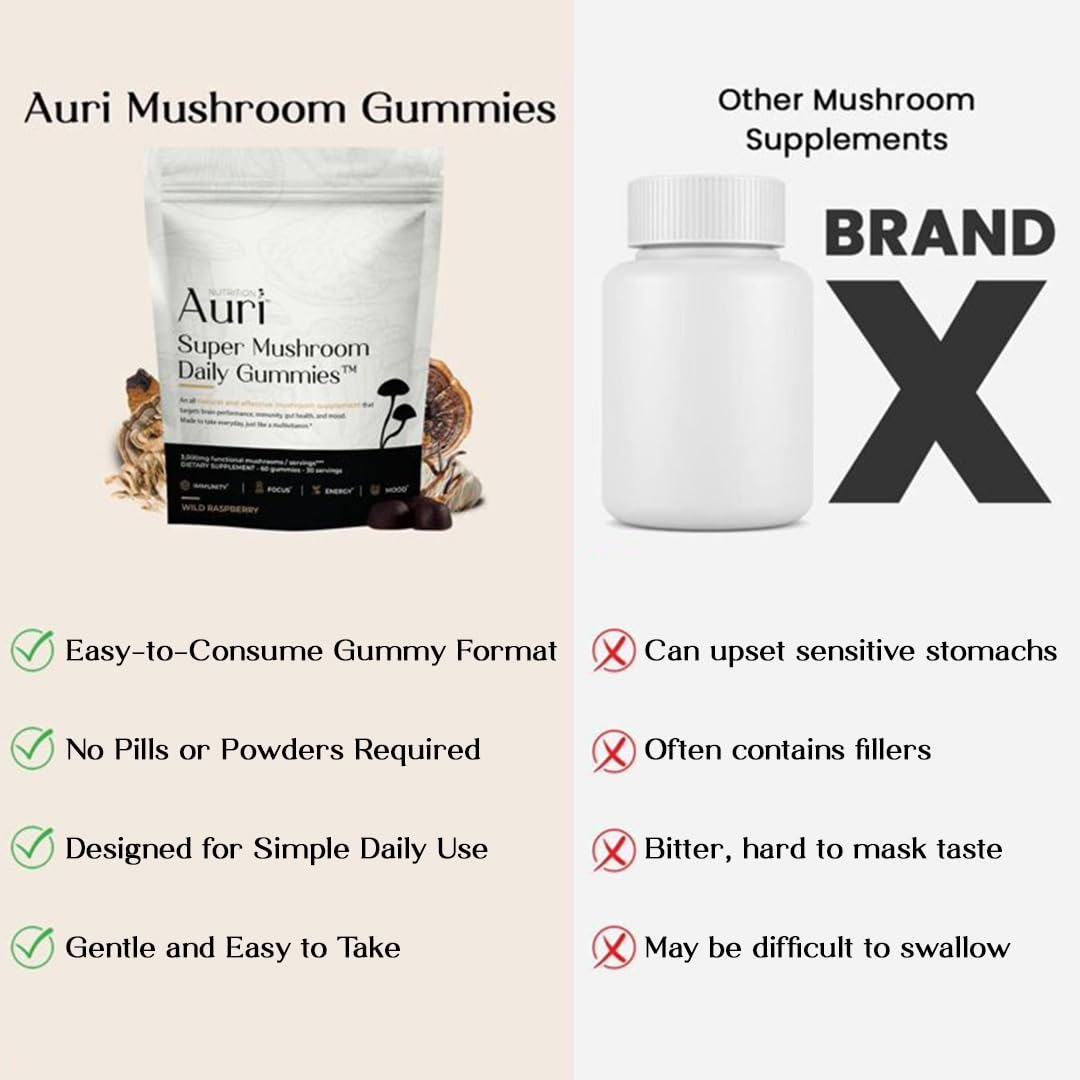
Credit: www.amazon.ae