
Mushrooms have fascinated humans for centuries, not only for their role in food but also for their powerful effects on the mind and body. In recent years, the spotlight has shifted toward how some mushrooms, especially those with psychoactive compounds, might help people facing life-threatening illnesses. More doctors, patients, and researchers are now asking: Can mushrooms play a real role in palliative care and improve quality of life for those with serious conditions? This question is no longer just a theory—growing scientific evidence is providing some surprising answers.
Today, palliative care is more than just pain management. It’s about helping people live as well as possible, even with illness. But many patients still struggle with anxiety, depression, and spiritual distress. Standard treatments work for some, but not all. This is where certain mushrooms, especially psilocybin-containing species, have sparked interest. Multiple studies now suggest that these mushrooms might offer unique relief from suffering, especially emotional and existential pain.
If you’re curious about whether mushrooms really help, what the evidence says, and what the future holds, this article will guide you through every angle. We’ll look at the science, share real examples, and discuss both the potential and the challenges of using mushrooms in palliative care.
Understanding Palliative Care And Quality Of Life
Before exploring mushrooms, it’s important to know what palliative care means. Palliative care aims to relieve suffering and improve the quality of life for people with serious illness. It’s not only for those at the end of life. Patients often receive palliative care alongside treatments like chemotherapy or surgery. The focus is holistic—it includes physical, emotional, social, and spiritual well-being.
Quality of life in this context is broad. It covers pain, symptoms, mood, anxiety, depression, sense of meaning, relationships, and even spiritual peace. For many people with advanced cancer, heart failure, or neurological diseases, emotional distress can be as hard as physical pain. Traditional medicines often fall short in this area, especially for existential suffering.
Why Mushrooms? The Science Behind Their Interest
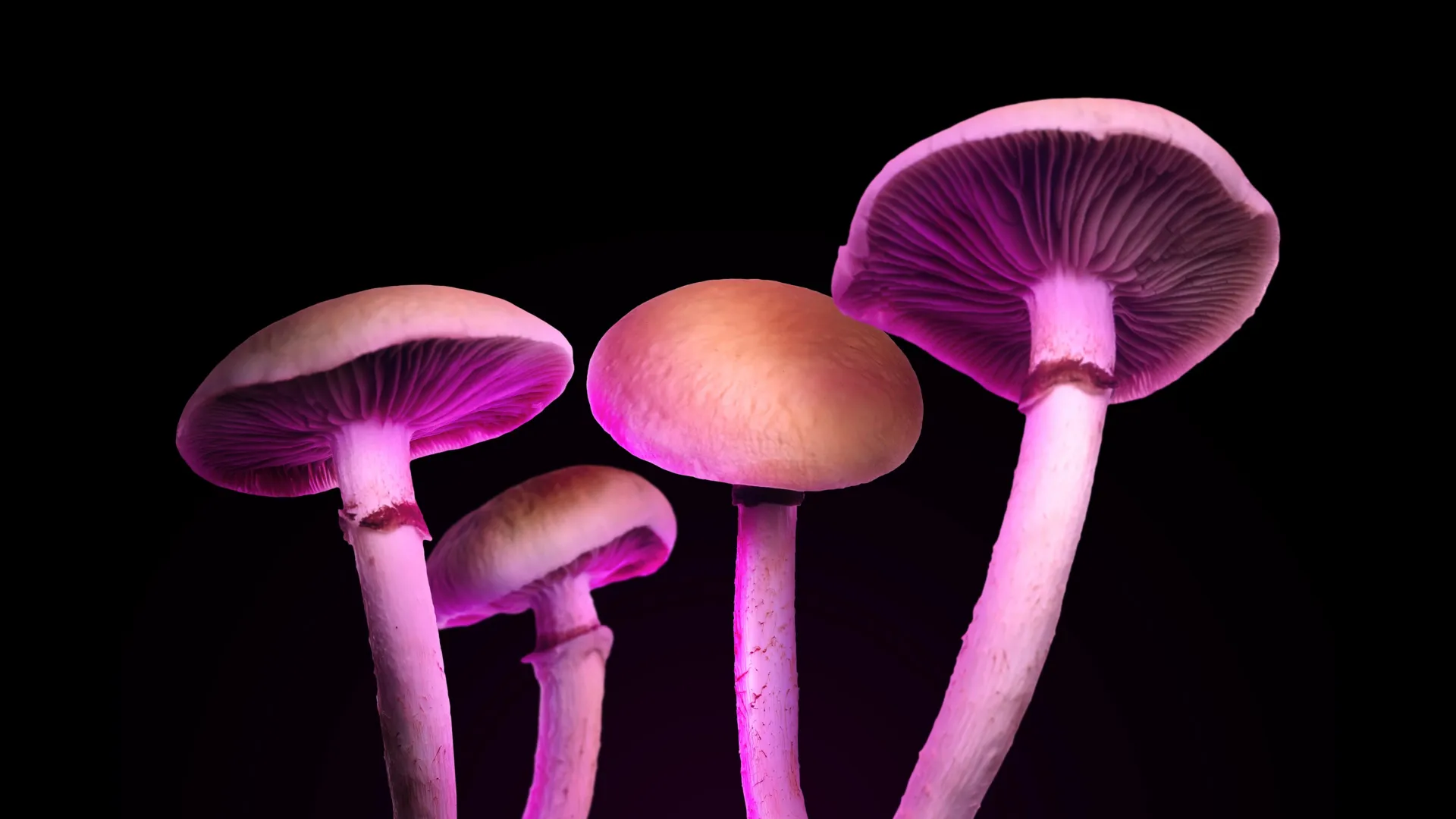
Mushrooms used in palliative care are not the common ones you find in the grocery store. The focus is on psilocybin mushrooms, sometimes called “magic mushrooms.” Psilocybin is a compound that, when eaten, is converted in the body to psilocin, which affects the brain’s serotonin system.
Research has shown that psilocybin can create powerful changes in perception, mood, and sense of self. Unlike classic antidepressants, its effects can appear quickly and sometimes last for months after just one or two doses. This rapid, long-lasting effect is what makes it interesting for palliative care.
But it’s not just about feeling “high. ” In clinical studies, psilocybin is given in a controlled, supportive setting with trained therapists. Patients often report deep emotional insight, spiritual experiences, and a new sense of peace. Some even describe it as one of the most meaningful moments of their lives.
History Of Mushroom Use In Healing
The use of psychoactive mushrooms for healing is not new. Indigenous cultures in Central and South America have used them for thousands of years in religious and spiritual ceremonies. These traditions saw mushrooms as tools for connecting with the divine and for healing emotional wounds.
In the 1950s and 1960s, Western scientists began studying psilocybin and other psychedelics for mental health and existential distress. Many early results were positive, but research stopped in the 1970s due to legal and political reasons. Only in the last 20 years has scientific interest returned, leading to new clinical trials and growing mainstream acceptance.
Key Evidence From Clinical Trials
Over the past decade, several high-quality studies have explored psilocybin in people with life-threatening diseases, especially cancer. Let’s look at what the evidence shows.
Cancer-related Distress
One of the largest areas of research is psilocybin for cancer patients facing anxiety, depression, and existential distress. Two landmark studies published in 2016 changed the conversation:
- At Johns Hopkins University, 51 patients with life-threatening cancer received a single dose of psilocybin. About 80% reported a major reduction in depression and anxiety, which lasted for at least six months in most cases.
- At NYU Langone Medical Center, 29 patients received either psilocybin or a placebo. The psilocybin group reported less anxiety, less depression, and a greater sense of well-being and meaning.
Here is a comparison of the main results:
| Study | Number of Patients | Symptom Improvement | Duration of Effect |
|---|---|---|---|
| Johns Hopkins | 51 | 80% had less depression/anxiety | 6+ months |
| NYU Langone | 29 | Significant reduction in distress | 6+ months |
What makes these results stand out is not just the size of the effect, but its lasting impact after only a single treatment.
End-of-life Anxiety And Existential Distress
Many patients with terminal illness fear death, feel lost, or struggle to find meaning. Traditional therapy may help, but it often takes months or years. In contrast, psilocybin studies show that even one session can bring:
- Deep spiritual experiences
- Feeling of unity and peace
- Acceptance of death
- Lasting reduction in fear and anxiety
One patient described their experience as “seeing life’s beauty again” after years of darkness.
Depression And Mood
Depression is common in advanced illness. Standard antidepressants can take weeks to work and may not help everyone. Psilocybin studies report rapid and strong mood improvements, often within a day or two. Some patients describe feeling “reset” or “freed” from long-standing negative thoughts.
In one study published in 2020, 71% of patients with major depressive disorder achieved a “clinically significant response” after psilocybin, compared to 25% for standard treatment.
Symptom Burden And Pain
While most research focuses on mood and anxiety, some early studies suggest that psilocybin may help with physical symptoms like pain. The exact mechanism is not clear, but patients sometimes report less pain or a new way of coping with discomfort after treatment.
Spiritual And Existential Growth
A unique feature of mushroom therapy is its ability to trigger spiritual experiences. These are not just pleasant feelings—they often have a deep, lasting effect on how people see themselves, others, and the world.
Some patients describe a “mystical-type” experience, which scientists have found is closely linked to longer-lasting improvements in mood and quality of life.
How Mushroom Therapy Is Delivered In Palliative Care
Mushroom therapy in medical settings is not the same as recreational use. The process is highly structured and safe. Here’s how it typically works:
- Screening: Patients are carefully selected. Those with a history of psychosis or certain heart problems are excluded.
- Preparation: Patients meet with therapists to discuss expectations, fears, and hopes. This helps create trust and safety.
- Dosing Session: On the day of treatment, patients take a measured dose of psilocybin in a comfortable room. Therapists stay with them for support. Patients usually wear eyeshades and listen to calming music.
- Integration: After the session, therapists help patients process the experience and apply insights to their lives.
This structure is key to both safety and effectiveness.
Safety And Side Effects: What The Evidence Shows
Safety is a major concern for any new therapy, especially in vulnerable patients. So far, clinical trials show that psilocybin is physically safe for most people when given in controlled settings. Serious side effects are rare.
The most common side effects are:
- Temporary anxiety or confusion during the session
- Nausea or mild headache
- Emotional ups and downs
There is no evidence that psilocybin causes addiction. In fact, some research suggests it may even help break addiction to other substances.
However, there are risks. People with a personal or family history of psychosis, schizophrenia, or bipolar disorder are typically excluded from studies, as they may be more likely to have negative reactions.
Here’s a quick comparison of common side effects in clinical studies:
| Side Effect | Frequency | Duration |
|---|---|---|
| Temporary anxiety | 20-30% | During session |
| Nausea/headache | 10-20% | Few hours |
| Serious adverse events | <1% | Rare |
Credit: www.sciencedaily.com
Comparing Mushrooms With Other Palliative Care Treatments
How do mushrooms compare to standard treatments? While more research is needed, some clear differences have emerged.
- Speed of effect: Psilocybin often works within hours or days, while antidepressants may take weeks.
- Number of treatments: Many patients improve after just one or two sessions, versus daily medication.
- Type of benefit: Mushrooms can improve both mood and spiritual well-being, areas where standard drugs may not help.
Here is a brief comparison:
| Treatment | Time to Effect | Number of Sessions | Main Benefits |
|---|---|---|---|
| Psilocybin | 1-3 days | 1-2 sessions | Mood, anxiety, spiritual insight |
| Standard antidepressants | 2-6 weeks | Daily use | Mood, some anxiety |
| Counseling/therapy | Varies | Weeks to months | Mood, coping skills |
Insights Beginners Often Miss
Many new to the topic focus only on the chemical or “drug” effect of mushrooms. But two non-obvious points are often overlooked:
- Set and Setting Matter: The patient’s mindset (“set”) and the environment (“setting”) are crucial. Studies show that the same dose of psilocybin can have very different effects depending on these factors. A calm, supportive setting with trained guides leads to the best outcomes.
- Integration Is Key: The benefits of mushroom therapy are often strongest when patients have help integrating what they learned into daily life. Without this step, the positive effects may fade faster.
The Role Of The Therapist
Unlike many medicines, mushrooms are not just “pills. ” They are given with psychological support from trained guides or therapists. These professionals help patients feel safe, prepare for the session, and process the experience afterward. Their role is essential for both safety and lasting benefit.
Therapists are trained to:
- Offer reassurance during difficult moments
- Help patients explore insights and emotions
- Prevent or manage negative reactions
- Encourage positive changes after the session
Patient Stories: Real-life Impact
Hearing from real patients helps bring the evidence to life. Here are a few examples from published studies:
- Maria, a cancer patient, reported that after her psilocybin session, her anxiety “melted away” and she felt a deep sense of connection to her family and the world.
- John, who had advanced cancer, said the experience gave him “peace about death” and allowed him to focus on the time he had left with loved ones.
- Sophie struggled with depression and fear of dying. After treatment, she described a “renewed sense of purpose” and was able to reconnect with her spiritual beliefs.
These stories match the data: for many, mushroom therapy goes beyond symptom relief, touching core parts of their identity and outlook.
Limitations And Challenges
Despite the promise, mushroom use in palliative care faces real challenges:
- Legal Restrictions: Psilocybin is still illegal in most countries, making research and clinical use difficult.
- Small Study Sizes: While results are encouraging, most studies have fewer than 100 participants. Larger trials are needed.
- Long-Term Safety: While short-term safety looks good, long-term effects are not fully known.
- Access and Training: Not all patients can access trained therapists or clinical programs.
One more subtle challenge is the expectation effect. Some patients may expect a miracle and be disappointed if the experience does not match their hopes.
Future Directions: Where Is The Field Going?
The past few years have seen a surge in interest and funding for psychedelic research. More clinical trials are underway, including studies in Europe, North America, and Australia. Some places, like Oregon in the United States, have even started to legalize or decriminalize psilocybin for therapeutic use.
Researchers are also exploring:
- Microdosing: Taking very small doses of psilocybin for subtle benefits, though evidence is still limited.
- Other mushrooms: Compounds like lion’s mane and reishi are being studied for their effects on mood and cognition, though these do not cause psychedelic effects.
- Personalized therapy: Matching dose and setting to each patient’s needs.
There is hope that, with more evidence, psilocybin therapy could become a standard option for some people in palliative care.

Credit: www.frontiersin.org
Myths And Misunderstandings
As interest in mushrooms grows, so do myths. Let’s clear up some common ones:
- Myth: All mushrooms are the same.
Reality: Only certain species contain psilocybin, and others may be toxic.
- Myth: Mushroom therapy is just about “getting high.”
Reality: Clinical use is carefully guided and focused on healing.
- Myth: Mushrooms cure all problems.
Reality: They help many, but not everyone, and are not a replacement for other care.
Ethical And Cultural Considerations
Psychedelic mushrooms have deep roots in indigenous traditions. Modern use must respect this history and avoid cultural appropriation. Some researchers now work with indigenous groups to learn from their wisdom and ensure research is ethical and inclusive.
There are also ethical questions about consent, patient vulnerability, and making sure therapies are available to all, not just a privileged few.
How To Access Mushroom Therapy (where Legal)
If you are considering mushroom therapy, it is important to:
- Check local laws—psilocybin is still banned in most places.
- Seek out clinical trials or licensed programs. Never use mushrooms without proper guidance, especially if you have a serious illness.
- Talk to your doctor or palliative care team before making any decisions.
Some organizations, like MAPS and the Usona Institute, are leading research and may have information on current studies.
Comparing Mushroom Species: Which Are Studied?
Not all mushrooms are used in palliative care. The main focus is on Psilocybe cubensis and a few related species. Other medicinal mushrooms (like reishi or lion’s mane) are being studied for general health, but not for emotional or existential distress.
Here is a quick overview:
| Mushroom Species | Main Compound | Use in Palliative Care |
|---|---|---|
| Psilocybe cubensis | Psilocybin | Extensive research |
| Psilocybe semilanceata | Psilocybin | Some research |
| Lion’s Mane | Hericenones, erinacines | Early studies (not psychedelic) |
| Reishi | Triterpenes, polysaccharides | General health (not psychedelic) |
Regulatory Status Around The World
- United States: Psilocybin is a Schedule I substance, but research is allowed under strict rules. Some states are starting to allow therapy.
- Canada: Some exemptions for medical use.
- Europe: Laws vary. The Netherlands allows truffles (which contain psilocybin) for personal use.
- Australia: Recently approved psilocybin therapy for certain mental health conditions.
The legal landscape is changing quickly. Staying informed is essential.
Scientific Organizations And Research Centers
Several respected institutions are leading the way in psychedelic research:
- Johns Hopkins Center for Psychedelic and Consciousness Research
- NYU Langone Health Psychedelic Research Group
- Imperial College London Centre for Psychedelic Research
These centers publish peer-reviewed studies and run clinical trials to ensure that therapies are safe and effective.
For more on the science, visit the Wikipedia page on psilocybin-assisted psychotherapy.
Practical Guidance For Patients And Families
If you or a loved one is considering mushroom therapy:
- Always look for programs with experienced guides and a focus on safety.
- Ask about the full process: Preparation, dosing, and integration.
- Be open but realistic—results can be profound, but they are not guaranteed.
- Make sure other treatments (pain control, counseling, etc.) Are not neglected.
Often, the best results come from combining new therapies with traditional support.
Frequently Asked Questions
What Are The Main Benefits Of Mushroom Use In Palliative Care?
The main benefits include rapid and lasting relief from anxiety, depression, and existential distress. Many patients also gain a deeper sense of peace, meaning, and connection, which can greatly improve their quality of life during serious illness.
Are Mushrooms Safe For Everyone In Palliative Care?
No, not everyone is a good candidate. People with a history of psychosis, certain heart conditions, or some mental health problems should avoid psilocybin. All therapy should be done under medical supervision to ensure safety.
Credit: www.nccih.nih.gov
How Does Mushroom Therapy Compare To Standard Antidepressants?
Mushroom therapy often works faster and may require fewer sessions than standard antidepressants. While antidepressants usually take weeks to work, psilocybin can bring improvement in days. Both have side effects, but mushrooms are not addictive and are given in a controlled setting.
Can Psilocybin Help With Physical Pain?
Most evidence so far focuses on emotional and existential distress, but some studies suggest psilocybin may also help with the perception of pain. More research is needed to understand its full effect on physical symptoms.
Where Can I Find More Information Or Join A Clinical Trial?
Leading research centers like Johns Hopkins and NYU Langone run clinical trials. You can also check government clinical trial registries or organizations like MAPS for current studies in your area.
Mushrooms, especially those containing psilocybin, are changing the landscape of palliative care. While not a cure, they offer hope for many facing the hardest moments of life. As research grows and legal barriers fall, more patients may soon have access to this unique and powerful tool for healing.