
Rheumatoid arthritis is a challenging and often frustrating condition. It can bring pain, stiffness, and swelling that makes daily tasks difficult. While modern medicine offers relief, some people still struggle with flare-ups and side effects from drugs. This reality has led many to search for natural methods to manage symptoms and improve quality of life. One promising approach gaining attention is the mushroom protocol for rheumatoid arthritis.
Medicinal mushrooms have been used for thousands of years in traditional medicine. Today, new research shows that specific mushrooms may help reduce inflammation, balance the immune system, and even slow joint damage. This article explores how a mushroom protocol might help you manage rheumatoid arthritis, what science says, how to use it safely, and practical steps to get started.
You’ll also discover important insights that beginners often miss, including mistakes to avoid and expert tips for success.
Understanding Rheumatoid Arthritis
Rheumatoid arthritis (RA) is an autoimmune disease. That means your immune system, which normally protects you, starts attacking your own joints by mistake. This attack causes chronic inflammation, leading to pain, swelling, and sometimes permanent joint damage.
RA is different from osteoarthritis. While osteoarthritis is from wear and tear, RA is about the immune system going wrong. RA can also affect other organs, not just joints. It’s a lifelong condition with ups and downs, known as flares and remissions.
Main Symptoms
- Joint pain and stiffness, especially in the morning or after rest
- Swelling and warmth in affected joints
- Fatigue and low energy
- Low-grade fever
- Loss of joint function over time
RA is common, affecting around 1% of people worldwide. Women are three times more likely to get it than men. It usually starts between ages 30 and 60, but can happen at any age.
Why Are Flares So Hard To Control?
Flares are periods when RA symptoms suddenly get worse. Stress, infections, certain foods, or even changes in weather can trigger a flare. While medicines like NSAIDs, steroids, and DMARDs help, they do not always prevent flares. Plus, long-term medicine use can cause side effects like stomach problems, weight gain, or higher risk of infections.
That’s why many people look for natural ways to reduce inflammation and support their immune system.
Why Mushrooms? The Science Behind The Protocol
Medicinal mushrooms have a long history in Eastern medicine, especially in China and Japan. They are not magic cures, but modern science is proving their benefits in immune health, inflammation control, and even joint support.
Key Components In Medicinal Mushrooms
- Beta-glucans: Special fibers that help balance the immune response
- Polysaccharides: Compounds with anti-inflammatory effects
- Triterpenoids: Plant chemicals that can reduce inflammation
- Antioxidants: Protect cells from damage
Some mushrooms also contain vitamins and minerals that may help reduce joint pain and support overall health.
How Mushrooms May Help Ra
- Immune Modulation: Mushrooms do not just boost the immune system—they help regulate it. This means calming down an overactive immune response, which is exactly what RA needs.
- Anti-inflammatory Effects: Certain mushrooms can reduce the production of inflammatory chemicals in the body.
- Antioxidant Power: Mushrooms help protect joints and tissues from the damage caused by long-term inflammation.
- Gut Health: A healthy gut is linked to lower inflammation. Mushrooms act as prebiotics, feeding good bacteria.
Many people do not realize that not all mushrooms work the same way. Each type has unique properties, and the right combination matters.
Top Medicinal Mushrooms For Rheumatoid Arthritis
Not all mushrooms are helpful for RA. The most studied and effective ones are known as medicinal mushrooms. Here are the top types used in the mushroom protocol:
1. Reishi (ganoderma Lucidum)
Often called the “mushroom of immortality,” Reishi is prized for its immune-balancing abilities. Studies show it can reduce the activity of immune cells that drive inflammation in RA. Reishi also supports sleep and reduces stress, which are both important for flare control.
2. Shiitake (lentinula Edodes)
Shiitake is rich in lentinan, a compound that helps regulate immune function. It’s a good source of B vitamins and has been shown to reduce markers of inflammation in several studies.
3. Maitake (grifola Frondosa)
Maitake contains unique beta-glucans that support immune balance. It may also help reduce fatigue, a common problem in RA. Some studies suggest Maitake can lower certain inflammatory chemicals in the blood.
4. Turkey Tail (trametes Versicolor)
Turkey Tail is well known for its immune-modulating effects. It has been used in cancer therapy to boost immune response. For RA, it can help prevent the immune system from attacking joints without making you vulnerable to infections.
5. Cordyceps (cordyceps Sinensis)
Cordyceps is often used to improve energy and reduce fatigue. It also has anti-inflammatory effects and supports lung and kidney health, both of which can be affected in RA.
6. Lion’s Mane (hericium Erinaceus)
Lion’s Mane is famous for supporting brain health, but it also has anti-inflammatory and antioxidant properties. Some research shows it may help reduce nerve pain and support nerve repair.
7. Chaga (inonotus Obliquus)
Chaga is one of the richest natural sources of antioxidants. It helps fight oxidative stress, which is high in RA. Chaga may also help lower inflammation in the body.
8. Agaricus Blazei
Less known but powerful, this mushroom is used in Japan for immune support. Early studies show it can reduce joint swelling and inflammation in animal models of arthritis.
How The Mushroom Protocol Works
A mushroom protocol is not just eating mushrooms. It’s a planned approach using the right types, doses, and combinations to support your immune system and reduce flares.
General Guidelines
- Use extracts or powdered capsules for consistent dosing.
- Combine at least two or three types for best effect.
- Start with low doses to check for allergies.
- Take daily for at least 8-12 weeks to see results.
Some people notice less pain and swelling after a few weeks, but full benefits can take 2-3 months.
Example Protocol
A typical daily protocol might look like:
- Reishi extract: 500mg
- Shiitake extract: 500mg
- Maitake extract: 500mg
- Optional: Cordyceps or Chaga, 250-500mg each
Take with food, once or twice a day. Always follow the dose on the product label or as advised by a health professional.
Can You Eat Mushrooms Instead?
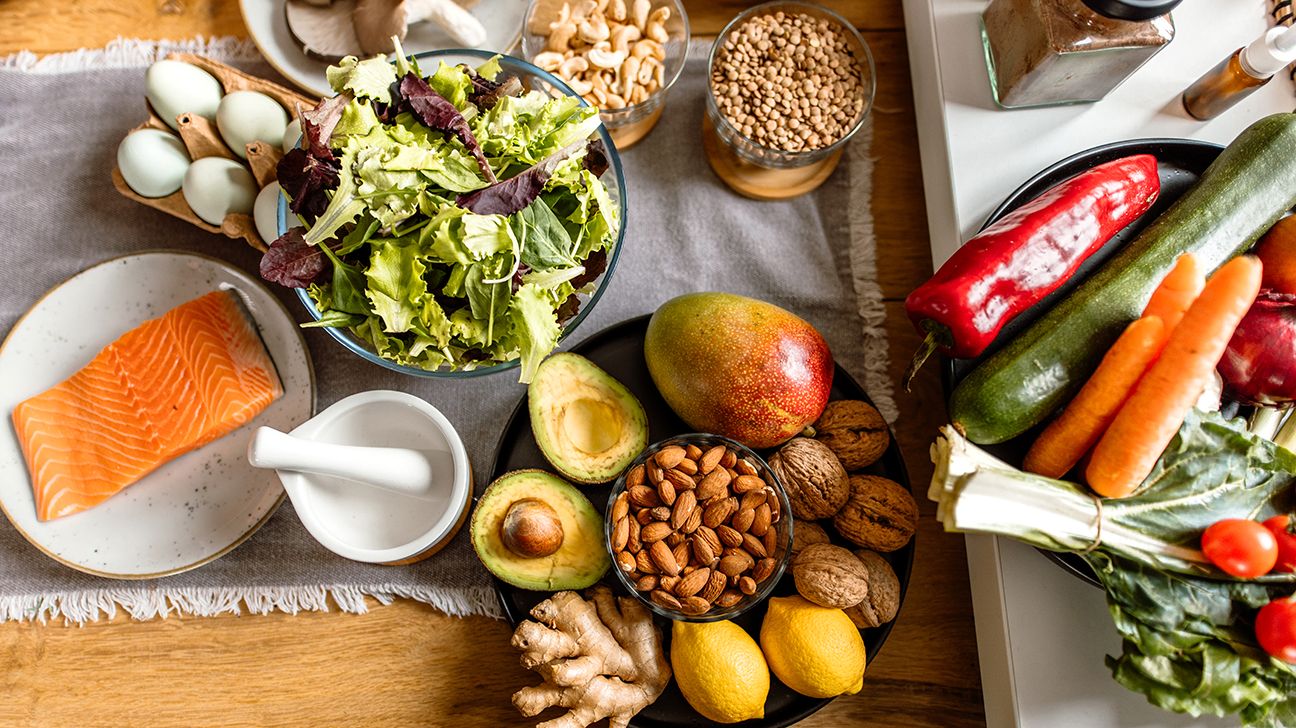
Cooking with mushrooms like shiitake and maitake is healthy, but getting a high enough dose for RA benefits is hard through food alone. Extracts or supplements are usually needed for clinical effects.
Credit: www.healthline.com
What Does The Research Say?
Interest in medicinal mushrooms is growing fast. While more large, human studies are needed, early research is promising.
Human Studies
- A study in 2016 found that Reishi extract reduced joint pain and improved quality of life in RA patients after 12 weeks.
- Shiitake and Maitake extracts have been shown to lower inflammatory markers in small clinical trials.
- Cordyceps helped reduce fatigue and joint swelling in a 2020 pilot study.
Animal And Cell Studies
- Turkey Tail extract reduced joint inflammation in mice with RA-like disease.
- Agaricus blazei extract decreased joint swelling and immune activation in rats.
- Lion’s Mane reduced pain signals in nerve cells, suggesting a role in relieving RA-related nerve pain.
Most studies use mushroom extracts, not whole mushrooms. Always look for extracts standardized for beta-glucans or polysaccharides.
Safety And Side Effects
Medicinal mushrooms are generally safe when used as directed. Mild stomach upset is possible at first. Rarely, allergic reactions may happen.
If you have a mushroom allergy, avoid these supplements. People taking immune-suppressing drugs should talk with their doctor before starting.
How To Start A Mushroom Protocol For Ra
If you’re new to medicinal mushrooms, take these steps:
Step 1: Talk To Your Doctor
Even natural supplements can interact with medicines. Show your doctor the products you want to use, especially if you take steroids or biologics.
Step 2: Choose Quality Products
- Look for brands that test for heavy metals and toxins.
- Choose extracts standardized for beta-glucans (30% or higher is good).
- Avoid products with lots of fillers or unknown ingredients.
Step 3: Start Low And Go Slow
Begin with one mushroom at a low dose. Wait a few days, then add another. This helps you spot any side effects.
Step 4: Track Your Symptoms
Keep a simple diary of pain, swelling, energy, and flares. Review after 8-12 weeks to see if you notice changes.
Step 5: Combine With Other Healthy Habits
Mushroom protocols work best with a healthy diet, regular gentle exercise, and stress management.
Sample Mushroom Protocol Plan
Here’s a sample 12-week plan for starting out:
| Week | Mushrooms | Daily Dose | Notes |
|---|---|---|---|
| 1-2 | Reishi | 500mg | Start low, check for allergies |
| 3-4 | + Shiitake | 500mg | Add second mushroom, monitor effects |
| 5-6 | + Maitake | 500mg | Increase variety for immune modulation |
| 7-12 | Reishi, Shiitake, Maitake | 500mg each | Continue, track symptoms weekly |
If you do well, you can add Cordyceps or Chaga after 8 weeks.
Comparing Mushrooms: Effects And Focus
Medicinal mushrooms have overlapping benefits, but each has a unique strength. Here’s a simple comparison:
| Mushroom | Best For | Main Effect | Extra Benefit |
|---|---|---|---|
| Reishi | Immune Balance | Calms overactive immune system | Improves sleep |
| Shiitake | Inflammation | Lowers inflammatory markers | Heart health |
| Maitake | Fatigue | Boosts energy, immune support | Blood sugar balance |
| Cordyceps | Stamina | Reduces tiredness, joint swelling | Lung support |
| Turkey Tail | Immune Modulation | Normalizes immune activity | Gut health |
| Lion’s Mane | Nerve Pain | Reduces nerve inflammation | Brain health |
| Chaga | Antioxidants | Fights oxidative stress | Skin health |
| Agaricus blazei | Joint Swelling | Reduces swelling, boosts immunity | Liver support |
Practical Tips And Common Mistakes
Many people want quick results and get discouraged if they don’t see changes in a few days. Here’s how to get the most from your mushroom protocol:
Practical Tips
- Consistency is key. Take your mushroom supplements daily, not just when you feel bad.
- Rotate mushrooms every few months to prevent tolerance.
- Pair with vitamin D and omega-3s for extra anti-inflammatory power.
- Stay hydrated. Mushrooms can have a mild diuretic effect.
- Check for interactions if you’re on blood thinners, diabetes medication, or immune suppressants.
Common Mistakes
- Using too low a dose: Many people take too little and see no effect.
- Stopping too soon: Mushrooms work slowly. Give them at least 2-3 months.
- Ignoring quality: Cheap, low-quality products may contain little active ingredient or even harmful contaminants.
- Relying only on mushrooms: They work best as part of an overall healthy lifestyle.
A non-obvious insight: The gut microbiome plays a big role in RA flares. Mushrooms support gut health, but pairing them with fermented foods (like yogurt or kimchi) can boost results.
Are Mushrooms Safe With Ra Medications?
Most medicinal mushrooms are safe with standard RA drugs. They do not usually cause serious side effects. However, there are a few things to keep in mind:
- Immune suppressants: Some mushrooms may interact with drugs that lower the immune response. Always check with your doctor.
- Blood thinners: Reishi can increase bleeding risk when combined with warfarin or aspirin.
- Diabetes drugs: Maitake and Cordyceps can lower blood sugar; monitor if you take these medications.
Many doctors are open to natural therapies if you share your plan and keep them informed.

Credit: www.veganomega.com.au
How To Tell If The Protocol Is Working
Tracking your progress is important. Do not rely on memory alone. Here’s what to watch for:
Signs Of Improvement
- Fewer flares: Noticeable reduction in flare frequency or intensity
- Less morning stiffness: Easier movement after rest
- Lower pain scores: Use a 0-10 scale in your diary
- More energy: Able to do more daily activities
- Better sleep: Less waking from pain at night
When To Adjust
If you do not see any change after 12 weeks, review your protocol. Check dose, product quality, and other lifestyle factors. Sometimes, switching mushroom types or increasing the dose (within safe limits) helps.
A non-obvious tip: Keep track of diet, stress, and sleep alongside mushroom use. These factors often explain changes in RA symptoms.
Real-life Examples
Thousands of people with RA are trying mushroom protocols. Here are some real stories:
- Maria, 45, Spain: “I started with Reishi and Maitake. After two months, I had fewer flares and more energy. My doctor noticed my blood tests improved, too.”
- Samir, 38, India: “I combined Cordyceps with Turkey Tail. My joint swelling dropped, and I felt less tired. I still use my medicines, but I feel better overall.”
- Helen, 53, UK: “Shiitake and Chaga helped my morning stiffness. I also eat more fermented foods and feel my gut is healthier.”
These stories are not proof, but they show that many people see real benefits.

Credit: rheumatologistoncall.com
What To Watch Out For: Safety And Side Effects
Mushrooms are food, but extracts are more potent. Side effects are rare but can include:
- Mild stomach upset
- Diarrhea or loose stools
- Allergic reactions (rash, itching, swelling)
If you get a rash, trouble breathing, or swelling, stop immediately and seek medical help.
Buying from reputable brands reduces risk. If you’re pregnant, breastfeeding, or have a serious illness, check with your doctor first.
Integrating Mushrooms Into Your Diet
Supplements are best for clinical doses, but eating mushrooms is still healthy. Add shiitake, maitake, or oyster mushrooms to soups, stir-fries, or omelets.
Try this simple recipe:
Mushroom Stir-Fry for Joint Health
- 1 cup sliced shiitake mushrooms
- 1 cup sliced maitake mushrooms
- 1 chopped onion
- 2 garlic cloves, minced
- 1 tbsp olive oil
- Salt and pepper to taste
- Fresh parsley
Sauté onions and garlic in olive oil. Add mushrooms, cook until soft. Season and top with parsley. Serve with brown rice for a filling meal.
Remember, food mushrooms support general health, but concentrated extracts are needed for RA effects.
The Role Of Mushrooms In A Complete Ra Plan
A mushroom protocol is not a cure, but it can be a powerful tool. Use it alongside:
- Medicines as prescribed
- Anti-inflammatory diet: Rich in vegetables, fruits, and healthy fats
- Gentle exercise: Walking, swimming, yoga
- Stress management: Mindfulness, meditation, or therapy
Combining these elements gives you the best chance to reduce flares naturally.
Who Should Not Use A Mushroom Protocol?
- People with known mushroom allergies
- Those taking strong immune suppressants, unless advised by a doctor
- Anyone with autoimmune liver disease (as some mushrooms affect liver enzymes)
- Pregnant or breastfeeding women (safety not well studied)
If you are unsure, start with a small dose and consult a healthcare professional.
Where To Find Reliable Mushroom Supplements
With the popularity of mushrooms, the market is full of choices. Look for:
- Brands with third-party testing (check for lab results)
- Products standardized for 30% or more beta-glucans
- Clear ingredient labels (no hidden fillers)
Buy from health food stores, pharmacies, or reputable online shops. Avoid buying from unknown sources.
For more about medicinal mushroom research, see the page from the National Institutes of Health.
How Mushrooms Compare With Other Natural Supplements
Many people use turmeric, omega-3s, or ginger for RA. How do mushrooms stack up?
| Supplement | Main Effect | Evidence for RA | Best Used With |
|---|---|---|---|
| Mushrooms | Immune modulation, anti-inflammatory | Growing, early human studies | Omega-3s, Vitamin D |
| Turmeric | Reduces inflammation | Good, especially with black pepper | Mushrooms, ginger |
| Omega-3s | Joint health, lowers inflammation | Strong, many studies | Mushrooms, turmeric |
| Ginger | Pain relief | Some evidence, mainly for mild pain | Turmeric, mushrooms |
Mushrooms bring a unique immune-balancing effect, which is not seen with most herbs or oils.
Frequently Asked Questions
What Is The Best Mushroom For Rheumatoid Arthritis?
Reishi is often considered the best for RA because it balances the immune system and reduces inflammation. Shiitake and Maitake are also popular for their anti-inflammatory and energy-boosting effects. Many protocols combine two or three types for best results.
How Long Does It Take To See Results With A Mushroom Protocol?
Most people need at least 8 to 12 weeks to notice significant changes in pain, swelling, or flares. Effects are gradual, not instant. Consistency and correct dosing are important for results.
Can I Stop My Ra Medicine If I Use Mushrooms?
No, do not stop your prescribed RA medicine without your doctor’s approval. Mushrooms can help reduce symptoms and flares but are not a cure or replacement for medical treatment. They work best alongside standard therapies.
Are There Any Side Effects From Medicinal Mushrooms?
Side effects are rare and usually mild, such as stomach upset or allergic reactions. Serious effects are uncommon. Start with low doses to check for your reaction, and always use high-quality products.
Where Can I Find Reliable Information About Mushroom Research For Ra?
For the latest research and medical reviews, visit the National Institutes of Health website. It provides scientific articles and clinical studies on medicinal mushrooms and autoimmune diseases.
Living with rheumatoid arthritis is never easy, but there are more options than ever for managing symptoms naturally. The mushroom protocol offers a safe, science-backed way to support your immune system, reduce flares, and improve your quality of life. Remember, the key is consistency, good product quality, and working with your healthcare team.
If you combine mushrooms with other healthy habits, you may find new hope in your RA journey—one step, and one mushroom, at a time.