
Functional Mushrooms For Thyroid Health: Hashimoto’s, Graves’, And Beyond
The world of natural health is always changing, but some discoveries stand out because they offer real hope. Functional mushrooms are one of those discoveries. These are not the mushrooms you find on pizza. Instead, they are special types, used for centuries in traditional medicine, that may support the body in many ways—especially for people with thyroid problems like Hashimoto’s disease and Graves’ disease.
Thyroid health affects everything in the body: energy, weight, mood, heart, and even how you handle stress. When the thyroid stops working well, many symptoms can appear. Hashimoto’s and Graves’ are two common thyroid autoimmune diseases. In Hashimoto’s, the immune system attacks the thyroid, often causing it to slow down. In Graves’, the immune system causes the thyroid to become overactive.
Modern medicine offers treatments, but some people look for more gentle, supportive options. That’s where functional mushrooms come in. These unique fungi may help balance the immune system, reduce inflammation, and even support hormone health. But how do they work?
Which mushrooms are best for thyroid health? And what does science say?
This article explores the power of functional mushrooms for thyroid health. We’ll go deep into how they work, which ones to use, what to avoid, and how to use them safely. Along the way, you’ll find real examples, practical tips, and up-to-date research.
Understanding Thyroid Health And Autoimmunity
The thyroid gland is a small butterfly-shaped organ at the front of your neck. It makes hormones that control how fast your body works. When the thyroid works well, you have good energy, a stable mood, and a healthy weight. When it doesn’t, you may feel tired, gain or lose weight, feel anxious or depressed, or have trouble sleeping.
Hashimoto’s and Graves’ are both autoimmune thyroid diseases. This means the body’s immune system, which is supposed to protect you, starts to attack the thyroid by mistake.
Hashimoto’s Thyroiditis
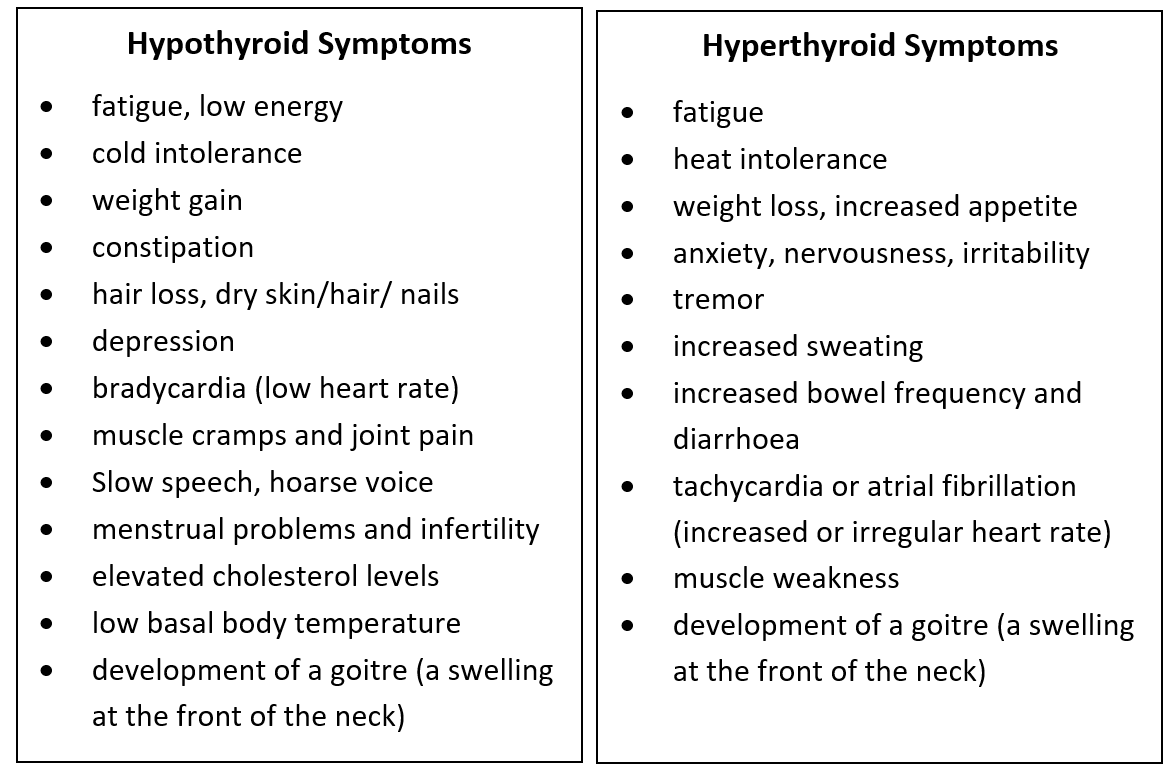
Hashimoto’s is the most common cause of an underactive thyroid. Signs include feeling tired, gaining weight, feeling cold, and hair loss. The immune system creates antibodies that damage thyroid cells, so the gland can’t make enough hormone. Over time, symptoms can get worse.
Graves’ Disease
Graves’ disease is the main cause of an overactive thyroid. It brings different symptoms: feeling restless, losing weight, sweating, fast heartbeat, and sometimes bulging eyes. Here, the immune system makes antibodies that force the thyroid to work too hard.
Why The Immune System Attacks
No one knows the exact reason, but genes, stress, infections, and diet all play a part. Both Hashimoto’s and Graves’ can cause swings between too little and too much thyroid hormone, especially early on.
The Role Of Inflammation
A key problem in both diseases is chronic inflammation. The immune system’s attack creates inflammation in the thyroid and other parts of the body. This can cause fatigue, pain, and other symptoms that are hard to treat.
What Are Functional Mushrooms?
Functional mushrooms are types of fungi that do more than just feed you. They contain compounds that may boost health, support the immune system, and help manage stress. They have been used in Traditional Chinese Medicine (TCM) and other healing systems for thousands of years.
Some of the most studied functional mushrooms for thyroid and immune health include:
- Reishi (Ganoderma lucidum)
- Cordyceps (Cordyceps militaris and Cordyceps sinensis)
- Lion’s Mane (Hericium erinaceus)
- Chaga (Inonotus obliquus)
- Maitake (Grifola frondosa)
- Shiitake (Lentinula edodes)
- Turkey Tail (Trametes versicolor)
Each of these mushrooms has unique properties. Some reduce inflammation. Others help balance the immune system. Some may even support healthy hormone levels.
How Functional Mushrooms Support Thyroid Health
Immune Modulation
A key feature of functional mushrooms is their ability to modulate the immune system. This means they can calm an overactive immune response (as in autoimmunity) but also support a weak immune system when needed. This is important for thyroid diseases, where the immune system is out of balance.
Reducing Chronic Inflammation
Many mushrooms are rich in beta-glucans and other compounds that lower inflammation. By reducing inflammation, they may help ease symptoms and slow the damage to the thyroid.
Stress And Hormone Support
Chronic stress is a known trigger for thyroid problems. Some mushrooms, like reishi and cordyceps, are adaptogens. This means they help the body cope with stress. Less stress can mean better thyroid health.
Gut Health
There is a strong link between gut health, immunity, and thyroid function. Mushrooms like turkey tail contain prebiotics, which feed healthy gut bacteria. A healthy gut may mean less inflammation and a better-balanced immune system.
Antioxidant Effects
Mushrooms are packed with antioxidants. These help protect cells from damage caused by free radicals—unstable molecules that can harm the thyroid and other tissues.
The Top Functional Mushrooms For Thyroid Health
Let’s look at each mushroom in detail, focusing on how it may help thyroid conditions, especially Hashimoto’s and Graves’. You’ll also learn about research findings, common uses, and important safety tips.
Reishi (ganoderma Lucidum)
Reishi, often called the “mushroom of immortality,” has been used in Asia for thousands of years. It is well-known for its calming effect and its ability to balance the immune system.
How Reishi Supports Thyroid Health:
- Helps calm an overactive immune system, which is useful in both Hashimoto’s and Graves’.
- Reduces inflammation throughout the body.
- Acts as an adaptogen to help the body cope with stress.
- Contains triterpenes, which may help regulate hormone levels.
What Research Says:
Studies show that reishi can lower markers of inflammation and reduce autoimmune activity in animal models. Some small human studies suggest it may support mood and energy in people with chronic illnesses.
How to Use:
Reishi is often taken as a tea, capsule, or extract. It has a bitter taste, so many prefer capsules or powders mixed into smoothies.
Safety:
Reishi is generally safe, but high doses can thin the blood. People on blood thinners or with low blood pressure should talk to a doctor before using it.
Cordyceps (cordyceps Militaris And Cordyceps Sinensis)
Cordyceps is famous for boosting energy and endurance. It grows on insects in the wild, but most supplements use a lab-grown version.
How Cordyceps Supports Thyroid Health:
- Acts as an adaptogen, helping the body handle stress (a major thyroid trigger).
- May increase ATP (the body’s energy molecule), which can fight fatigue.
- Supports immune balance, without over-activating it.
What Research Says:
Animal studies show cordyceps can boost thyroid hormone production in cases of low thyroid (hypothyroidism). It may also improve stamina and reduce feelings of tiredness.
How to Use:
Cordyceps is available as capsules, powder, or tincture. It has a mild, earthy taste and works well in teas and smoothies.
Safety:
Cordyceps is safe for most people, but those with autoimmune diseases should monitor for any symptoms that get worse.
Lion’s Mane (hericium Erinaceus)
Lion’s Mane is best known for supporting brain health, but it may also help people with thyroid issues.
How Lion’s Mane Supports Thyroid Health:
- Encourages nerve growth, which may be useful if thyroid damage affects nerves (as in long-term hypothyroidism).
- Reduces inflammation.
- May improve mood and mental clarity, which are often a problem for those with thyroid disorders.
What Research Says:
Research shows Lion’s Mane helps improve memory and reduce depression in people with mild cognitive problems. Animal studies show it can reduce inflammation and support nerve repair.
How to Use:
Lion’s Mane is easy to use in capsules, powder, or cooked as food. Many people add the powder to coffee or tea.
Safety:
Lion’s Mane is very safe. Rarely, it can cause mild stomach upset.
Chaga (inonotus Obliquus)
Chaga grows mainly on birch trees in cold climates. It is known for its deep, earthy flavor and strong antioxidant effects.
How Chaga Supports Thyroid Health:
- Rich in antioxidants, which may protect the thyroid from damage.
- Reduces inflammation.
- May support immune balance by lowering harmful immune responses.
What Research Says:
Chaga contains high levels of superoxide dismutase (SOD), a powerful antioxidant enzyme. Studies show it can reduce oxidative stress and inflammation in the body.
How to Use:
Chaga is often used as a tea, tincture, or powder. It has a strong, earthy taste.
Safety:
Chaga can thin the blood and may affect blood sugar. People with diabetes or bleeding problems should use caution.
Maitake (grifola Frondosa)
Maitake, also called “hen of the woods,” is popular in both cooking and medicine.
How Maitake Supports Thyroid Health:
- Contains beta-glucans that support immune balance.
- May help manage blood sugar, which is important because thyroid problems often affect blood sugar.
- Supports overall vitality.
What Research Says:
Maitake has been shown to boost immune function in animal and human studies. It may also help control blood sugar and cholesterol.
How to Use:
Maitake is delicious cooked in food, but it’s also available as capsules and powders.
Safety:
Maitake is safe for most, but can lower blood sugar. People on diabetes medication should watch their levels.
Shiitake (lentinula Edodes)
Shiitake is well-loved in many cuisines and has strong health properties.
How Shiitake Supports Thyroid Health:
- Contains lentinan, which helps balance the immune system.
- Is rich in B vitamins and minerals, which support energy and hormone production.
- May help reduce cholesterol, which can be high in people with low thyroid.
What Research Says:
Shiitake extracts improve immune function and may reduce inflammation. Eating shiitake may support heart health, too.
How to Use:
Shiitake is common in stir-fries and soups, but you can also take it as a supplement.
Safety:
Shiitake is safe to eat, but eating a lot raw can cause a skin rash in some people.
Turkey Tail (trametes Versicolor)
Turkey tail is famous for its immune-boosting effects. It looks like a colorful fan.
How Turkey Tail Supports Thyroid Health:
- Rich in polysaccharopeptides (PSP and PSK), which balance the immune system.
- Acts as a prebiotic, supporting gut health—important for thyroid and immune function.
- May help fight off infections, which can trigger thyroid symptoms.
What Research Says:
Turkey tail is used as a cancer support in Japan and China. Studies show it improves immune response and gut bacteria.
How to Use:
Turkey tail is bitter, so most people use capsules, tinctures, or teas.
Safety:
Very safe, but can cause digestive upset if taken in large amounts.
Credit: www.glenvillenutrition.ie
Comparing Functional Mushrooms: Properties For Thyroid Health
With so many choices, it helps to compare the main benefits, forms, and possible side effects of each mushroom. This can help you choose the best fit for your needs.
| Mushroom | Main Benefit | Best For | Form | Possible Side Effects |
|---|---|---|---|---|
| Reishi | Immune balance, stress reduction | Hashimoto’s & Graves’ | Capsule, powder, tea | Blood thinning, low BP |
| Cordyceps | Energy, adaptogen | Fatigue, stress | Capsule, powder, tincture | Rare allergic reactions |
| Lion’s Mane | Mood, nerve support | Brain fog, memory | Capsule, powder, food | Mild stomach upset |
| Chaga | Antioxidant, inflammation | Protection, detox | Tea, tincture, powder | Blood thinning, blood sugar |
| Maitake | Immune, blood sugar | Vitality, sugar balance | Food, capsule, powder | Low blood sugar |
| Shiitake | Immune, nutrients | Overall support | Food, supplement | Skin rash (rare) |
| Turkey Tail | Immune, gut health | Immunity, digestion | Tea, capsule, tincture | Digestive upset |
Practical Ways To Use Functional Mushrooms
You might wonder how to add these mushrooms to your routine. There are several options, and some work better for certain people or symptoms.
Capsules And Tablets
These are the easiest to use and have a consistent dose. Good for people who don’t like the taste or want to travel.
Powders
Powders mix easily into smoothies, coffee, or soup. They allow you to adjust the dose but can taste strong.
Teas And Tinctures
Teas are traditional and gentle. Tinctures (liquid extracts) offer a quick and strong dose.
Cooking
Some mushrooms, like maitake and shiitake, are delicious and nutritious when cooked. Cooking also helps release their health compounds.
Combining Mushrooms
Many people combine two or three mushrooms for broader benefits. For example, a mix of reishi for stress, lion’s mane for mood, and turkey tail for immunity is popular.
Dosage
- Start low: 500 mg per day is a common starting point.
- Gradually increase, as tolerated, to 1-3 grams per day.
- Always check the label for extracts (they are stronger than simple powders).
Non-obvious insight: Some people feel better with less, not more. If you get new symptoms (like headaches or stomach upset), lower your dose or stop for a few days.

Credit: drbrighten.com
Functional Mushrooms And Hashimoto’s Disease
Hashimoto’s is marked by a slow, steady attack on the thyroid. The main goals are to slow this attack, lower inflammation, and support the immune system without making it more aggressive.
Best mushrooms for Hashimoto’s:
- Reishi (immune calming, anti-inflammatory)
- Chaga (antioxidant, reduces damage)
- Maitake (immune support, blood sugar balance)
- Lion’s Mane (brain fog, mood)
How they help:
- Lowering thyroid antibodies (the immune markers that attack the thyroid)
- Reducing fatigue and brain fog
- Easing symptoms like joint pain and depression
Real example: A 2020 study found that people with Hashimoto’s who took a blend of reishi and maitake for three months had lower thyroid antibody levels and felt less tired.
Tip: Take mushrooms with food to reduce stomach upset.
Non-obvious insight: Gut health is often weak in Hashimoto’s. Turkey tail and shiitake can help by feeding healthy gut bacteria, which may also lower thyroid antibodies.
Functional Mushrooms And Graves’ Disease
Graves’ disease is different because the immune system pushes the thyroid to make too much hormone. The main goals here are to calm the immune system, reduce anxiety, and protect the body from too much thyroid hormone.
Best mushrooms for Graves’:
- Reishi (calming, lowers stress and immune overactivity)
- Cordyceps (reduces fatigue, supports adrenal glands)
- Lion’s Mane (helps with anxiety, brain fog)
How they help:
- Lowering stress and anxiety (which can trigger flares)
- Balancing immune response (not making it more aggressive)
- Supporting heart health (some mushrooms help lower cholesterol and blood pressure)
Real example: In a small Japanese study, patients with Graves’ who used reishi reported better sleep and less anxiety after eight weeks.
Tip: Be careful with chaga and maitake if you have very high thyroid hormone, as they may increase energy or heart rate in some people.
Hashimoto’s Vs. Graves’: Mushroom Use Differences
While there is overlap, the best mushroom for you depends on your symptoms and which disease you have.
| Thyroid Condition | Primary Goal | Recommended Mushrooms | Notes |
|---|---|---|---|
| Hashimoto’s | Lower inflammation, support immunity | Reishi, chaga, maitake, lion’s mane | Focus on calming and repair |
| Graves’ | Calm immune, manage stress | Reishi, cordyceps, lion’s mane | Careful with high-energy mushrooms |
Beyond Hashimoto’s And Graves’: Other Thyroid Concerns
Not all thyroid problems are autoimmune. Some people have simple underactive (hypothyroid) or overactive (hyperthyroid) thyroid, nodules, or goiter. Functional mushrooms may help here too.
- For hypothyroid (slow thyroid): Cordyceps and maitake may help with energy and metabolism.
- For hyperthyroid (fast thyroid): Reishi can help calm the system and reduce anxiety.
- For thyroid nodules or goiter: No mushroom will shrink nodules, but antioxidants like chaga may protect the thyroid from further damage.
Insight: Functional mushrooms should never replace thyroid medicine, but they can be a helpful support.
Safety, Side Effects, And Interactions
Most functional mushrooms are very safe, but there are some things to keep in mind:
- Allergies: Rare but possible—stop if you get a rash or trouble breathing.
- Autoimmune flares: Some people with very sensitive immune systems may feel worse at first. Start slow and watch your symptoms.
- Blood thinning: Reishi and chaga can thin the blood. If you take blood thinners, check with your doctor.
- Blood sugar: Maitake and chaga can lower blood sugar. Monitor if you have diabetes.
- Pregnancy and breastfeeding: Not enough data—avoid unless your doctor says it’s safe.
Non-obvious insight: The quality of mushroom supplements can vary a lot. Some products contain fillers, heavy metals, or only mycelium (mushroom root) instead of fruiting bodies (the part with most health compounds). Always buy from a trusted brand.
Choosing A Quality Functional Mushroom Supplement
With so many products, how can you know what’s best? Here are key points to check:
- Fruiting body vs. mycelium: The fruiting body (the part above ground) has more active compounds. Mycelium (the root-like part) is cheaper and less effective.
- Third-party testing: Look for brands that test for heavy metals, pesticides, and purity.
- Extraction method: Dual extraction (water and alcohol) is best for reishi and chaga, because it gets all the key compounds.
- Company reputation: Choose brands with good reviews and transparent labeling.
Tip: Avoid products with lots of added starch or fillers. The label should list the mushroom species and extraction method.

Credit: www.cell.com
Combining Functional Mushrooms With Other Thyroid Treatments
Functional mushrooms can be safely used alongside most thyroid medicines, but there are a few things to remember:
- Take thyroid medication at least one hour before mushrooms or any supplements, to avoid interference with absorption.
- Monitor your thyroid levels with your doctor. If you feel much better or worse, your medicine dose may need adjusting.
- Don’t stop prescribed medicine without your doctor’s advice.
Non-obvious insight: Some people who add functional mushrooms to their routine find they need less thyroid medicine over time, but this should always be done with medical supervision.
Functional Mushroom Recipes For Thyroid Health
Want to try mushrooms in your kitchen? Here are three easy ways to use them:
1. Reishi Calming Tea
- 1 tsp reishi powder (or 1 reishi tea bag)
- 1 cup hot water
- 1 tsp honey (optional)
Steep reishi in hot water for 10 minutes. Add honey if desired. Drink in the evening to help relax.
2. Lion’s Mane Smoothie
- 1 tsp lion’s mane powder
- 1 cup almond milk
- 1 banana
- 1 tbsp almond butter
- 1 tsp cocoa powder
Blend all ingredients until smooth. Great for breakfast or a midday snack.
3. Shiitake And Maitake Stir-fry
- 1 cup sliced shiitake mushrooms
- 1 cup chopped maitake mushrooms
- 1 tbsp olive oil
- 1 clove garlic, minced
- 1 cup broccoli florets
- 2 tbsp soy sauce
Heat oil in a pan, add garlic and mushrooms, sauté 3-4 minutes, add broccoli and soy sauce, cook until veggies are soft. Serve over rice.
Tip: Cooking mushrooms breaks down tough cell walls, making their nutrients easier to absorb.
Real-world Success Stories
Many people with thyroid problems have added functional mushrooms to their routine and noticed real benefits. Here are two examples:
Anna, 45, with Hashimoto’s:
“I started taking reishi and turkey tail as tea every morning. After two months, my energy improved, my brain fog lifted, and my antibody levels dropped. My doctor was surprised!”
David, 38, with Graves’:
“When my Graves’ symptoms flared, I added cordyceps and lion’s mane. It helped me feel less anxious and more focused. I still take my medicine, but the mushrooms make daily life easier. ”
What Science Still Needs To Learn
While there’s a lot of promise, research on mushrooms and thyroid health is still young. Most studies are small or in animals. More human research is needed, especially for Graves’ disease.
Insight: While waiting for more studies, using mushrooms as a gentle support (not a replacement for medicine) is a smart, safe approach.
If you’re looking for more detailed scientific data, check out this resource from the National Institutes of Health.
Frequently Asked Questions
What Is The Best Functional Mushroom For Hashimoto’s Disease?
Reishi is often considered best for Hashimoto’s because it calms the immune system and lowers inflammation. Chaga and lion’s mane are also helpful for fatigue and brain fog.
Can Mushrooms Cure Thyroid Disease?
No, functional mushrooms cannot cure thyroid disease. They may help ease symptoms and support overall health, but you should continue your doctor’s treatment plan.
Are There Any Mushrooms To Avoid With Graves’ Disease?
If you have Graves’ and are sensitive to stimulants, be cautious with cordyceps and maitake, as they can increase energy or heart rate in some people.
How Long Does It Take To See Results From Functional Mushrooms?
Most people notice benefits in 2 to 8 weeks. Improvements may include better energy, mood, or fewer symptoms. Track your progress and check with your doctor.
Can I Take Functional Mushrooms With Thyroid Medication?
Yes, but take your thyroid medicine at least one hour before any mushroom supplement. This helps avoid problems with absorption. Always talk to your doctor before adding new supplements.
Functional mushrooms offer real hope and support for people with thyroid problems, including Hashimoto’s and Graves’. By choosing the right mushroom, using it wisely, and working with your healthcare team, you can take a positive step toward better thyroid and overall health.
Remember, natural tools work best when used with knowledge, care, and patience.