
People around the world struggle with sleep. Lying awake at night, watching the clock, and feeling tired all day is more common than you might think. Insomnia is not just about missing a few hours of sleep—over time, it can cause real problems for your health, mood, and even memory.
Many people search for natural ways to sleep better, hoping to avoid heavy medications or groggy mornings.
Recently, functional mushrooms have become a hot topic in the world of natural sleep solutions. These are not the white mushrooms you find in a salad—they are special varieties known for unique benefits. Functional mushrooms are now used in teas, powders, and capsules to support sleep and calm the mind.
If you want a full, practical guide to using functional mushrooms for insomnia, you’re in the right place. This article explains which mushrooms help, how they work in your body, and how to use them safely. We’ll also cover a complete protocol for better sleep, with tips, science, and a clear FAQ at the end.
Let’s explore how these powerful fungi might help you finally get a good night’s rest.
Understanding Insomnia And Its Impact
Insomnia means you have trouble falling asleep, staying asleep, or both. It’s not just about feeling tired; it can affect your whole life. People with insomnia often feel anxious, irritable, or unable to focus during the day. Chronic sleep loss increases the risk of heart disease, depression, obesity, and type 2 diabetes.
A 2022 report from the World Health Organization found that about 1 in 7 adults worldwide suffer from long-term insomnia. The causes can be stress, irregular schedules, poor sleep habits, or even medical problems. Prescription sleep aids are common, but they can have side effects such as dependence or morning grogginess. This is why many people turn to natural options like functional mushrooms.
Insomnia also affects relationships and work performance. You might find yourself snapping at friends or family, or making simple mistakes at work because your brain is foggy. Over time, poor sleep can reduce your motivation and lower your immune system’s defenses, making you more likely to get sick.
Many people do not realize that even small changes in sleep patterns—like regularly staying up late or waking too early—can set off a cycle of poor sleep that is hard to break.
Another overlooked part of insomnia is its effect on hormones. When you don’t sleep enough, your body produces more cortisol (the stress hormone) and less melatonin (the sleep hormone). This imbalance can make it even harder to fall asleep the next night. The result is a vicious circle: poor sleep causes more stress, and more stress causes even worse sleep.
What Are Functional Mushrooms?
Functional mushrooms are a group of mushrooms used for their health-boosting properties. Unlike culinary mushrooms, these varieties have been part of traditional medicine for centuries, especially in Asia. They contain compounds such as beta-glucans, triterpenes, and ergothioneine that can support the immune system, reduce stress, and improve sleep quality.
Common functional mushrooms include:
- Reishi
- Lion’s Mane
- Chaga
- Cordyceps
- Maitake
- Shiitake
- Turkey Tail
Not all of these help with sleep. Some are better for energy or immunity. For insomnia, specific mushrooms have shown the strongest benefits, as you’ll see below.
Functional mushrooms are sometimes called “medicinal mushrooms. ” Their use in ancient Chinese and Japanese traditions goes back thousands of years. For example, Reishi was once reserved for emperors because it was believed to bring long life and calm. Today, modern research confirms that these mushrooms contain unique molecules not found in common foods.
Beta-glucans, for example, can boost immune cell activity, while triterpenes in Reishi are linked to reduced anxiety.
It is important to know that functional mushrooms are not magic pills. They work by gently supporting the body’s own processes. Many people do not feel instant effects, but notice gradual improvements in mood, energy, and sleep over several weeks.
How Functional Mushrooms Support Sleep
Functional mushrooms help sleep in several ways:
- Stress Reduction: Many mushrooms contain natural adaptogens. These help the body handle stress and keep cortisol (the stress hormone) in balance.
- Calming the Nervous System: Some mushrooms increase GABA (a calming brain chemical) and help relax the mind.
- Supporting the Immune System: Good sleep and immunity are connected. Mushrooms that boost immunity may also help sleep.
- Reducing Inflammation: Chronic inflammation can disrupt sleep. Mushrooms with anti-inflammatory effects can calm the body at night.
Stress is one of the main reasons people can’t sleep. When your mind races at night, adaptogens like Reishi can lower stress hormones and help you feel calm. This is different from sleeping pills, which often force the body into sleep.
Many functional mushrooms help increase GABA, a chemical in the brain that slows down brain activity and helps you relax. When GABA levels are low, your mind stays active and it’s harder to “switch off. ” By gently increasing GABA, mushrooms can help you drift into sleep naturally.
Another part people often miss is the link between sleep and the immune system. When you sleep well, your immune cells repair and refresh. When you don’t, your body stays in “alert mode,” raising stress hormones and inflammation. Mushrooms that support the immune system, like Turkey Tail and Chaga, may help break this cycle.
Some mushrooms also help the body deal with inflammation—a hidden cause of poor sleep. For example, Lion’s Mane contains antioxidants that protect nerves from stress. By reducing hidden inflammation, mushrooms help your body settle into deeper, more restful sleep.
Best Functional Mushrooms For Insomnia
Reishi (ganoderma Lucidum)
Reishi is often called the “mushroom of immortality.” In traditional Chinese medicine, it’s valued for its calming effects and ability to support the body’s natural sleep cycle.
- How It Helps Sleep: Reishi contains triterpenes and polysaccharides that lower anxiety, reduce stress, and help you fall asleep faster.
- Science: Studies show that Reishi can increase total sleep time and improve sleep quality. One study in rats found a 45% increase in non-REM sleep after taking Reishi extract for three days.
- Best For: People with stress-related insomnia, or those who wake up often during the night.
People often describe the effects of Reishi as a “gentle calming wave” rather than heavy sedation. This is helpful for those who feel “tired but wired”—physically exhausted but unable to relax their mind. Reishi may also help balance the body’s natural circadian rhythm, making it easier to fall asleep at the same time each night.
A practical example: If you tend to lie awake worrying about the next day, Reishi might help quiet your thoughts without making you feel drugged. Some people also use Reishi during times of stress, such as after a tough day at work, to help the body unwind.
Lion’s Mane (hericium Erinaceus)
Lion’s Mane is known for brain health, but it can also help with sleep, especially if your insomnia is connected to anxiety or mood.
- How It Helps Sleep: Lion’s Mane can reduce mild symptoms of depression and anxiety, which often make insomnia worse.
- Science: A Japanese study found that women taking Lion’s Mane cookies for 4 weeks had less anxiety and better sleep quality.
- Best For: People whose insomnia is linked to worry, brain fog, or mild depression.
Lion’s Mane works in a different way than Reishi. It supports the growth of new nerve cells and helps the brain recover from stress. Over time, this can lift mood and make falling asleep easier. Many people with “busy minds” find that Lion’s Mane helps them feel more clear-headed during the day and more relaxed at night.
Non-obvious insight: Lion’s Mane may also support REM sleep—the deep stage of sleep needed for memory and learning. This makes it a good choice for students, professionals, or anyone under mental pressure.
Chaga (inonotus Obliquus)
Chaga is a powerful antioxidant mushroom. While it’s more famous for boosting immunity, it can also support restful sleep by reducing inflammation.
- How It Helps Sleep: Chaga may help balance the immune system and reduce inflammation, making it easier for your body to relax.
- Science: Animal studies show that Chaga can increase antioxidant levels and lower markers of inflammation.
- Best For: People whose insomnia is related to chronic illness or inflammation.
If you struggle with aches, pains, or wake up feeling sore, Chaga’s anti-inflammatory effects may help you rest better. Many people do not realize that physical discomfort—even mild—can prevent deep sleep. By lowering background inflammation, Chaga helps the body feel more at ease.
Another benefit of Chaga is its support for liver health. Since the liver works overnight to detoxify the body, a healthier liver can mean better sleep. People with allergies or frequent colds may also find that Chaga helps them sleep more deeply.
Cordyceps (cordyceps Sinensis)
Cordyceps is unique—it’s mostly known for boosting energy, but it can help regulate your natural sleep-wake cycle.
- How It Helps Sleep: Cordyceps improves oxygen use and supports adrenal health, which can balance daily energy and night-time rest.
- Science: Research in mice suggests Cordyceps can normalize disrupted sleep patterns caused by stress.
- Best For: People with irregular schedules, jet lag, or fatigue-related insomnia.
Cordyceps is helpful if your sleep problem is not just falling asleep, but also feeling tired during the day or waking up unrefreshed. Shift workers, travelers, or those with “social jet lag” (staying up late on weekends) may benefit.
Non-obvious insight: Cordyceps can sometimes boost libido and endurance. If you notice extra energy, adjust your dose to earlier in the evening rather than right before bed.
Maitake And Shiitake
These mushrooms are not primary sleep aids, but they support general health, which is important for steady sleep.
- How They Help Sleep: Both boost immunity and contain B vitamins, which are needed for healthy nerves and mood.
- Science: No direct studies on insomnia, but research suggests better immunity leads to more stable sleep.
- Best For: People looking for a gentle, all-around health boost.
Maitake and Shiitake can be helpful if your sleep is disturbed by frequent illness, mild colds, or allergies. They also support gut health, which is now known to influence mood and sleep patterns. Some sleep experts recommend eating more of these mushrooms as food as well as supplements.
Turkey Tail (trametes Versicolor)
Turkey Tail is rich in polysaccharides that support gut health and immunity.
- How It Helps Sleep: A healthy gut is important for making serotonin and melatonin (the sleep hormone).
- Science: Studies show Turkey Tail extracts can increase beneficial bacteria in the gut.
- Best For: People with digestive issues or trouble falling asleep.
If you often feel bloated, have irregular digestion, or have taken antibiotics recently, Turkey Tail may help restore gut balance. Improved gut health can boost your mood and help your body create its own sleep hormones. Some people even notice fewer food cravings at night, which can help avoid late-night snacking that disturbs sleep.

Credit: www.frontiersin.org
How To Choose The Right Functional Mushroom
Not every mushroom works for every person. Here’s a quick comparison to help you decide:
| Mushroom | Main Benefit | Best For | Form |
|---|---|---|---|
| Reishi | Calm, stress relief | Stress-related insomnia | Tea, powder, capsules |
| Lion’s Mane | Mood, brain health | Anxiety, mild depression | Powder, capsules |
| Chaga | Antioxidant, immune | Inflammation, illness | Tea, powder |
| Cordyceps | Energy balance | Irregular sleep, jet lag | Powder, capsules |
| Turkey Tail | Gut health | Digestive issues | Tea, powder, capsules |
Some people use a blend of two or three mushrooms. For example, you might try Reishi with Lion’s Mane if you have both stress and anxiety.
Practical tip: If you’re new, start with a single mushroom for two weeks. This makes it easier to notice effects and adjust your protocol. If you see benefits but want more support, try adding a second mushroom.
Non-obvious insight: Sometimes, less is more. Using too many mushrooms at once can make it hard to know what’s working.
Forms Of Functional Mushrooms: Which Is Best For Sleep?
Functional mushrooms come in several forms. The right form can make a big difference in how well it works for you.
Teas And Decoctions
- Pros: Easy to make, calming bedtime ritual, fast absorption.
- Cons: Taste may be bitter; not all mushrooms taste good as tea.
- Best For: People who enjoy warm drinks before bed.
Many people find the act of brewing tea helps signal to the brain that it’s time to wind down. Adding honey or lemon can improve the taste.
Powders
- Pros: Can be mixed into smoothies, milk, or water; easy to adjust dose.
- Cons: Some powders are less potent if not extracted well.
- Best For: Those wanting flexibility in dosing or adding to recipes.
To get the best results, look for “dual-extracted” powders, which contain both water- and alcohol-soluble compounds.
Capsules
- Pros: Convenient, tasteless, precise dosing.
- Cons: Takes longer to absorb, may cost more.
- Best For: Busy people or anyone sensitive to taste.
Capsules are great for travel or if you want to keep your supplement routine simple.
Extracts And Tinctures
- Pros: Highly concentrated, quick action.
- Cons: May contain alcohol, so check labels.
- Best For: People needing strong effects or rapid results.
Tinctures are often used under the tongue for faster absorption. If you avoid alcohol, look for glycerin-based extracts.
Here’s a quick comparison:
| Form | Speed of Action | Ease of Use | Potency |
|---|---|---|---|
| Tea | Fast | Moderate | Medium |
| Powder | Medium | High | Varies |
| Capsule | Slow | Very High | High |
| Extract/Tincture | Fast | High | Very High |
Practical tip: For those sensitive to caffeine, check that the mushroom product is caffeine-free. Some blends may add green tea for extra benefits, but this can disturb sleep if taken too late.
Dosage Guidelines And Timing
Getting the dose right is crucial. Too little, and you won’t see benefits. Too much, and you may get stomach upset.
- Reishi: 1-3 grams (powder/tea) or 1-2 capsules (standardized extract) 30-60 minutes before bed.
- Lion’s Mane: 500-1000 mg, once daily, best taken in the evening if using for sleep.
- Chaga: 1-2 grams as tea or powder, can be split morning and night.
- Cordyceps: Usually taken in the morning for energy, but for sleep support, a small dose (250-500 mg) in the early evening can help regulate the cycle.
- Turkey Tail: 1-3 grams daily, split between morning and evening.
Non-obvious insight: Always start with the lowest dose and increase slowly over a week. Mushrooms can have a cumulative effect—improvements may take 2-4 weeks to notice.
Practical tip: Take mushroom supplements with a small snack or after a meal. This helps with absorption and reduces the chance of stomach upset, especially with extracts.
Remember, everyone’s body is different. Age, weight, and overall health can affect how you respond. Keep a log of your dose and any changes in your sleep for better tracking.
Functional Mushroom Sleep Protocol: Step-by-step
If you want to try functional mushrooms for insomnia, follow this simple protocol:
- Choose Your Mushroom: Start with Reishi if you’re unsure.
- Pick Your Form: Tea before bed, or capsules if you dislike the taste.
- Set a Routine: Take your chosen mushroom at the same time every night.
- Create a Sleep Ritual: Combine mushroom tea with other calming activities—reading, stretching, or listening to soft music.
- Track Your Progress: Keep a sleep journal. Note how quickly you fall asleep, how often you wake up, and how you feel in the morning.
- Adjust as Needed: If you see no change after 2 weeks, consider adding Lion’s Mane or Turkey Tail, or adjusting your dose.
- Supportive Habits: No mushroom will fix sleep alone. Darken your room, avoid screens before bed, and keep your bedtime consistent.
- Give It Time: Natural solutions often work slowly but steadily. Be patient.
Example Sleep Protocol
- 8: 30 PM: Light snack (avoid sugar/caffeine)
- 9: 00 PM: Brew Reishi tea or take 1-2 capsules
- 9: 15 PM: Gentle stretching or meditation
- 9: 30 PM: Read a book (not a screen)
- 10: 00 PM: Lights out
Practical tip: If you wake up at night, avoid reaching for your phone. Instead, sip a small amount of warm water or practice deep breathing.
Non-obvious insight: Adding relaxing scents like lavender to your sleep area can boost the effects of functional mushrooms. Your senses work together to build strong bedtime signals.
Combining Mushrooms With Other Sleep Aids
Many people ask if they can use functional mushrooms with other natural sleep aids. The answer is yes, but use caution.
Safe Combinations
- Magnesium: Supports muscle relaxation and works well with Reishi.
- L-theanine: Found in green tea, helps calm the mind.
- Glycine: An amino acid that can lower body temperature for deeper sleep.
- Valerian Root: Mild herbal sedative, but start with a low dose if mixing with mushrooms.
Some people also use chamomile tea or passionflower with mushrooms for extra relaxation. Always introduce new supplements one at a time to watch for side effects.
What To Avoid
- High doses of melatonin: Can cause vivid dreams or grogginess when combined with mushrooms.
- Alcohol or sedative drugs: Never mix with functional mushrooms unless a doctor approves.
Non-obvious insight: If you use prescription sleep medication, talk to your doctor before adding any mushroom supplement.
Safety And Side Effects
Functional mushrooms are generally safe, but not for everyone. Here’s what to know:
Possible Side Effects
- Digestive upset: Nausea, gas, or diarrhea, especially at high doses.
- Allergic reactions: Rare, but possible, especially if you have mushroom allergies.
- Drowsiness: If you feel too sleepy in the morning, reduce your dose.
Who Should Avoid
- Pregnant or breastfeeding women: Safety has not been established.
- People with autoimmune diseases: Mushrooms can boost immunity, which may not be safe for these conditions.
- Those on blood thinners: Some mushrooms, like Reishi, may increase bleeding risk.
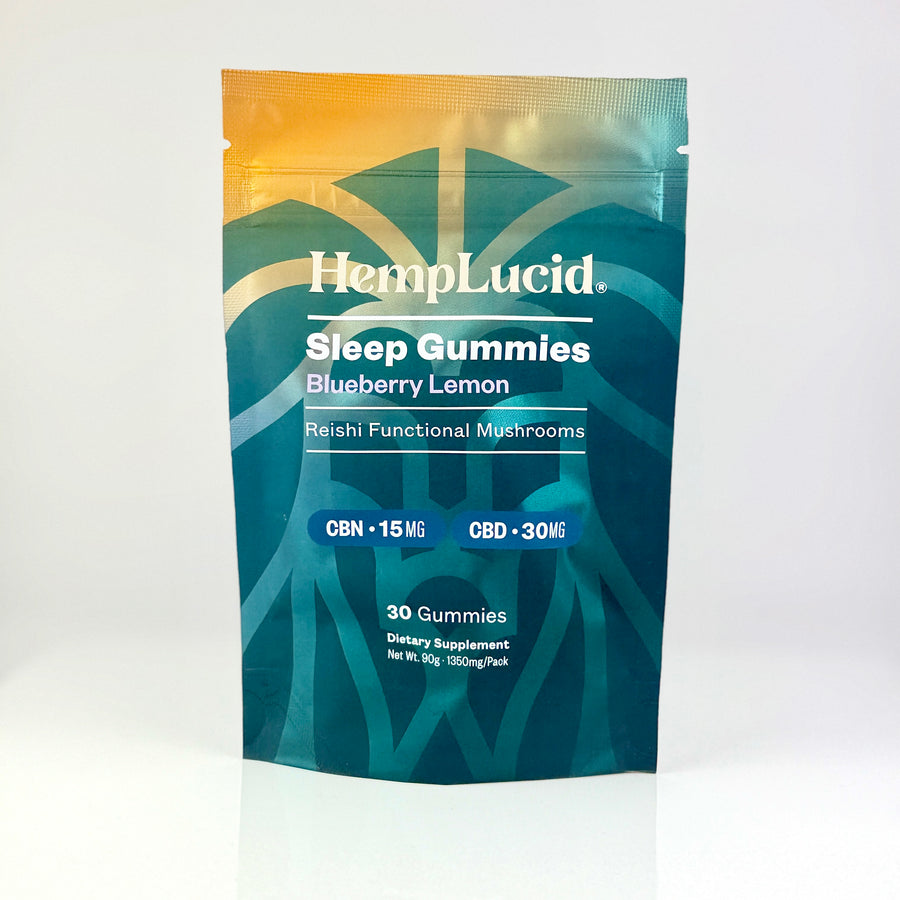
Practical tip: Always buy from reputable brands. Look for third-party testing or organic certification.
Non-obvious insight: Quality matters more than price. Cheaper brands may use only the mycelium (root) instead of the fruiting body (the main mushroom), which is less effective for sleep.
Credit: wholesale.hemplucid.com
Common Mistakes To Avoid
Even natural solutions need careful use. Here are mistakes many beginners make:
- Expecting instant results: Mushrooms build up in your system and work gradually.
- Taking them at random times: Consistent timing is key for sleep benefits.
- Ignoring sleep hygiene: Mushroom supplements won’t help if you use screens late at night or drink caffeine in the evening.
- Using poor-quality products: Some powders are mostly fillers. Check labels for the Latin name and extraction method.
- Mixing too many supplements: Keep your protocol simple at first.
Another common mistake is stopping too soon. Many people give up after a few days, but the best benefits often appear after 3-4 weeks. If you don’t track your sleep, you might also miss slow improvements.
Scientific Evidence: What Do Studies Show?
Research on functional mushrooms for insomnia is growing. Most studies so far are small, but results are promising.
- Reishi: A 2012 animal study found that Reishi extract increased non-REM sleep and total sleep time in rats. Human studies are limited but suggest improved sleep quality and less fatigue.
- Lion’s Mane: A 2010 Japanese study found reduced anxiety and improved sleep in women after 4 weeks of Lion’s Mane.
- Cordyceps: Research shows it may help reset circadian rhythms, especially after stress or jet lag.
- Chaga and Turkey Tail: Mostly studied for immunity, but improved immune health is linked with better sleep.
For more scientific information, see the National Institutes of Health.
Non-obvious insight: The best studies show that functional mushrooms support the body’s natural systems, rather than forcing sleep like medications do. This means fewer side effects but also a need for patience.
Credit: slumbercbn.com
Real-world Examples And Success Stories
Many people share stories of better sleep after adding functional mushrooms. For example:
- Maria, 42: “I tried Reishi tea every night for two weeks. At first, I didn’t notice much, but after a month, I was falling asleep faster and waking up less.”
- James, 35: “Lion’s Mane helped with my anxiety, and after three weeks, my sleep improved. I still use a sleep journal to track progress.”
- Asha, 29: “I use a blend of Reishi and Turkey Tail capsules. It took about three weeks, but now I wake up feeling rested.”
Non-obvious insight: People often notice the biggest changes after 3-4 weeks, not just a few days. Patience is your best friend.
If you join online health forums, you’ll find people sharing tips on how they use mushroom teas or blends. Some mix their mushroom powder into “golden milk” (warm milk with turmeric and spices) for extra relaxation. Others set reminders on their phones so they don’t forget their evening dose.
Functional Mushrooms Vs. Conventional Sleep Aids
How do mushrooms compare to prescription or over-the-counter sleep aids? Here’s a summary:
| Type | How It Works | Pros | Cons |
|---|---|---|---|
| Functional Mushrooms | Support natural sleep cycle, reduce stress | Few side effects, non-habit forming, supports overall health | Works gradually, not a quick fix |
| Prescription drugs | Sedate the brain | Fast-acting, effective for severe insomnia | Dependency risk, morning grogginess, possible memory problems |
| OTC sleep aids | Antihistamines (drowsy) | Easy to buy, fast effect | Dry mouth, hangover effect, not for long-term use |
If you want a gentle, long-term solution, functional mushrooms are a safe starting point.
Non-obvious insight: Functional mushrooms can be safely used with good sleep habits for even better results, while drugs often work best as a last resort for severe cases.
Frequently Asked Questions
What Is The Best Functional Mushroom For Insomnia?
The most popular mushroom for sleep is Reishi. It is known for calming the mind and reducing stress. For people with anxiety or mood issues, Lion’s Mane can also help. Sometimes a blend works best, especially if your insomnia is complex.
How Long Does It Take For Functional Mushrooms To Help With Sleep?
Most people need 2-4 weeks of regular use to see real results. Mushrooms work slowly by balancing stress hormones and supporting the body’s natural rhythms. Keep a sleep journal to track progress.
Can I Take Functional Mushrooms With Other Sleep Supplements?
Yes, but start with one change at a time. Safe options to combine include magnesium or L-theanine. Avoid mixing with high doses of melatonin or sedative drugs unless your doctor approves.
Are There Any Side Effects From Using Functional Mushrooms For Sleep?
Side effects are rare but can include digestive upset or mild drowsiness. Allergic reactions are possible if you have a mushroom allergy. If you have health conditions or take medication, talk to your doctor before starting.
Where Can I Learn More About The Science Behind Functional Mushrooms?
A good resource is the National Institutes of Health, which offers free access to research papers and clinical studies.
Getting better sleep is possible. By choosing the right functional mushroom, setting a steady routine, and practicing patience, you can support your body’s natural rhythms and wake up feeling refreshed. Remember, sleep is a journey—give yourself time, and let nature do its work.