
Medicinal Mushrooms And Pregnancy: What’s Safe And What’s Not And Why
Pregnancy is a time of hope, excitement, and also caution. Every choice matters, especially when it comes to what you eat and drink. Many women turn to natural remedies for better health during these nine months. Medicinal mushrooms are one of these growing trends. But are they really safe for pregnant women? The answer is not simple.
Medicinal mushrooms have been used for centuries in traditional medicine. They are praised for their ability to boost the immune system, reduce stress, and fight inflammation. In modern times, you see them in powders, teas, supplements, and even coffee blends.
However, just because something is natural does not always mean it is safe during pregnancy.
This article explores the world of medicinal mushrooms and pregnancy. You will learn which mushrooms are considered safe, which ones to avoid, and why. We will look at the latest research, traditional uses, and expert opinions. By the end, you will have a clear understanding of what’s best for you and your baby.
Understanding Medicinal Mushrooms
Medicinal mushrooms are not the same as the mushrooms you cook in your kitchen. They are special fungi used for their health-promoting compounds. Some of the most popular include reishi, shiitake, chaga, cordyceps, lion’s mane, and turkey tail.
These mushrooms contain substances like beta-glucans, polysaccharides, and triterpenoids. These compounds may help the immune system, support heart health, and even fight cancer cells in lab studies. However, most research is done in test tubes or on animals, not on pregnant women.
Medicinal mushrooms are found in many forms:
- Dried and used in teas
- Ground into powders
- Capsules and tablets
- Extracts for tinctures
- Added to food products
Their effects can be strong and, in some cases, unpredictable—especially during pregnancy, when the body changes a lot.
Why Pregnancy Changes Everything
When you are pregnant, your body works differently. Hormones shift, the immune system adapts, and your liver processes things in new ways. What was safe before may not be safe now.
Pregnancy affects:
- Liver metabolism: Some substances stay in your body longer.
- Immune system: Mushrooms that “boost” the immune system might not always be good.
- Placental transfer: Compounds can pass to the baby.
Because of these changes, even natural remedies require special care. The lack of strong studies on medicinal mushrooms and pregnancy means doctors often recommend caution.
Credit: www.medicalnewstoday.com
Key Factors To Consider
Before using any medicinal mushroom during pregnancy, ask yourself:
- Is there solid research about its safety in pregnancy?
- Has it been used safely in traditional cultures by pregnant women?
- Does it interact with other medications or supplements?
- Can it cause allergic reactions or side effects?
Even if one mushroom is safe for most adults, it may not be safe for pregnant women.
Common Medicinal Mushrooms: Safety And Risks
Let’s look at the most popular medicinal mushrooms and what science and tradition say about their safety in pregnancy.
Reishi (ganoderma Lucidum)
Reishi is called the “mushroom of immortality” in Chinese medicine. It is used to boost immunity, reduce stress, and support sleep.
Safety In Pregnancy
- No high-quality human studies on pregnant women.
- Animal studies show mixed results. Some found possible changes in the uterus.
- Reishi can lower blood pressure and thin the blood, which can be risky.
Most experts advise avoiding reishi during pregnancy unless under medical supervision.
Practical Insight
Reishi can interact with blood thinners and blood pressure medicine. If you have a bleeding risk or are preparing for delivery, this is important.
Shiitake (lentinula Edodes)
Shiitake mushrooms are popular in cooking and traditional medicine. They contain lentinan, which may support the immune system.
Safety In Pregnancy
- Edible when cooked, as part of a normal diet.
- Raw shiitake can cause skin reactions and stomach upset.
- Supplements or extracts are not well-studied in pregnancy.
Eating cooked shiitake as food is generally safe in moderate amounts. Avoid raw or concentrated forms.
Non-obvious Insight
Shiitake supplements sometimes use much higher doses than food, which can cause unexpected side effects.
Chaga (inonotus Obliquus)
Chaga grows on birch trees and is packed with antioxidants. It is used for immune support and reducing inflammation.
Safety In Pregnancy
- No pregnancy-specific studies.
- May increase bleeding risk due to blood-thinning effects.
- Can interact with diabetes and blood pressure medications.
Most doctors recommend avoiding chaga during pregnancy.
Practical Example
If you are at risk for high blood pressure or gestational diabetes, chaga could interfere with your medications.
Cordyceps (cordyceps Sinensis)
Cordyceps is known for increasing energy and endurance. It has been used by athletes and in traditional Chinese medicine.
Safety In Pregnancy
- No strong human data for pregnancy safety.
- Animal studies show possible effects on hormone levels.
- May affect the immune system.
It is best to avoid cordyceps during pregnancy due to the lack of evidence and possible hormone impact.
Non-obvious Insight
Cordyceps is sometimes contaminated with heavy metals or toxins if not carefully sourced.
Lion’s Mane (hericium Erinaceus)
Lion’s mane supports brain health and may help with memory and focus.
Safety In Pregnancy
- No human research in pregnant women.
- Animal studies suggest it is not toxic, but not enough data.
- May affect nerve growth factors.
There is not enough evidence to recommend lion’s mane for pregnancy.
Practical Guidance
Some products mix lion’s mane with other herbs or mushrooms, making it harder to judge safety.
Turkey Tail (trametes Versicolor)
Turkey tail is used for immune support and cancer therapy support.
Safety In Pregnancy
- No studies in pregnancy.
- May overstimulate the immune system.
- Possible allergic reactions.
Pregnant women are usually advised to avoid turkey tail supplements.
Non-obvious Insight
Immune-boosting may sound good, but in pregnancy, the immune system is carefully balanced. Overstimulation can be risky.
Maitake (grifola Frondosa)
Maitake is known for supporting blood sugar control.
Safety In Pregnancy
- Used as food in many cultures.
- Supplements may lower blood sugar too much.
- Not enough research on extracts during pregnancy.
Maitake as food is likely safe; supplements should be avoided.
Agaricus Blazei
This mushroom is popular in Japan and Brazil for immune support.
Safety In Pregnancy
- Not enough data for safe use in pregnancy.
- Some studies show possible liver toxicity with high doses.
Avoid during pregnancy until more is known.
Other Mushrooms (enoki, Porcini, Oyster)
Many edible mushrooms are safe to eat when cooked and eaten as part of a balanced diet. Problems mostly come from concentrated supplements.
Comparing Medicinal Mushroom Safety In Pregnancy
To help you see the differences quickly, here’s a look at common mushrooms and their safety:
| Mushroom | Safe As Food? | Safe As Supplement? | Main Concern |
|---|---|---|---|
| Reishi | Unclear | No | Blood thinning, lack of data |
| Shiitake | Yes, cooked | Not recommended | Raw causes reactions |
| Chaga | Unclear | No | Bleeding risk |
| Cordyceps | Unclear | No | Hormone effects |
| Lion’s Mane | Unclear | No | Lack of research |
| Turkey Tail | Unclear | No | Immune overstimulation |
| Maitake | Yes | Not recommended | Blood sugar drop |
| Agaricus Blazei | Unclear | No | Liver toxicity |
Why Are Supplements Riskier Than Food?
Most concerns with medicinal mushrooms come from supplements and extracts. These products have much higher doses than normal food. They may also contain other substances, heavy metals, or pesticides.
Supplements are not regulated as strictly as medicines in many countries. This means:
- Ingredients may not match the label.
- Products could be contaminated.
- Doses could be much too high.
Pregnant women are more sensitive to these risks. If you want to use mushrooms, food sources are much safer than pills or powders.
Credit: wearechiyo.com
What About Traditional Use?
Some cultures have used mushrooms for centuries, even during pregnancy. For example, cooked shiitake and maitake are common in Japanese cooking. However, these uses are usually as part of a meal, not as a medicine or high-dose supplement.
Traditional use can be a guide, but it is not a guarantee of safety. The way mushrooms are prepared, their amount, and the health of the mother all matter.
Science Vs. Tradition: Why The Evidence Is Not Clear
Most studies on medicinal mushrooms focus on:
- Cells in the lab
- Animals (like mice or rats)
- People with health problems (such as cancer)
There are almost no studies on pregnant women. This is because it is not safe or ethical to test new substances on pregnant people. This is why most advice is based on animal data, case reports, and tradition.
Comparing Study Types
| Study Type | What It Shows | Limitations |
|---|---|---|
| Lab (cell) studies | How mushrooms affect cells | Does not predict whole-body effects |
| Animal studies | Short-term effects in animals | Animals are not humans |
| Human studies | Effects in people (usually sick adults) | Rarely includes pregnant women |
| Traditional use | How it is used in culture | Not always recorded or studied |
Because of these gaps, most doctors say, “If in doubt, leave it out. ”
Specific Risks Of Medicinal Mushrooms During Pregnancy
The main risks of medicinal mushrooms for pregnant women include:
- Immune system changes: Some mushrooms “boost” or stimulate immunity. In pregnancy, the immune system must balance to protect both mother and baby. Too much stimulation can cause complications.
- Bleeding risk: Reishi and chaga can thin the blood. This increases bleeding risk during delivery.
- Allergic reactions: Mushrooms can cause allergies, even if you have eaten them before.
- Toxin contamination: Some mushrooms absorb heavy metals or pesticides.
- Unknown effects on the baby: Mushrooms cross the placenta, but we do not know what happens to the baby.
- Blood sugar changes: Maitake can lower blood sugar, which can be dangerous if you have gestational diabetes.
When Are Medicinal Mushrooms Most Dangerous?
Some times in pregnancy are riskier than others:
- First trimester: This is when the baby’s organs are forming. Avoid all unnecessary supplements.
- Third trimester: Bleeding risks are higher, so avoid anything that thins the blood.
If you are considering any new supplement, always speak to your doctor or midwife first.
Are Any Medicinal Mushrooms Safe During Pregnancy?
The answer is not black and white. Based on tradition and limited research:
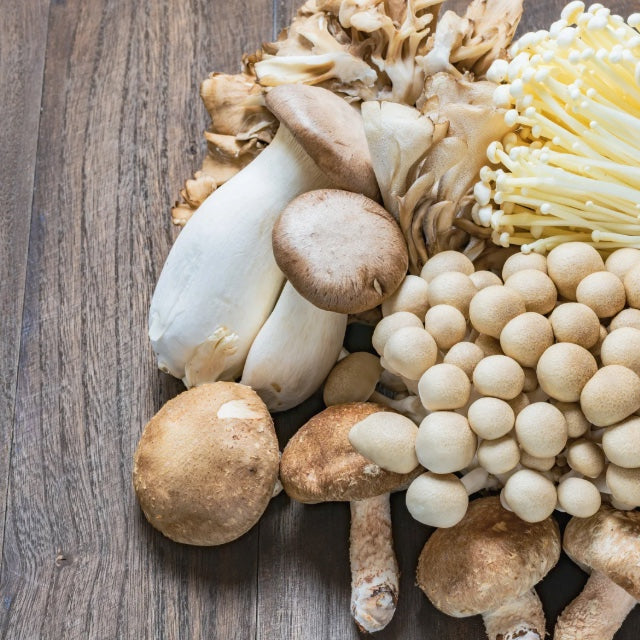
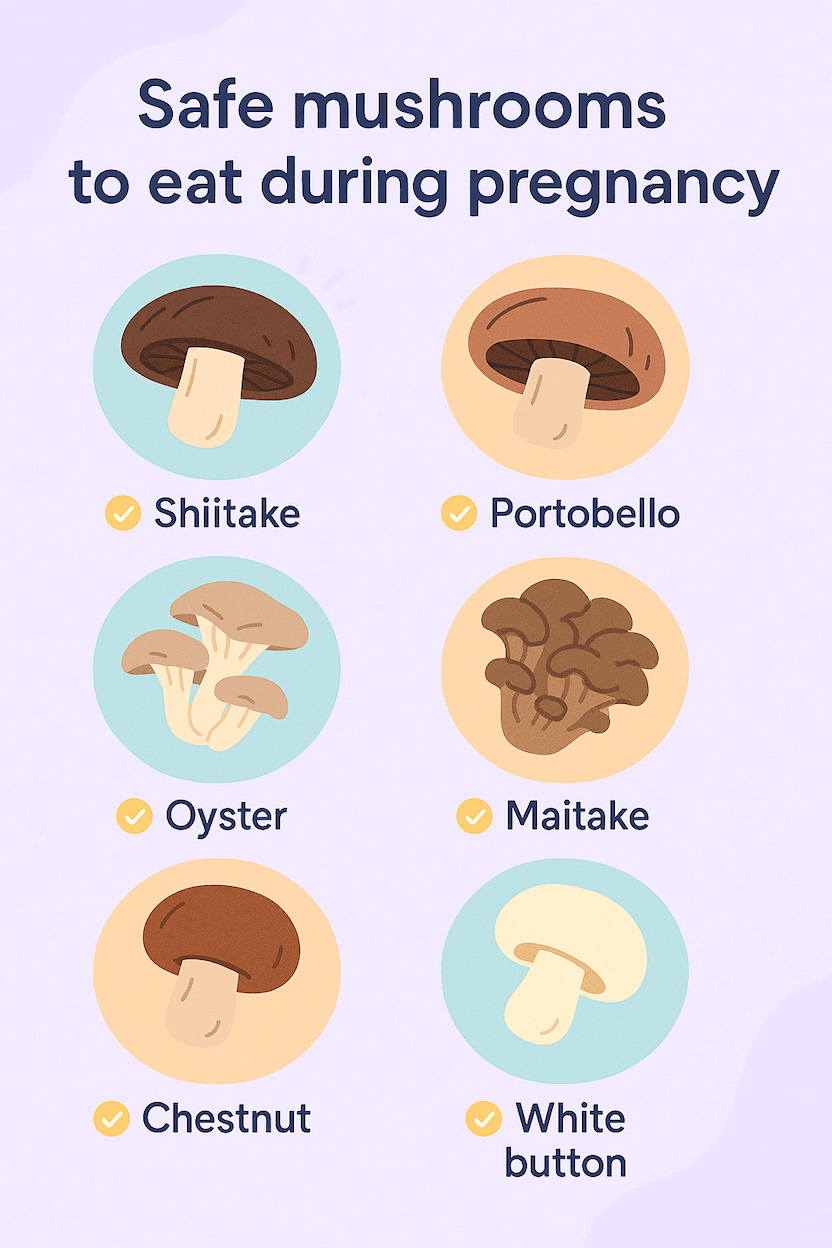
- Cooked, edible mushrooms (shiitake, maitake, enoki, oyster, white button, portobello) are usually safe as part of a balanced diet.
- Supplements, extracts, powders, and teas from medicinal mushrooms should be avoided unless a doctor says otherwise.
Remember, even “safe” mushrooms can cause problems if eaten raw, in large amounts, or if you have allergies.
Practical Guidelines For Pregnant Women
If you are pregnant and considering medicinal mushrooms, keep these guidelines in mind:
- Eat only cooked, edible mushrooms as part of meals.
- Avoid all mushroom supplements, teas, extracts, and powders.
- Read labels carefully, as many superfood blends contain hidden mushrooms.
- Tell your doctor about any mushroom products you use.
- Buy from trusted sources to reduce contamination risk.
- Start with a small amount if trying a new food.
- Avoid raw mushrooms due to possible bacteria or toxins.
- Monitor for allergic reactions, even if you have eaten mushrooms before.
- Do not use mushrooms to treat health problems during pregnancy without medical advice.
What Do Experts Say?
Most medical groups, including the American Pregnancy Association, recommend avoiding herbal and mushroom supplements during pregnancy. They say there is not enough evidence for safety.
Doctors and midwives may sometimes approve small amounts of cooked, edible mushrooms as part of a normal diet. But for medicinal mushrooms, they usually say “no” unless there is a serious medical need.
For more information, see the detailed advice from the National Institutes of Health.
Common Myths About Medicinal Mushrooms And Pregnancy
Let’s clear up some common misunderstandings:
- Myth: “Natural means safe.”
- Truth: Many natural things are not safe in pregnancy (for example, some herbs and mushrooms).
- Myth: “Traditional use means it’s okay.”
- Truth: Not all traditional practices are safe. Preparation and dose matter.
- Myth: “Supplements are just like food.”
- Truth: Supplements are much stronger and riskier.
- Myth: “If I don’t feel side effects, it’s safe.”
- Truth: Effects on the baby can happen without symptoms.
- Myth: “If I have eaten mushrooms before, I can eat any type.”
- Truth: Medicinal mushrooms are different from common edible mushrooms.
Credit: www.vitarx.co
How To Read Mushroom Product Labels
Many mushroom products look like simple “superfood” blends. But labels can be tricky. Look for:
- Latin names (like Ganoderma lucidum for reishi)
- Words like “extract,” “powder,” or “concentrate”
- Other herbs or supplements mixed in
If you are not sure what is in the product, avoid it during pregnancy.
What To Do If You Accidentally Take Medicinal Mushrooms
Sometimes, you might eat or drink something before you realize it contains medicinal mushrooms. Here’s what to do:
- Do not panic. Most single exposures will not harm the baby.
- Write down what and how much you took.
- Call your doctor or local poison control for advice.
- Watch for symptoms like rash, stomach upset, or allergic reactions.
Most problems happen with long-term use or high doses, not one-time exposure.
Are There Any Benefits For Pregnant Women?
Some people claim that medicinal mushrooms can help with:
- Immune support
- Reducing stress or anxiety
- Improving sleep
- Fighting infections
However, these benefits are not proven in pregnancy. The risks outweigh the possible rewards. There are safer ways to support your health, such as eating a balanced diet, getting enough sleep, and following prenatal care.
Safer Alternatives To Medicinal Mushrooms
If you want to boost your health naturally during pregnancy, consider these options:
- Eat a variety of fruits and vegetables.
- Stay hydrated with water and herbal teas approved by your doctor.
- Get enough rest.
- Practice stress management (gentle yoga, meditation, or deep breathing).
- Take prenatal vitamins as recommended by your healthcare provider.
Always talk with your doctor before adding new foods or supplements.
Real-life Stories: What Pregnant Women Experience
Some women share stories online about using medicinal mushrooms during pregnancy. Here are a few examples:
- One woman drank reishi tea in her first trimester and had mild nausea, which she thought was from pregnancy, but stopped the tea and felt better.
- Another tried a powdered “superfood” blend with chaga and noticed her blood pressure dropped.
- A third ate cooked shiitake as part of a stir-fry and had no problems.
These stories show that everyone reacts differently. What is safe for one woman may not be for another. Always put your and your baby’s safety first.
How To Talk With Your Doctor About Medicinal Mushrooms
Some doctors may not know much about medicinal mushrooms. Be clear and honest:
- Bring the product or label to your appointment.
- Ask if there are any risks for you or your baby.
- Tell your doctor about all supplements and herbal products you use.
- Follow their advice, even if it means stopping a favorite product for now.
The Bottom Line: Safety First
During pregnancy, your choices affect not just you, but your growing baby. Medicinal mushrooms have many interesting compounds, but there is not enough evidence to call them safe for pregnant women. The safest choice is to avoid all mushroom supplements, extracts, and teas. Cooked, edible mushrooms as part of a balanced diet are usually fine.
If you are ever in doubt, talk to your healthcare provider. There are safer ways to support your health and your baby’s development. Remember, caution now is always better than regret later.
Frequently Asked Questions
Is It Safe To Eat Regular Mushrooms While Pregnant?
Yes, regular edible mushrooms like button, cremini, shiitake, and maitake are safe when cooked and eaten as part of a meal. Avoid raw mushrooms due to possible bacteria or toxins.
Can Medicinal Mushroom Supplements Cause Miscarriage?
There is no direct proof, but some medicinal mushrooms (like reishi and chaga) can affect blood clotting and the immune system. This may increase risk, especially in the first trimester. It’s best to avoid all supplements during pregnancy.
Are Mushroom Coffees And Teas Safe In Pregnancy?
Most mushroom coffees and teas contain concentrated extracts. These are not well-studied in pregnancy and can be risky. Stick to regular coffee or pregnancy-safe herbal teas instead.
What Should I Do If I Ate A Medicinal Mushroom By Accident?
Don’t panic. Write down what you ate and how much. Watch for symptoms like rash or stomach upset. Call your doctor or local poison control for advice.
Can I Use Medicinal Mushrooms While Breastfeeding?
There is also little research on safety during breastfeeding. Many compounds can pass into breast milk. It’s safest to avoid medicinal mushroom supplements while nursing.
By staying informed and cautious, you can protect your health and your baby’s future. For more research-backed information, see the National Institutes of Health.